
Published: November 2025 | Last updated: April 2026 | Editorial review and quality control: Martina N.
For someone who is pregnant, finding out chlamydia is in the picture can feel frightening. The fear usually lands in two places: what the infection might do to the baby, and what testing or treatment will look like during pregnancy. The reassuring side of the story is that chlamydia is one of the most predictable infections to manage in pregnancy. With a simple urine test or self-collected swab, a single dose of antibiotic, and a follow-up retest, the risk to the baby drops to near zero. The harm comes from missed testing, not from the infection itself.
Can chlamydia harm my baby?
If chlamydia is treated during pregnancy, the risk to the baby is very low. The main danger is untreated infection at delivery, when the bacteria can pass to the newborn through the birth canal. The two recognized newborn complications are conjunctivitis (an eye infection that usually appears 5 to 12 days after birth) and pneumonia (which can appear weeks later). Both are treatable, and both are largely preventable with prenatal screening, antibiotic treatment, and a confirmation retest before labor.
Key Takeaways
- Chlamydia in pregnancy is treated with a single 1 gram oral dose of azithromycin, which is considered safe for both you and the baby per current CDC guidelines.
- The risk to the baby comes from untreated infection at the moment of delivery. Catching it earlier in pregnancy and confirming clearance before labor reduces that risk to near zero.
How Chlamydia Reaches the Baby
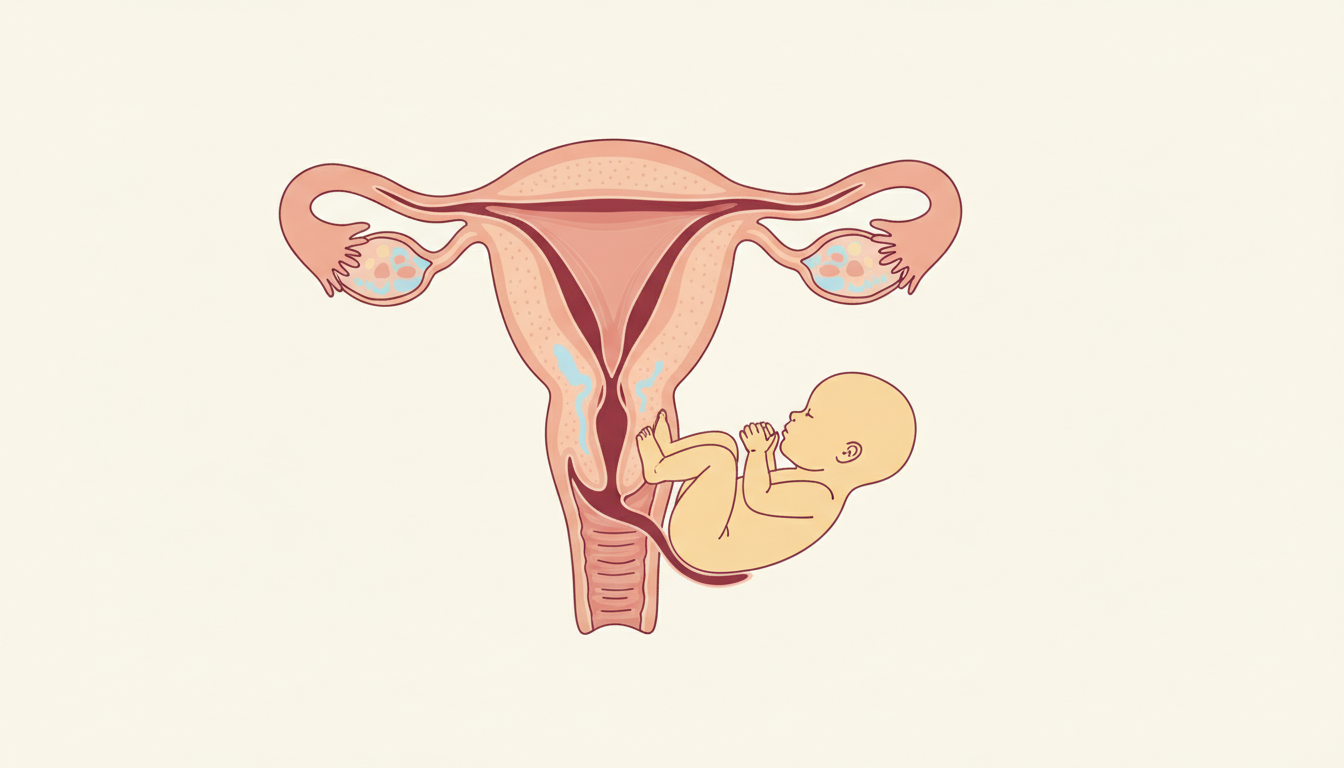
Chlamydia is caused by the bacterium Chlamydia trachomatis, which lives in the cervix, urethra, and (less commonly) the upper reproductive tract. During pregnancy, the bacteria do not usually cross the placenta. The risk to the baby is concentrated at one specific point: passage through the birth canal during a vaginal delivery. As the baby moves through, mucous membranes around the eyes and throat come into direct contact with infected secretions, and the bacteria can colonize those tissues.
That is why the timing of treatment matters far more than the timing of exposure. Chlamydia caught at the first prenatal visit and treated promptly almost never reaches the baby. Chlamydia still active at the moment of delivery is where the harm comes from. There is also a smaller, less common pathway: an ascending infection can occasionally reach the uterus before labor, contributing to early rupture of membranes or preterm contractions. That route is less frequent than birth-canal exposure but is part of why some providers rescreen in the third trimester.
What Can Happen to a Newborn Exposed to Chlamydia
If a baby is exposed during birth and the mother was not treated, three patterns of newborn illness are recognized in the medical literature. None are guaranteed; an exposed infant may have no symptoms at all. Knowing what to watch for matters because each one is fully treatable when caught early.
Conjunctivitis (newborn eye infection)
This is the most common perinatal complication. The CDC describes it as redness of the eyes, swelling of the eyelids, and discharge of pus, with symptoms typically appearing 5 to 12 days after birth. Symptoms can show up sooner if the amniotic sac ruptured during delivery. Treatment is a course of oral antibiotics (usually erythromycin syrup), and visual outcomes are excellent when diagnosed early. The standard antibiotic ointment given to all newborns at birth helps prevent gonococcal eye infection but does not reliably prevent chlamydial conjunctivitis, which is why maternal screening is the actual safeguard.
Newborn pneumonia
Less common than the eye infection but more serious, chlamydial pneumonia typically appears between two weeks and four months of life. Babies develop a distinctive staccato cough, faster-than-normal breathing, and sometimes a low-grade fever. A short hospital stay and a course of oral macrolide antibiotics usually clear the infection. Outcomes are very good when symptoms are recognized, but untreated pneumonia in a young infant can become a serious illness, which is why providers ask parents to bring babies in for any persistent cough or breathing difficulty in the first few months.
Preterm birth, low birth weight, and pregnancy loss
Untreated chlamydia in pregnancy is associated with a higher risk of preterm rupture of membranes, preterm delivery, and low birth weight; in early pregnancy it has also been linked to a modest increase in miscarriage risk. The exact size of the increase is debated in the literature, but the consistent signal is the reason treatment guidelines recommend universal first-trimester screening rather than risk-based screening.
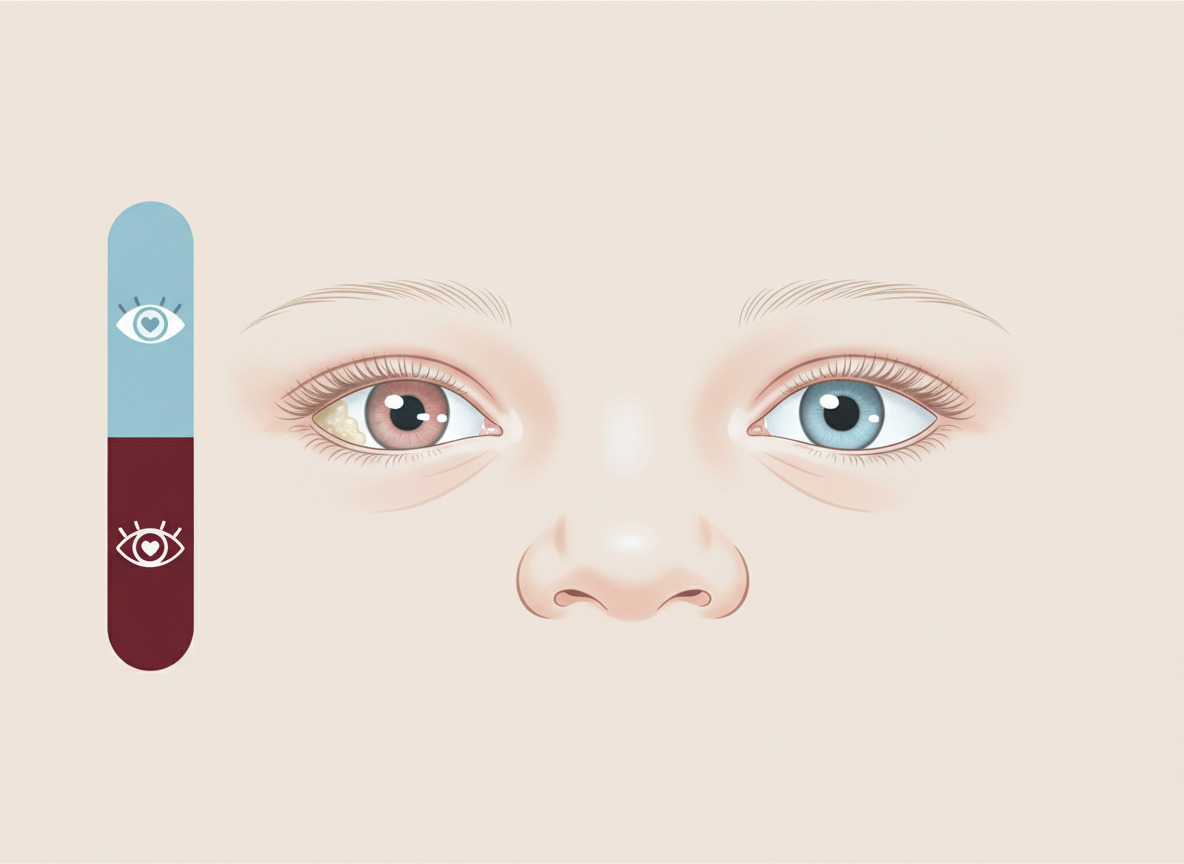
Newborn eye discharge that appears in the first two weeks should always be evaluated by a pediatrician, even when the mother was treated during pregnancy. Other organisms can cause neonatal conjunctivitis (notably gonorrhea, herpes, and a range of common bacteria), and the treatment is different for each. A simple eye-swab culture or PCR confirms which bug is responsible, and most cases resolve fully with the right antibiotic. Untreated, chlamydial conjunctivitis can persist for weeks, and severe cases can scar the cornea, which is why early evaluation matters.
Pregnancy-Stage Risks at a Glance
Different stages of pregnancy carry different vulnerabilities. The summary below tracks where untreated chlamydia matters most and what intervention reduces the risk at each point.
| Pregnancy stage | Risk if untreated | What lowers the risk |
|---|---|---|
| First trimester | Modest increase in miscarriage risk; key screening window | Test at first prenatal visit; antibiotic treatment if positive |
| Second trimester | Possible intrauterine inflammation; partner reinfection risk | Retest if new exposure or symptoms; treat partner |
| Third trimester | Higher risk of preterm rupture of membranes and preterm labor | Rescreen at 28 to 36 weeks if under 25 or higher-risk |
| Delivery | Direct birth-canal transmission to the newborn (eye infection or pneumonia) | Confirmed clearance before labor; partner tested and treated |
When and How to Test During Pregnancy
Routine prenatal care in the United States includes a chlamydia test at the first visit. The laboratory gold standard is a nucleic acid amplification test (NAAT) run on a urine sample or a self-collected vaginal swab. NAAT can detect chlamydia DNA at extremely low levels, which is why it is the recommended diagnostic in clinical settings.
The CDC also recommends rescreening certain groups in the third trimester. Per the 2021 STI Treatment Guidelines, women under 25 and those at increased risk should be retested in the third trimester, and a test of cure is recommended approximately four weeks after treatment to confirm the infection has cleared.
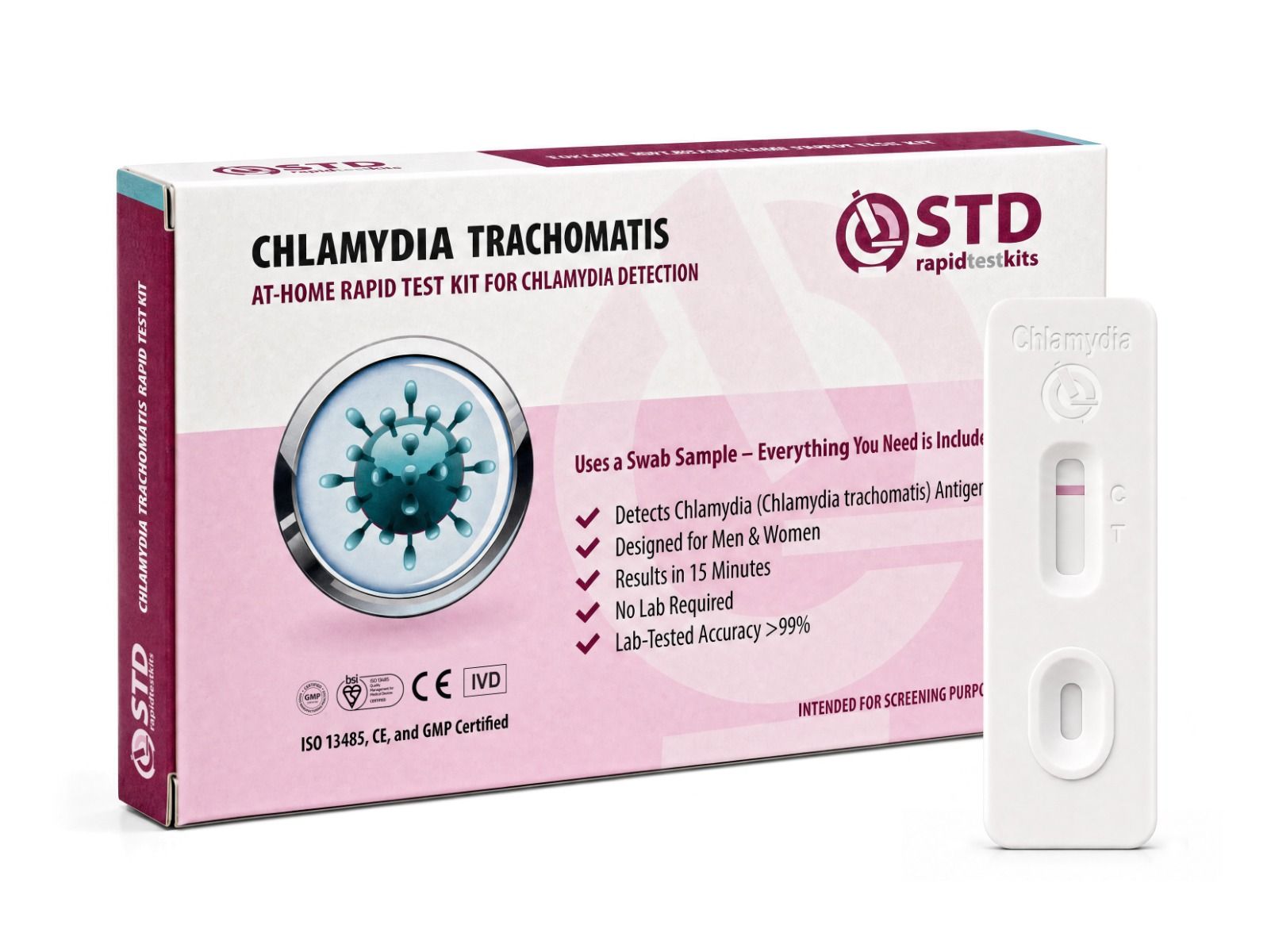
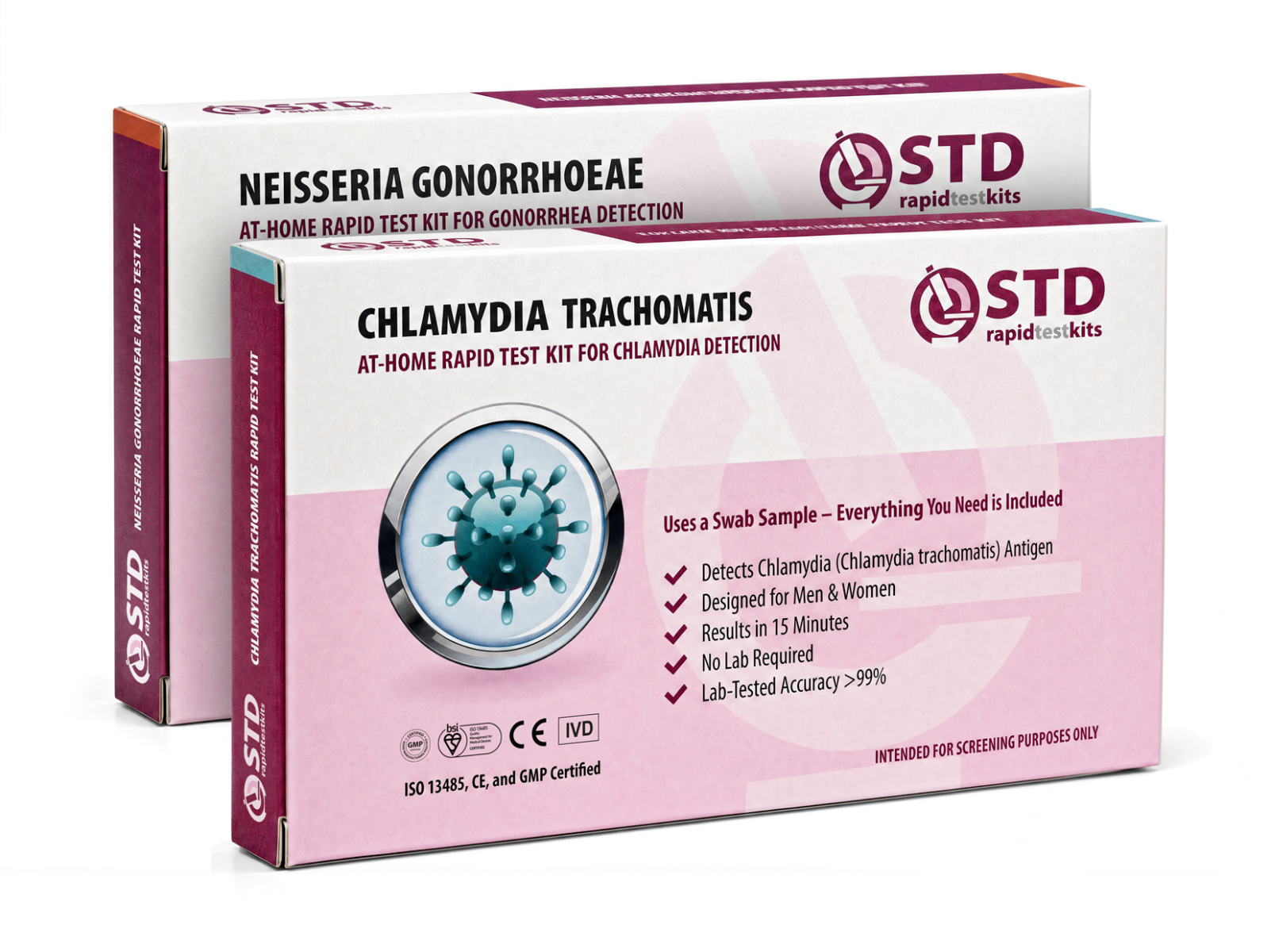
For follow-up testing between prenatal appointments, an at-home rapid test using the same swab sample type can flag an active infection in about fifteen minutes. At-home kits use lateral-flow chemistry, which is less analytically sensitive than lab NAAT but is useful for screening between visits, after a new exposure, or when waiting for a clinic appointment is not practical. A positive at-home result should always be confirmed with a clinic-run NAAT before treatment.
| Days since possible exposure | What testing tells you | Best next step |
|---|---|---|
| 0 to 6 days | Too early; a negative does not rule out infection | Wait, then test at the two-week mark unless symptoms appear |
| 7 to 13 days | Most infections become detectable in this window | Test now; plan a confirmatory retest if negative |
| 14 days or more | High likelihood of detection if infection is present | Standard testing window; trust a confirmed negative |
| Ongoing pregnancy | First-prenatal NAAT plus rescreen in the third trimester for higher-risk pregnancies | Follow your prenatal care plan and add an at-home check between visits if a new exposure happened |
Both use the same sample type (urine or a vaginal swab). Lab NAAT amplifies and detects bacterial DNA, which makes it extremely sensitive even at very low infection levels. An at-home rapid test detects bacterial antigens directly on a lateral-flow strip; it is fast and private but has a higher detection threshold. The two are complementary, not equivalent. For prenatal diagnosis and any positive result, a clinic-run NAAT is the standard.
Disclosure: stdrapidtestkits.com sells the rapid lateral-flow kits described in this article. We recommend them as a fit-for-purpose screening tool, and any positive result should be confirmed with a clinic-run NAAT before any treatment decision in pregnancy.
Safe Treatment for Chlamydia in Pregnancy
The first-line antibiotic for chlamydia in pregnancy is azithromycin, given as a single 1 gram oral dose. Amoxicillin (500 milligrams three times daily for seven days) is an accepted alternative when azithromycin is not appropriate. Doxycycline, the standard first-line treatment in non-pregnant adults, is contraindicated in the second and third trimesters because it can affect fetal tooth and bone development.
Most people respond fully to a single dose of azithromycin. The CDC recommends a test of cure approximately four weeks after treatment to document that the infection has cleared, and rescreening three months later because reinfection is common. Treatment does not protect against catching chlamydia again from an untreated partner.
Side effects from azithromycin in pregnancy are generally mild (nausea, occasional diarrhea, abdominal discomfort). Serious side effects are uncommon. The combination of single-dose dosing, established safety in pregnancy, and high cure rates is why this regimen has remained the recommended approach for years.
Doxycycline (the standard first-line treatment for chlamydia in non-pregnant adults) is contraindicated later in pregnancy because it can affect fetal tooth and bone development. Azithromycin is the safe substitute, given as a single 1 gram oral dose, with amoxicillin available as a backup if azithromycin is not appropriate. Always confirm the regimen with your prenatal provider rather than reusing a prescription from before pregnancy.
Partner Testing and Avoiding Reinfection
Chlamydia is often caught from a partner who has no idea they are infected. The infection causes no symptoms in the majority of people who carry it, and transmission can happen between sexual encounters silently. In pregnancy, this matters because reinfection before delivery is one of the main reasons a treated person tests positive again.
If chlamydia is diagnosed during pregnancy, every recent sexual partner needs to be tested and treated. Treating the pregnant person alone, while the partner remains positive, sets up a near-certain path to reinfection. Many U.S. states allow expedited partner therapy (EPT), which lets a provider prescribe antibiotics for a partner without requiring them to come in for a separate appointment; ask your prenatal provider whether EPT is available where you are.
For a couple who wants to confirm both partners are clear before delivery, an at-home swab or fingerstick test can be a practical bridge between the index diagnosis and the post-treatment retest. Use protection (or pause sexual contact) during the treatment window and until both retests come back negative.
Delivery, Breastfeeding, and Newborn Care
Vaginal delivery is safe after a fully treated chlamydia infection. Once the test of cure confirms clearance, the risk of birth-canal transmission falls back to baseline. Most providers do not recommend a cesarean delivery for chlamydia history alone; the indication for cesarean is decided on the usual obstetric grounds.
If treatment cannot be confirmed before labor (for example, when chlamydia is diagnosed late in pregnancy and there is not yet a follow-up retest), the newborn care team can monitor the infant more closely for signs of conjunctivitis or respiratory illness in the first weeks of life. Pediatric chlamydia is treated with oral antibiotics and the prognosis is excellent when caught early.
Breastfeeding is safe. Chlamydia does not transmit through breast milk, and azithromycin is considered compatible with breastfeeding (small amounts pass into milk but at levels well below those used to treat infants directly). The bigger consideration during the postpartum window is finishing the test of cure and continuing safe-sex practices until both partners are clear.
Vaginal delivery is safe after confirmed clearance: once the test of cure is negative, the risk of birth-canal transmission falls back to baseline. Breastfeeding is also safe: chlamydia does not transmit through breast milk, and azithromycin is considered compatible with nursing.
Long-Term Fertility and Future Pregnancies
One reason chlamydia screening matters beyond the immediate pregnancy is its long-term impact on the reproductive tract. Untreated chlamydia can ascend from the cervix into the uterus and fallopian tubes, where it triggers inflammation known as pelvic inflammatory disease (PID). PID can scar the fallopian tubes, raising the risk of ectopic pregnancy and tubal-factor infertility in future pregnancies.
The protective move is straightforward: routine screening at every prenatal visit and between pregnancies if there is any new exposure, partner change, or symptom worth investigating. Caught early, chlamydia is fully curable and the long-term tubal-damage risk is very small. Caught late, after months or years of silent infection, the risk rises. This is the case for testing as a baseline habit rather than a reaction to symptoms; chlamydia rarely makes symptoms loud enough to ask about.
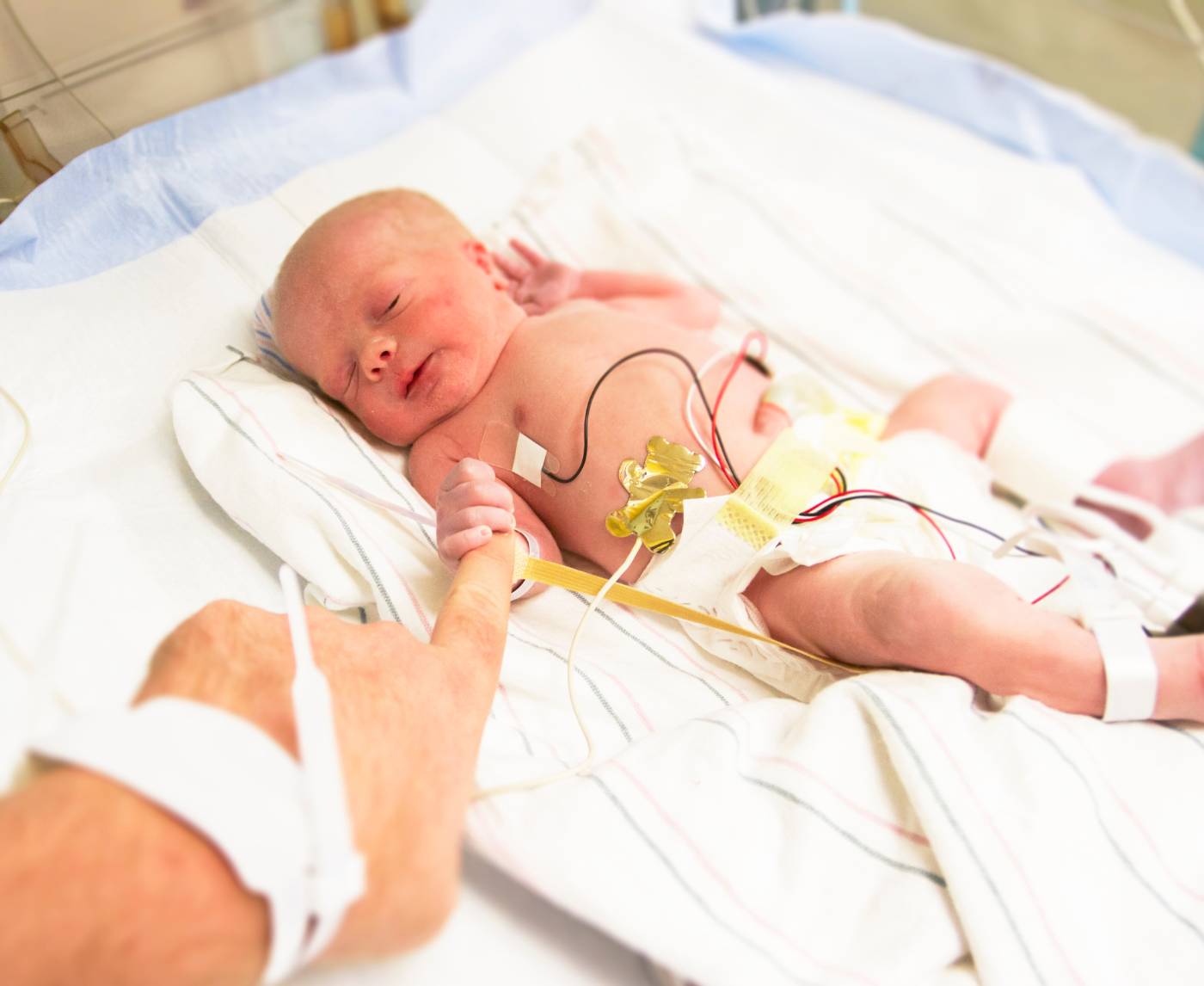
A mother with untreated chlamydia can pass the bacteria to the baby during childbirth. Symptoms are likely to appear 5 to 12 days after birth.
When to Talk to Your Provider
If you are pregnant and any of the following apply, raise it with your prenatal team rather than waiting for the routine schedule. A short conversation can move the test up by weeks, which in pregnancy is meaningful.
- You had sex with a new partner since your first prenatal visit, or you learned a partner tested positive for an STI.
- You have any symptoms that could be chlamydia (unusual discharge, mild pelvic discomfort, spotting after sex, or burning during urination), even if they seem easy to write off as pregnancy changes.
- You tested positive earlier in pregnancy and are unsure whether the test of cure has been done.
- You are nearing 28 to 36 weeks, are under 25 or otherwise higher-risk, and have not been rescreened.
Providers are used to these conversations. Bringing them up does not signal anything about your relationship; it signals that you are paying attention to your prenatal care.
Frequently Asked Questions
- Can chlamydia really hurt my baby?
- The two conditions to watch for are newborn conjunctivitis, which typically shows up within the first 5 to 12 days after birth as redness, swollen eyelids, and discharge, and chlamydial pneumonia, which can appear between two weeks and four months of life with a staccato cough and fast breathing. Both respond well to oral antibiotics. The realistic scenario where neither occurs: chlamydia was identified in prenatal care, treated, and cleared before labor.
- Will I lose my baby if I have chlamydia?
- Most people with chlamydia in pregnancy go on to have healthy babies. Untreated chlamydia is associated with a modest increase in miscarriage and preterm-birth risk, but those risks drop substantially once antibiotic treatment clears the infection.
- I tested negative earlier in pregnancy. Should I retest?
- Retest if you have had a new sexual partner since the last test, if a partner has tested positive, or if you are higher-risk (under 25, prior STI history). The CDC recommends third-trimester rescreening for these groups regardless of an earlier negative.
- How long after treatment should I retest?
- Two retests in most cases: one at about four weeks to confirm the antibiotic worked (this is the test of cure), and another roughly three months later because reinfection from an untreated partner is one of the most common reasons chlamydia comes back. Your prenatal provider can order both as part of routine follow-up.
- Can I deliver vaginally if I had chlamydia in pregnancy?
- Yes. Once treatment is complete and a test of cure confirms the infection has cleared, vaginal delivery is safe. Chlamydia history alone is not an indication for cesarean delivery.
- Is breastfeeding safe after chlamydia treatment?
- Yes. Chlamydia does not transmit through breast milk, and azithromycin is considered compatible with breastfeeding. Continue with the test of cure and any prescribed follow-up while nursing.
- What if my partner refuses to get tested?
- If your partner will not test through a clinic, ask your provider about expedited partner therapy (EPT), which is allowed in many U.S. states and lets a provider prescribe antibiotics for a partner without an appointment. An at-home rapid test can also be a private way for a partner to check status before declining further care.
- Could chlamydia affect my future fertility?
- Chlamydia caught and treated early rarely affects future fertility. Long-untreated chlamydia can ascend to the fallopian tubes and cause pelvic inflammatory disease, which raises the risk of tubal-factor infertility and ectopic pregnancy. Routine screening between pregnancies is the protective move.
- U.S. Centers for Disease Control and Prevention. Chlamydial Infections: STI Treatment Guidelines, 2021 (treatment in pregnancy: azithromycin first-line, amoxicillin alternative, test of cure four weeks post-treatment, third-trimester rescreening for under-25 and higher-risk).
- U.S. Centers for Disease Control and Prevention. Pink Eye in Newborns (Conjunctivitis): transmission during childbirth, symptom timing 5 to 12 days after birth, oral antibiotic treatment.
- U.S. Centers for Disease Control and Prevention. About Chlamydia: general overview of chlamydia, its symptoms, and pregnancy-related complications including ectopic pregnancy risk.
- U.S. Centers for Disease Control and Prevention. STIs During Pregnancy: framing of why prenatal STI screening matters and how STIs can complicate pregnancy.
- National Health Service (UK). Chlamydia: symptom onset window of one week to several months and pregnancy-transmission framing for newborn eye and lung infection.
