





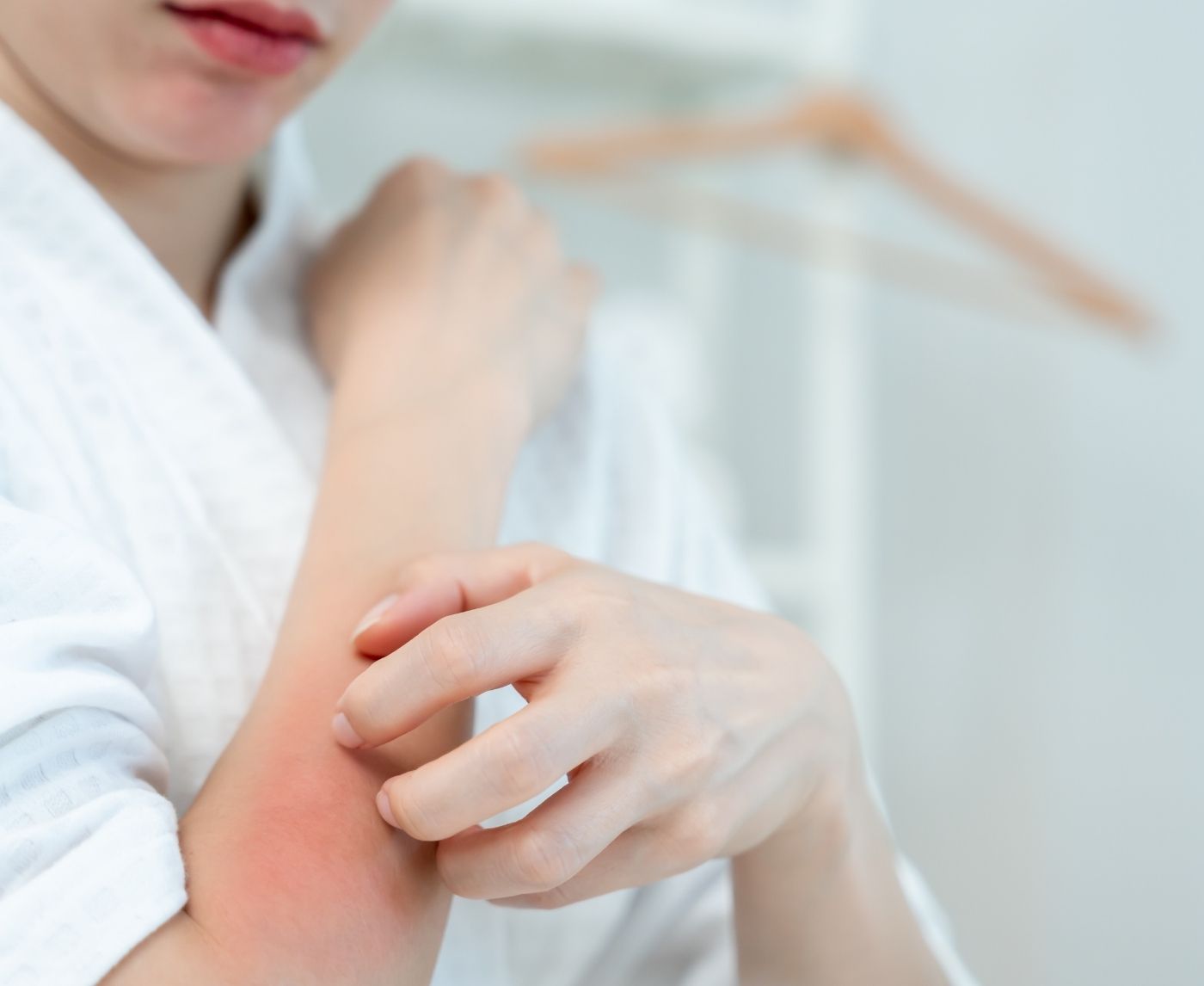

Quick Answer: Some STDs, including herpes, syphilis, and HPV, can look like common skin issues such as heat rash, razor burn, or acne. If a rash lingers, changes, or reappears, get tested.
When a Rash Isn't Just a Rash
Nina was sure it was her new body wash. Her thighs had tiny red dots, mildly itchy. She’d just gotten back from a sweaty dance class, and it made sense, friction, sweat, new product. But when the rash came back a month later in the exact same place, her stomach dropped. She hadn’t been sexually active since the last time… had she? A Google rabbit hole later, she recognized something terrifying: her “rash” matched images of a syphilis secondary stage rash. She’d missed the first stage entirely.
It's not uncommon. Many STDs can mimic regular skin flare-ups. According to the CDC, up to 90% of people with genital herpes don’t know they have it, because the signs are mild, misinterpreted, or absent entirely. Herpes, syphilis, and even HPV can cause symptoms that look like razor bumps, heat rash, allergic reactions, or yeast infections. And for people with darker skin tones, these rashes may look very different than textbook photos, making recognition even harder.
What makes these infections so tricky is that symptoms don’t always follow the script. There may be:
| Misleading Symptom | Possible STD Match | Typical Misdiagnosis |
|---|---|---|
| Itchy red bumps on thighs | Herpes, Syphilis | Heat rash, eczema |
| Dry flaky patch near genitals | HPV, Herpes | Skin irritation, fungal infection |
| Tiny open sore, painless | Primary syphilis | Ingrown hair, abrasion |
| Wart-like bump | HPV | Skin tag, pimple |
Figure 1. Common STD symptoms misread as skin issues. If these don't improve or recur, they deserve a test.
When “Nothing” Is the Only Clue
Here’s a fact most people don’t like hearing: chlamydia, one of the most common STDs worldwide, often shows no symptoms at all. That doesn’t mean it’s harmless. Left untreated, it can cause infertility, chronic pain, and increase HIV risk. The silence doesn’t mean safety, it means invisibility. According to the World Health Organization, most STIs are asymptomatic in the early stages.
So what happens when there’s no visible rash, no burn, no discharge? That’s when many infections go ignored. And yet, they continue to spread through oral, vaginal, or anal sex. Even skin-to-skin contact, without penetration, can transmit herpes and syphilis.
It’s especially tough in new relationships or casual hook-up culture. You meet someone, it feels safe, and nothing feels wrong afterward. Weeks go by. A mild sore appears and disappears. Was that from a thong that rode up weird? A waxing mishap? Or was it a missed sign of something bigger?
Testing often feels like overkill, until it’s too late.
Confessions From the Waiting Room: “I Thought It Was an Ingrown Hair”
Jason, 27, sat in the clinic with clenched fists. “It was a tiny bump. I popped it like a zit. Then it came back.” He’d had sex with someone new three weeks ago. They used protection, mostly. The condom came off halfway through. When the bump didn’t go away after a week, he figured it was an ingrown. Then a second bump showed up. “I still didn’t think it was anything. Then my lymph nodes swelled. That’s when I freaked out.”
Jason’s results: herpes simplex virus type 2 (HSV-2).
His story is wildly common. In fact, research shows many people delay testing for STDs by months, even after symptoms, because they assume it’s something else. Between fear, shame, and misreading symptoms, people often talk themselves out of getting tested. Especially men, especially in casual hookups, especially when nothing hurts.
This is why home test kits matter. When you're stuck between "probably nothing" and "what if it’s serious," you deserve options that don’t involve a crowded clinic or explaining your rash to a stranger in scrubs.
Peace of mind is one discreet test away. Order a Combo STD Home Test Kit to check for the most common infections in one go, no appointment needed.
People are also reading: From Days to MinutesWhy Speedy STD Testing Matters
Visual Traps: How Herpes, Syphilis, and HPV Blend In
Let’s get visual. If you’ve ever gone searching for “herpes pictures,” you’ve probably landed on either grotesquely advanced cases or sterile textbook photos. Real life is messier. Herpes can look like:
A paper cut. A zit. A patch of dry skin. A cracked lip. A shiny spot on the shaft. A cluster of micro-blisters that pop and crust in a day.
And just when it heals, it’s gone. Until next time.
HPV is sneakier still. Many strains cause no visible symptoms but can still be transmitted. The ones that do cause genital warts? They’re often tiny, flesh-colored, painless, and dismissed as skin tags.
Syphilis is the master of disguise. The initial chancre (a painless ulcer) can form inside the vaginal canal or rectum, places you’d never see without a mirror and a flashlight. Even external chancres are often mistaken for an ingrown or chafe mark. Later, the secondary stage produces rashes that might appear on your palms, soles, or trunk, none of which scream "STD" to the average person.
| Infection | Common “Disguise” | When to Suspect More |
|---|---|---|
| Herpes | Acne, chafing, razor burn | If sores recur, tingle before appearing, or crust over |
| Syphilis | Bug bite, skin tag, abrasion | If it’s painless but persistent, or later comes with rash |
| HPV | Skin tag, wart, dry patch | If bumps multiply or change shape |
Figure 2. STDs can masquerade as harmless skin conditions, until they progress.
Order Now $33.99 $49.00 Check Your STD Status in Minutes
Test at Home with Remedium
Syphilis Test Kit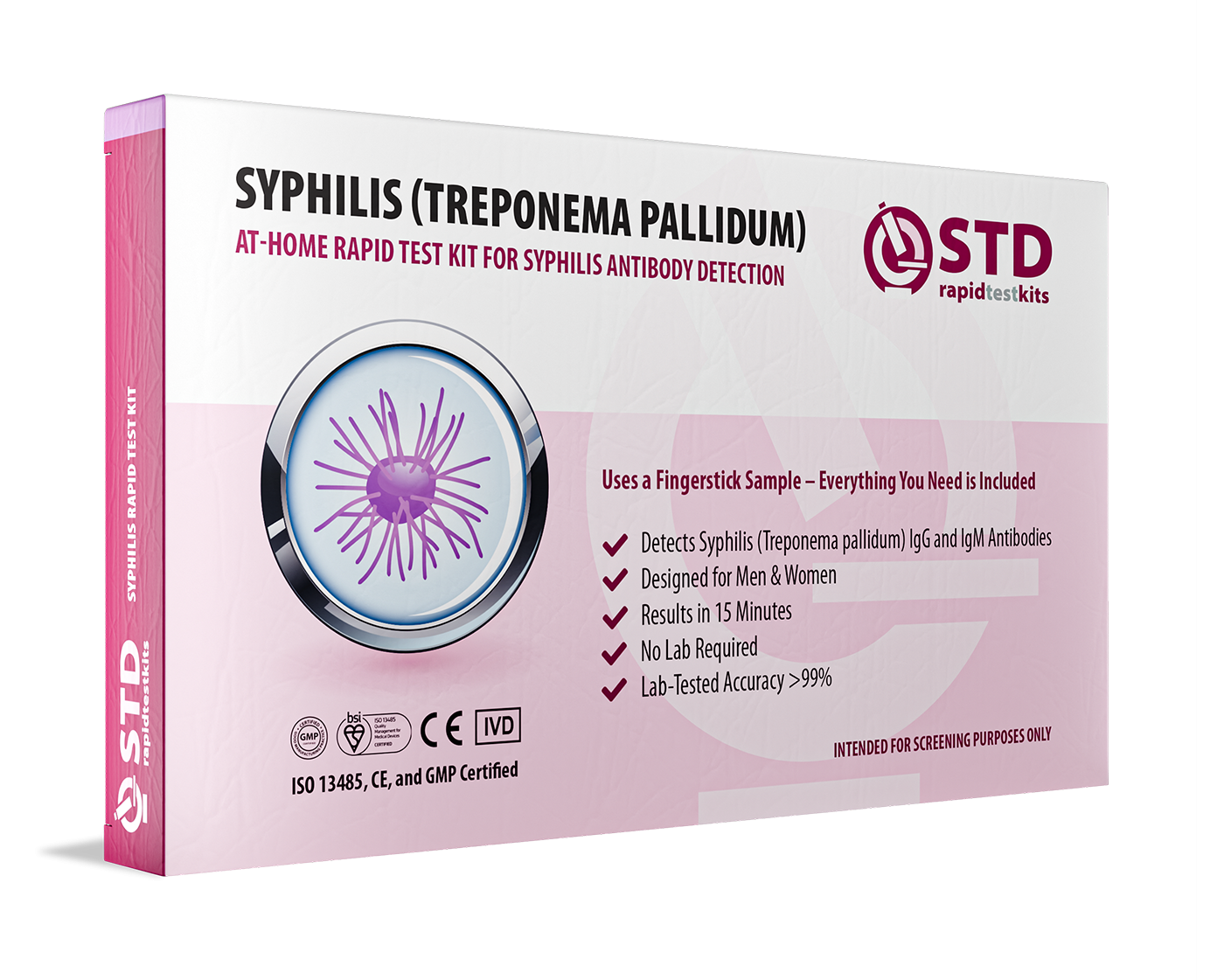
 For Men & Women
 Results in Minutes
 No Lab Needed
 Private & Discreet
When to Test (And Why Sooner Isn’t Always Better)
Imagine this: You hook up with someone new. A week later, you spot a bump. You panic, order a test kit, and swab immediately. The results come back negative. You breathe. But two weeks later, the bump evolves, blisters, itch, scab. You retest. This time? Positive.
That’s the cruel irony of STD testing: testing too soon can give you false peace of mind. Every STD has a “window period”, the time between exposure and when a test can accurately detect it. If you test during that window, your body might not have produced enough detectable virus, bacteria, or antibodies yet.
The good news? You don’t need to memorize all the science. Here’s the simplified version you actually need to know:
| Infection | Earliest Test Date | Best Test Date for Accuracy |
|---|---|---|
| Chlamydia, Gonorrhea | 5–7 days | 14 days |
| Syphilis | 3 weeks | 6–12 weeks |
| Herpes (HSV-2, blood test) | 4–6 weeks | 12–16 weeks |
| HIV (4th gen Ag/Ab) | 2 weeks | 4–6 weeks |
| HPV | N/A for men, Pap/HPV test for women | Test during regular screenings |
Figure 3. General timeline for STD testing. Testing too early may require a follow-up test.
If you’re reading this thinking, “Okay, but I already tested,” here’s what to remember: a negative test doesn’t always mean you’re in the clear. If symptoms evolve, or if you're within that window, plan a retest. And don’t beat yourself up, this isn’t about catching you in a lie, it’s about catching the infection before it spreads or worsens.
It’s Not Always About Sex: Skin-to-Skin STDs
Some people assume that because they didn’t have penetrative sex, they’re safe. But herpes, HPV, and syphilis don’t need penetration. These are skin-to-skin infections, and they can pass through oral sex, mutual masturbation, or simply rubbing bodies together with no visible symptoms present.
Elena, 22, got her first herpes outbreak after a summer fling, just oral. “He never took his underwear off. I didn’t think it counted,” she said. A month later, she noticed tingling and tiny fluid-filled blisters near her anus. “I was terrified. I didn’t know it was possible to get an STD from just grinding and oral.”
This matters because so many people think of STDs as a “full sex” consequence. But the reality is broader, and so is the need for regular testing, even in monogamous relationships, queer relationships, and situations where contact didn’t feel “real enough” to count.
The bottom line? If someone’s skin touched yours in an intimate way, and you’re now seeing something weird, don’t wait for it to get worse. STD Rapid Test Kits offers discreet, fast solutions that fit your schedule and privacy needs.
What to Do If You’re Still Not Sure
Let’s say you have a bump. Or a weird itch. Or a recurring rash. But it’s not painful. It’s not oozing. It doesn’t look like any of the horror-story photos online. What do you do?
Here’s the reality check: you don’t need to be 100% sure before testing. In fact, testing is what gives you that certainty. It’s normal to hesitate, to wonder if you’re being dramatic, or to fear what the result might say about your past. But you deserve clarity, no shame, no lectures.
Testing at home gives you space to breathe. You control the timeline. You don’t have to explain anything to anyone. You can swab or prick in your bathroom, mail it off, and get results within days.
If you need a place to start, the Combo STD Home Test Kit screens for the most common infections, including herpes, chlamydia, and syphilis. It's private, quick, and doesn’t require clinic appointments or awkward conversations.
Whatever that rash or bump is, it deserves your attention, not your silence.
People are also reading: STD Awareness 101: Early Symptoms, Prevention, and Quick Intervention
What If You’ve Already Been Misdiagnosed?
Plenty of readers land on this article after months, or even years, of confusion. Maybe you've been told your symptoms are hormonal. Maybe a walk-in clinic gave you a cream for “folliculitis.” Maybe your ex said they were clean, so you never thought twice. Whatever path brought you here, one thing is true: misdiagnosis happens all the time.
Dermatologists have published case after case of STDs like syphilis or herpes being mistaken for eczema, psoriasis, or allergic dermatitis. Even providers with good intentions miss things. Many clinics don’t screen for herpes unless you ask. Others don’t test for HPV in men at all.
If you’ve seen doctors and nothing helped, if your rash keeps coming back, or if you were treated for something and it didn’t go away, consider testing again. Consider testing differently. Home kits let you bypass gatekeeping and get answers for yourself, on your terms.
You can also use tools like our STD Risk Checker to help assess your exposure and symptom likelihood. It’s not a diagnosis, but it’s a starting point for better decisions.
When Gender Changes the Clues
Symptom presentation isn’t just inconsistent, it’s also gendered. For people with vulvas, internal lesions may never be seen. Herpes sores can form on the cervix and go completely unnoticed. For people with penises, external skin makes it easier to spot abnormalities, but men are less likely to seek testing without pain or visible change.
Then there’s the cultural layer. People assigned female at birth are often dismissed with "yeast infection" or "BV" labels without STD screening. People assigned male may assume they’re fine if there’s no discharge. Queer and nonbinary folks? Frequently left out of diagnostic algorithms entirely.
All of this creates a gap between what you feel and what you’re told. That’s why listening to your own body matters. And why a rash that seems “off” might be the one whisper you should trust.
Check Your STD Status in Minutes
Test at Home with Remedium7-in-1 STD Test Kit
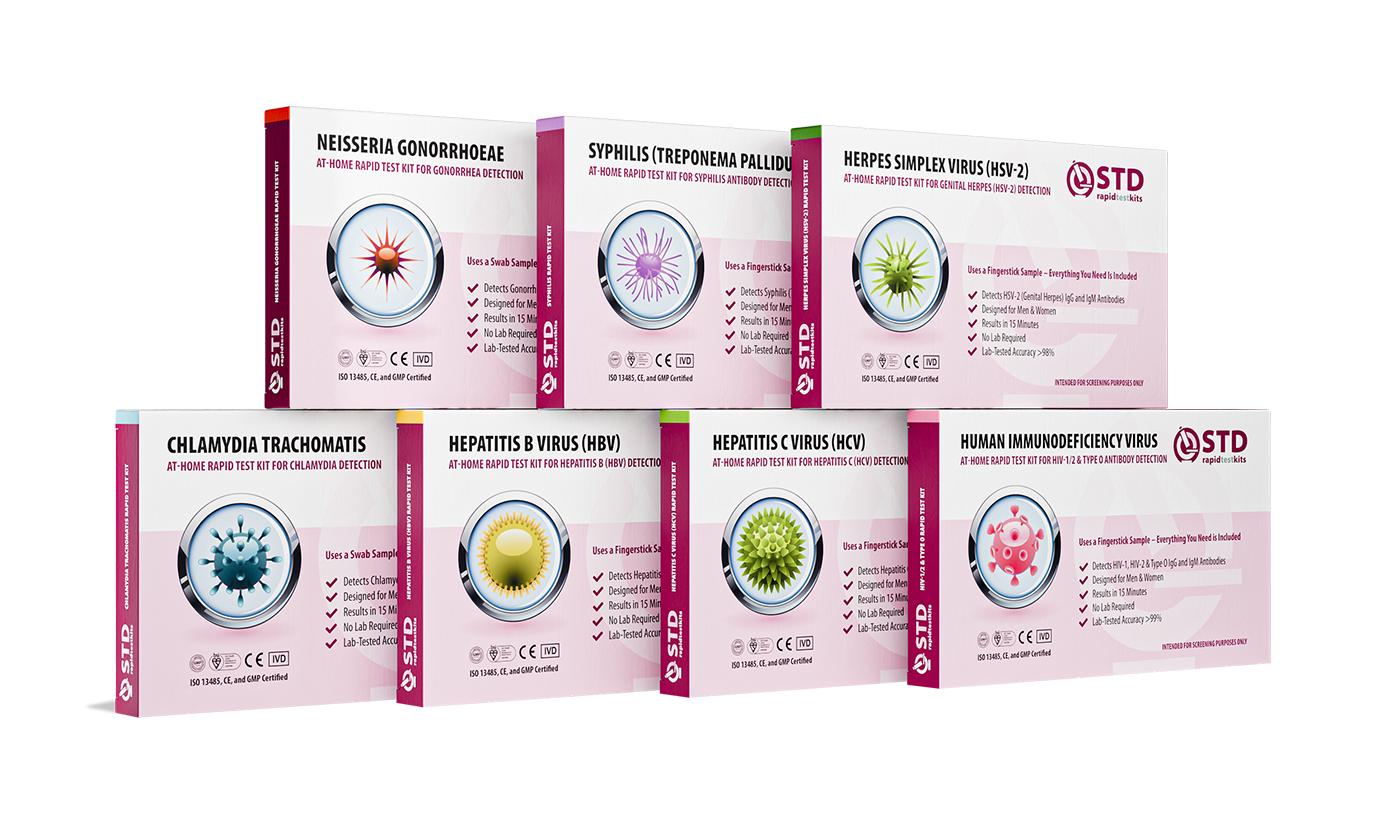 For Men & WomenResults in MinutesNo Lab NeededPrivate & Discreet
Order Now $129.00 $343.00
For all 7 tests
It’s Not Just Physical, The Emotional Toll Matters Too
Let’s be honest: wondering if you have an STD is terrifying. But the fear isn’t always about the illness. It’s about what it means. Will I have to tell someone? Will they think I’m dirty? Will this affect my relationships? Will it ever go away?
The psychological burden of uncertain symptoms can be immense. Especially when what you’re dealing with doesn’t seem to “qualify” for testing. Many people spiral, second-guessing whether they’re overreacting. They wait. They suffer. Some isolate entirely. Others numb the anxiety with risky choices, repeating the cycle.
Testing, especially in the safety of your home, can short-circuit this spiral. It gives you clarity. It gives you options. It gives you power.
You are not broken for wondering. You’re not “dramatic” for testing. You’re proactive, and that’s something worth celebrating.
You Don’t Have to Wait for It to Get Worse
Darius, 34, had a “rash that looked like nothing.” No pain. No blister. Just some dry skin on his inner thigh that flared up after long hikes. He ignored it for almost two years, until a partner developed symptoms and told him to get tested. Turns out, he’d had genital herpes all along. “If I’d known it could be so mild, I would’ve checked it out earlier,” he said. “But no one ever talks about it that way.”
So here’s us talking about it: STD symptoms are often mild, misread, or invisible. They don’t come with big red flags. But that doesn’t mean they don’t matter.
There’s no shame in checking. There’s shame in letting stigma stop you from getting answers. Whether it’s herpes, syphilis, chlamydia, or something else, Combo Test Kits are made for these “gray area” moments. When you’re not sure, when a doctor brushed you off, when a new partner makes you nervous.
You don’t have to prove anything to anyone. You just have to protect your future self.
Still Asking, “Could This Be an STD?” Here’s the Short Version
If you’ve made it this far and you’re still asking that question, yes, it could be.
If you have:
A rash that lingers, changes shape, or keeps coming back , A bump you assumed was an ingrown hair, but it didn’t pop , Itching without discharge, or discharge without smell , A partner with a past you don’t fully know , Symptoms that disappeared before you could ask someone about them
Then testing is a smart, empowered next step. Not because you should be afraid. But because you should be informed.
When it’s time to stop wondering, STD Rapid Test Kits is here. Fast, private, discreet. Made for moments just like this.
FAQs
1. Can herpes really look like razor burn?
It can, and often does. Picture a cluster of tiny red bumps after shaving your bikini line or balls. That’s what early herpes can look like. No blisters. No drama. Just a “weird spot” that lingers or stings in the shower. If it disappears and comes back in the same area? That’s a clue worth testing for.
2. What if it doesn’t hurt, could it still be an STD?
Totally. Pain isn’t the rule. Syphilis shows up as a painless ulcer. Herpes might just itch. Chlamydia can quietly mess with your fertility without ever making you flinch. Don’t wait for pain. Pay attention to change, especially if it’s recurring, hard to explain, or just…off.
3. How soon after sex should I test?
Depends on the infection. Some tests (like for chlamydia or gonorrhea) can detect infection after a week. Others, like herpes or syphilis, take weeks to months for accurate results. If you test too soon, you might get a false negative. That doesn’t mean you’re safe, it means you’ll likely need to retest. Think of it like a sneak peek, not the final score.
4. What does a syphilis rash actually look like?
Depends on the stage. Early on, it’s a small sore, usually painless and easy to miss, especially if it’s inside your genitals or mouth. Later, it can turn into a rash on your palms, soles, or back. People think it’s allergies, eczema, or nothing. If it won’t go away or shows up in weird places, test for syphilis. It’s treatable, but only if you know it’s there.
5. Can I get an STD from oral or just skin-to-skin stuff?
Yup. No penetration needed. Herpes, syphilis, and HPV love skin. Kissing, grinding, oral, all fair game. Even if it’s just “a little contact” or “it didn’t last long,” if parts were rubbing, there was risk. Doesn’t mean you need to panic. Just don’t rule it out because “we didn’t really have sex.”
6. Is it normal to have an STD and never know?
Scarily normal. Most people with chlamydia, herpes, or HPV have no idea they’re carrying it. That’s why it spreads so easily. You could feel amazing and still test positive. It’s not about punishment. It’s about biology. That’s why testing, especially after new partners, is self-care, not shame.
7. Do men get symptoms from STDs or nah?
Sometimes. But a lot of guys don’t. Or they write it off, that little drip, that morning itch, that “maybe I scratched too hard” thing. Just because it’s not dramatic doesn’t mean it’s not real. Guys can carry and spread STDs without major signs. If you've had skin contact or unprotected sex, testing isn’t paranoid. It’s responsible.
8. Why didn’t my doctor test me for herpes?
Herpes testing isn’t part of most standard panels, even if you ask for “everything.” Unless you have visible sores, many clinics skip it. Blood tests exist, but some docs avoid them because results can be tricky to interpret. If you’ve had a mystery rash or think you’ve been exposed, home testing might be your clearest path.
9. Can I trust an at-home STD test?
If you choose a legit kit, yes. Most at-home STD tests use the same tech labs do. The key is timing: don’t test too early, follow the instructions, and be honest with yourself. If something’s unclear or you get a positive result, follow up with a provider. But no, these are not cheap gimmicks. They’re real tests with real results.
10. What if I test negative but still feel off?
That could mean a few things. You might have tested too early. Or you might be dealing with something else entirely, a yeast infection, dermatitis, or even stress-related irritation. But if your gut says “something’s not right,” listen. Retest in a few weeks, or talk to a clinician. Your body’s not trying to trick you, it’s trying to tell you something.
You Deserve Answers, Not Assumptions
This isn’t about blame. It’s about better information. If your skin has been trying to tell you something, don’t wait for it to scream. Whether it’s herpes, HPV, or nothing at all, you deserve to know. Testing is not an accusation. It’s an act of care, for yourself and your partners.
Don't let feeling bad or confused stop you from moving on. You can start healing right away with this at-home combo test kit that checks for the most common STDs quickly and privately.
How We Sourced This Article: We made a helpful, kind, and accurate guide by putting together peer-reviewed research, reports of lived experience, and the most recent advice from top medical groups.
Sources
1. WHO – Herpes Simplex Virus Fact Sheet
2. CDC – About Genital HPV Infection
3. Mayo Clinic – Genital Warts: Symptoms and Causes
4. Herpes.org.nz – Recognising Genital Herpes and Common Symptoms
5. WHO – Sexually Transmitted Infections (STIs)
6. Planned Parenthood – Herpes Overview
About the Author
Dr. F. David, MD is a board-certified infectious disease specialist focused on STI prevention, diagnosis, and treatment. He blends clinical precision with a no-nonsense, sex-positive approach and is committed to expanding access for readers in both urban and off-grid settings.
Reviewed by: Dana Renner, MSN, RN, CNE | Last medically reviewed: September 2025
This article is meant to give you information, not medical advice.


