
Published: July 2025 | Last updated: April 2026 | Editorial review and quality control: Martina N.
Human papillomavirus is the most common sexually transmitted infection in the United States. By age 50, at least four in five women have been infected with HPV at some point, according to the CDC's basic information page on HPV and cancer, and the agency notes that infection is similarly common in men. Most clear it without ever knowing. For a smaller subset of men carrying high-risk strains in oral tissue, the virus can sit silently for years and then trigger cancer at the back of the throat.
The CDC's HPV-attributable cancer surveillance estimates roughly 13,600 male oropharyngeal (throat and tonsil) cancers caused by HPV each year in the United States, compared with about 11,100 HPV-attributable cervical cancers in U.S. women (CDC HPV-associated cancer case counts). Public-health messaging has not caught up. Most men have heard of HPV in the context of girls' vaccines and Pap smears, not their own throat or tonsils. This article walks through what is happening: how oral HPV transmits, which men face higher risk, what symptoms get mistaken for stress or allergies, and what vaccination and testing can realistically do at different ages.
Can men get throat cancer from HPV?
Yes. High-risk HPV strains (especially HPV-16) cause about 70% of oropharyngeal cancers in the United States, and the large majority of those cases occur in men: CDC surveillance estimates roughly 13,600 male oropharyngeal HPV cancers per year versus about 2,400 in women (<a href="https://www.cdc.gov/cancer/hpv/cases.html" target="_blank" rel="noopener">CDC HPV-associated cancer case counts</a>). There is no FDA-approved at-home or routine HPV screening test for men, so prevention rests on vaccination (recommended through age 26, with shared clinical decision-making through age 45) plus prompt evaluation of any sore throat, neck lump, ear pain, or swallowing change that lasts more than two weeks.
Key Takeaways
- HPV-related throat cancers in U.S. men now outnumber HPV-related cervical cancers in U.S. women, with HPV-16 driving the majority of cases.
- There is no routine HPV screening test for men, so realistic protection is vaccination through age 26 (or shared decision-making through 45) plus early evaluation of any throat or neck symptom that persists past two weeks.
Why HPV throat cancer is now a men's issue
For two decades the dominant public-health story about HPV centered on cervical cancer prevention in women. That framing was clinically correct at the time, since cervical cancer represented the largest single HPV-related disease burden. It also created a side effect: most men, including many clinicians, did not think of HPV as a male health issue at all.
The numbers have shifted. CDC U.S. Cancer Statistics now report roughly 27,000 HPV-associated cancers per year in U.S. women and roughly 23,000 per year in U.S. men, with the agency noting that female incidence exceeds male incidence at every site except the oropharynx. CDC's site-specific surveillance estimates roughly 13,600 male oropharyngeal cases attributable to HPV each year, the single largest HPV cancer category in U.S. men (CDC HPV cases page). Penile cancer accounts for a much smaller share, and anal cancer is rising in specific populations discussed later in this article.
This shift has two practical implications. First, awareness messaging that excludes men is now misaligned with the cancer site that is growing fastest. Second, because there is no routine screening for oropharyngeal HPV the way there is a Pap smear for cervical HPV, the only reliable male protection is upstream: vaccination before exposure, plus prompt symptom evaluation when something does not resolve.
Most cancers found in the back of the throat, including in the base of the tongue and tonsils, are HPV-positive. In the United States, HPV is thought to cause about 70% of oropharyngeal cancers.
How oral HPV transmission happens
HPV is a skin-to-skin virus, not a fluid-borne one. It spreads when infected epithelial tissue contacts uninfected epithelial tissue, including in the mouth and throat. The most established transmission route for oral HPV is oral-genital contact, with the receptive partner picking up virus from a partner's genital infection. Other documented routes include oral-anal contact and, less commonly, deep open-mouth kissing where one partner has an active oral infection.
Condoms reduce HPV transmission because they reduce skin-to-skin contact, but they do not eliminate it. The virus can sit on areas a condom does not cover. Number of lifetime oral-sex partners is the strongest behavioral risk factor in epidemiologic studies, more so than total sexual partners or any single specific behavior.
Once HPV reaches oropharyngeal tissue (the tonsillar pillars, base of tongue, and soft palate), most infections clear within one to two years through normal immune response. A subset persist. In persistent infections involving high-risk strains, viral DNA integrates into host cells, and over many years the resulting cellular changes can become cancer. HPV-related cancers develop over many years or even decades after persistent infection (National Cancer Institute), which is why many men diagnosed in their 40s or 50s have no idea when they were exposed.
This site sells at-home rapid swab and blood tests for several STIs, but we do not sell an at-home test for oral HPV, and our HPV vaginal-swab kit is validated for female anatomy only. There is no FDA-approved at-home HPV screening test for men at any anatomic site. If you have a throat or neck symptom that worries you, the right next step is an in-person exam with an ENT, oral-medicine specialist, or primary-care provider, who can biopsy if needed. The combo kit at the end of this article covers the related blood-borne and bacterial STIs (HIV, syphilis, herpes, chlamydia, gonorrhea) that often warrant joint testing in the same risk conversation.
The symptoms men miss for months
Oropharyngeal cancer is hard to feel early because the affected area (back of the throat, tonsillar pillars, base of tongue) is poorly innervated for pain in its early stages. Tumors can grow for months before producing the kind of symptom that prompts a clinic visit. The result is that most HPV-positive oropharyngeal cancers are diagnosed at stage III or IV, even though survival in HPV-positive disease is substantially better than in HPV-negative disease at the same stage.
The symptom pattern men commonly miss or mis-attribute:
- Persistent unilateral sore throat. Cold-related pharyngitis is bilateral and resolves within 7 to 10 days. A sore throat on one side that lasts more than two weeks deserves an exam.
- Lump in the neck or under the jaw. Often the first noticed sign is a painless, firm swelling of a cervical lymph node (not the tonsil itself). Reactive lymph nodes from a cold shrink within two weeks. A node that does not shrink, or that grows, is the single most common presenting sign.
- Ear pain on one side without ear infection. Referred pain from the throat travels through shared nerve pathways. Unilateral ear pain in a person without ear-canal discharge or fever is a known oropharyngeal-cancer presentation.
- Difficulty or catching sensation when swallowing. A persistent feeling that food sticks at the back of the throat, especially with weight loss, warrants imaging.
- Hoarseness or voice change lasting more than three weeks. Often dismissed as smoking, allergies, or reflux.
None of these symptoms is specific to cancer, and most ultimately turn out to be benign. The decision rule clinicians use is not whether the symptom looks serious; it is whether it has lasted more than two weeks without explanation. That is the threshold worth using.
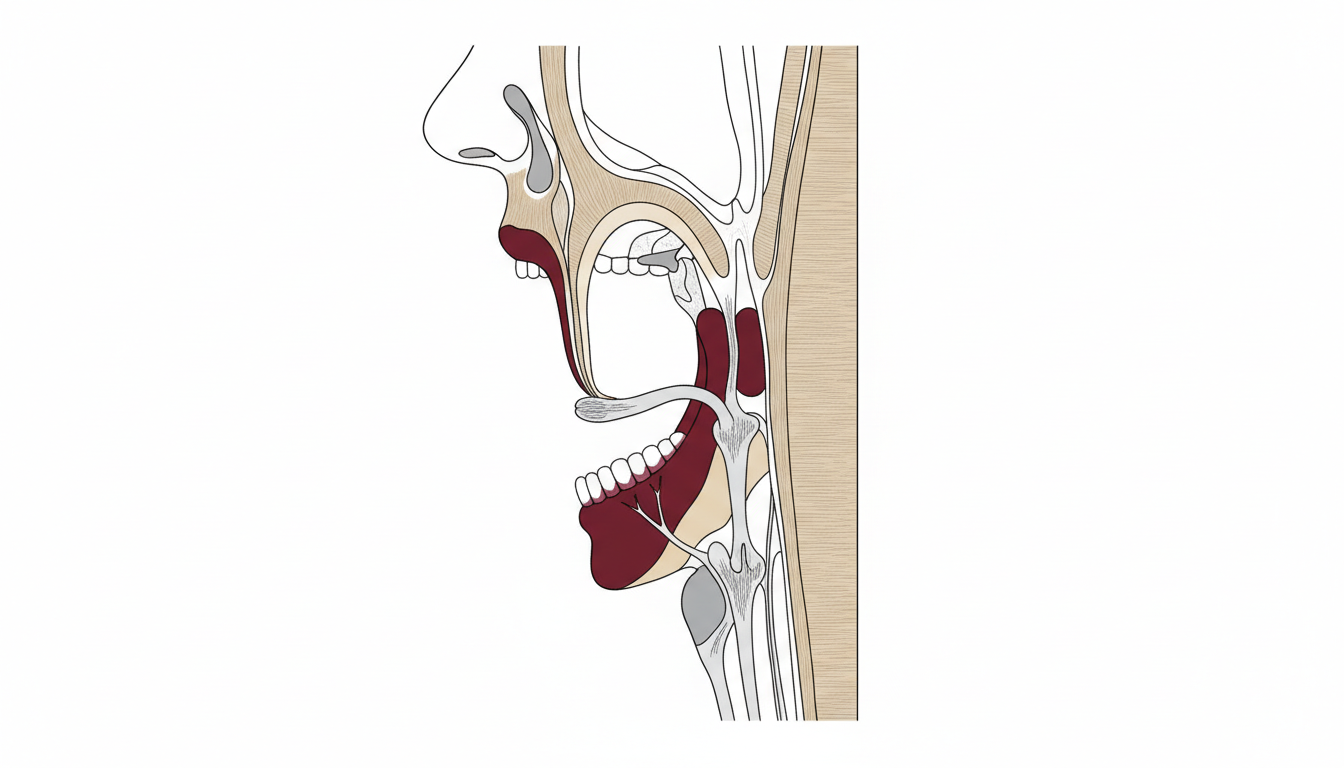
Anatomically, the oropharynx sits between the soft palate and the upper edge of the larynx. The areas where HPV-driven tumors most commonly arise are the palatine tonsils (lying between the tonsillar pillars), the base of tongue (the rear third of the tongue, behind what you can see in a mirror), and the posterior pharyngeal wall.
The strains that cause cancer, and the ones that don't
There are more than 200 known HPV genotypes, but only about 14 are classified as high-risk for cancer. HPV-16 is the most common high-risk strain found in oropharyngeal cancer; the CDC's HPV-and-cancer fact sheet states plainly that HPV-16 is the most common HPV type to cause cancer in the United States (CDC HPV-and-cancer basic information). HPV-18 is the second most common cancer-causing strain overall and dominates in cervical cancer cases, but it contributes less to throat cancers.
Low-risk strains, including HPV-6 and HPV-11, cause genital and oral warts. They do not progress to cancer. Visible warts are an annoyance and can be treated, but their presence is not a marker of cancer risk.
The clinical reality men face is that no available at-home or office test distinguishes which strain you might be carrying in oral tissue. Cervical cancer screening uses a high-risk HPV PCR test on cells from a Pap smear, but the equivalent for the oropharynx is not part of routine care. Some research labs are studying oral-rinse HPV PCR as a screening tool, but it is not FDA-approved for clinical use yet. This is why the prevention conversation in men centers on vaccination, not on testing.
High-risk (cancer-associated): HPV-16 (the dominant strain in oropharyngeal and cervical cancer per CDC), HPV-18 (the second most common overall), and roughly twelve other genotypes. These strains do not cause warts; they alter cells silently over years. Gardasil 9 covers seven of these.
Low-risk (wart-causing only): HPV-6 and HPV-11 cause the majority of genital and oral warts but do not progress to cancer. Visible warts are uncomfortable, not dangerous in themselves. Gardasil 9 also covers both of these.
You cannot tell from symptoms which type you might carry, since high-risk strains rarely produce visible signs at all.
The vaccine: who's eligible, who got missed, and why it still matters at 40
Gardasil 9, the current HPV vaccine in the United States, protects against nine strains: HPV-6 and HPV-11 (which cause genital warts) and seven high-risk strains including HPV-16 and HPV-18. The series is two or three doses depending on age at first dose (CDC HPV vaccine information).
Per ACIP and CDC guidance, three age tiers govern eligibility: routine vaccination at ages 11 to 12 (when the immune response is strongest and exposure is rare), catch-up vaccination through age 26 for anyone not vaccinated on schedule, and shared clinical decision-making for ages 27 through 45 between you and your provider weighing your sexual history and likely benefit. Many adults in the 27-45 range have not been exposed to all nine vaccine strains and can still benefit from coverage of the strains they have not yet encountered.
The vaccine was not routinely recommended for U.S. boys until 2011, five years after the original 2006 recommendation for girls. Men born before about 1995 mostly grew up in a system that did not offer them the shot. This is one of the structural reasons HPV-attributable cancers in men in their 40s and 50s right now are so common: that cohort missed the vaccine entirely.
The vaccine does not treat existing infections. If you already have HPV-16 in your throat, the vaccine will not clear it. It will, however, protect against the eight other vaccine strains, several of which are also cancer-associated. The math still favors vaccination at any age within the approved range for most men who were not vaccinated as adolescents, especially those who have had a small number of partners and may not yet have been exposed to all nine strains.
HPV vaccine age tiers (ACIP / CDC)
- Ages 11 to 12: routine vaccination. Two-dose series (six to twelve months apart). Strongest immune response and the lowest chance of prior exposure.
- Through age 26: catch-up vaccination recommended for anyone not previously vaccinated. Three-dose series for those who started at 15 or later.
- Ages 27 through 45: shared clinical decision-making with your provider. Not a blanket recommendation, but worth a conversation if you have not been exposed to all nine vaccine strains.
Higher-risk groups: gay and bisexual men, and men living with HIV
HPV-related cancer risk is not evenly distributed across the male population. Men who have sex with men (MSM) have substantially higher rates of anal HPV infection than heterosexual men, and rates of anal cancer in this population have been climbing for two decades. Men living with HIV face a further compounded risk, because HIV-related immune suppression makes it harder for the body to clear HPV infections, and persistent infections are what drive cancer development.
For oropharyngeal cancer specifically, the data picture is more mixed. Some studies find higher rates in MSM; others find roughly comparable rates across men once you control for number of oral-sex partners. What is clear is that prevention guidelines recommend HPV vaccination for MSM through age 26 (and shared decision-making through 45), and that anal cytology screening (analogous to a Pap smear) is recommended in some guidelines for HIV-positive MSM and is being studied for broader populations.
If you are in either of these categories and were not vaccinated as an adolescent, the vaccine conversation with your provider is especially worth having. The strains the vaccine covers are responsible for the majority of HPV-related anal and throat cancers, and the protective benefit against new strains is real even when you have existing infections.
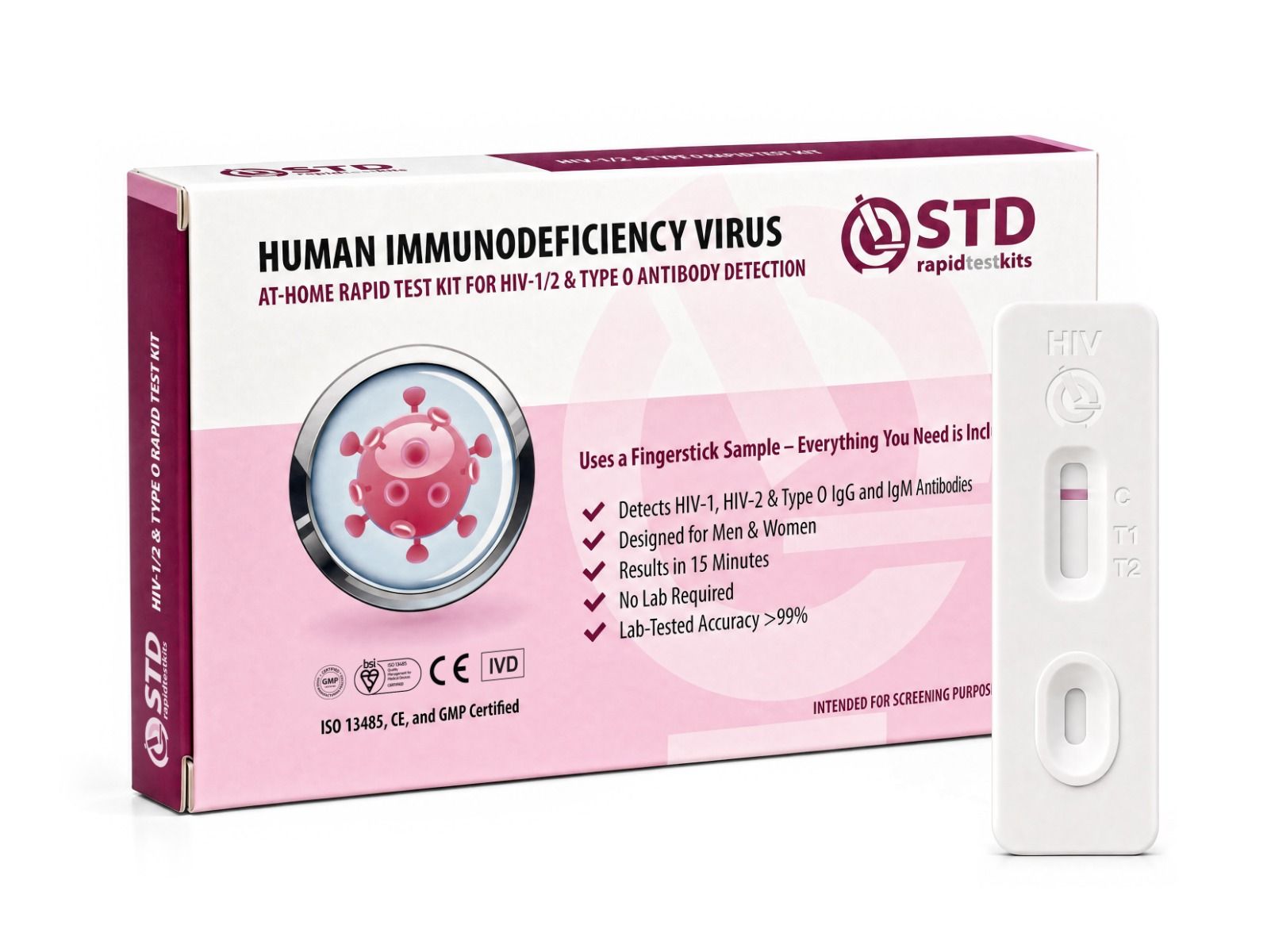
HIV status is also a relevant input here, because untreated HIV elevates HPV cancer risk meaningfully and is itself something you can test for at home and act on quickly.
What treatment involves, and what survivorship looks like
HPV-positive oropharyngeal cancers carry a substantially better prognosis than HPV-negative ones at the same stage, per the National Cancer Institute's oropharyngeal cancer treatment summary. This survival difference is large enough that oncologists specifically test for HPV status at diagnosis, because it influences both treatment intensity and prognosis conversations. Treatment, though, is intense.
Standard care for locoregional disease combines radiation therapy to the head and neck (typically six to seven weeks of daily sessions) with chemotherapy. For some patients, transoral robotic surgery is an option that can reduce or eliminate the radiation dose required. Side effects of radiation to the neck include severe sore throat during treatment, taste changes, persistent dry mouth (xerostomia, from damage to salivary glands), dental complications, and difficulty swallowing that can range from temporary to permanent. Many patients require feeding-tube support during treatment.
Survivorship issues that are not always discussed in advance: long-term dental decay risk because of reduced saliva, fibrosis of neck tissues that can affect swallowing or neck mobility for years, and emotional adjustment around an HPV-driven diagnosis (which sometimes carries internalized stigma even though the virus is essentially universal). Cancer centers with experienced head-and-neck programs increasingly run survivorship clinics specifically focused on these long-term issues.
If you or a family member is starting treatment, ask the care team about plans for each of these. They are common, manageable, and worth surfacing early.
- Xerostomia (dry mouth). Caused by salivary-gland damage. Lifelong dental hygiene plan and regular dental review become essential.
- Taste changes. Often partial recovery over months to years, but some patients have persistent shifts.
- Dysphagia (swallowing difficulty). Speech-language pathology referral during and after treatment helps preserve function.
- Neck fibrosis and stiffness. Physical therapy and stretching protocols can reduce long-term impact.
- Dental complications. Pre-treatment dental clearance and post-treatment fluoride trays are standard of care.
Can you transmit HPV without knowing? Yes.
HPV is silent in most carriers. No symptom reliably signals you have it, and no current test screens men for it. So the realistic answer to whether you can give it to a partner without knowing is yes, and most transmission happens this way.
What this means practically:
- Disclosure of an HPV history is not generally required and is not very meaningful, since most adults will encounter the virus at some point. What matters more is whether your current partners are vaccinated.
- If you have visible warts, abstain from skin-to-skin contact at the affected site until they have been treated and cleared.
- If you are diagnosed with an HPV-related cancer, your partner's risk for developing the same cancer is not dramatically elevated above population baseline. Most exposure will already have happened during your shared sexual history, and most partners will have cleared the virus on their own. Studies of long-term partners of HPV-positive throat cancer patients show oral HPV prevalence similar to the general population.
- Vaccination is the single most useful preventive step for unvaccinated partners under 45. Condoms and dental dams help but do not fully prevent transmission.
Two situations where bringing it up changes the outcome rather than just sharing information:
- You have visible warts right now. Pause skin-to-skin contact at the affected site until they are treated and cleared. This is the one scenario where a current HPV finding genuinely changes a partner's short-term risk.
- Your partner is under 45 and not yet vaccinated. A simple opener such as "I learned more about HPV recently and you might want to ask your provider about Gardasil 9" focuses the conversation on protective action rather than on past exposures. The vaccine protects them against the cancer-driving strains regardless of whose history is being discussed.
Outside those two scenarios, a past HPV history is rarely actionable for a current partner, so disclosure is a personal-comfort decision more than a health-risk decision.
What to do this week if this article hit a nerve
If reading this triggered worry, the steps that move the needle are short:
- Check vaccine status. Look up your immunization records or call your primary-care office. If you are under 45 and not fully vaccinated with Gardasil 9, ask about catch-up.
- Note any throat or neck symptom that has lasted two weeks. A persistent unilateral sore throat, neck lump, ear pain, or swallowing change deserves an in-person exam (primary-care or ENT). This is not a wait-and-see situation past the two-week mark.
- Run a baseline STI panel if it has been a while. HPV is not on the panel for men because there is no validated male HPV test, but the related infections that often co-travel (HIV, syphilis, herpes, chlamydia, gonorrhea) are. An at-home combo kit is a reasonable starting point if you do not have a clinic relationship; a clinic visit is the right call if you have current symptoms.
- Talk to current partners about vaccination. Especially if they are under 45 and not yet vaccinated. The vaccine protects them, which protects you, which protects future partners.
None of this is the same thing as a screening test for oral HPV, which still does not exist for men. But each step closes a real risk gap that is currently open in most men's healthcare.

FAQs
- Can men get HPV from oral sex?
- Yes. Oral-genital contact is the main route by which HPV reaches the oropharynx. The virus spreads via skin-to-skin contact, so it can transmit even when a partner has no visible symptoms and even when condoms are used.
- Is there an at-home HPV test for men?
- No. There is no FDA-approved HPV screening test for men at any anatomic site, including the throat. Vaccination plus prompt evaluation of any throat or neck symptom that lasts more than two weeks are the practical tools available.
- How long can HPV stay silent before causing throat cancer?
- Long enough that tracing a specific exposure is almost never possible. Most men diagnosed with HPV throat cancer in their 40s or 50s acquired the infection one or two decades earlier. National Cancer Institute guidance describes HPV-related cancer development as taking many years or even decades after persistent infection, which is why vaccination before first exposure is the only reliable form of protection.
- Does the HPV vaccine help if I'm over 26?
- It can. CDC recommends shared clinical decision-making for ages 27 through 45 because most adults have not been exposed to all nine vaccine strains, so coverage of unencountered strains still adds protection. The vaccine does not clear an existing infection.
- What's the survival rate for HPV-positive throat cancer?
- Better than for HPV-negative throat cancers stage-for-stage, and that gap is wide enough that some patients with HPV-positive disease are now eligible for de-intensified treatment trials that aim to preserve more swallowing and salivary function. Ask your oncologist whether your case fits a de-escalation protocol or a standard-care regimen, and whether your treatment center participates in the relevant clinical trials.
- Can condoms prevent oral HPV transmission?
- Condoms reduce risk but do not eliminate it. HPV spreads via skin-to-skin contact, including in areas a condom does not cover. Number of lifetime oral-sex partners is the strongest behavioral risk factor for oral HPV in epidemiologic studies.
- Do I need to tell partners about an HPV history?
- Disclosure is not generally required and is of limited practical value, since most adults will encounter HPV at some point. The more useful conversation is whether your current partners are up to date on the HPV vaccine, which protects them against the cancer-driving strains regardless of past exposures.
- What's the first symptom of HPV throat cancer most men notice?
- Most often a painless lump in the neck, specifically a swollen cervical lymph node that does not shrink within two weeks. This is followed in frequency by persistent unilateral sore throat, unilateral ear pain without ear infection, and a catching sensation when swallowing.
- U.S. Centers for Disease Control and Prevention. HPV-associated cancer surveillance with site-specific case counts, including roughly 13,600 male oropharyngeal cancers and roughly 11,100 cervical cancers attributable to HPV per year in the United States.
- U.S. Centers for Disease Control and Prevention. HPV vaccine information for the public, including ACIP recommended ages: routine at 11 to 12, catch-up through age 26, and shared clinical decision-making for ages 27 through 45.
- U.S. Centers for Disease Control and Prevention. U.S. Cancer Statistics on HPV-associated cancers, including approximately 27,000 cases per year in U.S. women and 23,000 per year in U.S. men, with female incidence higher than male incidence at every site except the oropharynx.
- U.S. Centers for Disease Control and Prevention. Basic information about HPV and cancer, including the figure that at least four in five women have been infected with HPV by age 50 and the statement that HPV-16 is the most common HPV type to cause cancer in the United States.
- National Cancer Institute. HPV and cancer overview: persistent-infection biology, the long timeline from infection to invasive disease, and the high-risk vs low-risk strain distinction.
- National Cancer Institute. Oropharyngeal cancer treatment (PDQ) patient summary: HPV status, prognosis differences between HPV-positive and HPV-negative disease, and standard-of-care treatment overview.
- U.K. National Health Service. Human papillomavirus (HPV) overview for general audiences, including transmission routes and the typical absence of symptoms.
