





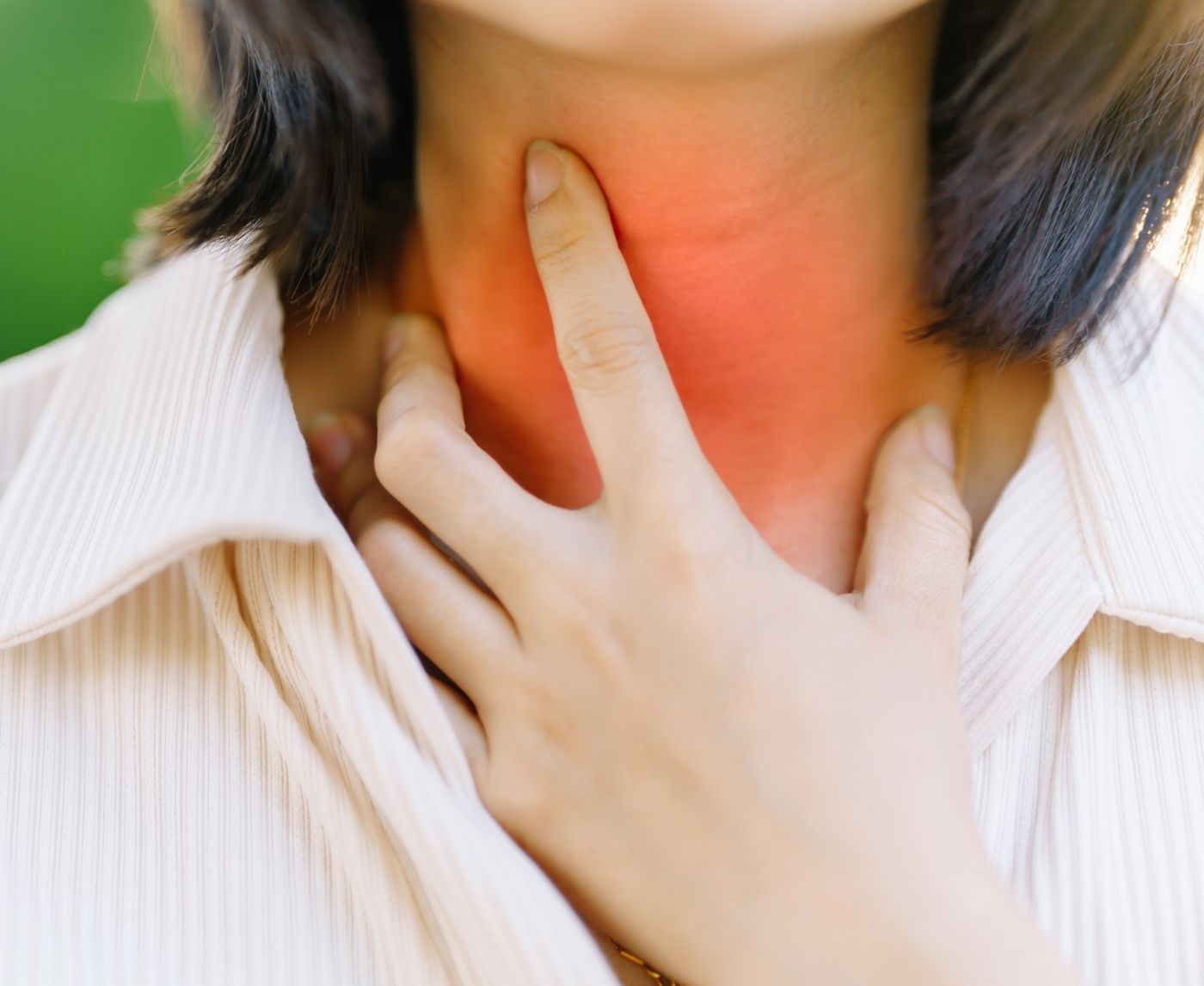

Quick Answer: Gonorrhea in the throat can feel like a mild sore throat, or nothing at all. It's often asymptomatic but still contagious. A throat swab test is needed to confirm it, especially if you’ve had unprotected oral sex.
This Isn’t Just a Sore Throat, And Here’s Why It Matters
Oral gonorrhea doesn’t come with a warning label. It doesn’t scream. It whispers. That’s what makes it so dangerous. Unlike genital symptoms, like discharge, pain, or burning, throat infections caused by gonorrhea often fly under the radar. In fact, up to 90% of people with oral gonorrhea have no symptoms at all, according to data from the CDC and World Health Organization.
So who needs to worry? Anyone who’s had unprotected oral sex, giving or receiving. Yes, even if you “only went down on him,” or “just had her sit on your face.” Oral transmission of gonorrhea is real, and it doesn’t matter if you didn’t “go all the way.” The bacteria can lodge in the throat, especially in the tonsils or back of the tongue, and stay there quietly replicating. And because it’s often painless or mistaken for strep or allergies, it can linger for weeks, or spread to partners, before anyone realizes.
Imagine this: You’re cuddled up with someone new, kissing turns to more, and a week later, they call to say they tested positive. You have no symptoms, so you assume you’re fine. But you could be passing the infection right back, mouth-to-genitals, or even mouth-to-mouth in some cases. Gonorrhea isn’t just a “below-the-belt” problem. It travels.
What Oral Gonorrhea Really Feels Like (If You Feel It at All)
Let’s be brutally honest: if oral gonorrhea always felt horrible, it’d be easier to catch. But most people who test positive say the same thing, “I thought it was nothing.” For those who do feel something, it usually presents as:
A mild sore throat that doesn’t improve with tea, lozenges, or over-the-counter remedies. Maybe a bit of redness if you look in the mirror, or a swollen tonsil. Sometimes mild pain when swallowing. But no fever. No congestion. No cough. That’s why doctors often miss it, or dismiss it as viral or “non-specific pharyngitis.”
In a study published in the journal Sexually Transmitted Diseases, even among high-risk groups, throat symptoms were unreliable indicators. Many who tested positive had no idea anything was wrong. And here’s the kicker: the absence of symptoms doesn’t mean it’s not contagious.
That means your body might not be warning you, but the bacteria are still there. That’s why testing, not guessing, is the only way to know for sure.
People are also reading: Countries Where Gonorrhea Is Now Resistant to Treatment
Gonorrhea vs Strep vs “Just a Cold”: Why Oral STDs Get Missed
You wake up with a dry throat. Maybe you chalk it up to last night’s margaritas, yelling at karaoke, or the heating system drying out your apartment. A couple days pass. You feel fine, but your throat’s still scratchy. You Google “mild sore throat no fever” and end up thinking it’s allergies or post-nasal drip. And that’s exactly why oral gonorrhea thrives, because it hides in plain sight.
Let’s compare how common causes of sore throats overlap with oral STDs in real-world symptoms:
| Condition | Typical Onset | Fever | Swallowing Pain | Common Clue |
|---|---|---|---|---|
| Strep Throat | Sudden (12–24 hrs) | High (often 101°F+) | Severe | White patches, swollen glands |
| Viral Pharyngitis | Gradual | Low or none | Mild to moderate | Runny nose, congestion |
| Oral Gonorrhea | Subtle (2–5 days post oral sex) | Usually none | Minimal to mild | May be completely asymptomatic |
Figure 1: Symptom comparison of throat conditions commonly confused with oral gonorrhea.
One of the most heartbreaking stories we heard came from Luis, 27, who delayed testing because he “only had a scratchy throat.” By the time his partner developed painful urination and tested positive for gonorrhea, Luis had unknowingly passed the infection on. “I had no idea it could live in your throat. I thought I was being safe by not having intercourse,” he said.
It’s a common misconception, that oral equals low-risk. But as we’ll show next, even giving oral once can be enough for transmission. Testing is care. Silence is not safety.
Check Your STD Status in Minutes
Test at Home with Remedium6-in-1 STD Test Kit
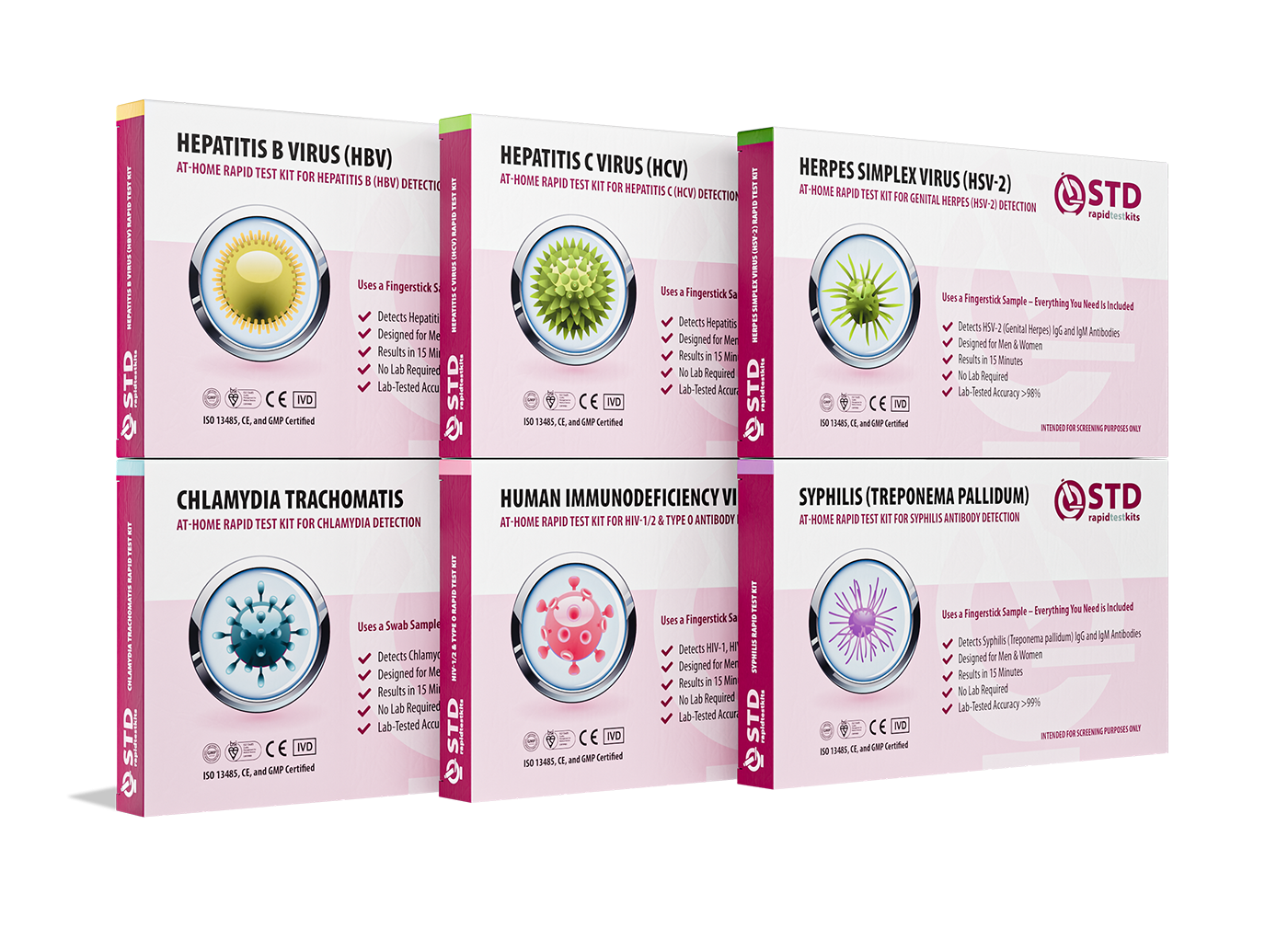
 For Men & Women
 Results in Minutes
 No Lab Needed
 Private & Discreet
Order Now $119.00 $294.00
For all 6 tests
Can You Really Get Gonorrhea from Oral Sex?
Yes. And it doesn’t take much. Gonorrhea bacteria thrive in mucous membranes, the soft, warm lining of your throat, genitals, rectum, and even eyes. That means giving oral sex to someone with an untreated infection can introduce the bacteria directly into your throat. The reverse can happen too: someone going down on you could pick up the infection in their mouth and throat, especially if there's no barrier used.
This isn’t about fear. It’s about reality. Oral sex is often seen as “safe” or “low-risk,” but when it comes to certain STDs, it’s a real route of transmission. In fact, studies from the CDC and global sexual health organizations confirm that oral gonorrhea can be passed even without ejaculation. Pre-cum is enough. Bacteria don’t care how romantic the moment was.
Let’s break it down through a real-world lens. You’re at a party. Things heat up in a car or a bedroom. It’s fast, passionate, and there’s no condom. Just oral. You think you’re playing it safe. A few days later, your throat feels off, or it doesn’t. But you’ve been exposed. That’s why understanding risk and testing timelines is crucial.
When to Test for Oral Gonorrhea (And Why Timing Matters)
So you’re worried now. You hooked up. You didn’t use protection. Should you test immediately? Not quite. Testing too soon after exposure can lead to false negatives because the bacteria might not have replicated enough to be detectable. This is where “window period” comes into play, how long after exposure a test can reliably detect infection.
For throat infections, most labs recommend waiting at least 7 days post-exposure to test for gonorrhea. But for the most accurate results, especially if you’re asymptomatic, testing around 10–14 days is ideal. Here’s a breakdown of what that window looks like:
| Days Since Exposure | Test Likelihood | Recommended Action |
|---|---|---|
| 0–3 Days | Too early | Wait and monitor symptoms |
| 4–6 Days | Possible but low accuracy | Retest later if negative |
| 7–13 Days | Better detection | Test now, consider retest if symptoms evolve |
| 14+ Days | Peak accuracy | Ideal testing window |
Figure 2: Timing chart for oral gonorrhea test accuracy after exposure.
Imagine Mia, 21, who took a test 5 days after giving oral to a new partner. It came back negative. But two weeks later, her tonsils were still red. A follow-up test revealed what the first one missed: oral gonorrhea. If you’ve recently had a scare, it’s better to wait the full window or test twice, once early, once later, to be sure.
If your head keeps spinning, peace of mind is one test away. You can order a discreet throat STD test through our at-home gonorrhea kit, designed for oral and genital testing alike.
Can You Test for Gonorrhea in the Mouth at Home?
Yes, but not all STD tests check the throat, so you have to choose the right one. Many rapid STD kits only include urine or genital swabs, which won’t detect an oral infection. What you need is a throat-specific swab kit or a combo kit that includes instructions for oral sample collection.
Here’s how it usually works:
You swab the back of your throat, tonsils, or soft palate, similar to a COVID test, and either insert the swab into a test cassette for rapid results or mail it to a lab. Results vary by brand, but most at-home throat tests return results in minutes (for rapid types) or 2–5 days (for lab mail-ins).
Timing and sample collection affect how accurate it is. Carefully follow the directions, and don't eat, drink, brush your teeth, or smoke for at least 30 minutes before you collect your sample. If you're not sure, test once and then again after 14 days.
Our Combo STD Home Test Kit includes multi-site instructions so you can check your throat, genitals, or rectum depending on exposure. No one-size-fits-all. Your risk, your test.
If It’s Positive, What Happens Next?
First, breathe. A positive oral gonorrhea result is not a moral failure. It means you’ve been exposed, and now you’re in a position to treat it, stop transmission, and take care of your body. Treatment for gonorrhea, including oral cases, is usually straightforward: a prescription antibiotic like ceftriaxone, sometimes paired with azithromycin depending on current guidelines.
But don’t self-diagnose or self-treat. If your test is positive, connect with a provider, either in person or through a telehealth partner. They may recommend a confirmatory test and will help you access treatment.
As for partners? That’s the hardest part for many people. But it matters. Your past partner(s) need to know so they can get tested, too. You can text, call, or use anonymous notification services if direct communication feels impossible. You’re not ruining anyone’s life by telling them. You’re giving them a chance to care for their health, just like you are now.
It’s not your fault. But it is now your responsibility. And that’s power, not punishment.
Why Doctors Worry About Untreated Oral Gonorrhea
There’s another layer here that doesn’t get talked about enough. Oral gonorrhea isn’t just inconvenient. When it lingers, the bacteria are exposed to low doses of antibiotics from unrelated treatments, like sinus infections, dental procedures, or acne prescriptions. Over time, that exposure helps the bacteria learn to resist the very drugs designed to kill it. Public health experts call gonorrhea a “superbug in progress” for a reason.
Think about the chain. One person carries an untreated throat infection without symptoms. They kiss, give oral, or receive oral. The infection moves silently through a network. Each time, it has another opportunity to mutate and adapt. This is how antibiotic-resistant strains spread, not because people are reckless, but because the infection often hides where no one thinks to look.
That’s why testing matters even when you feel okay. It’s not fearmongering. It’s community care, protecting the people you love, the people they love, and yes, yourself.
How Long Does Oral Gonorrhea Last Without Treatment?
Without treatment, oral gonorrhea can persist for weeks or months. Some infections eventually clear on their own, but counting on that is risky. During that entire window, you can continue transmitting it to partners. Worse, untreated infection increases inflammation and makes it easier for other STDs, including HIV, to take hold if you’re exposed.
In one clinic case series, several patients traced repeated infections between the same pair of partners. They each kept testing negative genitally but positive in the throat. Treating one site while ignoring the other allowed the bacteria to ping-pong back and forth. Once the throat infection was finally addressed, the cycle stopped. The lesson is simple: test the sites that match the sex you had, not just the ones you’re used to talking about.
If you’ve had multiple partners, ongoing oral exposure, or a partner who recently tested positive, it’s worth leaning toward testing sooner rather than later. Knowledge closes the loop. Avoiding it keeps the circle spinning.
Retesting After Treatment: When Peace of Mind Becomes Proof
So you took the antibiotics. You did the hard part. Now what? Most providers recommend retesting two to three months after treatment to be sure you’re clear and to catch possible reinfection. This isn’t because treatment “fails” most of the time. It’s because life happens and exposure happens, especially when partners aren’t tested at the same time.
Picture Devin, 33, sitting in his car outside the pharmacy. He swallowed the antibiotic, drove home, and promised himself he was done worrying. Two months later, a new partner asked if he’d ever had an STD. He froze. Instead of guessing, he retested, negative. The relief was real, solid, grounded. That’s what retesting offers: not paranoia, but proof.
For anyone who tested during the early window period, had symptoms that returned, or had partners who didn’t get treated, a second check is smart. You can always retest discreetly with a kit from STD Rapid Test Kits, and keep your health journey private, steady, and fully yours.
Can Kissing Spread Oral Gonorrhea?
This is one of the most debated questions in sexual health, and the answer isn’t perfectly black and white. Most transmission happens through oral-genital contact, but some emerging research suggests that deep, saliva-heavy kissing may play a small role in spreading oral strains between partners. Think of it less as “panic if you kissed” and more as “understand the full picture.”
If two people already share oral bacteria through frequent kissing and one has untreated infection, there’s a logical pathway for it to move. Still, kissing is not considered the main driver. Oral sex remains the primary route. The takeaway isn’t to fear intimacy. It’s to test honestly and treat promptly so intimacy can stay safe and drama-free.
Shame thrives in silence. Conversations shrink it. Testing ends it.
Real Talk: What Partners Need to Hear (And What They Don’t)
Telling a partner about an STD can feel like standing at the edge of a cliff. But here’s what most people don’t realize: the conversation often goes better than the fear leading up to it. You don’t need to confess, explain, or relive the hookup. You only need to share the facts. Something like, “I tested positive for gonorrhea in my throat. You might want to get tested, too.” Short. Direct. Caring.
We’ve heard from people who texted that message on their lunch break, hands shaking, convinced they’d lose everything. Many received replies like, “Thanks for telling me” or “I’ll get checked today.” When we treat STDs as medical issues instead of moral verdicts, the whole tone shifts. Honesty isn’t punishment. It’s protection.
If having that talk feels impossible, clinics and public-health services can help notify partners anonymously. It’s okay to use those tools. It’s also okay to need support while doing it.

People are also reading: STD Risk Checker Quiz Companion Guide: Should You Get Tested?
What Makes Oral Gonorrhea Harder to Detect?
Unlike genital infections, which often produce discharge or burning, throat infections look deceptively normal. The tissue may appear slightly red. Tonsils may swell a bit. Or nothing changes at all. Because the symptoms overlap with everyday issues like reflux or seasonal allergies, even doctors may miss it unless they specifically order a throat swab NAAT test, which looks for bacterial DNA.
That’s why “routine” STD panels sometimes come back negative even when someone clearly has an infection. If the throat isn’t tested, the lab never sees it. Requests need to be explicit: “I had oral sex and I want my throat tested too.” That single sentence can change an entire diagnostic outcome.
Here’s a quick comparison of testing sites and what they actually detect, so expectations stay grounded and informed:
| Test Type | Body Site | Best For Detecting | What It Misses |
|---|---|---|---|
| Urine NAAT | Urinary tract | Genital gonorrhea | Throat or rectal infections |
| Throat Swab NAAT | Oropharynx | Oral gonorrhea | Genital-only infections |
| Rectal Swab NAAT | Rectum | Rectal gonorrhea | Throat or urinary infections |
Figure 3: Why multi‑site testing matters when exposures involve oral, anal, or genital sex.
When testing matches behavior, clarity follows. When it doesn’t, infections hide. If you’ve ever received a negative result and still felt uneasy, it may not have been your anxiety talking, it may have been the wrong site being tested.
Check Your STD Status in Minutes
Test at Home with Remedium8-in-1 STD Test Kit
 For Men & WomenResults in MinutesNo Lab NeededPrivate & Discreet
Order Now $149.00 $392.00
For all 8 tests
Living Your Life, Still Being Safe
Sex shouldn’t feel like a courtroom. It should feel human, joyful, curious, sometimes messy, always consensual. Protecting yourself isn’t about eliminating risk completely. It’s about stacking the deck in your favor. Using barriers during oral sex, talking openly about testing, and treating infections quickly all reduce risk without shutting down intimacy.
One reader described keeping flavored condoms and dental dams in a bedside drawer, not as a buzzkill but as a “peace-of-mind starter pack.” Another said that asking partners about testing turned into deeper conversations about boundaries and desires. That’s the paradox: when we normalize these talks, connection often gets stronger, not weaker.
If something doesn't feel right, trust the nudge. Get tested. Share results when needed. And remember, no one is “dirty” for testing positive. The only unsafe outcome is not knowing.
FAQs
1. Can you really get gonorrhea in your throat?
Absolutely. It sounds wild, but it’s true, gonorrhea isn’t just a “down there” issue. The bacteria can live in your throat after giving or receiving oral sex, even if it was a one-time thing. You might never feel it, but it can still be there, quietly spreading. Mouths have mucous membranes too, and gonorrhea loves those.
2. How do I know if my sore throat is from gonorrhea or just allergies?
You don’t, at least not without testing. That’s what makes oral gonorrhea so sneaky. It can feel like a scratchy throat, maybe some mild redness or irritation, but nothing dramatic. If you recently had unprotected oral sex and something feels “off,” even slightly, it’s smart to test. Allergies won’t give your ex an STD, but gonorrhea might.
3. I got a negative test result, but I still feel strange. Is it possible that the result is wrong?
It could be that the bacteria hadn't shown up yet if you tested really early, like within the first few days. That’s why most clinics recommend waiting at least a week post-exposure to test, and sometimes retesting around the two-week mark if symptoms continue. Think of the first test as a check-in, and the second as the confirmation.
4. Can I pass oral gonorrhea just by kissing?
Mostly no, but maybe yes. Oral sex is the main transmission route. But some newer studies suggest that deep, open-mouth kissing might carry a small risk, especially if someone already has it in their throat. Still, we’re talking low odds. So don’t panic about that random New Year’s kiss. Just be aware, not afraid.
5. Do over-the-counter meds help if it’s gonorrhea?
Nope. Throat lozenges, teas, sprays, they’ll soothe irritation, but they won’t touch the bacteria. You need prescription antibiotics to clear a gonorrhea infection. That’s why testing is the first move, so you can treat it right the first time, not just mask the symptoms.
6. Will my regular STD test include a throat swab?
Not unless you ask for it. Wild, right? Many “routine” STD panels only test urine or genital sites. If you gave or received oral sex, be specific and say you want your throat tested. Or use a home test kit that lets you swab your own throat. Your mouth deserves screening too.
7. Can I still hook up if I’m being treated?
Let’s hit pause on the hookups until treatment is done. You’ll usually feel better fast, but the bacteria may take a few days to fully clear. Most doctors say wait at least 7 days after completing meds, and make sure any partners are treated too. Otherwise, you could pass it right back and end up in a frustrating infection ping-pong.
8. Is oral gonorrhea as serious as genital gonorrhea?
It’s different, but not less serious. Oral infections are less likely to cause long-term damage, but they’re often more overlooked, which makes them sneaky spreaders. Plus, untreated oral infections contribute to antibiotic resistance, which is a big deal globally. In other words: just because it’s quiet doesn’t mean it’s harmless.
9. Can I treat gonorrhea at home without seeing a doctor?
You can test at home, which is awesome. But once you're positive, you’ll need real meds, not something from your kitchen or Google. The treatment is fast and straightforward, usually a single antibiotic injection or oral dose. If you're worried about awkward pharmacy runs, some telehealth services can help you get treatment without leaving your house.
10. How can I avoid this in the future without killing the vibe?
Start with honesty. Have the testing convo early. Keep flavored condoms and dental dams on hand, yes, they exist and can be sexy. Make testing part of your regular check-ins, like brushing your teeth or charging your phone. Safer sex isn’t about fear, it’s about freedom to enjoy the moment without anxiety chasing you later.
You Deserve Answers, Not Assumptions
Gonorrhea in the throat doesn’t always come with warning signs. That’s what makes it so dangerous, and so necessary to talk about. If you’ve had unprotected oral sex, even once, and something feels off, or even if nothing feels off at all, testing is your next right step.
You’re not reckless for wanting clarity. You’re responsible. You’re taking control of your sexual health with the information you’ve got today. No shame. No silence. Just real decisions, guided by truth.
Don’t wait and wonder, get the clarity you deserve. This at-home combo test kit checks for the most common STDs discreetly and quickly, including oral testing options for those who've had mouth-related exposure.
How We Sourced This Article: We combined current guidance from leading medical organizations with peer-reviewed research and lived-experience reporting to make this guide practical, compassionate, and accurate. In total, around fifteen references informed the writing; below, we’ve highlighted six of the most relevant and reader-friendly sources.
Sources
1. CDC: Gonorrhea – Detailed Fact Sheet
2. World Health Organization: STIs Fact Sheet
3. Mayo Clinic: Gonorrhea – Symptoms and Causes
4. Gonorrhea - Symptoms and causes
5. Gonococcal Infections Among Adolescents and Adults (Pharyngeal Gonorrhea)
6. Update to CDC’s Treatment Guidelines for Gonococcal Infection
7. Gonorrhoea (Neisseria gonorrhoeae infection) – WHO Fact Sheet
8. Prevalence and Incidence of Pharyngeal Gonorrhea
9. STI Screening Recommendations (including pharyngeal gonorrhea screening)
10. The Staying Power of Pharyngeal Gonorrhea – NIH/PMC
11. Kissing as a Risk Factor for Pharyngeal Gonorrhea – CDC Document
About the Author
Dr. F. David, MD is a board-certified infectious disease specialist focused on STI prevention, diagnosis, and treatment. He blends clinical precision with a no-nonsense, sex-positive approach and is committed to expanding access for readers in both urban and off-grid settings.
Reviewed by: Jenna Liang, RN, MPH | Last medically reviewed: December 2025
This article is for informational purposes and does not replace medical advice.


