Published: June 2025 | Last updated: May 2026 | Editorial review and quality control: Martina N.
Chlamydia is the most commonly reported bacterial sexually transmitted infection in the United States, and most people carrying it never feel a thing. That silence is the problem. Untreated chlamydia can scar the fallopian tubes, raise the risk of ectopic pregnancy, and contribute to long-term fertility loss in women. Men can carry and transmit it for years without symptoms, fueling reinfection cycles in partners. After two decades of stalled vaccine attempts, two parallel research tracks are now being studied: protein subunit candidates like CTH522, which cleared a first-in-human Phase 1 trial in 2019, and newer mRNA platforms borrowing the technology that fast-tracked COVID-19 vaccines.
This explainer walks through what chlamydia vaccine research looks like in 2026, why the bacterium has been so difficult to vaccinate against, which complications a working vaccine could prevent, and the practical steps for screening that matter right now while research continues. None of this changes what you should do today. Annual testing remains the proven way to catch chlamydia early. This article is published by stdrapidtestkits.com, which sells at-home STI testing kits; we recommend products based on what fits the reader's situation, not commercial benefit.
Key Takeaways
- No chlamydia vaccine is approved or available as of 2026. CTH522, a protein subunit candidate, cleared a Phase 1 safety trial in 2019; mRNA candidates are in preclinical and early-phase clinical work. Even on an accelerated path, broad availability is likely five to ten years away.
- Routine screening remains the proven prevention tool today. The CDC recommends annual chlamydia testing for sexually active women under 25 and for anyone with a new or multiple partners, regardless of symptoms.
Why a chlamydia vaccine has eluded science for decades
The HPV and hepatitis B vaccines have prevented millions of cancers and chronic liver infections. Chlamydia has had nothing comparable, and the reason sits at the biology level rather than the funding level.
Chlamydia trachomatis is an obligate intracellular bacterium. It cannot survive on its own. It has to live inside human cells. Most vaccines work by training the immune system to produce antibodies that float in the blood and tag invaders before they enter cells. Antibodies struggle to reach a pathogen that spends most of its life cycle hidden inside an infected cell.
The bacterium also runs a biphasic life cycle. Outside cells it travels as a tough, infectious elementary body. Once inside, it transforms into a reticulate body, replicates, and converts back. The immune system has to recognize different surface proteins at different stages, and any vaccine candidate has to pick those targets carefully.
Then there is the serovar problem. Chlamydia trachomatis is not a single uniform pathogen. The species is divided into more than fifteen serovars (subtypes), each defined by small but functionally important differences in its outer membrane proteins. Serovars A through C cause trachoma, a chronic eye infection that remains a leading cause of preventable blindness in low-resource regions. Serovars D through K cause the urogenital infection people usually mean when they say "chlamydia." Serovars L1, L2, and L3 cause lymphogranuloma venereum (LGV), an invasive form that spreads from the genital tract into the lymph nodes. A vaccine designed against one of these subtypes does not automatically protect against the others.
The leading antigen target across modern candidates is MOMP, the major outer membrane protein. MOMP is abundant, surface-exposed, and present on every serovar, but its sequence varies between strains in ways that change the shape antibodies see. A vaccine made from one strain's MOMP may protect against that strain while leaving gaps against others. Researchers including teams at the Statens Serum Institut in Denmark have been engineering stabilized, multivalent versions of MOMP that capture the structurally important parts across multiple serovars.
History adds a cautionary note. Inactivated whole-cell trachoma vaccines tested in the 1960s sometimes produced worse disease on re-exposure, a pattern researchers later understood as immune-mediated hypersensitivity. Any modern candidate has to clear that bar in safety studies before it goes anywhere near the general population.
As of 2026, no chlamydia vaccine candidate has begun a Phase 3 efficacy trial. CTH522, the protein subunit furthest along, is in Phase 2 work. mRNA programs remain in preclinical or early-phase clinical development. The field is still working out which combination of antigens, adjuvants, and delivery routes will produce durable protection at mucosal sites.
How mRNA shows the immune system a target
The mRNA platform that produced COVID-19 vaccines in 2020 changed how researchers think about hard pathogens. A short version of how the technology works helps explain why it might finally crack chlamydia.
A short strand of messenger RNA, wrapped in a lipid nanoparticle, is injected into muscle. The nanoparticle slips into cells nearby. Once inside, the cell's own protein-making machinery reads the mRNA and produces the target protein the vaccine encodes. The immune system sees this protein on the cell surface, recognizes it as foreign, and builds memory against it. The mRNA itself is broken down within days and never enters the nucleus where DNA is stored.
For chlamydia specifically, that mechanism is interesting because it produces antigens inside cells. Cellular processing routes those antigens through the MHC class I pathway, which is precisely the pathway that activates the killer T cells needed to clear intracellular infections. A protein vaccine delivered as a finished molecule mostly trains B cells and antibodies. An mRNA vaccine, by design, also engages the T-cell arm.
Researchers can also iterate fast. Once a candidate antigen is identified, swapping the mRNA sequence is a matter of weeks, not the years needed to engineer and purify a new protein. That speed matters when a pathogen like Chlamydia trachomatis presents many possible targets and the right combination is not yet settled.
One important caveat shapes the science. Most STI exposure happens at mucosal surfaces in the genital tract, where bloodstream antibodies barely reach. Stopping chlamydia at the door requires a different antibody class, secretory IgA, produced locally in the same tissue the bacterium is trying to infect. Intramuscular vaccines induce strong systemic immunity, but mucosal immunity is harder to generate. Some chlamydia vaccine programs are exploring intranasal or intravaginal mRNA formulations, or pairing intramuscular priming with mucosal boosters, to address that gap.

Where the research actually stands
Chlamydia vaccine research has moved from concept to early human evaluation, and no candidate has yet shown protection in real-world exposure.
The most advanced specific candidate is CTH522, a recombinant protein subunit developed primarily at the Statens Serum Institut in Denmark. A first-in-human Phase 1 trial published in The Lancet Infectious Diseases in 2019 (Abraham et al.) showed the shot was safe and produced antibody and T-cell responses in healthy adult women. Subsequent work has moved CTH522 toward Phase 2 efficacy trials. A Phase 1 result answers two questions: is the shot tolerable, and does the body notice it. The harder questions, does the vaccine actually prevent infection in real-world use, does it work across the dozens of strains the bacterium uses, are years of follow-up trials away.
mRNA candidates are newer entrants. Preclinical work in animal models, mostly mice and non-human primates, has shown that mRNA-encoded chlamydia antigens can produce antibody and T-cell responses, and in some studies reduce bacterial burden after challenge. Those results are encouraging signals about immune response, not direct evidence of protection in humans. Animal models for chlamydia are imperfect. Mouse Chlamydia muridarum is closely related but not identical to the human pathogen, and findings do not always translate.
Industry programs have been announced. Several pharmaceutical sponsors, including academic collaborations and biotech partnerships, have publicly described mRNA chlamydia vaccine candidates entering or planning early-stage clinical trials. The U.S. Food and Drug Administration has expressed willingness to engage early with STI vaccine candidates, including through accelerated regulatory pathways. ClinicalTrials.gov is the most reliable place to check the current status and inclusion criteria of any specific trial.
What still has to happen before a vaccine becomes available is a familiar sequence. A Phase 1 trial reads out, showing safety and immune response in a small group of healthy adults. Phase 2 expands the population, refines dose, and looks for early signs of effect. Phase 3 enrolls thousands of participants across populations to demonstrate actual prevention of infection and disease. Regulatory review, manufacturing scale-up, and population rollout follow. Even on an accelerated path, that sequence usually takes five to ten years from the start of Phase 1. The COVID-19 timeline was the exception, not a new norm.
Most people who have chlamydia have no symptoms. If you do have symptoms, they may not appear until several weeks after you have sex with an infected partner. Even when chlamydia causes no symptoms, it can damage your reproductive system.
What a working chlamydia vaccine could prevent
An effective chlamydia vaccine would matter because of the cost of what chlamydia does when left untreated. Most of that cost is invisible because the infection itself is invisible. The World Health Organization estimates roughly 129 million new chlamydia infections globally each year, and the CDC's STI Surveillance Reports document more than 1.6 million U.S. cases annually, with most in people under 25.
A meaningful share of women with untreated chlamydia go on to develop pelvic inflammatory disease (PID), an infection that climbs from the cervix into the upper reproductive tract. PID can scar the fallopian tubes silently. That scarring increases the risk of ectopic pregnancy and contributes to tubal-factor infertility. Many women learn they have been affected only when they try to conceive years later.
In men, chlamydia is associated with epididymitis and, rarely, with reactive arthritis. Long-term fertility effects in men are less established than in women, but persistent inflammation is not benign. Men are also the primary asymptomatic transmitters in heterosexual networks, often passing the bacterium to partners for months or years without realizing they carry it.
Newborns can acquire chlamydia from an infected mother during delivery, causing neonatal conjunctivitis and pneumonia in early infancy. Prenatal screening and treatment reduce that risk significantly. A vaccine could close the remaining gap, particularly in regions where prenatal screening is inconsistent.
A successful vaccine would also disrupt transmission chains. Because so many infections are asymptomatic, partners often receive and pass on chlamydia without ever realizing it. Reducing asymptomatic carriage by even a moderate fraction would translate into substantial population-level reductions in new cases over time. Models built around the HPV vaccine show how vaccine-driven changes in transmission can outpace screening alone. For young people, who carry the highest age-specific incidence of chlamydia, a vaccine offered around the same age as HPV vaccination could become a routine layer of protection alongside ongoing screening.
The damage chlamydia does to fallopian tubes is driven mostly by chronic inflammation, not by the bacterium itself. A vaccine that overstimulates the immune response in the same tissue risks recreating that scarring in miniature. The 1960s whole-cell trachoma vaccine trial, in which some recipients developed a paradoxically worse course of disease on later exposure, is the cautionary precedent. Modern subunit and mRNA candidates are engineered to avoid it, but proving the absence of immunopathology takes a decade or more of follow-up.
Five hurdles still ahead
A promising preclinical signal is not a vaccine yet. Five distinct obstacles sit between current research and a product that gets approved, manufactured, and used.
1. Mucosal immunity. Generating durable secretory IgA at genital mucosal surfaces is one of the toughest unsolved problems in vaccinology. Most successful vaccines train the bloodstream. Chlamydia colonizes the thin, wet linings of the cervix, urethra, rectum, and throat, where bloodstream antibodies barely reach. Whether prime-boost regimens (an intramuscular dose followed by an intranasal or intravaginal booster) produce enough IgA, in the right tissue, for long enough, is the central question Phase 2 trials are designed to answer.
2. Serovar diversity. A vaccine designed against one chlamydia subtype does not automatically protect against the others. An immune response that targets a shared structure can sometimes backfire and produce antibody-dependent enhancement, the phenomenon that haunted dengue vaccine development. Stabilizing multivalent MOMP across the A-through-K serovars is the engineering problem currently in front of the field.
3. Safety in reproductive tissue. Every new vaccine has to clear a higher safety bar than the disease it prevents. Modern mRNA platforms have shown a strong safety profile across COVID-19 and oncology trials, but each new disease target is its own evaluation. Investigators will be watching for any sign of antibody-dependent enhancement, autoimmunity, or hypersensitivity reactions. The 1960s trachoma vaccine experience sets the precedent every candidate has to clear.
4. Funding, trial logistics, and market incentives. Sexually transmitted infections live in a peculiar corner of the public-health funding landscape. They are extraordinarily common, but they do not have the visible, sudden public face of an outbreak disease, so they do not attract the crisis-driven investment that fast-tracked COVID-19 vaccines. The 2019 CTH522 trial was funded primarily by the European Union's research program and the Statens Serum Institut, with no major private-pharma sponsor on the trial paper. Phase 2 and Phase 3 trials for an STI vaccine also need thousands of participants willing to be regularly screened, share information about sexual partners, and stay enrolled long enough to measure a difference. Stigma makes that recruitment harder.
5. Public uptake and hesitancy. Even if the science works, the vaccine has to be accepted. The HPV vaccine is the cleanest available case study. When it was first introduced in the mid-2000s, opposition framed it as a license to be promiscuous, and pediatricians reported parents declining the shot. Two decades on, the data have answered that objection (countries that vaccinated early are now reporting sharp falls in pre-cancerous cervical lesions), but coverage took years to climb. Add the broader mRNA skepticism that emerged after 2020, and a chlamydia vaccine reaches the public starting from a complicated baseline. The lesson from HPV is that the right communication is medical rather than moral. Many populations with the highest chlamydia burden are also uninsured or underinsured, so access and cost will sit on top of every other hurdle.
Screening that works while research continues
Vaccines that do not exist yet cannot protect anyone. The proven prevention tool for chlamydia in 2026 is regular screening, and it is available now.
Annual chlamydia screening is recommended for sexually active women under 25 and for women 25 and older with risk factors such as new or multiple partners, a partner with an STI, or inconsistent condom use. Pregnant women are screened at the first prenatal visit. Men who have sex with men should be screened at least annually at urethral, pharyngeal, and rectal sites depending on exposure. These recommendations come from the CDC's STI treatment guidelines.
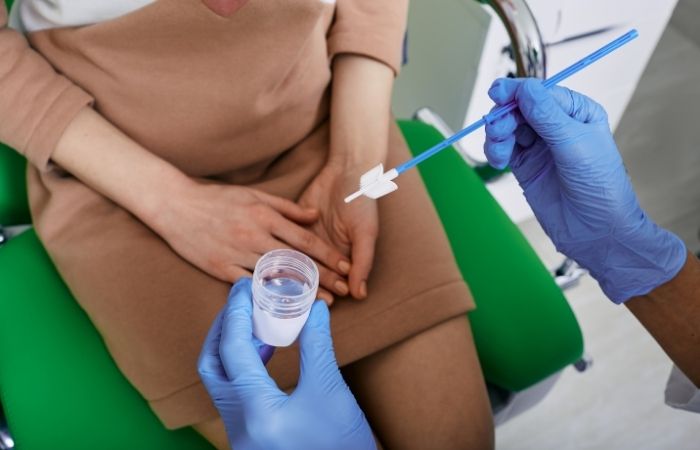
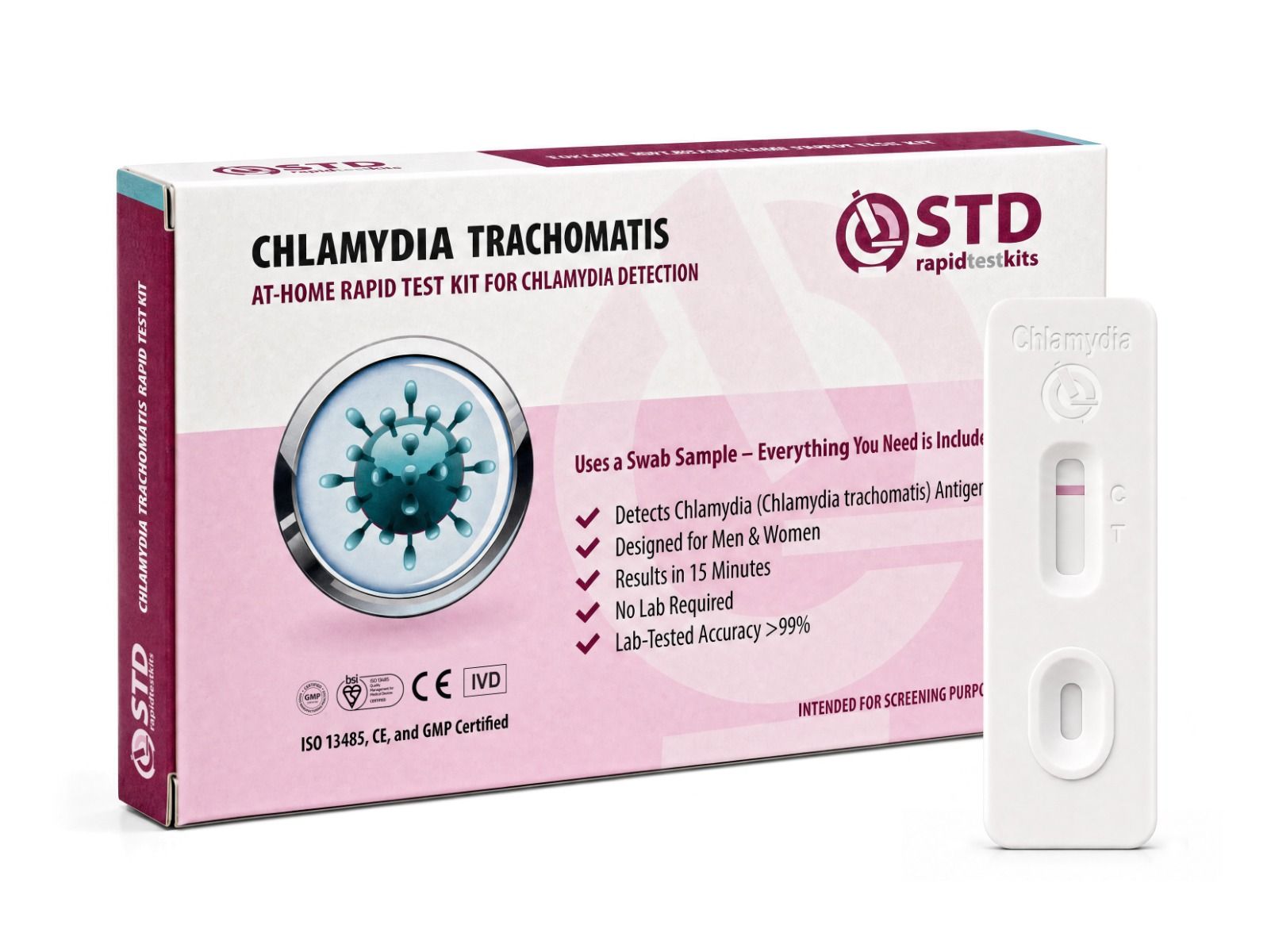
A clinic-administered nucleic acid amplification test (NAAT) remains the most sensitive option. NAAT detects chlamydia genetic material from a urine sample or a swab and is the laboratory standard. At-home rapid lateral-flow tests offer a faster, more private screening route and use the same self-collected swab sample type, though analytical sensitivity is generally lower than a lab NAAT. The two technologies are complementary, not equivalent. A negative at-home result during a high-risk exposure window is worth confirming with a clinic test, and a positive at-home result should always be followed up with clinical care. For people who would not otherwise screen because of cost, distance, or discomfort with the clinic experience, an at-home test is, statistically, a meaningful improvement over no test at all.
Treatment, partner notification, and broader STI risk
If a test is positive, current first-line treatment is doxycycline (100 mg orally twice daily for seven days) for most non-pregnant adults. Single-dose azithromycin remains an alternative in specific situations such as pregnancy or doxycycline intolerance. Partners from the previous 60 days should be notified and treated to prevent reinfection. A test of cure is generally only needed in pregnancy or with persistent symptoms. Re-testing about three months after treatment is recommended to catch reinfection, which is common because natural infection does not produce lasting protective immunity.
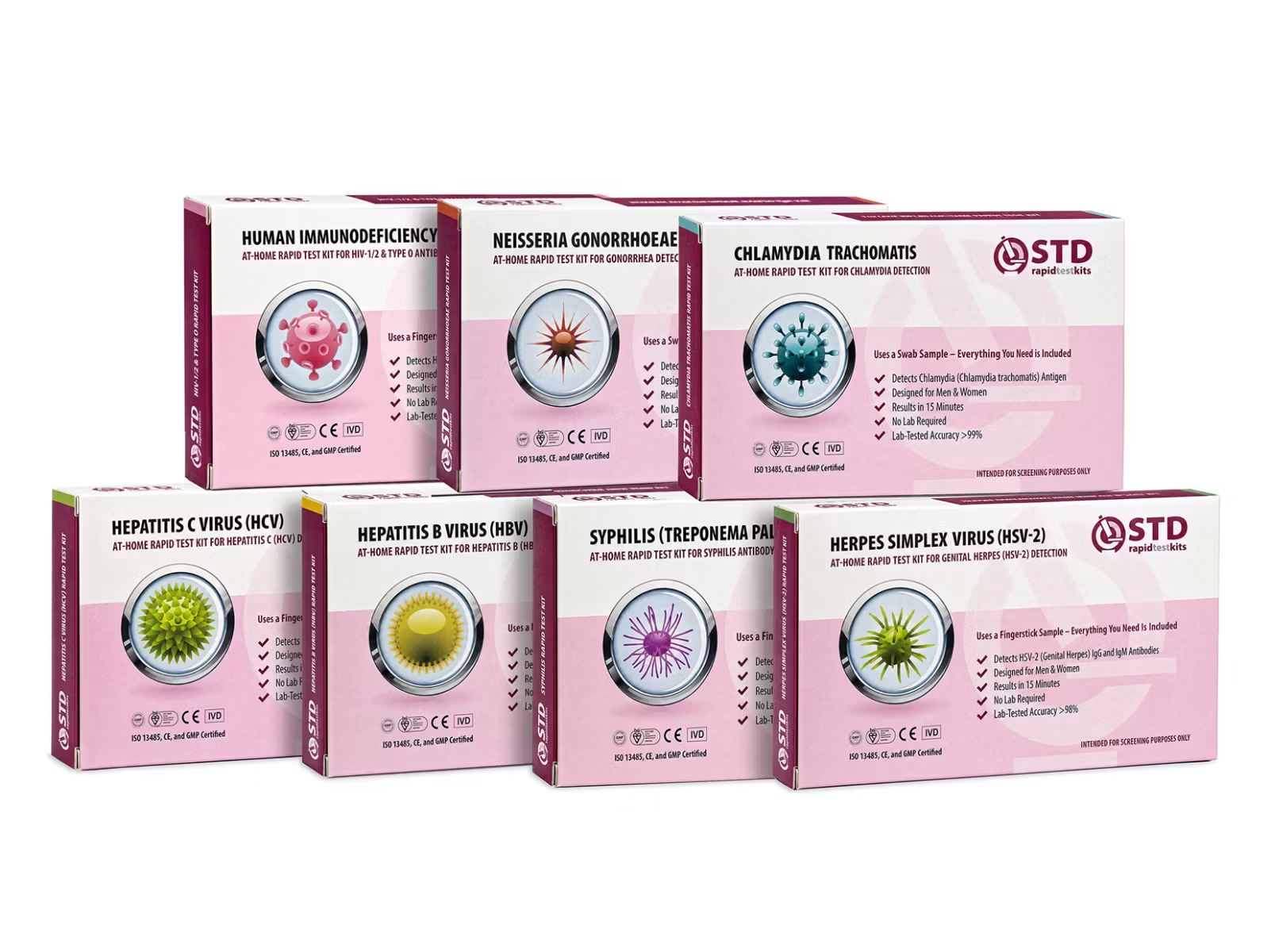
Chlamydia rarely travels alone. The same exposure event that raises questions about chlamydia often raises questions about gonorrhea, syphilis, and bloodborne infections too. Broader screening makes sense after a higher-risk exposure, a new partner with unknown testing history, or a recent positive in a current partner. A multi-infection home panel can answer several questions in one sitting, with any positive results then confirmed by a clinic.
Barrier methods, condoms used correctly and consistently, reduce but do not eliminate transmission risk. Honest communication with partners about recent testing is the single underused tool that costs nothing. A future chlamydia vaccine would target chlamydia specifically and would not protect against gonorrhea, syphilis, HIV, herpes, HPV, hepatitis B, or hepatitis C, so combined screening would remain standard even after rollout.
Common myths about mRNA vaccines and chlamydia
The mRNA platform attracted a wave of misinformation during COVID-19 vaccination, and some of that has carried over into discussions about future mRNA vaccines for other diseases. A few claims worth correcting:
mRNA changes your DNA. It does not. Messenger RNA delivered by a vaccine never enters the cell nucleus, and DNA lives in the nucleus. The mRNA is read in the cytoplasm, translated into a protein, and broken down within days. There is no biochemical pathway by which the vaccine RNA could integrate into the genome.
If I have had chlamydia before, I am immune. Past chlamydia infection does not provide lasting protective immunity. Reinfection within months is common, which is one reason re-testing about three months after treatment is part of the standard guidance. Natural infection gives the immune system a less complete view of the pathogen than a well-designed vaccine would.
A chlamydia vaccine is only relevant for people with many partners. Chlamydia transmits during a single act of unprotected sex with one partner who has it, and that partner may not know. Monogamous couples can introduce chlamydia at the start of a relationship if testing has not happened recently. The risk profile that matters is any sexual contact without recent testing, not lifestyle labels.
A vaccine is coming next year. The most realistic public estimates put broad availability in the early 2030s at the earliest. CTH522 cleared its Phase 1 in 2019 and is now in Phase 2. mRNA candidates are earlier still. Headlines that suggest sooner availability are usually conflating preclinical promise with a registered product.
Vaccines are not a substitute for honest conversation about testing history, and a future vaccine would add a layer of protection that does not currently exist.
Quick reference: myths vs. facts
- mRNA does not alter DNA. The vaccine RNA stays in the cytoplasm and is broken down within days.
- Past chlamydia infection does not give lasting immunity. Reinfection within months is common, and re-testing at three months is standard.
- Any unprotected sexual contact without recent testing is the risk that matters, not relationship style or partner count.
FAQs
- Is there an approved chlamydia vaccine I can get today?
- Not yet. No chlamydia vaccine has regulatory approval anywhere in the world as of 2026. The furthest-along candidate, CTH522, passed initial safety testing six years ago and is currently in Phase 2 work. mRNA-based candidates are still in earlier-stage development. Until a vaccine clears full efficacy trials, annual screening is the only proven preventive option.
- How is an mRNA vaccine different from older protein vaccines like CTH522?
- An mRNA vaccine teaches the body to produce a target protein inside its own cells. That process triggers both antibody responses and the T-cell responses that intracellular bacteria like chlamydia require for effective clearance. Older protein-only vaccines, including CTH522, mostly induce antibodies through systemic delivery and rely on adjuvants or mucosal boosters to broaden the response.
- Will a chlamydia vaccine cure an existing infection?
- No. Preventive vaccines, including any mRNA chlamydia candidate, are designed to train the immune system before infection. An active chlamydia infection is treated with antibiotics, typically a seven-day course of doxycycline. A vaccine would not replace antibiotic treatment.
- Will the vaccine prevent every strain of chlamydia?
- Probably not at first launch. Current candidates target the urogenital serovars (D through K) that cause most genital infections. Coverage of trachoma serovars (A through C) and LGV serovars (L1 through L3) may require additional formulations or boosters.
- Can men benefit from a chlamydia vaccine?
- Yes. Men carry chlamydia at high rates, often without symptoms, and transmit it to partners. Vaccination would interrupt that transmission. Men also experience complications including epididymitis and, rarely, reactive arthritis.
- Should I keep getting tested if a vaccine is eventually approved?
- Yes. No vaccine is 100% effective, and STI vaccines particularly need to be paired with ongoing screening. The HPV vaccine did not eliminate cervical cancer screening; it changed the recommended frequency. A chlamydia vaccine would likely follow a similar pattern.
- Does a vaccine replace condoms or other barrier methods?
- No. Barrier methods reduce risk for multiple infections including those without vaccines. A future chlamydia vaccine would target chlamydia specifically and would not protect against HIV, syphilis, gonorrhea, herpes, HPV, or hepatitis.
- When could a chlamydia vaccine realistically become available?
- The most realistic window is the early-to-mid 2030s, and that assumes Phase 2 and Phase 3 results stay positive. CTH522 completed Phase 1 in 2019; with the standard sequence of efficacy trials, regulatory review, and manufacturing scale-up running close to a decade, the math points to mid-decade availability at the earliest. Major regulatory acceleration could shorten the window. A safety or efficacy signal in trials would extend it.
- U.S. Centers for Disease Control and Prevention. Chlamydia overview, covering transmission, asymptomatic carriage, complications including pelvic inflammatory disease and infertility, and recommended screening intervals.
- U.S. Centers for Disease Control and Prevention. STI Surveillance Reports, including annual U.S. case counts for chlamydia and age-group breakdowns.
- U.S. Centers for Disease Control and Prevention. STI Treatment Guidelines, chlamydia section, including first-line antibiotic treatment with doxycycline and recommendations on partner notification and re-testing.
- World Health Organization. Sexually transmitted infections fact sheet, including the estimate of roughly 129 million new chlamydia infections globally each year and global prevention strategies.
- Abraham S, Juel HB, Bang P, et al. Safety and immunogenicity of the chlamydia vaccine candidate CTH522 adjuvanted with CAF01 liposomes or aluminium hydroxide: a first-in-human, randomised, double-blind, placebo-controlled, phase 1 trial. The Lancet Infectious Diseases. 2019;19(10):1091-1100. PubMed PMID 31416692.
- NHS. Chlamydia overview: symptoms, diagnosis, treatment, and partner notification guidance.
- ClinicalTrials.gov. Searchable database of registered clinical trials, including current and planned chlamydia vaccine candidates and their inclusion criteria.
