
Published: October 2025 | Last updated: April 2026 | Editorial review and quality control: Martina N.
Herpes is one of the most common viral infections in the world, and one of the most quietly carried. The World Health Organization estimates that about 3.8 billion people under 50 carry HSV-1, the virus most often linked to cold sores, and around 520 million adults aged 15 to 49 carry HSV-2, the virus more often linked to genital outbreaks (WHO herpes simplex virus fact sheet). The math is straightforward: most people who feel ashamed of a positive HSV result are reacting to cultural framing rather than unusual circumstances.
The sections below walk through how HSV-1 and HSV-2 behave: what the symptoms look like, how testing works, when treatment changes the picture, and how to think about partners. The medical reality is far less dramatic than the public conversation suggests, even when the diagnosis is real.
Are HSV-1 and HSV-2 really that common?
Yes. About two-thirds of people under 50 carry HSV-1 globally (roughly 64%, per WHO), and roughly 1 in 8 US adults aged 14 to 49 carry HSV-2 (11.9%, per CDC NCHS NHANES 2015-2016 surveillance). Most have no symptoms or such mild ones they never connect them to herpes. The infection is rarely dangerous in healthy adults, but it is lifelong, and it can be passed to partners even without visible sores. Testing, antivirals, and honest conversation are more useful tools than panic for almost everyone in this position.
Key Takeaways
- About 3.8 billion people under 50 worldwide carry HSV-1, and roughly 1 in 8 US adults aged 14 to 49 carries HSV-2 (WHO and CDC NCHS NHANES 2015-2016).
- Most people with HSV never have noticeable symptoms. Daily antivirals shorten outbreaks and significantly lower the chance of passing HSV-2 to a partner.
What Herpes Actually Is
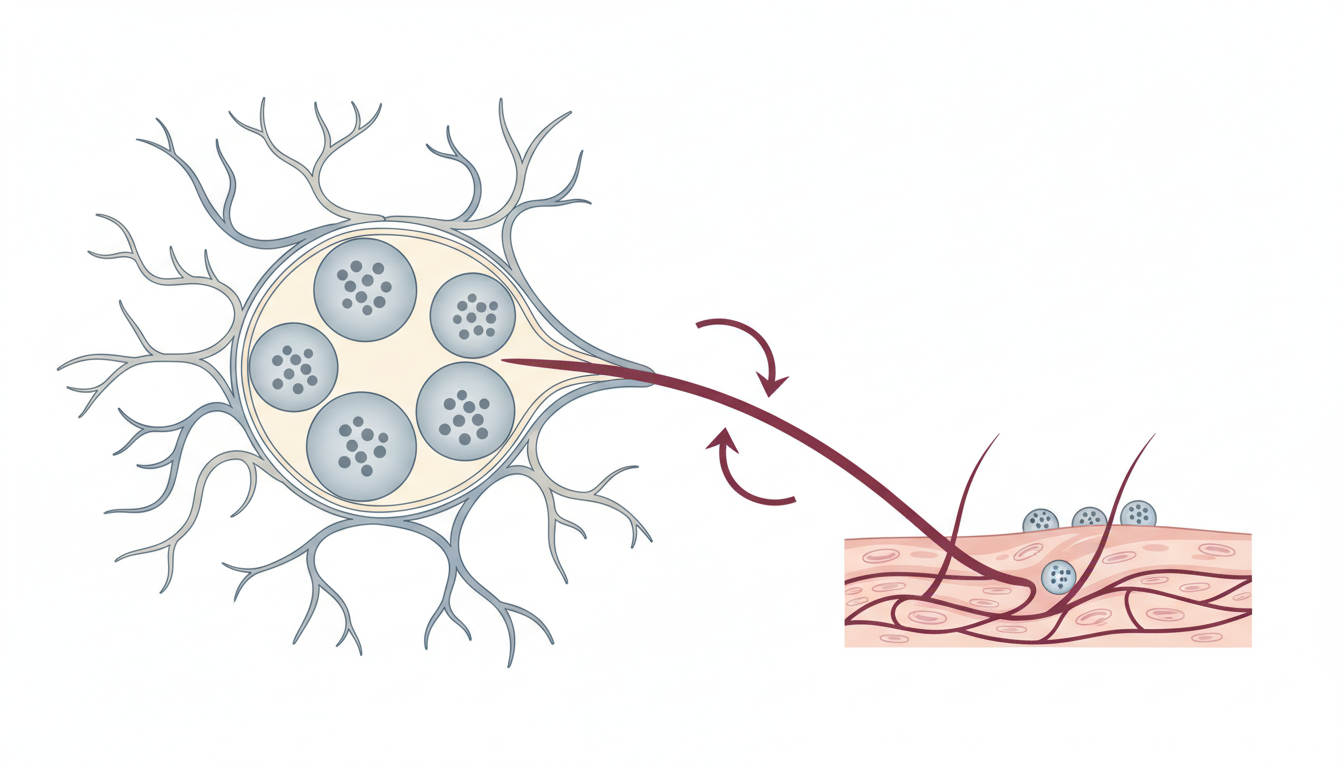
Herpes simplex virus belongs to a family of related viruses that includes the ones causing chickenpox and mononucleosis. After the first infection, HSV travels along nerve fibers and settles into nerve cell bodies (called ganglia), where it stays for life. Most of the time it sits dormant. Periodically, in some people, it reactivates and travels back along the nerve to produce a small cluster of blisters or sores on the skin or a mucous membrane.
That's the entire mechanism. There is no systemic illness in healthy adults, no organ damage, no cumulative scarring of the kind syphilis or some hepatitis viruses can cause if untreated. Outside of newborns, immunocompromised patients, and a few specific scenarios discussed later in this article, HSV is a recurrent skin condition. For most people, the day-to-day medical footprint is small.
What makes HSV culturally loud is what it isn't: it isn't curable, and it does involve sex (sometimes). Both facts get amplified into something larger than the medical reality.
Once HSV reaches a nerve cell ganglion, it stays there for life. The immune system can't reach the virus inside the nerve, which is why no current treatment cures the infection. That same dormancy is why most carriers feel healthy most of the time: the virus is locked up in nerve tissue and only periodically travels back along nerve fibers to produce an outbreak on the skin or mucous membrane it originally came from.
How HSV-1 and HSV-2 Differ
Two viruses, two slightly different default behaviors, with enough overlap that the old textbook distinction is now blurry. HSV-1 traditionally appeared on or near the mouth and HSV-2 on the genitals, but oral-genital contact has shifted that pattern over the last few decades. The CDC's STI Treatment Guidelines note that an increasing proportion of anogenital herpes infections are now attributed to HSV-1, especially among young women and men who have sex with men (CDC STI Treatment Guidelines).
The difference that still matters most is recurrence. HSV-2 in genital tissue tends to recur more frequently than HSV-1 in genital tissue, and HSV-1 in oral tissue recurs more often than HSV-1 in genital tissue. People with HSV-1 acquired genitally often have very few outbreaks after the first one. People with HSV-2 may have several recurrences a year initially, then fewer over time.
| Trait | HSV-1 | HSV-2 |
|---|---|---|
| Most common location | Mouth, lips, face | Genitals, perianal area |
| Can also infect | Genitals (often via oral sex) | Mouth (less common) |
| First outbreak | Cluster of small blisters, often with tingling beforehand | Cluster of painful sores, sometimes with flu-like feeling |
| Recurrence pattern | Common in oral tissue, less common when acquired genitally | More common, especially in the first year, then usually fewer |
| Estimated prevalence under 50 | About 64% globally; about 47.8% of US adults 14 to 49 | About 13% of adults 15 to 49 globally; 11.9% of US adults 14 to 49 |
Just How Common Is HSV?
The numbers depend on which virus, which age group, and which country, but they are all surprisingly large. Globally, the WHO's 2020 prevalence estimates, published in its current herpes fact sheet, place HSV-1 at about 3.8 billion people aged 0 to 49 and HSV-2 at about 520 million adults aged 15 to 49 (WHO herpes simplex virus fact sheet).
In the United States, the CDC's NCHS Data Brief 304 places HSV-1 prevalence at 47.8% and HSV-2 prevalence at 11.9% among adults aged 14 to 49 (NHANES 2015-2016 cycle), which is roughly 1 in 8 for HSV-2 (CDC NCHS Data Brief 304: Prevalence of HSV-1 and HSV-2 in Persons Aged 14-49).
In any room of 8 to 10 sexually active US adults, on average one carries HSV-2 and several carry HSV-1, and most don't know. The infection circulates widely because the symptoms are often subtle, the virus sheds intermittently without sores, and routine STI panels generally do not include HSV.
How Herpes Spreads
HSV transmits through direct skin-to-skin or mucous-membrane contact with an area where the virus is present. Kissing, oral sex, vaginal sex, anal sex, and sharing items that touch open sores can all transmit it. Hand-to-genital transmission is uncommon but possible during an active outbreak.
The complication that surprises most people is asymptomatic shedding. The virus can be present on skin and shed into mucus or saliva even when there are no visible sores, no tingling, no warning signs. Partners can get diagnosed without anyone ever seeing a sore.
Condoms and dental dams reduce transmission risk meaningfully, but they do not eliminate it, because HSV sheds from areas a condom does not cover (thighs, perineum, scrotum, mons pubis, buttocks). Daily antiviral medication taken by the partner who has HSV-2 cuts transmission to a partner without HSV-2 by a substantial margin in clinical trials, particularly when combined with consistent condom use (CDC STI treatment guidelines on genital herpes).
Practically, the layered approach (condoms plus antivirals plus avoiding contact during prodrome and active outbreaks) brings transmission risk to low single-digit percentages per year for most monogamous couples where one partner has HSV-2 and the other does not.
HSV can shed from skin without any sore, tingling, or warning. Most transmissions happen during these asymptomatic shedding episodes rather than during an obvious outbreak. A long-term monogamous couple can find one partner seroconverts years into the relationship without anyone having cheated; this usually reflects how the virus already worked in their bodies before the relationship started.
What an Outbreak Looks Like
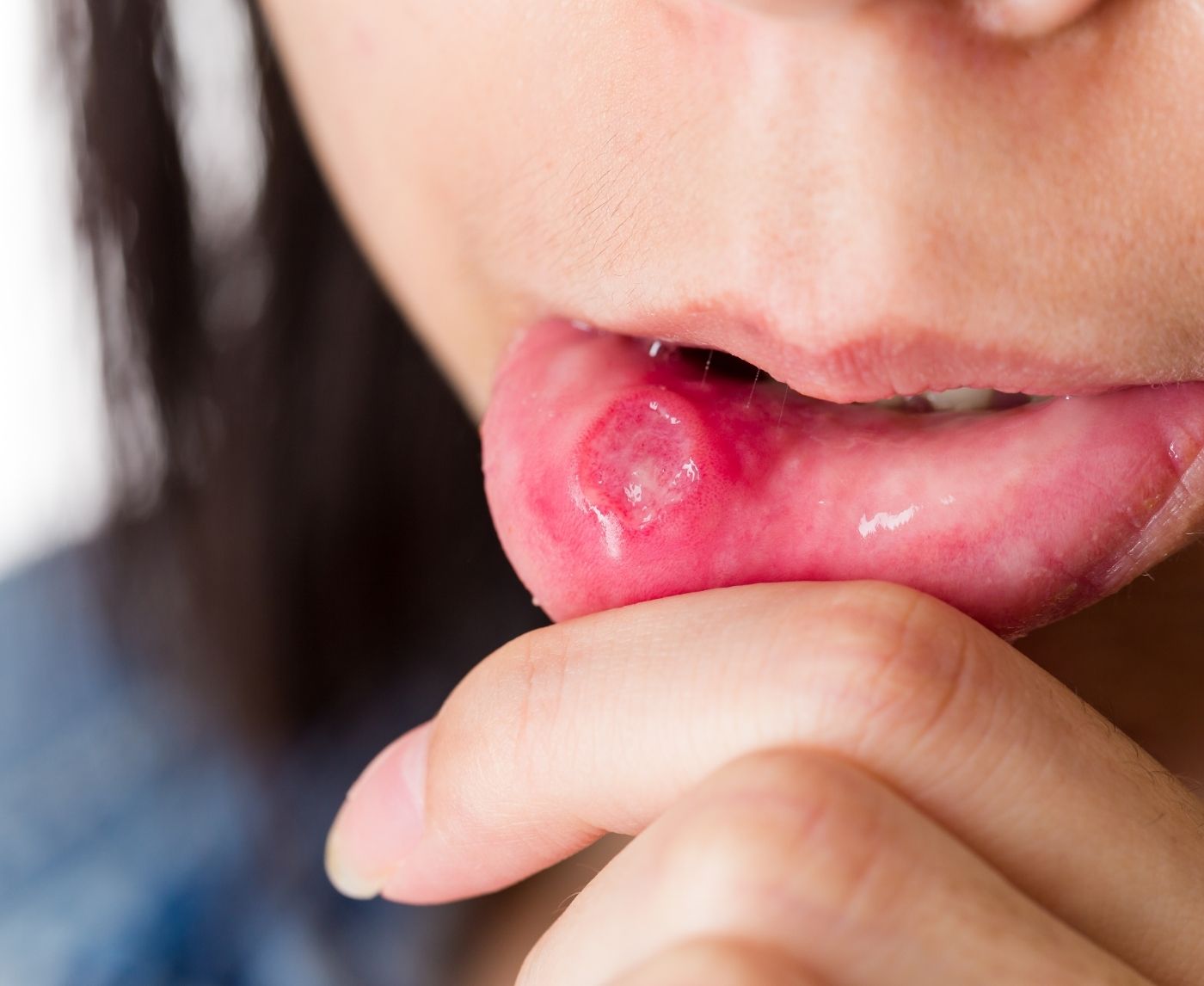
The first outbreak, when symptoms appear at all, is usually the most pronounced. It often starts within 2 to 12 days of exposure with tingling, itching, or burning at the future site of the sore, then progresses to a cluster of small fluid-filled blisters that break, weep, and crust over before healing in 2 to 4 weeks. Some people also have a flu-like feeling: low-grade fever, swollen lymph nodes near the affected area, body aches.
Recurrences are usually shorter and milder. They often begin with a recognizable warning sensation called the prodrome, last about 5 to 10 days, and tend to come less often as the years pass. Triggers vary by person but commonly include stress, illness, fatigue, hormonal shifts, friction, and prolonged sun or UV exposure on the skin where outbreaks occur.
What outbreaks are not, in nearly all healthy adults: dangerous, scarring, fertility-affecting, or progressive.
Many people learn to feel an outbreak coming hours or a day before any sore appears: a localized tingling, itching, or burning sensation on the same patch of skin where past outbreaks have shown up. That sensation is called the prodrome. Recognizing it matters because episodic antiviral treatment works best when started at the very first sign, ideally during the prodrome and well before the blister phase.
Stigma vs Medical Reality
Public reaction to a herpes diagnosis is wildly out of proportion to what HSV does in the body. Much of that reaction was shaped in the late 1970s and early 1980s, when news magazines ran cover stories framing genital herpes as a life-ruining condition and pharmaceutical advertising leaned into the same fear to sell early antivirals. The cultural imprint stuck, even as the medical understanding moved on.
For many newly diagnosed people, the hardest part of HSV is not the outbreaks. It is the moment of finding out, the first conversation with a partner, and the assumption that nobody will accept the diagnosis. In clinic conversations and in the published patient-experience literature, those fears almost always shrink with time. Most people find that disclosure goes better than they imagined, and that outbreaks become a manageable background fact in their lives.
Patient advocates and infectious disease clinicians have spent the last decade pushing back against the older framing, partly to make testing and treatment less emotionally costly for the people who need them.
Globally, an estimated 3.8 billion people under age 50 (64%) had HSV-1 infection in 2020.
How Herpes Compares to Other STIs
Sexually transmitted infections vary enormously in long-term medical risk. Herpes sits on the milder end of the spectrum for healthy adults. The infections that infectious disease clinicians worry about most are the ones that quietly damage organs, fertility, or the immune system over years.
Severity is a generalization rather than advice for any individual person, and any STI deserves attention and treatment.
| Infection | What it primarily affects | Long-term risk if untreated | Typical management |
|---|---|---|---|
| Herpes (HSV-1 / HSV-2) | Skin and nerves at the site of infection | Usually mild in healthy adults; recurrent skin outbreaks | Antivirals to shorten outbreaks and reduce transmission |
| Chlamydia | Reproductive tract | Pelvic inflammatory disease, infertility | Antibiotics, partner treatment |
| Gonorrhea | Reproductive tract, throat, rectum | PID, infertility, disseminated infection | Antibiotics (resistance is rising) |
| Syphilis | Multiple organs over time | Cardiovascular and neurological damage in late stages | Antibiotics; treatment depends on phase |
| HPV | Skin and mucous membranes | Cervical, anal, throat, and other cancers with high-risk strains | Vaccination, screening, monitoring |
| HIV | Immune system | AIDS-defining illness without treatment | Lifelong antiretroviral therapy |
Testing for Herpes
HSV testing is more nuanced than it gets credit for, and that is part of why it is not included by default in most STI panels. The two main options are testing the lesion itself or testing the blood.
- Lesion testing (PCR or culture). A clinician swabs an active sore and the lab looks for HSV DNA (PCR) or grows the virus (culture). Lesion PCR is the most accurate way to diagnose herpes during an active outbreak, and it tells you whether the virus is HSV-1 or HSV-2.
- Type-specific blood antibody testing. A blood test looks for IgG antibodies against HSV-1 and HSV-2. Antibodies usually develop within 12 to 16 weeks of infection, so blood tests have a window period and can miss very recent infections. They also have a known issue with false positives at low antibody levels, particularly for HSV-2. This is part of why the CDC and WHO do not recommend universal screening of people without symptoms.
If you have a sore right now, see a clinician for lesion testing. If you have no sores but want to know your serostatus (for example, before a pregnancy, or after a partner's diagnosis), a type-specific blood antibody test is the standard option. Be aware of the window period and the false-positive caveat, and confirm any low-positive HSV-2 result with your provider.
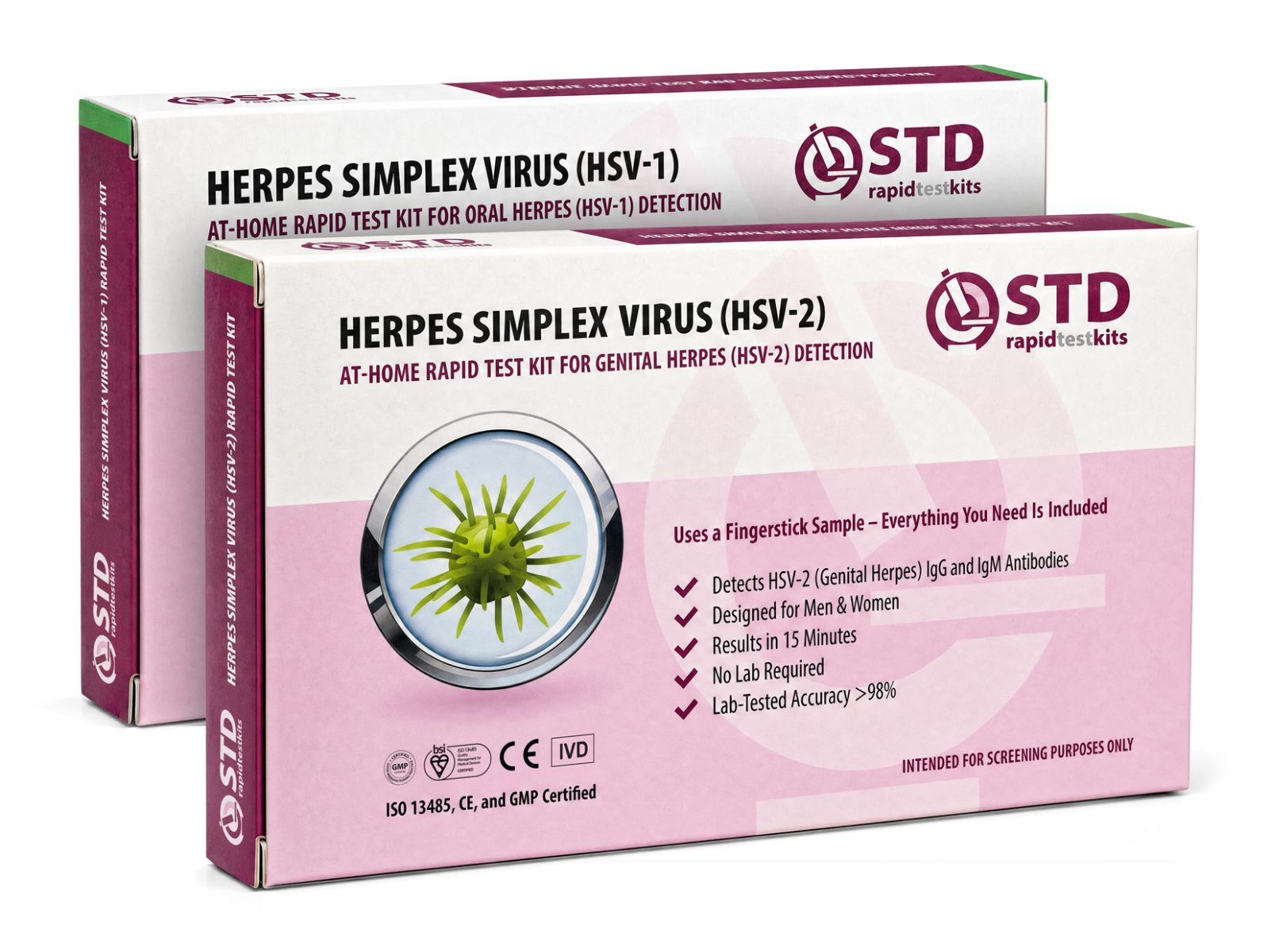
Our at-home rapid herpes test is a fingerstick blood antibody test. It uses lateral-flow chemistry, the same general approach as a home pregnancy test, and gives a result in about 15 minutes. It is most useful 12 or more weeks after a possible exposure, to allow antibodies to develop. A positive at-home result is worth confirming with a follow-up lab test through your provider, especially if you have no symptoms and no known exposure, because antibody-based screening is more useful for confirmation in context than for one-shot diagnosis.
Treatment and Daily Life
Three antivirals dominate herpes care: acyclovir, valacyclovir, and famciclovir. They share the same mechanism (interfering with viral DNA replication) but differ in dosing schedules. Valacyclovir is the most commonly prescribed in the US because of its convenient once or twice daily dosing.
Antivirals can be used two ways:
- Episodic therapy: taken at the first sign of an outbreak, usually for 3 to 5 days. Shortens the outbreak and reduces severity.
- Daily suppressive therapy: taken every day. Reduces outbreak frequency by roughly 70% to 80% in clinical trials and substantially lowers the risk of transmitting HSV-2 to a partner without HSV-2 (CDC STI treatment guidelines).
Beyond medication, day-to-day management is mostly about pattern recognition. Most people learn within a year or two which triggers reliably bring on an outbreak (sleep loss, illness, hormonal shifts, sustained stress, sometimes friction or sun exposure) and adjust accordingly. The first year is usually the noisiest. After that, most people settle into a much quieter pattern.
Episodic dosing (3 to 5 days at the first sign of an outbreak) makes sense for people whose recurrences are infrequent and who can tolerate riding a full episode out with shorter, milder symptoms. Daily suppressive dosing makes more sense for people with several recurrences a year, anyone in a discordant relationship who wants to lower transmission risk, or anyone for whom outbreaks reliably interfere with work, sleep, or sex life. The 70 to 80 percent reduction in outbreak frequency comes from clinical trials of HSV-2 specifically; the transmission-reduction figure is also drawn from HSV-2 partner studies.
Talking to Partners
Disclosure is the part newly diagnosed people dread most, and the part that almost always goes better than they expect. A few patterns from the patient-experience literature and from sexual-health counselors are worth keeping in mind:
- Disclose before sexual contact rather than during or after. Earlier conversations land better than later ones.
- Lead with the medical reality (very common, manageable, low risk with antivirals and condoms), not the emotional reaction.
- Expect partners to need a beat to absorb the information. Most return to the conversation calmly within a day or two.
- Plenty of long-term couples are HSV-discordant (one partner positive, one negative) and stay that way for years using the layered approach.
Some US states have laws around HSV disclosure, but the practical case for telling a partner is broader than the legal one. It is ethical and relational: it lets the partner make an informed choice and protects the relationship from finding out by surprise later.
For HSV-discordant couples (one partner has HSV-2, the other does not), combining three things keeps annual transmission risk in the low single-digit percentages: consistent condom use, daily suppressive antivirals taken by the partner who carries HSV-2, and avoiding sexual contact during the prodrome warning sensation and active outbreaks. None of the three on its own is bulletproof; together they bring risk down meaningfully and let the relationship operate without constant anxiety.
When Herpes Becomes Serious
HSV is mild for most healthy adults, but a few specific situations call for closer medical attention. Pregnancy is the highest-stakes scenario: HSV transmitted to a newborn during delivery can cause severe illness (neonatal herpes). Pregnant patients with a known history of genital HSV are usually offered suppressive antivirals in the third trimester, and a cesarean delivery is recommended if active genital lesions or prodrome are present at the time of labor. People newly infected with HSV in the third trimester are at the highest risk and should discuss it with their obstetric provider (CDC STI treatment guidelines).
Immunocompromised patients, including people with HIV, organ transplants, or chemotherapy-related immunosuppression, can have more frequent, more severe, and occasionally atypical outbreaks; they are usually managed on long-term suppressive antivirals. Eye involvement (HSV keratitis) is rare but important: HSV in the cornea is a leading infectious cause of corneal blindness when undertreated, and any persistent eye redness, pain, or vision change in someone with a history of cold sores warrants prompt ophthalmology evaluation. HSV encephalitis is very rare, serious, and not the typical course of an oral cold sore.
Situations that call for closer medical attention
- Pregnancy: third-trimester suppressive antivirals plus cesarean delivery if active genital lesions or prodrome are present at labor.
- Immunocompromised patients: long-term suppressive antivirals; outbreaks can be more frequent, severe, or atypical.
- HSV keratitis (eye involvement): persistent eye redness, pain, or vision change after cold sores warrants prompt ophthalmology evaluation.
- HSV encephalitis: very rare, serious, and distinct from a typical oral cold sore.
Sensible Next Steps
If you have an active sore that might be herpes, the most useful action is lesion-based testing through a clinician within the first few days. If the sore is already crusting over, ask about a same-day appointment to maximize the chance of a clear PCR result.
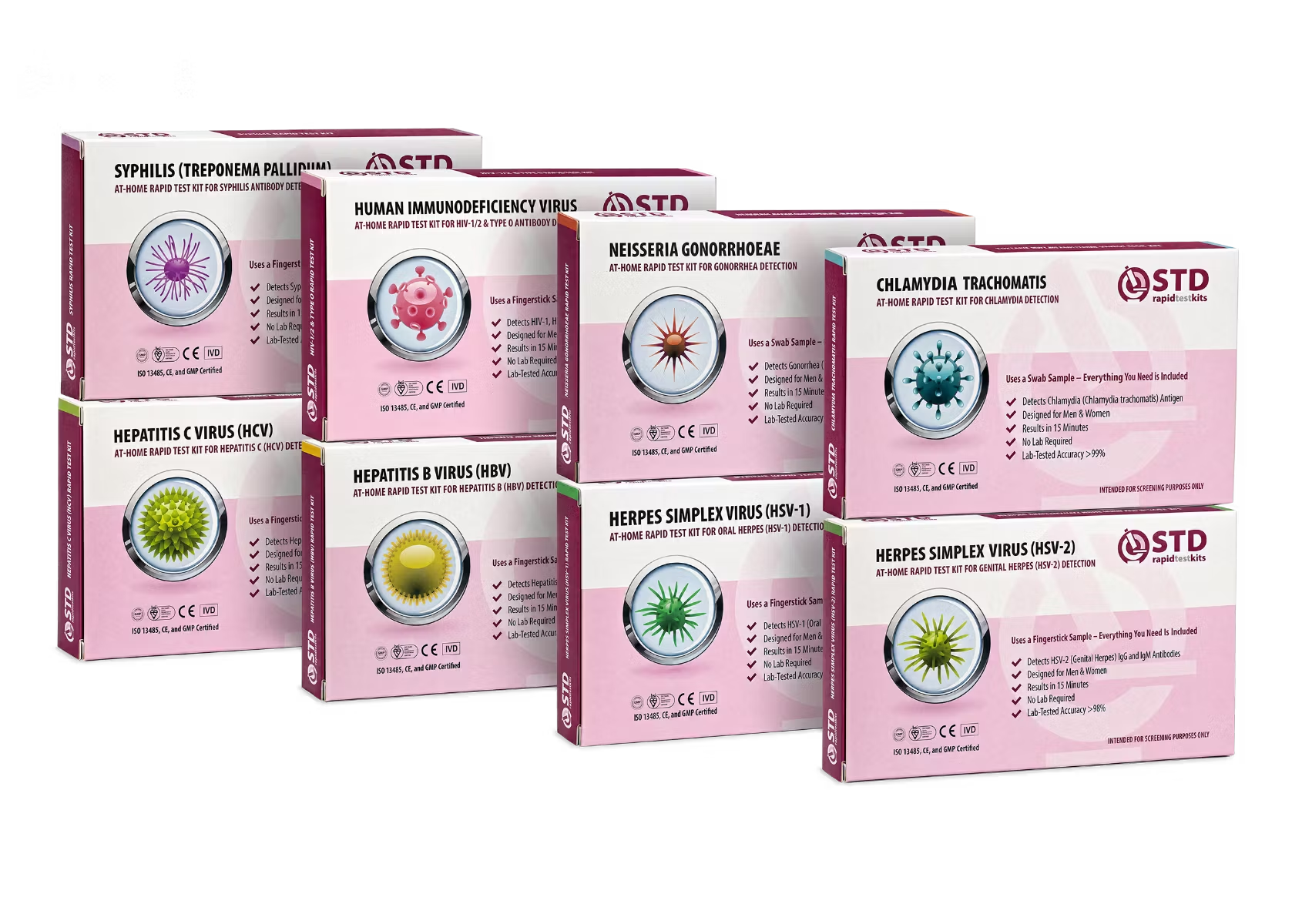
If you do not have a sore but want clarity (after a partner's diagnosis, before a pregnancy, or because you would rather know), a type-specific blood antibody test taken at least 12 weeks after a possible exposure is the standard approach. Our at-home rapid herpes blood test offers a private screening option for HSV-1 and HSV-2 antibodies. For people who want a wider snapshot of common STIs in one go, the broader 8-in-1 home kit covers herpes alongside chlamydia, gonorrhea, HIV, syphilis, and the hepatitis viruses.
FAQs
- How long after exposure do herpes symptoms appear?
- The first outbreak usually shows up 2 to 12 days after exposure, occasionally up to 3 weeks. Many people do not have a noticeable first outbreak at all, and only learn they were infected when a much later, milder episode appears or when antibody testing comes back positive.
- Can I get herpes from kissing or sharing a drink?
- Kissing can transmit HSV-1 if the other person has an active oral sore or is shedding the virus asymptomatically. Sharing drinks or utensils carries a low but non-zero risk while a sore is present. The virus does not survive long on dry surfaces, so dry doorknobs, towels, and toilet seats are not a meaningful transmission route.
- Will I always have outbreaks?
- No. Many people, particularly those with HSV-1 acquired genitally, have one outbreak and very few or none after that. Others have several recurrences in the first year that taper off over time. Daily suppressive antivirals can reduce recurrence frequency by roughly 70% to 80% for people who want to be more proactive, and most people learn to recognize their own prodrome (the tingling or burning warning sensation that shows up before a sore appears).
- How accurate are at-home herpes blood tests?
- At-home rapid HSV antibody tests use the same general lateral-flow chemistry as in-office antibody tests. They are most useful 12 or more weeks after a possible exposure, to give antibodies time to develop. Low-positive HSV-2 antibody results from any test, in clinic or at home, are worth confirming through your provider because of known false-positive rates at low antibody levels.
- Do condoms prevent herpes?
- Used consistently, condoms cut HSV-2 transmission risk substantially but not to zero. The gap is anatomical: HSV-2 sheds from thighs, buttocks, and perianal skin that latex never reaches. Pairing condom use with daily suppressive antivirals taken by the partner who has HSV-2 brings annual transmission risk into the low single digits in clinical trials of HSV-discordant couples.
- Can I have HSV-1 and HSV-2 at the same time?
- Yes. The two viruses are similar but distinct, and the immune system treats them separately. Having one type does provide some partial cross-protection against the other, but it is far from complete.
- Should I get tested if I have no symptoms?
- Routine asymptomatic HSV screening is not recommended by the CDC or USPSTF for the general population, because of the false-positive rate of antibody tests in people at low risk. It is more often suggested in specific situations: a partner's recent diagnosis, before pregnancy, or before starting a new long-term relationship. Discuss the timing with your provider.
- Is there a herpes vaccine on the way?
- Several candidate vaccines are in clinical trials, including therapeutic vaccines aimed at reducing outbreaks in people who already have HSV. None has been approved for general use as of 2026. Antivirals remain the standard treatment.
- World Health Organization. Herpes simplex virus fact sheet. Global prevalence estimates for HSV-1 (3.8 billion under 50) and HSV-2 (520 million adults aged 15 to 49), 2020 figures published in the current fact sheet. Source for transmission routes and the antiviral evidence base used in this article.
- U.S. Centers for Disease Control and Prevention. NCHS Data Brief No. 304: Prevalence of Herpes Simplex Virus Type 1 and Type 2 in Persons Aged 14-49 (United States, 2015-2016). Source for the 47.8% HSV-1 and 11.9% HSV-2 US prevalence figures cited in this article.
- U.S. Centers for Disease Control and Prevention. STI Treatment Guidelines, herpes section. Antiviral dosing, suppressive therapy, transmission-reduction evidence, pregnancy management, and the trend of HSV-1 causing an increasing share of anogenital herpes infections, especially among young women and MSM.
- U.S. Centers for Disease Control and Prevention. Herpes information hub. General clinical context for HSV-1 and HSV-2 and the 2018 incidence figure of 572,000 new genital herpes infections among US adults aged 14 to 49.
- Mayo Clinic. Genital herpes overview. Symptom course, recurrence patterns, and day-to-day management of outbreaks.
- NHS. Genital herpes. Symptom course, when to see a clinician, and lifestyle and trigger guidance.
