Acute HIV infection, also known as primary HIV infection or acute retroviral syndrome, is a medical condition that develops between two to four weeks after the individual has contracted the virus. The manifestation of this condition signifies our body's initial response against the virus. The underlying pathophysiology responsible for this condition may be elucidated by the rapid proliferation of the virus, overpowering the capacity of our immune response to respond effectively against this infection.
Our immune system is well capable of fighting various infections, such as the common flu. In this case, however, it cannot fight the invasion of the virus alone. Due to this fact, over time, the HIV virus gradually destroys our immune cells, leaving our bodies vulnerable before other microbes. This weakened status of the immune system is called AIDS, which is the full-stage development of HIV infection.
One sinister quality of acute HIV infection is that it is usually asymptomatic. Therefore, it may be non-existent to the eyes of its carriers who unconsciously proliferate it to others. Its signs and symptoms may be absent or show manifestations similar to any bacterial infection.
01 October 2024
5 min read
761
Acute HIV Infection Versus Chronic HIV Infection
The high replication of the virus characterizes acute HIV infection in contrast to the chronic phase when the viral load usually decreases. Over time, the viral load rises, leading to immune cells' destruction and possibly progressing to AIDS. The deterioration of CD4 cells is the hallmark of immune system insufficiency due to HIV infection. Antiretroviral treatment is highly warranted over time to prevent the complete destruction of the immune system.
There are three stages of HIV infection:
Acute HIV infection – maintaining higher levels of the virus.
Chronically infected HIV patient – after their body's immune response has started to kick in, the level of the virus lowers.
AIDS – again with higher levels of the virus.
The Symptoms of Acute HIV Infection
Many of the symptoms of acute HIV infection resemble those of the flu or other viral infections, and patients usually cannot connect these directly to HIV. An estimated 15% of all people living with HIV in the U.S. are unaware that they are infected. The only way to be absolutely sure if someone has been infected with HIV is to be tested.
Commonly reported signs and symptoms of acute HIV infection include:
Headache
Fever and chills
Skin rash
Sore throat
General fatigue
Additional symptoms may include:
Loss of appetite
Night sweats
Sores in the mouth or genital area
Swollen lymph nodes (lymphadenopathy)
Muscle ache
Diarrhea or other changes in bowel movements
Not everyone will have all of these symptoms, and some will have none at all. This set of symptoms usually resolves itself after four weeks without treatment, making early diagnosis difficult.
HIV Infection: Modes of Transmission of Acute HIV
Acute HIV infection is a medical condition resulting from infection with the HIV virus. If symptoms appear, it is usually a few days to four weeks after infection and lasts for an average of approximately 14 days. Transmission routes of the virus include:
Blood transfusions – primarily those that occurred in the 1980s.
Sharing injectable drugs.
Unprotected anal or vaginal sex, or exposure to infected blood or genital fluids.
Mother-to-child transmission during pregnancy or breastfeeding.
It is important to note that HIV cannot be transmitted through saliva. Therefore, activities such as kissing or holding hands do not transmit the disease.
Who Should Get Regular HIV Testing?
Anyone, regardless of age, socioeconomic status, race, gender, or sexual orientation, can become infected with HIV. However, certain behaviors and drug use put a person at greater risk. Traditional unprotected sex puts a person at risk of acquiring HIV and other sexually transmitted infections.
Individuals at high risk include:
Those who have used drugs intravenously and shared needles or syringes.
Men who have sex with men (MSM).
The MSM group is at a higher risk due to biological, cultural, and social factors. Gay men and MSM are reportedly 27 times more likely to become infected with HIV, in large part due to the vulnerability associated with unprotected anal sex. The walls of the anus are thin and easily traumatized, allowing HIV to enter the body easily. Having multiple sexual partners increases this risk.
In many countries, legal restrictions, discrimination, and homophobia against gays and MSM limit this group's access to much-needed screening and sex education resources.
A doctor will question a patient’s history to determine whether they fall into a high-risk category based on recent sexual behaviors and sexual orientation. Routine screening tests cannot confirm acute HIV infection since these tests usually screen for antibodies, which may not be present during the acute stage.
You can opt for home testing by purchasing a rapid STD testing kit, which provides results in less than 30 minutes. You may also visit a laboratory to be tested for a p24 antigen blood test, CD4 count, HIV RNA viral load test, or HIV antigen or antibodies tests.
Treatment for Acute Infection of HIV
Antiretroviral therapy is the cornerstone of HIV treatment. The sooner the diagnosis and therapy initiation, the better the prognosis. These oral medications aim to reduce the harm to immune cells caused by the virus. The therapy can be long, so side effects may be experienced, and the treatment must be discussed in detail with a healthcare provider.
Lifestyle Interventions for Managing HIV
Lifestyle interventions are an important aspect of managing HIV alongside medication. Good nutrition and exercise are necessary for everyone, whether infected or not. Since a person with HIV is more prone to other sexually transmitted diseases, it is crucial to employ safe sex practices using condoms to protect both oneself and one's partner.
Being infected with HIV calls for:
Cessation of smoking.
Restriction of alcohol intake.
Avoidance of sharing needles or sharp objects.
Minimizing stressors to avoid further weakening of the immune system.
References
Centers for Disease Control and Prevention (CDC): The CDC is a trusted source for information on all health-related topics, including HIV. They have pages specifically dedicated to acute HIV infection: Acute HIV Infection
World Health Organization (WHO): The WHO provides worldwide data and guidelines on HIV/AIDS, including testing, prevention, and treatment: HIV/AIDS
National Institute of Allergy and Infectious Diseases (NIAID): NIAID provides in-depth research information and facts about HIV/AIDS: HIV/AIDS
HIV.gov: This site is dedicated to providing information on HIV/AIDS, including symptoms, testing, treatment, and prevention: HIV Basics







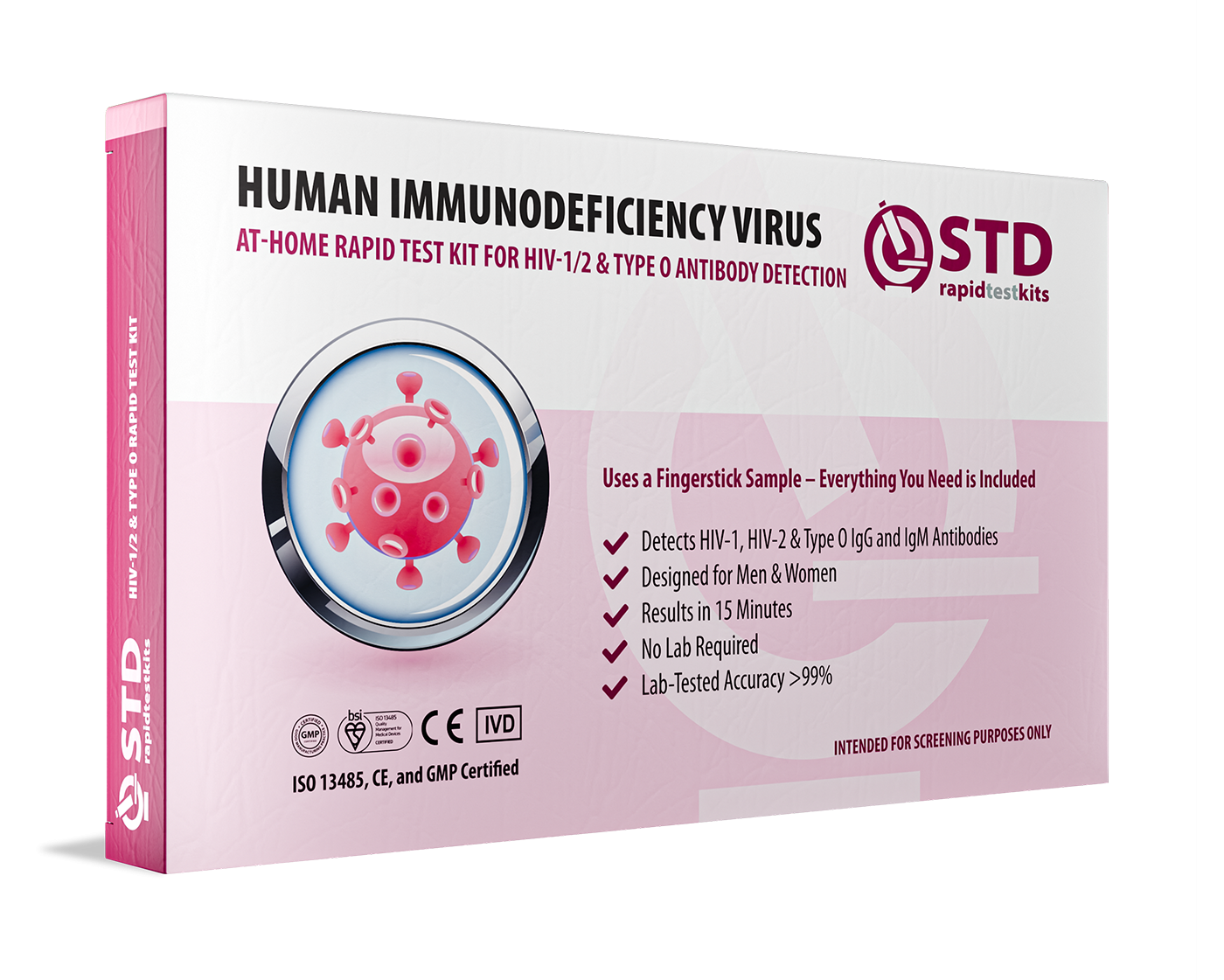
 For Men & Women
 Results in Minutes
 No Lab Needed
 Private & Discreet


