Published: October 2025 | Last updated: May 2026 | Editorial review and quality control: Martina N.
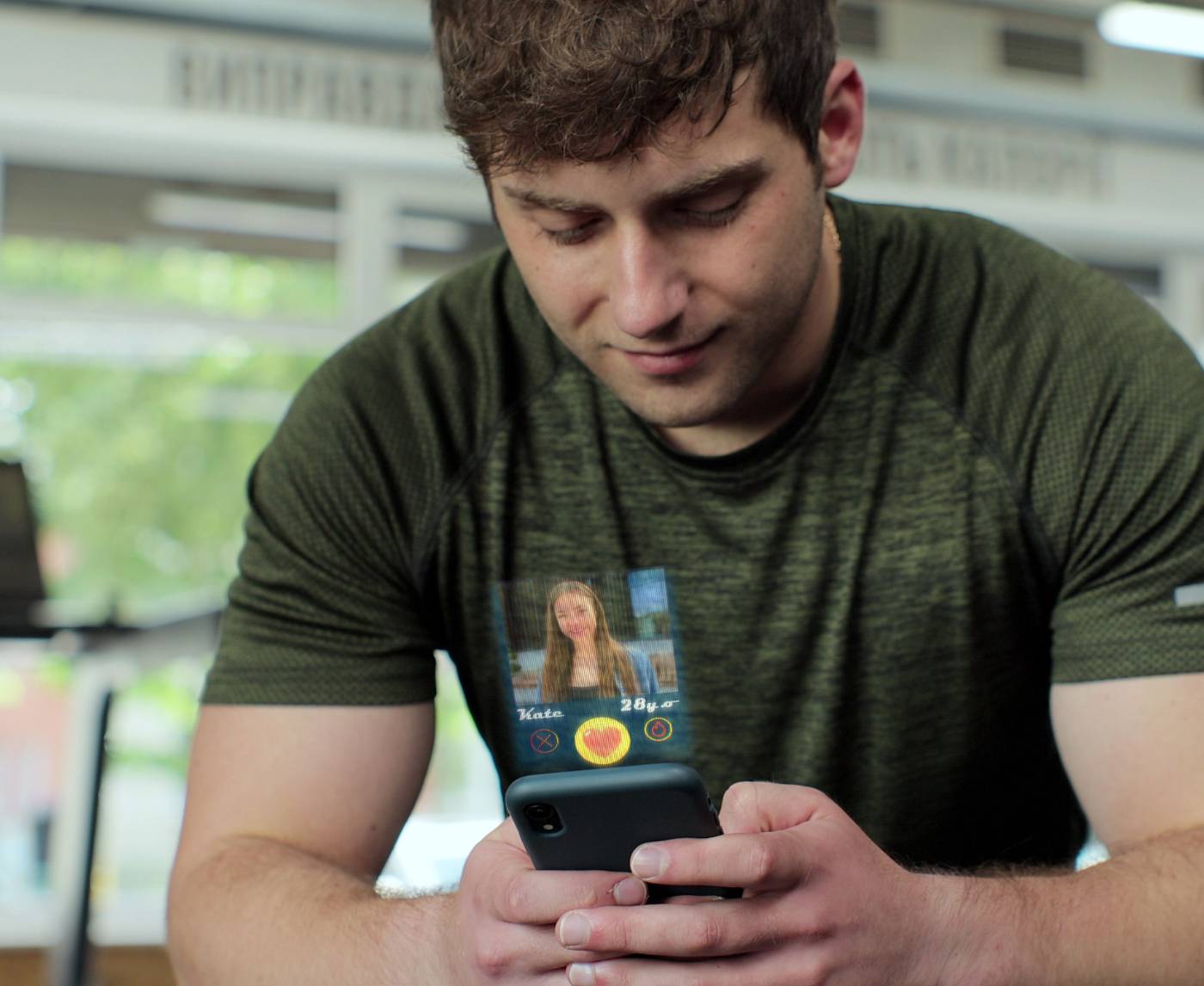
Dating apps changed how college students meet new people, and that shift has a specific knock-on effect for sexual health: more matches usually means more potential partners over a given year, and more partners means more chances to be exposed to a sexually transmitted infection. None of this means dating apps are dangerous, or that anyone using them is doing something wrong. It does mean the testing rhythm that worked for a previous generation, the once-a-year STI screen at the campus clinic, is often too infrequent for someone meeting people through Tinder, Hinge, Bumble, Grindr, Feeld, or any platform where the time between matching and meeting can be shorter than the typical chlamydia window period.
This article walks through what the CDC actually recommends for screening cadence, which infections to test for and when each one becomes reliably detectable after exposure, how at-home rapid tests fit alongside lab testing, and how to handle the awkward but important conversations that protect both you and your partners. Most readers landing here today don't currently have an STI. Routine testing is the rational baseline for being sexually active with new partners.
Key Takeaways
- The CDC recommends at least annual chlamydia and gonorrhea screening for all sexually active women under 25 and for men who have sex with men, and every 3 to 6 months for anyone with multiple or new partners.
- Window periods vary by infection: chlamydia and gonorrhea are usually detectable by about 2 weeks post-exposure, syphilis by 3 to 6 weeks, HIV by 18 to 45 days with a fourth-generation lab test (rapid antibody tests run 18 to 90 days), and HSV-2 antibodies by about 6 to 12 weeks, with some people requiring up to 16 weeks. Testing too early can return a false negative.
How Dating Apps Reshape Student Sexual Networks
A college campus used to be a relatively closed sexual network. You met people in classes, dorms, clubs, friends of friends. Networks were dense but small, and information about a person's recent dating history was usually one or two social degrees of separation away if you wanted to ask around. Dating apps weakened that geometry.
Today a sophomore at a 5,000-student state university can match with people from neighboring universities, the surrounding town, visiting graduate programs, professionals on weekend trips, travelers passing through, and anyone else inside the app's distance setting. The geographic and social boundaries that used to limit who someone slept with are looser now. Public-health researchers who model STI transmission call this an "expansion of the sexual network." When networks expand and connect previously separate clusters, infections that used to stay contained in small groups can move between clusters faster.
This is not a moral observation. The same math applies whether you swipe-meet five new partners in a year or meet them through friends. The difference is that swiping makes new partnerships easier to initiate and faster to arrange, so the underlying behavior occurs at higher frequency when the matching pipeline is shorter. Multiple published cohort studies from 2016 to 2024 have found that app-using young adults tend to report higher partner counts and more inconsistent condom use than non-app peers in the same demographic.
A second change matters too: declared intent. Most apps now ask users to flag whether they're looking for "something casual," "a relationship," or "open to either." This is a small public-health win, because it normalizes saying out loud what you want, which makes the follow-up question, "and when were you last tested?", easier to ask. Users who set clear intent up front are more likely to also discuss condoms, status, and recent testing before things move forward.
Multiple cohort studies from 2016 to 2024 have found that young adults who use dating apps tend to report higher partner counts and more inconsistent condom use than non-app peers in the same demographic. The apps themselves are not the cause; they make a faster pipeline of new partners easier to arrange, which raises cumulative exposure if testing cadence and condom use stay at pre-app levels.
The STI Risk Math: What the Research Shows
Per-encounter risk for most STIs is genuinely low. The CDC estimates per-act transmission of HIV from receptive vaginal intercourse with an untreated HIV-positive partner at roughly 1 in 1,250, and per-act risk drops dramatically with condom use or when the partner is on antiretroviral therapy with an undetectable viral load. Per-encounter chlamydia and gonorrhea transmission is higher than HIV but still well under 50 percent in most studies, and varies by anatomic site and sexual practice.
Cumulative risk works differently. Five condomless encounters with five different partners across a year multiply the exposure surface even when each single encounter is low-risk. This is why epidemiologists track partner count, not just "did you have unprotected sex this year." Two completely different behavior patterns can produce the same yearly STI risk: one person with one inconsistent-condom partner across the year, or another person with eight consistent-condom partners and one slip.
The harder piece is asymptomatic infection. The CDC notes that chlamydia often causes no noticeable symptoms in the carrier, particularly in women, where many surveillance-detected infections are picked up only through routine screening rather than symptoms. Gonorrhea in the throat and rectum frequently goes unnoticed because there is no discharge or pain at those sites. HSV-2 sheds virus on plenty of days when there are no visible sores. HPV almost never produces symptoms in healthy adults under 30. If you wait for symptoms before testing, you will miss many of the infections you have.
Here is the reassurance most readers came for: even with regular dating-app use, the most likely outcome of a routine screening test today is that everything comes back negative. STI prevalence in the general young-adult population, while rising in the US, is still in the single-digit percentages for most infections at any given point in time. Testing is the rational response to being sexually active with new partners, not evidence that something is wrong. Negative tests give you genuine information about your current status; positive tests almost always lead to fast, complete treatment.
If you've been putting off a screen because you're afraid of what it will say, here is a reframe. You already either have or don't have whichever infection you are worried about. The test doesn't create the answer. It tells you the answer so you can act on it, whether that is continuing your routine, starting a one-week course of antibiotics, or beginning long-term management for the infections that need it.
Which STIs to Watch For, and When They Become Detectable
Different infections have different window periods, the time between exposure and when a test reliably picks up the infection or the body's antibody response. Testing inside the window can produce a false negative and miss an active infection.
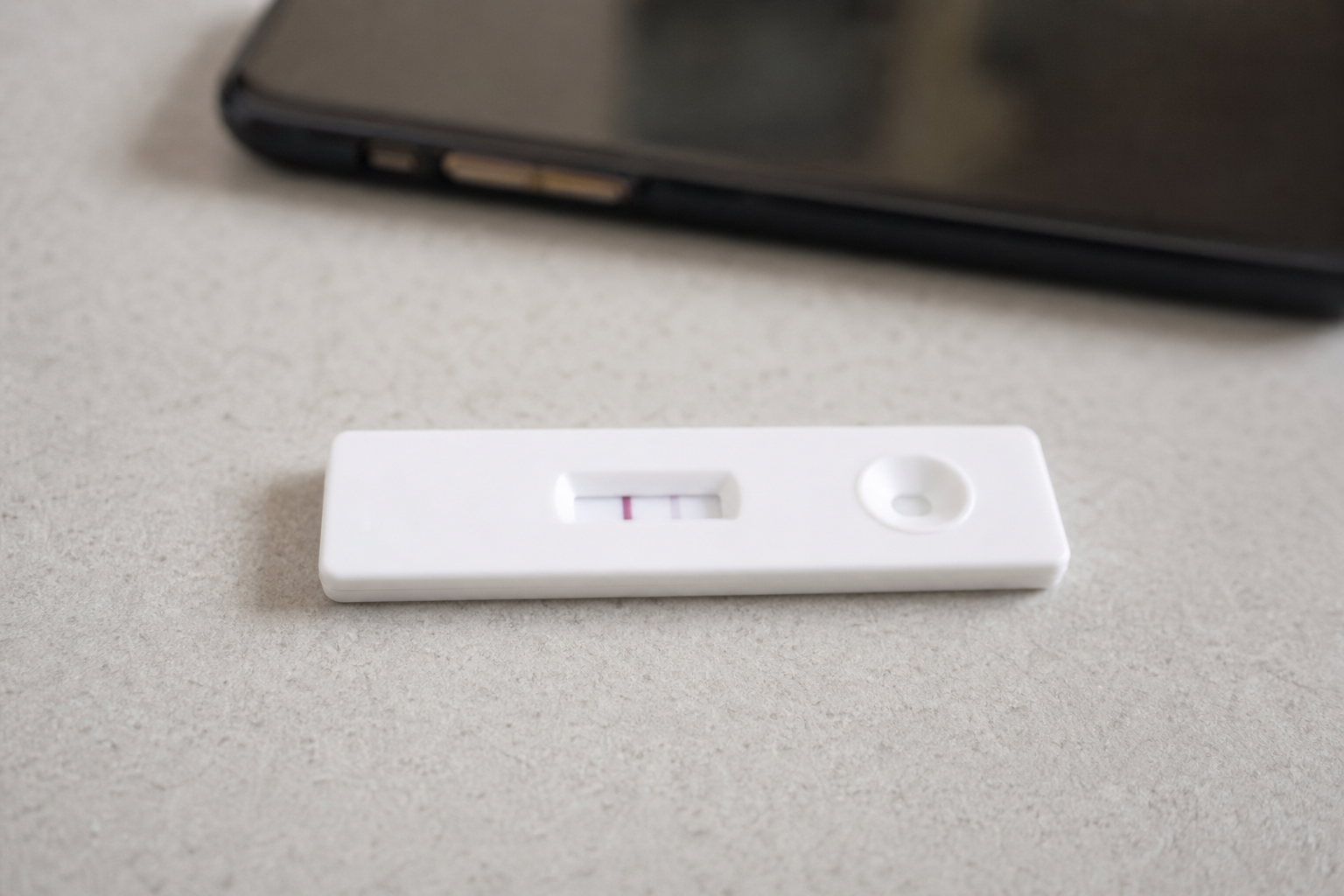
Chlamydia and gonorrhea. These are bacterial, the two most common reportable STIs in sexually active adults under 25, and detectable in most people by 1 to 2 weeks post-exposure with a lab NAAT. Rapid lateral-flow swab tests work on the same self-collected sample type but use a different antigen-detection chemistry. A positive lateral-flow result is reliable enough to act on; a negative result inside the first 2 weeks after exposure is worth re-checking with a lab NAAT if the exposure was recent.
Syphilis. Bacterial, rising rapidly in the United States across nearly every demographic. Detectable in most people 3 to 6 weeks post-exposure with a blood antibody test. Rapid lateral-flow blood tests for syphilis perform reasonably well after the 6-week mark; testing significantly earlier can miss the seroconversion.
HIV. The window depends entirely on the test technology. Fourth-generation antigen-antibody lab tests (a blood draw from a vein) detect most infections within 18 to 45 days of exposure, per CDC HIV testing guidance. Rapid antigen-antibody tests (fingerstick), the type used in most at-home rapid HIV kits, have a longer window of 18 to 90 days. If your exposure is recent and you want the earliest possible answer, a clinic-administered NAAT or fourth-generation lab test is the right choice.
Hepatitis B and C. Both detectable by blood antibody testing, with windows of around 3 to 6 weeks (Hep B) and 8 to 11 weeks (Hep C) for most people. The CDC now recommends a one-time hepatitis C screening for all adults at least once in adulthood, and more frequent testing for anyone with ongoing risk factors.
HSV-2. Genital herpes simplex virus type 2. Blood antibody tests typically detect seroconversion by 6 to 12 weeks after exposure for most people, with some individuals requiring up to 16 weeks. The exact reliable window depends on the assay's instructions-for-use; check the product label for the specific kit you are using. If you have a visible lesion, a swab PCR taken from the lesion itself is more sensitive than blood antibody testing.
Trichomoniasis. A protozoal infection, more common in women and frequently asymptomatic. Detectable from about 1 week post-exposure by self-collected swab.
HPV. Human papillomavirus, the most common STI in the world. There is no general at-home blood or urine test; cervical screening (Pap and HPV co-test) is the primary clinical detection method in women. The HPV vaccine is recommended for routine vaccination through age 26 per ACIP guidance, with shared clinical decision-making for vaccination through age 45.
Knowing the window period matters because a test taken too early can give false reassurance. If your last exposure was 4 days ago and you take a rapid test today, you are not yet getting useful information about that specific exposure. Plan the test for the right window, then test again at the next routine cadence.
- Chlamydia and gonorrhea: about 2 weeks (lab NAAT); slightly longer for lateral-flow rapid swab.
- Syphilis blood test: 3 to 6 weeks.
- HIV fourth-generation antigen-antibody lab test (blood from a vein): 18 to 45 days. Rapid antigen-antibody test (fingerstick): 18 to 90 days.
- Hepatitis B: 3 to 6 weeks. Hepatitis C: 8 to 11 weeks.
- HSV-2 antibody blood test: 6 to 12 weeks after exposure for most people, with some requiring up to 16 weeks.
- Trichomoniasis swab: about 1 week.
How Often Should You Test?
The CDC's general screening guidance:
- All sexually active women under 25: annual chlamydia and gonorrhea screening at minimum.
- All sexually active men who have sex with men: at least annual screening for chlamydia, gonorrhea, syphilis, and HIV, with site-specific testing of the throat, rectum, and urethra based on actual exposure.
- More frequent screening, every 3 to 6 months, for anyone with multiple or new partners, condomless sex, or any of the additional CDC-listed risk factors.
- All adults 13 to 64: at least one HIV test in their lifetime; sexually active people in higher-risk groups should test annually or more often.
- All adults: hepatitis C screening at least once in adulthood, more often with ongoing risk.
For dating-app users specifically, the rule that applies most often is "every 3 to 6 months if you have multiple or new partners." That cadence sits well below the annual default that most general guidance starts with, because the underlying behavior, new partners arriving on a faster cycle through the swipe pipeline, occurs more frequently.
Trigger-based testing layered on top of your routine cadence:
- After any new partner if condom use wasn't consistent, or you aren't sure of their status.
- About 2 to 3 weeks after a known exposure or after a partner has tested positive, to catch chlamydia or gonorrhea inside their detection window.
- About 12 weeks after exposure if you're using a rapid antibody HIV test; sooner if you can get a clinic-administered fourth-generation lab test.
- Any time you have symptoms: discharge, painful urination, sores or ulcers, unusual bleeding, or sore throat that doesn't track with a cold.
- Before starting a new exclusive relationship: both partners test, ideally with a 4 to 6 week interval after the last outside partner so the chlamydia and gonorrhea windows have cleared.
Asymptomatic testing is not paranoia. It is how nearly every infection in the under-30 demographic gets diagnosed in time for short, simple treatment.
CDC recommends that all sexually active adolescents and adults receive routine sexual health screening, with screening frequency tailored to individual risk factors including number and type of partners.
| Profile | Routine cadence | Add trigger tests when |
|---|---|---|
| Sexually active under 25, one steady partner | Annual chlamydia and gonorrhea; one-time HIV and HCV | New partner, symptoms, or partner positive |
| Multiple or new partners, condoms inconsistent | Every 3 months for chlamydia, gonorrhea, syphilis; every 3 to 6 months for HIV | Any condomless encounter; known exposure |
| Multiple or new partners, condoms consistent | Every 6 months for the standard panel | Symptoms; partner reports positive |
| Men who have sex with men, active partners | Every 3 months for chlamydia, gonorrhea, syphilis, HIV; site-specific (throat, rectal, urethral) per CDC | Any condomless encounter; known exposure |
| Considering ending a relationship and dating again | Full panel before new partners begin; re-test at 6 weeks | After each new partner if condom use was inconsistent |
Clinic Testing vs At-Home Rapid Tests
Both have a role. They are not substitutes for each other in every situation.
Clinic testing uses lab-grade NAAT (nucleic acid amplification testing), the current highest-sensitivity screening technology for chlamydia, gonorrhea, and trichomoniasis. A clinician can also swab throat and rectal sites that at-home kits do not cover, and treatment is available on the spot if a result comes back positive. Insurance frequently covers preventive screening at zero out-of-pocket cost.
At-home rapid tests use lateral-flow immunoassay chemistry. They are screening tests; they flag likely infection, and a positive result is worth confirming with a lab NAAT before starting treatment. They are not the analytical equivalent of a lab NAAT or PCR, and they don't need to be to do their job in a routine-screening pipeline. The two technologies are complementary.
The table below lays out the practical trade-offs. A common workable pattern: at-home rapid kits for routine screening at the recommended cadence, with a clinic visit if you have symptoms, a known exposure to a positive partner, or a positive rapid result that needs confirmatory NAAT and treatment.
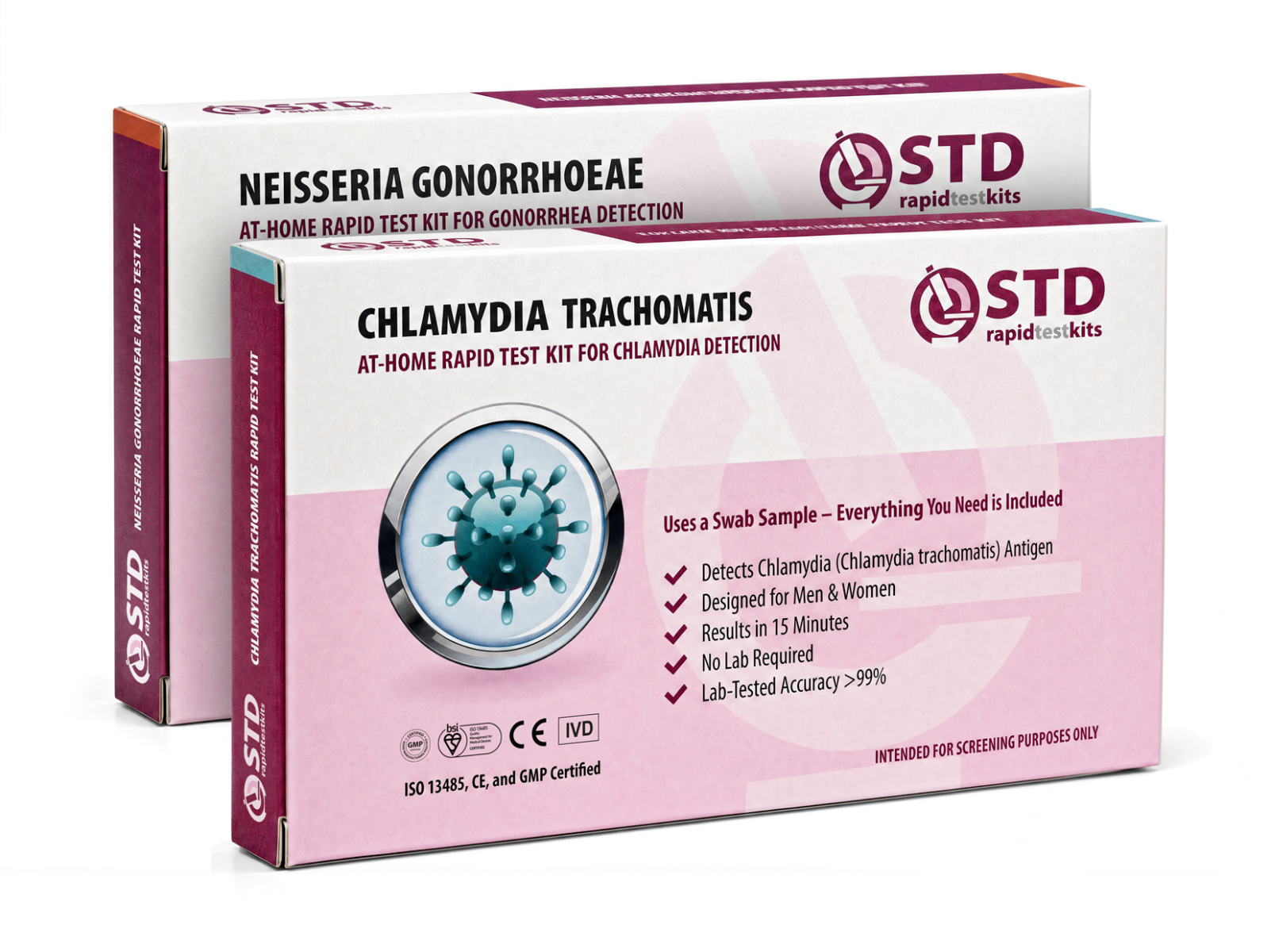
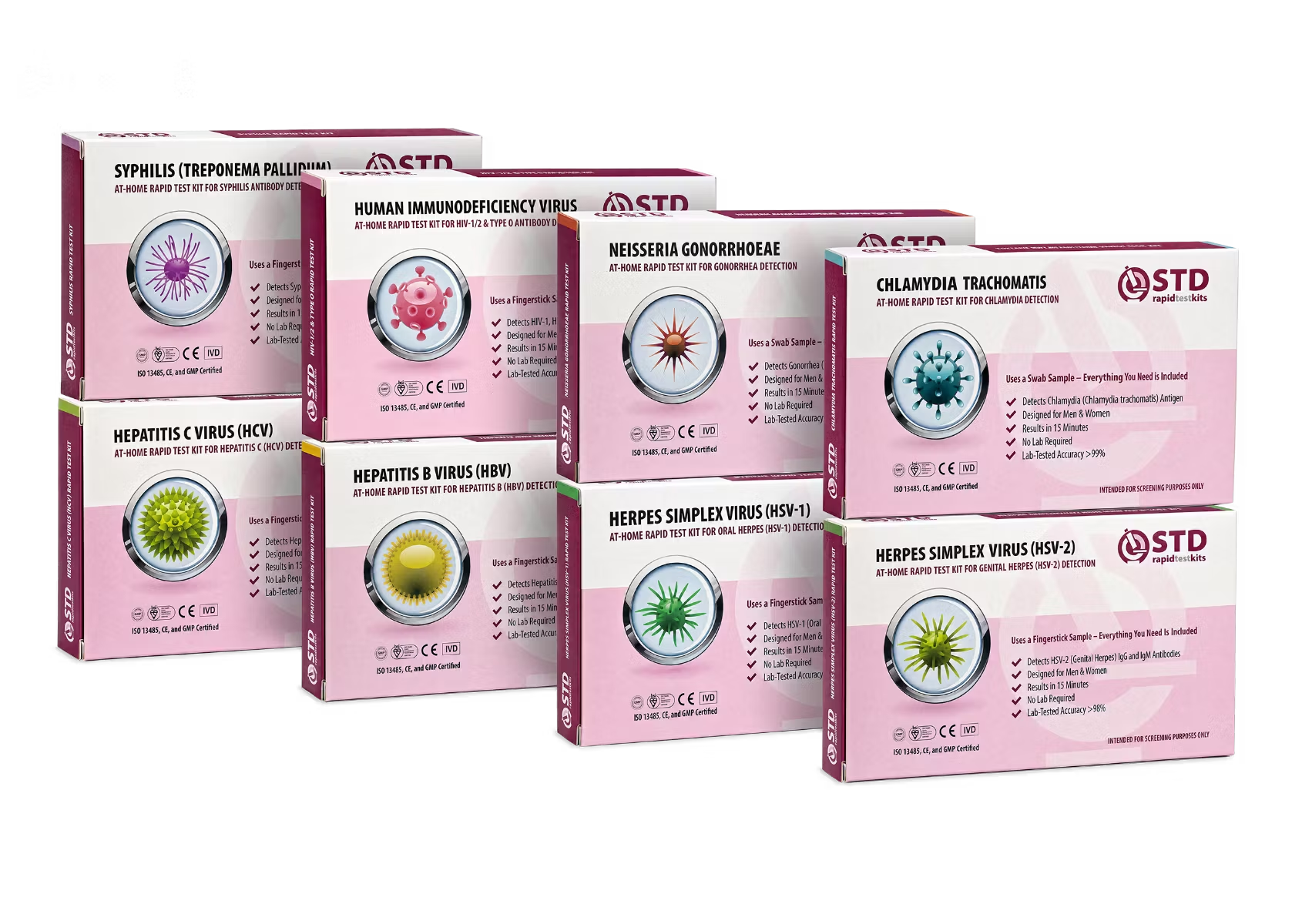
A practical sample-type note for our own catalog: our home swab kits for chlamydia, gonorrhea, trichomoniasis, and HPV use a self-collected vaginal or penile swab. Our HIV, syphilis, hepatitis, and herpes kits use a fingerstick blood draw. Multi-infection combination kits combine both sample collection methods in one package. Our trichomoniasis and HPV swab kits are validated for vaginal self-swab only; male readers needing those tests should see a clinic.
| Factor | Clinic (NAAT / fourth-gen lab) | At-home rapid (lateral-flow) |
|---|---|---|
| Analytical sensitivity | Highest available for chlamydia, gonorrhea, trichomoniasis, HIV | Mid-90s to high-90s sensitivity for most common infections |
| Time to result | Hours to days, depending on lab | 15 to 20 minutes at home |
| Privacy | Provider visit, insurance record, optional campus health routing | Order online, test at home, no provider in the loop unless you choose |
| On-site treatment | Yes, if result is positive at the visit | No; positive result needs clinic follow-up |
| Throat and rectal swab sites | Available, clinician-collected | Not covered by current at-home kits |
| Cost | Often zero out-of-pocket with insurance preventive benefit | Flat per-kit cost, no insurance involved |
Safer-Sex Conversations That Work on Apps
The CDC's prevention hierarchy starts with condoms, which remain the single highest-leverage tool for preventing most STIs during vaginal, anal, and oral sex. Consistent and correct condom use reduces chlamydia, gonorrhea, HIV, and syphilis transmission substantially per encounter. Dental dams reduce oral STI transmission for receivers of oral sex.
For HIV specifically, pre-exposure prophylaxis (PrEP) is highly effective at reducing HIV acquisition risk in people with ongoing exposure. PrEP is a daily or on-demand oral pill, or a longer-acting injectable; refer to the CDC's PrEP guidance for current efficacy and eligibility detail. If you're using apps actively, and your exposure risk is meaningful, talk to a clinician about whether PrEP fits your profile. Many universities run PrEP programs through student health services.
In 2023 and 2024, the CDC released formal guidance on Doxy-PEP (a single 200 mg dose of doxycycline taken within 72 hours after condomless sex) for gay and bisexual men, and transgender women, with risk factors for bacterial STIs. Published clinical trials reported substantial reductions in bacterial STI acquisition, with the strongest effect for chlamydia and syphilis and a more modest effect for gonorrhea. Doxy-PEP is not currently recommended for cisgender women, where trial results were less consistent. Talk to a clinician about whether it fits your risk profile.
For the conversation with a new match, short and direct messages tend to work best. Two templates that students have used effectively:
- "Hey, before we meet, I get tested every few months and I'm all-negative as of [date]. What about you?"
- "I prefer to use condoms. Are you good with that?"
Both messages are short, non-judgmental, and they front-load the conversation before the meeting. The benefit isn't just safety. Asking the question often shifts who you end up matching with, because people who refuse to discuss either are giving you useful information about whether to meet at all. People who answer matter-of-factly are usually the same people who follow through on condom use in the moment.
What to Do If You Test Positive
The single most important thing to know: most STIs are highly treatable, and an early diagnosis is far better than a late one. The table below summarizes the standard first-line treatment for each common infection.
Partner notification is required by public-health law for some infections (syphilis and gonorrhea in most US states) and strongly encouraged for others. Most clinics and campus health centers offer anonymous partner-notification services that contact recent partners without revealing your identity.
| Infection | First-line treatment | Re-test after treatment? |
|---|---|---|
| Chlamydia | Single-dose or one-week course of doxycycline or azithromycin | Yes, 3 months post-treatment to catch reinfection from an untreated partner |
| Gonorrhea | Injectable ceftriaxone, sometimes with oral antibiotics | Yes, 3 months post-treatment |
| Syphilis | Penicillin injections; one dose early-stage, longer for late-stage | Follow-up serology per clinician schedule |
| Trichomoniasis | One dose of oral metronidazole or tinidazole | Yes, especially in women with persistent symptoms |
| HIV | Lifelong daily antiretroviral therapy; U=U applies when viral load is suppressed | Routine viral-load monitoring per HIV care plan |
| HSV-2 | Antivirals during outbreaks; daily suppressive therapy reduces shedding and transmission | Not required; manage long-term with clinician |
Frequently Asked Questions
- How often should I get tested if I use dating apps?
- If you have multiple or new partners in a given year, the CDC's general recommendation is every 3 to 6 months for chlamydia and gonorrhea, with annual or more frequent HIV and syphilis testing depending on your risk profile. After any new partner where condom use wasn't consistent, test about 2 to 3 weeks later for chlamydia and gonorrhea, and at the appropriate longer window for blood-borne infections.
- Can I get an STI from someone who looks healthy?
- Yes. Many chlamydia, gonorrhea, HSV-2, HPV, and even HIV infections cause no visible symptoms in carriers. You can't tell by looking. Screening regardless of how a partner appears is part of every public-health guideline on STI prevention, because asymptomatic transmission is common.
- What is the difference between a rapid at-home test and a clinic NAAT?
- At-home rapid tests use lateral-flow immunoassay chemistry, which gives a result in 15 to 20 minutes from a self-collected sample. Clinic NAAT (nucleic acid amplification testing) is the laboratory gold standard for chlamydia, gonorrhea, and trichomoniasis and has higher analytical sensitivity. Rapid tests are useful screening tools; a positive rapid result is worth confirming at a clinic with a NAAT, and treatment should happen there too.
- How do I bring up testing with someone I matched with?
- A short message before you meet sidesteps the in-the-moment awkwardness. Something like: 'I get tested every few months and was last negative on [date]. When were you last tested?' People who care respond in kind; people who refuse to engage at all are already giving you useful information about whether to meet.
- Are at-home STI tests accurate?
- Reputable at-home lateral-flow tests typically report sensitivity in the mid-90s to high-90s and specificity above 98 percent. Accuracy depends on the infection, the testing window, and following the kit's instructions exactly. They are screening tools rather than confirmatory lab tests; confirm any positive result with a clinic NAAT or blood test.
- When should I test after a known exposure?
- For chlamydia and gonorrhea, about 2 weeks. For syphilis, about 3 to 6 weeks. For HIV with a fourth-generation antigen-antibody lab test (blood draw from a vein), 18 to 45 days after exposure. For a rapid antigen-antibody HIV test (fingerstick), 18 to 90 days. For HSV-2 antibody blood tests, 6 to 12 weeks for most people, with some requiring up to 16 weeks. Testing earlier than the window can return a false negative because the infection level or antibody response hasn't yet built to detectable levels.
- Do dating apps cause higher STI rates?
- Apps don't cause infections. They make it easier to find more partners, which raises cumulative exposure for users who don't adjust their condom use and screening cadence accordingly. Multiple published cohort studies have found higher partner counts among app users compared to non-users in the same age group. Testing more often and having honest conversations about status before meeting are the practical responses; adjusting cadence and condom use to match your actual partner count is what closes that gap.
- What if I test positive?
- Start the recommended treatment promptly; most STI diagnoses lead to short, complete treatment rather than long-term complications. Plan on a re-test about 3 months after finishing treatment for chlamydia and gonorrhea, which is the standard interval to catch reinfection from an untreated partner. On the partner side, syphilis and gonorrhea both carry legal notification requirements in most US states, and clinic or campus health staff can run the outreach for you anonymously so partners learn they should test without learning who flagged them.
- U.S. Centers for Disease Control and Prevention. STI Treatment Guidelines and screening recommendations for adolescents and adults.
- U.S. Centers for Disease Control and Prevention. HIV testing types and window periods: fourth-generation antigen-antibody lab tests (blood from a vein) detect at 18 to 45 days; rapid antigen-antibody tests (fingerstick) detect at 18 to 90 days.
- World Health Organization. Sexually transmitted infections (STIs) fact sheet, including global prevalence and screening guidance.
- U.S. Centers for Disease Control and Prevention. Chlamydia basic information, asymptomatic infection in carriers, and re-test guidance after treatment.
- U.S. Centers for Disease Control and Prevention. Gonorrhea basic information, anatomic-site-specific testing recommendations, and treatment regimens.
- U.S. Centers for Disease Control and Prevention. HIV basic information, per-act transmission probabilities, and the U=U framework.
- U.S. Centers for Disease Control and Prevention. Pre-exposure prophylaxis (PrEP) for HIV: effectiveness, daily and on-demand oral options, longer-acting injectable, and protection timelines.
- UK National Health Service. Sexually transmitted infections overview, symptom guidance, and screening recommendations for sexually active adults.
