







Quick Answer: Yes, many people with HIV, including college students, have no symptoms for months or even years. This silent period is one reason Florida’s campus HIV rates are rising fast. Testing is the only way to know.
Why HIV Still Spreads Quietly in College
It’s easy to assume we’ve moved past the HIV crisis. There’s medication. There’s PrEP. There’s awareness, right? But on Florida’s campuses, the virus is making a quiet comeback. And the most dangerous part? It often hides in plain sight, with no fever, no rash, no weight loss. Nothing to warn you.
According to the Florida Department of Health, over 4,600 new HIV diagnoses were recorded in the state in 2022 alone. Thousands more likely remain undiagnosed. For college students navigating hookup culture, irregular condom use, and misinformation, that’s a dangerous mix.
One of the biggest myths? That you’d feel it. That if you had HIV, your body would “tell you.” But the reality is different. Many people, especially young, otherwise healthy adults, go months or even years before experiencing noticeable symptoms.
The Science Behind the Silence
When HIV first enters the body, it may cause a short, flu-like illness, fever, fatigue, sore throat. But that passes. And then? Often, nothing. The virus slips into what doctors call a “clinical latency stage.” During this time, it quietly attacks your immune system, even if you feel totally fine.
According to the NIH’s HIV Information Service, this asymptomatic period can last up to a decade without treatment. But that doesn’t mean the virus isn’t spreading, to partners, roommates, or anyone else navigating college life without regular testing or protection.
And it’s not rare. A recent study of 30,000 HIV cases in Florida found that nearly 40% were diagnosed late or delayed, meaning the virus had already weakened their immune systems significantly by the time they found out.
Florida’s HIV Spike: What the Numbers Show
Florida has had a high number of new HIV diagnoses for a long time. But the numbers are especially worrying for young adults and college students. We are aware of this:
| Key Metric | Florida (2022) | Why It Matters for Students |
|---|---|---|
| New HIV Diagnoses | 4,606 | Indicates ongoing transmission, even among younger demographics. |
| Estimated Undiagnosed Cases | ~17,700 | Many could be students who feel “fine” but haven’t tested |
| Late Diagnoses (CD4 < 200) | 22% | Indicates missed early testing opportunities |
| Delayed Diagnoses (CD4 200–349) | 17% | Shows how long HIV can go undetected without symptoms |
Table 1. HIV diagnosis trends in Florida. Data adapted from the Florida Department of Health and peer-reviewed epidemiology studies.
These numbers don’t just represent statistics. They represent classmates, roommates, friends. People who may not even realize they’re carrying a virus that still, despite decades of progress, can change everything.

People are also reading: Why Some STDs Don’t Show Up on Standard Tests
Campus Life, Hookups, and Missed Signals
In Florida’s college dorms and off-campus apartments, sex happens often, but conversations about testing don’t. One 2023 survey of southern college students found that fewer than 40% used condoms consistently, and less than 25% had ever been tested for HIV.
“We didn’t think we needed to,” said Jared, 20, who shared his story anonymously. “No one had symptoms. We weren’t doing anything ‘crazy.’ Just oral and a little bit of unprotected sex.”
That “little bit” was enough. Jared’s ex tested positive and contacted him through a campus peer health program. He got tested at the university clinic, positive. “I still don’t feel sick,” he said. “But now I have to take meds every day. Forever.”
Jared’s story isn’t unique. On campuses across Florida, from Tallahassee to Tampa to Miami, students are learning the hard way that HIV doesn’t always make a grand entrance. Sometimes it just shows up, quiet, invisible, and already spreading.
Check Your STD Status in Minutes
Test at Home with Remedium7-in-1 STD Test Kit
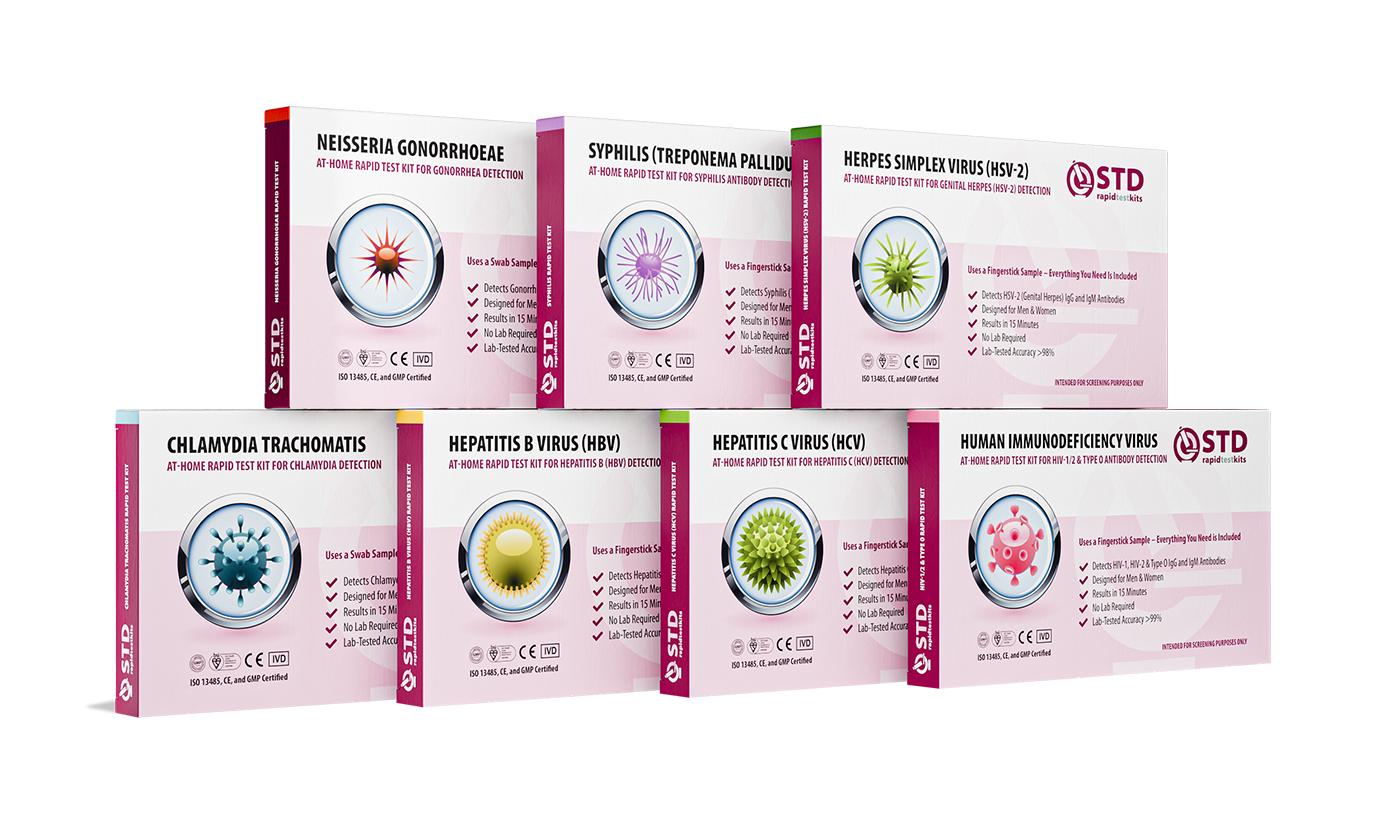
 For Men & Women
 Results in Minutes
 No Lab Needed
 Private & Discreet
Order Now $129.00 $343.00
For all 7 tests
Testing Isn’t Just for “High-Risk” People
If you’re sexually active, whether it’s hookups, oral, or long-term monogamy, testing is part of being responsible. You don’t need to feel sick. You don’t need to “look” like someone with HIV. You just need to care enough to check.
Yet many Florida students delay testing. Why? Because they assume they don’t fit the “profile.” But here’s the truth: HIV doesn’t care about your GPA, your major, your gender, or your orientation. It only needs one moment, one condomless encounter, one shared razor, one overlooked risk.
And because many students are still on their parents’ insurance, some avoid testing out of fear their family will find out. That fear is real. But so is the power of anonymous testing, self-pay campus clinics, and at-home options that prioritize confidentiality.
Window Periods and the Danger of Testing Too Soon
Not all HIV tests work the same way, and not all are accurate right away. The window period is the time between exposure and when a test can reliably detect the virus.
If you test too soon, you could get a false negative, even if you’re infected. Here’s a breakdown of what to expect from different test types:
| Test Type | Detection Window | Best Time to Test | Sample Type |
|---|---|---|---|
| Antibody Test (Rapid) | ~23–90 days | 3+ weeks after exposure | Fingerstick or oral fluid |
| Antigen/Antibody Combo | ~18–45 days | 2–6 weeks post-exposure | Blood draw |
| HIV RNA (NAAT) | ~10–33 days | Best for early detection | Blood |
Table 2. Common HIV test types and their detection windows. Knowing when to test, and when to retest, can make the difference between early intervention and long-term risk.
That’s why retesting is often recommended. If your first test is negative but you’re still within the window period, mark your calendar and go again. Peace of mind is worth it.
Case Study: “We Hooked Up at a Party. I Thought I Was Safe.”
Sasha, 19, had just transferred to a Florida university when she hooked up with a classmate after a night out. “We didn’t use a condom. I figured, one time. What’s the worst that could happen?”
Three months later, her partner messaged her: they’d tested positive for HIV. Sasha panicked. She hadn’t had any symptoms, no fever, no fatigue, nothing. “I almost didn’t get tested because I felt fine.”
But she went. The rapid test came back negative. Still, the nurse explained that it had only been 12 weeks, just at the edge of the antibody window. Sasha returned two weeks later. This time, it was positive.
“It felt like my life split in half,” she said. “But I’m on meds now, I’m undetectable, and I’m still me.”
What Sasha didn’t know, and what many students don’t, is that HIV hides. It doesn’t always scream. Sometimes it whispers. And if you don’t listen, you’ll miss it.

People are also reading: Why STD Rates Are Rising Fastand What You Can Do to Protect Yourself
Why Dorm Culture Makes It Worse
Living on campus can feel like freedom. No parents. No curfews. And often, no judgment. But it also means shared bathrooms, casual sex, borrowed razors, and lots of misinformation passed around like party flyers.
Many students don’t know that HIV can transmit through more than just penetrative sex. Sharing needles, even for tattoos or piercings done at a party, carries serious risk. Oral sex, especially with open cuts or sores, isn’t risk-free either. Neither is a quick hookup without a condom because “they looked clean.”
Education isn’t always required in college, at least not about STDs. Which means students often rely on guesswork, rumors, or whatever their last high school health class covered. And in a state like Florida, where sex ed laws are inconsistent across counties, the gap gets wider.
That gap becomes dangerous when it meets freedom, desire, and silence.
Check Your STD Status in Minutes
Test at Home with Remedium6-in-1 STD Test Kit
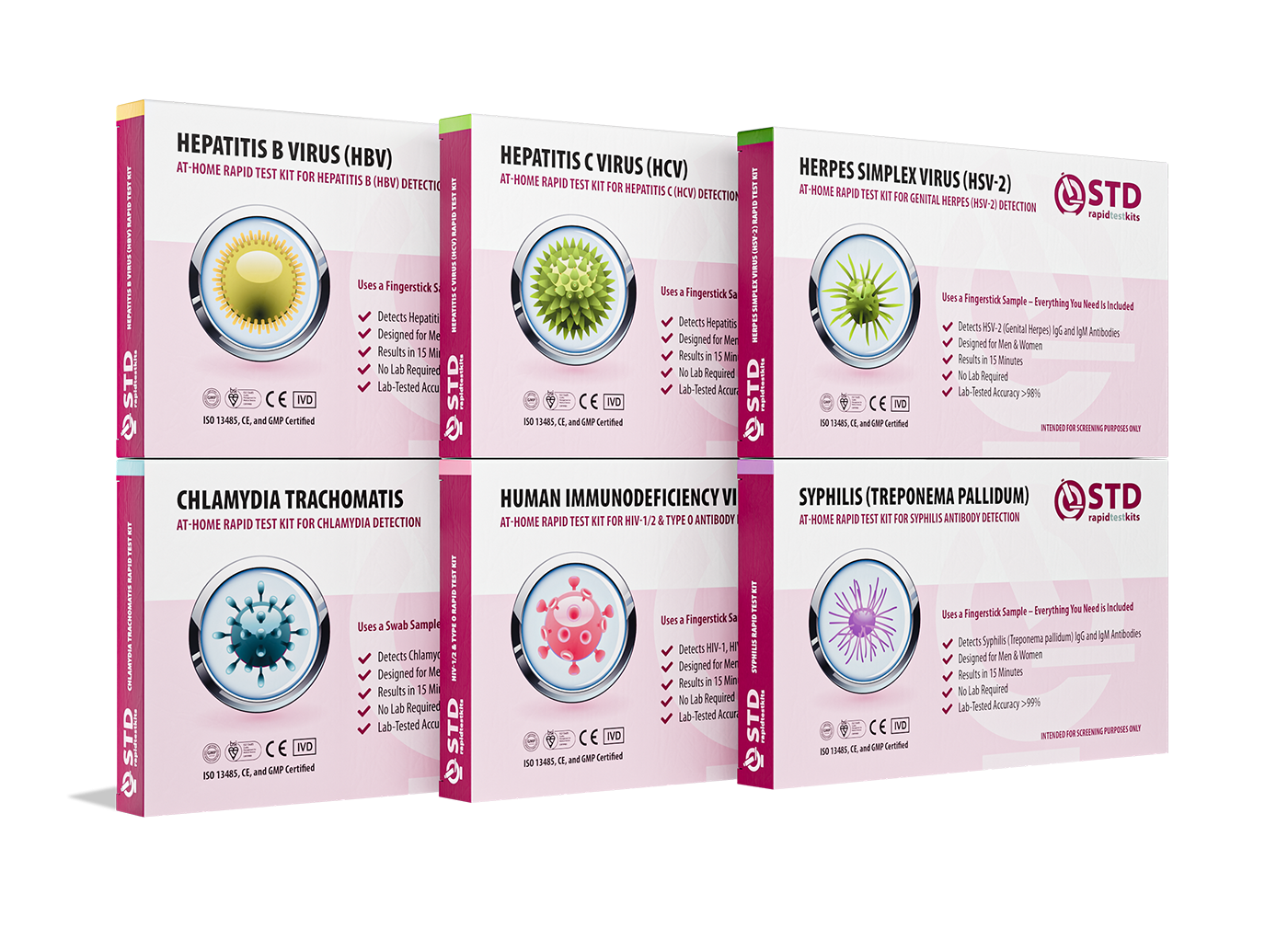 For Men & WomenResults in MinutesNo Lab NeededPrivate & Discreet
Order Now $119.00 $294.00
For all 6 tests
Your Testing Options: What Students in Florida Can Actually Do
You have more choices than you might think. Most Florida universities offer testing through student health services. But if you’re worried about privacy or billing, you still have options:
At-home rapid tests: You can get it online, have it shipped discreetly, and not have to go to the clinic. Results in a few minutes. Our HIV rapid test kit is a quick and private choice for students who want to keep their results private.
Local clinics: Many offer free or sliding-scale HIV testing, especially for students, BIPOC communities, and LGBTQ+ individuals. Some don’t require insurance or ID.
Campus health centers: While not all guarantee anonymity, most offer rapid and lab-based tests at low cost. Always ask if results appear on insurance records.
Telehealth + mail-in labs: These combine convenience with accuracy. You collect the sample at home, mail it in, and get lab-grade results in a few days.
Whatever path you choose, the most important part is choosing one. The test you take is always better than the one you put off.
Stigma Keeps Students Silent, and Sick
For many students, it’s not the virus that’s scariest. It’s the conversation. The shame. The fear of what friends, partners, or family might think. So they stay quiet. They avoid testing. They hope for the best.
That silence is deadly.
HIV is not a punishment. It is not a character flaw. It’s a virus, a manageable one. But only if you know it’s there. Silence delays diagnosis. Delayed diagnosis means more damage to the immune system, more chance of transmission, more emotional fallout.
We don’t shame people for catching the flu. We don’t blame folks for getting COVID. HIV deserves the same grace. Especially in communities where stigma is tangled with race, queerness, religion, or gender.
In Florida, where policy often lags behind medical progress, students need facts, not fear. And testing, not taboos.
People are also reading: Do I Need an STD Test if I Have a Sore on My Penis?
Here’s What Happens If You Test Positive
Let’s strip the fear away. If your HIV test comes back positive, here’s what really happens:
You’ll likely get a second, confirmatory test. If that’s positive, you’ll be linked to care, often with support from a campus nurse, local clinic, or HIV navigator. You’ll start antiretroviral therapy (ART), which is simple, usually one pill a day, and highly effective.
Within weeks, you can become “undetectable,” meaning the virus is so suppressed it can’t be passed to partners. This is known as U=U: Undetectable = Untransmittable. It’s not just science, it’s freedom.
And if you’ve been exposed but haven’t tested yet, early action can make all the difference. In some cases, you can start PEP (post-exposure prophylaxis) within 72 hours of a risk event. For longer-term prevention, PrEP offers powerful protection for HIV-negative people with higher exposure risk.
This combo test kit lets you check for HIV and other STDs together, privately and quickly.
Case Study: “We Got Tested Together, and Only One of Us Was Positive”
Amari, 22, had been dating their partner for six months. They decided to get tested before going without condoms. The plan was romantic, responsible. The results? Not what they expected.
“My test was negative. Theirs wasn’t,” Amari shared. “They didn’t know. They’d had one partner in high school and never got tested. They felt fine.”
It was a shock. But it wasn’t a breakup.
“We cried. Then we called the clinic together. Now they’re undetectable. And we’re still together.”
Relationships don’t have to end at a diagnosis. They can begin with honesty, treatment, and support. But that requires one hard step first: getting tested, even if you’re scared.
Testing Is Care. Not Confession.
If you’ve read this far, there’s a reason. Maybe something happened. Maybe you’re worried. Or maybe you just want to be sure. That’s valid. That’s brave. And that’s enough.
Getting tested doesn’t mean you did something wrong. It means you care. It means you’re proactive. And if it’s positive, it means you caught it early enough to take control.
Order your test today. Do it for yourself, your partners, your future. STD Rapid Test Kits offers quick, private, and lab-trusted tools to help you take charge, no clinic, no shame, no delay.
FAQs
1. Can you have HIV without symptoms?
Yes. Many people go months or even years without any signs of HIV, especially during the latency stage. That’s why regular testing is critical, even if you feel fine.
2. How soon after exposure should I get tested for HIV?
It depends on what kind of test it is. Rapid antibody tests work best after 3+ weeks. Combo Ag/Ab tests can detect HIV in about 2–4 weeks. RNA tests detect infection in as little as 10 days.
3. Is oral sex a risk for HIV?
Yes, but not as much as having sex in the vagina or anus. If you have cuts, sores, or bleeding gums, the risk goes up. Using condoms or dental dams can help lower the risk.
4. Can I get tested for HIV without my parents knowing?
Yes. In Florida, minors can agree to get tested for STDs, and many clinics offer services that are private or anonymous. Kits you can use at home are also private.
5. Does HIV show up in routine blood work?
Not usually. Unless an HIV-specific test is ordered, standard blood panels won’t detect the virus.
6. What if I test too early after a risk?
If you test during the window period, results may be negative even if you’re infected. A follow-up test is recommended 3 to 6 weeks later for confirmation.
7. Is HIV curable?
No, but it can be treated very well. People with HIV can live long, healthy lives and lower their viral load to undetectable levels, which means they can't pass it on sexually, if they take their medicine every day.
8. Can I still have sex if I’m HIV-positive?
Yes. With treatment and an undetectable viral load, the risk of transmission is virtually zero. U=U (Undetectable = Untransmittable) is backed by science and real-world data.
9. Where can I get tested near my college in Florida?
Many universities offer campus testing. You can also search for local clinics through the Florida Department of Health or use a private at-home test kit.
10. How often should college students get tested for HIV?
At least once a year if sexually active, more often if you have multiple partners, don’t use condoms, or have a known exposure.
You Deserve Answers, Not Assumptions
You don’t need symptoms to justify testing. You don’t need to “look the part.” All you need is curiosity, caution, or concern. Whatever brought you here, it’s valid.
HIV doesn’t care how old you are, how many partners you’ve had, or how careful you thought you were. But knowledge? That’s power. That’s protection. That’s the first step toward peace of mind.
This discreet at-home combo kit can help you check for HIV and other common STDs, all from your dorm, car, or anywhere else you need privacy.
Sources
1. HIV Knowledge and Stigma Across South Florida Populations
2. Behavioral and Demographic Profiles of HIV Transmission in Florida
3. Prevalence and Characteristics of Late HIV Diagnoses in Florida
4. Florida Department of Health
6. Late and Delayed HIV Diagnoses in Florida
About the Author
Dr. F. David, MD is a board-certified infectious disease specialist focused on STI prevention, diagnosis, and treatment. He blends clinical precision with a no-nonsense, sex-positive approach and is committed to expanding access for readers in both urban and off-grid settings.
Reviewed by: Taylor Mendez, RN, MPH | Last medically reviewed: September 2025
This article is meant to give you information, not medical advice.


