

Published: November 2025 | Last updated: April 2026 | Editorial review and quality control: Martina N.
An itchy anus is one of the most universally awkward complaints in primary care, and it is also one of the most over-attributed to sexually transmitted infections. The honest answer is that most anal itching, called pruritus ani in clinical notes, traces back to skin and hygiene factors that have nothing to do with sex. Hemorrhoids, small anal fissures, residual moisture, fragranced wipes, fungal overgrowth, and even certain foods are far more common drivers than any STI.
That said, a handful of STIs can cause anal itching, especially after receptive anal sex, and a few of them are worth ruling out if the itch is paired with bumps, sores, unusual discharge, or pain. This article walks through both halves: what almost certainly is not an STI, what could be, and what the right next step looks like for each scenario. The aim is to leave you with a clear picture of which symptoms call for a doctor’s visit, which can be screened with a home test, and which need nothing more than a few hygiene tweaks and patience.
Is an itchy anus usually an STI?
Usually not. The most common causes of anal itching are skin irritation, hemorrhoids, small fissures, fungal or yeast overgrowth, residual stool or moisture, harsh soaps and wipes, and certain foods. STIs can cause anal itching, but they almost always come with extra symptoms such as visible bumps, blisters, sores, unusual discharge, or pain with bowel movements, and they are mostly relevant if you have had recent receptive anal sex. If your itching persists beyond a week of basic hygiene tweaks, you can see a lesion, or you have had a recent unprotected exposure, testing is worthwhile.
Key Takeaways
- Most anal itching is non-sexual: hemorrhoids, fissures, fungal overgrowth, hygiene products, and skin sensitivities account for the majority of cases, and a week of gentle care often resolves it.
- STIs that can cause anal itching include herpes (HSV-1 and HSV-2), gonorrhea, chlamydia, anal warts (HPV), and parasitic infestations like scabies or pubic lice. Consider testing when itching persists, when lesions appear, or after a known sexual exposure.
Most anal itching is not an STI: the actual common causes
Before sex enters the picture, the perianal skin gets irritated by everyday things. The skin around the anus is thin, rich in nerve endings, and sits in a warm, moist, friction-prone area. That combination makes it easy to inflame and slow to settle. Per the NHS guide on itchy bottom, the most frequent culprits in adults are skin irritation, residual moisture, hemorrhoids, and small skin tears.
Hygiene factors. Both extremes cause itch. Aggressive scrubbing, fragranced wipes, scented toilet paper, harsh soaps, and over-cleaning strip the protective skin barrier and trigger contact dermatitis. Going the other direction, stool residue, sweat, or lingering moisture after a shower irritates the skin and supports yeast overgrowth. The fix in both cases is the same: wash with plain warm water, pat (do not rub) dry, and skip the perfumed wipes.
Hemorrhoids and anal fissures. Internal or external hemorrhoids commonly itch, especially when they prolapse slightly during a bowel movement and leave behind mucus that the skin reacts to. Small fissures, the tiny tears that follow a hard stool, sting and itch as they heal. Both are usually obvious from a quick mirror check or a finger-tip exam: hemorrhoids feel like soft swollen tissue at the anal verge, and fissures show as a small linear crack at the back of the anus.
Fungal and yeast infections. A perianal yeast or fungal infection (often a Candida overgrowth) shows up as a red, sometimes scaly itchy ring, more intense in skin folds. It is more common in people on recent antibiotics, those with diabetes, and anyone in tight non-breathable underwear. Over-the-counter antifungal cream usually clears it within a week.
Pinworm or threadworm. Most common in children but plenty of adults catch it from family members. The classic clue is itching that wakes you up at night, when the female worms emerge to lay eggs around the anus. A single dose of an over-the-counter antiparasitic resolves it; the whole household needs to be treated.
Skin conditions. Eczema, psoriasis, and lichen sclerosus all show up in the perianal area. Their pattern (recurrent, often symmetrical, sometimes scaly) and history (you may have had patches elsewhere on the body) usually points at the diagnosis. A dermatologist can confirm with a quick exam.
Diet and stool consistency. Spicy foods, citrus, large amounts of caffeine or beer, and even some artificial sweeteners can leave a more acidic stool that irritates the perianal skin on the way out. Loose stools and explosive diarrhea do the same. Tightening up fiber intake and water often calms things within a few days.
Diabetes and other systemic causes. Poorly controlled blood sugar predisposes to recurrent yeast infections, including anal yeast. Liver and kidney disease can also cause generalized itch that includes the perianal area. These are the cases where a primary care visit is warranted.
For the majority of readers landing here, the cause of anal itching is one of the non-sexual ones above. A week of plain-water washing, looser cotton underwear, and an over-the-counter hydrocortisone or antifungal cream resolves most cases. If you fit that profile, you do not need an STI test today. The rest of this article is for the smaller share whose symptoms or sexual history make an STI worth checking.
When the itch does suggest something sexually transmitted
Sexual transmission becomes a more reasonable concern when one or more of these are true:
- You have had receptive anal sex, with or without a condom, in the last few weeks or months.
- The itch is paired with visible bumps, blisters, sores, ulcers, or warts.
- You see unusual discharge, mucus, or bleeding from the anus.
- You have pain or a burning feeling during bowel movements that does not match a fissure or hemorrhoid pattern.
- The itch has lasted more than a week despite gentle hygiene and an OTC cream.
- You know your partner has tested positive for an STI.
None of these guarantee an STI is the cause, but each one nudges the probability up enough that getting screened becomes a reasonable next step. The infections that genuinely transmit to or present in the anal area are a small list, and we walk through each in turn below.
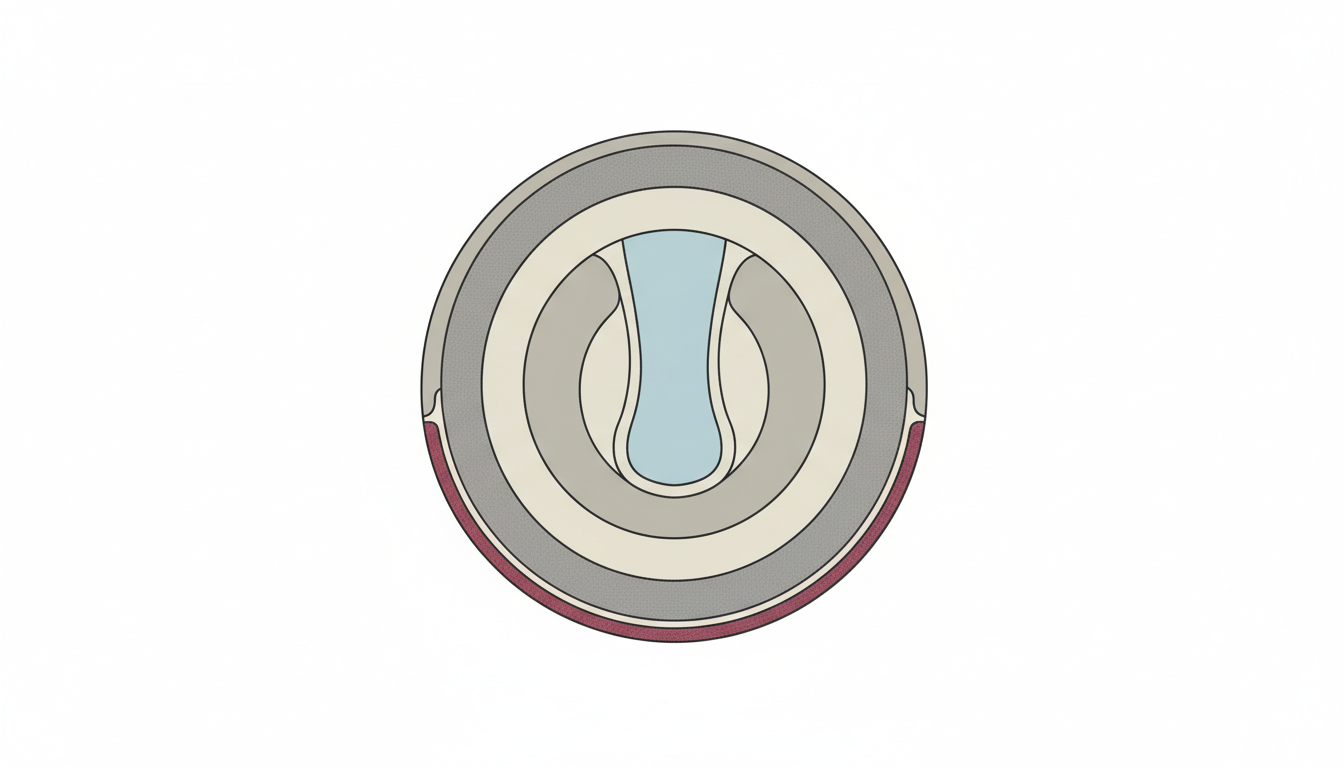
STIs that can cause anal itching
Five conditions account for most STI-related anal itching: herpes (both HSV-1 and HSV-2), gonorrhea, chlamydia, anal warts caused by HPV, and parasitic infestations like scabies or pubic lice. HIV is often listed in older articles, but HIV itself does not cause perianal itch directly. The connection is that someone living with poorly controlled HIV may experience more severe presentations of the other infections on this list.
The visual gallery below summarizes how the four most visually distinctive of these tend to look. None of these images is diagnostic on its own (a clinician can usually spot the pattern in seconds, but lookalikes are common), and a final answer almost always requires a swab or a blood test.
Anal herpes (HSV-1 and HSV-2)
Anal herpes is caused by either of the two herpes simplex viruses. HSV-1 is the type usually associated with cold sores around the mouth, and HSV-2 is the type usually associated with genital herpes, but either can cause infection at either site through skin-to-skin sexual contact. Per the CDC herpes overview, HSV is one of the most common sexually transmitted infections in the U.S., and most people with it do not know they carry the virus.
Around the anus, the classic herpes outbreak is a cluster of small fluid-filled blisters that appear on a slightly red, tender base. They typically start as itching or tingling 1 to 2 days before the blisters become visible, then go through a stage of small open ulcers, then crust over and heal across about 7 to 14 days for a first outbreak. Recurrences tend to be milder and shorter (often 4 to 7 days) and may follow stress, illness, or friction.
Other clues alongside the itch: small clustered blisters or shallow painful ulcers, swollen tender lymph nodes in the groin, mild fever during a first outbreak, painful bowel movements when ulcers are present, and sometimes mucousy or bloody anal discharge.
How herpes is confirmed: the gold standard for an active lesion is a viral PCR swab taken at a clinic. For someone who has no current lesion but wants to know whether they have ever been exposed, a blood test for HSV antibodies can confirm seroconversion 12 or more weeks after a possible exposure.
Anal gonorrhea and anal chlamydia
Both gonorrhea (Neisseria gonorrhoeae) and chlamydia (Chlamydia trachomatis) can establish infection in the rectum after receptive anal sex. Most rectal infections are asymptomatic, which is exactly why screening matters in people who have receptive anal exposure. When symptoms do appear they tend to be subtle: mild anal itching, mucousy or pus-tinged discharge, a vague tenesmus (feeling of incomplete emptying), and pain or a burning sensation during bowel movements. Per CDC STI guidance, both infections are easily treated with a short course of antibiotics once identified.
The gold-standard test for a rectal-site gonorrhea or chlamydia infection is a clinician-administered (or supervised self-collected) rectal NAAT swab processed by a laboratory. We do not sell a rectal-swab home test, and any product that claims a home swab can confirm a rectal infection should be regarded with caution. If you have a specific concern about a rectal-site infection (you have had recent unprotected receptive anal sex, or your partner has tested positive), the right move is a sexual-health clinic visit for a rectal NAAT.
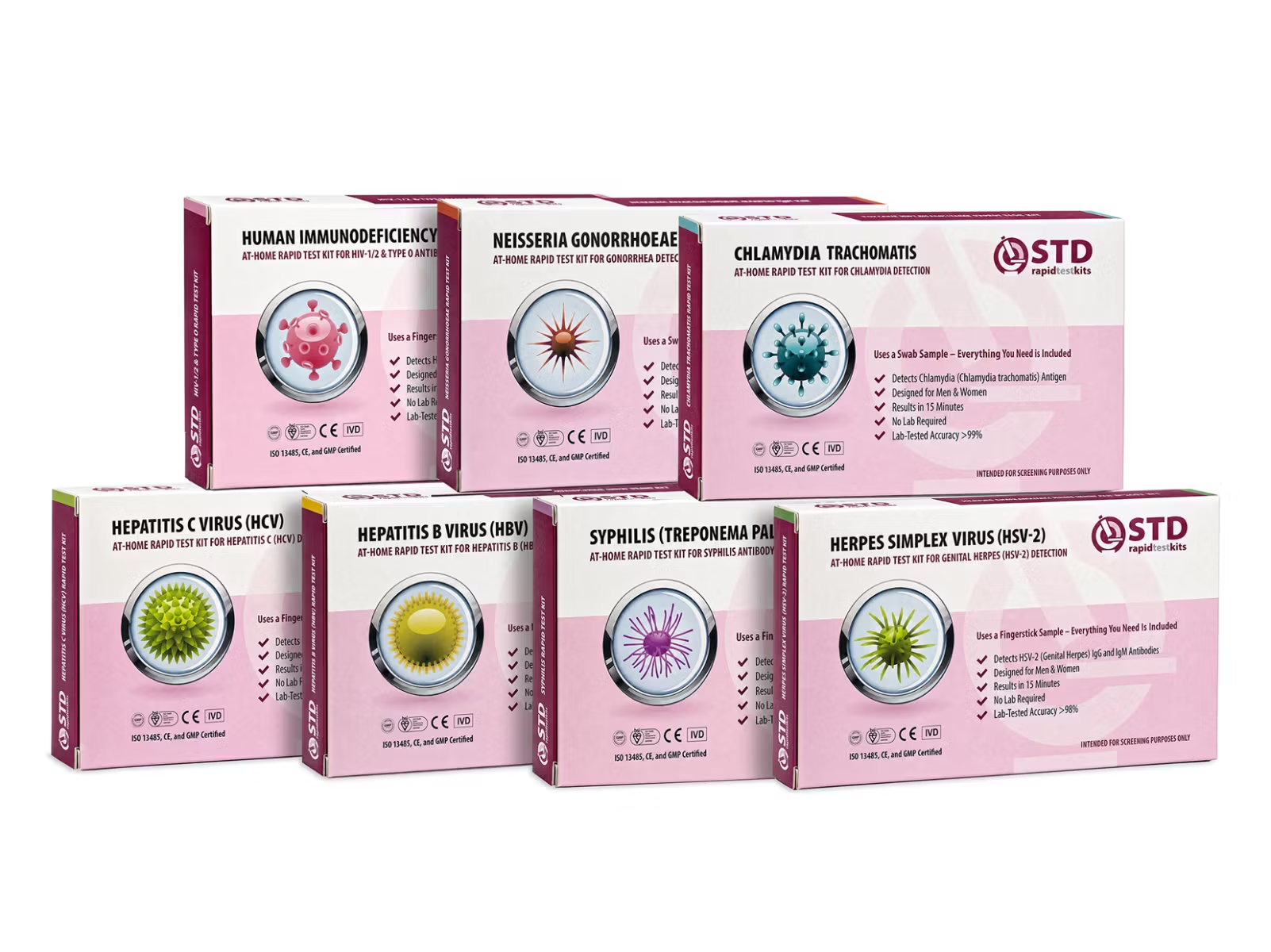
What at-home rapid tests can do for someone in this situation: screen the genital site (penile or vaginal swab) for chlamydia and gonorrhea exposure and screen the systemic blood-borne risks (HIV, syphilis, hepatitis B and C) that often share the same exposure event. They give you a useful first picture, and a positive on the genital screen is a strong reason to also pursue the rectal NAAT at a clinic.
Anal warts (HPV)
Human papillomavirus is the most common sexually transmitted infection in the world. The strains that cause genital and anal warts (most often HPV 6 and 11) are different from the high-risk strains that drive cervical and anal cancers (most often HPV 16 and 18), per the CDC HPV overview. The wart-causing types are not the cancer-causing types, which is the most reassuring single fact in the HPV conversation.
Anal warts present as small soft skin-colored cauliflower-textured growths around or just inside the anal opening. They are usually painless, and itch is the most common complaint, sometimes accompanied by a vague feeling of fullness or, when warts are larger, a sense that the anus is not closing properly. Diagnosis is visual, made by a clinician, often with the aid of an anoscope to inspect the anal canal.
Treatment ranges from topical agents (imiquimod, podophyllotoxin, sinecatechins) the patient applies at home, to in-clinic procedures like cryotherapy, electrocautery, or surgical excision for larger warts. Many anal warts will eventually clear on their own as the immune system suppresses the virus, but treatment shortens the timeline and reduces the risk of passing them to a partner.
HPV vaccination. Per ACIP guidance, routine HPV vaccination is recommended through age 26, with shared clinical decision-making about catch-up vaccination through age 45. The vaccine is the single best long-term tool for reducing the chance of ever developing anal warts (or HPV-related cancers).
A note on testing: at-home HPV test kits exist for women (vaginal self-swab) but there is no validated at-home anal HPV test. If you are concerned about anal HPV specifically, a clinic visit (sometimes including high-resolution anoscopy if you are at higher risk) is the right path.
Around 90% of anogenital warts are caused by HPV types 6 and 11. The high-risk types most strongly associated with cervical and anal cancers are HPV 16 and 18. The two groups behave differently, and the presence of a visible wart does not mean a high-risk infection is also present. The HPV vaccine (Gardasil 9) covers all four types plus several others, which is the main reason it has cut both wart and cancer rates substantially since rollout.
Scabies, pubic lice, and threadworm
Parasitic infections round out the list of STIs that can cause perianal itch.
Scabies is caused by Sarcoptes scabiei, a microscopic mite that burrows under the skin and triggers an intense allergic reaction. It transmits through prolonged skin contact (sexual or otherwise) and through shared bedding or towels with someone infested. Per CDC scabies guidance, the itch is the worst at night and is often accompanied by visible thin grey-brown burrows in the skin folds (between fingers, around the wrists, around the genitals and perianal area). Treatment is a topical permethrin cream applied head-to-toe, plus washing all bedding and clothing in hot water.
Pubic lice (Pthirus pubis, also known as crabs) live in coarse body hair, including pubic, perianal, axillary, and chest hair. They cause itch through their bites and through hypersensitivity to their saliva. Diagnosis is usually visual: tiny moving lice and small egg cases (nits) visible at the base of hairs. Treatment is over-the-counter permethrin or pyrethrin lotions.
Threadworm (pinworm) is technically not an STI but is sometimes lumped in. It is the pinworm, Enterobius vermicularis, that causes intense night-time perianal itching, especially in children and household members of infected children. A single dose of an OTC antiparasitic clears it.
Two parasitic causes share a recognizable pattern: itching that is mild or absent during the day and intense at night. For scabies, the mites are most active in the warmth of bedding. For pinworm, the female worms emerge at night to lay eggs around the anus. If your itch wakes you up but is barely noticeable in the daytime, those two are higher on the list than any STI; look for visible burrows in the skin folds (scabies) or a glance at the anus with a flashlight after a few hours of sleep can sometimes reveal moving threads (pinworm).
When to test at home, when to see a clinic
The decision splits along three variables: whether you can see a visible lesion, whether you had a recent unprotected exposure, and how long the itch has lasted. The summary below covers the common branches.
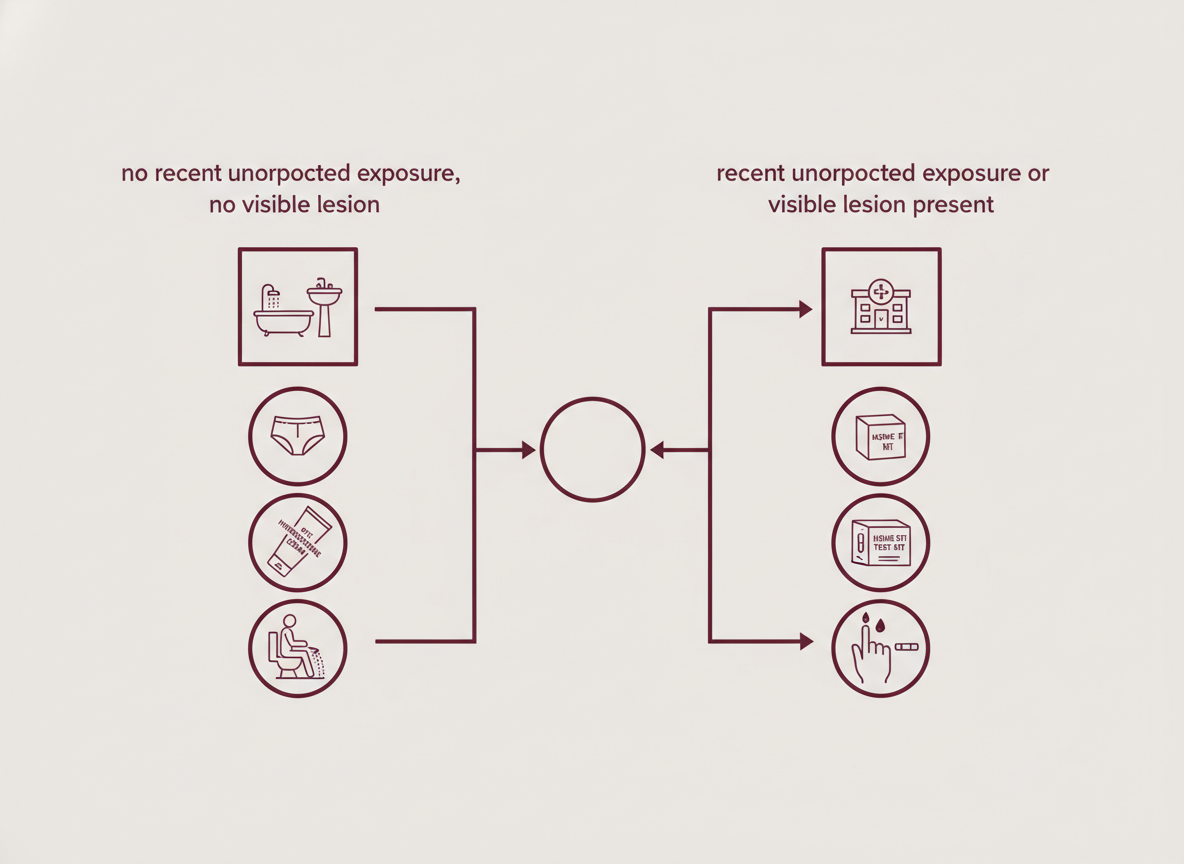
Stay home and adjust hygiene if you have no recent unprotected anal sex, no visible lesion or growth, and the itch is less than a week old. Wash with plain warm water, pat dry, switch to non-fragranced wipes (or skip them entirely), and try an OTC hydrocortisone cream for a few days.
See a clinic in person if you can see a lesion (blister, ulcer, wart, or rash), if there is bleeding or unusual discharge, if symptoms have lasted more than 2 weeks despite home measures, if you suspect a rectal-site bacterial infection from receptive anal sex, or if pain is severe. A clinician can do a visual exam, a rectal NAAT, and (when needed) anoscopy in a single visit.
Use a home test when you want to screen the systemic blood-borne risks (HIV, HSV-2 antibodies, syphilis, hepatitis B and C) after a possible exposure, or when you want a private first-pass screen of genital-site chlamydia or gonorrhea before deciding on a clinic visit.
Treatment overview by cause
Each cause on the list has a different treatment lever, and most of them are straightforward once the diagnosis is in hand.
- Hemorrhoids and fissures: warm sitz baths, fiber and water, OTC hemorrhoid creams, topical numbing or hydrocortisone for short-term relief. Persistent cases benefit from rubber-band ligation or other minor procedures.
- Yeast or fungal: topical antifungal cream (clotrimazole, miconazole) for a week to ten days. Treat the underlying driver (antibiotic course, blood-sugar control) where relevant.
- Pinworm: a single dose of mebendazole or pyrantel pamoate, repeated 2 weeks later, with the whole household treated.
- Anal herpes: oral antiviral (acyclovir, valacyclovir, or famciclovir) shortens an outbreak. Daily suppressive antivirals can be considered for frequent recurrences and reduce transmission risk to a partner.
- Anal gonorrhea or chlamydia: a short antibiotic course (current first-line is ceftriaxone for gonorrhea and doxycycline for chlamydia, per CDC treatment guidelines). Sexual partners should also be tested and treated.
- Anal warts (HPV): topical agents at home or in-clinic procedures (cryotherapy, electrocautery, surgical excision) depending on size and location.
- Scabies: permethrin 5% cream applied head-to-toe, repeated in 7 to 14 days. Wash bedding and clothing in hot water.
- Pubic lice: permethrin or pyrethrin shampoo, with manual nit removal.
How to lower future risk
For the non-sexual causes, the main protective habits are gentle hygiene (plain water, no fragranced wipes), enough fiber and water to keep stools soft, breathable cotton underwear, and quick action on diarrhea or yeast overgrowth before it irritates the skin.
For the sexual causes, the levers are well-established: condoms or non-latex barriers for anal sex, dental dams for oral-anal contact, regular STI screening at the cadence recommended for your sexual activity profile, the HPV vaccine if you are eligible, and HIV pre-exposure prophylaxis (PrEP) for those at higher risk. Per CDC guidance, sexually active gay, bisexual, and other men who have sex with men should be screened at least annually for HIV, syphilis, chlamydia, and gonorrhea, and more often (every 3 to 6 months) when there are multiple partners or unprotected exposures.
Sexually active gay, bisexual, and other men who have sex with men should be tested at least once a year for syphilis, chlamydia, and gonorrhea. Those who have multiple or anonymous partners should be tested more frequently for STDs (e.g., every 3 to 6 months).
FAQs
- How often is anal itching actually caused by an STI?
- In adult primary-care settings, the dominant drivers of pruritus ani are non-sexual: hemorrhoids, fissures, contact dermatitis from wipes or soaps, fungal overgrowth, and the dietary irritants on the list above. STIs become a meaningful possibility once specific signals are present: recent receptive anal exposure, visible bumps or blisters, unusual discharge, or itch that has not budged after a week of basic hygiene measures. Without those signals, an STI is statistically unlikely to be the explanation.
- How can I tell if my itch is from a yeast infection or from herpes?
- Yeast tends to produce a red, sometimes scaly itchy ring with no blisters, often worse in skin folds and after antibiotic use. Herpes typically begins as itching or tingling for 1 to 2 days, then small clustered fluid-filled blisters appear on a red base and become shallow painful ulcers. Yeast usually responds to OTC antifungal cream within a week. Herpes does not. If a cluster of small blisters appears, get a clinic swab while the lesion is fresh; that gives the most accurate diagnosis.
- Can I test for anal STIs at home?
- Partially. At-home rapid tests can screen the systemic blood-borne infections (HIV, syphilis, hepatitis B and C, HSV-2 antibodies) that share a common exposure pathway with anal STIs, and they can screen the genital site for chlamydia and gonorrhea. They do not test the rectal site directly. For a confirmed rectal chlamydia or gonorrhea infection, the gold-standard test is a clinic-administered or clinic-supervised rectal NAAT swab.
- I had unprotected receptive anal sex two weeks ago and now my anus itches. What should I do?
- Two weeks is long enough for a rectal chlamydia or gonorrhea infection to become detectable. The most efficient first step is a sexual-health clinic visit for a rectal NAAT swab, which can return a definitive result. In parallel, a home blood-test panel can screen HIV (4th-generation antibody-antigen tests detect by around 4 to 6 weeks; conservative window is 90 days), syphilis, and hepatitis B and C, alongside an HSV-2 antibody test starting around 12 weeks post-exposure.
- How long does anal STI itching usually last?
- It depends on the infection. A first herpes outbreak resolves over 7 to 14 days; recurrences are usually 4 to 7 days. Untreated chlamydia or gonorrhea can cause persistent low-grade symptoms that come and go for weeks or months and is unlikely to clear on its own. Anal warts can persist for months to years without treatment, though many eventually clear as the immune system suppresses the virus. Scabies itching often lingers for 2 to 4 weeks even after successful treatment, because the body keeps reacting to dead mite proteins.
- Can anal warts go away on their own?
- Often yes, but it can take months to years. The wart-causing types of HPV (most often HPV 6 and 11) are usually cleared by the immune system over time, but treatment (topical agents or in-clinic procedures) shortens the timeline, reduces the chance of new warts forming, and lowers the risk of passing them to a sexual partner. The wart-causing strains are different from the cancer-causing strains, which is the most important reassurance to take from an HPV conversation.
- Will at-home rapid tests detect a rectal-only chlamydia or gonorrhea infection?
- No. Our at-home swab tests are validated for self-collected genital samples (penile or vaginal swab), not rectal samples. A rectal-site infection requires a rectal NAAT, which is administered or supervised at a sexual-health clinic. If your specific concern is rectal-site exposure, plan a clinic visit for the NAAT and use the home tests as a parallel screen of the systemic blood-borne risks (HIV, syphilis, hepatitis B and C) from the same exposure event.
- U.S. Centers for Disease Control and Prevention. STI prevention, screening recommendations, and treatment guidelines for sexually active adults.
- U.S. Centers for Disease Control and Prevention. Genital herpes (HSV-1 and HSV-2) overview and detection guidance.
- U.S. Centers for Disease Control and Prevention. HPV (human papillomavirus) overview, vaccination guidance, and anogenital wart context.
- U.S. Centers for Disease Control and Prevention. Scabies parasites: clinical features, transmission, and treatment.
- U.K. National Health Service. Itchy bottom: causes, self-care, and when to see a GP.
- Mayo Clinic. Anal itching (pruritus ani): symptoms, causes, and management.
