The invention of the latex condom about a hundred years ago was quite a breakthrough as far as sexual health is concerned. The condom is widely credited with helping to stem the tide of sexually transmitted infections, or STIs/STDs, by blocking contact with potentially infected fluids. But one thought persists: Can you still get an STD when you are using a condom? The following detailed explanation discusses how condoms prevent STDs, what kind of infections they protect against, and practical ways of using them correctly for effectiveness.
08 October 2024
4 min read
984
How Condoms Work in STD Prevention
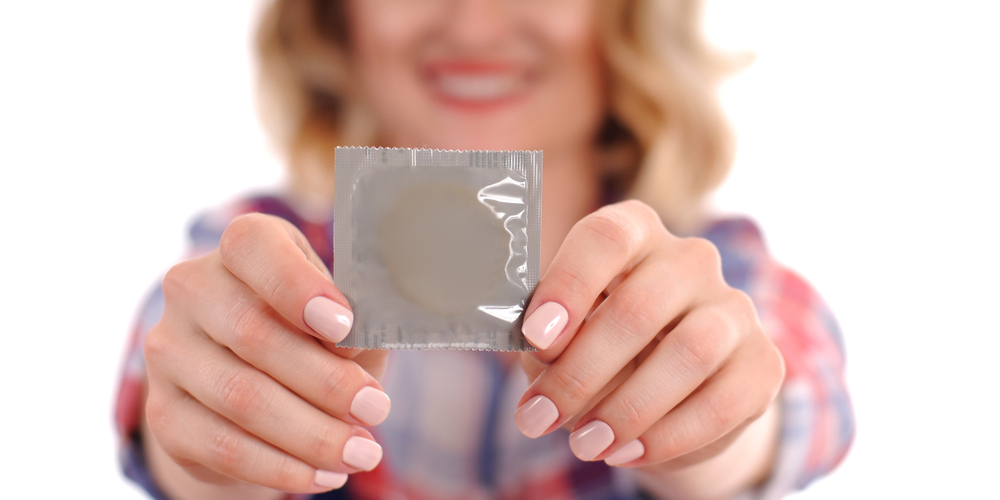
Condoms cannot promise a hundred percent safety, but they do have documented efficacy in greatly reducing the risk of acquiring or transmitting STDs when used correctly and consistently. They form an integral and essential part of any strategy for prevention against STDs.
Correct Use of Condoms
Correct use of the condom has a key role in its efficacy. The wrong use exposes one to slippage or breakage and hence to the risk of acquiring STDs. Effective protection requires that one should use condoms consistently in every act of vaginal, oral, or anal sex.
Laboratory tests have demonstrated the latex condom to be an essentially impermeable barrier to particles the size of STD-causing pathogens. In practical terms, this indicates that infectious agents do not cross the barrier, and thus the risk of acquiring or giving an STD is significantly reduced.
STD Transmission
To understand how condoms protect us, we need to know first how the STDs are transmitted. The most common STDs-which include HIV, gonorrhea, chlamydia, and trichomoniasis-usually are transmitted when infected secretions from the urethra or vagina come into contact with mucosal surfaces such as the male urethra, vagina, or cervix.
On the other hand, STDs that are more often associated with skin ulcers, like genital herpes, syphilis, and the human papillomavirus (HPV), are usually transmitted via direct skin contact with infected lesions or mucosal surfaces of an infected host.
The Protective Range of Condoms
Condoms have a 98% effectiveness rate for protecting against prevalent STDs like chlamydia and gonorrhea. Moreover, the correct and regular use of condoms considerably reduces the risk of HIV infection.
Added to these, latex condoms also decrease the risk of other sexually transmitted diseases, including those resulting from genital ulcers like herpes and syphilis. Consistent use of condoms could also lower the chances of infection with HPV, that is the most important risk factor for cervical cancer.
The Limitations of Condom Protection
They also do not prevent a person from getting an STD. The extent to which it does protect varies according to the particular STD in question. For instance, if one has a disease such as herpes, HPV, or syphilis, using a condom gives less protection. That is because these diseases are transmitted with skin-to-skin contact, but they are not merely transmitted by fluid release, so sometimes the diseased parts of the skin are not always covered by the condom.
In the case of STDs, such as HPV and herpes, infectious virus particles can be present far beyond the region covered by the condom. Thus, condoms cannot prevent infection in all instances.
These factors considered, the use of condoms, in general, is still one of the most effective and accessible methods of halting the spread of STDs. Coupling regular testing for STDs with consistent use of condoms will not only reduce the risk of STDs, but you will also be well-informed about your status. By early detection, you will be in a position to seek early treatment and management of the infection.
The CDC provides the following guideline on how to get the most protection from condoms against STDs:
Use a new condom for each act of sexual intercourse-e.g., from vaginal to anal sex, or vice versa. Before any genital contact, put the male condom on with the rolled side out.
With male condoms, in case the reservoir tip is not available, the tip should be pinched to allow about half inch space for semen collection. Holding the tip, the condom should be unrolled onto the erect penis. Upon ejaculation, the rim of the condom should be held and withdrawn, removing it gently to avoid spillage of semen.
The used condom should be disposed off responsibly by wrapping it in a tissue.
Pull out and stop if the condom breaks during intercourse. Then put on a new one.
If you need extra lubrication, use a water-based product such as K-Y jelly. Oil-based products, such as Vaseline or baby oil, can weaken the latex of the condom and cause it to break.
In sum, condom use is quite high in efficacy in protection for most of the STDs, but it is not foolproof. Consistent and correct use also translate to regular testing for STDs in complete sexual health. One ought to be aware of one's status with regard to the different types of STDs and seek timely treatment if infection exists. Such pro-activeness towards their sexual health will lead to an enjoyable, care-free sexual life.








 For Men & Women
 Results in Minutes
 No Lab Needed
 Private & Discreet


