






Last updated: March 2026
Condoms significantly reduce your risk of trichomoniasis, but they don’t eliminate it completely. Understanding where protection works, and where it doesn’t, is the difference between guessing and actually protecting yourself.
If you’ve ever had sex using a condom and still felt unsure afterward, you’re not overthinking it. Trichomoniasis is one of those infections that lives in the gray area of “protected but not fully protected.” This article breaks down exactly how transmission works, what condoms actually do (and don’t do), and how to make smarter decisions that go beyond just hoping you’re safe.
Condoms lower the risk of trichomoniasis by blocking direct contact with infected fluids, but they don’t cover every area where the parasite can spread. That means yes, while condoms help a lot, you can still get trichomoniasis even if you used one correctly. The real answer isn’t just “use a condom”, it’s understanding how protection actually works in your body and what to do next if you’re unsure.
People are also reading: How to Tell Past Partners You May Have Exposed Them
Do Condoms Prevent Trichomoniasis Completely?
First of all, condoms are great at lowering the risk of trichomoniasis, but they don't work all the time. The reason is related to how the infection spreads between cells. Trichomoniasis is caused by a tiny parasite called Trichomonas vaginalis that lives in the fluids of the genitals and the lining of the genital tract.
When used correctly, a condom makes a physical barrier that keeps those fluids from getting to each other. That’s the main mechanism of protection. No fluid exchange means the parasite has fewer opportunities to move from one person to another. This is why condoms are considered one of the most effective tools for STD prevention overall.
But here’s where things get more nuanced. The parasite doesn’t only exist deep inside the body, it can also be present in areas around the genitals that a condom doesn’t fully cover. So even if everything is used perfectly, there is still a small but real pathway for transmission. That’s why people sometimes end up confused: “I did everything right, how did this happen?”
Picture this: you used a condom from start to finish, everything seemed normal, and then a few days later you notice unusual discharge or irritation. The instinct is to assume something went wrong with the condom itself. In reality, the condom likely did its job, but it couldn’t cover every possible point of contact.
This is the key takeaway: condoms dramatically reduce risk, but they don’t create an absolute guarantee. That distinction matters because it changes what your next step should be, especially when symptoms or uncertainty show up afterward.
How Trichomoniasis Spreads During Sex
To understand why condoms aren’t perfect protection, you need to know exactly how trichomoniasis moves between people. The parasite Trichomonas vaginalis thrives in warm, moist environments, primarily the vagina and urethra. It spreads through direct genital contact, especially when infected fluids are involved.
During vaginal sex, the parasite transfers through contact with these fluids and the mucosal surfaces lining the genitals. That’s the primary route. But transmission isn’t limited to deep internal contact. The vulva and the base of the penis are two examples of external genital areas that can carry germs.
This is where the limitation of condoms becomes clear. Most fluid exchange during penetration is blocked by a condom that covers the shaft of the penis. But it doesn't completely protect the skin and external genital areas around it. Transmission can still happen if those areas come into contact with infected fluids or tissues.
Think about the mechanics of sex itself. There’s friction, movement, and close skin-to-skin contact. Even with a condom in place, areas not covered by the barrier are still interacting. That interaction is where the residual risk lives.
It's also important to know that trichomoniasis is more common in people with vaginas because the parasite does better in that environment. But people with penises can still carry and spread it, often without any obvious symptoms. That silent transmission dynamic is one of the reasons this infection spreads so easily.
According to the CDC, many people with trichomoniasis don’t experience symptoms at all, which means transmission can happen without anyone realizing there’s an infection present. That’s where relying on symptoms alone becomes unreliable.
When Condoms Don’t Fully Protect (Even When Used Correctly)
This is the part most people don’t get told clearly: condom effectiveness depends not just on using one, but on when and how it’s used, and what it actually covers.
One common situation is delayed application. If genital contact happens before the condom is put on, even briefly, there’s already a window where transmission could occur. The parasite doesn’t need long exposure; it just needs access to the right environment.
Another factor is coverage. Condoms are meant to keep fluids from getting into the body during penetration, but they don't cover the whole genital area. The base of the penis, the skin around it, and the outside genitals of a partner are still visible. If infected fluids touch those areas, the disease can still spread.
There is also the fact that people move during sex. Condoms can move a little, especially if you use them for a long time. Even small changes in position can make areas that weren't touching before touch. It's not that the condom "failed," it's that it can't protect you from everything.
Now imagine the moment after sex, lying there, replaying everything in your head. The condom didn’t break. It stayed on. So why does something feel off? This is where understanding the biology helps. Protection is not all-or-nothing. It’s a spectrum, and condoms move you much further toward safety, but not all the way to zero risk.
This is exactly why safer sex is a combination strategy, not a single action. Condoms are a major part of that strategy, but they work best when paired with awareness, communication, and, most importantly, testing when there’s any doubt.
| STD | Protection Level with Condoms |
|---|---|
| Chlamydia | High (fluid transmission blocked) |
| Gonorrhea | High (fluid transmission blocked) |
| HIV | Very high (blood and fluid transmission blocked) |
| Trichomoniasis | Moderate to high (reduced but not eliminated) |
| Herpes | Partial (skin-to-skin transmission possible) |
| HPV | Partial (skin-to-skin transmission possible) |
The pattern here is important. Infections that spread purely through fluids are easier for condoms to block. Infections that involve skin contact, like trichomoniasis to some extent, are harder to fully prevent with a barrier alone.
So if you’re asking, “Can condoms prevent trichomoniasis?” the honest answer is this: they reduce your risk significantly, but they don’t eliminate it. And that’s exactly why the next step, knowing when and how to test, matters just as much as protection during sex.
Check Your STD Status in Minutes
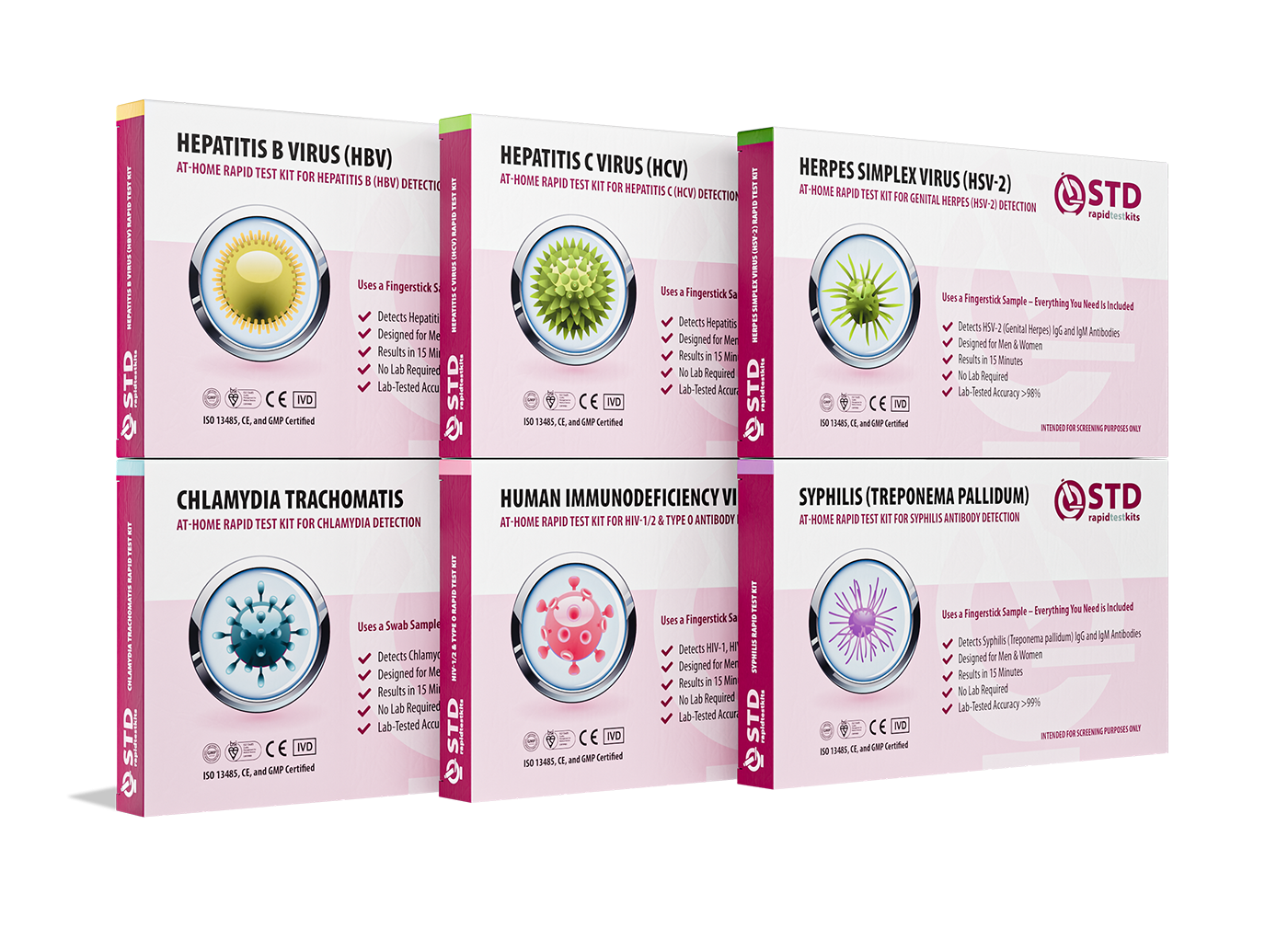
Test at Home with Remedium6-in-1 STD Test Kit
 For Men & Women
 Results in Minutes
 No Lab Needed
 Private & Discreet
Order Now $119.00 $294.00
For all 6 tests
At-Home STD Testing: When and How to Check for Trichomoniasis
If there’s one thing that actually cuts through uncertainty after sex, it’s testing. Not guessing, not symptom-checking at 2 AM, actual testing. Because trichomoniasis doesn’t always show clear symptoms, and when it does, they can overlap with other infections, the only way to know what’s happening in your body is to test at the right time using the right method.
For trichomoniasis, the most accurate method is a NAAT (nucleic acid amplification test). This test finds the genetic material of the parasite Trichomonas vaginalis, so it doesn't depend on visible symptoms or guesswork; it finds the infection directly. Depending on the type of test, you can use a vaginal swab or a urine sample for NAAT testing.
If you’re considering discreet, at-home testing, using a comprehensive kit like those available at STD Rapid Test Kits combo tests allows you to check for multiple infections at once. That matters because trichomoniasis often overlaps with other STDs in terms of symptoms and risk scenarios.
Timing, however, is everything. Testing too early can give you a false negative, not because you’re in the clear, but because the parasite hasn’t reached detectable levels yet. This period is called the window period, and it’s where most confusion happens.
Here are the exact testing windows you need to follow:
- Chlamydia: test from 14 days after exposure
- Gonorrhea: test from 3 weeks after exposure
- Syphilis: test from 6 weeks after exposure
- HIV: test at 6 weeks for first indicator, retest at 12 weeks for certainty
- Herpes HSV-1 and HSV-2: test from 6 weeks after exposure
- Hepatitis B: test from 6 weeks after exposure
- Hepatitis C: test from 8–11 weeks after exposure
For trichomoniasis specifically, NAAT testing typically becomes reliable within about a week after exposure, but in real-world practice, people often test alongside other STDs using the timelines above to avoid missing anything. That’s why combo testing is often the smarter move, it aligns all timelines into one clear plan.
Now let’s talk about results, because this is where people tend to spiral.
A negative result means no detectable infection at the time of testing. But, and this is important, if you tested before the appropriate window period, that negative result may not be final. The parasite might still be present but below detection levels. That’s not a failure of the test; it’s just biology taking its time.
A positive result means the parasite has been detected. At that point, the infection is confirmed, and the next step is straightforward: seek treatment and avoid sexual contact until it’s resolved. There’s no ambiguity once a NAAT test comes back positive.
Retesting comes into play when timing wasn’t ideal the first time. If you tested early, say, within just a few days of exposure, you should test again after the appropriate window period to confirm your status. This isn’t overkill; it’s how you move from “probably fine” to “actually certain.”
The bottom line: testing is not just a backup plan, it’s part of safer sex. Condoms reduce risk during the moment, but testing gives you clarity afterward. And when those two work together, you’re no longer guessing, you’re in control.
Symptoms That Make People Question Condom Protection
This is where things get real for most people. You used a condom, everything seemed fine, and then something feels off. Maybe it’s a change in discharge, a subtle irritation, or just a gut feeling that something isn’t right. That’s usually when the question hits: “Was I actually protected?”
Trichomoniasis symptoms can be surprisingly inconsistent. In people with vaginas, it often shows up as unusual discharge, which may be thin, frothy, or have a noticeable odor. There can also be itching, redness, or discomfort during urination or sex. These symptoms happen because the parasite irritates the lining of the vaginal tissue, triggering inflammation.
In people with penises, symptoms are less common, which makes things trickier. When symptoms do appear, they may include mild irritation inside the urethra or slight discharge. But many people experience nothing at all, which means they can carry and transmit the infection without realizing it.
Here’s a situation that plays out all the time: a few days after sex, you notice a change, nothing dramatic, just different. Not enough to panic, but enough to Google. The problem is that trichomoniasis symptoms overlap with other conditions like yeast infections, bacterial vaginosis, or even simple irritation from friction.
That overlap is why symptom-based guessing doesn’t work. The same biological response, inflammation, can be triggered by multiple causes. Your body reacts, but it doesn’t label the reason for you. That’s where testing becomes the only reliable way to separate possibility from reality.
According to the WHO, a large percentage of sexually transmitted infections present with mild or no symptoms, reinforcing why relying on how you feel isn’t enough to determine your status.
| Symptom | More Common In |
|---|---|
| Unusual discharge | Vaginas |
| Genital itching or irritation | Vaginas |
| Burning during urination | Both |
| Mild urethral irritation | Penises |
| No symptoms | Both (very common) |
The takeaway here is simple but powerful: symptoms create suspicion, not certainty. Whether you used a condom or not, the presence, or absence, of symptoms doesn’t confirm anything. Only testing does.

People are also reading: STD After Infidelity? Here’s What Happens Next
What Safer Sex Actually Looks Like Beyond Condoms
Condoms are often treated like the entire solution to STD prevention, but in reality, they’re just one layer of protection. Safer sex is about stacking multiple layers together so that if one doesn’t fully cover a risk, another one does.
One of the most effective additions is regular testing, especially if you’re sexually active with new or multiple partners. Testing isn’t something you only do when something feels wrong. It’s something you do to stay ahead of uncertainty. When both partners know their status, the risk dynamic changes completely.
Communication is another layer that people tend to underestimate. Asking a partner about testing history might feel awkward in the moment, but it directly reduces your risk. It shifts sex from a guessing game into something informed and intentional.
There’s also the timing factor. If you’ve had a recent exposure, understanding when to pause and when to test matters more than most people realize. Jumping back into sexual activity before testing can unintentionally extend the chain of transmission, especially with infections like trichomoniasis that often go unnoticed.
You feel fine, your partner feels fine, and everything seems normal, so you think everything is okay. But that assumption is just that: an assumption. Safer sex doesn't mean taking away pleasure or spontaneity; it means making things clearer.
When you combine condom use, testing, and communication, you’re no longer relying on a single line of defense. You’re building a system that actually works in real life, not just in theory.
What to Do After a Risky Encounter (Even If You Used a Condom)
You’re lying there afterward, replaying everything. The condom didn’t break. It stayed on. But something still feels uncertain. This is a very real moment, and it’s where most people either spiral into guesswork, or take control of the situation.
The first thing to understand is that risk doesn’t mean certainty. Even if exposure was possible, transmission is not guaranteed. Trichomoniasis requires the parasite to successfully transfer and establish itself in a new environment. That doesn’t happen every single time. But the only way to move from “maybe” to “definitely” is through timing your next step correctly.
In the first few days after exposure, your instinct might be to test immediately. That’s understandable, but it’s not always useful. Testing too early can give you a negative result that feels reassuring, but isn’t final. This is where understanding the window period becomes critical. Your body needs time for the infection to reach detectable levels.
So what should you actually do? If you’ve had a potential exposure, even with a condom, your next step is to plan your testing timeline. Mark the appropriate window period, avoid further sexual contact if you’re unsure, and follow through with testing when it will actually give you a reliable answer.
This is also the moment where communication matters. If you’re in contact with your partner, having a direct conversation about testing can reduce uncertainty on both sides. It doesn’t need to be dramatic, just clear and honest. That one conversation can prevent weeks of guessing.
And if symptoms show up before your planned test date? Don’t ignore them, but don’t try to diagnose them either. Symptoms are signals, not conclusions. Testing is still the step that turns confusion into clarity.
Check Your STD Status in Minutes
Test at Home with Remedium7-in-1 STD Test Kit
 For Men & WomenResults in MinutesNo Lab NeededPrivate & Discreet
Order Now $129.00 $343.00
For all 7 tests
So, Can Condoms Prevent Trichomoniasis?
This is the honest answer: condoms do a great job of lowering the risk of trichomoniasis, but they don't completely get rid of it. They stop infected fluids from getting through, which is the main way the parasite spreads, but they don't cover every place where it can spread.
That means condoms are absolutely worth using, every time. They dramatically lower your chances of infection and are one of the most reliable tools available. But they are not a guarantee, and treating them like one can lead to false confidence.
The smarter way to think about it is this: condoms handle most of the risk during sex, and testing handles the uncertainty afterward. When you combine both, you move from “probably fine” to “actually certain.”
If you’ve ever found yourself questioning whether you’re safe after sex, you’re not alone. That uncertainty is incredibly common, and completely solvable. You don’t need to rely on symptoms, guesses, or internet forums. You just need the right timing and the right test.
And that’s really what safer sex looks like in practice. Not perfection. Not zero risk. Just informed decisions, layered protection, and a clear next step when something feels off.
If there’s any doubt at all, testing is the fastest way to stop the guessing game, and get real answers.
FAQs
1. Can you really get trichomoniasis even if you used a condom the whole time?
Yeah, you can, and this is where people get frustrated. Condoms block fluids really well, which is huge, but they don’t cover every inch of skin involved during sex. So if there’s contact outside the covered area, there’s still a pathway for transmission. It’s not common, but it’s absolutely possible.
2. I used a condom and now something feels off, should I be worried?
“Worried” might be too strong, but “aware” is fair. A slight change, like irritation or unusual discharge, doesn’t automatically mean an STD. It could be friction, a pH shift, or something minor. But if your brain keeps circling back to it, that’s usually your cue to test and stop guessing.
3. What does trichomoniasis actually feel like?
For some people, it’s obvious, itching, irritation, or discharge that’s clearly different than usual. For others, it’s so subtle it’s easy to brush off. And a lot of people feel nothing at all. That’s the tricky part: your body doesn’t always make a big announcement.
4. If I don’t have symptoms, can I still pass it to someone?
Yes, and this is one of the main reasons why trichomoniasis spreads so quickly. You can feel fine and still have the parasite. That's why testing isn't just about reacting to symptoms; it's also about knowing your status no matter how you feel.
5. How long should I wait before testing after sex?
This is where timing matters more than most people expect. Testing too early can give you a “you’re fine” result that isn’t actually final. Give your body enough time to reach detectable levels, otherwise you’re just testing your patience, not the infection.
6. Can I just wait and see if symptoms show up instead of testing?
You can, but it's a risk. A lot of infections don't have clear symptoms, so if you wait, you might be in that strange state of "probably fine" but not really sure. Testing skips all of that and gives you a real answer.
7. Does showering or washing right after sex help prevent it?
Not really. Once the parasite enters the genital tract, it’s not sitting on the surface where soap can reach it. Washing is great for hygiene, but it doesn’t undo exposure.
8. Can trichomoniasis come back after it’s gone?
It doesn’t magically “reactivate,” but reinfection is very real. If a partner hasn’t been tested or treated, you can end up right back where you started. This is why partner testing matters just as much as your own.
9. Are condoms still worth it if they’re not 100%?
Absolutely. This isn’t an all-or-nothing situation. Condoms reduce your risk by a lot, and that’s a big deal. Think of them as your first line of defense, not your only one.
10. What’s the smartest next step if I’m unsure after sex?
Simple: stop guessing and get tested at the right time. That’s it. No overthinking, no spiraling through forums. Just a clear answer so you know exactly where you stand.
Take Control of Your Sexual Health
If you’ve read this far, you already understand the most important truth: condoms reduce risk, but testing gives you certainty. If there’s any doubt after sex, whether symptoms show up or not, the smartest next step is to check your status and move forward with clarity.
For fast, discreet answers at home, explore STD Rapid Test Kits combo test kits, which allow you to screen for multiple infections in one go. If you’re looking for more targeted options, you can also browse female STD test kits or male STD test kits depending on your needs.
Prefer to explore all options first? Visit the homepage at STD Rapid Test Kits to find the right fit for your situation. Peace of mind is one test away, and once you have clear answers, everything else becomes a lot simpler.
How We Sourced This: Our article was constructed based on current advice from the most prominent public health and medical organizations, and then molded into simple language based on the situations that people actually experience, such as treatment, reinfection by a partner, no-symptom exposure, and the uncomfortable question of whether it “came back.” In the background, our pool of research included more diverse public health advice, clinical advice, and medical references, but the following are the most pertinent and useful for readers who want to verify our claims for themselves.
Sources
2. WHO – Sexually Transmitted Infections
5. CDC – Trichomoniasis Treatment Guidelines
6. NCBI – Trichomoniasis (StatPearls)
7. Planned Parenthood – Trichomoniasis Overview
8. CDC – STD Prevention Strategies
About the Author
Dr. F. David, MD is a board-certified infectious disease specialist focused on STI prevention, diagnosis, and treatment. He writes with a direct, sex-positive, stigma-free approach designed to help readers get clear answers without the panic spiral.
Reviewed by: Rapid STD Test Kits Medical Review Team | Last medically reviewed: March 2026
This article is for informational purposes and does not replace medical advice.


