Animal to Human STDs: Can You Catch an Infection from Your Pet?
Plenty of infections move between animals and people, but the classic sexually transmitted infections are not on that list. Here is what pets can pass to you, what they cannot, and how to think about testing if your real worry is a recent human partner.




- Classic STIs (chlamydia, gonorrhea, syphilis, HIV, HPV, herpes, trichomoniasis) are species-specific to humans and cannot be transmitted from pets, including dogs and cats.
- Pets can pass non-STI zoonotic infections such as brucellosis and leptospirosis through close contact with body fluids; standard hygiene and a vaccinated, healthy pet remove most of that risk.
Published: November 2025 | Last updated: May 2026 | Editorial review and quality control: Martina N.
People search for this question more often than you might expect, usually after a snuggle with a pet on the couch or a worried mid-cycle Google. Here is the reassuring part first: the well-known sexually transmitted infections (chlamydia, gonorrhea, syphilis, HIV, HPV, trichomoniasis, herpes) cannot be passed to you by your dog, cat, rabbit, or hamster. They are species-specific human pathogens that cannot establish infection in animal tissue.
What can happen is a separate, smaller group of infections called zoonoses, where bacteria, parasites, or viruses move between animals and people through close contact, urine, feces, raw food, or bites. A few of those zoonoses share transmission ideas with STIs (mucous membranes, bodily fluids), which is why this question gets tangled in the first place. We will walk through which infections are possible, which are not, and what to do if your concern is really about a recent human partner rather than the family pet.
Key Takeaways
- Classic STIs (chlamydia, gonorrhea, syphilis, HIV, HPV, herpes, trichomoniasis) are species-specific to humans and cannot be transmitted from pets, including dogs and cats.
- Pets can pass non-STI zoonotic infections such as brucellosis and leptospirosis through close contact with body fluids; standard hygiene and a vaccinated, healthy pet remove most of that risk.
What Counts as a Zoonotic Disease (and What Does Not)
A zoonotic disease is an infection that can pass between animals and humans. The CDC has cited, in published One Health communications, that roughly 6 in 10 known human infectious diseases have animal origins and about 3 in 4 newly emerging human infections originate in animals. It is a broad category that includes rabies, salmonellosis, ringworm, Lyme disease, plague, West Nile virus, and many others.
Sexually transmitted infections (STIs), as the term is normally used in human medicine, are a much smaller and more specific group. They are pathogens that have adapted to live in human mucous membranes (genital, anal, oral) and to move between hosts during sexual contact. Chlamydia, gonorrhea, syphilis, HIV, HPV, herpes simplex (HSV-1 and HSV-2), and trichomoniasis are the conditions most readers worry about when they search for STDs from pets.
Almost none of these conditions are zoonotic in any practical sense. The bacteria, viruses, and parasites involved have evolved alongside humans for so long that they cannot establish infection in cats, dogs, rabbits, hamsters, or any other household pet. Even where a closely related organism exists in animals (Chlamydia felis in cats, for example), it is a different species that does not behave the same way in human tissue.
So the worry that prompted the search is, for the headline diseases, unfounded. Where it gets interesting is the separate question: are there any infections at all that move between pets and people through routes that look superficially similar to sexual transmission, such as bodily fluids and mucous membranes? Yes, a small number, and they share routes with STIs without being STIs themselves. We cover those below.
This article is published by stdrapidtestkits.com, which sells at-home STI testing kits. The kits we recommend are for human-to-human STI exposure, which is unrelated to pet contact. We recommend products based on what fits the reader's actual concern, not commercial benefit.
Why Human STDs Don't Cross Species
Species-specificity in infectious disease comes down to a few biological details: which cell-surface receptors a pathogen needs to enter human cells, what pH and temperature it tolerates, what enzymes it expects to find, and what immune defenses it has learned to dodge. The pathogens behind the major human STIs are tightly tuned to all of those factors in human tissue.
Chlamydia trachomatis, the bacterium behind human chlamydia, needs human columnar epithelial cells (the cells lining the cervix, urethra, rectum, and conjunctiva). Cats do carry a related organism, Chlamydia felis, but it infects feline conjunctival tissue and respiratory mucosa, not human urogenital tissue. The two species look similar under a microscope and share genetic features, but they are not interchangeable, and veterinary and infectious disease research indicates that C. felis does not establish human urogenital infection even with direct exposure.
HIV is a similar story. The virus binds CD4 receptors and CCR5 or CXCR4 co-receptors on human T cells. Cats have a feline equivalent (FIV, feline immunodeficiency virus) and primates have several SIVs (simian immunodeficiency viruses), but each is structurally different enough that it does not productively infect across species. FIV does not infect humans. SIV crossed into humans only after specific mutation events that happened over decades and produced what we now call HIV, a one-time evolutionary event that is not an ongoing transmission risk from owning a cat.
Syphilis (Treponema pallidum subsp. pallidum), gonorrhea (Neisseria gonorrhoeae), and herpes simplex (HSV-1, HSV-2) are similarly human-only. There is no documented case of a person catching any of them from a household pet. The same applies to HPV, where animal papillomaviruses exist (canine, bovine, equine) but cannot cause human warts, cervical infection, or cancer.
If your worry was specifically about the classic STIs, you can set it aside. Your dog, cat, hamster, or rabbit cannot give you any of them.
Each STI pathogen is tuned to specific cell-surface receptors, temperature ranges, enzymes, and immune environments found only in human tissue. Without that exact match, the pathogen cannot enter cells, replicate, or evade the host's defenses. Animal tissue is a biological dead end for the human STIs, which is why cross-species transmission of chlamydia, gonorrhea, syphilis, HIV, HPV, or herpes has never been documented from a household pet.
Zoonotic Infections That Get Confused With STDs
A small group of bacterial and parasitic infections can move between animals and humans through routes that overlap with sexual exposure: mucous membranes, bodily fluids, intimate close contact. None of them are STDs in the human-to-human sense, but they are worth knowing if you live closely with animals or work with them professionally.
Brucellosis
Caused by Brucella bacteria. In dogs, Brucella canis circulates mainly in breeding kennels and can cause reproductive problems and miscarriage. Humans pick it up from exposure to infected blood, urine, semen, or reproductive tissues, usually through broken skin or splash contact with mucous membranes. Human B. canis infections are uncommon in clinical practice and cluster among veterinarians, breeders, and people in close household contact with infected breeding animals. The CDC brucellosis page is the standard reference for symptoms, diagnosis, and prevention guidance on the broader bacterial group.
Symptoms in humans include intermittent fever, night sweats, joint pain, fatigue, and (in serious cases) reproductive complications. Treatment is a long course of antibiotics under medical supervision. If you adopted a puppy from a breeder and someone in the household develops a relapsing fever, mention the breeder contact to your doctor; it is the kind of detail that changes the differential diagnosis.
Leptospirosis
A bacterial infection caused by Leptospira species. Pets (especially dogs) and wild rodents carry it. Humans pick it up by contact with contaminated water, soil, or animal urine, often through skin abrasions or splash to the eyes, nose, or mouth. The CDC leptospirosis page lists fever, headache, muscle aches, vomiting, jaundice, and (in severe cases) kidney or liver failure as the symptom progression. The NHS guidance aligns on this picture.
Most healthy adults clear a mild case with a course of doxycycline or penicillin. Some cases progress to Weil's disease, a severe form involving jaundice and kidney injury that requires hospital care. Vaccinating your dog against leptospirosis (the standard veterinary vaccine covers the most common serovars) and avoiding bare-handed cleanup of dog urine in shared spaces are the two practical preventions.
Mycoplasma infections
Mycoplasma is a large bacterial genus, and different species infect different hosts. Mycoplasma genitalium is the human urogenital species, transmitted sexually between people. Animal Mycoplasma species exist (M. felis in cats, M. canis in dogs) but they do not establish urogenital infection in humans under ordinary circumstances. Cross-species transmission has been raised in the medical literature in case reports, but it remains uncommon and is not clearly characterized.
Salmonella and Campylobacter
Bacterial gut infections that pets can shed in feces, especially reptiles, young puppies and kittens, and birds. Transmission to humans is through hand-to-mouth contact after handling animals, raw pet food, or contaminated surfaces. Symptoms are gastrointestinal: diarrhea, abdominal cramps, fever, sometimes vomiting. These are not STIs; they share the bodily-fluid route concept but the relevant fluid is feces, not genital secretions.
Tritrichomonas foetus
Here the species names cause genuine confusion. Trichomonas vaginalis is the parasite behind the human STI trichomoniasis (transmitted sexually between people). Tritrichomonas foetus is a different parasite that causes chronic large-bowel diarrhea in cats and venereal infertility in cattle. They are different organisms in different genera. There are no documented cases of T. foetus jumping from a cat or cow to a human and causing the human STI.

Real Case Reports: What Actually Got Transmitted
Case reports give us the closest thing to a documented list of what has happened. For the question of pet-to-human STI-style transmission, the published reports cluster around the zoonotic infections above, not around classic STIs.
Veterinary personnel and canine Brucella
State health departments have documented veterinarians and breeding-kennel staff testing positive for Brucella canis after handling infected dogs at work. The transmission route is not sexual; it comes from handling reproductive tissues and body fluids in the course of veterinary care, often without full PPE. These reports informed updated CDC guidance on personal protective equipment for veterinary personnel handling breeding animals.
Pet owners and leptospirosis from urine cleanup
Public-health authorities have linked household leptospirosis cases to repeated bare-handed cleanup of dog urine from a dog that was actively shedding Leptospira. The route was environmental contact with infected urine, the same mechanism that affects farmers around livestock, not sexual exposure. Affected people generally recover with a course of antibiotics, and a quick veterinary check on the dog plus a pair of gloves prevent most household cases.
Neither of these is an STI. They are zoonoses with transmission routes that overlap with the bodily-fluid concept, and the people affected were veterinary professionals or animal handlers with sustained close contact.
Can you catch an STD from your pet?
No. The classic sexually transmitted infections (chlamydia, gonorrhea, syphilis, HIV, HPV, herpes, trichomoniasis) are species-specific to humans and cannot be transmitted from cats, dogs, or other household pets. A separate group of zoonotic bacterial infections (brucellosis, leptospirosis) can pass between animals and people through contact with body fluids, but these are not STDs.
Zoonotic diseases are caused by harmful germs like viruses, bacteria, parasites, and fungi. These germs can cause many different types of illnesses in people and animals, ranging from mild to serious illness and even death.
Where the Real Risk Comes From (and Where It Doesn't)
If you map STI-style transmission from animals onto real-world risk, two groups stand out: people with occupational animal exposure, and (separately) people who have had sexual contact with animals. They are not the same situation, and the public-health literature treats them differently.
Occupational and household close contact
Veterinarians, kennel workers, livestock breeders, zoo employees, and abattoir workers handle reproductive tissues, urine, semen, and blood as part of their jobs. Their elevated risk for brucellosis, leptospirosis, Q fever, and similar infections is documented in CDC and NHS guidance on animal worker safety. Personal protective equipment (gloves, eye protection, dedicated work clothing) and routine handwashing are the standard mitigations.
For the average pet household (one or two pets, normal cleaning routine, no breeding), the same infections are uncommon. The few documented cases of household leptospirosis transmission involve sustained heavy exposure to a sick animal's urine in a poorly ventilated space. Vaccinating dogs against leptospirosis, keeping cat litter boxes clean, and washing hands after handling pets cover most of the practical risk in everyday pet ownership.
Bestiality and zoonotic risk
Sexual contact between humans and animals is a separate category. It is illegal in most jurisdictions and is associated with documented bacterial infection risks (Brucella, leptospirosis, atypical Mycoplasma) in case reports going back decades. A published PMC case report documented Kurthia gibsonii transmission through zoophilic sexual contact with pigs, resulting in urethritis and balanitis in the male patient. The infections that follow are zoonotic ones, not classic human STIs (a dog cannot give a person chlamydia in any meaningful sense), but the bacterial infections that do follow can be serious and difficult to diagnose because they look unusual outside the typical exposure history.
Healthcare providers ask about animal contact history when an infection's pattern doesn't fit ordinary human-to-human routes. If your concern is in this category, telling your doctor the full picture changes which tests get ordered, and that matters more than what gets tested at home.
How to Prevent Zoonotic Infections at Home
For the majority of pet owners, the practical prevention list is short and is not unique to STI worries; the same hygiene that prevents salmonella from a turtle prevents most other zoonoses too. The CDC Healthy Pets, Healthy People page covers the everyday hygiene rules in detail, and raw-food diets for pets carry a real Salmonella and Campylobacter household risk that the CDC raw pet food handling page addresses specifically.
Everyday prevention checklist
- Wash hands with soap and water for 20 seconds after handling pets, litter, raw pet food, or feces. This single habit removes most of the bacterial transmission risk in everyday pet ownership.
- Keep up with your pet's vaccinations and parasite control. Leptospirosis vaccination for dogs is the most relevant for this topic; rabies, distemper, and routine deworming protect you indirectly.
- Avoid contact with a visibly sick animal until a vet has weighed in. Lethargy, discharge, diarrhea, or unexplained reproductive discharge is the cue to glove up and call the vet.
- Wear gloves when cleaning up urine or feces if the animal is unwell, especially for dogs suspected of leptospirosis or any pet with bloody stool.
- Cook your own meals and your pet's meals to safe temperatures. If you choose raw feeding, follow the CDC raw pet food handling guidance.
- If you work professionally with animals, follow the PPE rules even when it feels excessive. Most published case reports of occupational brucellosis or leptospirosis trace back to a moment when PPE was skipped.
When to Test for STIs (and Where Pets Don't Factor In)
Most readers who land on a search like this are not really worried about the pet; they are worried about a recent human partner and the pet is incidental. If that describes you, here is a cleaner way to think about it.
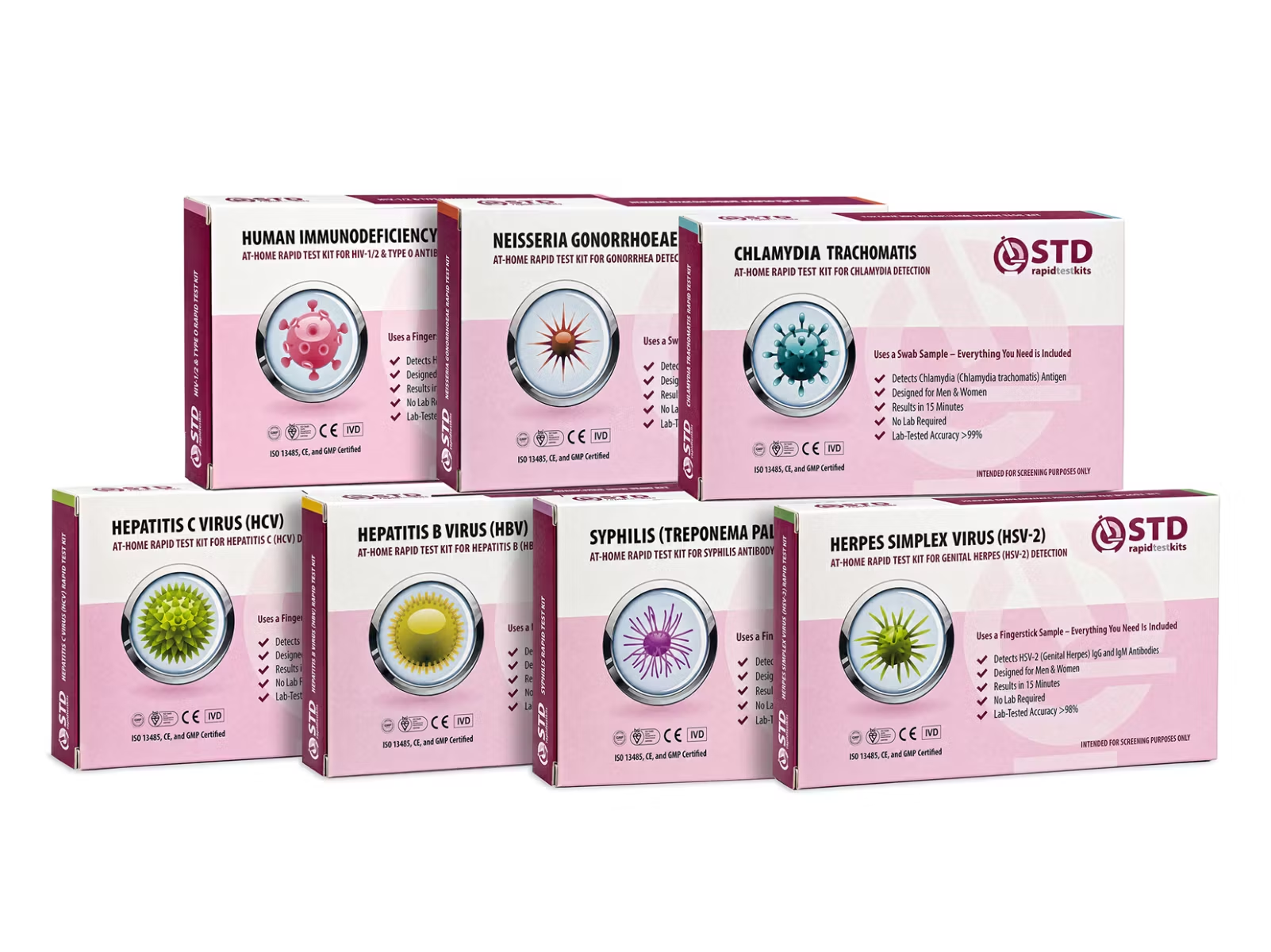
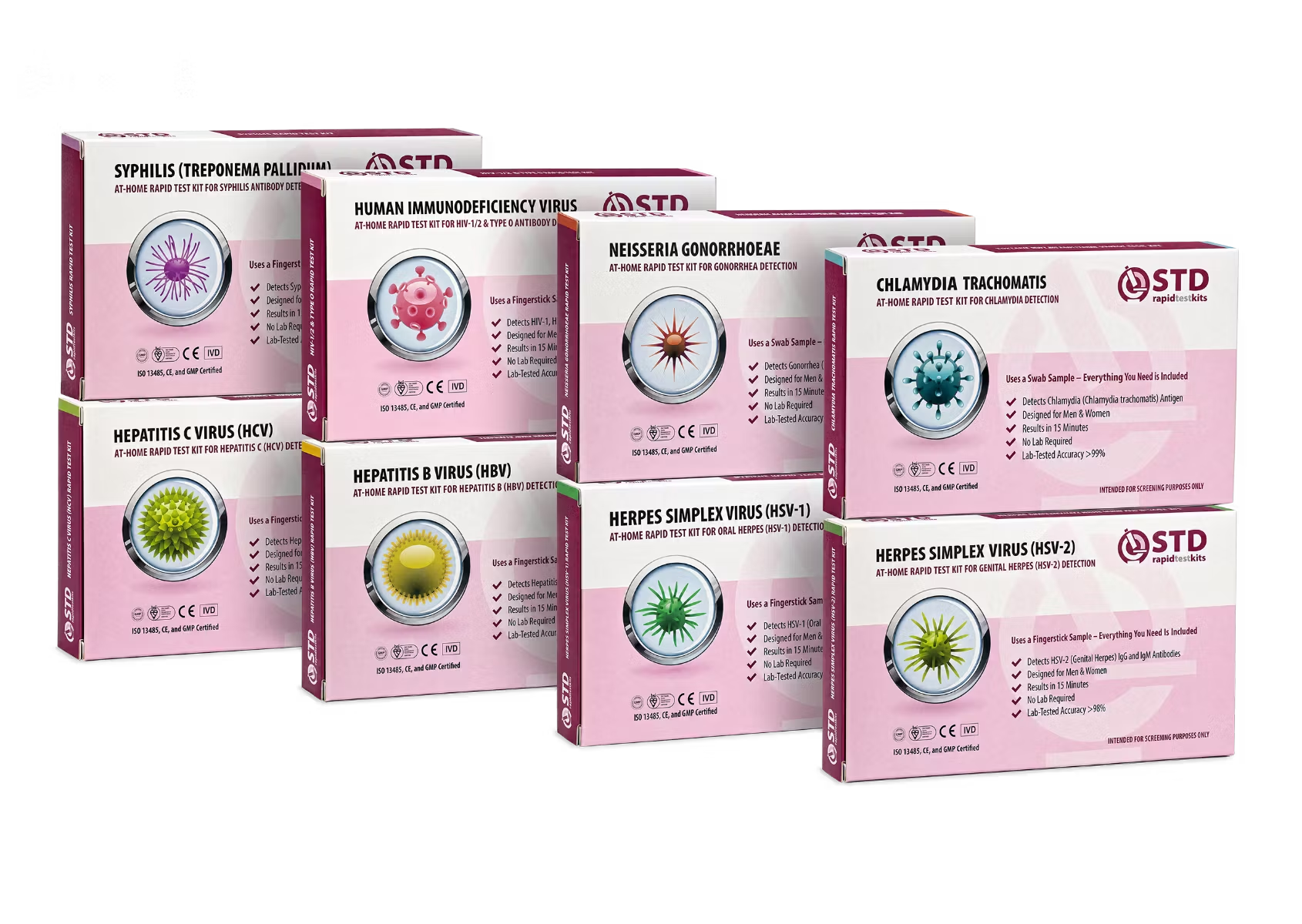
A recent unprotected sexual encounter with a human partner is the actual exposure that warrants testing. The relevant infections are the classic ones: chlamydia, gonorrhea, syphilis, HIV, hepatitis B, hepatitis C, herpes (HSV-2), trichomoniasis (women), and HPV (women). The CDC STI treatment guidelines set out who should test for what and when.
Testing windows matter. A test taken too early misses the infection because the body has not produced enough antigen or antibody yet for the assay to detect. Approximate windows for at-home rapid tests:
- Chlamydia and gonorrhea: swab-based rapid tests are useful from about 14 days post-exposure.
- Syphilis: antibody tests are reliable from about 3 to 6 weeks post-exposure, with confirmatory testing later if results are equivocal.
- HIV: fourth-generation antigen and antibody tests work from about 4 to 6 weeks; a 12-week conservative window is recommended for definitive rule-out.
- Hepatitis B and C: antibody tests are generally reliable from 6 to 9 weeks post-exposure, with later confirmatory testing at the 24-week mark for hepatitis C if exposure was high-risk.
- Herpes (HSV-2): antibody tests are reliable from about 12 weeks post-exposure once seroconversion has occurred. Most people seroconvert by 12 weeks; some assays use a 16-week outer window for a definitive rule-out.
If you have symptoms (sore, discharge, burning urination, painful sex, unexplained rash), see a clinician promptly rather than waiting for an at-home window to open. Symptomatic infections need a clinical exam and often a culture or NAAT, not just a screening assay.
Where do pets factor into the STI testing decision? They don't. The relevant input is whether you had a sexual exposure to a human partner whose status you don't know.
Frequently Asked Questions
- Can I catch chlamydia from my dog or cat?
- No. Chlamydia trachomatis (the human urogenital pathogen) is species-specific to humans. Cats can carry Chlamydia felis, but that organism causes feline conjunctivitis and respiratory infections, not human chlamydia. The two species are biologically distinct and do not cross-infect.
- Can HIV pass from animals to humans?
- No, not from any modern household pet. Cats carry FIV (feline immunodeficiency virus) and primates carry SIVs (simian immunodeficiency viruses). Neither productively infects humans. HIV itself originated from a cross-species event in primates decades ago, but it is now strictly a human-to-human virus.
- Can pets give me HPV or genital warts?
- No. Human papillomaviruses are species-specific. Animal papillomaviruses (canine, bovine, equine) exist and cause warts in those animals, but they do not infect human tissue or cause human warts, cervical infection, or cancer.
- What is the most common zoonotic infection from pets?
- Salmonella and Campylobacter (from feces, especially in reptiles and young animals), ringworm (a skin fungus), and toxoplasmosis (from cat litter) are the most common everyday zoonoses. Brucellosis and leptospirosis show up more in breeding or working-animal settings than in casual pet ownership.
- Can I get herpes from kissing my dog or cat?
- No. Herpes simplex virus (HSV-1 and HSV-2) is human-specific. Cats and dogs have their own herpesviruses (FHV-1 in cats, CHV-1 in dogs) that affect the respiratory or reproductive tracts in those species and do not infect humans.
- Is leptospirosis from a pet dog serious?
- It can be. Most cases respond to a short course of doxycycline or penicillin if caught early. Severe cases (Weil's disease) involve jaundice, kidney injury, and pulmonary hemorrhage and need hospital care. Vaccinating dogs against leptospirosis and avoiding bare-handed cleanup of dog urine eliminate most household risk.
- Do pets need to be tested for STDs?
- Pets are screened by veterinarians for the diseases relevant to their species (FIV and FeLV in cats, Brucella canis in breeding dogs, and so on). They are not tested for human STDs because human STDs do not infect pets. If you adopted a breeding-age dog from a kennel, ask the vet whether Brucella canis screening was done.
- If I've had a recent sexual exposure with a human partner, when should I test?
- 14 days is the earliest useful window for chlamydia and gonorrhea swab tests. HIV and syphilis blood tests become reliable at roughly 4 to 6 weeks and 3 to 6 weeks respectively. Herpes (HSV-2) antibody tests need the longest wait, since most people have not seroconverted until around 12 weeks. If you have symptoms, see a clinician before any of those windows open instead of waiting.
- U.S. Centers for Disease Control and Prevention. Brucellosis information for occupational, household, and veterinary contact exposure.
- U.S. Centers for Disease Control and Prevention. Leptospirosis symptoms, transmission routes, and prevention guidance.
- U.S. Centers for Disease Control and Prevention. Healthy Pets, Healthy People program covering everyday zoonotic prevention.
- U.S. Centers for Disease Control and Prevention. STI treatment guidelines covering test windows and screening recommendations for the common human STIs.
- UK National Health Service. Leptospirosis information page for consumer-facing guidance on symptoms and treatment.
- PubMed Central. Case report documenting Kurthia gibsonii transmission through zoophilic sexual contact with pigs, causing urethritis and balanitis in a male patient.