






Hookup Anxiety? When to Test After Oral, Anal, or Vaginal Sex
Unprotected Sexual Exposure
Sexual relations are the most prevalent mode of acquiring human immunodeficiency virus infection. This usually occurs during vaginal or anal intercourse without protection, such as the use of a condom. The greater the number of multiple partners or unprotected sex, the greater the risks of acquiring the virus. The virus will not choose a target, so protection should always be consistent.
Sharing Needles
A person is at high risk of getting HIV if, besides injecting drugs intravenously, they share needles. Such a mode of transmission still features among the topmost, especially for younger age groups. Always use clean needles and never share equipment.
Mother-to-Child Transmission
With modern-day drugs, the risk of mother-to-child transmission of HIV during pregnancy, birth, and breastfeeding is minimal. However, there is a likelihood of its transmission in the absence of any professional help. Medical aid provides the facility of reducing the risk of such transmissions to the babies of pregnant women suffering from an HIV infection.
Blood Transfusion
HIV infection, though rare, can occur with infected blood—a factor very uncommon in countries like the U.S. due to rigorous blood screening. Fortunately, most countries now have strict procedures to minimize this risk.
While modern treatments make living with HIV manageable, decision-making to avoid transmission remains the best protection for oneself and others.
HIV: A Continuing Epidemic
While the treatment of HIV has come a long way, one ought not to forget that it is still incurable; it makes your immune system too weak to resist or fight off other infections. If not treated, HIV eventually progresses to a lethal condition known as AIDS. Antiretroviral therapy (ART) can suppress the virus, enabling people living with HIV to lead active, long lives, but it doesn't eradicate the virus completely.
Unfortunately, many myths and social stigmas surrounding HIV persist, which prevents some people from getting tested, let alone treated. This is definitely the case with young people who may engage in risky behaviors like unprotected sex or sharing needles, thinking that HIV will never happen to them.
Check Your STD Status in Minutes
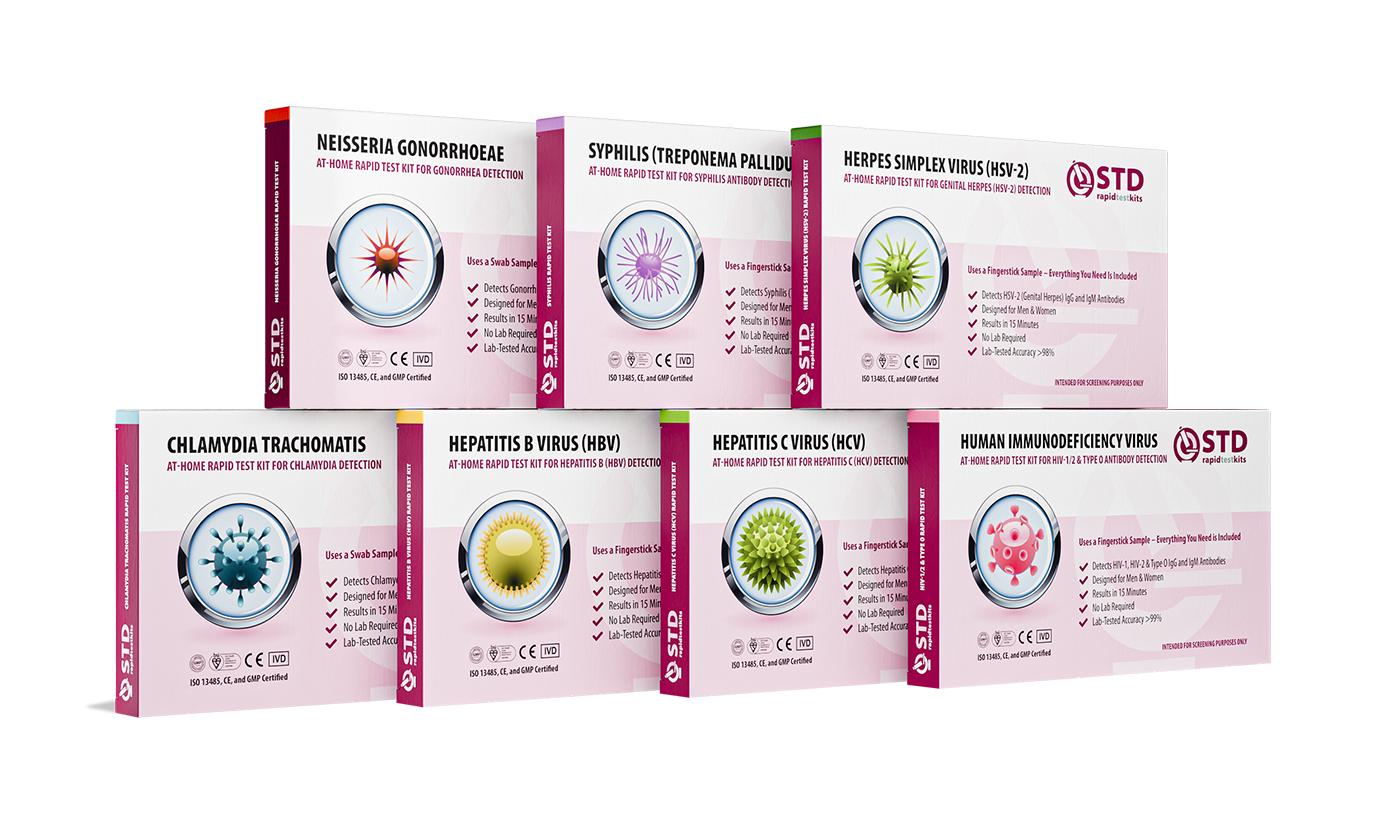
Test at Home with Remedium7-in-1 STD Test Kit
Claim Your Kit Today
Save 62%
 For Men & Women
 Results in Minutes
 No Lab Needed
 Private & Discreet
Order Now $129.00 $343.00
For all 7 tests
Protect Yourself: Safer Sex and Getting Tested
The safest ways to avoid contracting HIV are through practicing safer sex and frequent testing. Here’s why these two practices are important:
-
Safer Sex: Using condoms during sexual contact significantly reduces the risk of HIV infection. They act as a barrier, preventing the virus from spreading.
-
Pre-Exposure Prophylaxis (PrEP): This is a daily medication for persons at very high risk of becoming infected with HIV. If taken as directed, PrEP can reduce the risk of sexual transmission of HIV by as high as 99%, and by 74% among people who inject drugs.
-
PEP (Post-Exposure Prophylaxis): If you believe you’ve been exposed to HIV, PEP is an emergency medication taken to prevent infection, provided it’s started within 72 hours of the suspected exposure.
-
Regular Testing: HIV can remain asymptomatic for many years and go undiagnosed, making it easier to spread. Regular testing is crucial for anyone who is sexually active, especially those with multiple partners. Early diagnosis through timely testing greatly improves long-term health outcomes.
Don't Overlook the Rest of STDs
While HIV is closely associated with sexual transmission, other sexually transmitted infections (STIs) like chlamydia, gonorrhea, and syphilis also increase a person's vulnerability to HIV and can further deteriorate the health of someone already infected.
For instance, syphilis or herpes-related sores create easy entry points for HIV. Regular testing for all STIs, not just HIV, is therefore critical for maintaining good sexual health.
The Ease of Home Testing
With improvements in technology, preventing HIV and other STIs has become easier. At-home testing kits allow you to test yourself without visiting a clinic, making sexual health testing more discreet and accessible.
Advantages of the Home Testing Kit:
-
Privacy: Many people avoid testing for HIV due to stigma. At-home kits provide a private solution, allowing you to test yourself discreetly.
-
Convenience: These kits can be ordered online and delivered discreetly, eliminating the need for clinic appointments.
-
Early Detection: Home testing allows for early detection, which is crucial for early treatment.
-
Accuracy: Most kits yield accurate results within minutes. If the result is positive, you can immediately seek medical advice for treatment.
Check Your STD Status in Minutes
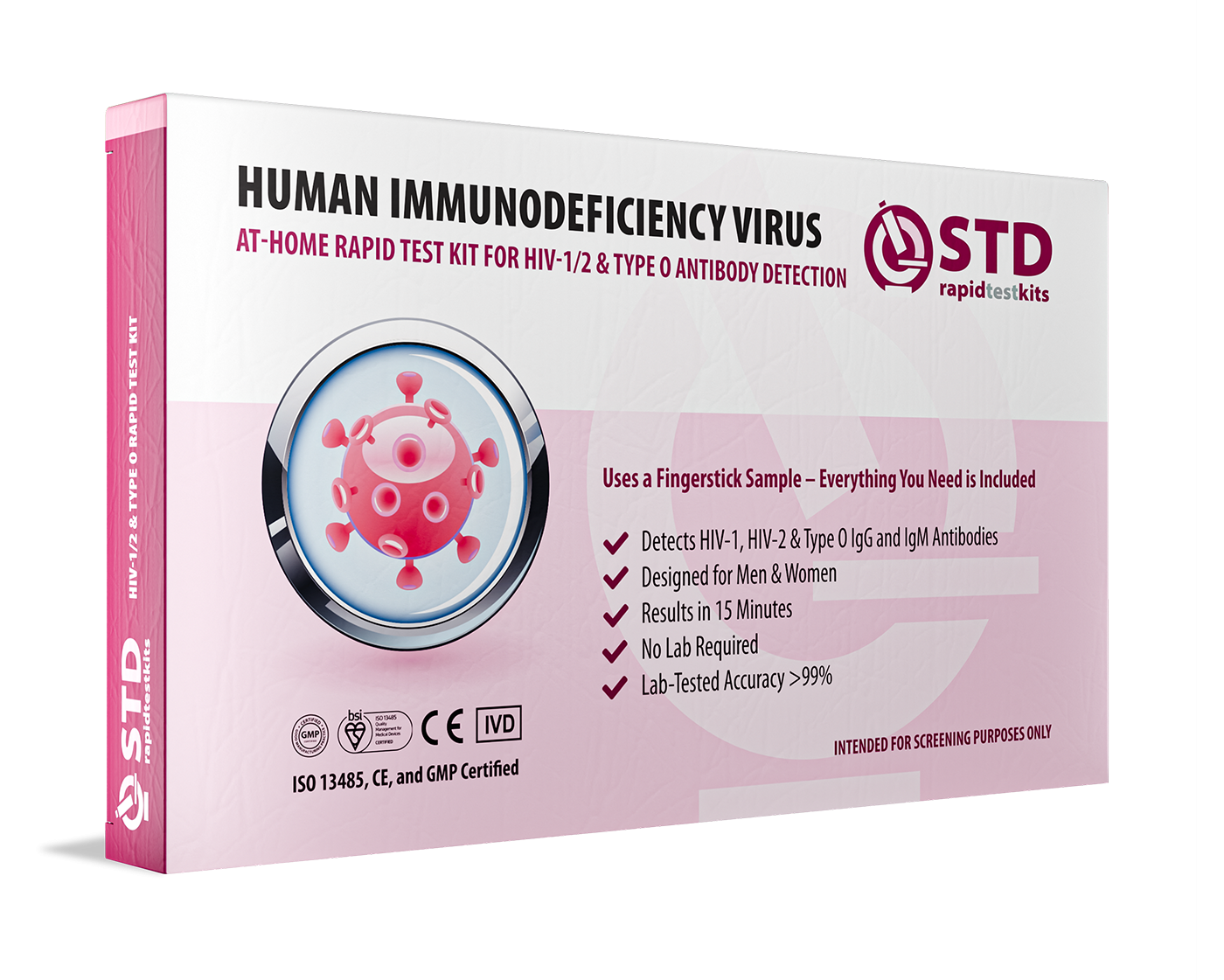
Test at Home with RemediumHIV Rapid Test Kit
Claim Your Kit Today
Save 31%
For Men & WomenResults in MinutesNo Lab NeededPrivate & DiscreetOrder Now $33.99 $49.00
Home-Based Testing in the War Against HIV
Home-testing kits have become a vital tool in combating the spread of HIV. By making testing easier and more private, these kits encourage more frequent testing, enabling earlier detection and reducing the spread of the virus. They also break down barriers like cost, time, and stigma that often deter people from getting tested.
Take Charge of Your Health
The bottom line is that the prevalence of HIV among young people is increasing. However, you can protect yourself through safer sex practices and regular testing. While HIV remains a significant public health issue, it is treatable if diagnosed early.
Home testing kits are a convenient and private way to stay informed about your sexual health. Fast and accurate results allow you to take action sooner, whether it’s starting treatment or adopting safer practices. If you're sexually active or engaging in high-risk behaviors, don’t wait—get tested today and take control of your health.


