One of the best tools of prevention from sexually transmitted diseases is condoms. Yet one may still question, do condoms prevent all STDs? The straightforward answer is no, because though a condom significantly reduces the possibility of contracting the infection, it does not negate it completely. Limitations of condoms, necessity of periodic testing, and recognition of symptoms of STDs are some other important aspects related to maintaining sexual health.
08 October 2024
5 min read
2619
How Condoms Work
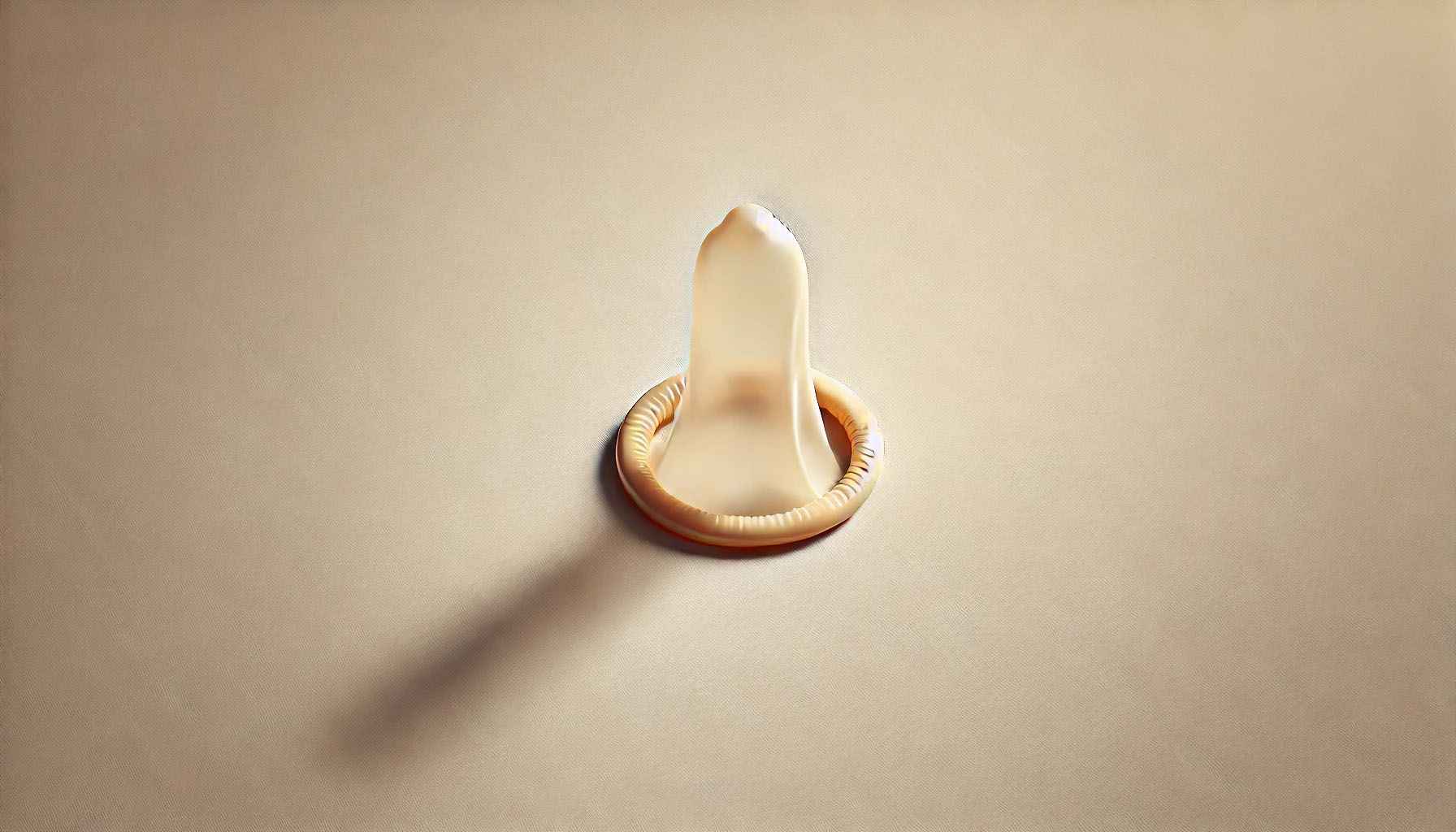
Condoms work by acting as a physical barrier that does not allow the potential exchange of bodily fluids while participating in sexual activities. When used correctly and with consistency, they are about 98 percent effective against pregnancy. In addition to being an excellent way to prevent pregnancies, it is considered highly effective for preventing several sexually transmitted diseases, such as HIV, chlamydia, and gonorrhea. Yet they are not 100 percent reliable.
The Scary Truth About STDs and Condoms
Although considered an effective protection, the use of condoms cannot completely eliminate the risk of getting any type of STD. Here is a partial list that you might consider off the top of your head:
Skin-to-Skin Contact STDs: Some sexually transmitted diseases, such as herpes, HPV, and syphilis, are active around areas not covered by the condom. These include such areas as the scrotum, the rear, or skin that might come in contact with skin.
Breakage and Slippage: Nothing is perfect. Condoms, on occasion, do break or slip off during intercourse. This failure exposes both sexual partners to the risk of STDs, especially when neither may be aware of an already-existing infection.
Abuse: Seeing as the ability to make a condition is present wherein the condom is no longer protective, examples of some abuses would be failure to put the condom on until after initial contact of the genitals using the wrong size of condom, or using an oil-based lubricant with a latex condom.
Furthermore, usage of an oil-based lubricant with latex condoms degrades the latex, which is more than likely leading one to condom breakage.
Common Symptoms That May Suggest a Person Has an STI
Common symptoms also need to be ascertained so that further medical treatment can be accorded without delay. But a lot of STD cases are asymptomatic; hence, until the proper time you wouldn't know you have one. Watch out for the following symptoms:
Unusual Discharge: A change in color, consistency, or smell of vaginal or penile discharge can be a manifestation of an STD like gonorrhea or chlamydia.
Itching or Irritation: Chronic itching, irritation, or even a rash within the genital area can point to herpes, scabies, and even pubic lice.
Pain with Urination: Burning or pain during urination is one of the classic presentations of STDs like gonorrhea or chlamydia.
Sores or Blisters: Sores, blisters, or warts on the genital, anal, or oral region could be a symptom of herpes, HPV, or syphilis infection.
Unexplained Fatigue or Fever: The symptoms of early infection with HIV and other serious sexually transmitted diseases include recurring low-grade fever and unexplained fatigue.
Swollen Lymph Nodes: Groin, neck, or armpit swelling may arise from syphilis or HIV.
Painful Sex: Pain or discomfort during sexual intercourse can also be a symptom of an STD infection or inflammation that accompanies it.
Bleeding Between Periods: Vaginal bleeding between periods can signal that a woman has been infected with an STD, such as chlamydia or gonorrhea.
Pelvic Pain: Chronic ache in the lower abdominal or pelvic region may suggest an advanced disease, like PID. It forms from an uncured STD.
Why Testing Should Be Done Regularly
Since condoms are never perfect, and infection can be asymptomatic, regular testing for STDs becomes very important. You are assured of your status and can take necessary measures if you find one of you infected.
Home Testing Kits for STDs: Safe, Effective Solution
Many people tend to feel apprehensive about visiting a clinic to get themselves tested for STDs. Besides, safe, private, and precise home testing kits for std have entered into the market. Such self-test kits are inexpensive and easy to use. They provide results in just minutes, and you receive control over your sexual well-being without paying a visit to the clinic. Generally, an at-home test kit for STD entails one taking a urine or swab or small blood sample and then testing it for a variety of sexually transmitted diseases. Some test kits work immediately; others are mailed to a laboratory where, several days later, the results will be given. The major advantages of these kits include:
Privacy: You test in the comfort and privacy of your home.
Convenience: You need not make an appointment at the clinic or take the headache of requesting time off from work.
Quick Results: Most kits give results in minutes, thus enabling you to seek immediate action if need be.
Conclusion
Condoms are probably one of the most critical tools in the reduction of risks of acquiring an STD; however, they are not totally effective. Knowing symptoms, practicing safe sex, and continuous testing is part of sexual health. For any concern about the status of an STD, sealing a test kit at home is ideal, fast, private, and very effective in putting the mind at rest and taking control of health.
Protect yourself, protect others, and take responsibility for your health by incorporating STD testing into your life.








 For Men & Women
 Results in Minutes
 No Lab Needed
 Private & Discreet


