

Published: October 2025 | Last updated: April 2026 | Editorial review and quality control: Martina N.
Which STD causes the most deaths worldwide?
HIV leads global STI mortality with roughly 630,000 deaths each year, per the World Health Organization. Hepatitis B (which transmits sexually among other routes) causes roughly 1.1 million deaths annually through long-term liver damage, and HPV drives around 350,000 cervical cancer deaths. The pattern across all three: the virus stays quiet for years, and late diagnosis is what makes it dangerous.
Key Takeaways
- HIV causes roughly 630,000 deaths per year as the leading sexually-transmitted infection, while hepatitis B (sexually transmitted among other routes) causes about 1.1 million liver-related deaths and HPV drives roughly 350,000 cervical cancer deaths.
- Almost every death on this list traces back to late diagnosis. Routine testing changes the outcome for every major infection in the ranking.
Most people guess wrong when asked which sexually transmitted infection kills the most people. The intuitive answers are usually herpes (because it's visible) or chlamydia (because it's common). The actual mortality data tells a different story. The infections that cause the most deaths are typically the quiet ones, the ones that hide for years before doing real damage.
This article walks through the actual ranking from major global health agencies, what makes each infection deadly, and why the same pattern keeps showing up across all of them. The encouraging part: nearly every death on this list is preventable when people know their status early enough to start treatment.
The STD Responsible for the Most Deaths Worldwide
The sexually transmitted infection most directly responsible for the most deaths globally is HIV. Roughly 630,000 people die each year from HIV-related illnesses, according to the World Health Organization's HIV/AIDS fact sheet.
These deaths rarely happen suddenly. HIV slowly damages the immune system over years, leaving the body unable to fight off infections it would normally control. Most HIV-related deaths are technically caused by what doctors call opportunistic infections (tuberculosis, severe pneumonia, certain cancers) that take hold once the immune system is weakened. The end stage of untreated HIV infection is called AIDS, but the actual cause of death is usually one of those secondary illnesses.
The story behind HIV mortality is largely about timing. People who get diagnosed early and start antiretroviral therapy often live nearly normal lifespans, with viral loads suppressed so far that the virus cannot be transmitted to sexual partners. The vast majority of HIV deaths happen in people whose infection went undetected for years.
People diagnosed early and started on antiretroviral therapy typically live near-normal lifespans. Once viral load drops to undetectable, the virus cannot be transmitted to sexual partners. The 630,000 annual deaths happen overwhelmingly in people whose infection went undetected, not in people on treatment.
Why HIV Still Tops the List Despite Effective Treatment
It might seem strange that HIV still leads STI mortality when treatment exists. Modern antiretroviral therapy can suppress the virus to undetectable levels, and people on treatment can live full lives. So why does the death toll stay so high?
The first reason is silent infection. HIV can stay almost completely quiet for years. Some people get mild flu-like symptoms two to four weeks after infection, but those usually fade within a week or two. After that, the virus replicates slowly while a person feels healthy. By the time symptoms become obvious, the immune system may already be severely damaged.
The second reason is access. UNAIDS reports that millions of people globally are still living with undiagnosed HIV, and many regions have limited access to routine testing or treatment. Even in countries with strong healthcare systems, stigma keeps people from testing when they should.
The third reason is timing of treatment. Starting antiretroviral therapy early protects the immune system before significant damage. Starting it after years of damage still helps, but the body has more catching up to do.
Two decades ago, annual HIV deaths globally were over 2 million. Expanded antiretroviral therapy access has cut the toll by more than two-thirds. The remaining deaths happen overwhelmingly in undiagnosed or late-diagnosed cases, which is why testing access is the single biggest lever still being pulled.
How the Top STD Death Tolls Actually Compare
HIV dominates the conversation about STI mortality, but the global picture is broader. Several other sexually transmitted infections cause significant numbers of deaths each year, mostly through long-term complications rather than acute illness.
Here's how the major infections compare based on the most recent estimates from the WHO and UNAIDS.
| Infection | Estimated Annual Toll | How Deaths Occur |
|---|---|---|
| HIV | ~630,000 deaths | Immune system collapse leading to opportunistic infections |
| Hepatitis B | ~1.1 million deaths | Cirrhosis and liver cancer (sexual transmission is one route among several) |
| HPV (cervical cancer) | ~350,000 deaths | Cervical, oropharyngeal, and anal cancers caused by high-risk strains |
| Syphilis (incl. congenital) | 390,000+ adverse birth outcomes | Stillbirths and neonatal deaths from untreated maternal syphilis (WHO figure also includes premature births and low birth weight) |
Hepatitis B: The Quiet Liver Disease Most People Underestimate
Hepatitis B doesn't dominate STI conversations the way HIV does, but the global death toll is actually larger. The WHO hepatitis B fact sheet attributes roughly 1.1 million deaths per year (most recent estimate, 2022) to chronic hepatitis B, mostly from cirrhosis and liver cancer.
Not every hepatitis B infection is sexually transmitted (the virus also spreads through contaminated needles and from mother to child during birth), but sexual contact is one of the major transmission routes in adults. The reason it's so deadly is the slow timeline. Hepatitis B can attack the liver for years or decades before symptoms appear, by which point the damage may be severe and harder to reverse.
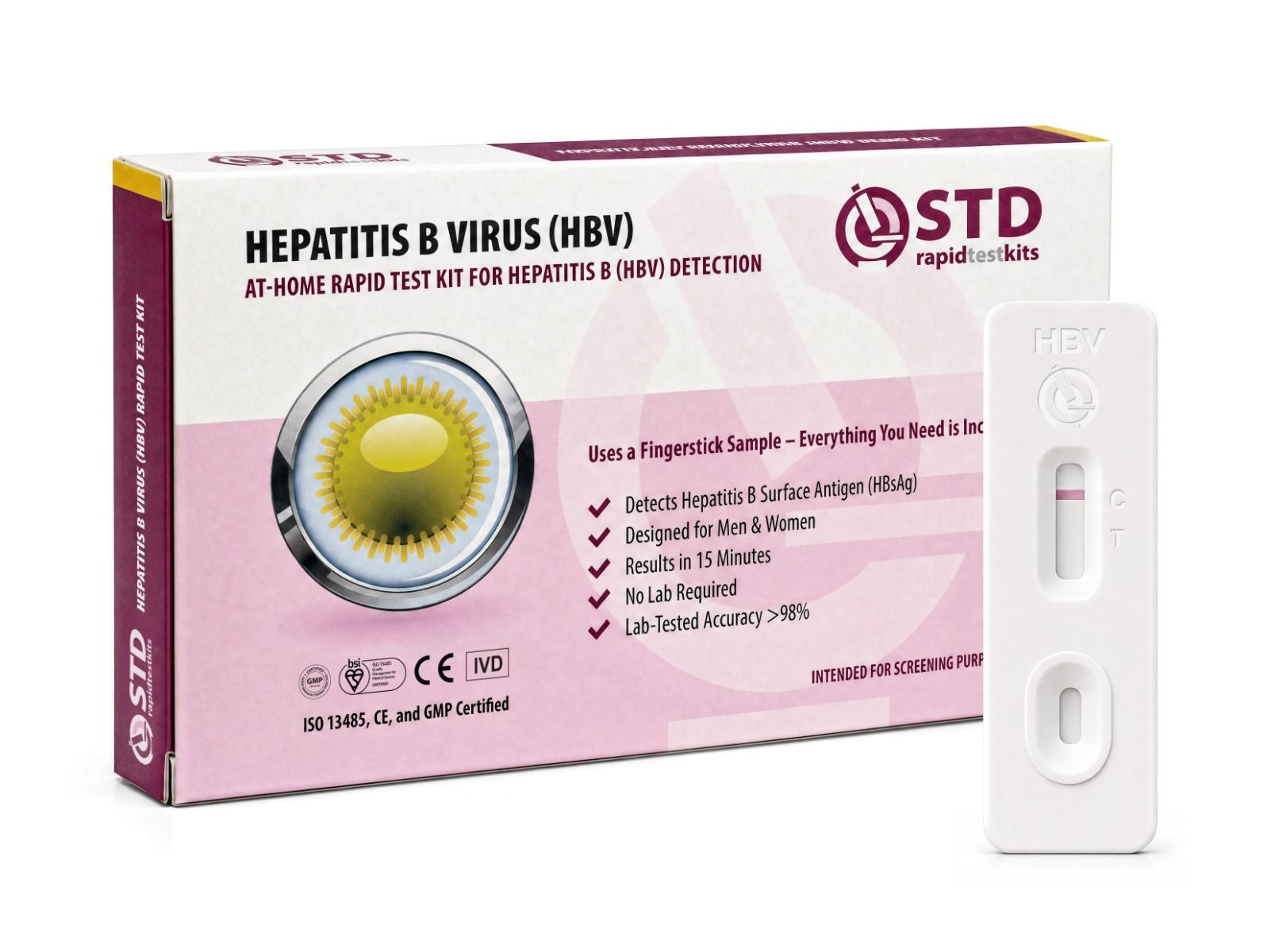
The good news: hepatitis B is preventable through vaccination, and chronic infection can be managed with antiviral medications when caught early. A simple blood-based hepatitis B test can identify chronic infection before liver damage progresses. (Note: this article is published by stdrapidtestkits.com, which sells the at-home STI tests referenced here. We recommend products based on fit-for-purpose for the reader's concern.)
A three-dose hepatitis B vaccine series provides long-term protection against infection and is part of routine childhood immunization in most countries. If you have not been vaccinated and do not know your status, both testing and vaccination are appropriate next steps. The CDC recommends hepatitis B vaccination for all unvaccinated adults aged 19 to 59, and for older adults with risk factors.
HPV: How a Common Infection Becomes Cervical Cancer
HPV is the most underestimated infection on this list. Most people who get it never know, because the immune system clears most strains within two years. But certain high-risk strains stay, and over time they can change cervical cells into cancer.
The WHO cervical cancer fact sheet attributes roughly 350,000 cervical cancer deaths per year, with about 95% of those cases caused by HPV. High-risk HPV strains also drive a significant fraction of throat, anal, and penile cancers.
What makes HPV especially difficult is the gap between infection and disease. A high-risk infection can sit silently for ten to twenty years before changing cells enough to become cancer. That long timeline is also why screening (Pap smears, HPV testing, and increasingly self-collected swab tests) is so effective. Cervical cancer caught at the precancerous stage is almost always treatable.
HPV vaccination prevents the high-risk strains responsible for the majority of cervical cancer cases. ACIP guidance recommends routine vaccination through age 26, with shared clinical decision-making available through age 45.
Syphilis: The Infection That Disappears and Comes Back Worse
Syphilis is one of the oldest known STIs, and it remains dangerous for the same reason it always was: the symptoms come and go, and people assume the body has handled it. It hasn't.
Primary syphilis often presents as a single painless sore (chancre) at the site of infection. The sore heals on its own within a few weeks, which leads many people to assume the infection cleared. It didn't. Secondary syphilis follows weeks to months later with rashes, mucous patches, and flu-like symptoms, which also fade. Then the infection enters a latent stage that can last for years before causing tertiary syphilis: damage to the brain, heart, nerves, and major blood vessels.
Most syphilis deaths today are not in adults dying from tertiary syphilis (though that still happens). The bigger contributor to the global syphilis death toll is congenital syphilis: untreated maternal syphilis transmitted to a baby during pregnancy. The WHO STI fact sheet attributes over 390,000 adverse birth outcomes (including stillbirths, neonatal deaths, premature births, and low birth weight) each year to congenital syphilis. Routine prenatal screening and a single course of penicillin in early pregnancy prevents nearly all of those outcomes.
A single course of penicillin cures syphilis at primary, secondary, or early latent stage. The window closes once tertiary neurological or cardiovascular damage begins, which is why screening (especially during pregnancy) is the single most effective intervention against the global syphilis death toll.
How Untreated HIV Progresses Through Three Stages
HIV doesn't progress identically in every person, but the general trajectory is consistent enough that doctors describe it in three stages. Each stage matters because the right time to start treatment is well before the third one.
| Stage | What Happens in the Body | Typical Symptoms |
|---|---|---|
| Acute infection (2 to 4 weeks post-exposure) | Virus replicates rapidly, viral load spikes, immune system mounts initial response | Flu-like illness: fever, sore throat, fatigue, lymph node swelling. Often missed or attributed to a regular cold. |
| Chronic infection (months to years) | Virus replicates more slowly, immune system gradually weakens, CD4 count slowly drops | Often no obvious symptoms for years. Some people experience occasional swollen lymph nodes or unexplained fatigue. |
| AIDS (advanced stage if untreated) | CD4 count below 200, immune system severely compromised, opportunistic infections take hold | Severe weight loss, persistent infections, certain cancers, neurological symptoms. |
Where HIV Deaths Are Concentrated Globally
HIV mortality is not distributed evenly around the world. UNAIDS data shows that the burden of HIV-related deaths is heavily concentrated in regions with limited healthcare infrastructure, and the gap between regions reflects access to testing and treatment more than anything else.
| Region | Approximate Share of Global HIV Deaths | Key Contributing Factors |
|---|---|---|
| Sub-Saharan Africa | ~65% | Limited healthcare access, testing gaps, economic barriers, generalized epidemic |
| Asia and the Pacific | ~20% | Large populations, uneven treatment availability, key-population concentrations |
| Latin America and Caribbean | ~8% | Healthcare disparities, late diagnosis, stigma in some communities |
| North America and Europe | ~7% | Good treatment access overall, but persistent stigma and undiagnosed cases |
The Encouraging Trend: Deaths Are Falling
The encouraging trend is that HIV deaths have been declining steadily for two decades. Expanded antiretroviral access, better testing programs, and prevention strategies like pre-exposure prophylaxis (PrEP) are saving lives every year. The reason HIV still leads global STI mortality is that millions of people who would benefit from those tools have not yet been tested, rather than any failure of the medical tools themselves.
The Hidden Pattern Behind Most STD Deaths: Late Diagnosis
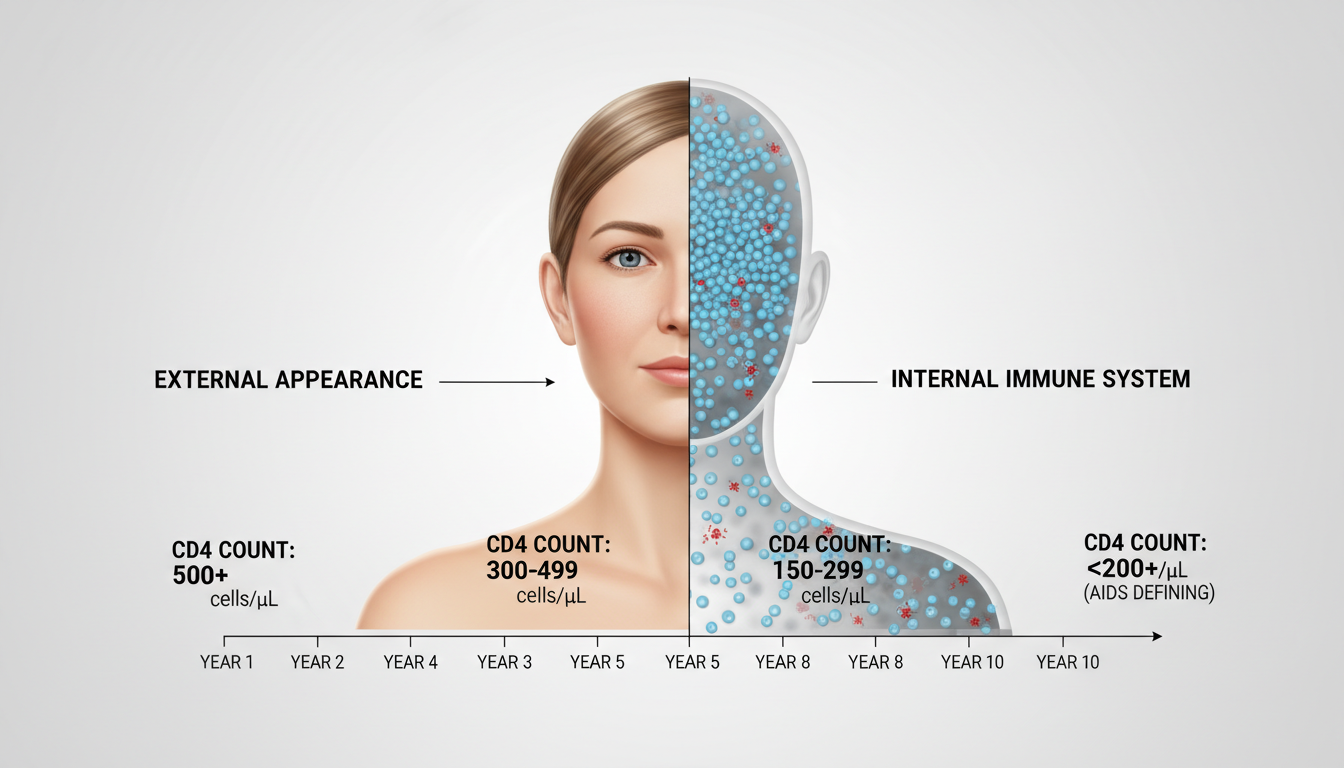
Look at why each infection on the ranking causes deaths and the same pattern shows up: the infection sits in the body for years before treatment starts. By the time a diagnosis finally happens, serious internal damage is usually already underway, with the immune system already compromised, the liver already scarred, cervical cells already changed, or neurological symptoms already emerging.
The medical tools to manage all four exist. Antiretroviral therapy controls HIV; antiviral medications and a long-standing vaccine keep hepatitis B in check. Cervical screening catches HPV-driven precancerous changes years before they become cancer, and a short course of penicillin cures syphilis at any pre-tertiary stage. Each of these is a real, accessible intervention, and none of them help if the infection isn't diagnosed.
Public health campaigns return to this conclusion because the data keeps pointing back to it: people who test regularly start treatment before the infection becomes dangerous. Most people who test get a clear negative result. The small fraction who test positive can start treatment in time to keep the infection manageable.
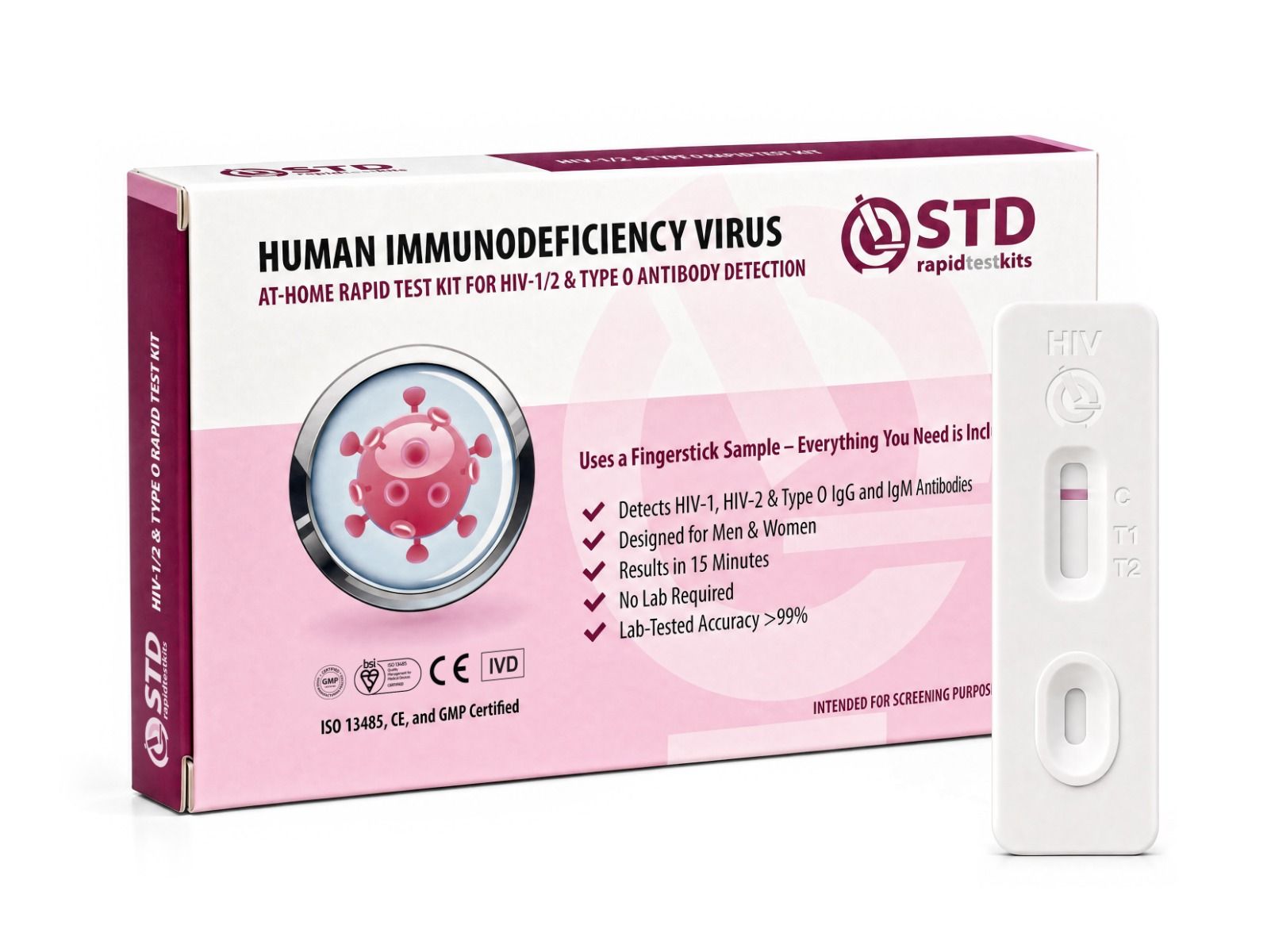
Knowing your HIV status is the gateway to all HIV prevention, care and treatment services. Without it, people cannot access the medications that allow them to live long, healthy lives.
Testing Windows for the Deadliest STIs
One of the most misunderstood parts of STI testing is timing. Every infection has a window period, the gap between exposure and when a test can reliably detect it. Testing too early gives a falsely reassuring negative result.
These windows are based on common laboratory and rapid-test technologies. Specific test kits may have slightly different windows depending on the assay (antibody, antigen-antibody combo, or NAAT).
| Infection | Earliest Detection (Lab Tests) | Recommended Timing for Reliable Result |
|---|---|---|
| HIV (4th-gen Ag/Ab lab test) | About 18 to 45 days post-exposure | 6 weeks for most, 12 weeks for definitive negative per CDC |
| HIV (rapid antibody home test) | About 23 to 90 days post-exposure | 12 weeks for most reliable result |
| Hepatitis B (HBsAg blood test) | 3 to 6 weeks post-exposure | 6 weeks or longer |
| Syphilis (treponemal antibody test) | About 3 weeks post-exposure | 6 weeks for most, 12 weeks to rule out |
| HPV (cervical screening) | Years to decades for cell changes | Routine screening per age-based guidelines |
How to Use These Windows After an Exposure
Understanding window periods turns testing from guesswork into strategy. If you had a possible exposure last week, an HIV antibody test today is unlikely to detect it. Testing six weeks later is much more reliable, and a negative result at twelve weeks is essentially conclusive for most people. If you had a possible exposure to multiple infections at once, plan a single follow-up visit at the longest applicable window so one test session covers everything.
If a possible exposure could cover several infections (for example, HIV plus hepatitis B plus syphilis), test once at the longest applicable window so a single appointment or kit closes out the question for all of them. Earlier testing for reassurance is fine, but plan the conclusive test for 12 weeks post-exposure when the antibody window for HIV has fully closed.
What Routine Testing Actually Prevents
Reading mortality statistics is alarming if the takeaway is just that STIs can be deadly. The more useful takeaway is that nearly every death on the global ranking traces back to an infection that went undiagnosed for years. The actual cause is rarely the virus or bacteria. It's the late-diagnosis pattern.
That makes the math of testing surprisingly favorable. A person who tests every six to twelve months, or anytime after a possible exposure once they're past the window period, will catch nearly any of these infections at the stage when treatment works best. HIV caught at acute or early chronic stage responds extremely well to antiretrovirals. Hepatitis B caught before significant liver damage can be managed indefinitely with antivirals. Cervical HPV caught at the precancerous stage is almost always treatable, and syphilis caught at any pre-tertiary stage is curable with antibiotics.
None of this requires a medical anxiety mindset or constant vigilance. It requires treating STI testing the same way most people treat blood pressure or cholesterol screening: a routine check that produces clear information, most of the time reassuring.
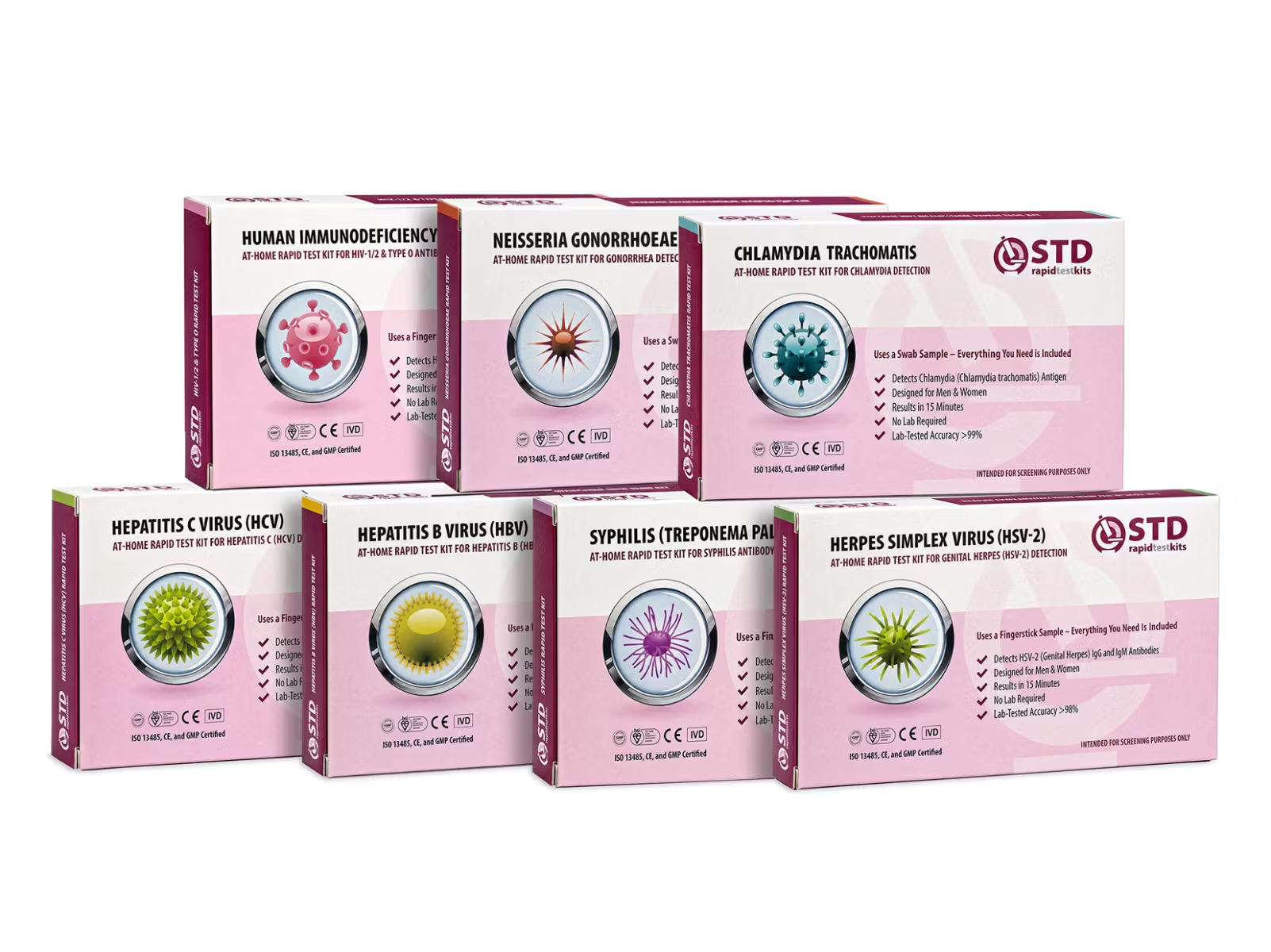
Testing every 6 to 12 months, or after any possible exposure once you're past the window period, catches nearly every infection at the stage when treatment works best. For people with multiple partners or a recent possible exposure, a multi-infection panel reduces the number of separate appointments needed.
Why the Global Picture Is Slowly Improving
The death tolls in this article are sobering, but the longer-term trajectory is positive. HIV deaths have fallen by more than half since the peak of the epidemic in the early 2000s. Hepatitis B vaccination has dramatically reduced new chronic infections in countries where the vaccine is part of routine childhood immunization. Cervical cancer rates are dropping in countries with strong HPV vaccination and screening programs.
Each of those improvements traces back to the same combination: better testing, broader vaccination, and earlier treatment. The remaining mortality is concentrated in places and populations where any of those three elements are missing. Access gaps cause those deaths, while the medical tools themselves still work as well as they ever have. The infections still respond to early diagnosis and treatment, and the open question is whether the people who have them can reach diagnosis in time.
This article is published by stdrapidtestkits.com, which sells at-home STI testing kits. We recommend products based on fit-for-purpose for the reader's concern, not commercial benefit. The information here summarizes current WHO, UNAIDS, and CDC guidance and is not a substitute for clinical advice.
Frequently Asked Questions
- Which STD actually causes the most deaths worldwide?
- It depends on how you define an STI. Counting only infections classified primarily as STIs, HIV leads with roughly 630,000 deaths per year. Counting sexually-transmissible infections more broadly to include hepatitis B (which spreads through several routes including sex), the total mortality climbs to over 1.7 million deaths per year. So the ranking shifts based on case definition rather than how dangerous each pathogen actually is.
- Can an STD really kill you?
- Yes, but rarely quickly and almost never directly. The deadly STIs work over years. Untreated HIV slowly destroys the immune system until secondary infections take hold. Hepatitis B and C damage the liver over decades. Certain HPV strains gradually change cells into cancer. Syphilis can cause organ and brain damage years after the initial sore disappeared. The common factor is time. Early diagnosis and treatment prevents nearly all of these outcomes.
- How many people die from HIV each year globally?
- Roughly 630,000 people died from HIV-related causes in 2024 according to the WHO HIV/AIDS fact sheet. That number has fallen by more than half since the peak of the epidemic in the early 2000s, mostly because of expanded access to antiretroviral therapy. Most remaining deaths happen in regions with limited testing or treatment access, and almost all are preventable when HIV is diagnosed early.
- Why is hepatitis B not usually thought of as an STD?
- Most people associate hepatitis B with contaminated needles, blood transfusions, or mother-to-child transmission, not with sex. All of those are real transmission routes, but unprotected sex is also a major one (especially in adults). The reason it's rarely called out as an STI in casual conversation is mostly cultural. Medically, sexual contact is one of the primary ways adults acquire it, and the long-term liver complications are why it ranks so high in global STI mortality data.
- Can someone have HIV for years without knowing?
- Yes, and this is exactly why HIV remains so deadly globally. After an initial flu-like illness in the first few weeks (which many people miss or attribute to a cold), HIV can stay almost completely silent for five to ten years. The virus replicates slowly, the immune system gradually weakens, and the person feels mostly fine. By the time obvious symptoms appear, the immune damage may already be significant. Routine testing catches it well before that point.
- Does HPV always lead to cancer?
- No. Most HPV infections clear on their own within two years and never cause any health problems. The risk comes from a small subset of high-risk strains (especially HPV-16 and HPV-18) that can persist for years and gradually change cervical, anal, throat, or penile cells into cancer. Routine screening catches those cell changes years before they become invasive cancer, which is why cervical cancer rates are dropping in countries with strong screening programs.
- Can untreated syphilis really damage the brain and heart?
- Yes, though tertiary syphilis is rare today thanks to widely available antibiotic treatment. Untreated, the bacterium spreads through the bloodstream and can affect the cardiovascular system, the central nervous system, and other organs years to decades after the initial infection. Modern syphilis cases are usually caught and cured at primary or secondary stage with a single course of penicillin. The bigger global mortality contributor is congenital syphilis (untreated maternal syphilis transmitted to a baby during pregnancy), which prenatal screening and treatment essentially eliminates.
- How soon after a possible exposure should I test?
- It depends on the test. For HIV, a fourth-generation lab test (antigen plus antibody) becomes reliable around 18 to 45 days after exposure. A rapid antibody home test is most reliable at 12 weeks. Hepatitis B (HBsAg) testing is reliable around six weeks. Syphilis antibody testing is reliable around six weeks for most people, with twelve weeks giving definitive results. Testing too early can produce a false-negative result, so if you had a recent possible exposure, plan a follow-up test once you're past the window period.
- World Health Organization. HIV/AIDS fact sheet, including global mortality estimates and treatment guidance.
- UNAIDS. Global HIV statistics fact sheet covering deaths, new infections, and treatment coverage.
- World Health Organization. Hepatitis B fact sheet covering prevalence, transmission routes, and global mortality.
- World Health Organization. Cervical cancer fact sheet covering HPV-driven mortality and prevention strategies.
- World Health Organization. Sexually transmitted infections (STIs) fact sheet covering syphilis, congenital syphilis, and global STI burden.
- U.S. Centers for Disease Control and Prevention. HIV testing guidance including window periods by test type.
