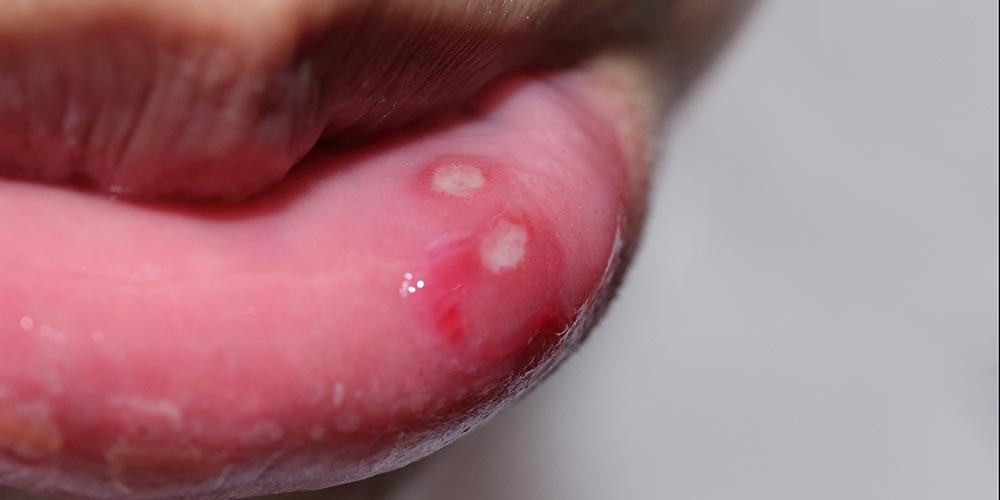

Published: October 2025 | Last updated: April 2026 | Editorial review and quality control: Martina N.
The herpes simplex virus does not leave your body after the first infection. It tucks itself into nerve clusters near your spine or jaw and waits, sometimes for weeks, sometimes years. Then something nudges your body off balance, and the virus travels back to the skin to cause an outbreak. Stress, illness, hormones, friction, sunlight, and exhaustion all earn their place on the trigger list. The deeper pattern is simpler: herpes responds to dips in your immune surveillance, whatever causes them.
That is why two people with the same diagnosis can have wildly different patterns. One flares before every period. Another only after a sunburn. A third gets one outbreak a year with no obvious cause at all. The triggers in this article are common, well documented, and worth knowing. Your individual map is yours alone, and tracking it is the single most useful thing you can do.
What actually triggers a herpes outbreak?
Most flares trace back to a temporary dip in immune defenses, set off by stress, illness, hormonal shifts, friction during sex, UV exposure, or sleep loss. The herpes simplex virus stays dormant in nerve cells between outbreaks and reactivates when surveillance weakens. Some flares have no identifiable trigger at all. Tracking your patterns over a few months, combined with antiviral medication when outbreaks are frequent or distressing, gives most people meaningful control.
Key Takeaways
- Stress, illness, hormonal shifts, friction during sex, UV exposure, and sleep loss are the most common outbreak triggers, and they all work the same way: a brief drop in immune surveillance lets the dormant virus reactivate.
- Many recurrent outbreaks have no identifiable external cause. Tracking your own pattern and discussing daily suppressive antivirals with a clinician usually matters more than chasing a perfect lifestyle.
Why herpes hides in your nervous system
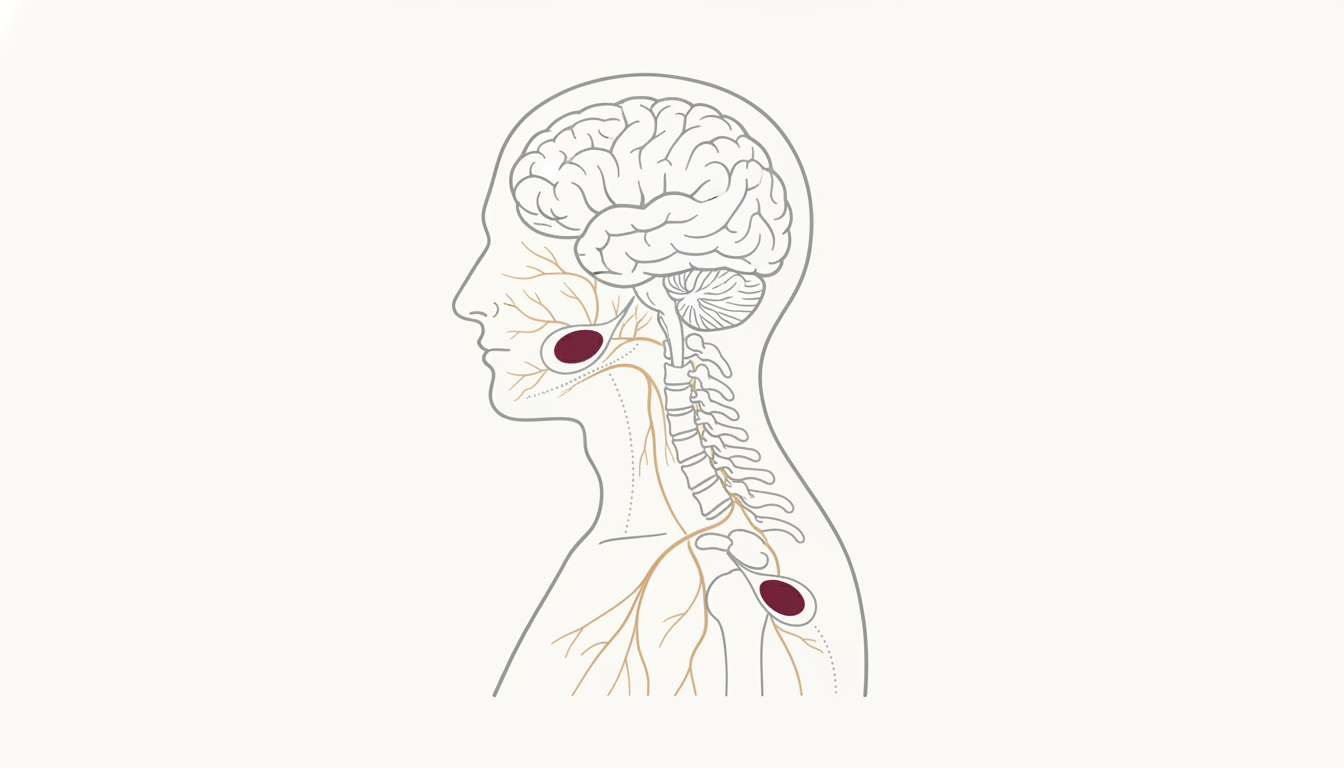
After the first infection, the herpes simplex virus retreats into your sensory nerve ganglia and goes dormant. For HSV-1, that is usually the trigeminal ganglia near your jaw. For HSV-2, it is the sacral ganglia near your tailbone. The virus stops replicating, stops moving, and slips below the radar. Clinicians call this state latency.
Your immune system never fully clears the virus. Instead, it patrols the nerve endings and shuts down any attempt to wake up. As long as that surveillance holds, you stay outbreak-free. When surveillance dips, even briefly, the virus reactivates. It travels back along the same nerve fibers to the skin or mucous membrane near the original infection site, which is why most outbreaks recur in roughly the same place (Cleveland Clinic herpes simplex overview).
The signals that prompt reactivation come from your own physiology: stress hormones, inflammatory cytokines, hormonal shifts, or local skin irritation. The virus does not have a clock or a calendar. It has receptors that respond to your internal chemistry. Understanding that link is the difference between feeling betrayed by your body and recognizing that you are dealing with a virus that simply waits for an opening.
The World Health Organization estimates that 3.8 billion people under age 50 worldwide carry HSV-1, and 520 million people aged 15 to 49 carry HSV-2 (WHO herpes simplex virus fact sheet). Most never know. Of those who do have symptoms, recurrence patterns vary enormously, which is the next thing to unpack.
Stress is the most common, and most misunderstood, trigger
Almost every herpes-positive person eventually notices the connection. A big work deadline, a messy breakup, or a sleepless week is followed by a flare. It is not coincidence. Stress is one of the strongest documented triggers, and it works on three levels at once.
First, the chemistry. Stress floods your body with cortisol, which dampens immune cell activity. White blood cells become less responsive, inflammatory signaling shifts, and natural killer cells (the immune cells that normally keep latent viruses suppressed) lose ground. Peer-reviewed work has linked psychological stress directly to reduced natural killer cell activity and increased HSV reactivation (Padgett and colleagues, social stress and HSV-1 reactivation).
Second, the behavior. When you are overwhelmed, you sleep less, eat worse, drink more, and skip the routines that normally keep your defenses up. Each of those layers compounds the immune effect.
Third, the cumulative wear. People who experience chronic anxiety, prolonged grief, or significant trauma tend to report more frequent and more severe outbreaks. The pathway is the same: persistently elevated cortisol, persistently dampened surveillance, persistently larger windows for reactivation.
The frustrating part is that you cannot quit your job or erase a difficult life event to keep herpes at bay. What you can do is notice the link. When you feel the pressure building, treat that as a prodromal cue in itself. Sleep early, hydrate, eat regularly, and ask your clinician about a short course of antivirals around predictable stress peaks. Reducing the height of the stress wave, even by a little, lowers reactivation odds.
Chemistry: elevated cortisol dampens natural killer cells, the immune patrol that keeps latent HSV in check.
Behavior: stress shortens sleep, derails meals, and crowds out the routines that hold immune function steady.
Cumulative wear: chronic anxiety, grief, or trauma keep the surveillance dip in place long enough for the virus to find an opening.
Illness and infections give the virus an opening
Your immune system has finite resources. When it is busy fighting a cold, the flu, COVID, strep throat, or even a routine skin infection, surveillance over latent HSV slips. Fever, inflammation, and fatigue all signal that defenses are stretched thin, and herpes reactivation rates rise during recovery.
People often report flares after:
- A bout of influenza or a heavy cold
- Recovering from strep throat or sinus infections
- Dental surgery or wisdom tooth removal
- Respiratory or gastrointestinal infections
- Major dental cleanings or oral procedures (especially for HSV-1)
Vaccinations occasionally trigger a flare too. This is not a vaccine safety issue; it reflects the temporary immune activation that any vaccine produces. The body is busy mounting a response, and the latent virus exploits the brief reshuffle.
If you reliably flare after illness, this is one of the easier patterns to manage. Talk to your clinician about prophylactic antivirals during high-risk periods (cold and flu season, scheduled dental work, post-surgical recovery). A short prescription taken across the vulnerable window often prevents the flare entirely. The CDC notes that antiviral medication can prevent or shorten outbreaks when taken early or used as suppression (CDC about genital herpes).
STD Rapid Test Kits sells the at-home rapid tests linked in this article. We recommend products based on fit-for-purpose for the reader's concern, not commercial benefit.
Hormonal shifts and the menstrual cycle
If you menstruate, you may already know this pattern. Outbreaks cluster in the days before a period. It is not imaginary, and it is not a personal failing. The reproductive hormones do real, measurable work on local immune function.
Estrogen and progesterone fluctuate across the cycle, and they influence mucosal immunity in the vulva, vagina, and surrounding skin. In the late luteal phase (the few days before bleeding starts), estrogen drops sharply, progesterone falls, and local immune activity briefly weakens. That is enough room for the virus to reactivate. Many people report a recurring monthly outbreak that lines up almost perfectly with their cramps.
Pregnancy and menopause shift the picture again. During pregnancy, immune adaptations protect the fetus but can change recurrence patterns; some people flare more, some flare less. Around menopause, falling estrogen can thin vulvar tissues and make local irritation more likely, which is itself a trigger.
Tracking your cycle alongside your symptoms is unusually high-yield here. A simple period app, plus a note when prodromal tingling starts, often reveals the pattern within two or three cycles. Once the pattern is clear, your clinician can prescribe a short course of antivirals around the vulnerable window, taken proactively rather than reactively. People who use this approach often go from a monthly flare to one or two flares a year.
None of this is about fighting your hormones. It is about reading them clearly enough to plan around the few days each month that matter most.
The late luteal phase, typically days 24 to 28 of a 28-day cycle, is when estrogen drops and local mucosal immunity briefly dips. Proactive antivirals taken across those four to five days, prescribed by a clinician, can cut monthly flares substantially. Track two or three cycles first to confirm your personal window before timing the medication.
When sex feels good but leaves you with a flare
An outbreak in the days after sex is one of the most distressing patterns to live with, partly because it pulls in shame and partly because it feels random. It is rarely random. The mechanism is friction.
Sex, particularly rough or extended sex, sex without enough lubrication, or sex when tissues are already healing from a previous flare, creates microscopic skin trauma. You will not see it or feel it as injury. The virus, which sits in the nerve endings beneath that skin, reads the local inflammation as an opening and reactivates. The same mechanism applies to vaginal, anal, and oral contact, and to intense genital rubbing without penetration.
An outbreak after sex with a partner who also has herpes does not mean you reinfected each other. Once you carry the virus, you have your own latent reservoir. Friction and the natural emotional intensity of sex (which raises cortisol briefly) are usually enough to wake your own virus, regardless of what your partner is doing.
Practical adjustments lower the odds without ending your sex life. Use plenty of lubricant. Take breaks if the encounter is long. Avoid sex during prodromal symptoms (tingling, itching, that prickly nerve sensation), which is also when transmission risk is highest. If sex is a consistent personal trigger, talk to a clinician about daily suppressive antivirals. Daily valacyclovir has been shown to reduce both outbreak frequency and the risk of transmission to partners.
Your sex life is not over. It just benefits from a small amount of strategy.
Sunlight, cold wind, and the weather you didn't see coming
UV exposure is one of the oldest documented triggers for oral herpes, and people often discover it the hard way after a beach day or a ski trip. Ultraviolet light suppresses local immune defenses in the skin of the lips, nose, and face. The virus, sitting in the trigeminal ganglion, reads the lowered local resistance and reactivates. By the time the lip starts tingling, the cascade is already underway.
Cold wind and very dry air do something similar. They damage the skin barrier, create tiny cracks in the lips and nostrils, and provoke a local inflammatory response that mimics immune compromise. People who flare after winter outdoor sports or long flights are usually responding to this combination of dry air, sun reflection, and physical chapping.
Prevention here is mostly about protection. SPF lip balm year round (most lip balms do not include SPF; check the label), a hat with a brim, and a moisturizing routine for windy weather all reduce flare frequency for HSV-1 carriers. For HSV-2, direct UV is less of a factor, but the travel context (sleep loss, dehydration, time zone shifts) often is. Treat travel days like a small immune challenge and plan accordingly.
Common UV and weather flare patterns
- Cold sores after a beach day or pool day, where reflected UV doubles lip exposure.
- Outbreaks two or three days into a ski vacation, when high-altitude sun and dry cold air combine.
- Lip flares after long-haul flights, especially in winter, from cabin dryness plus circadian disruption.
- Recurrence after an unexpected sunburn on the face, even on a cloudy day.
Sleep loss and burnout open a door you cannot see
Sleep is when your immune system resets, your cells repair, and your nervous system processes the previous day's stress. Chronic sleep loss is functionally an immune challenge, and it shows up in herpes recurrence patterns surprisingly often. Even one rough night before a high-pressure event can be enough to start a tingle the next day.
Common patterns people notice once they start tracking:
- Late nights followed by prodromal tingling within 24 to 48 hours
- Jet lag triggering a flare on day two or three of a vacation
- Post-marathon or post-intense-training outbreaks within the same week
- Cumulative burnout (a bad month at work, a stretch of broken sleep with a newborn) producing an unusually severe flare
Long-haul travel deserves its own mention. Air travel combines sleep loss, dehydration, time zone disruption, and circadian stress. Each one alone is mild. Stacked, they reliably suppress immune function for several days. Traveling with antivirals on hand, even as a backup, is reasonable for anyone who flares after flying.
The takeaway is not that you need to sleep eight hours every single night forever. It is that fatigue is a real trigger, not a moral failing, and that prioritizing sleep during predictable high-pressure periods (deadlines, travel, family events) lowers your odds. Treat run-down as a prodromal symptom in itself.
Food, lysine, and arginine: what the science actually says
You have probably seen lists demonizing chocolate, nuts, oats, and coffee, alongside lysine supplements pitched as outbreak prevention. The biology behind the claim is real, but the evidence in humans is weaker than the internet suggests.
The mechanism: arginine is an amino acid the herpes virus uses during replication. Lysine competes with arginine for the same intestinal absorption pathways and may slow viral activity in cell culture. Some small clinical trials have shown a modest reduction in outbreak frequency or severity with daily lysine supplementation, others have shown no effect. The Cochrane-style picture is mixed.
| Food group | Lysine to arginine balance | Should you avoid it? |
|---|---|---|
| Nuts, seeds, chocolate, oats | High arginine | Only if you see a personal pattern. Otherwise eat normally. |
| Dairy, fish, poultry, beans | High lysine | Helpful to include regularly. No special supplementation usually needed. |
| Caffeine and alcohol | Neutral on amino acids | Limit if dehydration or sleep loss reliably trigger your flares. |
| Spicy foods | Neutral | Can irritate active oral or genital sores. Avoid during a flare, eat normally otherwise. |
Should you track your own outbreaks?
Yes, and it is the single highest-yield thing you can do. Almost everyone who tracks for two or three months finds a pattern they did not expect. The format does not matter. A paper notebook, a notes app, a spreadsheet, a period-tracking app with a custom symptom field. What matters is the consistency.
After about three months you will usually see something. Outbreaks always around days 26 to 28 of your cycle. Always within two days of a flight. Always after a fight or a high-pressure work week. That insight is the foundation for a real prevention plan, including timed antiviral courses around the vulnerable windows.
The aim is not perfect prevention. It is a meaningful reduction in frequency and severity, with less guesswork and less self-blame.
What to record in your tracking log
- Date the prodromal symptom started (tingling, burning, itching, or nerve pain).
- Date the visible sore appeared, if it did, and the day it fully healed.
- Day of menstrual cycle, if applicable, and any hormonal medication taken that week.
- Sleep hours and quality across the previous three nights.
- Sexual activity in the previous week, including any new lubricants or condoms.
- Any illness, vaccination, or unusual stress event in the previous two weeks.
- Sun exposure, travel, alcohol, or food notable enough to recall.
When daily suppressive antivirals make sense
Antiviral medication does not eliminate herpes. It can dramatically reduce how often outbreaks happen, how long they last, and how easily the virus is passed to a partner. Two main strategies exist.
Episodic therapy. You take antivirals (usually acyclovir, valacyclovir, or famciclovir) at the very first prodromal symptom, ideally within 24 hours. Catching it early often shortens the outbreak by a few days and reduces its severity.
Suppressive therapy. You take a low daily dose, every day, regardless of symptoms. Suppression reduces outbreak frequency substantially in people who have frequent flares, and reduces transmission risk to a partner who does not have the virus.
Suppressive therapy is usually worth a conversation if you have more than four to six outbreaks a year, if your outbreaks are severe enough to disrupt work or relationships, if you are entering a new sexual relationship and want to protect a partner, or if predictable triggers (cycle, travel, deadlines) cluster into vulnerable windows. The NHS notes suppressive therapy as a routine option for these situations (NHS genital herpes), and the CDC describes daily suppressive therapy as effective at preventing or shortening outbreaks and reducing partner transmission (CDC about genital herpes).
Suppression is not for everyone. Some people prefer to manage with episodic treatment plus lifestyle adjustments. The right answer depends on your outbreak frequency, your relationship situation, and your tolerance for daily medication. A telehealth visit is enough to get started for most people; you do not need a specialist referral.
There is no cure for genital herpes. However, daily suppressive therapy can prevent or shorten outbreaks and reduce the chance of giving herpes to a sex partner.
When you are doing everything right and still flare
Some outbreaks have no identifiable trigger. You slept well, ate well, managed stress, took antivirals on schedule, and the flare came anyway. That does not mean you are failing. It means herpes is, at its core, a chronic viral infection with imperfect predictability. Many recurrent outbreaks have no clear external cause, and that is consistent with how the virus behaves in latency.
The emotional load of recurrent outbreaks is its own challenge. Anxiety, shame, and avoidance are common. None of those reflect on your worth, your desirability, or your future. Herpes is a manageable infection that an enormous number of adults carry quietly. Genital herpes is widespread in the United States, with the CDC describing it as one of the most common STIs, and the majority of HSV-1 carriers acquired it in childhood through non-sexual contact (CDC about genital herpes). You are not alone, and you have not done anything wrong.
Worth checking when frequent flares persist
- Co-existing conditions that affect immunity (autoimmune disease, chronic fatigue, untreated thyroid issues).
- Vitamin D status, which influences mucosal immunity.
- Iron and B12 levels, particularly if you menstruate heavily.
- Whether your antiviral dose is adequate; suppressive doses can be increased.
FAQs about herpes triggers and outbreaks
- Can you feel a herpes outbreak coming?
- Yes. The early-warning phase is called prodrome, and it usually starts 12 to 48 hours before the visible sore. Tingling, itching, burning, or nerve pain in the area where you usually flare are the most common signals. Some people also get headaches, mild flu-like symptoms, or swollen lymph nodes. Antivirals work best when you start them at the first prodromal sign, which is why getting a prescription on hand before you need it is worth doing.
- Why do I get an outbreak after sex?
- Reactivation after sex usually traces to friction. Use lubricant, take breaks during extended encounters, and avoid sex during prodromal tingling. If sex is a consistent personal trigger, ask your clinician about daily suppressive antivirals, which reduce both flare frequency and the risk of transmission to a partner.
- Can my period really trigger an outbreak?
- Yes, for many people. Track your cycle and prodromal symptoms for two or three months. The pattern usually becomes obvious. Once confirmed, your clinician can prescribe a short antiviral course covering your highest-risk days each cycle, typically four to five days before bleeding starts.
- Do nuts and chocolate actually cause flares?
- Sometimes, but not for most people. The arginine-lysine theory has biological grounding (the virus uses arginine to replicate) but evidence in humans is mixed. If you notice that high-arginine foods (nuts, seeds, chocolate, oats) reliably precede your flares, reducing them around vulnerable windows is reasonable. If you do not see a pattern, do not restrict your diet. Internet herpes diets often promise more than they deliver.
- I have not had sex in months. Why am I flaring?
- Because herpes does not need sex to reactivate. The virus lives in your nerve cells and responds to anything that dips your immune surveillance: stress, illness, hormonal shifts, sleep loss, sun exposure, friction from clothing, even a vaccination. You did not do anything wrong. Your body just hit a temporary immune dip, and the virus took the opening.
- How fast do triggers cause symptoms?
- Usually 24 to 72 hours, occasionally up to a week. A clear stress event on Monday often produces a tingle on Wednesday and a sore by Thursday or Friday. The variability is high, which is why tracking is more useful than memory. Writing down the date of the trigger and the date of the prodrome, even a few times, makes the pattern visible.
- Will daily antivirals stop outbreaks completely?
- Daily suppressive therapy with valacyclovir or acyclovir reduces outbreak frequency substantially for most people who have four or more flares a year, and lowers the chance of passing the virus to a partner. Complete elimination is not guaranteed. Some people go years without an outbreak on suppression, others still flare a few times a year at reduced severity. The benefit usually outweighs the daily dosing inconvenience when outbreaks affect daily life meaningfully.
- Is it safe to have sex during a prodrome?
- No. Prodromal symptoms mean the virus is active in the skin, even before a visible sore appears, and transmission risk is high during that window. Wait until everything is fully healed, plus a couple of extra days if possible. Communicating with your partner about prodromal sensations is part of managing the infection responsibly, and most partners appreciate the honesty.

- U.S. Centers for Disease Control and Prevention. About Genital Herpes, public information on transmission, recurrence, U.S. prevalence, and antiviral treatment including suppressive therapy.
- World Health Organization. Herpes simplex virus fact sheet, including global prevalence figures for HSV-1 (3.8 billion people under 50) and HSV-2 (520 million people aged 15 to 49).
- NHS. Genital herpes overview, including suppressive antiviral therapy guidance and trigger management.
- Cleveland Clinic. Herpes simplex virus types, latency in nerve ganglia, symptoms, and treatment overview.
- Padgett DA et al. Social stress and the reactivation of latent herpes simplex virus type 1. Peer-reviewed research linking psychological stress, suppressed natural killer cell activity, and HSV-1 reactivation.
