
Published: November 2025 | Last updated: April 2026 | Editorial review and quality control: Martina N.
Syphilis is often described as a disease of the past, yet U.S. case counts have risen for more than a decade, and the central nervous system is one of the places the bacterium reaches first. Once Treponema pallidum enters the bloodstream, it can pass through the blood-brain barrier and trigger inflammation in the brain, spinal cord, eyes, and inner ear. The clinical name for that pattern is neurosyphilis, and it can occur at any stage of infection, not only the late "tertiary" stage clinicians once described.
This guide walks through what neurosyphilis actually does inside the nervous system, how soon brain involvement can start after exposure, which early symptoms tend to be mistaken for something else, and how a routine syphilis screen (including the at-home fingerstick antibody version) fits into early detection. The encouraging part: even when neurosyphilis is confirmed, the active infection is curable with antibiotics, and many early symptoms improve when treatment starts before structural damage sets in.
How soon does syphilis start affecting the brain, and what should I watch for?
Treponema pallidum can enter the central nervous system within weeks of infection, but most people with neurosyphilis develop symptoms only after months or years of untreated disease. Early warning signs include persistent headaches, blurred or double vision, mood or personality shifts, and subtle problems with memory or coordination. A blood antibody test (clinic or at-home fingerstick) screens for syphilis itself; a lumbar puncture confirms central nervous system involvement. Treatment is intravenous penicillin for 10 to 14 days, and outcomes are best when treatment starts early.
Key Takeaways
- Neurosyphilis can develop at any stage of syphilis, not only the late stage. The CDC documents cases within months of initial infection, especially in people living with HIV.
- Antibiotics cure the active infection, but neurological damage already present (vision loss, cognitive decline, nerve damage) may be only partially reversible, which is why early testing matters.
What Syphilis Does Once It Crosses Into the Nervous System
Syphilis is caused by a corkscrew-shaped bacterium called Treponema pallidum. It enters the body through tiny breaks in skin or mucous membranes during sexual contact, then disseminates through the bloodstream and lymphatic system within hours. The CDC's Sexually Transmitted Infections Treatment Guidelines note that the spirochete can be detected in cerebrospinal fluid early in infection, meaning central nervous system invasion is not exclusively a late-stage event.
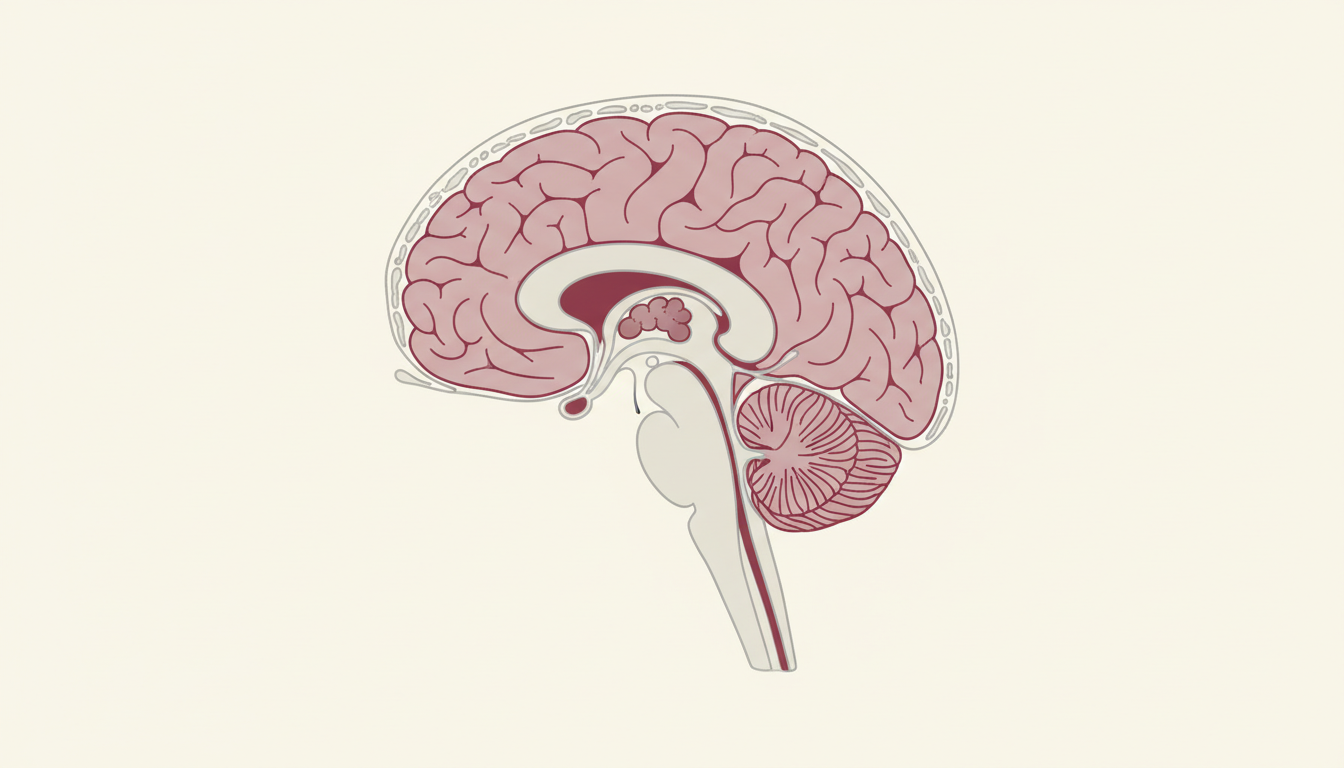
Once inside the nervous system, the bacterium provokes a chronic inflammatory response. The body's immune cells crowd into the meninges (the protective membranes around the brain and spinal cord) and into the small blood vessels that feed the brain. Over time that inflammation thickens vessel walls, narrows blood flow, and damages nerve tissue itself. The result depends on which structures take the brunt of the inflammation: meninges, cerebral arteries, brain parenchyma, or the dorsal columns of the spinal cord.
The progression looks roughly like this:
| Stage of Infection | Brain Involvement Risk | What Tends to Show Up |
|---|---|---|
| Primary syphilis (weeks 0 to 12) | Low, but spirochetes can already be found in CSF | Genital, oral, or anal chancre. Brain symptoms are uncommon at this stage. |
| Secondary syphilis (weeks 6 to 24) | Moderate | Body rash, mucous patches, swollen lymph nodes. Headaches, vision changes, and hearing changes can begin here as early neurosyphilis or ocular syphilis. |
| Latent syphilis (months to years) | High in late latent disease | Often no outward symptoms. Spirochetes can quietly persist in the CNS. |
| Tertiary / neurosyphilis (years untreated) | Very high | General paresis (cognitive decline, personality change, dementia), tabes dorsalis (nerve damage, gait problems), stroke-like episodes, seizures. |
The Four Recognized Forms of Neurosyphilis
Clinicians categorize neurosyphilis into four overlapping forms based on which part of the nervous system bears the damage. A single patient can have features of more than one. The NIH National Institute of Neurological Disorders and Stroke describes them this way.
Asymptomatic neurosyphilis. The bacterium is present in cerebrospinal fluid and provokes detectable abnormalities (raised white-cell count, elevated protein, positive treponemal serology), but the patient has no neurologic complaints. This form is detected only when a clinician orders a lumbar puncture, usually because the patient already has confirmed syphilis and is being staged.
Meningovascular neurosyphilis. Inflammation focuses on the meninges and the cerebral blood vessels. Narrowed arteries can clot or spasm, producing stroke-like episodes: sudden weakness on one side of the body, difficulty speaking, visual loss in one eye, or seizures. It can present in patients in their 30s and 40s, far younger than the typical age for atherosclerotic stroke.
General paresis (parenchymatous neurosyphilis). The brain tissue itself, particularly the frontal and temporal lobes, is gradually destroyed. Patients show progressive cognitive decline, personality change, mood lability, impaired judgment, tremor, and (in advanced cases) dementia and psychosis. Before penicillin, general paresis was a leading cause of admission to psychiatric hospitals.
Tabes dorsalis. The dorsal columns of the spinal cord are damaged, causing loss of position sense, an unsteady wide-based gait, lightning-like pains in the legs or trunk, loss of deep tendon reflexes, and bladder dysfunction. Tabes dorsalis typically appears 15 to 20 years after the initial infection.
Two related conditions, ocular syphilis and otosyphilis, often travel with neurosyphilis. Ocular syphilis can present as blurred vision, light sensitivity, or sudden vision loss. Otosyphilis can present as hearing loss, ringing in the ears, or vertigo. Either can appear early in the disease course.
| Form | Key Feature | Typical Onset |
|---|---|---|
| Asymptomatic neurosyphilis | No outward symptoms; CSF abnormalities only, found on lumbar puncture | Any time after CNS invasion (weeks onward) |
| Meningovascular neurosyphilis | Stroke-like episodes from inflamed cerebral arteries; seizures | 1 to 10 years after infection |
| General paresis (parenchymatous) | Progressive cognitive decline, personality change, dementia, psychosis | 10 to 25 years after infection |
| Tabes dorsalis | Spinal-cord damage: gait ataxia, lightning leg pains, bladder dysfunction | 15 to 20 years after infection |
The Symptoms That Get Mistaken for Something Else
Neurosyphilis is sometimes called "the great imitator" because its early symptoms overlap with depression, anxiety disorders, multiple sclerosis, age-related cognitive decline, migraine, and adult ADHD. People in their 30s and 40s rarely think "syphilis" when their concentration drifts or they get unfamiliar headaches, so the diagnosis is often missed at first contact with primary care, optometry, or mental health services.
The most common neurologic and psychiatric features:
| Symptom | What It Tends to Feel Like | When in the Course It Appears |
|---|---|---|
| Headache | Persistent dull pressure, often behind the eyes or at the base of the skull, sometimes with neck stiffness | Can begin in secondary syphilis (months in), or later |
| Vision changes | Blurred or double vision, light sensitivity, sudden loss of vision in one eye | Ocular syphilis can be an early sign, even within months of infection |
| Hearing changes | New tinnitus, sudden hearing loss, vertigo | Otosyphilis can appear early or late |
| Mood and personality shifts | Irritability, paranoia, social withdrawal, impulsivity, mood lability | Often misread as depression, bipolar disorder, or burnout |
| Memory and cognitive problems | Forgetting recent conversations, repeating questions, slowed problem-solving | Later-course finding; progresses subtly |
| Stroke-like episodes | Sudden one-sided weakness, slurred speech, transient blindness, seizures | Hallmark of meningovascular form, can occur within the first one to ten years |
| Gait and coordination problems | Wide-based unsteady gait, tremor, lightning-like leg pains | Late finding, classic for tabes dorsalis |
How Soon After Exposure Does Brain Involvement Begin?
There is no single timeline, but the WHO and NIH note that the spirochete can reach the nervous system within weeks of infection. What varies is how quickly that invasion produces symptoms. In immunocompromised patients (especially those with untreated HIV), early neurosyphilis and ocular syphilis can appear within the first few months. In people with intact immune function, brain symptoms may not appear for years, and some people never develop neurosyphilis at all.
A simplified timeline of what tends to be happening at each interval:
| Time Since Exposure | What May Be Happening in the Nervous System |
|---|---|
| 0 to 3 weeks | Primary stage. Chancre develops at site of infection. CNS invasion possible but symptoms rare. |
| 6 weeks to 6 months | Secondary stage. Body rash and other systemic signs. Early neurosyphilis (headaches, ocular syphilis, otosyphilis) can begin. |
| 6 months to several years | Latent stage. Often no symptoms. CSF abnormalities may persist. |
| 1 to 10+ years | Risk of meningovascular neurosyphilis (stroke-like episodes), early general paresis, ocular complications. |
| 10 to 30 years | Late tertiary disease. General paresis (dementia), tabes dorsalis, gummatous lesions. |
How Doctors Confirm Neurosyphilis
A diagnosis of neurosyphilis is built from three layers of evidence: serology (blood tests), cerebrospinal fluid analysis (lumbar puncture), and clinical features. None of those alone is enough, which is why workup is staged.
Step 1: Blood antibody testing. A reactive treponemal test (such as a TP-PA or rapid lateral-flow antibody test) plus a non-treponemal test (RPR or VDRL) confirms exposure to Treponema pallidum. These tests do not, on their own, tell a clinician whether the infection has reached the nervous system, but they establish that syphilis is present.
Step 2: Cerebrospinal fluid analysis. If a patient has neurologic, ocular, or otologic symptoms, or has been diagnosed with syphilis and is at high risk for CNS involvement (for example, untreated HIV with low CD4 count), a lumbar puncture is performed. CSF is analyzed for elevated white blood cell count, elevated protein, and a reactive CSF VDRL. A reactive CSF VDRL is highly specific for neurosyphilis. The CSF FTA-ABS is more sensitive but less specific.
Step 3: Imaging when indicated. MRI or CT can show meningeal enhancement, cerebral infarcts in the meningovascular form, or atrophy of the frontal and temporal lobes in late general paresis. Imaging supports the diagnosis but is not used to make it.
Treatment: What Recovery Actually Looks Like
The standard treatment for neurosyphilis is intravenous aqueous crystalline penicillin G, 18 to 24 million units per day, given as 3 to 4 million units every 4 hours (or as a continuous infusion) for 10 to 14 days, per the CDC Sexually Transmitted Infections Treatment Guidelines, 2021. The same regimen is recommended for all forms of neurosyphilis, ocular syphilis, and otosyphilis. An alternative regimen for patients who can manage outpatient injections is procaine penicillin plus oral probenecid, also for 10 to 14 days. Patients with documented penicillin allergy are usually desensitized so they can still receive penicillin, because alternatives have weaker evidence in the CNS.
What recovery looks like depends on what damage was already present.
Recovery by Form of Neurosyphilis
- Asymptomatic and early neurosyphilis (caught before structural damage): excellent prognosis. CSF abnormalities normalize over months and most patients have no lasting deficits.
- Meningovascular neurosyphilis caught after a stroke: the active infection is cured, but neurologic deficits from the stroke itself may persist depending on the brain region involved.
- General paresis: progression usually halts and some symptoms improve, but cognitive recovery is often partial. The earlier treatment starts, the more brain function is preserved.
- Tabes dorsalis: gait and sensory abnormalities often persist after treatment because dorsal-column nerve damage is largely irreversible.
Follow-Up After Treatment
Follow-up serology (typically RPR titers) is checked at 6, 12, and 24 months to confirm the antibiotic response. A repeat lumbar puncture at 6 months is recommended in some cases to confirm CSF normalization. Falling RPR titers and resolving CSF abnormalities are the markers clinicians use to declare the infection cleared.
The Jarisch-Herxheimer reaction (a brief flu-like illness with fever, chills, and headache in the first 24 hours of treatment) is common when penicillin first kills the spirochetes en masse. It is uncomfortable but expected, and is managed supportively with hydration, antipyretics, and observation. It is not an allergic reaction and is not a reason to stop treatment.
Who Is Most at Risk for Brain Involvement
Anyone with untreated syphilis can develop neurosyphilis, but several groups carry meaningfully higher risk according to CDC surveillance data:
- People living with HIV, particularly those with detectable viral loads or CD4 counts below 350. HIV co-infection is the single largest risk factor for early and aggressive neurosyphilis.
- Men who have sex with men. Syphilis incidence in this group has risen sharply since the early 2000s, and a substantial share of recent neurosyphilis case reports are in this population.
- People with previously treated syphilis whose serologic response was inadequate, suggesting persistent infection.
- Pregnant patients with untreated syphilis. The risk extends to the fetus through congenital syphilis, which can include CNS damage in newborns.
- People who have had multiple new partners in the past year, especially without consistent condom use, and who have not been screened.
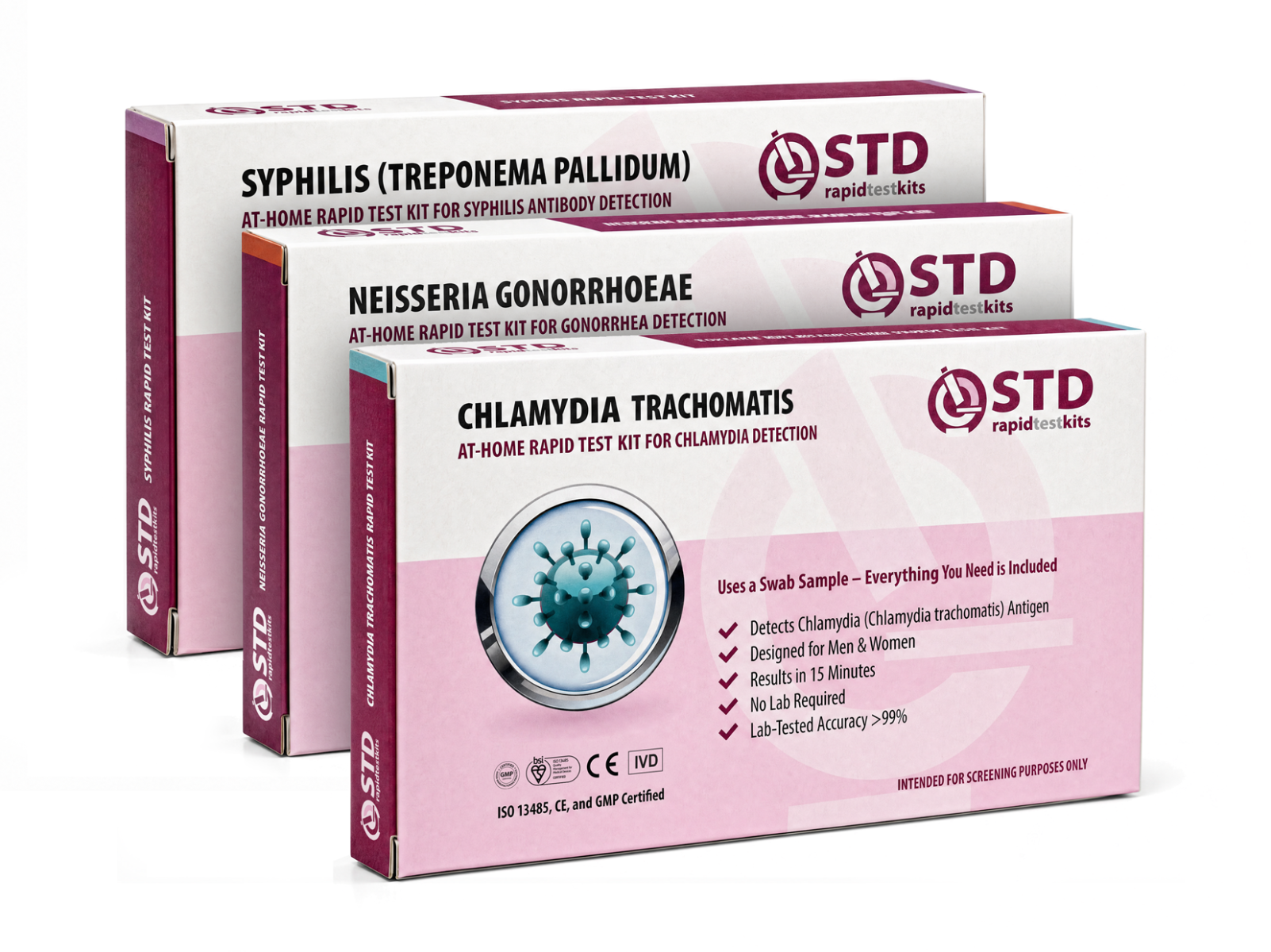
Anyone in those groups should ask a clinician about routine syphilis screening on a yearly cadence, more often if there are new partners or symptoms. The CDC recommends at least annual syphilis screening for sexually active men who have sex with men and for people living with HIV. For readers who have not had a baseline STI screen recently, a broad-spectrum panel that bundles syphilis with the other commonly co-occurring infections is often the most efficient first step.
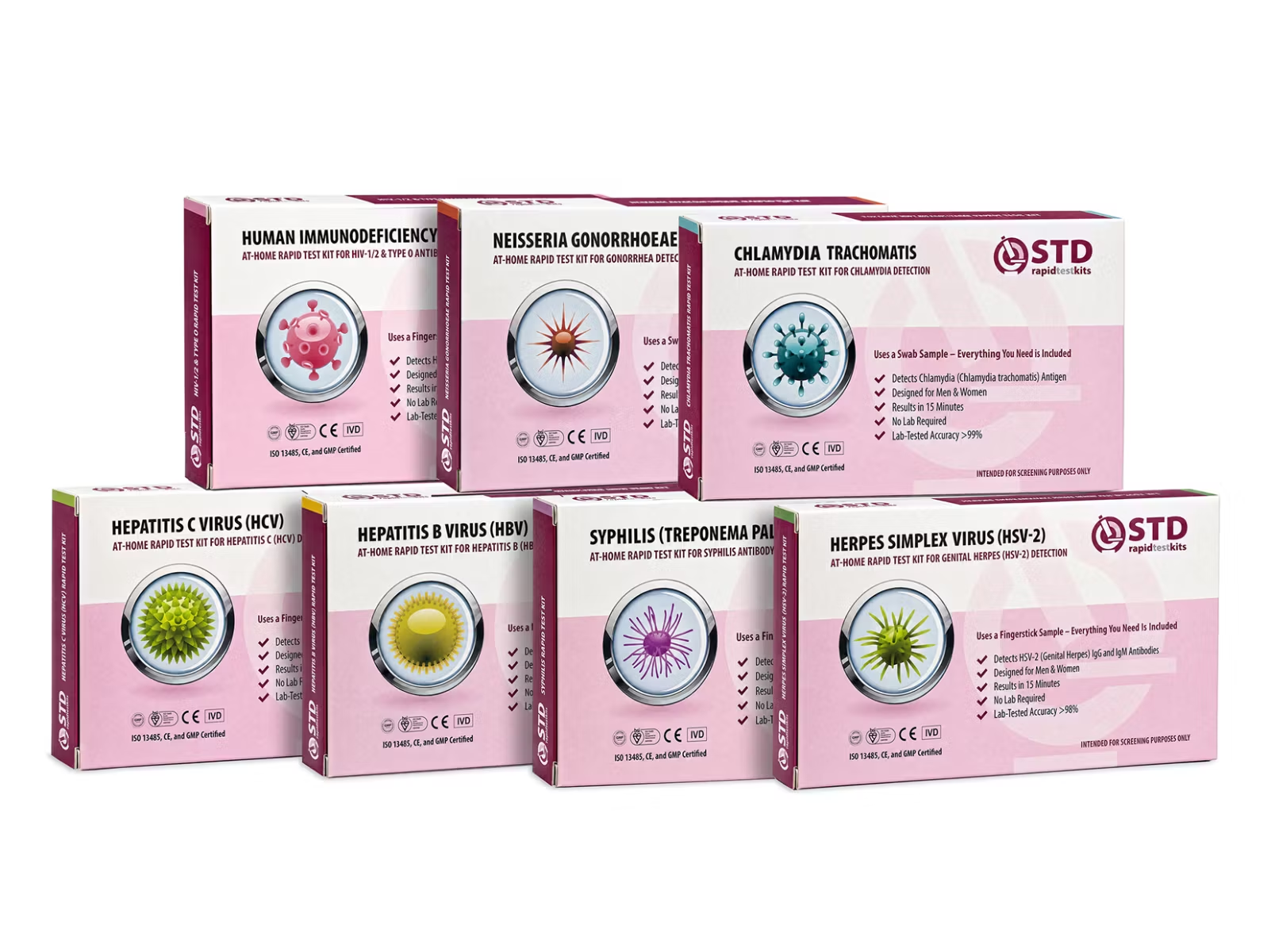
This article is published by stdrapidtestkits.com, which sells at-home STI testing kits. We recommend products based on fit-for-purpose for the reader's concern, not commercial benefit. Our rapid syphilis test is a fingerstick lateral-flow antibody screen and is not a substitute for laboratory NAAT confirmation or, where indicated, a lumbar puncture.
Where At-Home Rapid Testing Fits
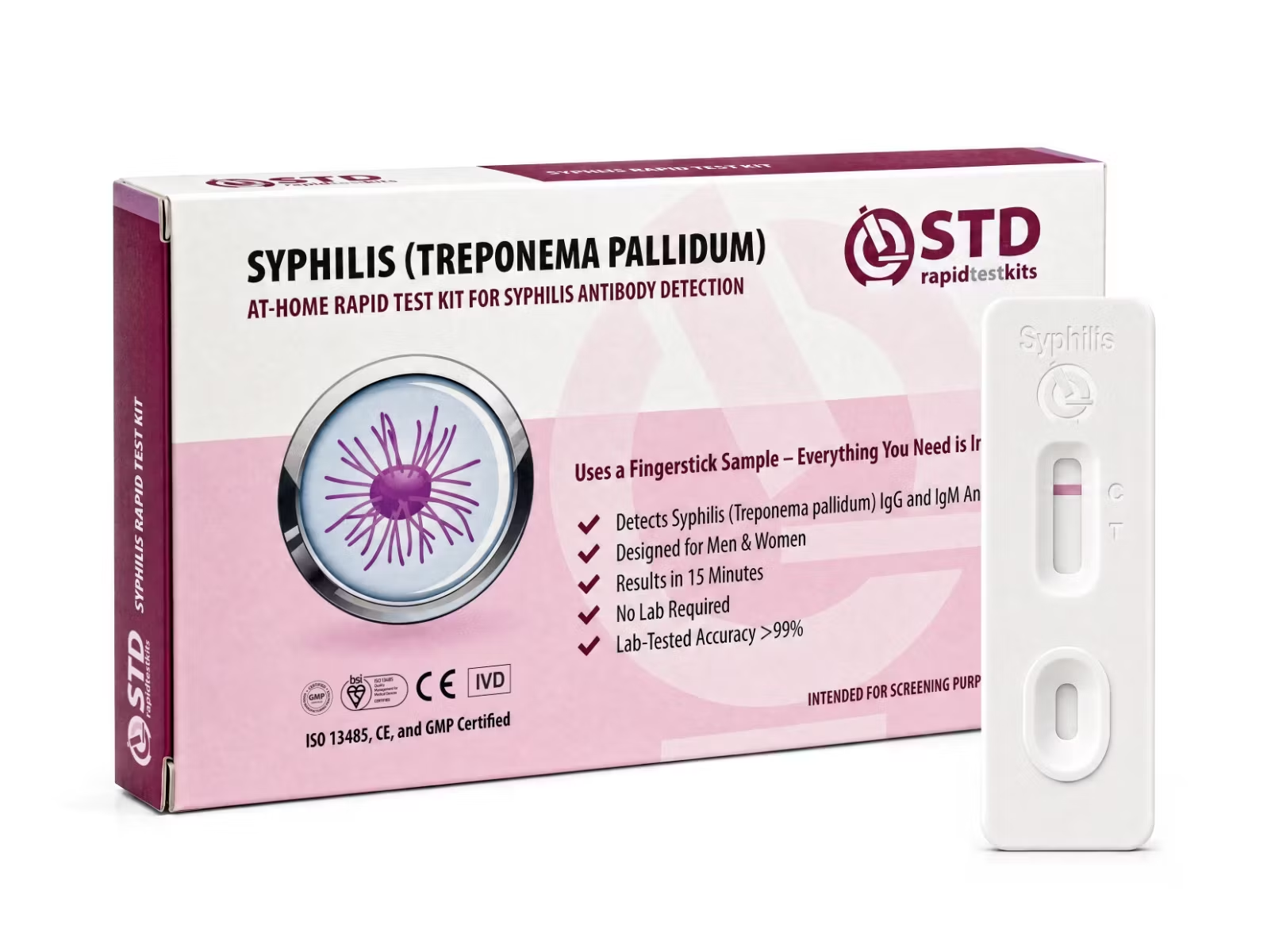
Our at-home syphilis kit is a lateral-flow immunoassay performed on a fingerstick blood sample. It detects antibodies the immune system makes in response to Treponema pallidum. A reactive result means past or current exposure to syphilis and warrants follow-up at a clinic for a confirmatory non-treponemal test (RPR or VDRL) and staging. A non-reactive result, taken at least 6 to 12 weeks after the last possible exposure, is a reasonable screen.
What the rapid kit does well: it removes friction from the first step. People who would otherwise put off a clinic visit can confirm whether antibodies are present in 15 minutes at home. That earlier signal is what makes the difference between catching syphilis in primary or secondary stages (when a single penicillin injection cures it) versus catching it after the bacterium has had years to settle into the nervous system.
What the rapid kit does not do: it does not tell you whether the infection has reached the central nervous system. That question requires a clinician-administered lumbar puncture and CSF analysis. If you have any neurologic symptoms (new headaches, vision or hearing changes, mood or memory changes that are out of character), see a clinician for in-person evaluation regardless of what a home antibody test shows.
Untreated syphilis can lead to neurologic, ocular, and otologic complications. Persons with neurosyphilis can be asymptomatic or have signs or symptoms involving the central nervous system at any stage of infection.
Talking to a Partner About Possible Exposure
Partner notification is part of standard public-health guidance for any reportable STI, syphilis included. Most U.S. state and county health departments offer anonymous partner notification: a counselor contacts the named partner without revealing who provided the name, and offers testing. That option exists specifically to lower the social cost of a difficult conversation.
If you prefer to tell a partner directly, the most useful framing is short and factual rather than apologetic. Two examples:
- Before testing: "I want to be straightforward. I'm getting screened for syphilis this week because [reason]. Wanted to let you know in case you want to test too."
- After a positive result: "I tested positive for syphilis and I've started treatment. The recommendation is that you also get tested. Most cases are curable and the treatment is short."
The medical reality on the receiving end is also worth knowing: a single intramuscular dose of benzathine penicillin G cures primary, secondary, and early latent syphilis in most adults. The treatment is short, the cure rate is high, and confidentiality protections under U.S. law are strong.
Most U.S. state and county health departments run anonymous partner-notification programs. A trained counselor reaches out to the named partner, offers testing, and never identifies who provided the name. If a direct conversation feels too costly, this service exists precisely to make sure the partner still gets the chance to test and treat.
Frequently Asked Questions
- Can syphilis really cause brain damage?
- Yes. When syphilis is left untreated, the bacterium Treponema pallidum can cross into the brain, spinal cord, eyes, and inner ear. The resulting condition is called neurosyphilis, and it can produce headaches, vision and hearing changes, stroke-like episodes, mood and personality shifts, memory loss, and (in late untreated cases) dementia.
- How long does it take for syphilis to reach the brain?
- There is no fixed countdown. The bacterium can be present in cerebrospinal fluid within weeks of infection, but symptoms most often appear after months to years of untreated disease. People living with HIV can develop neurosyphilis earlier and more aggressively. Some people never develop neurosyphilis at all, but the only way to know is to test.
- What does early neurosyphilis feel like?
- Early symptoms are often mild and easily mistaken for something else: dull persistent headaches, blurred or double vision, new ringing in the ears, mood swings or irritability that feel out of character, mild memory slips. Because the symptoms imitate depression, migraine, anxiety, or early dementia, the diagnosis is often missed until later.
- If neurosyphilis is treated, do the symptoms go away?
- It depends on what damage has already happened. Symptoms from active inflammation (headaches, recent mood changes, ocular inflammation) often improve substantially after antibiotic treatment. Damage from completed events (a stroke, dorsal-column nerve damage in tabes dorsalis, advanced dementia in general paresis) may be only partially reversible. Earlier treatment gives a much better outcome.
- What test confirms neurosyphilis?
- Diagnosis requires both a positive syphilis blood test (treponemal plus non-treponemal) and a lumbar puncture analyzing cerebrospinal fluid for elevated white cells, elevated protein, and a reactive CSF VDRL. Imaging (MRI or CT) supports the diagnosis but does not make it on its own.
- Do I need to be tested if I have no symptoms?
- Yes, particularly if you are sexually active with new partners, are a man who has sex with men, are living with HIV, are pregnant, or have ever had a previous STI. The CDC recommends at least annual syphilis screening in those groups. Many people with syphilis have no symptoms in primary or secondary stages, which is exactly when treatment is simplest and cure rates are highest.
- Is the at-home rapid test enough on its own?
- It is a screen, not a diagnosis. A reactive at-home antibody test should be confirmed at a clinic with a non-treponemal test (RPR or VDRL) and clinical staging. If you have any neurologic, ocular, or hearing symptoms, see a clinician in person regardless of what the home test shows. The home test answers "have I been exposed?"; it does not answer "has the infection reached my nervous system?"
- Will my employer or insurer find out if I test positive?
- An at-home test result is not reported to insurers or employers. Clinic testing in the U.S. is protected by federal medical privacy law. Public-health partner-notification programs are anonymous on the patient's side: a counselor contacts named partners without identifying the source. Practical privacy is strong, even though the conversation can feel exposing.
- U.S. Centers for Disease Control and Prevention. About Syphilis: stages, transmission, screening recommendations, and complications.
- U.S. Centers for Disease Control and Prevention. Neurosyphilis, Ocular Syphilis, and Otosyphilis: clinical guidance for healthcare professionals.
- U.S. Centers for Disease Control and Prevention. Sexually Transmitted Infections Treatment Guidelines, 2021: authoritative source for IV penicillin regimens, CSF testing recommendations, and follow-up cadence.
- National Institute of Neurological Disorders and Stroke (NIH). Neurosyphilis: definition, four clinical forms (asymptomatic, meningovascular, general paresis, tabes dorsalis), diagnosis, and prognosis.
- Mayo Clinic. Syphilis (root topic page): symptoms, causes, stages of infection, diagnosis, and treatment overview.
- World Health Organization. Syphilis fact sheet: global incidence, transmission, and the role of screening in prevention.
