
Published: October 2025 | Last updated: April 2026 | Editorial review and quality control: Martina N.
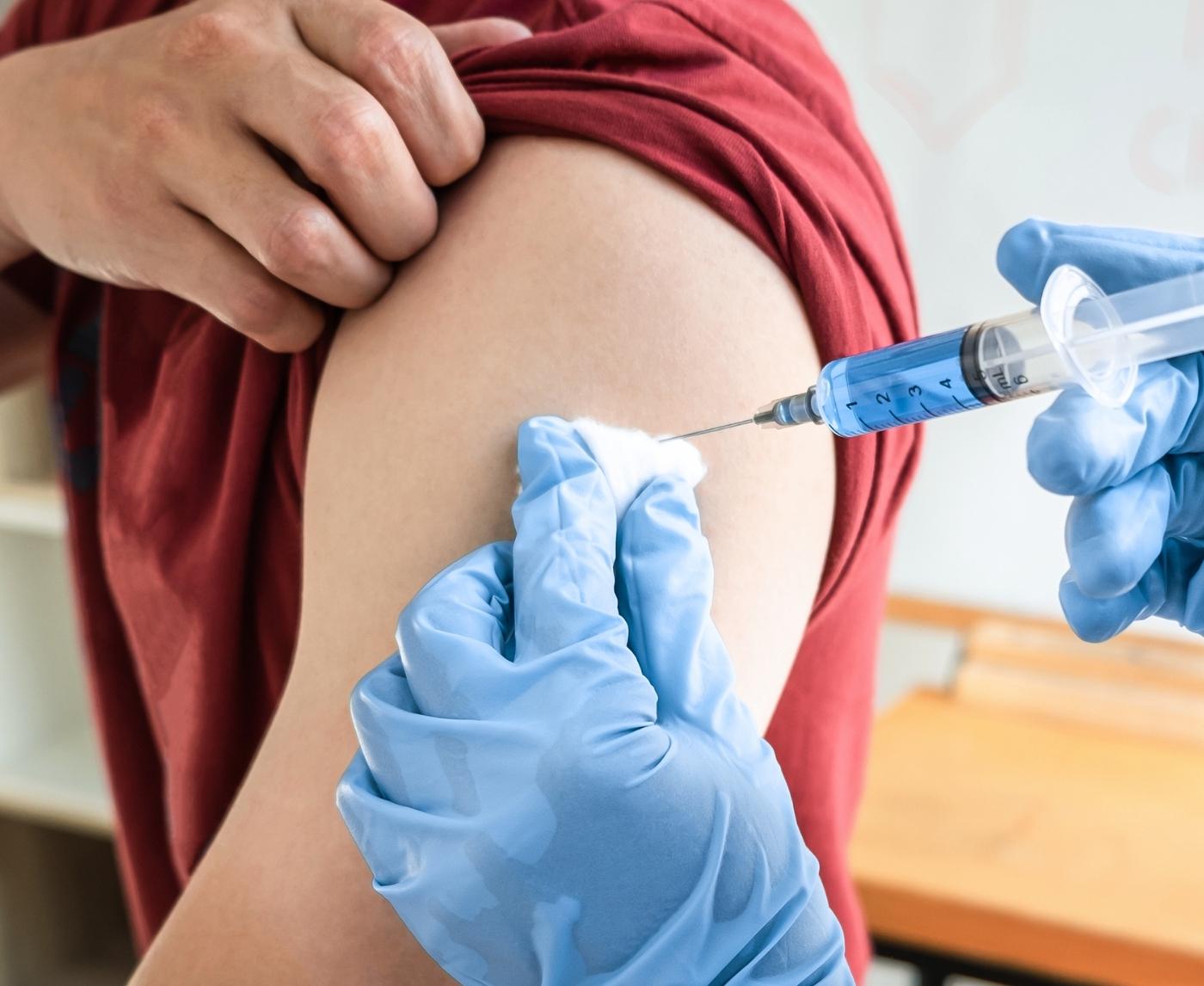
Vaccines have changed the math on two sexually transmitted infections. Cervical-cancer rates in women born after the HPV vaccine became routine are falling sharply, and chronic hepatitis B infection has dropped to historic lows in countries with universal infant immunization. For those two diseases, the most reliable way to avoid the long-term complications is to never get infected, and a vaccine handles that for you.
The remaining sexually transmitted infections still need a different toolkit. Chlamydia, gonorrhea, trichomoniasis, syphilis, HIV, and herpes account for the bulk of new diagnoses each year, and there is no licensed vaccine for any of them. For those, prevention runs on barrier protection, partner discussion, and regular testing so you catch infections early enough to treat them before they cause damage.
This guide explains exactly which sexually transmitted infections have vaccines today, how well those vaccines work, what gaps remain, and where at-home testing fits into a complete sexual-health plan. Stdrapidtestkits.com sells home rapid-test kits, so you will see product mentions where testing genuinely helps; we recommend tests based on fit-for-purpose for what you are worried about, not commercial benefit.
Which STDs can I prevent with a vaccine?
Two of the common ones: HPV and hepatitis B. The HPV vaccine prevents the cancer-causing strains responsible for nearly all cervical cancer and most anal, vaginal, and oropharyngeal cancers. The hepatitis B vaccine prevents chronic infection in more than 90% of immunized adults. For chlamydia, gonorrhea, syphilis, HIV, herpes, and trichomoniasis, regular testing remains the best early-detection tool because no licensed vaccine exists yet.
Key Takeaways
- Only two common STIs have a licensed vaccine today: HPV and hepatitis B. Both are highly effective at preventing the long-term complications that make those infections dangerous.
- The other common STIs (chlamydia, gonorrhea, syphilis, HIV, herpes, trichomoniasis) have no vaccine, so regular testing is the only reliable way to catch them early and prevent transmission.
Which STDs have vaccines available today?
Two licensed vaccines protect against sexually transmitted viruses. Both have been in routine use long enough that we now have decades of real-world effectiveness data, not just pre-licensure trial estimates.
The HPV vaccine targets human papillomavirus, the virus that causes nearly all cervical cancers and a substantial share of anal, vulvar, vaginal, penile, and oropharyngeal cancers. The current 9-valent vaccine (Gardasil 9) covers nine HPV types, including the two highest-risk cancer-causing strains (16 and 18) and the two strains responsible for most genital warts (6 and 11). The CDC recommends routine vaccination at age 11 to 12, with catch-up vaccination through age 26 for anyone not previously vaccinated. Through age 45, it is available under shared clinical decision-making, meaning your provider helps weigh whether starting the series later is likely to benefit you given your specific exposure history.
The hepatitis B vaccine prevents infection with the hepatitis B virus, which spreads through blood, semen, and other body fluids during unprotected sex, sharing needles, or perinatally from mother to infant. In adults who acquire hepatitis B, around 5% develop chronic infection that can lead to cirrhosis or liver cancer; in infants, that figure is closer to 90%. The CDC now recommends the vaccine universally for all adults aged 19 to 59 years, plus older adults with risk factors. Three doses across six months produce protective antibody levels in more than 90% of healthy adults.
What about other vaccine-preventable infections you have heard mentioned alongside sexual health? Hepatitis A vaccine is sometimes recommended for men who have sex with men because hepatitis A can spread through oral-anal contact, but hepatitis A is a foodborne and fecal-oral virus first, not a primary STI. Mpox vaccine (JYNNEOS) became important during the 2022 to 2023 outbreak because mpox transmitted heavily through sexual networks; it remains recommended for higher-risk groups but is not in the routine adolescent schedule. Neither replaces an HPV or hepatitis B vaccination conversation with your provider.
HPV vaccine (Gardasil 9): covers nine HPV types, including the strains responsible for most cervical cancers and most genital warts. Routine at age 11 to 12, catch-up through 26, shared clinical decision-making through 45.
Hepatitis B vaccine: three-dose series across six months, more than 90% protective antibody levels in healthy adults. Now universally recommended for all adults aged 19 to 59.
How effective are the HPV and hepatitis B vaccines?
The numbers behind these two vaccines are unusually strong for any type of vaccine, partly because the viruses involved have stable surface proteins that do not mutate quickly the way influenza does.
For HPV, post-licensure surveillance data published by the CDC shows infection rates with vaccine-targeted HPV types have fallen sharply in vaccinated cohorts since the vaccine was introduced. Real-world cervical cancer-precursor rates (the precancerous cell changes that show up on Pap and HPV co-tests) have followed the same downward trend, and recent surveillance from the United Kingdom recorded the first cohort of women who received the vaccine at age 12 or 13 with essentially zero diagnosed cervical cancers in their twenties.
For hepatitis B, three doses produce protective antibody levels in more than 90% of healthy adults. Among infants who receive the full series, protection rates reach what the WHO Hepatitis B fact sheet describes as nearly 100% protection, and that protection appears to last for at least 20 years and probably for life. Countries that introduced universal infant hepatitis B vaccination have seen chronic-carrier rates fall sharply in vaccinated cohorts, and the WHO global hepatitis program tracks those trends as one of the clearest vaccine success stories of recent decades.
Where the numbers come with caveats:
- HPV vaccine works best before exposure. The vaccine produces antibodies that prevent the targeted HPV types from establishing infection. If you have already been infected with one of the targeted types, the vaccine cannot clear that existing infection. It can still protect you against the other types you have not yet been exposed to, which is why catch-up vaccination through age 26 (and shared decision-making through age 45) is still considered useful.
- Vaccinated people still need cervical screening. The HPV vaccine covers most but not all cancer-causing HPV types. Women aged 21 to 29 should continue with Pap smears every three years; women aged 30 to 65 with HPV co-testing every five years. The vaccine reduces your risk substantially; it does not zero it out.
- A small share of people do not seroconvert from the hepatitis B series. A minority of healthy adults do not develop protective antibody levels after the standard three-dose series. People at higher risk (immunocompromised, on dialysis, healthcare workers with documented exposure) often have post-vaccination antibody testing and may receive a booster series.
The STIs you cannot vaccinate against (yet)
The list of common sexually transmitted infections without a licensed vaccine is longer than the vaccinated list:
- Chlamydia: the most-reported bacterial STI in the United States. The CDC records over a million new diagnoses each year, and untreated chlamydia is the leading preventable cause of female infertility from pelvic inflammatory disease.
- Gonorrhea: second-most-reported bacterial STI, and the one we worry most about for antibiotic resistance. Strains resistant to multiple antibiotic classes have been documented globally, and a vaccine candidate using meningococcal-B antigens has shown partial cross-protection in observational studies but no licensed product yet.
- Syphilis: bacterial infection with rapidly rising rates over the past decade, particularly congenital syphilis in newborns. There is no vaccine; the infection is treatable with penicillin in early stages.
- HIV: decades of vaccine research with several promising candidates that ultimately failed late-stage trials. Pre-exposure prophylaxis (PrEP) with daily oral medication or long-acting injectable cabotegravir is the closest current substitute for vaccine-level protection.
- Herpes (HSV-1 and HSV-2): multiple vaccine candidates over the past 20 years have failed to meet efficacy endpoints. Several therapeutic and preventive candidates are in current trials.
- Trichomoniasis: responsible for an estimated 156 million new infections annually per WHO, with no licensed vaccine; treatment is a single dose of metronidazole.
For all six, the prevention triad is the same: barrier protection during sex, regular testing on a schedule that matches your exposure pattern, and prompt treatment for both partners when something turns up positive. None of those steps is dramatic. All of them work.
Notice what is true about most of this list: when caught early, the bacterial and parasitic infections are curable in days with standard antibiotics. The viral ones (HIV and herpes) are not curable but are now manageable to the point that someone with HIV on effective treatment cannot sexually transmit it (the U=U principle, undetectable equals untransmittable, backed by years of CDC and WHO data).
Someone living with HIV who takes effective antiretroviral therapy and maintains an undetectable viral load cannot sexually transmit the virus to partners. The CDC and WHO both endorse this principle, which is one of the strongest reasons regular HIV testing and prompt treatment matter so much for people without a vaccine option.
Why testing still matters even if you are fully vaccinated
The HPV and hepatitis B vaccines do exactly what they are licensed to do: prevent infection with the specific virus types they target. They do not protect against the rest of the STI list, and they do not tell you whether you have already been exposed to either virus before being vaccinated.
Three reasons regular testing matters even when your vaccination record is up to date:
- Most early infections are silent. Most chlamydia and gonorrhea infections cause no symptoms in the first weeks. Syphilis can sit silently in its primary and latent stages, then emerge with neurological or cardiovascular complications years later. HIV typically produces a brief flu-like illness around 2 to 4 weeks after infection that is easy to dismiss as something else, then no symptoms at all for years while the virus damages the immune system. The only way to know is to test.
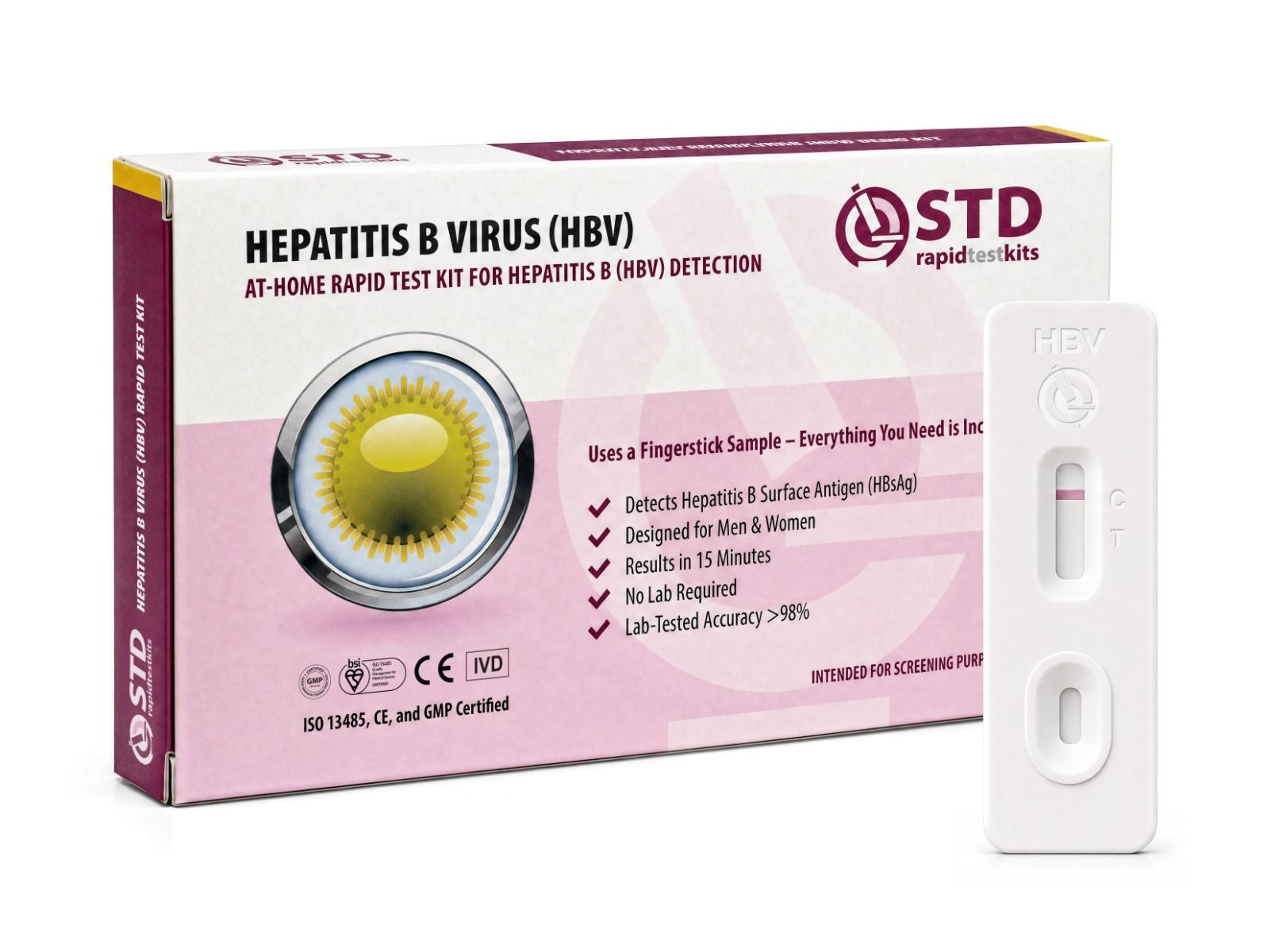
- You may have been exposed to HPV or hepatitis B before vaccination. Adults vaccinated through catch-up programs may already carry one of the targeted strains. The vaccine cannot retroactively clear an established infection. For HPV, that means continuing routine cervical screening as recommended. For hepatitis B, a one-time blood test sorts you into one of three states: active infection (HBsAg positive, the surface-antigen marker showing the virus is currently in your system), past resolved infection (anti-HBc positive but HBsAg negative, meaning core-antibody evidence of a natural exposure that has cleared), or vaccine-induced immunity (anti-HBs positive only, meaning surface-antibody evidence of vaccine protection with no past or current infection).
- Partners and exposure events change the math. A new sexual partner, a partner with a recently diagnosed infection, or condomless sex outside an established monogamous relationship are all reasons to test even if your last test was negative and your vaccinations are current. The vaccine handles HPV and hepatitis B; the rest of your sexual-health risk profile depends on what has been happening recently.
What does a sensible testing schedule look like? The CDC recommends annual chlamydia and gonorrhea screening for all sexually active women under 25 and for older women with risk factors. Annual HIV testing is recommended for everyone aged 13 to 64 as part of routine care, with more frequent testing for higher-risk groups. Syphilis screening is recommended at least annually for sexually active men who have sex with men and for pregnant women at the first prenatal visit. After any condomless encounter with a new or untested partner, screening 2 to 4 weeks later picks up most bacterial STIs. The HIV testing window depends on test type. Per CDC HIV testing guidance, lab-based fourth-generation antigen/antibody tests detect most infections 18 to 45 days after exposure, while at-home rapid antigen/antibody fingerstick tests may require up to 90 days for a reliable result.
Most people with chlamydia or gonorrhea have no symptoms. Routine screening is the only way to detect these infections, prevent complications, and stop ongoing transmission.
What is coming next: STI vaccines in clinical trials
Several candidate vaccines are at different stages of human trials right now. None has crossed the finish line, but the pipeline is the most active it has been in 20 years.
Gonorrhea. Observational data suggested that the meningococcal-B vaccine (4CMenB), used to prevent meningococcal disease, also offered partial protection against Neisseria gonorrhoeae because the two bacteria share surface proteins. That observation has driven multiple Phase 2 and Phase 3 trials of 4CMenB and a tailored gonococcal vaccine candidate. If a licensed product emerges, it would be the first new STI vaccine since hepatitis B and would matter most as a tool against multidrug-resistant strains where treatment options are running out.
Herpes (HSV-2). Several candidates are in Phase 1 and Phase 2 trials. Some target therapeutic use (reducing outbreak frequency in already-infected people), others target preventive use. Past candidates have repeatedly failed efficacy endpoints, so optimism here is cautious.
HIV. The most recent large preventive HIV vaccine trial, Mosaico, ended in early 2023 after an interim analysis showed no efficacy. mRNA-based candidates building on the COVID-19 vaccine platform are now in early human trials. Long-acting injectable PrEP (cabotegravir, lenacapavir) has effectively become the field's vaccine substitute while the actual vaccine work continues.
Chlamydia and syphilis. Both are in earlier preclinical or early clinical research. A Danish chlamydia vaccine candidate (CTH522) completed a Phase 1 trial showing acceptable safety and immunogenicity; further trials are ongoing.
None of these will be available at your pharmacy this year. The realistic horizon for the most advanced candidate (gonorrhea) is several years out at minimum, and that assumes Phase 3 results support licensure.
| Target STI | Lead Candidate | Current Phase | Realistic Outlook |
|---|---|---|---|
| Gonorrhea | 4CMenB (meningococcal-B cross-protection) and tailored gonococcal candidates | Phase 2 and Phase 3 | Most likely near-term success; partial protection only |
| Herpes (HSV-2) | Multiple preventive and therapeutic candidates | Phase 1 and Phase 2 | Cautious; past candidates failed efficacy endpoints |
| HIV | mRNA-based candidates after the failed Mosaico trial | Early Phase 1 | Long-acting injectable PrEP is filling the gap meanwhile |
| Chlamydia | CTH522 (Danish candidate) | Phase 1 complete; further trials ongoing | Years away from any licensure decision |
Combining vaccines and testing: a practical plan
Putting all of this together, here is what an actually-doable sexual-health plan looks like for most adults under 45. Start with vaccination status, then build a testing rhythm that fits your relationships and exposure pattern, and finish with fast treatment plus partner notification when something turns up positive.
Vaccines handle two infections in advance, testing handles the rest in real time, and the combination puts you in a position where sexual-health risk is something you actively manage rather than worry about.
Your 5-step sexual-health plan
- Step 1, confirm vaccination status: look up immunization records or ask your provider; complete or catch up the HPV series through age 45 and the hepatitis B series for any adult under 60.
- Step 2, set a testing baseline: if you have never been tested, screen now for chlamydia, gonorrhea, syphilis, HIV, hepatitis B, and hepatitis C. Confirm any positive home result with a lab test.
- Step 3, test on a recurring schedule: annual chlamydia and gonorrhea screening for sexually active women under 25 and higher-risk groups, annual HIV for everyone aged 13 to 64, and at least annual syphilis screening for higher-risk groups.
- Step 4, test after specific exposure events: a bacterial-STI screen 2 to 4 weeks after a worrying encounter, plus an HIV test on a window-period schedule that matches the test type you use.
- Step 5, treat fast and tell partners: bacterial STIs are curable in days with standard antibiotics, and partner notification prevents reinfection bouncing back to you after you have cleared it.

Frequently asked questions about STD vaccines and testing
- Which STDs have a licensed vaccine in the US right now?
- Two: HPV (Gardasil 9, covering nine HPV types) and hepatitis B (multiple manufacturers, three-dose series). Hepatitis A vaccine is sometimes recommended in sexual-health contexts because hepatitis A can transmit through oral-anal contact, but hepatitis A is primarily a foodborne and fecal-oral virus, not a primary STI. Mpox vaccine (JYNNEOS) is recommended for higher-risk groups but is not part of the routine adolescent immunization schedule.
- I am 35 and never got the HPV vaccine. Is it too late?
- No. The CDC recommends shared clinical decision-making for HPV vaccination through age 45, meaning your provider helps weigh whether starting the series late is likely to benefit you given your specific exposure history. The vaccine still prevents infection with HPV types you have not yet been exposed to. It does not clear infections you may already have, which is why continuing routine cervical screening is also important.
- If I am fully vaccinated for HPV and hepatitis B, do I still need STD testing?
- Yes. Vaccines for HPV and hepatitis B do nothing for chlamydia, gonorrhea, syphilis, HIV, herpes, or trichomoniasis. Most of those produce no symptoms in early stages, so testing is the only reliable way to detect them before complications develop. Annual screening is the CDC's standing recommendation for sexually active people in most age and risk groups.
- How do I know if my hepatitis B vaccine is still protecting me?
- Ask your healthcare provider for an anti-HBs blood test (the surface-antibody marker for vaccine-induced protection). Detectable levels confirm your vaccine is still working. Per WHO guidance, protection from a completed three-dose series lasts at least 20 years and probably for life, so booster doses are not routinely recommended for healthy adults. People at higher exposure risk (healthcare workers, immunocompromised people, those on dialysis) may have post-vaccination titer testing and revaccination if titers are low.
- How accurate are at-home rapid STD tests compared to lab tests?
- Home rapid lateral-flow tests are generally in the mid-to-high 90s for sensitivity and specificity for the infections they screen, when used inside the appropriate window period after exposure. Laboratory testing using nucleic-acid amplification (NAAT) is more sensitive and remains the gold standard for confirming a positive home result. Treat home rapid tests as an excellent screening layer that catches most infections quickly and privately, with lab testing as the confirmation step when something positive shows up.
- Are STI vaccines safe?
- Yes. The HPV and hepatitis B vaccines have safety records spanning hundreds of millions of doses globally over decades. Most reactions are mild and short-lived: arm soreness, mild fever, fatigue for a day or two. Serious adverse events are rare and have been monitored continuously by the CDC's Vaccine Safety Datalink and similar systems in other countries. Both vaccines are supported by the WHO, CDC, and major medical associations as routine immunizations.
- When should I expect a vaccine for herpes, gonorrhea, or HIV?
- Nobody knows for certain. Multiple candidates are in clinical trials right now, with the meningococcal-B vaccine (4CMenB) showing the most concrete near-term promise as a partial gonorrhea preventive. Herpes and HIV vaccine research has a long history of late-stage trial failures. The realistic horizon for the most advanced candidate is several years out, and that assumes ongoing trials succeed. Until then, regular testing remains the working protection against the un-vaccinable STIs.
- U.S. Centers for Disease Control and Prevention. HPV vaccination recommendations and post-licensure effectiveness data, including ACIP guidance through age 45.
- U.S. Centers for Disease Control and Prevention. Hepatitis B vaccination guidelines, including the universal adult recommendation and three-dose series effectiveness data.
- U.S. Centers for Disease Control and Prevention. Sexually Transmitted Infections Treatment Guidelines, including screening recommendations and asymptomatic-infection prevalence.
- World Health Organization. Sexually transmitted infections (STIs) fact sheet, including global prevalence estimates for chlamydia, gonorrhea, syphilis, and trichomoniasis (~156 million annual trichomoniasis infections).
- U.S. Centers for Disease Control and Prevention. HIV testing guidance, including window-period figures for lab-based fourth-generation antigen/antibody tests (18 to 45 days) and at-home rapid antigen/antibody fingerstick tests (up to 90 days).
- U.S. Centers for Disease Control and Prevention. HIV basics and the U=U (undetectable equals untransmittable) principle.
- World Health Organization. Hepatitis B fact sheet, including the durability statement that vaccine-induced protection lasts at least 20 years and probably for life and the 'nearly 100% protection' figure for the full vaccine series.
