Published: July 2025 | Last updated: May 2026 | Editorial review and quality control: Martina N.
An itch you can't quite explain. A bump that wasn't there last week. A burn the first time you pee in the morning. These are the body's quiet alarms, and they often show up days or weeks after sexual contact, long before most people would think to connect the two.
Most of the time, these signals turn out to be something benign. Yeast, ingrown hairs, friction, allergies, a urinary tract infection. But a meaningful share are also the earliest signs of a sexually transmitted infection, and the only reliable way to tell them apart is to test. This guide walks through the symptoms that come up most often in a sexual-health clinic, what each pattern can mean, and when it makes sense to stop guessing and check.
Key Takeaways
- Most genital itching, redness, and minor bumps are not STDs, but a handful of patterns (painful clusters of blisters, painless ulcers, foul or colored discharge, post-sex bleeding) are worth testing the same week they appear.
- Many STDs cause no symptoms at all. The CDC notes that chlamydia, gonorrhea, and HPV are commonly silent, which is why routine screening matters even when nothing feels wrong.
Itching, bumps, and other early skin changes
Genital itching has plenty of harmless causes: yeast, soap, sweat, shaving, lubricant, even tight clothing. The version worth paying attention to is itching that has no obvious trigger and lasts more than a few days. Four sexually transmitted causes show up most often:
- Genital herpes (HSV-2 or HSV-1). Outbreaks frequently start with a tingling or burning sensation a day or two before any blister appears.
- Pubic lice. Intense itching at the base of the pubic hair, sometimes worse at night, often with visible nits or specks.
- Trichomoniasis. A frothy, foul-smelling discharge with vulvar itching is the classic presentation in women; many men carry it without symptoms.
- Chlamydia or gonorrhea. Mild internal itching or burning at the urethra can be the only outward clue, especially in early infection.
If the itch persists, comes with discharge or odor, or spreads outside the genital area, it is worth testing. Yeast and an STD can coexist, so an over-the-counter antifungal that helps a little but never fully resolves the symptom is itself a hint to dig deeper.
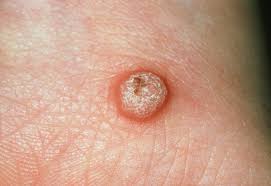
Bumps add another layer. Pimples, ingrown hairs, and razor burn tend to be solitary, firm, and painless, with a visible curled hair or a white head. Bumps that hurt, tingle, appear in clusters, break open, or arrive with flu-like fatigue point in a different direction. Genital herpes is the most common cause of painful clustered blisters or shallow ulcers. Primary syphilis can present as a single, painless ulcer (a chancre) that goes away on its own and is easy to miss. HPV tends toward soft, flesh-colored growths that look more like small cauliflower than a pimple. A swab of an active sore or a blood test can usually settle the question within days.
Burning when you urinate
A sharp or stinging sensation when urinating is one of the most common reasons people walk into a sexual-health clinic, and it is often misread as a urinary tract infection. UTIs and several STDs cause overlapping symptoms, but they are different infections and require different antibiotics.
- Chlamydia. Often produces mild burning, a thin white or cloudy discharge, and sometimes testicular discomfort in men or light spotting in women.
- Gonorrhea. Tends to come on faster than chlamydia, with a more uncomfortable burn and a thicker, sometimes greenish discharge.
- Trichomoniasis. More common in women, where it causes irritation, itching, and a frothy, strong-smelling discharge alongside the burning.
If you have had unprotected sex within the last few weeks and develop a burn when you pee, the safer approach is to rule out an STD before treating it like a UTI. Self-medicating with leftover antibiotics or cranberry products can mask an infection without clearing it, and untreated chlamydia or gonorrhea can travel deeper and cause pelvic inflammatory disease in women or epididymitis in men.
Changes in vaginal or penile discharge
Some discharge is normal. Vaginal discharge varies through the menstrual cycle, and a small amount of clear fluid from the penis during arousal is expected. The pattern that warrants attention is a sudden change in color, smell, or volume, especially after a new sexual partner.
- Yellow, green, or grey discharge. Suggestive of gonorrhea, chlamydia, or trichomoniasis.
- Foul or fishy odor. Often bacterial vaginosis, which is not an STD itself but is frequently triggered by new sexual activity and can coincide with one.
- Thick, white, cottage-cheese texture. Usually a yeast infection, though yeast and STDs can occur together.
- Bloody or brown discharge between periods. Sometimes a sign of pelvic inflammatory disease or cervical inflammation from chlamydia or gonorrhea.
Discharge that suddenly differs from your normal baseline is the single most reliable warning sign. If it shows up alongside itching, an odor, or pain when you pee, treat it as a testing trigger.
Rashes and skin changes
A rash in the genital or anal area can be irritation from heat, friction, scented soap, latex, or laundry detergent. The patterns that suggest an STD behind the rash include painful clusters, sores that don't heal, or a rash that spreads to the palms and soles.
- Herpes. Tight clusters of small painful blisters that crust over, often returning to the same area weeks or months later.
- Secondary syphilis. A widespread copper-colored rash, classically on the palms and soles, sometimes with patchy hair loss and flu-like symptoms a few weeks after a chancre healed.
- HPV. Soft, painless, flesh-colored or whitish warts in the genital or anal area, often in groups.
- Scabies. Tiny burrows and intense night-time itching, easily mistaken for an irritation reaction.
A rash that spreads, persists past a few days, or follows a recent sexual exposure is worth testing. Topical steroid creams can suppress the appearance temporarily without addressing the cause, which is one of the reasons syphilis is so often diagnosed late.
Pain during sex
Painful sex (clinically called dyspareunia) has many non-infectious causes, including dryness, scarring, pelvic floor tension, and endometriosis. When pain is new, persistent, and concentrated deep inside the pelvis, an STD belongs on the list:
- Chlamydia or gonorrhea can inflame the cervix, the lining of the uterus, or the fallopian tubes, producing sharp pain with deeper penetration.
- Pelvic inflammatory disease, the late-stage complication of untreated chlamydia or gonorrhea, often presents with deep pelvic pain during sex along with low-grade fever or cramping.
- Trichomoniasis can leave the vaginal walls inflamed and tender, making penetration uncomfortable.
STD-related pain tends to build over weeks rather than appear suddenly with one encounter. If new pain shows up alongside discharge, fever, or bleeding, it is worth checking sooner rather than later. Untreated PID is a leading preventable cause of infertility, and the damage it does is often silent until pregnancy becomes difficult.
Flu-like symptoms with no obvious cause
Fever, sore throat, swollen lymph nodes, body aches, and fatigue look like the flu most of the time. They are also one of the most-missed presentations of acute STDs, particularly when a recent sexual exposure was risky and seasonal flu doesn't fit the timing.
- Acute HIV infection. Two to four weeks after exposure, the majority of newly infected people develop a flu-like illness with fever, sore throat, body aches, and a transient rash. This is the period when the virus is most transmissible and when fourth-generation antigen/antibody tests can typically detect infection within roughly 18 to 45 days post-exposure (CDC HIV testing guidance).
- First-episode genital herpes. Initial outbreaks frequently come with fever, malaise, and tender groin lymph nodes alongside the local sores.
- Secondary syphilis. Six weeks to six months after the initial chancre, a body-wide rash, fatigue, fever, and lymph node swelling can appear and resolve on their own (the infection itself does not).
If a flu-like illness shows up four to six weeks after a sexual encounter you would describe as risky, especially with a sore throat plus rash, getting tested for HIV and syphilis is a higher-yield move than treating it as a viral cold.
Fourth-generation antigen/antibody tests can detect HIV roughly 18 to 45 days after exposure, per the CDC. If you had a high-risk encounter four to six weeks ago and are feeling flu-like, test now rather than waiting for the older three-month antibody-only window. A negative at six weeks on a fourth-generation test is reassuring; if doubt remains, repeat at twelve weeks.
Bleeding between periods or after sex
Spotting outside the menstrual cycle or bleeding after intercourse can come from fibroids, polyps, hormonal birth control, ovulation, or perimenopausal changes. It can also signal an inflamed cervix, which is a common consequence of untreated chlamydia or gonorrhea, or cervical changes related to HPV.
- Chlamydia and gonorrhea inflame the cervical lining (cervicitis), which bleeds easily on contact during penetration.
- HPV-related cervical changes can lead to abnormal cells that bleed during or after sex; routine cervical screening (Pap and HPV testing) is designed to catch these early.
- Pelvic inflammatory disease often comes with irregular bleeding, cramping, and deep pelvic pain.
One episode of unexpected spotting can be a fluke. Repeated post-sex bleeding, or any bleeding that comes with pelvic pain or fever, is a testing trigger.
Swollen lymph nodes
Lymph nodes are the small bean-shaped glands in the neck, armpits, and groin that swell when the immune system fights an infection. Tender groin nodes that show up alongside other genital symptoms are a meaningful clue.
- Primary or secondary syphilis can cause regional groin swelling near a chancre, or more generalized lymph node enlargement during the secondary phase.
- HIV in early infection can produce persistent, painless swelling across multiple lymph node groups.
- First herpes outbreak is often accompanied by tender lymph nodes in the groin.
Swollen nodes alone are not a diagnosis. Tender groin nodes plus a sore, ulcer, or new rash deserve a clinic visit or a same-week test.
Anal discomfort, discharge, or bleeding
Rectal STDs are increasingly diagnosed, particularly in people who engage in receptive anal sex. They are often missed because the symptoms (itching, burning, pain on bowel movement, or bleeding) overlap with hemorrhoids and minor tears.
- Burning or itching around the anus that does not improve with hygiene changes.
- Rectal bleeding or unusual discharge that is not clearly from a hemorrhoid.
- Pain or pressure during a bowel movement, especially after recent receptive anal exposure.
Gonorrhea, chlamydia, herpes, syphilis, and HPV can all cause rectal symptoms. The reliable diagnostic test is a clinic-administered rectal swab; we do not sell a home rectal-swab kit. If your concern is anal exposure specifically, see a clinic for a site-specific swab. Our rapid panel can still pick up the systemic infections (HIV, syphilis, hepatitis) that share the same exposure event.
Testicular pain or swelling
Sudden severe testicular pain is a surgical emergency (testicular torsion) and needs ER care, not a clinic appointment. Pain or swelling that builds gradually over days is a different pattern, and STDs are a leading cause:
- Chlamydia and gonorrhea can travel up the urethra and inflame the epididymis, the coiled tube behind the testicle. The result is a slowly worsening dull ache, scrotal swelling, and sometimes burning when urinating.
One-sided testicular swelling that lasts more than a day or two should be tested. Untreated epididymitis can scar the tubes that carry sperm and contribute to fertility problems later.
Sore throat after oral sex
Pharyngeal STDs (infections of the throat) are real and rising. Most pharyngeal gonorrhea cases are completely asymptomatic, but a meaningful minority show up as a sore throat, swollen tonsils, or white patches that look like strep but don't respond to throat lozenges.
- Gonorrhea is the most common pharyngeal STD. The throat infection can persist for months even when symptomless.
- Chlamydia in the throat is less common and usually silent.
- Primary syphilis can cause an oral chancre or ulcer in the mouth or back of the throat that is often painless.
- Herpes can produce painful blisters on the lips or inside the mouth, especially during a first outbreak.
For a confirmed throat infection, the right test is a clinic-administered pharyngeal swab; our home kit catalog does not include a throat-swab option. If a sore throat follows oral sex, ask your provider specifically for a pharyngeal NAAT, the lab test with the highest sensitivity for throat gonorrhea and chlamydia.
Eye redness or discharge
Ocular STDs are uncommon but not zero. They occur when genital fluids reach the eye, usually through hand-to-eye contact after sex or, in newborns, during birth.
- Red, painful, watery eye that does not clear in a couple of days.
- Pus-like or yellow-green discharge.
- Light sensitivity or blurred vision.
Gonorrhea and chlamydia are the usual causes. Eye involvement progresses quickly and can cause permanent vision damage if untreated, so this is one symptom that warrants a clinic visit the same day rather than home testing first.
Lower back or pelvic pain
Persistent lower back or deep pelvic pain has many causes: posture, period, pregnancy, muscle strain. When it shows up alongside any of the symptoms above, internal inflammation from an untreated STD belongs on the list:
- Pelvic inflammatory disease (chlamydia or gonorrhea spreading upward) is the most common STD-related back-pain cause and often hits women who had no earlier symptoms at all.
- Disseminated gonorrhea can occasionally cause joint pain and a body-wide rash, although this presentation is rare.
Back pain alone is rarely an STD. Back pain plus discharge, bleeding, or fever raises the priority.
Symptoms that come and go
One disorienting feature of STDs is that several of them cycle in and out of visibility. The infection itself stays present even when the symptom does not. The patterns that most often fool people into thinking they have recovered:
- Herpes. Goes dormant between outbreaks and tends to return to the same site, sometimes triggered by stress, illness, or menstruation.
- Trichomoniasis. Can flare around menstruation and then quiet down, even though the parasite is still there.
- HPV warts. Can shrink, disappear, and reappear months later, sometimes in slightly different locations.
- Chlamydia. Often causes no symptoms at all yet still damages reproductive organs over months and years; see our chlamydia rapid swab for a screen.
If something has cleared up, come back, and cleared up again, it is reasonable to assume the body has not actually resolved it. Test again, and consider a fuller panel rather than retesting only the one infection you previously treated.
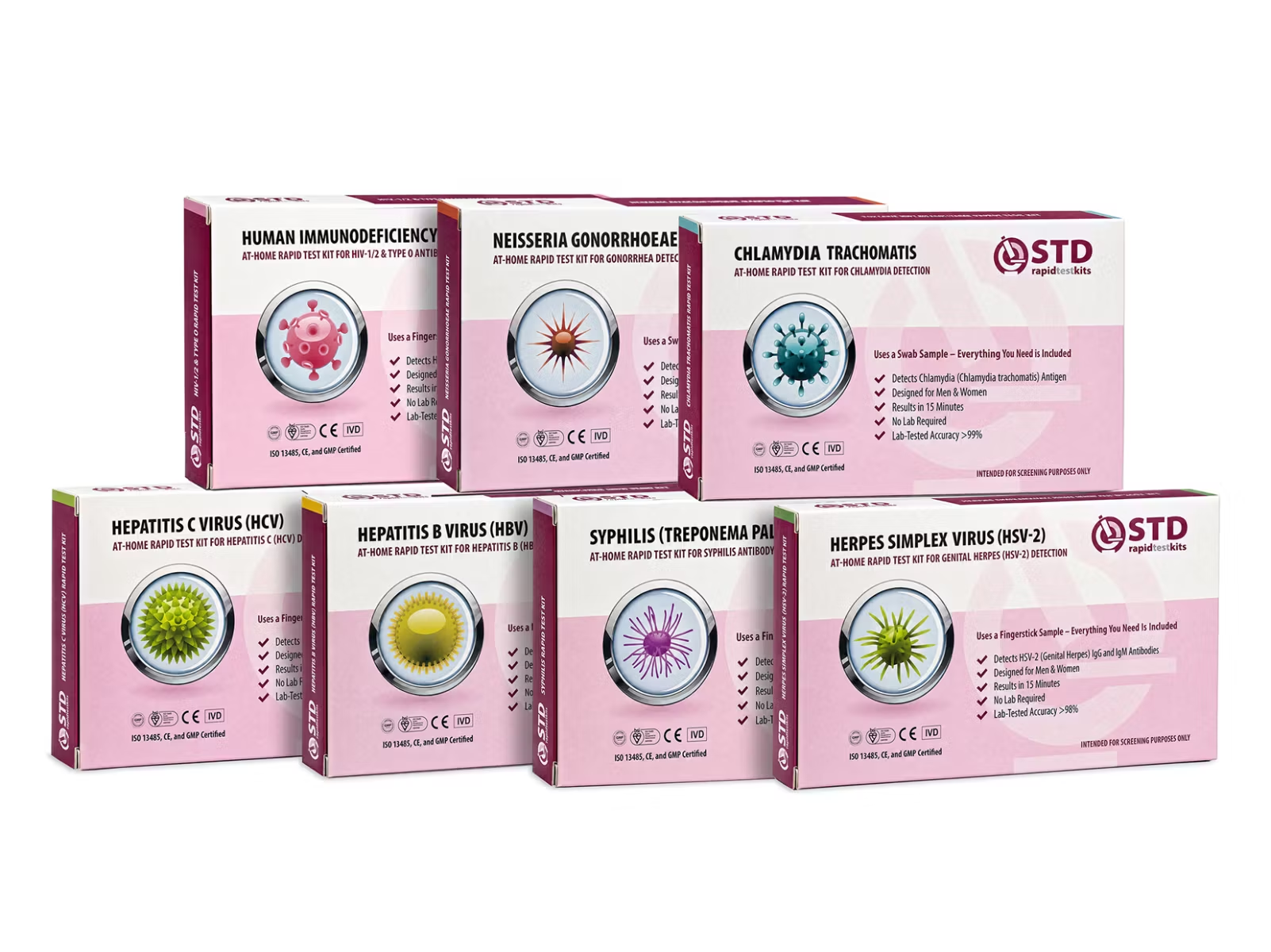
Most people who have an STD do not know it. Many STDs do not cause any symptoms, which is why the only way to know if you have one is to get tested.
When the signal is worth a test
Most of the symptoms in this guide overlap with non-sexual causes. The combinations that consistently warrant testing within the same week:
- A painful cluster of blisters or a single painless ulcer in the genital area.
- A sudden change in discharge color or smell, especially after a new partner.
- Burning urination after unprotected sex.
- Flu-like illness four to six weeks after a sexual encounter you would describe as risky.
- Any symptom that has come and gone more than once.
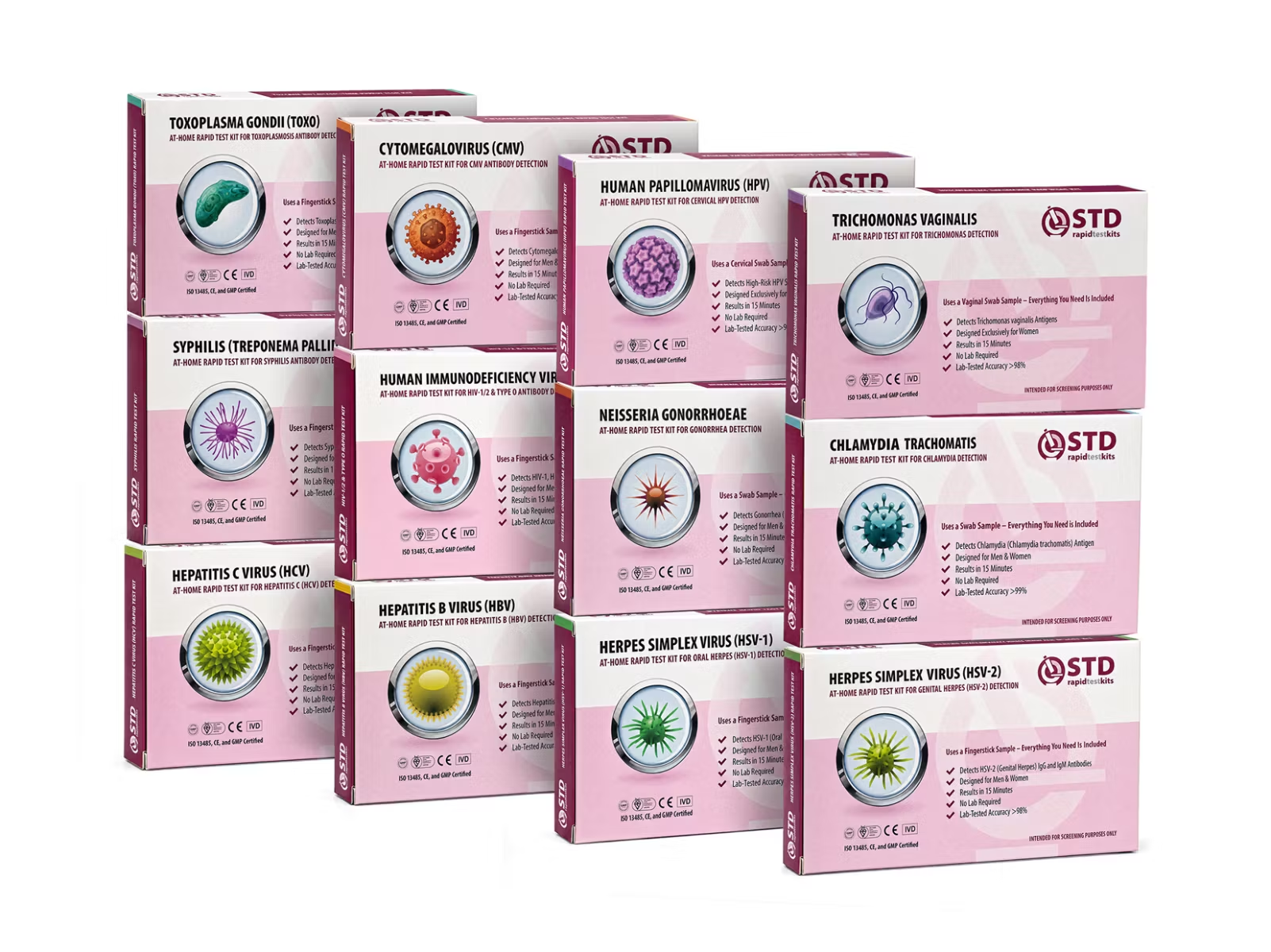
At-home rapid tests use lateral-flow chemistry to give you a screening answer in about 15 minutes; a positive result is worth confirming with a lab NAAT or antibody test, but a negative result on a properly timed kit is reassuring on its own.
This article is published by stdrapidtestkits.com, which sells at-home STD testing kits. We recommend products based on fit-for-purpose for the reader's concern, not commercial benefit, which is why throat-swab and rectal-swab questions get pointed to a clinic rather than to a kit we don't sell.
Frequently asked questions
- Is itching always a sign of an STD?
- No. Yeast infections, soap, sweat, and shaving are far more common causes. Itching becomes more concerning when it lasts more than a few days, comes with discharge or odor, or follows a recent sexual exposure.
- What do STD bumps look like?
- Pain and texture separate most STI bumps from pimples. Herpes blisters are tender before they even open and tend to cluster. A syphilis chancre is firm, clean-edged, and entirely painless. HPV warts are soft, non-tender, and often grow in groups. A pimple, by contrast, is hot, red, isolated, and usually has a white head or a visible trapped hair at the base.
- Can STDs cause burning when you pee?
- Yes. Chlamydia, gonorrhea, and trichomoniasis can all mimic a urinary tract infection. Because UTIs and STDs require different antibiotics, testing is the only reliable way to tell them apart.
- How long after exposure do symptoms appear?
- It varies. Gonorrhea can produce symptoms within a few days; chlamydia takes one to three weeks; syphilis chancres typically appear about three weeks post-exposure; HIV flu-like symptoms peak at two to four weeks; herpes can flare anywhere from days to months after exposure, or never. Some infections never cause symptoms at all.
- Can I have an STD with no symptoms?
- Frequently. Most chlamydia infections in women, a large share in men, and the majority of HPV and pharyngeal gonorrhea cases are completely silent. Routine screening is the only way to catch these without waiting for symptoms.
- How is an HPV wart different from a regular skin bump?
- HPV warts are soft, flesh-colored or whitish, and tend to cluster like small cauliflower. Pimples are firm, red, isolated, and topped with a white or yellow head. If you can see a curled hair under the bump, it is most likely an ingrown hair, not HPV.
- How often should I get tested?
- The CDC recommends annual chlamydia and gonorrhea screening for sexually active women under 25 and for older women with new or multiple partners. HIV testing is recommended at least once for everyone aged 13 to 64. With multiple partners or new partners, every three to six months is reasonable.
- Do condoms prevent all of these symptoms?
- Condoms substantially lower the risk of HIV, chlamydia, gonorrhea, syphilis, and trichomoniasis when used consistently. They reduce but do not eliminate risk for skin-to-skin infections like herpes, HPV, and pubic lice, which can spread from areas a condom does not cover.
- U.S. Centers for Disease Control and Prevention. STD Get Tested campaign and screening guidance, including the role of asymptomatic infection in chlamydia, gonorrhea, and HPV.
- Mayo Clinic. Sexually transmitted diseases (STDs): symptoms, causes, and overview of itching, discharge, bumps, and ulcers.
- U.K. National Health Service. Sexually transmitted infections: symptom overview including discharge, lumps, sores, rash, and pain.
- Cleveland Clinic. Sexually transmitted infections: signs, symptoms, and treatment overview.
- World Health Organization. Sexually transmitted infections fact sheet, with global incidence and screening recommendations.
- U.S. Centers for Disease Control and Prevention. HIV testing window periods for fourth-generation antigen/antibody assays.
