
Published: June 2025 | Last updated: April 2026 | Editorial review and quality control: Martina N.
Pubic lice (the parasite formally named Pthirus pubis, more commonly called crabs) became culturally invisible in the 2010s as routine pubic-hair removal spread. They never disappeared. Sexual health clinics in the US, UK, and EU still see them month after month, and prevalence estimates have stayed roughly flat for the past five years. The harder problem in 2025 is recognition: most people who have crabs assume their itching is razor burn, herpes, scabies, or a yeast infection, and they spend days self-treating the wrong condition. This guide walks through what pubic lice actually look and feel like, the four conditions most often confused with them, the standard at-home treatment plan, and the testing decisions worth making at the same time.
Are pubic lice still a thing in 2025, and how do I treat them?
Yes. Pubic lice still infect roughly 1 to 2 percent of sexually active adults each year, mostly through skin-to-skin sexual contact. Symptoms are intense itching in the pubic area (often worse at night), small clustered red bites, and visible parasites or eggs cemented to coarse hair. Standard treatment is over-the-counter permethrin 1 percent or pyrethrin shampoo, applied twice 7 to 10 days apart, plus a hot wash of clothing and bedding. Public health bodies classify pubic lice as a parasitic condition rather than a sexually transmitted infection. The same exposure event, however, frequently brings other STIs worth screening for at the same time.
Key Takeaways
- Pubic lice spread through skin-to-skin contact, and Cleveland Clinic puts it plainly: getting pubic lice has nothing to do with your hygiene. You can shower twice a day and still pick them up from a single sexual encounter.
- Crabs themselves are harmless and respond to one over-the-counter shampoo. The same exposure that brought them often brings other STIs worth ruling out with a rapid home test.
Why Crabs Stayed Off Your Radar
Through the 2000s and 2010s, pubic-hair removal became routine across much of the developed world, and pubic lice cases dropped sharply. The NHS noted the trend in clinic data, and several European sexual health surveys recorded similar declines. The lice never died out, they just lost easy habitat. People without coarse pubic hair pass them less efficiently, and anyone with armpit hair, chest hair, beard, or eyebrows can still host them. Any partner with intact pubic hair is still a vector.
Most public health agencies treat pubic lice as a low-priority parasitic condition rather than a notifiable infection. The CDC tracks chlamydia, gonorrhea, syphilis, and HIV at the federal level. Pubic lice get covered through general patient resources rather than dedicated surveillance. That makes the case counts harder to pin down, but clinic-level reporting from sexual health services in the US, UK, and Australia all describe the same picture: low, steady, persistent.
What changed after 2020 is that routine in-person STI screening volume dipped during the pandemic and has not fully recovered in some regions. Cases that would have been caught at a clinic visit are now caught later, often after several rounds of self-treatment for the wrong condition.
Routine STI screening volumes dropped sharply during 2020 to 2022 and have not fully recovered in some regions. The practical knock-on effect: parasitic and bacterial conditions that would once have been identified during a routine clinic visit are now caught only after several failed rounds of self-treatment. If your itching has lasted more than two weeks and one round of OTC lice shampoo has not resolved it, treat that as a signal to seek a clinical assessment rather than a third over-the-counter cycle.
What an Infestation Actually Feels Like
Pubic lice attach to coarse hair near the skin and feed on blood roughly four times a day. Itching is the headline symptom, and a few other signs are worth knowing.
- Intense localized itching in the pubic, perianal, or upper-thigh region. Worse at night when the lice are most active. The itch is generally confined to coarse-hair areas rather than spreading across the whole body.
- Small clusters of red bite marks or pinpoint bruise marks at the base of hair shafts. Some people develop pale bluish spots on the thighs, buttocks, or lower abdomen from feeding (the clinical name is maculae caeruleae); these are a strong but uncommon visual sign.
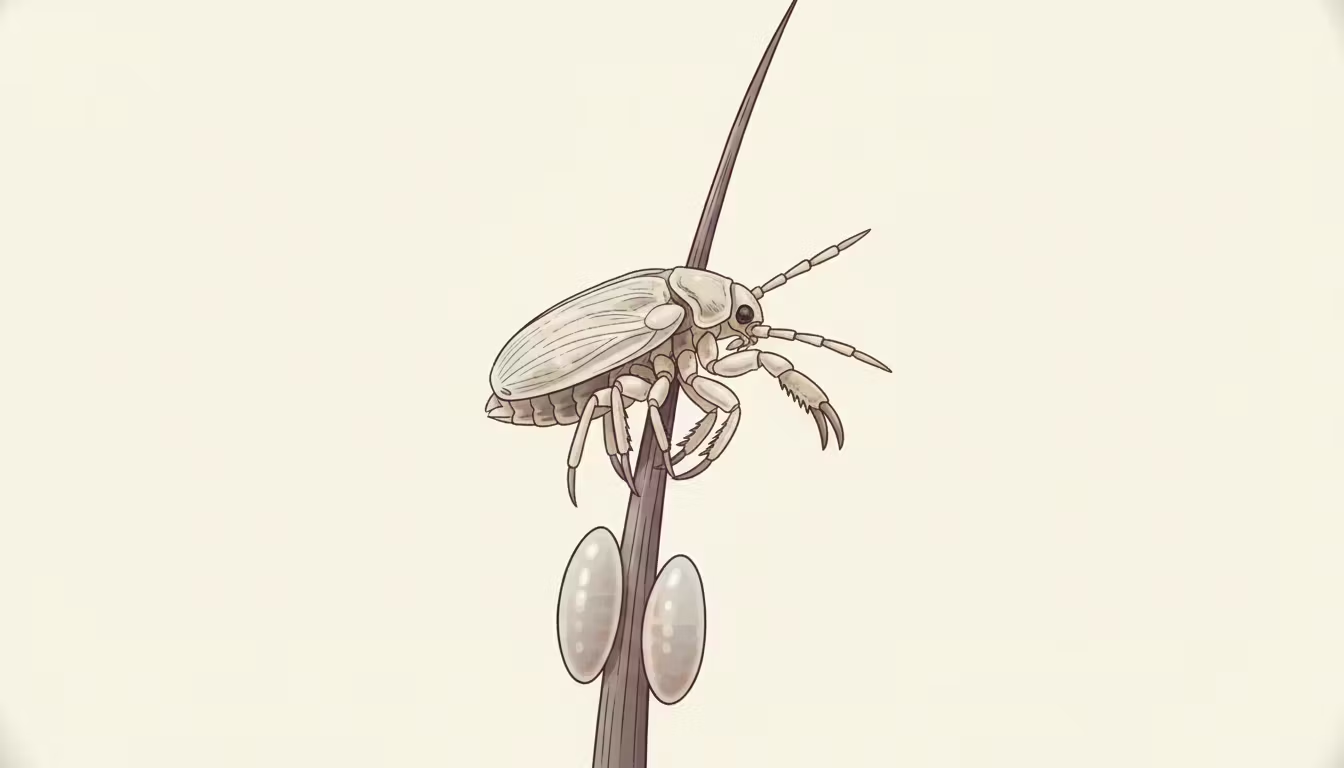
- Tiny pale-grey to tan eggs (nits) cemented to individual hairs roughly a quarter inch from the skin. These are easier to spot than the lice themselves and do not brush off; they have to be combed or pulled.
- The lice themselves visible to the naked eye or with a hand lens, tan to grey, about the size of a sesame seed, with a recognizable crab-like shape that gives them their nickname.
Lice can colonize armpit hair, chest hair, beard, eyebrows, and eyelashes in addition to pubic hair. Eyelash involvement is the most reliable sign of an established infestation in young children and warrants a clinician visit immediately, because the recommended treatments differ from the over-the-counter shampoos used elsewhere on the body.
One detail catches a lot of people off guard: Cleveland Clinic's patient guidance reports that pubic lice symptoms often show up about five days after infestation, and longer in some people whose immune systems take additional time to react to the louse saliva. So the absence of itching in the first day or two after a possible exposure does not rule out a fresh infestation. Visual inspection of coarse-hair areas with good lighting is more reliable than waiting for itching to begin.
How Common Are Pubic Lice in 2025?
Estimates from peer-reviewed clinical reviews put global pubic lice prevalence at roughly 1 to 2 percent of sexually active adults in any given year, concentrated in the 18-to-35 age range. Local clinic data varies. UK genitourinary medicine clinics still log thousands of pubic lice diagnoses annually, and US sexual health services report similar steady-state numbers.
A few groups remain higher-risk:
- Adults aged 18 to 35 with multiple recent partners
- People living in shared or communal housing (college dorms, hostels, military barracks)
- Patrons of saunas, sex-on-premises venues, and similar shared-fabric environments
- Anyone whose partners have not been screened or treated, since reinfestation from one untreated partner is the single most common reason a case persists
One piece of folk wisdom worth dropping: hygiene and income do not predict who gets crabs. Cleveland Clinic states the point directly. The bug needs hair, not grime. Showering twice a day does not protect anyone from a parasite that lives on hair and feeds in minutes. Useful prevention looks like fewer untreated partners, no shared towels in high-risk environments, and routine STI screening that catches the co-infections crabs often travel with.
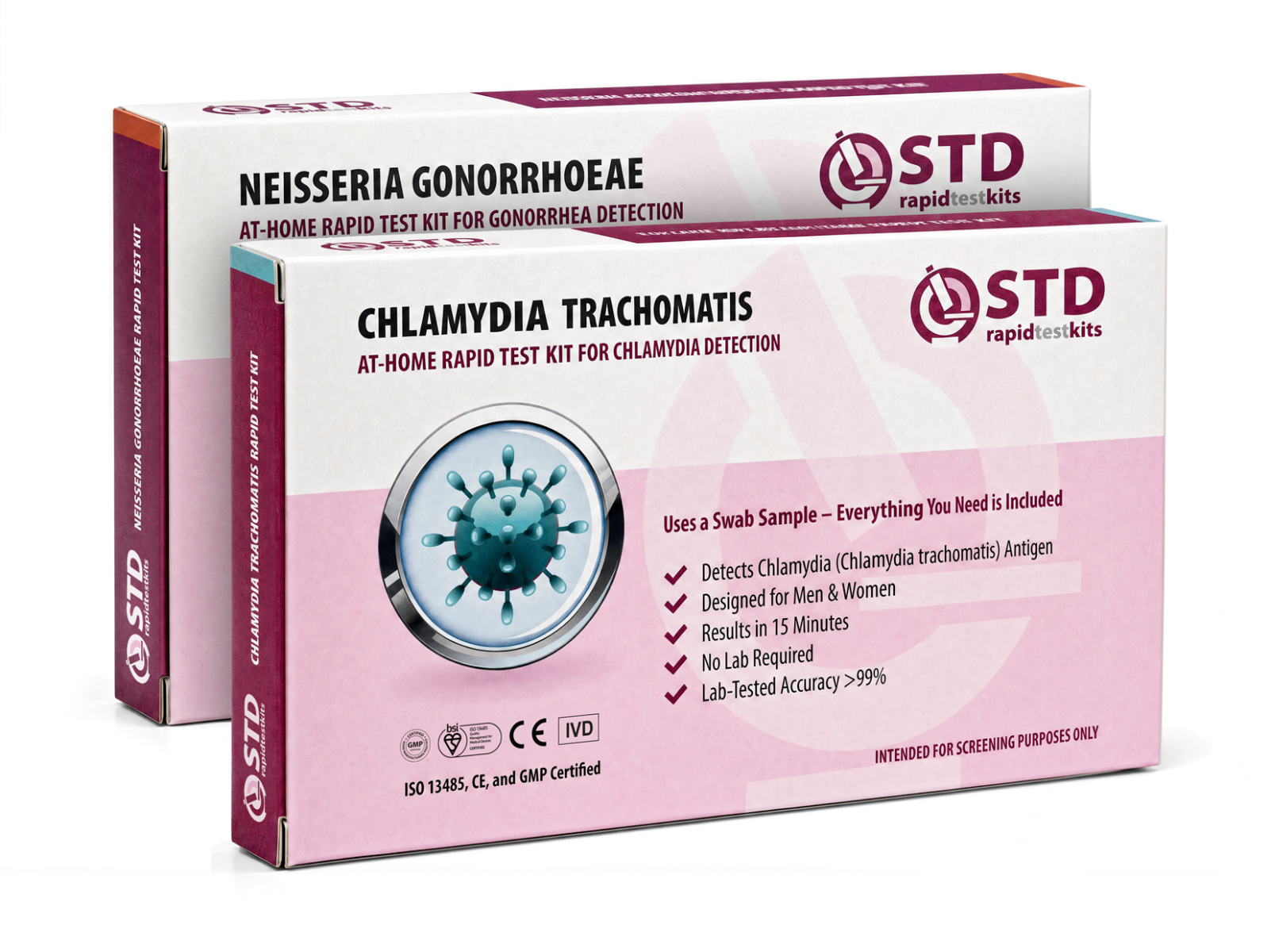
Most groin itching is not pubic lice. The common causes are tinea cruris (jock itch), folliculitis after shaving, contact dermatitis, eczema, or simple friction. A pubic lice infestation almost always shows visible parasites or nits on close inspection of coarse hair. If you cannot find any after careful checking with good lighting, your itch is more likely something else, and the right next step is either a clinic visit or a rapid home test for the STIs that can cause genital irritation without obvious lesions (chlamydia, gonorrhea, herpes).
Pubic Lice vs Other Itchy Conditions
The single biggest reason pubic lice are misdiagnosed at home is that several other conditions cause similar itching in the same region. Telling them apart visually is doable; the table below maps the most common confusions, what to look for, and what actually confirms each diagnosis.
| Condition | Itch pattern | Visible signs | What confirms it |
|---|---|---|---|
| Pubic lice (crabs) | Intense itching, worse at night, localized to coarse-hair areas | Lice and nits visible on hair shafts, scattered red bite marks | Visual identification, sometimes with magnification |
| Scabies | Itching that spreads to wrists, finger webs, waistband; often worse at night | Burrow tracks, raised bumps, can affect whole body | Skin scraping examined under microscope by clinician |
| Genital herpes | Tingling or burning first, then painful blisters or shallow ulcers | Fluid-filled vesicles that crust over | PCR swab of an active lesion or blood antibody test |
| Folliculitis or razor burn | Localized, follows shaving or grooming | Red bumps centered on hair follicles, sometimes pus-tipped | Resolves on its own; clinician exam if persistent |
| Tinea cruris (jock itch) | Itching plus burning along inner thighs, scrotum, or groin folds | Red ring-shaped rash with raised border, often scaly | KOH skin scrape or visual diagnosis by a clinician |
| Chlamydia or gonorrhea | Burning when urinating, discharge; rarely external itch | Internal symptoms, no visible skin findings | NAAT urine or swab in a lab; rapid swab test at home |
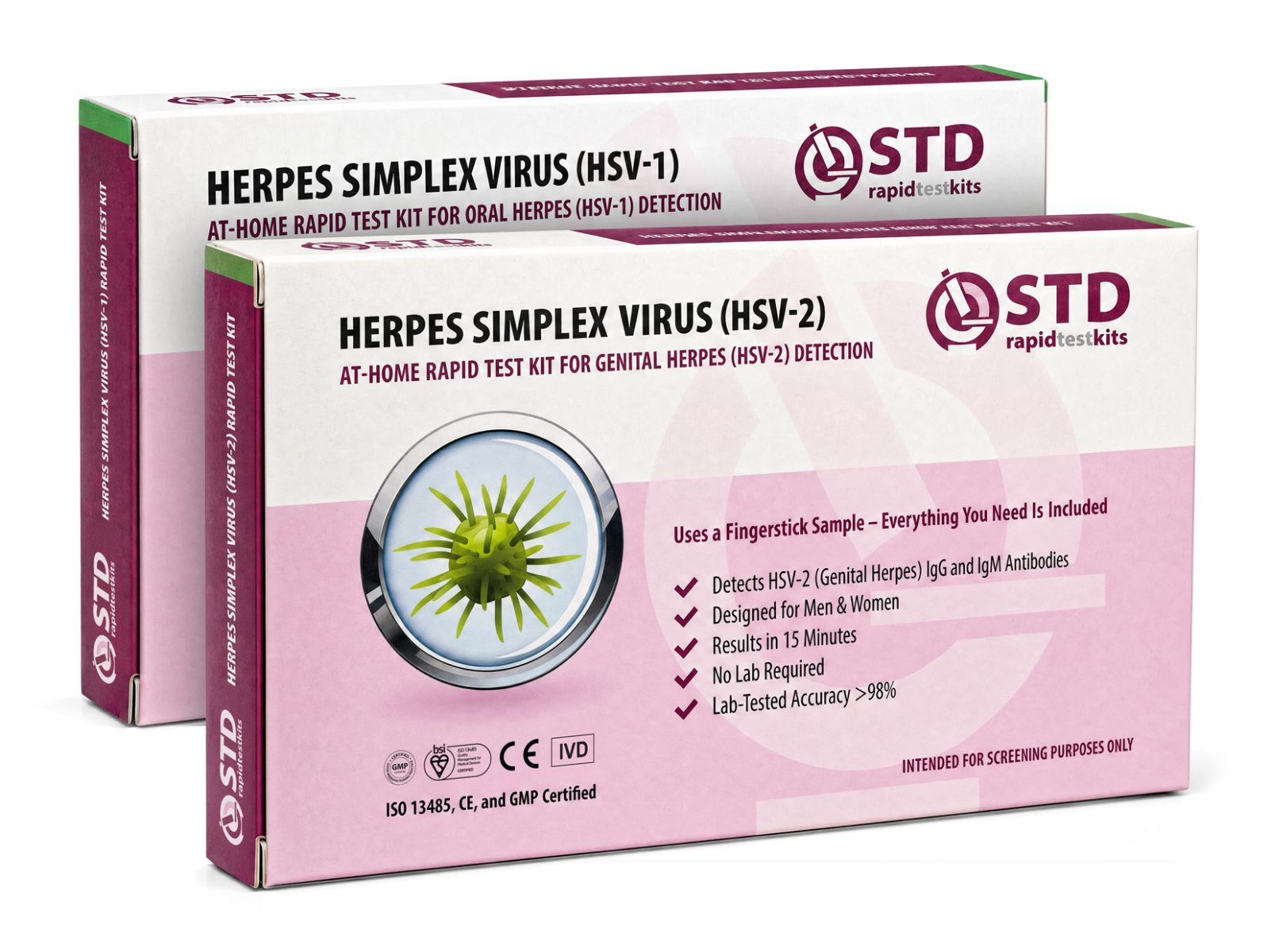
We sell rapid at-home STI test kits. The product suggestions throughout this article are our own products, recommended where they actually fit the reader's situation. None of the suggestions cover pubic lice diagnosis itself (no home test exists for that); they cover the bacterial and viral STIs that often share the same exposure event.
How to Treat Pubic Lice at Home in 2025
Standard 2025 treatment is topical permethrin 1 percent cream rinse or pyrethrin shampoo, both available over the counter at most US and UK pharmacies. The protocol is straightforward but unforgiving of shortcuts.
- Application. Cover all hairy areas of the lower body and torso, including pubic, perianal, upper-thigh, abdominal, chest, and armpit hair if any of those are visibly affected. Leave the product on for the full time listed on the package (usually 10 minutes), then rinse thoroughly. Do not apply to eyebrows or eyelashes. Eyelash lice are treated by a clinician, often with petroleum jelly applied twice a day for 8 to 10 days, or a specific medicated ointment.
- Second round 7 to 10 days later. This is non-negotiable. Permethrin and pyrethrin reliably kill live lice and are less reliable against eggs. Anything that hatches between treatments survives the first round, so a single application is rarely enough. Two rounds 7 to 10 days apart is the standard.
- Resistant or severe cases. Prescription options include malathion 0.5 percent lotion (longer contact time, not for pregnancy or children under 6) and oral ivermectin (typically two doses one week apart). These come from a clinician, not a pharmacy shelf.
The household checklist matters as much as the medication, because eggs can survive on fabric for up to two weeks and reinfest a treated person.
- Machine-wash any clothes, towels, bedding, or fabric items used in the past 2 days at 130°F (54°C) or hotter, then tumble-dry on high heat.
- Items that cannot be washed, such as upholstered cushions or stuffed animals, should be sealed in a plastic bag for two weeks. Lice cannot survive that long off a host.
- Vacuum upholstered furniture, mattresses, and shared seating once.
- Both partners and any close-contact within the prior month should be checked and treated together to avoid ping-pong reinfestation.
Things that do not help: bug-bombing the house, kerosene or vinegar home remedies, or shaving alone. Shaving removes habitat without killing lice that have already moved to other coarse-hair areas.
Getting pubic lice has nothing to do with your hygiene.
Can You Get Pubic Lice Without Sex?
Yes, and it is uncommon. The vast majority of pubic lice cases come from sexual or close skin-to-skin contact. Lice can survive 24 to 48 hours off a host on fabric, so non-sexual transmission through shared bedding, towels, or unwashed clothing is documented but rare. Toilet seats are not a meaningful route. Lice cannot grip flat smooth surfaces and need warmth from a body to survive.
Practical rule of thumb: if both you and your partner have lice and neither remembers any sexual contact in the past two to three weeks, the case for shared-fabric transmission is plausible. If you have lice and your only recent close contact has been a single new sexual partner, odds heavily favor sexual transmission, and the partner needs to be told and treated regardless of how the conversation goes.
The harder version of this question, which clinicians get often, is whether someone in a long-term monogamous relationship who suddenly has crabs has been cheated on. The honest answer is that lice can incubate for days to weeks before symptoms appear, and long-dormant low-level cases also exist, where someone caught lice years ago and the body simply tolerated a small population without noticeable itching until it expanded.
A pubic lice diagnosis on its own does not reliably indicate a recent new exposure. First-time infestations can take days or longer to produce noticeable itching, and a small low-level population can sit on the body for an extended period before expanding to symptomatic levels. Clinical guidance is consistent on this point: a lice case alone is poor evidence about the timing or source of exposure, and most clinicians advise treating the parasite first and addressing relationship questions through other channels.
Why Stigma Slows Down Treatment
Pubic lice carry no hygiene significance. Cultural memory has been slower to catch up, and that gap shows up in three predictable patterns that delay treatment.
- Delayed clinic visits. People hope the itch resolves on its own and use the waiting period scratching, which causes secondary skin infections that need their own treatment.
- Avoided partner conversations. Without telling partners, the cycle continues. One untreated partner reinfesting one treated partner is the single most common reason a case becomes a months-long problem instead of a two-week one.
- Over-treatment with harsh chemicals. People reach for kerosene, undiluted bleach, or repeated applications of lice shampoo out of disgust. None of those kill lice faster than two correctly-timed permethrin treatments, and several damage the skin enough to delay healing.
Honest, calm framing helps. Pubic lice are common parasites that prefer coarse hair. They do not reflect anything about a person's character, hygiene, or sexual ethics. Treating them is a quick errand: one shampoo, one second round a week later, one hot wash of laundry, one conversation.
Day 1: Apply OTC permethrin 1 percent or pyrethrin shampoo to all affected coarse-hair areas. Hot-wash all bedding, towels, and clothing used in the past 48 hours.
Days 2 to 6: Notify any close-contact partners from the past month so they can check themselves and treat in parallel. Avoid close skin-to-skin contact until both sides have completed treatment.
Day 7 to 10: Apply the second round of shampoo. This step kills anything that hatched after round one and is the single most common skipped step in failed home treatment.
Week 2 onward: If symptoms persist, see a clinician about prescription malathion lotion or oral ivermectin. Persistent symptoms after two correctly-timed rounds usually indicate either reinfestation from an untreated partner or a different condition entirely.
Prevention Beyond Shaving
The most repeated piece of folk wisdom about crabs is that pubic-hair removal prevents them. It reduces the risk without eliminating it. Lice need coarse hair to grip, and if you remove all of yours, they cannot easily settle on you. They can still move to a partner whose pubic hair is intact, and they can colonize armpit, chest, beard, or eyebrow hair if those are kept. The genuinely useful prevention strategies are below.
| Method | What it actually does | Where it falls short |
|---|---|---|
| Routine STI screening every 3 to 6 months | Catches the bacterial and viral co-infections that often travel with lice exposure | Does not detect lice themselves |
| New-partner visual check (coarse-hair areas) | Lets you spot bugs or nits before exposure | Awkward but effective; only works if both partners cooperate |
| Avoiding shared towels and bedding in shared housing | Closes the rare non-sexual transmission route | Only matters in dorms, hostels, saunas, sex-on-premises venues |
| Pubic-hair trimming or removal | Less hair, less habitat for lice to grip | Lice can move to armpit, chest, or beard hair |
| Treating partners simultaneously when one has lice | Stops ping-pong reinfestation, the most common failure mode | Requires honest conversation |
| Condom use | Prevents most bacterial and viral STIs that share the exposure context | Does not prevent pubic lice; lice transmit through pubic-region skin contact, not fluids |
Pubic Lice Myths Worth Forgetting
Pubic lice have collected more cultural misinformation than almost any other minor parasitic condition. The five worst-offending myths, with what is actually true.
- Myth: Only "dirty" people get crabs. Hygiene has nothing to do with it. Lice need hair, not grime. People who shower twice a day get them at the same rates as everyone else.
- Myth: A daily shower kills lice. Lice survive bathing. They cling to hair shafts and feed close to the skin; soap and water do not dislodge them. Only a medicated shampoo reliably kills them.
- Myth: Shaving once cures a pubic lice infestation. Shaving removes habitat from the shaved area, and any lice that have moved to other body hair survive. You still need topical treatment.
- Myth: You can catch pubic lice from a toilet seat. Extremely unlikely. Toilet seats are too cold, smooth, and unfriendly to a parasite that needs warmth and hair to live. The only realistic non-sexual route is shared cloth (towels, bedding, clothing) within 48 hours of an infested person using it.
- Myth: Pubic lice can spread HIV or hepatitis. They cannot. The lice's bite mechanism does not transfer blood between hosts. Sexual contact, however, can transmit both, which is why testing alongside lice treatment is so often recommended.
Frequently Asked Questions
- Can I get pubic lice if I used a condom?
- Yes. Condoms cover the urethra and shaft and not the surrounding pubic-hair area where lice live. Skin-to-skin contact in the pubic region is enough for transmission. Condoms still prevent most of the bacterial and viral STIs that share the same exposure context, so they are worth using for the broader picture.
- How can I tell crabs from herpes?
- Herpes typically begins as tingling or burning, then forms small fluid-filled blisters that crust over. Pubic lice produce scattered red bite marks plus visible parasites or nits clinging to coarse hair. If you cannot see lice or eggs after careful inspection and you do see blisters or ulcers, treat herpes as the working diagnosis until you can confirm with a clinical swab or antibody test.
- Is there a home test for pubic lice?
- No. Diagnosis of pubic lice is visual, performed by you or by a clinician. There is no blood, urine, or swab test for the parasite itself. At-home rapid tests for the conditions often confused with lice (chlamydia, gonorrhea, syphilis, HIV, hepatitis, herpes) are available and worth running if your exposure history suggests any of those.
- How long after exposure do symptoms start?
- Cleveland Clinic patient guidance reports that pubic lice symptoms often show up about five days after infestation, with itching the most common first sign. Some people feel symptoms sooner; others take longer because the immune system needs additional time to react to the louse saliva. Visual signs (lice or nits on hair) can appear before any itching, which is why partner notification matters even when you feel fine.
- Are pubic lice dangerous?
- No. They do not cause infertility, lasting damage, or transmit blood-borne diseases. The two real risks are secondary bacterial skin infection from heavy scratching and missed STIs picked up at the same exposure event, both of which are easy to manage if you address them early.
- Do I have to see a doctor?
- Most uncomplicated cases respond to over-the-counter permethrin or pyrethrin from a pharmacy. See a clinician if (a) the itching does not resolve after two rounds of treatment 7 to 10 days apart, (b) lice involve eyebrows or eyelashes, (c) you are pregnant, breastfeeding, or under 18 (treatment options narrow), or (d) you also have signs of another STI such as discharge, painful urination, or genital ulcers.
- Should I tell my partner or partners?
- Yes. Anyone you have had close skin-to-skin contact with in the past month should be told and treated. Otherwise reinfestation from one untreated partner is near-certain, and you can spend weeks trapped in a cycle of treating yourself while the lice keep coming back.
- Can my pets give me pubic lice?
- No. Pthirus pubis is a strictly human parasite. Animals carry their own species of lice that do not transfer to humans. If you have lice and your dog is scratching, the two are not connected.
- U.S. Centers for Disease Control and Prevention. Lice (overview), including pubic lice classification, transmission, and treatment guidance.
- UK National Health Service. Patient guidance on pubic lice symptoms, transmission ('mainly spread by close body contact, most commonly sexual contact'), and treatment options.
- MedlinePlus (U.S. National Library of Medicine). Pubic lice patient information page covering symptoms, transmission routes, treatment options, and household decontamination.
- Cleveland Clinic. Pubic lice (crabs) patient overview. Source for the 'symptoms often show up about five days after infestation' timeline, the 'getting pubic lice has nothing to do with your hygiene' statement, the maculae caeruleae description ('pale bluish spots on your thighs, buttocks and lower abdomen'), and resistant-case treatment options.
- World Health Organization. Sexually transmitted infections fact sheet, used here for context on co-infection patterns with the bacterial and viral STIs that often share an exposure event with pubic lice.
- U.S. Centers for Disease Control and Prevention. Sexually transmitted infections home, used for current US-context guidance on routine STI screening intervals.
