Published: December 2025 | Last updated: April 2026 | Editorial review and quality control: Martina N.
A sudden fishy or sour smell from the penis is the kind of symptom most men do not want to Google in public. The first thought is almost always the same: is this an STD? In most cases, the answer is no. Genital skin is a warm, slightly damp ecosystem packed with sweat glands and harmless bacteria, and even small shifts in moisture, hygiene, or sexual activity can change the way it smells.
That said, some odors do warrant attention. When smell shows up alongside burning when you pee, unusual discharge, sores, or persistent redness, it is worth checking. This guide walks through the common causes of fishy or sour penis smell, how clinicians tell balanitis apart from a sexually transmitted infection, what to try at home, and when a private rapid test is the right call.
Why does my penis smell fishy or sour?
The most common causes are bacterial buildup from sweat, smegma under the foreskin, a male yeast infection, or balanitis (inflammation of the head of the penis). Sexually transmitted infections like gonorrhea or chlamydia can contribute, but they usually announce themselves with discharge from the urethra or burning during urination, not smell alone. If odor lasts more than a few days or comes with those urethral symptoms, a rapid at-home STD test is a fast way to rule infection in or out.
Key Takeaways
- Most fishy or sour penis odor is caused by sweat, smegma, yeast, or balanitis, and resolves with simple skin care within a few days.
- Test for an STD when odor appears with urethral discharge, burning urination, sores, or recent unprotected sex with a new partner.
The first thing most men think: “is this an STD?”
Sexual health messaging has trained men to assume any unusual genital change must be a sexually transmitted infection. The reality is more boring and more reassuring. Smell alone is one of the least specific symptoms in male sexual health. Both chlamydia and gonorrhea can be silent for weeks or months, and when they do produce symptoms, the headline complaint is usually discharge or pain when urinating, not odor (CDC, Sexually Transmitted Diseases overview).
Infections can still change the local skin environment. Inflammation, fluid, and bacterial overgrowth all shift how an area smells, so odor can be a secondary signal, just rarely the only one.
Clinicians who see men worried about genital smell consistently report that the cause is usually moisture, friction, or skin inflammation that has been quietly compounding for days. Real STDs are part of the differential when recent unprotected sex, a new partner, or urethral symptoms are in the picture, just not the leading explanation.
What a fishy or sour penis smell usually comes from
Genital odor has straightforward biological explanations more often than medical ones. The groin is dense with apocrine and eccrine sweat glands, gets trapped under fabric most of the day, and hosts a normal population of bacteria that produce volatile compounds as they break down sweat and skin oils. When any one of those variables shifts, the smell shifts with it.
The most common culprits doctors actually see fall into a small list.
| Cause | What's happening | Other clues |
|---|---|---|
| Smegma buildup | Natural skin oils and dead cells collecting under the foreskin | Whitish substance, stronger smell after sweating, mostly in uncircumcised men |
| Sweat and skin bacteria | Warm, damp conditions let odor-producing bacteria multiply | Worse after exercise, hot weather, or long days in tight underwear |
| Balanitis | Inflammation of the glans driven by yeast, bacteria, or irritants | Redness, itching, mild swelling, sometimes a thin white film |
| Male yeast infection | Overgrowth of Candida on genital skin | Sour or bread-like smell, rash, itching, shiny skin |
| Bacterial vaginosis transferred during sex | Partner's microbial imbalance briefly shifts skin flora | Smell appears mainly after sex, fades within a day |
| Certain STDs | Discharge or inflammation from chlamydia, gonorrhea, or trichomoniasis | Burning urination, urethral discharge, pelvic discomfort |
The bacteria behind the word “fishy”
When people describe genital smell, the same words come up: fishy, sour, vinegary. That language is not random. A fishy smell specifically points toward amines, the volatile compounds produced when certain anaerobic bacteria break down proteins on damp skin. The same chemistry sits behind the classic fishy odor of bacterial vaginosis, and it can affect male skin too when the local microbial balance tips.
The skin around the penis hosts dozens of bacterial species, most harmless. Sweat, friction, occlusive clothing, soap residue, or transferred microbes from a partner can all push that balance toward the amine producers. The smell is one signal of imbalance among several.
Skin chemistry varies between individuals too. Two men with identical hygiene habits can have noticeably different baseline scents simply because they carry different microbiome populations.
When the smell comes with redness or itching: balanitis
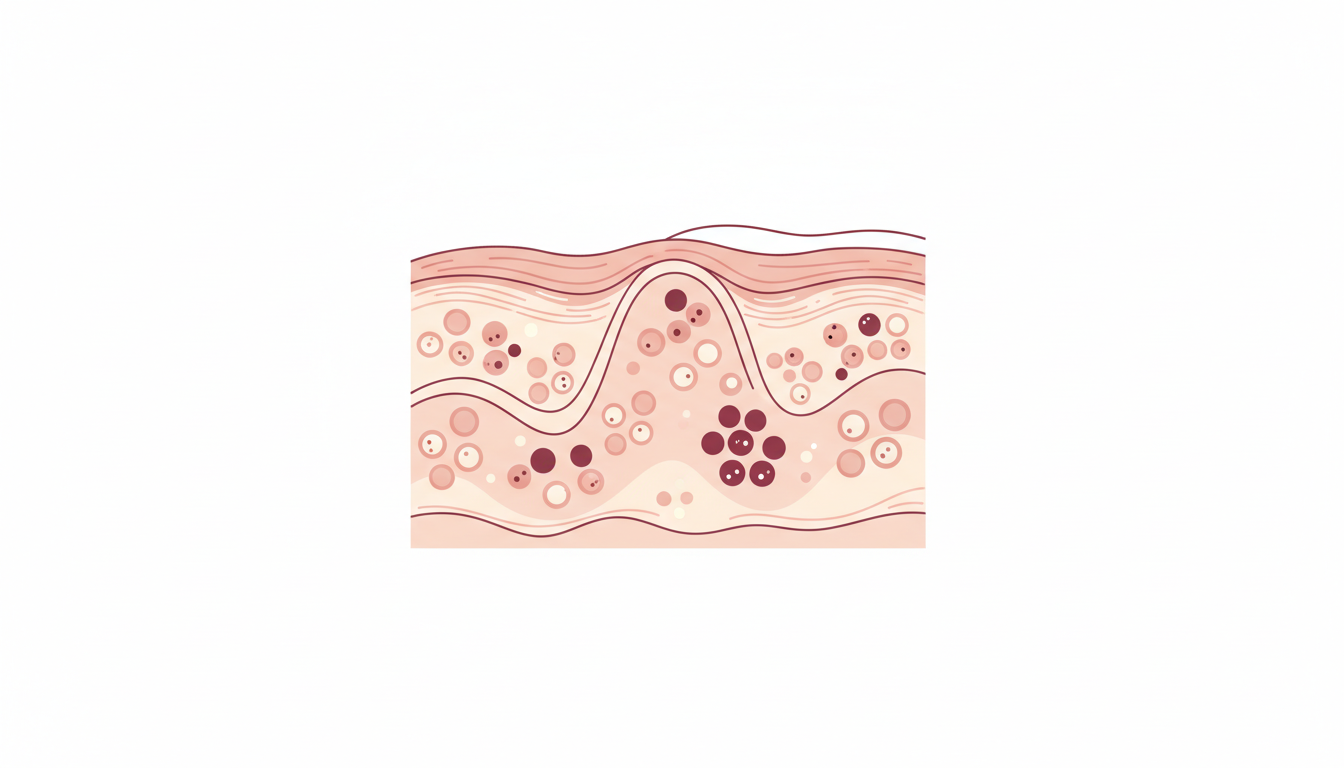
Most of the time, when a fishy or sour smell sticks around for more than a couple of days, it is not arriving alone. There is usually a faint clue alongside it: a little redness around the tip, mild itching, sensitivity, or skin that looks slightly shinier than usual. The most common condition behind that combination is balanitis.
Balanitis simply means inflammation of the head of the penis. It is one of the most routine genital complaints urology and dermatology clinics see, and it is especially common in uncircumcised men because warm moisture sits under the foreskin (NHS, Balanitis). Triggers include yeast, bacteria, harsh soaps, fragranced washes, friction during sex, and conditions like diabetes that raise the risk of fungal overgrowth (Cleveland Clinic, Balanitis).
Symptoms typically build slowly: a faint itch, then visible pinkness, then a sour or musty smell as the local microbial balance shifts. Most cases settle within days once the irritant is removed and, if needed, an antifungal cream is applied. Balanitis is treatable and does not transmit sexually. Persistent inflammation that drags on past a week or starts cracking the skin needs a clinician's eyes on it.
The shortcut clinicians use: where does the symptom live? Balanitis sits on the surface skin of the glans (redness, shine, itching, smell on the skin itself). Bacterial STDs like chlamydia and gonorrhea sit inside the urethra (clear or yellow discharge from the tip, burning when urinating). When everything feels like skin irritation, balanitis is usually higher on the list. When discharge or burning is involved, testing moves to the front.
Male yeast infections: the cause many men do not expect
Most people associate yeast infections with women, but Candida grows on penile skin too. The fungus thrives in warm, moist environments, especially under the foreskin or in skin folds. Common triggers include recent antibiotic use, diabetes, heavy sweating, tight non-breathable underwear, and sex with a partner who has a vaginal yeast infection.
The smell of male yeast tends to be sour or bread-like rather than sharply fishy. Other clues: shiny or slightly inflamed skin on the glans, itching that worsens after showering or at night, sometimes a thin white film at the base of the head or under the foreskin. Yeast and mild bacterial balanitis can look almost identical at first glance, which is why a quick antifungal cream is often a clinician's first move.
Yeast does not show up on standard STD tests because it is not a sexually transmitted infection in the strict sense, although sexual contact can transfer it. If the smell, itching, and redness pattern fits yeast and clears up with an over-the-counter antifungal within a week, that is usually the answer. If it keeps coming back, see a clinician about underlying contributors like blood sugar control or an unfamiliar contact allergen.
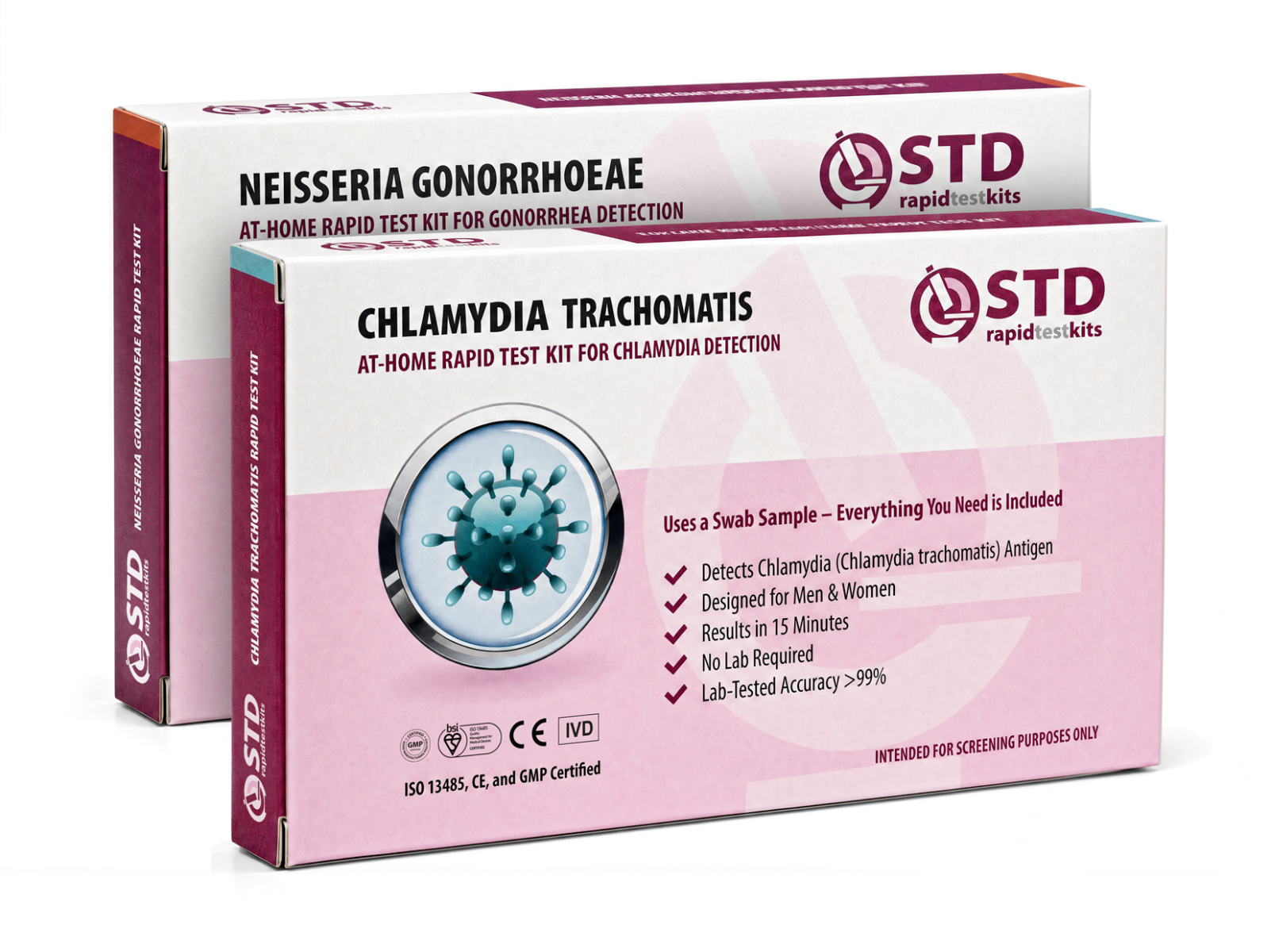
This article links to at-home STI test kits sold on this site. The editorial guidance above is independent of those products; the kits are recommended only when the symptom pattern actually fits.
Why penis odor often shows up after sex
A surprising number of men notice a fishy smell only after sex. Hygiene the rest of the week feels fine; the moment things heat up, the smell appears. There are several reasons that happens, and most of them are not infections.
During sex, skin temperature rises, friction increases moisture, and fluids mix. All of those briefly shift the bacterial balance on penile skin. If a partner has bacterial vaginosis, the amine-producing bacteria that cause the classic fishy vaginal smell can transfer to the skin during contact. That is not a hygiene failure on either side; it is just how skin ecosystems exchange microbes when they touch.
In most cases the smell fades after a shower and a day of normal hygiene as the local microbiome resets. If it lingers past 48 hours, or repeatedly comes back after every encounter with the same partner, the pattern points more toward sustained microbial imbalance, yeast, or in some cases an STD that is producing low-grade discharge between flare-ups.
Urinate and rinse with warm water within an hour after sex. That alone clears most of the bacterial load that builds up on damp skin and stops a lot of post-sex odor before it has a chance to settle in.
When odor genuinely might signal an STD
Smell alone rarely points at a sexually transmitted infection, but certain combinations raise the index of suspicion fast. The patterns clinicians take seriously are not subtle:
- Fishy or foul odor with discharge from the urethra (clear, white, yellow, or green)
- Burning or stinging when urinating
- Pain or fullness in the lower abdomen or pelvis
- Visible sores, blisters, or ulcers on the penis
- Swollen lymph nodes in the groin
- Smell that started within a few weeks of unprotected sex with a new partner
Gonorrhea is the infection most often associated with noticeable odor in men because it tends to produce thicker, more pus-like discharge from the urethra (CDC, About Gonorrhea). Chlamydia is often quieter but can cause clear or whitish discharge that mixes with skin bacteria and changes scent (CDC, About Chlamydia). Trichomoniasis can affect men too, though it is most associated with vaginal infections and a fishy smell in women (WHO, Sexually Transmitted Infections).
If any of those patterns fit, do not wait it out. Untreated chlamydia and gonorrhea can move beyond the urethra into the testicles or prostate and, in rare cases, contribute to fertility problems down the line. Testing closes the question quickly and treatment is straightforward when caught early.
If two or more of the signs above cluster together (urethral discharge plus burning urination, or sores plus pelvic pain), a rapid test or clinician visit is the faster path to clarity than another week of trial-and-error hygiene.
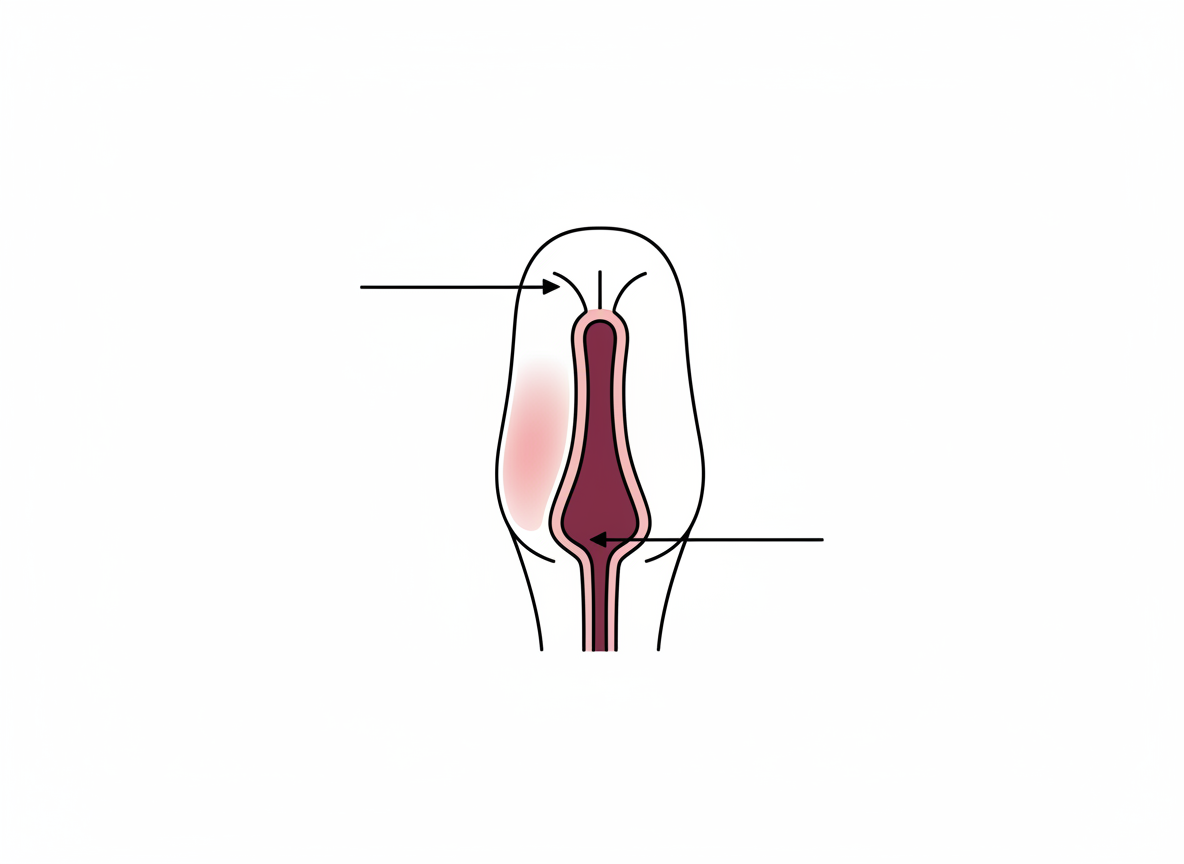
The same anatomical rule shows up over and over in clinical guides: balanitis is a surface skin condition, while bacterial STDs sit inside the urethra. If the redness, itch, and smell are on the skin you can see, the balanitis pathway is more likely. If the leading symptom is something coming out of the tip, or sharp pain when you pee, the STD pathway moves to the front.
Hygiene factors that quietly cause most penis odor
Before assuming something medical is going on, it is worth remembering how easy it is for the groin to develop odor. Sweat trapped in non-breathable fabric, skin that does not get properly dry after a shower, oils building up under the foreskin, fluids left on the skin after sex: any of those can produce a fishy or sour note within hours.
The everyday inputs that make smell more likely:
- Moisture buildup: sweat retained in tight athletic underwear, gym shorts, or wet swimwear lets bacteria multiply.
- Non-breathable fabrics: synthetic materials trap heat and prevent the skin from drying.
- Smegma accumulation: in uncircumcised men, natural skin oils and shed cells collect under the foreskin and ferment if not gently washed away.
- Residual fluids after sex: semen, lubricant, and partner fluids briefly change the local pH and bacterial balance.
- Aggressive scrubbing or scented soaps: counterintuitively, over-cleaning irritates the skin, weakens its protective barrier, and lets bacteria grow more easily.
All of these are normal skin behaviours in a warm, damp area. The fix is rarely “wash harder.” It is usually “wash gentler, dry properly, breathe more.”
What helps reduce penis odor (without overdoing it)
The instinct when something smells off is to scrub harder. With genital skin, that backfires. Harsh soaps, fragranced body washes, and antibacterial scrubs strip the natural barrier and irritate the glans, which actually invites more bacterial overgrowth. The fixes that work are smaller and gentler than most men expect. Give the simple habits below a fair trial of about a week before assuming something more is going on; most non-infection odor responds to better drying and gentler washing in that window.
| Habit | Why it helps |
|---|---|
| Wash daily with warm water and a mild, unscented cleanser | Removes sweat, smegma, and skin oils without disrupting the skin barrier |
| For uncircumcised men, gently retract the foreskin while washing | Prevents smegma buildup that fuels odor and balanitis |
| Dry the area thoroughly before dressing | Trapped moisture is the single biggest driver of bacterial and yeast overgrowth |
| Wear breathable cotton underwear and change daily | Reduces sweat and heat retention through the day |
| Shower promptly after intense exercise | Cuts off the warm-and-damp window bacteria need to multiply |
| Urinate and rinse after sex | Flushes urethral bacteria and removes residual fluids from the skin |
| Skip scented body wash, bubble bath, and harsh laundry detergent | Removes a common irritant trigger for balanitis |
Signs the smell needs medical attention
Persistent symptoms are the signal. If odor sticks around past a week of careful hygiene, or if any of the following arrive alongside it, book a clinician visit or run a private rapid test:
- Burning, stinging, or sharper pain when urinating
- Any unusual discharge from the tip of the penis
- Redness or swelling that gets worse rather than better
- Pain during or after sex
- Visible sores, blisters, ulcers, or unusual lumps
- Tightening of the foreskin so it does not retract or return easily
- Fever, chills, or pain that radiates into the testicles or pelvis
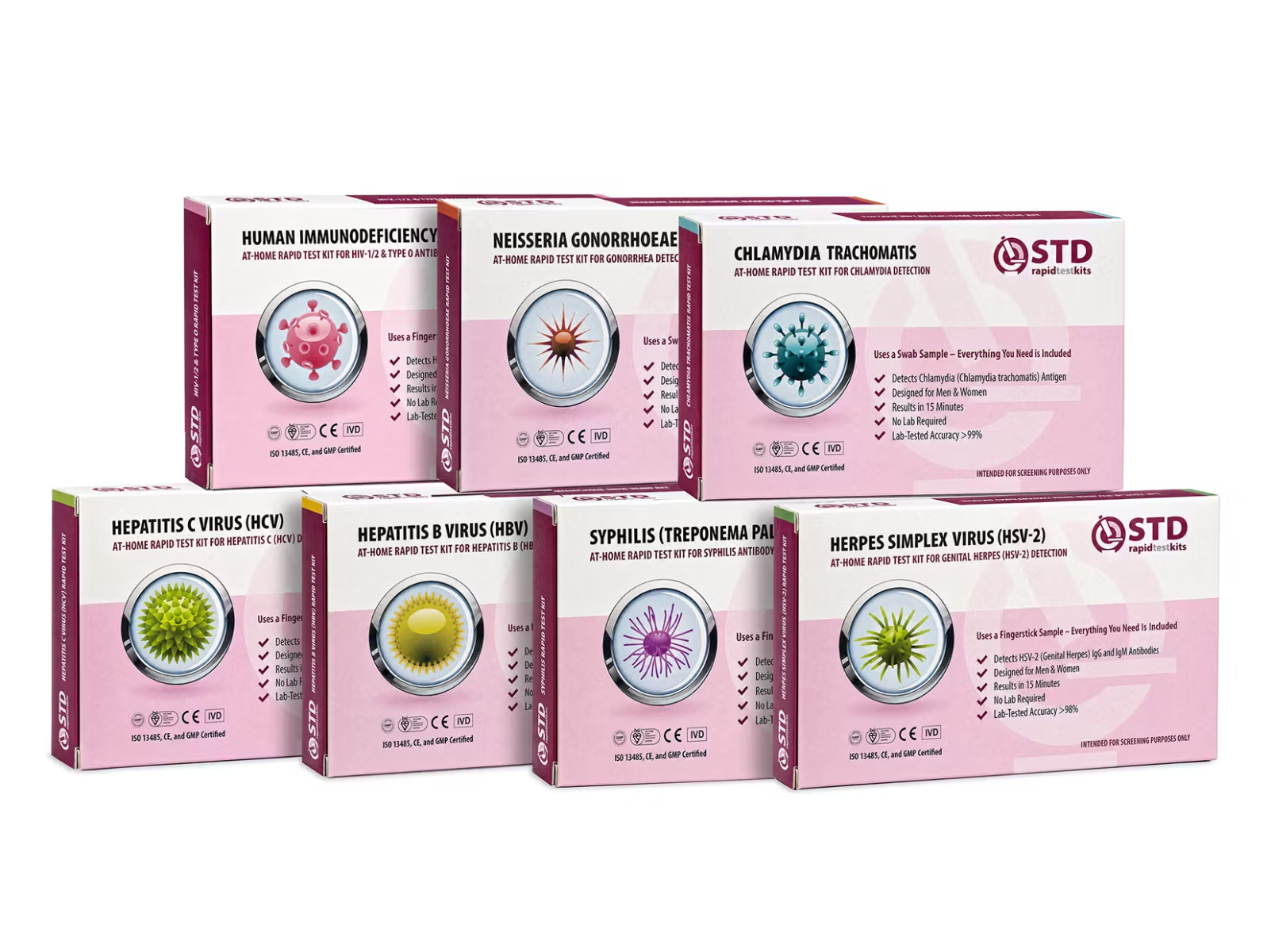
These shift the conversation from “probably skin” to “worth checking properly.” Testing is not a moral judgment; it is a way to swap uncertainty for a clear next step. Modern at-home rapid tests are lateral-flow immunoassays, which screen for the most common infections quickly and privately. They are not the same chemistry as a laboratory NAAT (nucleic acid amplification test), so a positive result is worth confirming at a clinic, while a clean negative inside the validated window period is reliable reassurance.
If the foreskin will not pull back over the glans, or has become stuck in the retracted position and looks swollen, that is a urology issue (phimosis or paraphimosis), not a smell question. Paraphimosis in particular is a same-day medical concern. Get seen promptly rather than waiting it out.
When the smell is just temporary and completely normal
Plenty of episodes of penis odor appear briefly and then disappear with no intervention. New diet, new exercise routine, hot weather, stress, dehydration, even a few drinks the night before can all shift the way sweat smells. A single round of unusually pungent skin after a long day rarely means anything beyond “the sweat-and-bacteria mix changed for a few hours.”
The microbiome is constantly adjusting. Mild, short-lived shifts in scent are part of how skin ecosystems work. The pattern that matters is persistence: odor that does not respond to a clean shower, dry skin, and a fresh pair of cotton underwear within a couple of days deserves a closer look.
Per the WHO Sexually Transmitted Infections fact sheet and CDC surveillance reporting, the majority of common STIs are asymptomatic. That is why screening based on exposure history (not just symptoms) catches infections that would otherwise go untreated for months. References: <a href="https://www.who.int/news-room/fact-sheets/detail/sexually-transmitted-infections-(stis)" target="_blank" rel="noopener">WHO STI fact sheet</a>; <a href="https://www.cdc.gov/std" target="_blank" rel="noopener">CDC STD overview</a>.
Frequently asked questions
- Why does my penis suddenly smell fishy?
- A sudden fishy smell usually means amine-producing bacteria multiplied faster than normal, often after sweating, sex, or skin irritation. If it fades within a day or two of normal hygiene and a clean shower, it is almost always harmless. If it keeps coming back, the underlying driver is usually yeast, balanitis, or transferred bacterial flora from a partner.
- Is it normal for a penis to have any smell at all?
- Yes. Skin always carries bacteria, sweat glands, and oils, so a mild baseline scent is normal and individual. What is worth paying attention to is sudden change in intensity or character (sharper, sour, fishy), especially when paired with redness, itching, or discharge.
- Why does my penis smell worse after sex?
- Sex briefly changes the chemistry around the penis: heat, friction, lubricant, semen, and a partner's natural microbes all interact. That can transfer odor-producing bacteria onto the skin even when no infection is involved. A shower and a day of normal hygiene usually reset things. Lingering odor after every encounter with the same partner is worth looking into.
- Can men get yeast infections that cause odor?
- Yes, and it surprises a lot of men. Candida overgrowth on penile skin can produce a sour or bread-like smell along with redness, shine, and itching at the head of the penis. It is more likely after antibiotics, with diabetes, after heavy sweating, or after sex with a partner who has a vaginal yeast infection. Most cases respond to over-the-counter antifungal cream within a week.
- Does a fishy penis smell mean I have an STD?
- Not on its own. Smell alone is one of the least reliable signals of a sexually transmitted infection. Clinicians look for the combination of symptoms: discharge from the urethra, burning when urinating, sores, or pelvic pain. If any of those are present, or if you have had recent unprotected sex with a new partner, a rapid test is the fastest way to get clarity.
- How can I tell balanitis apart from an STD?
- Look at where the symptom lives. Balanitis is on the surface skin of the head of the penis; chlamydia and gonorrhea sit inside the urethra. Skin-side clues (redness, itch, smell on the skin) point to balanitis; tip-of-penis discharge or burning when you pee point to an STD.
- Why does the smell come back hours after I shower?
- A shower clears odor on the surface, but if yeast or bacteria are still active under the foreskin or in moist skin folds, the smell returns as soon as the area warms back up. Cleaning the surface without removing the underlying overgrowth is like wiping up spilled milk without finding the source. Persistent return after washing usually points to mild yeast, balanitis, or low-grade infection.
- Can sweat alone really cause a sour or fishy smell?
- Yes, more often than people expect. The groin has a high density of sweat glands, and bacteria break sweat down into compounds that smell sour or sharp. Tight clothing, hot weather, long workouts, or just sitting all day in synthetic underwear can amplify this dramatically with no infection involved.
- When should I actually get tested for an STD?
- If you had unprotected sex with a new partner in the last 2 to 6 weeks, that exposure window alone is a reasonable reason to test, with or without symptoms. Lower the threshold further when urethral discharge, burning urination, sores, or persistent redness are part of the picture. A rapid lateral-flow test gives a usable answer at home in about 15 minutes; positive results should be confirmed by a lab.
- Is there a way to stop the smell from coming back?
- Most of the time, yes. Keep the area dry, wear breathable cotton underwear, wash gently with warm water and a mild unscented cleanser, retract the foreskin while washing if uncircumcised, urinate and rinse after sex, and shower after heavy sweating. The goal is balance, not aggression. Aggressive scrubbing usually makes things worse.
If something feels off, getting answers beats guessing
A new smell from your body can spiral fast, especially when it touches sexual health. Most penis odor is sweat, smegma, yeast, or balanitis, and most of it resolves with gentler hygiene inside a week. The minority that does not resolve, or that arrives with discharge, burning, sores, or recent risk exposure, is worth investigating with a quick test or a clinician visit.
You do not have to solve the whole mystery in your head. The next step is small: try the basic fixes for a week, and if symptoms persist or fit the STD pattern, run a private rapid test or book a clinician visit.
- U.S. Centers for Disease Control and Prevention. Sexually Transmitted Diseases overview, including symptom patterns and screening recommendations.
- U.S. Centers for Disease Control and Prevention. About Chlamydia, including typical urethral symptoms in men.
- U.S. Centers for Disease Control and Prevention. About Gonorrhea, including discharge characteristics in male urethral infection.
- National Health Service (UK). Balanitis: causes, symptoms, and treatment guidance for inflammation of the head of the penis.
- Cleveland Clinic. Balanitis overview, including yeast and bacterial triggers, risk factors, and self-care guidance.
- World Health Organization. Sexually Transmitted Infections fact sheet, including symptom patterns and global testing guidance.
