
Published: September 2025 | Last updated: May 2026 | Editorial review and quality control: Martina N.
This guide is for anyone living with HIV, past Hepatitis C, or both, who has been offered semaglutide for weight or blood-glucose control. Whether you are considering Ozempic, Wegovy, or another GLP-1 drug, the question of how it interacts with a liver that has already absorbed years of viral inflammation and antiretroviral therapy deserves a careful answer. Semaglutide can be safe in this population. It is not, however, a drug whose safety profile has been as cleanly mapped here as it has in the general type-2 diabetes population. The decision to start, monitor, or stop comes down to your baseline liver health, the specific HIV regimen you are on, and how your body responds in the first three to six months.
What follows is the plain-English version of what the current research says, where it goes quiet, and which conversations to have with your specialist before the first injection.
Key Takeaways
- Semaglutide is generally well tolerated in people with virally suppressed HIV and cleared Hepatitis C, but advanced fibrosis or cirrhosis changes the math and warrants closer liver monitoring.
- Semaglutide does not rely on the liver for clearance, so direct drug-to-drug interactions with antiretrovirals are limited; the bigger question is whether slowed gastric emptying alters how some oral medications absorb.
Semaglutide 101: What the Drug Actually Does
Semaglutide belongs to a class of drugs called GLP-1 receptor agonists. It mimics a gut hormone (glucagon-like peptide-1) that the body releases after a meal. That hormone tells the pancreas to release insulin when blood sugar rises, tells the stomach to empty more slowly, and tells the brain that you are full. Stacked together, those three signals lower blood-glucose peaks and curb appetite, which is why the drug was approved first for type-2 diabetes and then later, at higher doses, for chronic weight management.
The brand names most readers recognize are Ozempic, Wegovy, and the oral version Rybelsus, all of them semaglutide. Most adults reach a maintenance dose of around 1.0 to 2.4 mg per week via subcutaneous injection, ramping up slowly to limit nausea. On paper the headline benefits are clear: better A1c control, several kilograms of weight loss over six to twelve months, and, in some studies, measurable reductions in liver fat for people with non-alcoholic steatohepatitis (NASH).
For someone with a clean medical history, that is the whole story. For readers of this guide, the metabolic shifts that drive those benefits (rapid weight loss, lipid remodeling, changes in gut motility) can land differently on a liver that has been previously inflamed or scarred.
What Happens When Semaglutide Meets a Damaged Liver?
The liver is not the primary metabolic route for semaglutide. The drug is broken down slowly by enzymes in the bloodstream (proteolysis) rather than by the cytochrome P450 pathways most other medications travel through. That sounds reassuring, and clinically, for an undamaged liver, it is.
The indirect routes are where the conversation gets more nuanced for readers with a viral-history liver. Rapid weight loss itself can stress a fibrotic liver: as fat stored in the liver mobilizes, transaminases (ALT and AST) sometimes rise transiently, and in a liver carrying residual fibrosis from cleared Hepatitis C, the rebound is less predictable. Gastric emptying also slows, which can shift how lipids are absorbed and remodeled, occasionally aggravating cholestatic patterns in people already prone to bile-flow problems.
The largest semaglutide-in-NASH trial published in The New England Journal of Medicine showed real reductions in liver fat and inflammation, but it excluded patients with cirrhosis, decompensated liver disease, and HIV. The SLIM LIVER trial later extended this work specifically into people living with HIV who had metabolic-associated fatty liver disease, with promising results on hepatic fat fraction. Neither answers the question of how a Child-Pugh B cirrhotic liver behaves on a 2.4 mg weekly dose, because those patients were not enrolled.
If you have cleared Hepatitis C, ask whether a recent transient elastography (FibroScan) score, an APRI, or a FIB-4 index is on file before the prescription is written. Table 1 below summarizes semaglutide's metabolic effects and the considerations for readers with a viral-history liver.
| Effect | Known in General Population | Considerations After HIV / Hep C |
|---|---|---|
| Weight loss | Common, dose-dependent | May be excessive in patients with prior wasting; track lean mass, not just total weight |
| Liver enzyme trend (ALT, AST) | Typically stable or improved over 6 months | May spike transiently when fibrosis is present; recheck monthly for the first 3 to 6 months |
| Insulin sensitivity | Improved significantly | Generally beneficial; watch for hypoglycemia if other glucose meds are on board |
| Hepatic fat fraction | Often reduced in NASH studies | Improvement seen in MAFLD with HIV in SLIM LIVER, but advanced fibrosis was excluded |
| Gastric emptying | Slowed (intended effect) | May alter absorption of some oral antiretrovirals and other oral medications |
What HIV Does to the Liver, With or Without Hep C
Even readers who have never had Hepatitis C should not assume their liver is unaffected by their HIV history. Antiretroviral therapy has come a long way. The first-generation drugs (stavudine or d4T, zidovudine or AZT, and didanosine or ddI) were notorious for mitochondrial toxicity, hepatic steatosis, and, in some cases, lactic acidosis. Most clinicians have not prescribed them in years, but readers who started ART in the 1990s or early 2000s sometimes carry the metabolic fingerprint of those drugs decades later: insulin resistance, lipoatrophy, visceral fat redistribution, and stubbornly fatty livers.
Modern ART regimens (dolutegravir, bictegravir, tenofovir alafenamide, lamivudine, and similar) are considerably safer for the liver. They are not, however, neutral. People living with HIV have higher background rates of metabolic-associated fatty liver disease (MAFLD), insulin resistance, and central adiposity than the general population, even with a fully suppressed viral load. The chronic low-grade inflammation that comes with long-term HIV, sometimes called immune activation, contributes to that pattern. So does the integrase-inhibitor-associated weight gain that has been documented since around 2018.
Coinfection with Hepatitis C compounds the picture. Direct-acting antivirals (DAAs) clear the virus in most patients, but they do not always reverse established fibrosis. The AASLD/IDSA HCV Guidance recommends ongoing monitoring after sustained virologic response because residual scarring can persist, particularly in people who were treated late in the disease course.

Common Clinical Patterns in This Population
The published evidence base for semaglutide in HIV plus Hep C survivors is thin, but a few patterns repeat across case series and specialist clinic experience. They explain why a structured monitoring plan matters in the first three to six months of treatment.
The most common scenario is uneventful. A patient with virally suppressed HIV, cleared Hepatitis C, and a baseline ALT in the normal range starts semaglutide, tolerates the titration through mild nausea, loses meaningful weight over the first six months, and has stable or improved liver labs at every check.
A second pattern is the transient ALT bump. Somewhere between week six and week twelve, a patient sees ALT rise from a normal baseline to roughly two to three times the upper limit of normal, then return to baseline over the following one to two months. This can correlate with the steepest part of the weight-loss curve. Most clinicians do not pause therapy for this if there are no symptoms and bilirubin remains normal, but they do increase the frequency of monitoring.
A third pattern is the unmasking of unrecognized fibrosis. A patient who assumed Hepatitis C was behind them, never had a recent FibroScan, and started semaglutide develops a more sustained enzyme elevation along with right-upper-quadrant discomfort. A FibroScan or imaging at that point sometimes reveals stage 2 or 3 fibrosis that no one had documented. The semaglutide did not cause the scarring; the metabolic stress made it visible. Care usually shifts toward hepatology referral and, depending on findings, a change of glucose-lowering or weight-management strategy.
Three patterns to watch for in the first six months
- Uneventful course: stable labs, expected weight loss, normal liver trend. The most common outcome in patients with virally suppressed HIV and cleared Hep C who start with a normal baseline ALT.
- Transient ALT bump (weeks 6 to 12): ALT rises to 2 to 3 times the upper limit of normal, often correlating with the steepest weight-loss phase, then returns to baseline within 1 to 2 months. Usually a reason to monitor more closely, not to stop.
- Unmasked fibrosis: sustained enzyme elevation plus right-upper-quadrant discomfort prompts a FibroScan that reveals previously undocumented stage 2 to 3 fibrosis. Care shifts to hepatology referral and a likely change of metabolic strategy.
Can Semaglutide Interact With HIV Medications?
This is the question patients on multi-drug regimens ask first, and the pharmacokinetic answer is reassuring. Semaglutide is a peptide, broken down by general proteolysis. It does not meaningfully induce or inhibit the cytochrome P450 enzymes (CYP3A4 in particular) that handle protease inhibitors and many integrase inhibitors. So you are unlikely to see the kind of dose-altering interaction that, for example, ritonavir-boosting produces with hormonal contraceptives or with statins.
The absorption side of the conversation requires more attention. Semaglutide slows gastric emptying as part of its mechanism. For most oral medications, the manufacturer label calls this effect "not clinically significant." The trickier case is oral semaglutide (Rybelsus), which is absorption-sensitive and needs 30-minute timing separation from other oral medications, including oral ART. Less well-documented but worth monitoring: whether dolutegravir, bictegravir, or boosted darunavir trough levels shift in the presence of weekly injectable semaglutide. Most case-report and small-cohort signal suggests no clinically meaningful drop, but if your viral load has been quietly creeping up since starting semaglutide, that is worth a conversation with your HIV physician.
The interaction table below summarizes what is currently known and what is theoretical, organized by the antiretroviral classes readers most often ask about. Table 2. Known and theoretical interactions between semaglutide and common HIV regimens.
| HIV Medication | Risk With Semaglutide | Suggested Monitoring |
|---|---|---|
| Dolutegravir (DTG) | Theoretical absorption delay; no documented clinical effect | Recheck viral load at 3 and 6 months after starting semaglutide |
| Bictegravir (in B/F/TAF) | No known direct interaction | Routine viral-load monitoring sufficient |
| Ritonavir-boosted PIs (darunavir, atazanavir) | Low risk of metabolic overlap; possible compounded GI side effects | Watch for nausea; check LFTs monthly during titration |
| Tenofovir (TDF or TAF) | No known direct interaction | Watch renal and hepatic labs together as usual |
| Efavirenz (older regimens) | Possible additive nausea and CNS-adjacent symptoms | Titrate semaglutide slowly; consider regimen review if not already updated |
| Oral semaglutide (Rybelsus) with any oral ART | Absorption interactions on either side | Strict timing separation; injectable semaglutide is the cleaner option here |
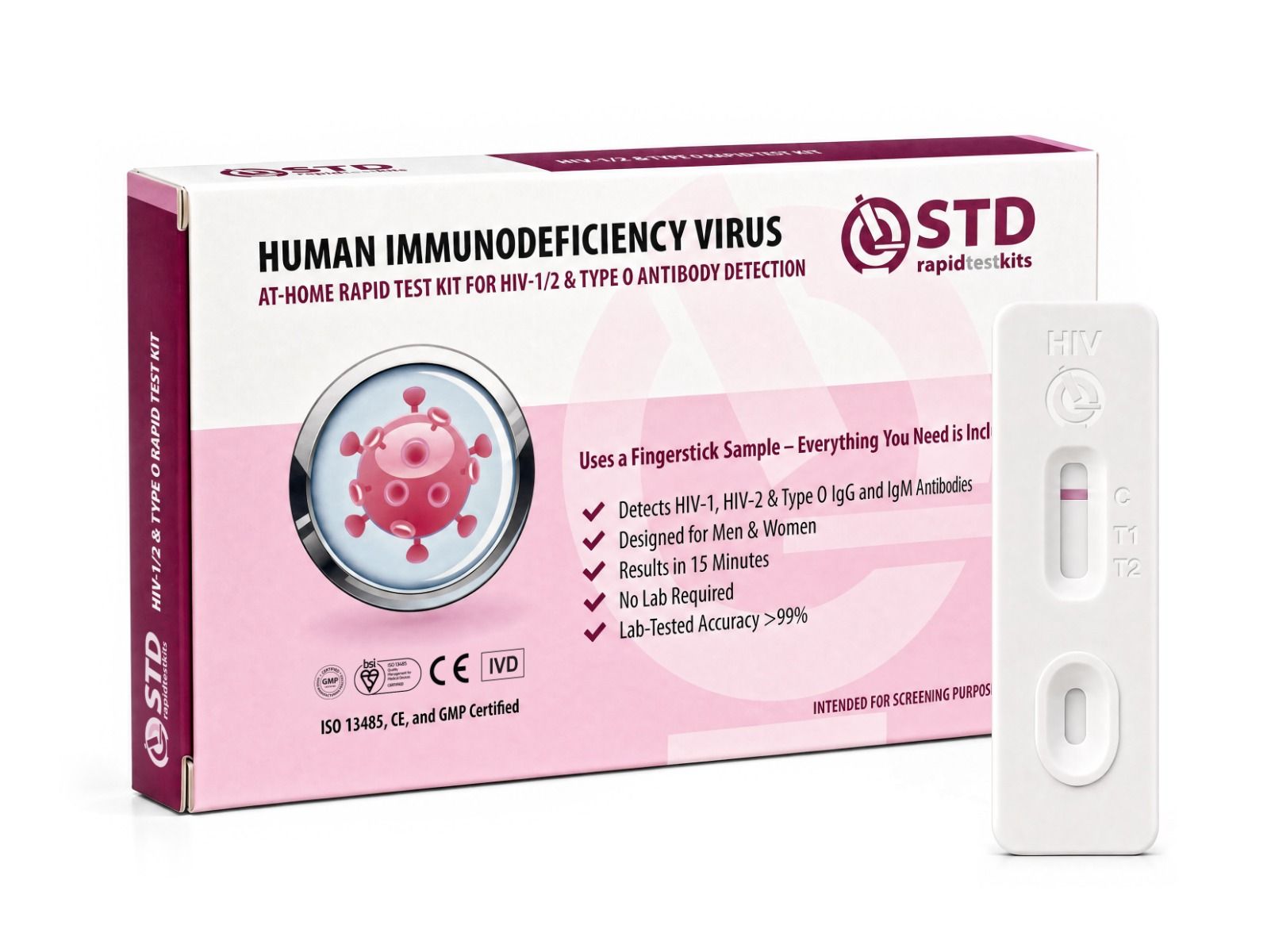
This article is published by stdrapidtestkits.com, which sells at-home STI testing kits. The products linked below are options we offer; recommendations are based on fit for the reader's concern, not commercial benefit.
When Semaglutide Might Not Be the Right Call
Semaglutide is not the right tool for every patient with HIV and a viral-history liver. The clearer contraindications and yellow flags include:
- Stage 3 to 4 fibrosis or compensated cirrhosis, particularly with elevated bilirubin or a falling platelet count.
- A personal history of pancreatitis (any cause), since GLP-1 drugs carry a small pancreatitis signal.
- Medullary thyroid carcinoma or MEN-2 syndrome (boxed warning).
- Persistent unexplained nausea, vomiting, or weight loss before starting, which can be amplified by the drug.
- Active HIV-associated wasting or a body composition that is already lean, where further weight loss would not be desirable.
- Severe gastroparesis or recurrent bowel obstruction.
The conversation also looks different if your blood-glucose or weight problem is mild and you have many alternatives. SGLT2 inhibitors, metformin, and structured nutrition and exercise programs do not carry the same monitoring burden in a coinfection-history liver, and they may be a reasonable first step.

Patients with advanced fibrosis or cirrhosis at the time of HCV cure remain at risk of liver-related complications and should continue to be monitored long-term.
Weight Loss in the Context of HIV History
Weight loss is not a neutral outcome for everyone. For people who lived through the era of HIV-associated wasting syndrome, lipoatrophy from older nucleoside-analogue regimens, or the sunken-cheek look of long-term protease-inhibitor use, the idea of a drug that strips visible weight can land somewhere between hopeful and triggering. That history is real and it is worth naming before the first dose.
GLP-1 drugs do not target fat selectively; they reduce overall energy intake, and the body chooses what to give up. In well-nourished patients, most of that comes from fat stores. In patients with HIV who already have a lower lean-mass reserve, semaglutide can accelerate sarcopenia (muscle loss) if calorie and protein intake fall too steeply. Loss of lean mass is associated with worse functional outcomes, higher fall risk, and, in older adults, higher mortality.
There is also the lipodystrophy question. People with HIV who carry visceral fat or have a buffalo-hump distribution sometimes welcome GLP-1-driven redistribution. Others, particularly those who fought to regain weight after wasting, do not. Either response is valid, and either response should shape the prescribing plan. A semaglutide course can be paused or stopped if the body composition is moving in a direction you do not want, especially if dual-energy X-ray absorptiometry (DEXA) or bioimpedance shows lean-mass loss.
- Baseline body composition. A DEXA scan if available, bioimpedance if not. Establishes lean-mass starting point before weight loss begins.
- Protein intake target. Roughly 1.2 to 1.6 grams per kilogram of body weight per day during active weight loss. Helps preserve muscle when overall energy intake drops.
- Resistance-training component. Two to three sessions per week. Without it, the scale moves and the muscle goes quietly.
What to Ask at Your Next Appointment
The most useful appointment with your HIV or primary-care provider is one where the structured questions are written down in advance. The list below covers the variables most likely to matter for this specific decision.
- What is my baseline ALT, AST, bilirubin, platelet count, and FIB-4 index, and how have they trended over the last 12 to 24 months?
- Do I have a recent FibroScan or other elastography result? If not, can we get one before starting?
- Given my specific ART regimen, are there any pharmacokinetic concerns with semaglutide that I should monitor?
- What is our liver-monitoring cadence for the first 3 to 6 months, and what enzyme threshold would prompt us to pause?
- Will we track lean mass and not just total weight? What is our calorie and protein plan during titration?
- What symptoms (right-upper-quadrant pain, jaundice, dark urine, severe nausea) should make me call you immediately?
Frequently asked questions
- Is semaglutide safe if I had Hepatitis C but cleared it?
- Cleared Hep C is not a contraindication on its own. Your fibrosis stage matters more than your cure date. Get a FIB-4 or FibroScan result on file before starting, and expect monthly liver checks for the first three to six months.
- Does semaglutide raise liver enzymes?
- In the general type-2 diabetes and weight-management populations, semaglutide is enzyme-neutral or mildly improves liver fat and ALT. In people with underlying fibrosis or steatohepatitis, transient ALT bumps to two or three times the upper limit of normal occur in a minority of patients and usually resolve. Sustained or symptomatic elevations are a reason to investigate further.
- Will semaglutide interact with my HIV medications?
- Direct cytochrome P450 interactions are minimal, because semaglutide is a peptide that is broken down by general proteolysis. The bigger question is gastric emptying. Most oral antiretrovirals are unaffected in practice, but if you are on the oral semaglutide formulation (Rybelsus) the timing rules become stricter, and that is worth flagging to your HIV physician.
- If I have cirrhosis, can I take semaglutide at all?
- Compensated Child-Pugh A cirrhosis has been included in some semaglutide trials with acceptable safety, but most large studies excluded any cirrhosis. Decompensated liver disease (Child-Pugh B or C) is a clear reason for caution. The decision belongs to a hepatologist familiar with your specific case, not to a primary-care prescription pad.
- What if I start losing weight too fast?
- Rapid weight loss can mean rapid lean-mass loss, especially in patients with prior HIV-related wasting. If clothes are falling off faster than expected or strength is dropping, ask about lowering the dose, adding a structured protein and resistance-training plan, or pausing the drug. Speed of weight loss is not a measure of how well the therapy is working.
- Can semaglutide help with HIV-related metabolic problems?
- There is real signal that GLP-1 drugs improve insulin sensitivity, reduce visceral fat, and lower hepatic fat fraction in people living with HIV who have metabolic dysfunction. The SLIM LIVER trial is the most-cited example. The benefit is real; the absolute number of patients studied is still modest.
- How often should I test my liver while on semaglutide?
- A reasonable cadence for patients with HIV or past Hepatitis C is baseline ALT, AST, bilirubin, and platelet count before starting, then monthly for the first three to six months, then quarterly through the first year if labs are stable. Your specialist may adjust based on your baseline fibrosis stage.
- Does clearing Hepatitis C mean my liver is normal again?
- Not always. A sustained virologic response clears the virus, but it does not always reverse established fibrosis or cirrhosis. The AASLD/IDSA HCV Guidance recommends ongoing surveillance, particularly for patients who had stage 3 to 4 fibrosis before treatment, because the liver-cancer risk is reduced but not eliminated.
- Which symptoms should make me stop semaglutide and call my provider?
- Severe upper-abdominal pain (especially radiating to the back, which can suggest pancreatitis), jaundice, dark urine, persistent vomiting, or new unusual tiredness all warrant a same-day call. These do not always mean a liver or pancreas problem, but they are worth checking promptly.
Testing and Monitoring as Part of Your Plan
Semaglutide is not a villain for readers with HIV or a Hep C history, and it is not a free pass either. It is a powerful metabolic therapy whose safety profile in your specific population has not been mapped with the kind of rigor the general type-2 diabetes data shows. The mitigation is straightforward: know your baseline liver and HIV numbers before starting, build a monitoring cadence into the first three to six months, and treat any of the warning signs above as a reason to call your provider rather than wait.
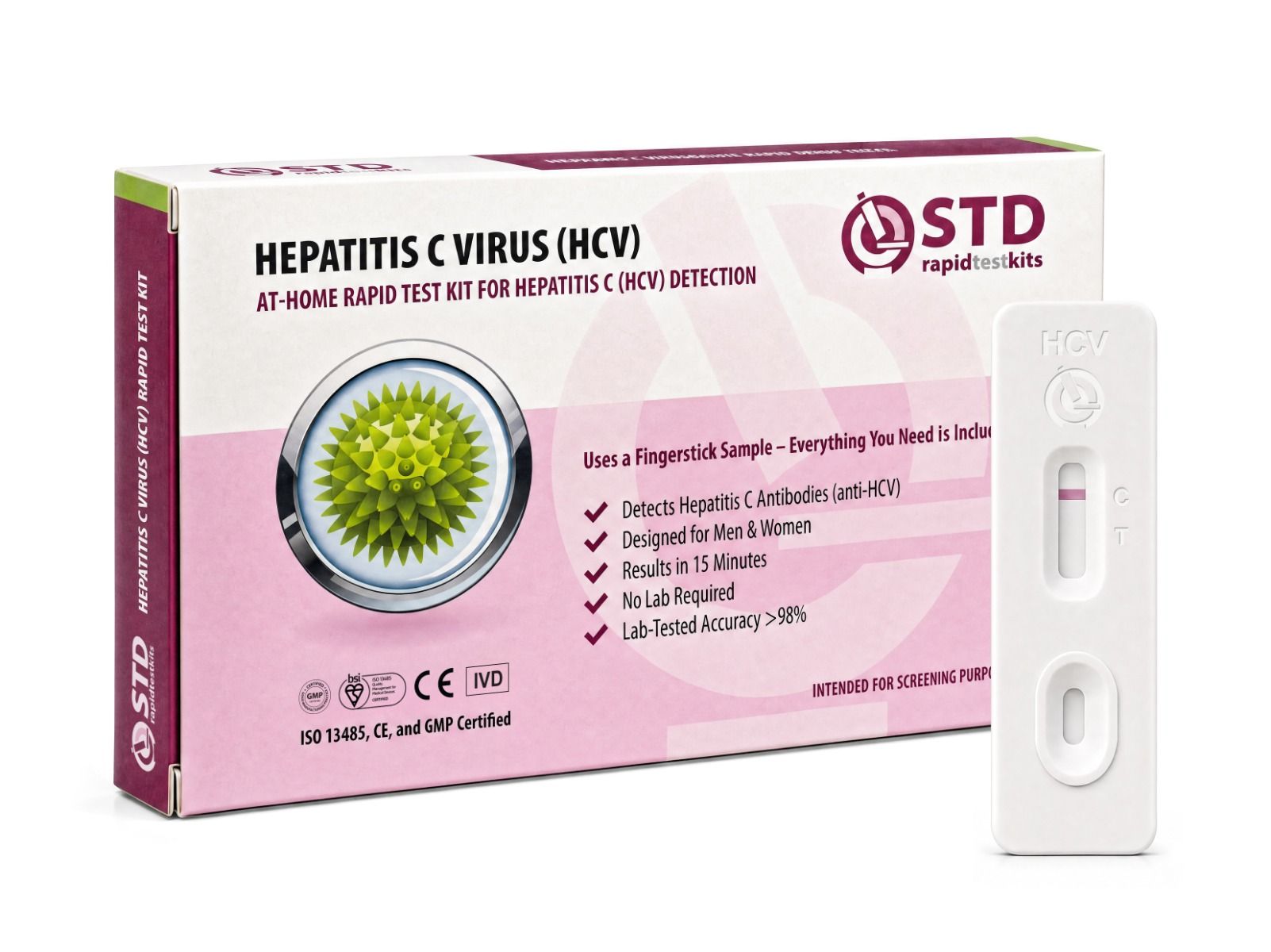
If documentation of your serostatus is patchy, or you simply want a private way to re-baseline before a new medication conversation, an at-home rapid test can be a reasonable starting point. A positive antibody result is not a final answer and still needs lab confirmation.
- Before starting: ALT, AST, bilirubin, platelet count, FIB-4 index, and a recent FibroScan or APRI if available. Document HIV viral load and CD4 count from the most recent visit.
- Months 1 to 6 on semaglutide: liver panel monthly. Recheck HIV viral load at months 3 and 6.
- Months 6 to 12: liver panel quarterly if labs have been stable. Body-composition measurement if available.
- After month 12: return to the routine cadence your HIV physician and primary-care provider already use.
How we sourced this article: We combined current guidance from the CDC on Hepatitis C and HIV with the AASLD/IDSA HCV Guidance on post-cure monitoring, peer-reviewed semaglutide trials (including the NEJM NASH trial and the SLIM LIVER trial in people living with HIV), the NCBI Bookshelf StatPearls monograph on semaglutide, and the MedlinePlus drug-information page for the medication. Clinical-pattern descriptions reflect published case-series literature and specialist clinic experience, not individual patients. We do not provide medical advice; for decisions about your specific regimen, work with an HIV physician or hepatologist who has your full record.
- U.S. Centers for Disease Control and Prevention. Hepatitis C information for patients and providers.
- Newsome PN et al. A Placebo-Controlled Trial of Subcutaneous Semaglutide in Nonalcoholic Steatohepatitis. N Engl J Med. 2021;384(12):1113-1124. (PubMed mirror for the open-access abstract.)
- Lake JE et al. The Effect of Open-Label Semaglutide on Metabolic Dysfunction-Associated Steatotic Liver Disease in People With HIV (the SLIM LIVER study). Ann Intern Med. 2024;177(6):835-838.
- Kommu S, Whitfield P. Semaglutide. In: StatPearls [Internet]. Treasure Island (FL): StatPearls Publishing; updated 2024.
- U.S. National Library of Medicine, MedlinePlus. Semaglutide injection: patient drug-information page covering uses, dosing, drug interactions, and warnings.
- U.S. Centers for Disease Control and Prevention. HIV treatment information for patients, including modern antiretroviral regimens.
- American Association for the Study of Liver Diseases and Infectious Diseases Society of America. HCV Guidance: Recommendations for Testing, Managing, and Treating Hepatitis C, including post-SVR monitoring of patients with advanced fibrosis or cirrhosis.
