
Most queer women have been told they're low risk for STDs. The data and the CDC's own guidance disagree. This guide covers what actually spreads between women, the right window periods to test, and how to navigate a healthcare system that still defaults to a heterosexual script.
Published: July 2025 | Last updated: April 2026 | Editorial review and quality control: Martina N.
Queer women, lesbians, bisexual women, and anyone with a vulva who has sex with another person with a vulva, can absolutely contract sexually transmitted infections. The risk profile is different from heterosexual sex, not absent. HPV, herpes (HSV-1 and HSV-2), trichomoniasis, chlamydia, gonorrhea, and syphilis all transmit through routes that don't require a penis: oral contact, shared sex toys, fingers carrying infected fluids, and skin-to-skin friction during genital rubbing.
This guide pulls together what actually spreads between women, why so much of the medical system still treats this as a low-priority topic, and what a comprehensive testing plan looks like when you've been told for years that you don't need one. We've also folded in the science from a sibling article on female-to-female transmission so this becomes the single page worth bookmarking.
Can STDs really spread between women?
Yes. HPV is the most common, and studies of women who have sex with women find prevalence rates similar to heterosexual women. Herpes (HSV-1 and HSV-2), trichomoniasis, chlamydia, gonorrhea, and syphilis can all pass through oral sex, shared sex toys used without barriers, genital-to-genital contact, and fluid transfer on hands or fingers. Test windows range from 7 to 14 days post-exposure for chlamydia and gonorrhea up to roughly 12 weeks for HSV-2 antibodies. The CDC's STI Treatment Guidelines explicitly recommend screening women who have sex with women based on individual sexual practices, not assumed risk category.
Key Takeaways
- HPV, herpes, trichomoniasis, chlamydia, gonorrhea, and syphilis all transmit between women through oral sex, shared toys, and genital contact, with no penetration required.
- The CDC's Sexually Transmitted Infections Treatment Guidelines recommend STI screening for women who have sex with women based on actual sexual practices, not assumed low-risk status.
Why the "Low Risk" Myth Still Holds On
The phrase "women who have sex with women are low risk" has shaped medical screening culture for thirty years. The phrase originated from older epidemiology that focused on HIV transmission via vaginal and anal intercourse, where female-to-female transmission of HIV is in fact rare. The problem is that the phrase quietly expanded to cover all STIs, including infections that pass through skin contact, oral sex, and shared objects, where female-to-female transmission is not rare at all.
The result is a screening gap. Surveys of queer women repeatedly find that many have never been offered STI testing, have been told it isn't necessary, or have had a provider visibly disengage when they disclosed they only sleep with women. The CDC's STI Treatment Guidelines for Women Who Have Sex with Women are explicit that risk assessment should be based on what someone actually does in bed, not on the gender of their partners. Many clinicians have not updated their default script.
Female-to-female HIV transmission is extremely rare in the absence of blood-fluid exposure. Documented case reports exist, but the per-act probability is low enough that public-health guidance does not flag it as a primary concern for women whose sexual contact is limited to vulva, oral, and shared-toy activity. Two situations meaningfully raise the risk: concurrent STI ulcers (HSV outbreaks, syphilis chancres) that create open mucosal entry points, and direct contact with menstrual or other blood. Testing windows: a 4th-generation lab antigen-antibody test reaches reliable detection by 45 days post-exposure; a rapid antibody fingerstick reaches reliable detection by 90 days. If you've had blood-fluid contact with a partner of unknown HIV status, the lab test at 45 days is the right tool.
How STDs Spread Between Women
Transmission depends on three things: contact (skin or mucosa), fluid exchange, and viral or bacterial load at the contact site. None of those three require a penis. The table below summarizes the dominant transmission routes for the STIs most relevant to women who have sex with women, drawn from the CDC's WSW guidance and supporting clinical literature.
| Infection | Transmits between women? | Most common female-to-female routes |
|---|---|---|
| HPV | Yes, common | Oral-genital contact, vulva-to-vulva (skin-to-skin) friction, shared sex toys |
| Herpes (HSV-1, HSV-2) | Yes, common | Kissing, oral sex, genital contact, fingers carrying lesion fluid |
| Trichomoniasis | Yes | Vulva-to-vulva contact, shared toys without barriers, fluid transfer on fingers |
| Chlamydia | Yes, less common | Shared toys, fingers carrying infected vaginal fluid, oral sex |
| Gonorrhea | Yes, less common | Oral-to-genital contact, shared toys, throat colonization from oral sex |
| Syphilis | Yes, uncommon | Direct contact with a chancre during oral or genital contact |
| HIV | Rare but documented | Has been documented in case reports, primarily through blood-fluid exposure |
The Six STIs That Actually Show Up
Some infections cluster more heavily in queer women than others. A short profile of each helps separate the realistic worry list from the over-generalized one.
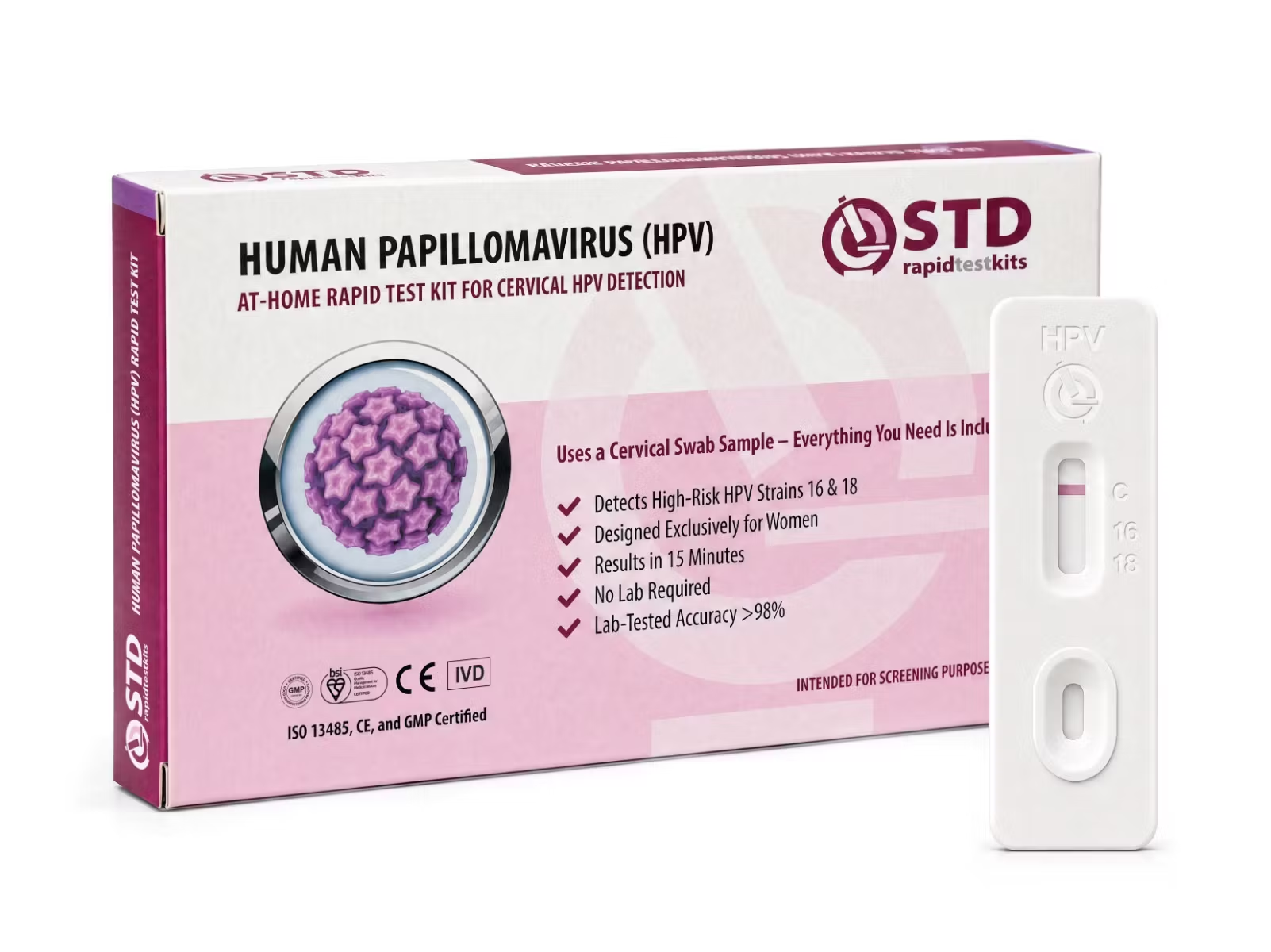
HPV. The single most common STI in women who have sex with women, with prevalence comparable to heterosexual women. HPV transmits through skin-to-skin contact in the genital area, and the virus can persist for years without symptoms. High-risk strains (notably 16 and 18) drive almost all cervical cancer cases. Pap smears and HPV co-testing are recommended for queer women on the same schedule as everyone else, despite a persistent myth that vulva-only sexual histories don't need screening. They do.
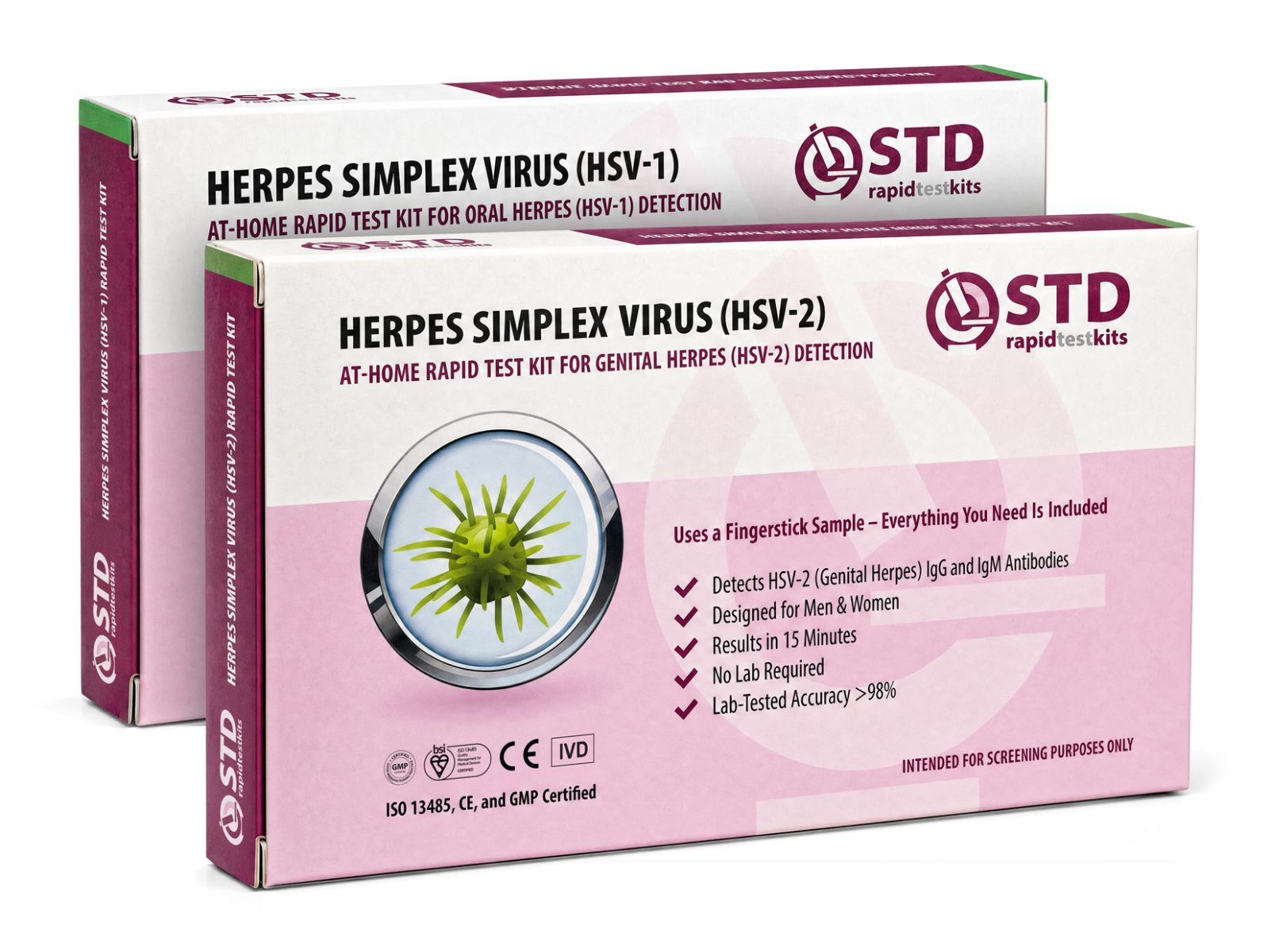
Herpes (HSV-1 and HSV-2). HSV-1 typically presents as oral cold sores but increasingly causes genital herpes through oral-to-genital contact. HSV-2 is the strain most associated with genital outbreaks. Both can be passed during asymptomatic shedding, when the carrier has no visible lesion. Per the CDC's herpes overview, most people with HSV don't know they have it.
Trichomoniasis. Caused by a single-cell parasite (Trichomonas vaginalis). Often invisible: most infected people have no symptoms, and those who do may have only mild discharge changes or itching. Spreads readily through shared toys and direct genital contact. It is protozoal and treatable with a short course of metronidazole or tinidazole, but reinfection is common when partners aren't treated together.
Chlamydia. Most infected women have no symptoms, per CDC guidance on chlamydia. Female-to-female transmission is documented though less common than heterosexual transmission, primarily through shared toys and fingers carrying infected fluid. Untreated chlamydia is one of the leading preventable causes of pelvic inflammatory disease and tubal infertility.
Gonorrhea. Often asymptomatic, especially in the throat. Pharyngeal gonorrhea (throat infection) is plausible after oral sex with an infected partner and frequently goes undetected because providers don't routinely swab the throat unless asked.
Syphilis. Less common in queer women than in some other populations, but rates have been rising overall in the U.S. since 2015. Transmits through direct contact with a syphilis sore (chancre), which can appear on the vulva, in the mouth, or on the lips. A blood test confirms infection.
One of the most consistent screening misses in queer women is cervical cancer screening. The current U.S. Preventive Services Task Force schedule (Pap smear every three years from ages 21 to 29, and Pap plus HPV co-testing every five years from ages 30 to 65) applies regardless of whether your sexual history includes men. HPV transmits through skin-to-skin genital contact, including vulva-to-vulva, so a vulva-only sexual history does not exempt anyone from cervical screening. If a provider has ever told you otherwise, they were following an outdated script.
Window Periods: When a Test Will Actually Catch It
Every STI has a window period, the time between exposure and when a test can reliably detect infection. Test before the window closes and the result can come back falsely negative, which is one of the more frustrating ways a clean test can give false reassurance. The reference numbers below pull from manufacturer test labels and CDC screening guidance.
| Infection | Earliest reliable test window | Test type |
|---|---|---|
| Chlamydia | 7 to 14 days post-exposure | NAAT on urine or vaginal swab; rapid lateral-flow swab as a screening option |
| Gonorrhea | 7 to 14 days post-exposure | NAAT on urine or vaginal swab; throat swab if oral exposure; rapid lateral-flow as screening |
| Trichomoniasis | 5 to 28 days post-exposure | Vaginal swab (NAAT or rapid antigen) |
| HSV-2 antibodies | Up to 12 weeks post-exposure | Fingerstick blood antibody test |
| Syphilis | 3 to 6 weeks post-exposure | Fingerstick blood antibody test |
| HIV (4th-gen lab) | By 45 days post-exposure | Lab antigen-antibody test; rapid antibody fingerstick reaches reliable detection by 90 days |
| HPV | Months post-exposure | Pap smear + HPV co-test (cervical), or vaginal swab for HPV antigen as a screening option |
Barrier Methods That Reduce Risk
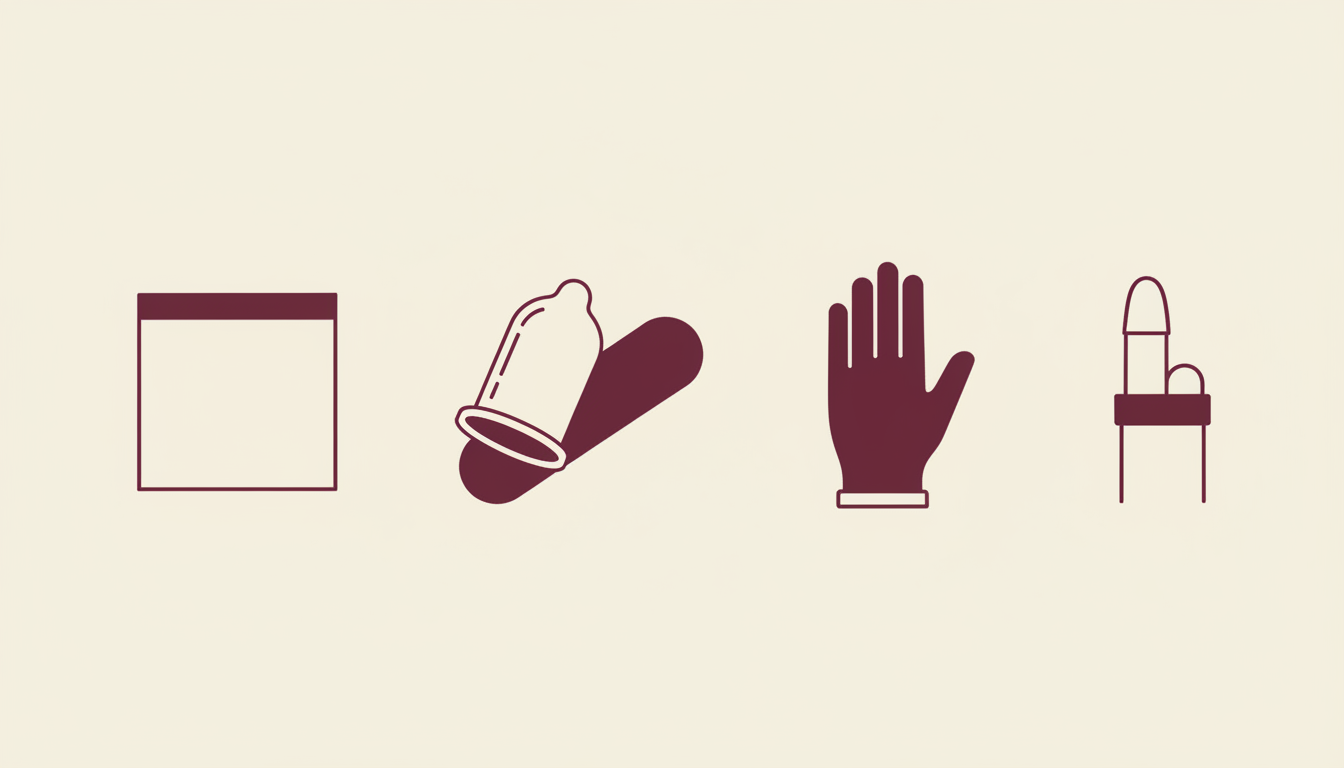
Barriers come up rarely in queer-women sex education, which leaves a lot of people improvising. Each method below addresses a different combination of skin contact and fluid exchange. Use the one that fits the activity, not a single default.
| Method | Blocks fluids? | Blocks skin contact? | Best use case |
|---|---|---|---|
| Dental dam | Yes | Partial (covers contact area only) | Oral sex on a vulva or anus |
| Condom on a sex toy | Yes | Yes if changed between partners | Any toy that goes between two bodies |
| Nitrile or latex gloves | Yes | Partial (palm and fingers) | Manual stimulation, especially with cuts or hangnails |
| Finger cot | Yes | Partial (single finger) | Light manual stimulation when full glove is overkill |
| No barrier | No | No | Fluid-bonded long-term partners with shared current STI screening |
How to Use Barriers Correctly
A few practical notes that often get skipped. A dental dam needs to stay flat and one-sided during use; flipping it cancels its protective effect. A condom on a toy must be replaced when the toy moves to a different partner. Plastic wrap is sometimes recommended as a dental-dam substitute when nothing else is available, but only non-microwaveable food wrap is appropriate; microwave-safe plastic has tiny pores that don't reliably block viruses. Cleaning toys with soap and warm water between every use, or following the manufacturer's disinfection guide for porous materials, is the single highest-leverage habit for couples who don't want to use condoms on toys every time.
Sexually active women are at risk for acquiring bacterial, viral, and protozoal STIs from current and previous partners, both male and female.
A Composite Story: Trich in a "Monogamous" Couple
The pattern below is composite, drawn from common scenarios reported to clinics that work with queer women. No real patient names, no first-person clinical anecdote.
Two women in their mid-thirties have been together for eighteen months. They're monogamous. Neither has slept with a man during the relationship. They share a small collection of toys, occasionally rinsed under hot water but rarely sanitized properly between uses. Neither has been tested in over a year because, as one of them put it, "we figured we didn't need to."
One partner notices a faint change in vaginal odor. Nothing dramatic. She mentions it at her annual exam. The provider runs a panel that includes trichomoniasis. It comes back positive. Her partner tests positive too.
Where did it come from? Trichomoniasis can persist for months without symptoms, and one of them likely carried it in from a previous partner before the relationship began. Without testing at relationship start, it sat undetected in shared toys and shared fluid contact, slowly cycling back and forth. Treatment is one course of metronidazole or tinidazole for both partners simultaneously.
Reinfection is the most common reason a treated infection comes back. The CDC's WSW guidance emphasizes that both partners need a full course of treatment at the same time, even if only one tested positive. Treating one and waiting on the other restarts the cycle the next time you have unprotected contact, with the original cassette test reading positive again two weeks later.
What Comprehensive Testing Should Cover
If you're queer and want a screening panel built around your sex life, here's what a thorough one looks like. Some of these are available at home; others require a clinic.
- Vaginal swab (NAAT or rapid lateral-flow): Standard for chlamydia, gonorrhea, trichomoniasis, and HPV screening.
- Throat swab: If you've given oral sex, gonorrhea and chlamydia can colonize the pharynx and only show up on a throat swab. This sample type is clinic-only; we don't sell a pharyngeal kit.
- Blood test (fingerstick or lab draw): For HSV-1, HSV-2, syphilis, hepatitis B, hepatitis C, and HIV antibody screening.
- Pap smear with HPV co-test: For cervical cancer screening on the standard schedule for your age group, regardless of partner gender. Clinic-only.
A note on what we sell at home and what we don't. Our HPV and trichomoniasis rapid swabs are validated for vaginal self-swab only, which makes them a clean fit for queer women but means they aren't appropriate for partners who don't have a vagina. Our blood antibody tests (HSV, syphilis, HIV, hepatitis) work for any reader. We don't sell pharyngeal swabs or rectal swabs; for those exposure routes, a clinic visit is the right path.
This article is published by stdrapidtestkits.com, which sells at-home STI testing kits. The products linked below are recommended because they fit the testing routes most relevant to queer women, not because of commercial benefit. Tests we don't sell (pharyngeal swabs, Pap smears) are flagged as clinic-only when they come up.
Why Many Queer Women Skip Testing
Misinformation explains some of it. The rest is medical trauma. Surveys of LGBTQ+ patients in primary care and reproductive-health settings consistently surface the same pattern: providers ask about sexual activity in heteronormative scripts, queer women correct the script, and from there one of three things happens. The provider adjusts and runs the right screening. The provider freezes and runs nothing. The provider says something dismissive ("oh, you don't need that test then") that ends the conversation.
Repeated dismissal is a structural reason to skip the clinic entirely. The NHS sexual-health guidance for lesbian and bisexual women covers the key transmission risks and recommends regular STI testing and clinic visits for queer women.
At-home testing exists in part because not every reader has access to an LGBTQ+ affirming provider, and not every reader has the energy to fight for screening they shouldn't have to fight for. A discreet kit posted in a plain box, with results in fifteen minutes, removes the gatekeeping problem from the equation.
When to Retest
One negative test is rarely the end of a screening cycle. Three patterns commonly trigger a retest.
You tested before the window closed. If you had possible exposure five days ago and tested for chlamydia today, that result is not yet reliable. Retest at the window-period mark from the table above.
You were treated for chlamydia, gonorrhea, or trichomoniasis. The CDC recommends retesting roughly three months after treatment, not because the antibiotics fail, but because reinfection from an untreated partner is common. The retest catches the silent reinfection cycle before it does long-term damage.
You started a new partnership. A baseline screen at the start of a new sexual relationship is one of the highest-value habits in queer women's sexual health, because it lets both partners share an accurate baseline before fluid-bonding. It also reframes testing as routine self-care rather than an accusation.
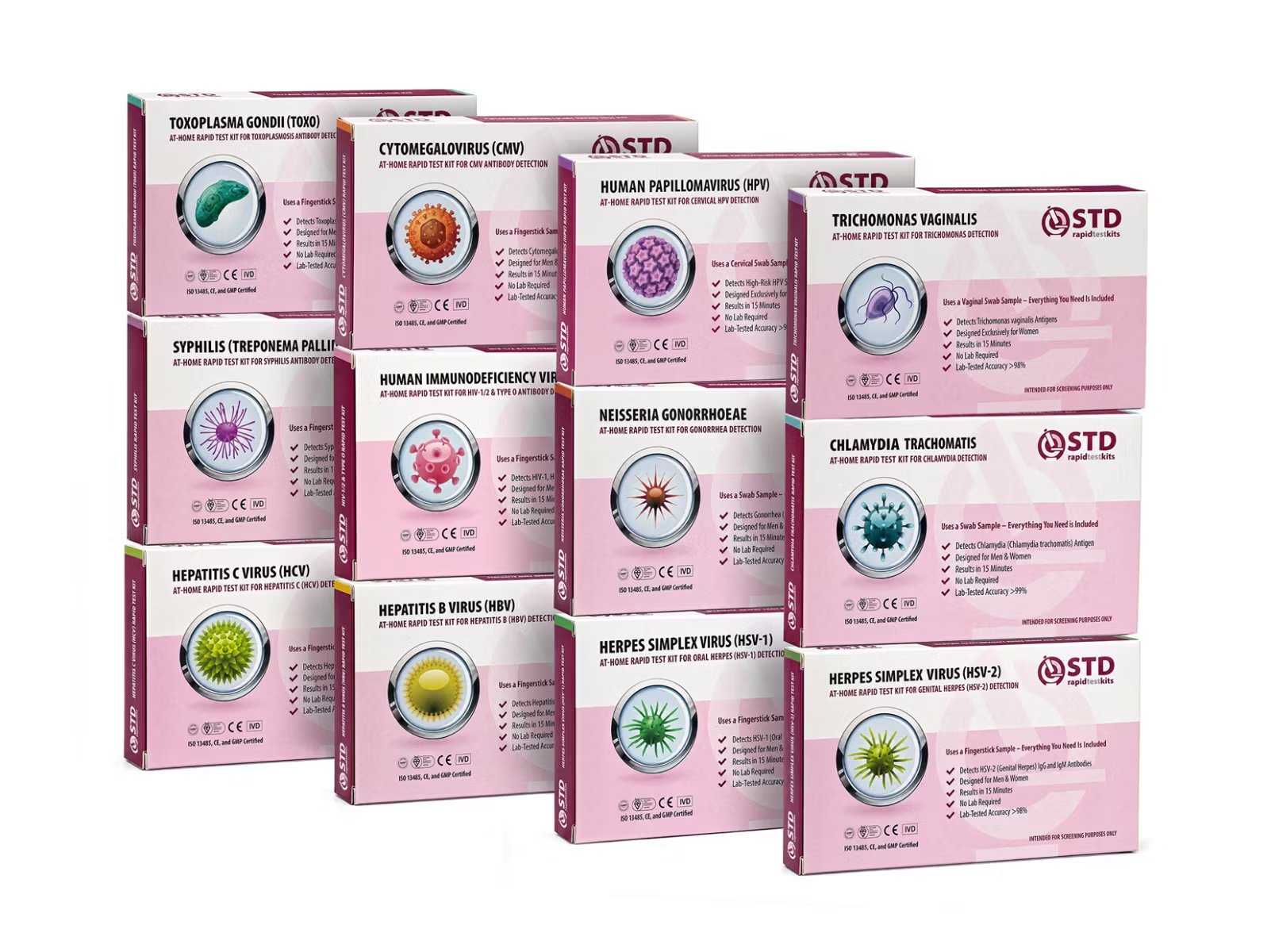
For an at-home option that covers the panel suited to most queer women's screening needs, the women's combo kit below screens for the major bloodborne infections plus the swab-detectable ones in a single shipment.
Frequently Asked Questions
- Can I really get an STD just from kissing?
- Yes, for HSV-1 specifically. HSV-1 (the strain that causes cold sores) transmits readily through kissing, and it can also pass to a partner's genitals during oral sex. Most other STIs don't transmit through kissing alone. Syphilis can in rare cases if a chancre is on the lip or in the mouth.
- If we only used fingers and oral, do I still need to test?
- Yes. HPV, herpes, trichomoniasis, and (less commonly) chlamydia and gonorrhea can all transmit through oral sex and finger-to-genital contact, especially if there's a cut, hangnail, or fluid carryover. Penetration isn't the threshold for transmission; direct contact with genital tissue and fluid exchange are.
- Can you actually get herpes from scissoring?
- Yes. Herpes transmits through skin-to-skin contact in the genital area, and asymptomatic shedding (when the carrier has no visible sore) accounts for a significant share of transmissions. Vulva-to-vulva friction is a documented route.
- Do I need a throat swab if I've had oral sex with another woman?
- If you have throat symptoms or want a complete screen, yes. Pharyngeal gonorrhea and chlamydia are often asymptomatic and only show up on a throat swab. We don't sell a pharyngeal-swab kit; that sample type needs a clinic visit.
- Why do some doctors say lesbians are low risk?
- The phrase originated from older HIV-specific epidemiology where female-to-female transmission of HIV is genuinely rare. The phrase was then over-generalized to all STIs, which the data doesn't support. Current CDC and NHS guidance both explicitly recommend screening women who have sex with women based on actual sexual practices, not category.
- Can I test from home if I'm queer?
- Yes. At-home rapid kits don't ask about your partner's gender. The test reads the presence or absence of the infection, not the route of exposure. For queer women specifically, our HPV and trichomoniasis kits are validated for vaginal self-swab only; our blood-antibody tests work for everyone.
- What if a test comes back positive?
- Confirm with a clinician (especially for herpes antibody tests, where false positives can occur in low-risk populations). Then notify recent partners so they can also test and treat. Most curable STIs (chlamydia, gonorrhea, trichomoniasis, syphilis) clear with a short antibiotic course. Viral STIs (HSV, HPV, HIV) are managed long-term, and modern treatment is effective enough that most readers live normal lives with them.
- How often should queer women get tested?
- The CDC's general recommendation is annual screening for sexually active people, with more frequent screening (every three to six months) for anyone with new or multiple partners. Pap smears with HPV co-testing follow the standard age-based schedule (every three to five years from age 21 onward, depending on prior results), regardless of partner gender.
The Honest Bottom Line
Queer women have been told for decades that STIs aren't their problem. The CDC, the NHS, and the WHO all disagree, and the data has caught up to lived experience. HPV, herpes, trichomoniasis, chlamydia, gonorrhea, and syphilis can all pass between people with vulvas through routes that don't require a penis. The good news is that all of these are detectable, and most are treatable. The harder news is that the screening gap is real, and closing it often means self-advocating in clinic or testing at home outside the clinic system entirely.
Whichever route you choose, get a baseline. Retest after a new partner. Treat together. The rest of this is just paying attention to a part of your health that the system has spent a long time pretending didn't exist.
- U.S. Centers for Disease Control and Prevention. Sexually Transmitted Infections Treatment Guidelines, Special Populations: Women Who Have Sex with Women. Source for transmission routes, screening recommendations, and partner-treatment guidance referenced throughout the article.
- U.S. Centers for Disease Control and Prevention. Genital herpes overview. Source for asymptomatic shedding statements and HSV-1 oral-to-genital transmission.
- U.S. Centers for Disease Control and Prevention. About chlamydia. Source for the statement that chlamydia often has no symptoms in infected women.
- U.S. Centers for Disease Control and Prevention. About sexually transmitted infections. Source for general STI prevalence and trend data.
- U.K. National Health Service. Sexual health for lesbian and bisexual women. Source for the medical-system-gap discussion and self-advocacy guidance.
- World Health Organization. Sexually transmitted infections (STIs) fact sheet. Source for global incidence framing and screening rationale.
