Published: November 2025 | Last updated: May 2026 | Editorial review and quality control: Martina N.
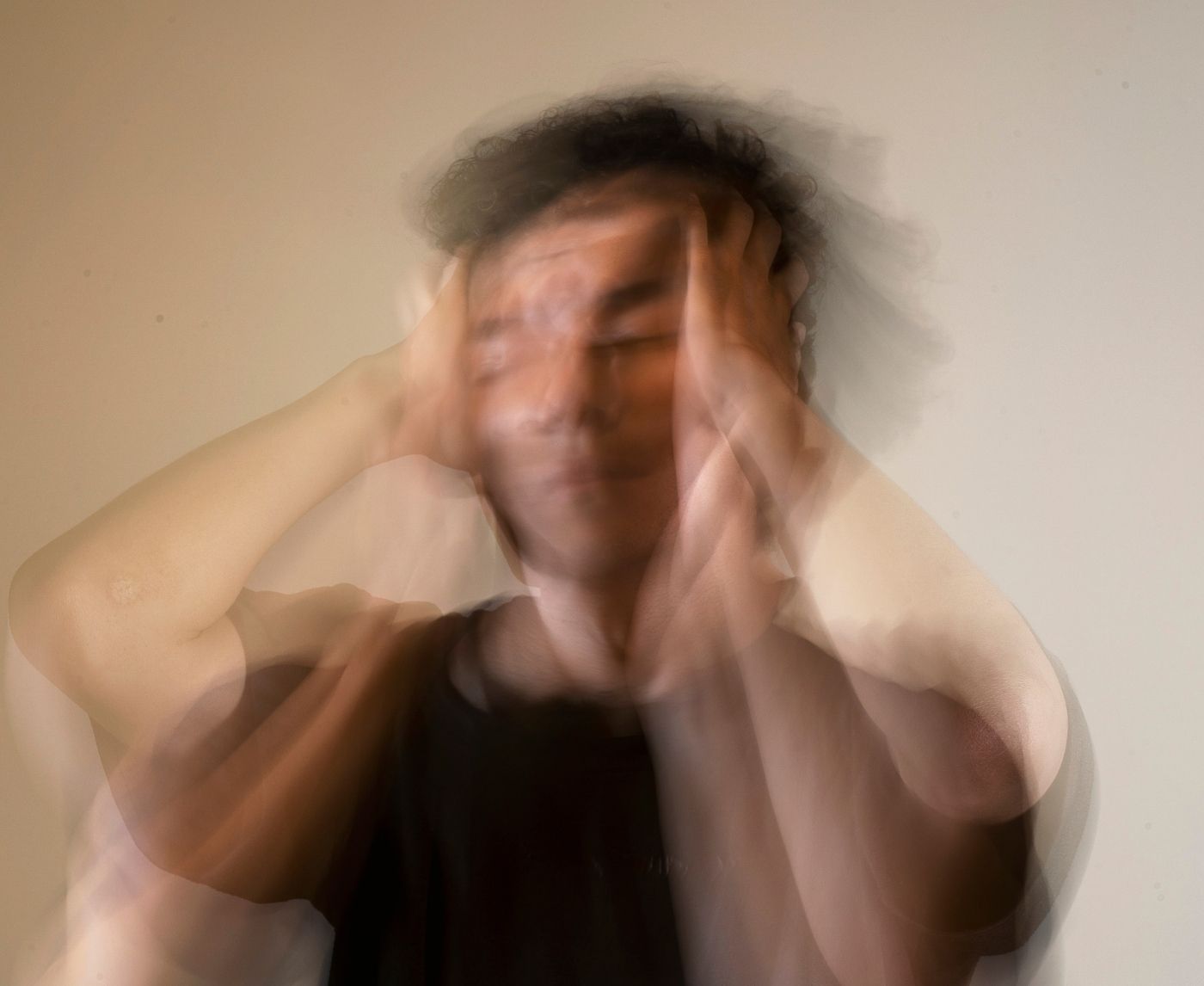
Stress does not infect you with anything. But months of grinding pressure, the kind that wears down your sleep and your eating and your patience, can change how your immune system responds when a real infection comes calling. For sexually transmitted infections specifically, the link runs two ways. Stress weakens the body's antiviral and antibacterial defenses, and stress shifts behavior in ways that can raise exposure risk.
This article walks through what the evidence actually says about stress and STI vulnerability. We separate the well-documented effects, like herpes reactivation and slower wound healing, from the looser claims that get repeated online. Then we cover what kinds of testing and stress management move the needle for someone living through a high-stress stretch.
Key Takeaways
- Chronic stress does not create new STIs, but it weakens immune control of viruses you may already carry (notably herpes) and shifts behavior in ways that can raise exposure risk.
- Sleep is the biggest single immune lever during a stressful period. At-home rapid testing fits stress-heavy seasons well because it removes the clinic-visit friction that compounds when someone is already overwhelmed.
How chronic stress weakens immune defenses
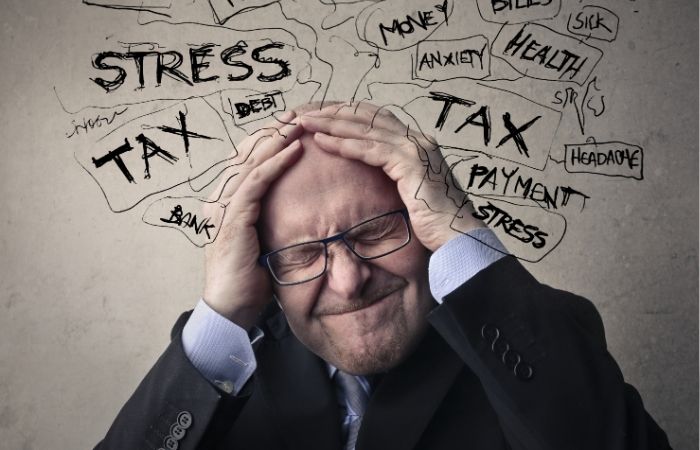
Your immune system runs on a balance between activation and rest. When the body senses threat, it ramps up. When threat passes, it down-regulates and returns to maintenance. Short bursts of stress are fine, even useful. The problem is when threat signaling never turns off.
The mechanism most clinicians point to is cortisol. Cortisol is the body's primary stress hormone, released by the adrenal glands in response to ongoing pressure. In short windows it can dampen unhelpful inflammation. In long windows, sustained over weeks or months, elevated cortisol impairs immune regulation and leaves the body less efficient at fighting off both new infections and dormant ones it had been keeping quiet (American Psychological Association, stress effects on the body).
The downstream effects most relevant to sexual health are three:
- Reduced antiviral response. Cell-mediated immunity is part of how the body keeps viruses like herpes simplex (HSV) and human papillomavirus (HPV) contained. When that surveillance dips, viruses that were dormant can reactivate.
- Slower wound healing. Skin and mucosal tissue heal more slowly under chronic stress. For STIs that cause sores or lesions, that means a longer window where the lesion is contagious and the tissue is breached.
- Higher inflammation baseline. Chronic stress raises baseline inflammatory markers, which paradoxically makes the body slightly worse at fighting acute infections even while it feels inflamed all the time.
A single bad week at work or a one-time emotional shock is not what we are talking about. The effects above show up after weeks or months of sustained pressure, the kind that comes with caregiving for a sick relative, ongoing financial pressure, an unstable housing situation, or persistent sleep deprivation (National Institute of Mental Health, I'm So Stressed Out!). Sleep loss is its own immune suppressor on top of the stress that often causes it, so people in chronically stressful stretches tend to pick up more common infections regardless of any STI question.
Short bursts of cortisol are useful. Months of elevated cortisol are not. Sustained stress hormones impair the immune system's ability to keep latent viruses suppressed and slow wound healing, two effects that matter directly for STI biology. The effects build over weeks, not days, and compound when sleep is short.
The stress and herpes link is the most reliable
If there is one stress-and-STI connection the evidence supports cleanly, it is the relationship between stress and herpes simplex virus (HSV) reactivation.
Here is how it works. After a first HSV infection, the virus retreats to nerve ganglia near the spinal cord and stays dormant. It does not leave the body. Reactivation, when the virus travels back down a nerve and produces a visible outbreak or sheds asymptomatically, is held in check by a healthy immune response. The NHS lists stress alongside being unwell, menstrual cycles, and a weakened immune system as common triggers that lower that hold (NHS, genital herpes overview).
What that looks like in everyday life:
- People who carry HSV-1 (oral herpes, classic cold sores) commonly notice outbreaks during stressful weeks, around exams, deadlines, or after a bad cold.
- People with genital HSV-2 may notice outbreaks clustering around major life events, periods of poor sleep, or after another viral illness.
- Even without a visible outbreak, asymptomatic viral shedding can rise during stress. This is the mechanism behind most HSV transmission to partners, because shedding without a sore is silent and people do not know to take precautions.
Two things are worth distinguishing carefully. First, stress does not cause herpes. Stress reactivates a virus that is already present. If you have never been exposed to HSV-1 or HSV-2, no amount of stress will produce a herpes outbreak. If you have been exposed, stress is one of several common triggers, alongside menstruation, UV exposure, fever, and other illness.
Second, the virus itself is extremely common. Most U.S. adults carry HSV-1, often acquired in childhood through non-sexual contact like a kiss from a relative, and a meaningful share carries HSV-2. Many never know because they have never had a recognizable outbreak. A stress-triggered cold sore is not evidence of recent sexual activity, and a first-ever genital outbreak in someone who has been monogamous for years usually reflects reactivation, not new exposure.
Most HSV transmission to partners happens without a visible sore. Asymptomatic viral shedding can rise during stressful periods, and because there is no lesion to warn anyone, neither partner knows to take precautions. This is one reason daily suppressive antivirals are recommended for some people with frequent outbreaks: they reduce both visible outbreaks and silent shedding.
Stress and other STIs: HPV, HIV, and bacterial infections
For STIs other than herpes, the evidence is weaker and more indirect, but still worth understanding.
HPV (human papillomavirus). Like herpes, HPV is held in check by cell-mediated immunity. Most HPV infections clear on their own within one to two years. Persistent infection, the kind that can lead to genital warts or cervical cell changes, is more common when immune surveillance is impaired. Chronic stress is one of several factors that can lower the clearance rate, alongside smoking, immunosuppressive medications, and HIV co-infection. The clinical recommendation does not change because of stress: routine cervical screening on the schedule your provider recommends matters more than stress reduction for HPV outcomes.
HIV. Stress does not change whether you can acquire HIV from a given exposure. The virus itself does not care about your cortisol level. But for people living with HIV, stress can accelerate disease progression and lower CD4 counts when treatment adherence slips. People taking effective antiretroviral therapy and virally suppressed are protected from this effect, which is one of many reasons treatment adherence matters so much.
Bacterial STIs (chlamydia, gonorrhea, syphilis). These are acquired infections. Whether you have one depends on exposure, not on immune strength. Stress does not make you significantly more likely to get chlamydia from a specific encounter. Where stress matters for bacterial STIs is on the back end: chronic stress can slow recovery, and the behavioral changes that come with stress (skipping testing, missing partner-notification follow-ups, not finishing an antibiotic course) drive worse outcomes. Finishing the prescribed antibiotic course is the single biggest piece of that puzzle (CDC, STI screening recommendations).
Viral STIs (HSV, HPV, HIV). Stress influences how well the body keeps the virus suppressed once it is already present. This is where the immune-suppression mechanism matters most.
Bacterial STIs (chlamydia, gonorrhea, syphilis). Acquisition depends on exposure, not on immune strength. Stress mostly matters on the back end through delayed testing, incomplete treatment, and missed partner notification.
How stress reshapes behavior and exposure risk
The behavioral piece is harder to talk about cleanly because it crosses into judgment territory, but it is part of the honest picture.
Research on stress and sexual behavior shows a few patterns that hold across populations:
- Coping-driven sexual activity. Some people, under high stress, seek out sex as a coping mechanism, sometimes with new or casual partners. The activity itself is not the issue; the issue is whether protective behaviors (condoms, partner communication, testing) stay consistent during periods when decision-making energy is depleted.
- Impulsive decision-making. Sleep deprivation and chronic stress measurably impair executive function. Decisions that someone would make differently when rested, including decisions about protection, become more likely.
- Avoidance of routine care. Stressed and overwhelmed people often delay non-urgent medical visits, including STI screening. Quiet asymptomatic infections, with chlamydia as the canonical example, progress and spread for longer than they would if testing happened on schedule.
- Substance use co-occurrence. Alcohol or other substances used to manage stress lower the threshold for protective behavior lapses.
None of this is moralizing. It is the reason public health programs target stress-rich populations (students during exam season, people in acute crisis, healthcare workers in heavy seasons) with low-friction testing options.
Does stress directly cause STDs?
No. Stress does not create new infections. What chronic stress does is two things. First, it weakens immune control of viruses you may already carry, which is why herpes outbreaks cluster around stressful periods. Second, it shifts behavior in ways that can raise exposure risk, including skipped condoms, delayed testing, and substance-influenced decisions. If you are in a high-stress period and have had recent unprotected sex, regular screening is the most useful single step.
Stress and STI test accuracy: what changes and what does not
One common worry is whether stress can mess up an STI test result. The short answer is no, with one nuance worth knowing.
Rapid lateral-flow tests, the kind used in most at-home kits, detect either antibodies your body has produced in response to an infection (HIV, syphilis, hepatitis B and C, HSV) or antigens from the pathogen itself (chlamydia, gonorrhea, trichomoniasis, HPV via direct swab). The binding chemistry of these assays is not affected by stress hormones; a positive result is a positive result regardless of how stressed you feel that week.
The nuance is the window period. Antibody-based tests rely on your immune system producing detectable antibodies, and that takes time after exposure. For HIV, fourth-generation antibody-antigen tests typically detect infection by about 45 days after exposure. For syphilis, treponemal antibodies are usually detectable by 6 to 12 weeks. For HSV-2, most people develop detectable antibodies within 12 weeks; a small number of assays recommend waiting up to 16 weeks to rule out early-window false negatives. These windows exist whether you are stressed or not. Severe immunosuppression (active untreated HIV, transplant medication, late-stage cancer) can delay antibody production. Ordinary life stress, even chronic life stress, does not push the window in any clinically meaningful way.
What stress can do is delay your testing. Someone who knows they had a possible exposure may put off testing for weeks because work or family pressure crowds out the trip to a clinic.
HIV (4th-generation antigen-antibody): about 45 days after exposure.
Syphilis (treponemal antibody): 6 to 12 weeks.
HSV-2 (antibody): most positive by 12 weeks; some assays recommend up to 16 weeks.
Chlamydia and gonorrhea (antigen/swab): about 1 to 2 weeks.
Stress does not extend any of these windows. Testing earlier than the window can produce a false negative that has to be repeated.
What supports immunity during a stressful period
The advice that floats around online about stress and immunity tends to be a mix of well-evidenced basics and supplement-industry noise. Here is what the research consistently supports.
Sleep is the single biggest lever. Sleeping fewer than six hours a night for a week measurably lowers immune function, increases susceptibility to common viruses, and impairs vaccine response. If you can only fix one thing during a stressful period, fix sleep.
Moderate aerobic exercise helps; overtraining hurts. Regular moderate-intensity movement (brisk walking, cycling, swimming, three to five sessions a week) supports immune function. Pushing into heavy training while also under chronic stress can suppress immunity further. If you are already overwhelmed, gentle movement is better than ambitious workouts.
Nutrition matters less dramatically than people often hope. A diet with adequate protein, varied vegetables, and enough total calories supports the immune system. Specific immunity-branded supplements have weaker evidence than the basics. Vitamin D is worth checking if you are deficient. Vitamin C megadosing during a stressful period does not have meaningful effects on STI risk or immune resilience.
Social connection and structured downtime. Loneliness and social isolation independently raise inflammation and suppress immune function. Regular contact with people who are good for you, even briefly, has a measurable effect on stress hormones and immune markers.
When at-home STI testing fits a stress-heavy season
The clinical case for at-home rapid testing is strongest exactly when stress is highest. The barriers a clinic visit imposes (taking time off work, sitting in a waiting room, the social load of an appointment) are precisely the barriers that compound when someone is already running on empty.
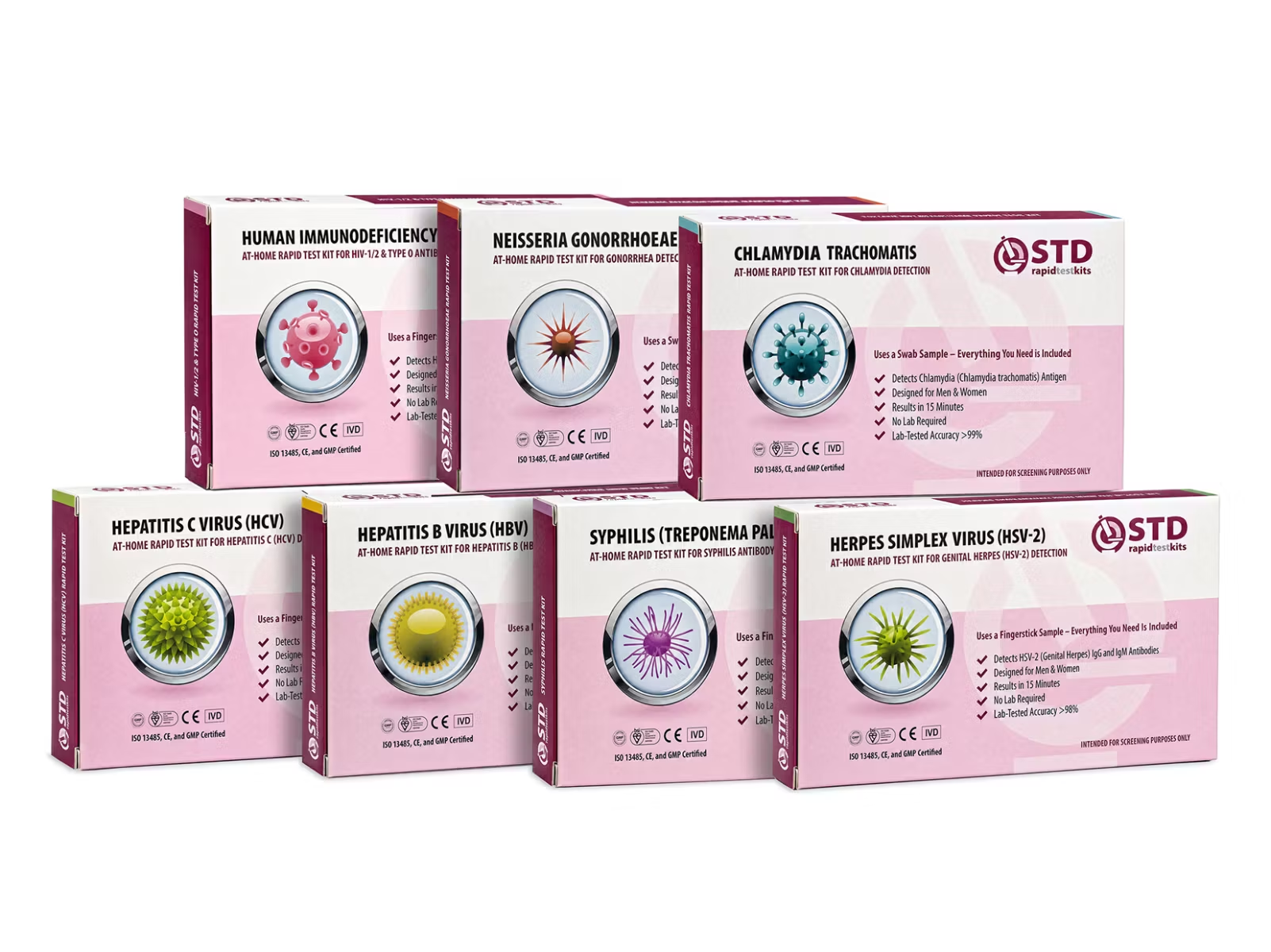
At-home rapid STI kits use lateral-flow chemistry, the same family of assays used in pharmacy pregnancy tests and many rapid COVID tests. They are not a substitute for laboratory testing in every situation. A confirmed positive should always be followed up with a clinic-administered confirmatory test, and asymptomatic screening of certain anatomic sites (throat, rectal) still requires clinician-collected samples we do not currently offer at home. But for the most common questions, did this recent encounter expose me, I have a symptom and want a quick screen, I am in a new relationship and want a baseline, the rapid test is well matched.
The rapid kits referenced below are sold by this site and use the same lateral-flow technology described throughout this article.
The right kit depends on what you want to know:
- If a specific infection is on your mind because of a recent encounter or a new symptom, a single-infection test is the most direct answer.
- If you want a broader baseline, a multi-infection combination kit covers more ground in one session and is the more common choice when stress has made you realize you are overdue on screening generally.
- If herpes is the specific concern because of stress-triggered outbreaks, a blood antibody test confirms whether you carry HSV-1 or HSV-2. It does not detect active outbreaks; a clinician-collected swab of a fresh lesion does that better.
Window periods still apply. If you are testing after a specific exposure, check the recommended testing window for the infection you are concerned about and test then. Testing too early can produce a false negative that you then have to re-do, which adds anxiety rather than relieving it (NHS, sexually transmitted infections overview).
What to do if a result is positive
A positive result on an at-home rapid test is information, not a final diagnosis. The standard protocol is the same whether stress is part of the picture or not.
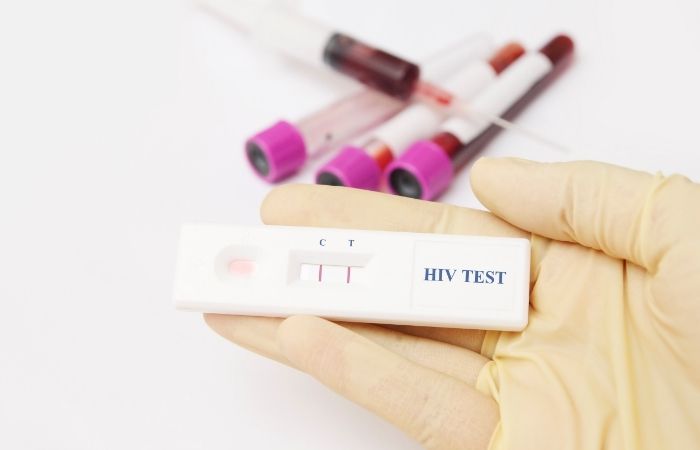
Confirm with a laboratory test. Rapid lateral-flow tests are screening tools. A positive should be followed by a clinician-ordered confirmatory test using lab methods (NAAT for bacterial infections, Western blot or differential antibody panels for HIV, RPR plus treponemal testing for syphilis). Most providers can run these from a standard blood draw and swab in a single visit.
Start treatment promptly. Bacterial STIs (chlamydia, gonorrhea, syphilis) are cured with antibiotics. Hepatitis C has a curative oral regimen. HIV is managed with daily antiretrovirals, and people on treatment with an undetectable viral load do not transmit the virus to sexual partners. Herpes is managed with episodic or suppressive antiviral therapy that reduces outbreak frequency and lowers transmission risk to partners.
Notify recent partners. Most jurisdictions have anonymous partner-notification services that contact partners on your behalf, which can reduce the emotional load when stress is already high. Partners can then test and treat without your name being attached.
For herpes specifically, manage stress as part of the treatment plan. Suppressive antivirals plus consistent sleep, regular exercise, and reduced sustained stress measurably lower outbreak frequency over time. The stress piece is not optional; it is part of what keeps the virus quiet.
Some triggers are unavoidable, including being unwell, stress, during the menstrual cycle, surgery on your genital area, a weakened immune system – for example, from having chemotherapy for cancer.
Common questions about stress, immunity, and STI risk
- Can stress directly cause an STD?
- Stress on its own cannot create an infection from nothing. What it can do is reactivate viruses you already carry (notably herpes simplex) and influence behaviors that change your exposure risk, including less consistent condom use and delayed testing.
- Why do I get herpes outbreaks during stressful weeks?
- HSV stays dormant in nerve ganglia after first infection and is held in check by immune surveillance. Sustained stress lowers that surveillance, which is why outbreaks cluster around exam periods, major life events, and stretches of poor sleep. Stress is one of several common triggers, alongside menstruation, UV exposure, and other illness.
- Does stress mess up STI test results?
- No. Rapid lateral-flow assays detect antibodies or antigens directly, and cortisol does not interfere with the chemistry. Window periods still apply. Test at the recommended interval after a specific exposure for the infection you are checking, regardless of how stressed you feel.
- How long does stress need to last to weaken immunity?
- Weeks to months. A single bad day or week does not measurably suppress immune function. The effects build with sustained elevated cortisol, particularly when combined with sleep loss. The clearest immune suppression shows up after several weeks of chronic stress.
- Will stress management lower my STI risk?
- Indirectly. Better sleep, regular moderate exercise, and consistent social connection support immune function, which helps the body keep latent viruses suppressed. Stress management is not a substitute for protective sex practices and routine screening; it is a complement to them.
- Should I test for STIs more often during high-stress periods?
- If your behaviors change during stress (more partners, less consistent condom use, more substance-influenced decisions), then yes, more frequent screening is reasonable. If your behaviors stay the same, follow the routine screening cadence your provider or the CDC recommends for your age and risk profile.
- What is the most useful at-home test for someone with recurring herpes outbreaks?
- A blood antibody test for HSV-1 and HSV-2 confirms whether you carry the virus. Antibody tests do not detect active outbreaks; for that, a clinician-collected swab of a fresh lesion is more accurate. The blood test is most useful for confirming the diagnosis and identifying which type you carry, which guides treatment and partner discussions.
- Does stress make existing STI symptoms worse?
- For viral STIs like herpes, yes. Outbreaks tend to be more frequent and may last slightly longer during sustained stress. For bacterial STIs, stress does not change symptom severity directly, but it can slow recovery and increase the chance someone delays treatment, which makes outcomes worse.
- UK National Health Service. Genital herpes patient information page, listing stress, illness, menstruation, surgery on the genital area, and a weakened immune system as common outbreak triggers.
- U.S. Centers for Disease Control and Prevention. STI Screening Recommendations, organized by infection and by population group, with retesting intervals and window-period guidance.
- American Psychological Association. Stress effects on the body, including documented effects of chronic stress on the immune, cardiovascular, endocrine, and reproductive systems.
- National Institute of Mental Health. I'm So Stressed Out! Fact sheet defining acute versus chronic stress and outlining general health consequences of sustained stress.
- UK National Health Service. Sexually transmitted infections overview, including symptom recognition, testing windows (noting infections can take up to 7 weeks to appear on tests), and partner-notification guidance.
- U.S. Centers for Disease Control and Prevention. Herpes overview for the public, covering transmission, prevention, testing, and treatment options.
