
Published: September 2025 | Last updated: April 2026 | Editorial review and quality control: Martina N.
The connection between HIV and other sexually transmitted infections is biological, not just statistical. Untreated bacterial and viral STIs damage tissue, recruit immune cells, and raise local viral loads, all of which make HIV easier to catch and easier to pass on. The reverse runs in parallel: people living with HIV face higher rates of co-infection, faster progression of HPV-related cancers, and longer-lasting outbreaks of herpes. This piece walks through the science one infection at a time, then covers what routine testing and prevention actually accomplish.
Do STDs really increase HIV risk?
Yes. Untreated bacterial and viral STIs raise HIV transmission risk by roughly 2 to 5 times, depending on the infection. Genital ulcers (from syphilis or genital herpes) create direct entry points for the virus. Non-ulcerative infections (chlamydia, gonorrhea, trichomoniasis) trigger inflammation that pulls in the exact immune cells HIV targets. The biology runs both ways: people living with HIV face higher rates of co-infection and faster complications.
Key Takeaways
- STIs that cause sores or inflammation can raise HIV transmission risk by roughly 2 to 5 times. The biology runs both ways, and HIV also makes other infections more likely and harder to control.
- Routine screening, prompt treatment, condoms, PrEP, and the HPV vaccine all break the cycle. Most STIs are silent at first, so testing is the only reliable way to catch them early.
Why STIs Raise HIV Risk: The Biology
STIs and HIV are connected biologically, not just statistically. Three mechanisms drive the link, and they are why the U.S. Centers for Disease Control and Prevention treats STI screening and HIV prevention as one combined program rather than two separate ones (CDC, About STIs).
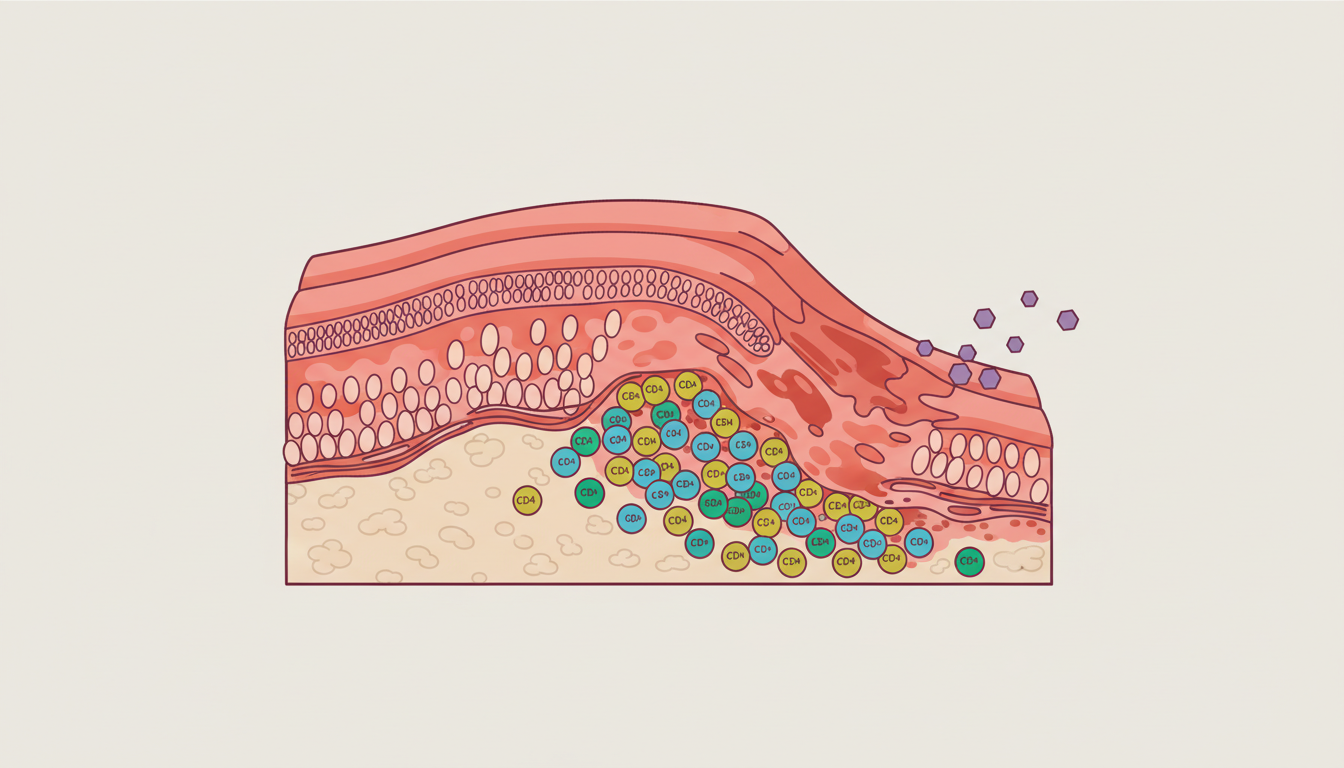
1. Open sores and ulcers. Syphilis and genital herpes break the skin and mucosa. Those breaks are direct entry points for HIV, bypassing the body's intact-skin barrier. A single visible chancre or vesicle dramatically raises the per-act transmission probability when an exposed partner has HIV.
2. Inflammation and immune cell recruitment. Chlamydia, gonorrhea, and trichomoniasis often cause no visible sores. They do trigger inflammation, which pulls CD4+ T-cells and other immune cells that HIV targets into the genital tract. (Many of these cells carry a surface co-receptor called CCR5, which HIV uses to enter cells.) More targets in one location means a higher chance the virus finds one.
3. Higher viral shedding in co-infected people. When someone living with HIV also has an active STI, the HIV viral load in genital secretions rises, even when blood-level viral load is well controlled on antiretroviral therapy. That makes onward transmission to a partner more likely until the co-infection is treated (NIH HIVinfo, HIV and STDs).
The behavioral piece matters too. Untreated STIs often go undetected because they are silent or the symptoms are dismissed. The longer an infection goes untreated, the longer the window of elevated HIV vulnerability stays open. The fix is the same fix that catches asymptomatic STIs themselves: routine screening on a schedule that matches your exposure level.
Syphilis and HIV: The Strongest Link
Syphilis, caused by the bacterium Treponema pallidum, has one of the strongest documented connections to HIV vulnerability. The CDC notes that the painless ulcer of primary syphilis (the chancre) creates an ideal entry point for HIV, and that syphilis is most common in groups with the highest HIV incidence, including men who have sex with men (CDC, About Syphilis). Modeling and observational studies place the multiplier on HIV acquisition at roughly two to five times for someone with active syphilis exposed to HIV.
Primary syphilis presents as a single firm, painless ulcer at the site of inoculation, often genital, anal, or oral. The ulcer is teeming with treponemes, but it is also a clean break in the mucosal barrier that lets HIV cross directly into the bloodstream. Secondary syphilis adds widespread immune activation and mucous-membrane lesions, extending the window.
What protection looks like
- Routine screening. Sexually active people in higher-risk situations should be tested for syphilis every 3 to 6 months per CDC guidance. The chancre often heals on its own, so a negative inspection does not equal a negative test.
- Condoms reduce but do not eliminate risk. Syphilis sores can appear in areas a condom does not cover. Routine screening fills the gap.
- Prompt treatment cures it. Penicillin remains highly effective against syphilis at every stage. Treating it removes the HIV-vulnerability window quickly.
U.S. syphilis cases have risen steadily for over a decade, with the steepest increases among men who have sex with men, the same group carrying the highest HIV incidence. The overlap is not coincidence: shared sexual networks plus the chancre's role as an HIV entry point amplify risk in both directions. The practical implication is that anyone in a higher-prevalence community benefits from a 3-to-6-month screening cadence, and any positive result should be treated quickly to close the HIV-vulnerability window.
Genital Herpes (HSV-2) and HIV
Herpes simplex virus type 2 is one of the most studied co-factors in HIV transmission. People with HSV-2 face a substantially higher risk of acquiring HIV from an exposed partner, and the elevated risk persists even between visible outbreaks (CDC, About Genital Herpes).
Two mechanisms drive this:
- Visible ulcers. Herpes vesicles rupture into shallow ulcers that, like syphilis chancres, allow HIV direct mucosal entry.
- Subclinical inflammation. HSV-2 keeps a low-grade inflammatory population of CD4 cells in the genital tract even when no sores are present. Asymptomatic shedding plus a permanent local supply of HIV-target cells explains why the elevated risk does not switch off between flare-ups.
Daily antiviral suppression (valacyclovir or acyclovir) reduces outbreak frequency and asymptomatic shedding, which lowers HIV transmission risk in serodifferent couples but does not eliminate it. Condoms reduce HSV-2 transmission but do not cover every potentially infected area.
Testing nuance
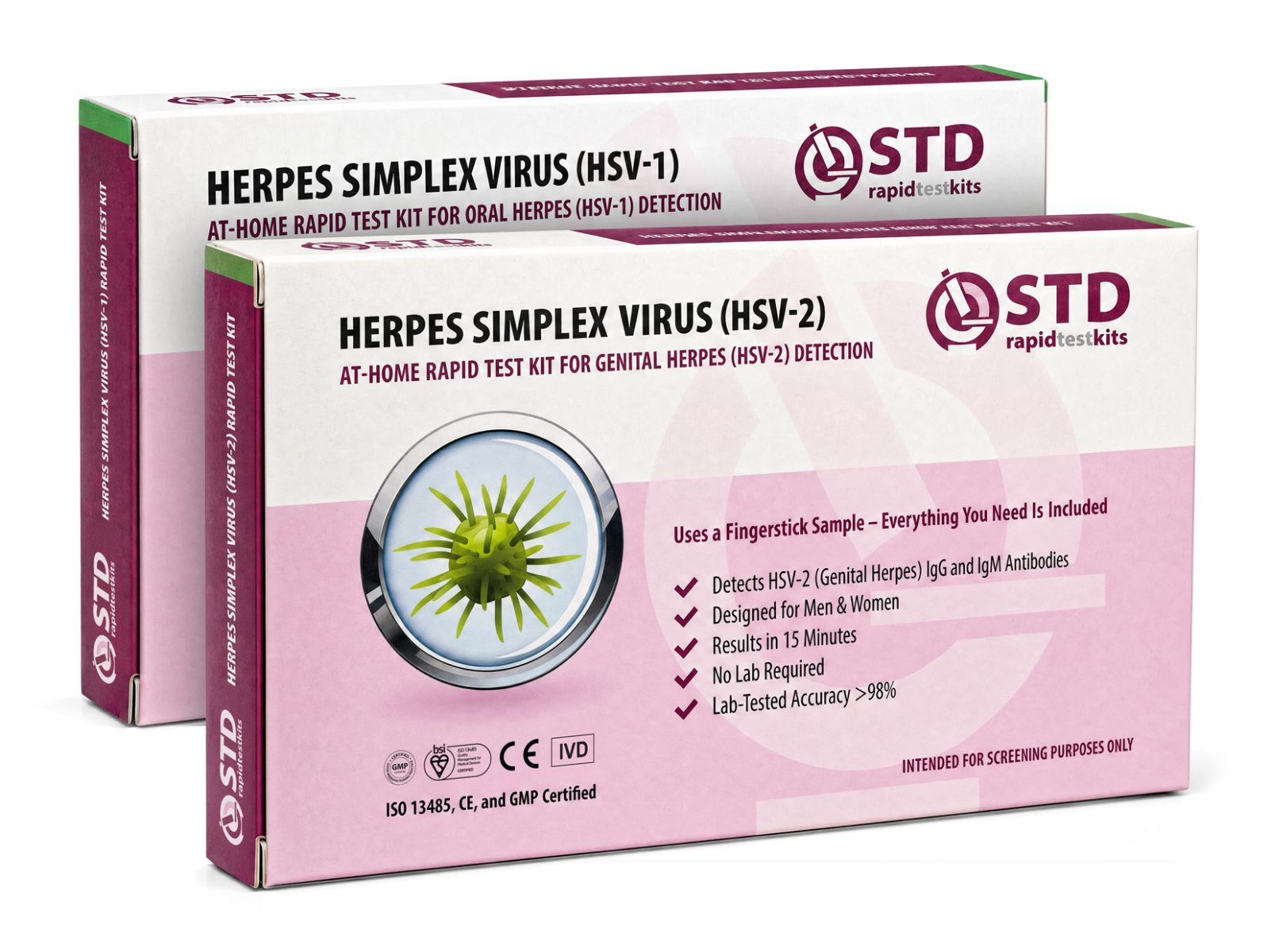
HSV-2 type-specific blood antibody tests confirm past exposure but do not detect a brand-new infection in the first weeks. For an active lesion, a clinician-collected swab sent for PCR is the diagnostic standard. Our at-home rapid HSV-2 kit is a fingerstick blood antibody test, useful for confirming established infection or seroconversion 12 or more weeks after exposure, not for diagnosing an active outbreak.
Gonorrhea and HIV
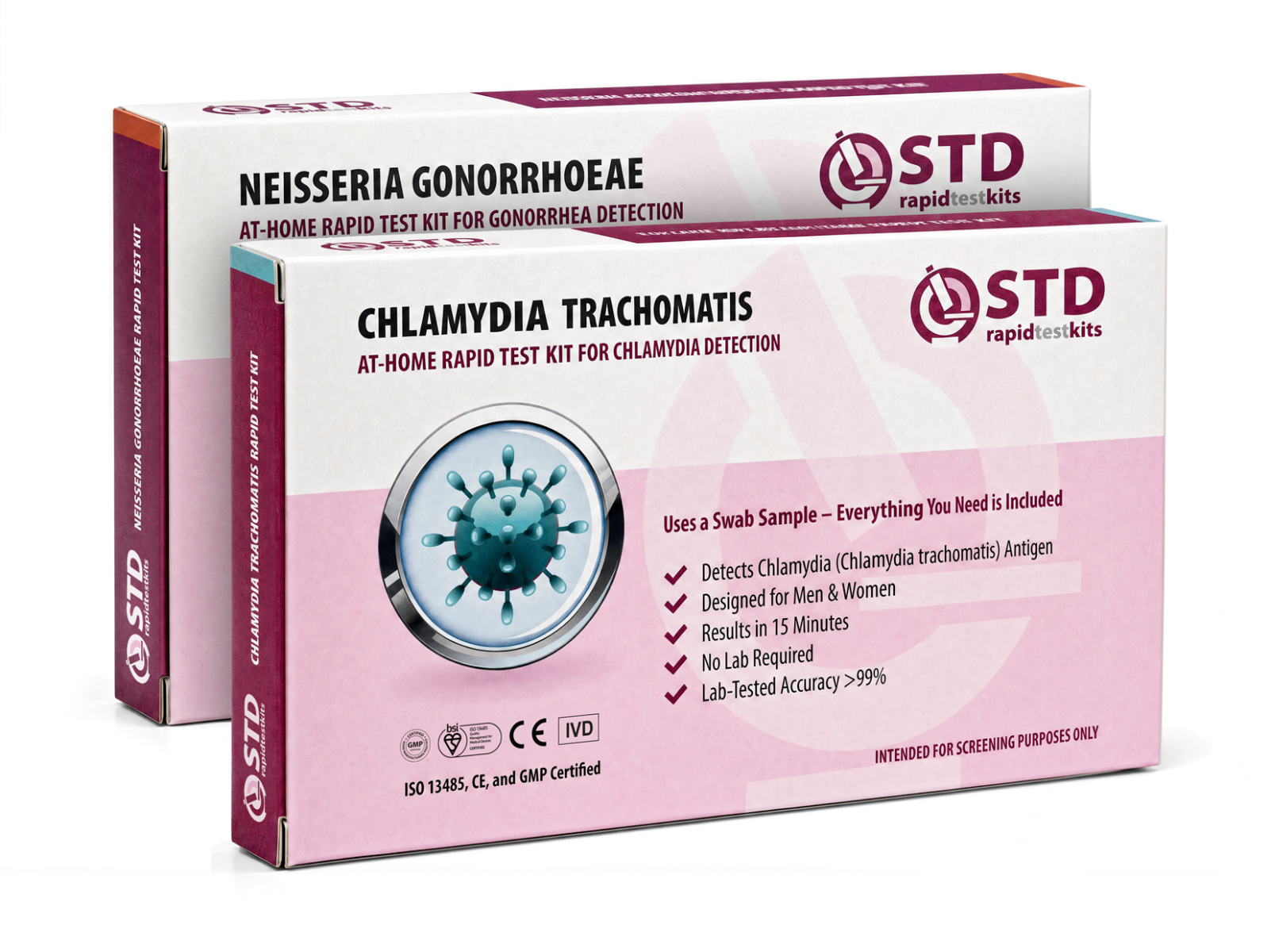
Gonorrhea, caused by Neisseria gonorrhoeae, raises HIV transmission risk through a non-ulcer pathway. Genital, rectal, and pharyngeal gonococcal infections all generate intense local inflammation and pull HIV-target immune cells into the mucosa. CDC guidance lists STI co-infection (gonorrhea included) as an established factor that increases HIV acquisition risk for an exposed partner, and increases onward transmission risk in people already living with HIV (CDC, About STIs).
Two compounding issues:
- Asymptomatic infection is common. Many gonorrhea cases, especially pharyngeal and rectal, produce no symptoms. Without screening, the inflammation persists for months.
- Antibiotic resistance is rising. The CDC tracks antimicrobial-resistant gonorrhea closely. Completing the prescribed treatment regimen (currently a single dose of injectable ceftriaxone) is essential, as is a test of cure when indicated.
Routine screening matters here because the silent cases are the ones doing the damage. Annual screening is the floor for sexually active adults; every 3 to 6 months is appropriate for higher-exposure situations per CDC STI screening guidance.
The CDC tracks resistance of Neisseria gonorrhoeae to ceftriaxone (the current first-line treatment) closely, and the trend is upward. If you test positive for gonorrhea, complete the full prescribed regimen and return for a test of cure when your provider recommends one. A treated infection closes the HIV-vulnerability window; a partially treated one leaves it open and risks selecting for resistant strains.
Chlamydia and HIV
Chlamydia, caused by Chlamydia trachomatis, is the most commonly reported bacterial STI in the United States. Like gonorrhea, it does not cause genital ulcers, but it does cause significant mucosal inflammation that recruits HIV-target cells, raising HIV acquisition risk in exposed individuals (NIH HIVinfo, HIV and STDs).
Chlamydia is famously silent. Most cases in women and a substantial fraction in men cause no symptoms, which is why it is easy to carry for months. Beyond HIV vulnerability, untreated chlamydia in women can ascend to the upper genital tract and cause pelvic inflammatory disease, with downstream tubal scarring and infertility risk.
What works
- Annual screening is recommended for all sexually active women under 25 and for older women with risk factors, plus for men in higher-risk groups (CDC STI Treatment Guidelines).
- Treatment is simple. A short course of doxycycline or single-dose azithromycin clears most cases. Both partners should be treated to prevent reinfection.
- Test of reinfection at three months is standard, because reinfection is common and a fresh infection restarts the HIV-vulnerability window.
HPV and HIV
Human papillomavirus is the most common STI worldwide. Most infections clear without intervention, but persistent infection with high-risk HPV types causes cervical, anal, oropharyngeal, and other cancers. The HPV-HIV connection runs in both directions.
HPV raises HIV vulnerability indirectly. High-risk HPV infections that progress to cervical or anal lesions produce mucosal disruption that, like other inflamed tissue, supports HIV entry. The effect is most documented in women with high-risk cervical HPV.
HIV worsens HPV outcomes substantially. Immune suppression from untreated HIV slows clearance of HPV infections. People living with HIV face higher rates of persistent high-risk HPV, faster progression to cervical and anal precancers, and earlier onset of HPV-related cancers. WHO notes that women living with HIV are roughly six times more likely to develop cervical cancer than women without HIV (WHO, HPV and Cervical Cancer).
Prevention
- HPV vaccination. Per ACIP guidance, routine HPV vaccination is recommended through age 26, with shared clinical decision-making through age 45. The vaccine prevents infection with the high-risk types responsible for most HPV cancers.
- Cervical screening. Pap and HPV co-testing on the schedule recommended for your age and risk profile. Women living with HIV follow a more frequent schedule per HHS guidelines.
- Honest scope note. Our at-home HPV rapid swab is validated for vaginal self-collection only. Male readers needing HPV testing should see a clinic; we do not currently offer a male-compatible HPV home kit.
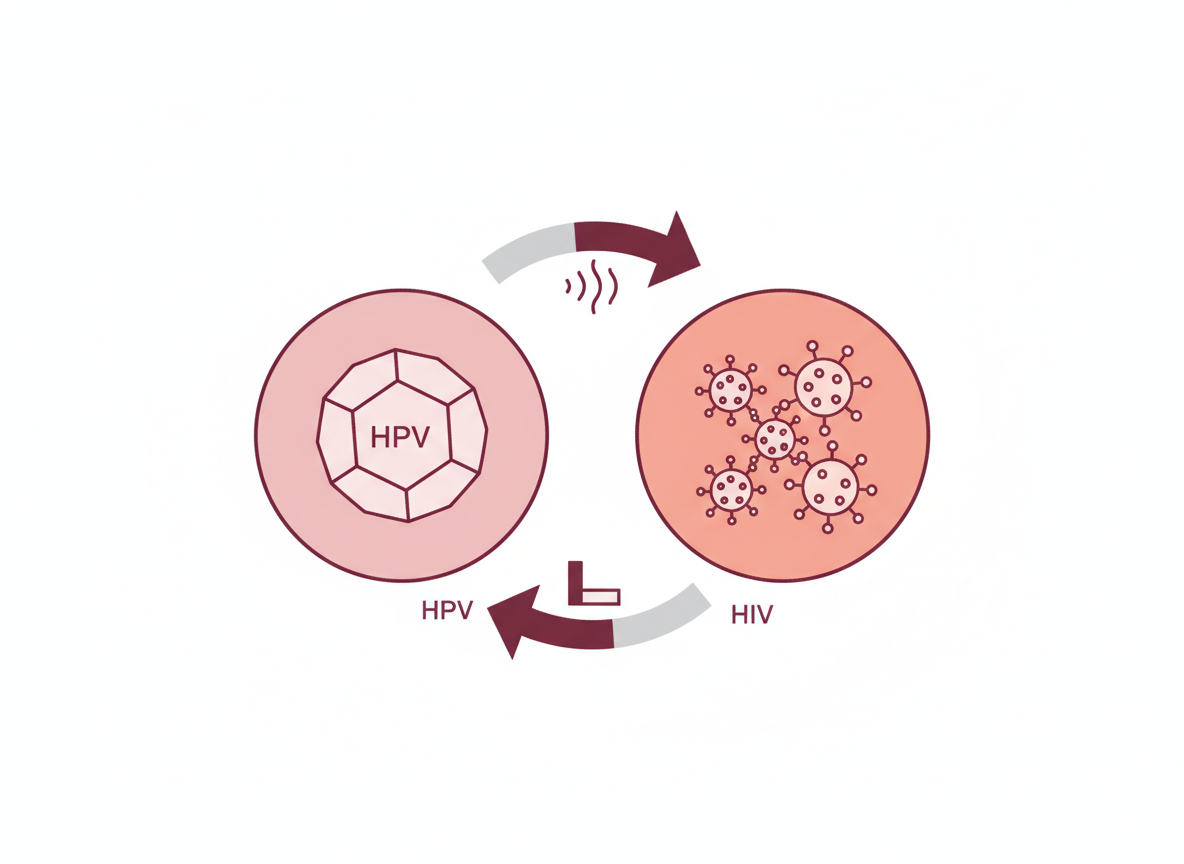
Each direction acts through a different biological pathway. HPV-induced cell changes in cervical or anal tissue disrupt the mucosal barrier, which is the same kind of disruption other inflammatory STIs cause when they raise HIV vulnerability. HIV-induced immune suppression slows the body's clearance of HPV, allowing high-risk types to persist long enough to drive precancerous and cancerous changes. The combined effect is why women and men living with HIV need more frequent cervical and anal screening than the general population.
Trichomoniasis and HIV
Trichomoniasis, caused by the protozoan parasite Trichomonas vaginalis, is often overlooked in STI conversations because it does not cause dramatic symptoms in most people. It is also one of the most prevalent STIs in the United States, especially in women, and it raises HIV transmission risk meaningfully (CDC, About STIs).
Trichomoniasis raises HIV risk through two pathways: vaginal microbiome disruption and local inflammation.
- Vaginal microbiome disruption. Trichomoniasis shifts the vaginal flora away from the lactobacillus-dominant, low-pH environment that normally suppresses pathogens. The shifted environment is more permissive for HIV.
- Local inflammation. Like other non-ulcerative STIs, trichomoniasis recruits immune cells into the genital mucosa, raising the local supply of HIV targets.
- Asymptomatic majority. A large fraction of trichomoniasis cases produce no symptoms, especially in men. Without screening, the infection persists.
Treatment is straightforward (a short course of metronidazole or tinidazole, with both partners treated). The catch is detection, since most carriers do not feel sick.
Honest scope note. Our at-home trichomoniasis rapid swab is validated for vaginal self-collection only. Male readers should see a clinic for a urethral swab or NAAT; we do not currently offer a male-compatible trichomoniasis home kit.
| Mechanism class | Examples | How HIV risk rises | Approximate multiplier |
|---|---|---|---|
| Ulcerative | Syphilis, genital herpes (HSV-2) | Sores create direct mucosal entry points | About 2 to 5 times |
| Non-ulcerative inflammatory | Chlamydia, gonorrhea, trichomoniasis | Inflammation recruits CD4 immune cells | About 2 to 3 times |
| Persistent viral | High-risk HPV types | Cell changes disrupt the mucosal barrier | Modest, indirect |
The Two-Way Street: How HIV Raises STI Risk
Most articles cover the STI-to-HIV direction. The reverse direction is just as real and matters for anyone living with HIV. Untreated or inadequately treated HIV gradually depletes CD4 cells, the same cells that orchestrate the immune response to other infections. The downstream effects:
- Higher rates of co-infection. A substantial proportion of people living with HIV have at least one other STI at any given time, per CDC STI surveillance. Some of that overlap reflects shared exposures, but immune suppression also means new infections are harder to clear once acquired.
- Longer, more frequent herpes outbreaks. HSV-2 outbreaks in people with advanced HIV last longer, recur more often, and shed more virus.
- Faster HPV-related disease progression. Persistent high-risk HPV is more common, and progression to cervical or anal precancer happens faster than in the general population.
- More aggressive syphilis presentations. Neurosyphilis and atypical secondary-syphilis presentations are more frequent when HIV is untreated.
The single most important countermeasure is consistent antiretroviral therapy (ART). Effective ART that maintains an undetectable HIV viral load eliminates sexual transmission of HIV (the U=U principle: Undetectable equals Untransmittable, per CDC and global consensus) and restores enough immune function to control most co-infections. ART does not, by itself, prevent acquiring other STIs, so STI screening remains part of routine HIV care.
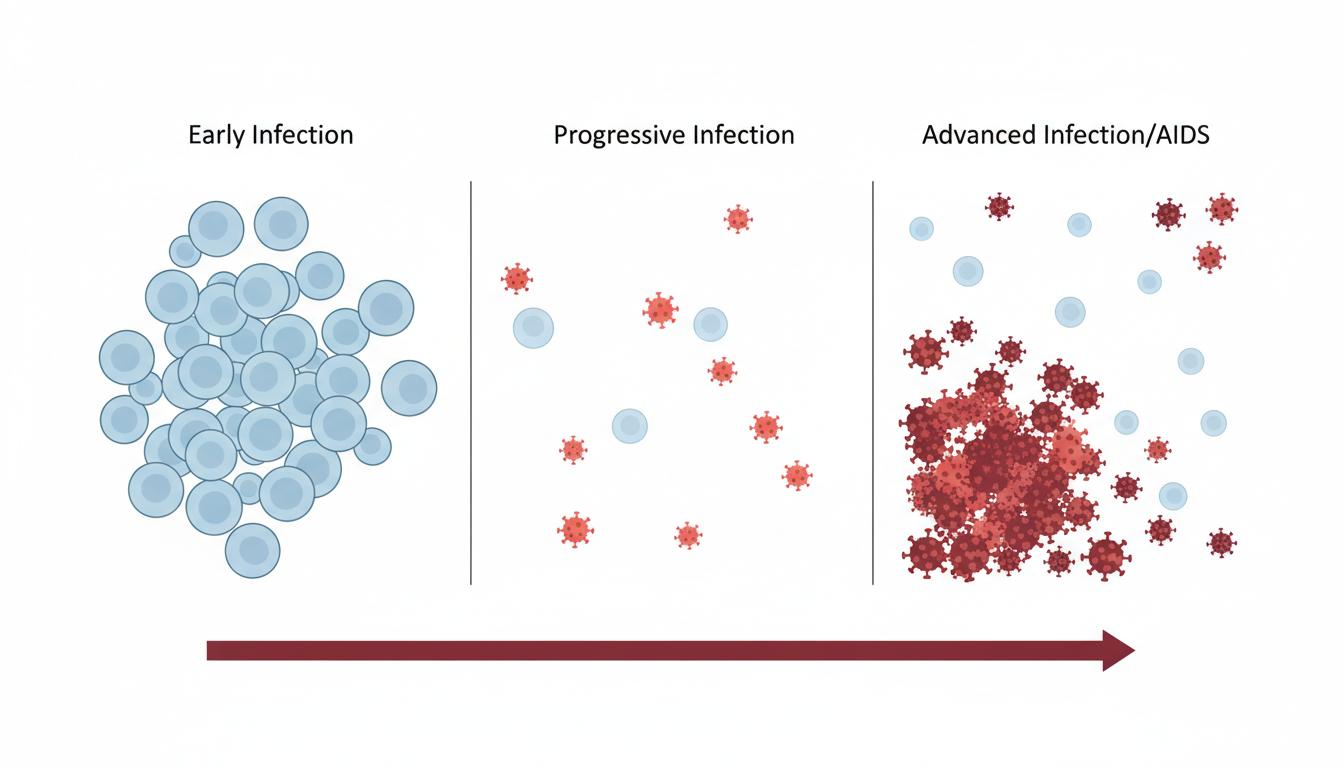
People with HIV who take antiretroviral therapy and reach an undetectable viral load cannot sexually transmit HIV to partners. U=U does not change the rules for other STIs: someone undetectable for HIV can still acquire and pass on syphilis, chlamydia, gonorrhea, herpes, HPV, or trichomoniasis. Routine STI screening stays on the calendar.
Persons who have STDs are more likely to acquire HIV infection than persons who do not have STDs. STDs can also increase the likelihood of HIV transmission from a person living with HIV.
How to Lower the Combined Risk
Five things move the needle, in roughly the order of impact for most readers:
1. Screen on a schedule that matches your exposure
The CDC's annual screening floor for sexually active adults is the minimum. People with multiple partners, partners of unknown status, men who have sex with men, or anyone in a known higher-prevalence community should screen every 3 to 6 months. At-home rapid kits make the cadence easier to maintain by removing the clinic-visit friction.
2. Treat any positive result promptly
The HIV-vulnerability window from a co-infection closes once the co-infection is treated. Bacterial STIs (chlamydia, gonorrhea, syphilis, trichomoniasis) are curable. Viral STIs (HSV, HPV) cannot be cured but can be suppressed with antivirals or, for HPV, prevented with vaccination.
3. Use condoms consistently
Condoms reduce transmission of HIV and most STIs substantially. They do not eliminate the risk of infections that occur in skin areas a condom does not cover (HSV, HPV, syphilis chancres outside the shaft), so they pair with screening rather than replace it.
4. Use PrEP if you have an ongoing HIV exposure risk
Pre-exposure prophylaxis (daily oral tenofovir-based regimens or long-acting injectable cabotegravir) is highly effective at preventing HIV when taken as prescribed (CDC HIV prevention). PrEP does not protect against other STIs, so STI screening stays on the schedule.
5. Get vaccinated
HPV vaccination prevents most HPV-related cancers, and the protection is greatest when given before sexual debut. Hepatitis B vaccination is recommended for all adults through age 59 and for older adults with risk factors. Hepatitis A vaccination is recommended for some groups including men who have sex with men.
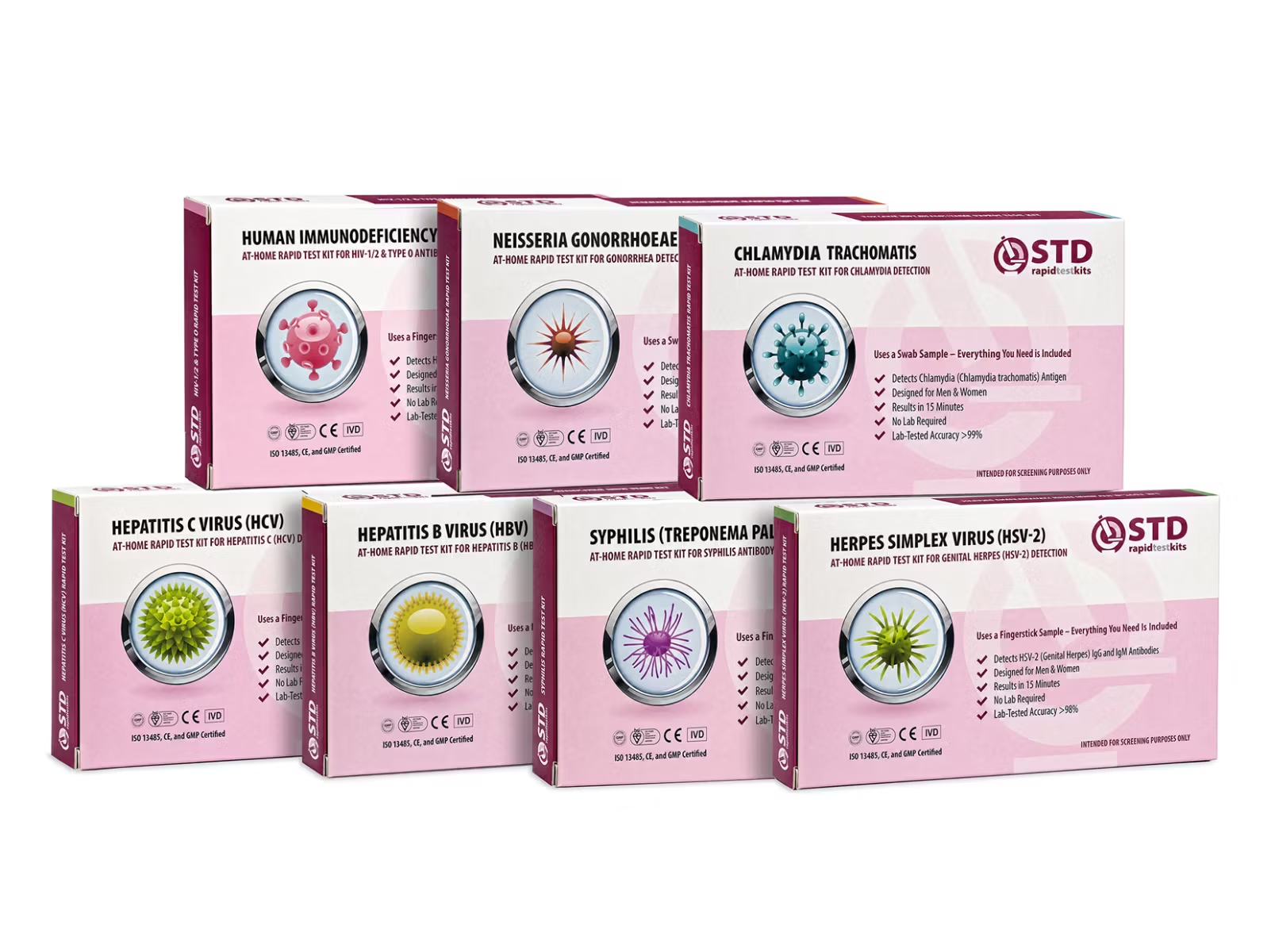
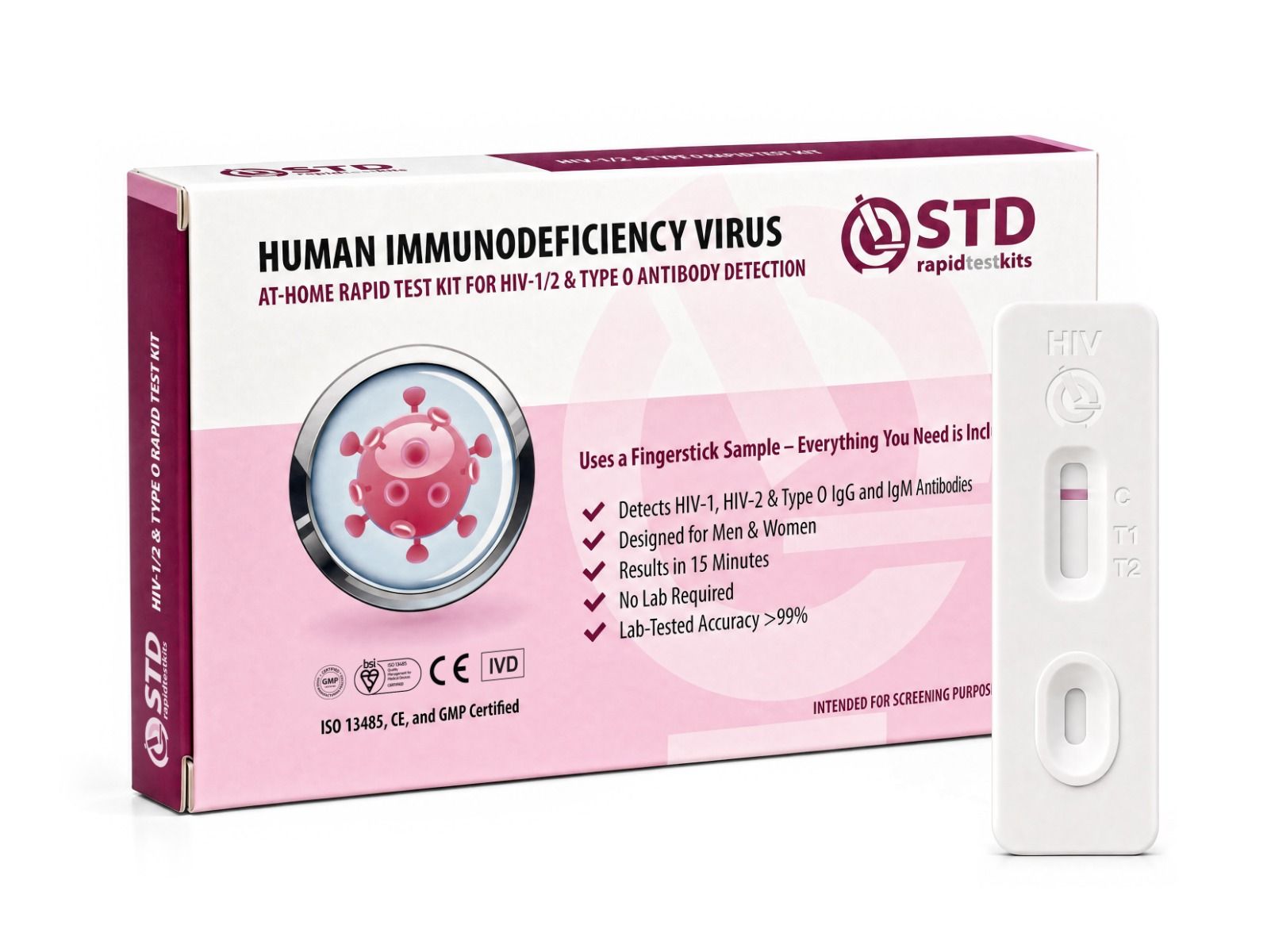
This article is published by stdrapidtestkits.com, which sells at-home STI testing kits. We recommend products based on fit-for-purpose for the reader's concern, not commercial benefit. Our at-home tests are rapid lateral-flow assays, complementary to (not a replacement for) laboratory NAAT or PCR confirmation when a positive result calls for treatment.
Frequently Asked Questions
- Can you have HIV for years without knowing?
- Yes. After the brief acute infection (a flu-like illness 2 to 4 weeks after exposure that many people miss or attribute to something else), HIV enters a chronic phase that can be entirely asymptomatic for a decade or longer. Routine testing is the only reliable way to detect it during the silent phase, when treatment is most effective at protecting both your own health and partners.
- If I test negative for STIs, does that mean I am also negative for HIV?
- Not automatically. STI panels do not always include an HIV test, and HIV has its own window period (about 18 to 45 days for fourth-generation antigen-antibody tests, longer for antibody-only tests). Specifically request HIV testing or use an at-home HIV kit alongside STI screening to cover both.
- Does treating an STI lower my HIV risk?
- Yes, and the window closes fast. A bacterial STI cleared with a single antibiotic course brings the elevated HIV-acquisition risk down within days of completing treatment, because the inflammation and immune-cell recruitment driving the risk resolves alongside the infection. Viral STIs work differently: HSV-2 is suppressible with daily antivirals (which lowers shedding rather than curing the infection), and HPV is best handled by vaccination before exposure rather than by treatment after.
- If I am on HIV medication and undetectable, can I still spread the virus?
- U=U is well-established: an undetectable viral load on antiretroviral therapy means effectively zero risk of sexual HIV transmission to a partner. The principle does not extend to other infections, though, so STI screening stays on the schedule even when HIV is well controlled.
- Does oral sex transmit HIV?
- The risk of HIV transmission through oral sex is very low compared with vaginal or anal sex, but it is not zero. Risk increases when there are bleeding gums, mouth ulcers, a recently extracted tooth, or an active oral or genital STI. Condoms or dental dams reduce the residual risk and also block other STIs that transmit more efficiently through oral routes (syphilis, gonorrhea, HSV).
- If I already have HIV, do I still need to test for other STIs?
- Yes, more often than the general population. Co-infection is common, immune suppression makes new infections harder to clear, and active STIs raise your HIV viral load locally even when you are well controlled on ART. Most HIV care guidelines build STI screening into routine visits, typically every 3 to 6 months.
- Are there window periods when an STI or HIV will not show up on a test?
- Yes, and they vary. HIV: fourth-generation antigen-antibody tests detect most infections by 18 to 45 days; antibody-only tests can take up to 90 days. Chlamydia and gonorrhea: detectable by NAAT 1 to 2 weeks after exposure. Syphilis: blood tests reliable from 3 to 6 weeks. HSV antibodies: typically 6 to 12 weeks for seroconversion, with outliers up to 16 weeks. If you tested early after exposure, retest after the relevant window.
- Are at-home rapid STI kits as accurate as clinic tests?
- At-home rapid lateral-flow tests are designed for screening and report sensitivity and specificity in the high-90s when used correctly per the kit instructions. Laboratory NAAT (nucleic acid amplification) remains the analytical gold standard for some infections. The two are complementary: rapid tests for fast, private screening, lab confirmation when a positive result triggers treatment. They are not equivalent technologies, and we never claim the at-home kit IS a NAAT.
- U.S. Centers for Disease Control and Prevention. About sexually transmitted infections: overview of common STIs, transmission, and the documented links between STIs and HIV transmission risk.
- U.S. National Institutes of Health, HIVinfo. HIV and Sexually Transmitted Diseases (STDs): how STDs affect HIV risk and what testing is recommended.
- U.S. Centers for Disease Control and Prevention. About Genital Herpes (HSV-1 and HSV-2): epidemiology, symptoms, transmission, and HIV co-factor data.
- U.S. Centers for Disease Control and Prevention. About Syphilis: stages, transmission, the painless chancre as an HIV-acquisition pathway, and screening recommendations.
- U.S. Centers for Disease Control and Prevention. STI Treatment Guidelines: current screening intervals and treatment regimens for chlamydia, gonorrhea, syphilis, herpes, and trichomoniasis.
- World Health Organization. Sexually transmitted infections (STIs) fact sheet: global burden, prevention, and the documented links to HIV transmission.
- World Health Organization. HPV and cervical cancer fact sheet: vaccination guidance, screening, and elevated cervical cancer risk in women living with HIV.
- U.S. Centers for Disease Control and Prevention. HIV Prevention overview: PrEP, condoms, testing, and how prevention strategies fit alongside STI screening.
- U.S. Centers for Disease Control and Prevention. STI surveillance data and trends: incidence and co-infection patterns across reportable sexually transmitted infections.
