

Published: December 2025 | Last updated: April 2026 | Editorial review and quality control: Martina N.
The most frustrating thing about chlamydia is how often it says nothing at all. You can carry the infection for weeks, pass it to a partner, and feel completely fine. The body's silence is not a clean bill of health. It is one of the reasons chlamydia remains the most commonly reported bacterial sexually transmitted infection in the United States, and it is why this guide focuses on what genuinely differs between men's and women's experience of the same bacterium.
If you are reading this with a half-formed worry from a recent encounter, an unusual symptom, or a partner's positive result, the short version is below. The longer version walks through what to expect by anatomy, why women face heavier long-term risks, and how the testing options differ.
Does chlamydia affect men and women differently?
Yes. The bacterium is identical, but symptoms, complications, and testing differ by anatomy. By widely cited <a href="https://www.cdc.gov/chlamydia/about/index.html" target="_blank" rel="noopener">CDC estimates</a>, roughly three in four women and about half of men with chlamydia have no noticeable symptoms. When symptoms appear, men more often notice burning urination or penile discharge within one to three weeks; women may notice abnormal discharge, pelvic ache, or bleeding between periods, though many notice nothing at all. The biggest sex difference is downstream risk: untreated infection in women can scar the fallopian tubes and cause infertility, while in men it more often triggers epididymitis. Treatment is the same in both: a short course of antibiotics, usually doxycycline.
Key Takeaways
- Roughly three in four women and about half of men with chlamydia have no noticeable symptoms by CDC estimates, so a clean-feeling body is not the same as a clean test result.
- Untreated chlamydia damages women faster and more permanently than men. Pelvic inflammatory disease, scarred fallopian tubes, and infertility are the downstream costs that timely testing prevents.
Why Chlamydia Hides So Well in So Many Bodies
Chlamydia trachomatis is a bacterium that prefers the thin columnar cells lining the cervix, urethra, rectum, and pharynx. It lives inside host cells and provokes only a mild local inflammatory response, which is enough to keep the immune system busy without triggering the kind of pain or discharge that sends someone to a clinic. The U.S. Centers for Disease Control and Prevention states plainly that chlamydia 'often has no symptoms,' and CDC educational materials over the years have estimated that roughly three in four women and about half of men with the infection notice nothing at all.
When symptoms do appear, they imitate things you have already felt. A urinary tract infection. A yeast infection. A tight period. Post-sex irritation. The mimicry is the trap: most people only learn they had the infection after a partner tests positive or a routine screening flags it.
That silence has a public-health cost. Carrier-to-carrier transmission keeps the infection circulating even among people who use condoms most of the time. Rates are highest in people under 25, which is why the CDC STI Treatment Guidelines recommend annual chlamydia screening for all sexually active women under 25 regardless of symptoms. Routine screening for men is recommended in higher-prevalence groups, including men who have sex with men and partners of anyone who has tested positive.
Roughly 1.5 million chlamydia cases were reported to the CDC in 2024, the most recent <a href="https://www.cdc.gov/sti-statistics/annual/index.html" target="_blank" rel="noopener">national STI surveillance year</a>, and the true figure is almost certainly higher because so many infections never get diagnosed. Reported rates are highest in people under 25, which is why annual screening is the standing CDC recommendation for sexually active women in that age group.
What Chlamydia Looks Like in a Woman's Body
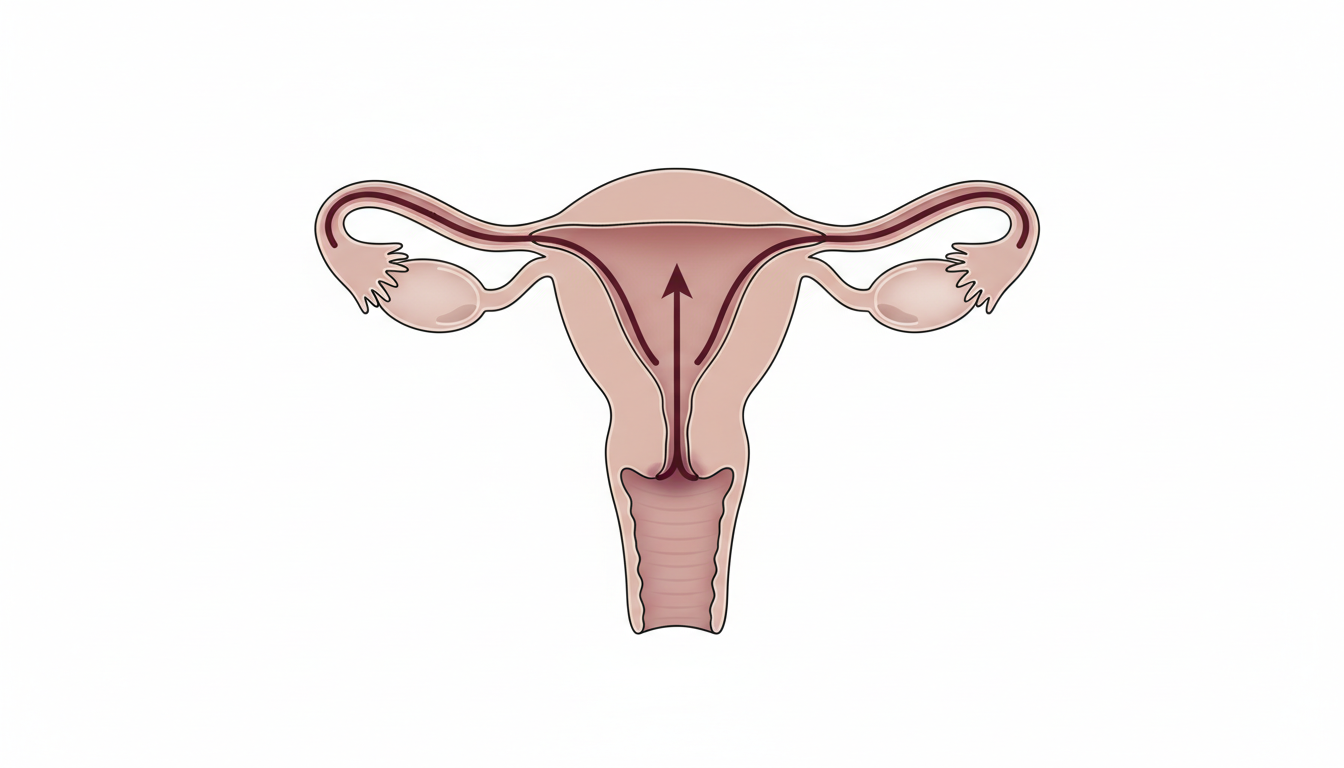
In people with a uterus, chlamydia usually starts at the cervix, the doorway between the vagina and the uterus. From there it can ascend silently into the uterus, fallopian tubes, and pelvis. If symptoms appear at all, the most common ones include thin watery or yellowish vaginal discharge, burning during urination that mimics a UTI, bleeding between periods or after sex, and a dull lower-belly ache that can feel like cramps.
The signs are easy to brush off. A change in discharge can read as a yeast infection. Bleeding after sex can read as a vigorous night. Pelvic ache can read as ovulation pain. None of these symptoms scream chlamydia, which is why the NHS notes that most people with chlamydia have no symptoms at all.
What raises the stakes is what the bacterium does when nobody catches it. As infection climbs from the cervix into the upper reproductive tract, it can cause pelvic inflammatory disease (PID), inflammation and scarring of the uterus, fallopian tubes, and ovaries. The CDC's PID page reports that 1 in 8 women with a history of PID experience difficulties getting pregnant. Some only learn they ever had chlamydia when fertility specialists find tubal scarring on imaging years later.
One additional risk is shared between sexes but tends to weigh more on women's screening decisions: untreated chlamydia raises susceptibility to other sexually transmitted infections, including HIV, by inflaming the genital tract and giving other pathogens an easier entry route.
How Chlamydia Shows Up in a Man's Body
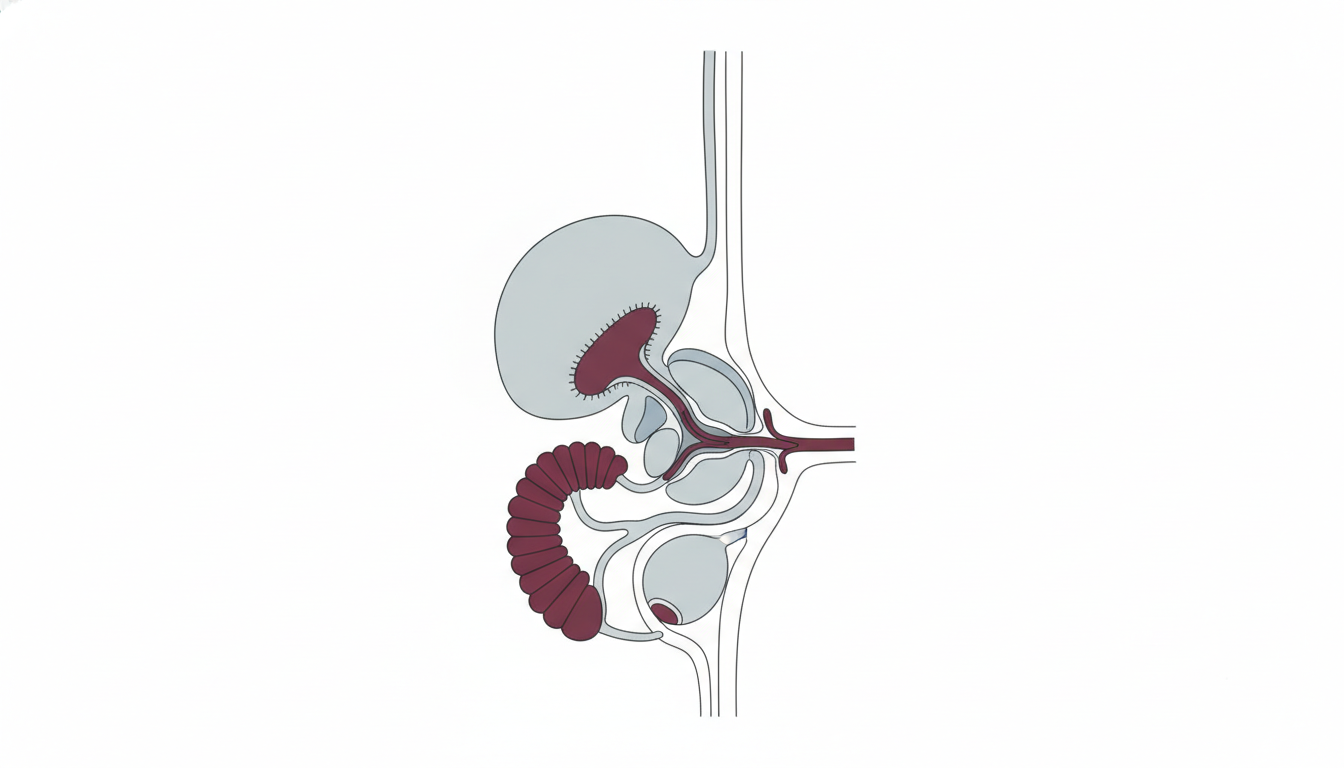
For people with a penis, chlamydia usually settles in the urethra, the tube that carries urine and semen out of the body. Symptoms tend to appear sooner than in women, often within one to three weeks of exposure, and they tend to be more noticeable. The most common signs include a clear or cloudy discharge from the tip of the penis, burning or stinging during urination, and itching at the urethral opening. A smaller share of men experience pain or swelling in one or both testicles, which can signal epididymitis, an inflammation of the coiled tube behind each testicle.
Even with the louder presentation, plenty of men feel nothing at all. The infection still spreads. Many only find out they were positive when a partner tests positive, or when fertility evaluation later in life turns up a clue. The asymptomatic gap in men is one reason chlamydia moves so efficiently between partners across heterosexual and queer networks.
The long-term male risk profile is real but narrower than the female one. Untreated infection can cause epididymitis severe enough to require evaluation. In rare cases it can affect fertility through inflammation of sperm-carrying ducts. According to the NHS chlamydia complications page, untreated infection can also trigger reactive arthritis, joint pain that usually resolves over a few months. Most men who get diagnosed and treated promptly never see any of these complications.
Beyond the Genitals: Throat, Rectum, and Eyes
Chlamydia is not picky about where it lands. It can colonize the throat, rectum, and even the conjunctiva of the eye depending on what kind of contact happened.
Oral exposure can produce throat infection (pharyngeal chlamydia). Symptoms are uncommon and usually mild when they appear: a vague sore throat, a tickle, sometimes nothing. Most people who carry pharyngeal chlamydia have no idea, which makes the throat a quiet relay station for transmission.
Receptive anal sex can lead to rectal infection, which sometimes causes rectal pain, mucus or blood in stool, or a constant feeling of needing to pass a bowel movement (tenesmus). Many cases are asymptomatic. The CDC's treatment guidelines note that extragenital screening (throat and rectal swabs) catches infections that genital-only testing misses, especially in men who have sex with men and in women who have receptive anal sex.
Eye involvement (chlamydial conjunctivitis) happens when infectious genital secretions reach the eye through hands or fluids. It looks like a stubborn pink eye that does not respond to standard antibiotic drops, with redness, swelling, and a sticky discharge.
We sell a self-collected genital swab kit. We do not sell a throat swab or rectal swab kit for home use. If your exposure was specifically oral or anal and you want a targeted swab of that site, a clinic visit is the right path. Our genital kit covers the most common transmission route and pairs well with a clinic-administered extragenital swab when both sites need to be checked.
Throat (pharyngeal): from oral sex. Usually no symptoms; mild sore throat at most. Test: clinician-collected throat swab.
Rectum: from receptive anal sex. Often silent; sometimes pain, discharge, bleeding, or a constant urge to pass stool. Test: clinician-collected rectal swab.
Eyes (conjunctivitis): from contact with genital secretions via hands or fluids. Looks like stubborn pink eye that does not respond to standard antibiotic drops. Test: clinician-collected eye swab.
Why Untreated Chlamydia Is Riskier for Women
The blunt version: chlamydia is more dangerous in people with uteruses. The female reproductive tract gives the infection an upward path with consequences. From the cervix, chlamydia can climb into the uterus and fallopian tubes. The resulting inflammation (PID) can leave scar tissue that narrows or blocks the tubes, raising the risk of three things: chronic pelvic pain, ectopic pregnancy, and infertility.
The damage often happens silently. A woman whose chlamydia caused mild PID may have noticed nothing more than a bad-cycle week, then years later face an unexplained infertility workup. The World Health Organization notes that untreated chlamydia in women can cause PID, abdominal and pelvic pain, infertility, and ectopic pregnancy.
Pregnancy adds its own complications. Chlamydia during pregnancy is associated with preterm birth, premature rupture of membranes, and low birth weight. The infection can also pass to a newborn during vaginal delivery, causing neonatal conjunctivitis or pneumonia in the first weeks of life.
Men do face complications, mainly epididymitis, occasional reactive arthritis, and rare fertility effects. The reproductive-system math just lands harder on female anatomy because the path inward is shorter and the consequences (tubal scarring) are typically permanent. This asymmetry is the reason annual screening for sexually active women under 25 is the standing public-health recommendation in the U.S. The window between asymptomatic infection and irreversible tubal damage is what testing closes.
CDC recommends yearly chlamydia testing of all sexually active women younger than 25, as well as older women with risk factors such as new or multiple sex partners.
Testing: What Actually Works for Each Body
Lab gold-standard testing for chlamydia is nucleic acid amplification testing (NAAT), which detects the bacterium's genetic material. Sample type depends on anatomy: a vaginal swab (self or clinician-collected) for women, first-catch urine or urethral swab for men, and swabs of the throat or rectum if those sites were exposed. NAAT is highly sensitive and is what large-volume labs and most clinic networks use.
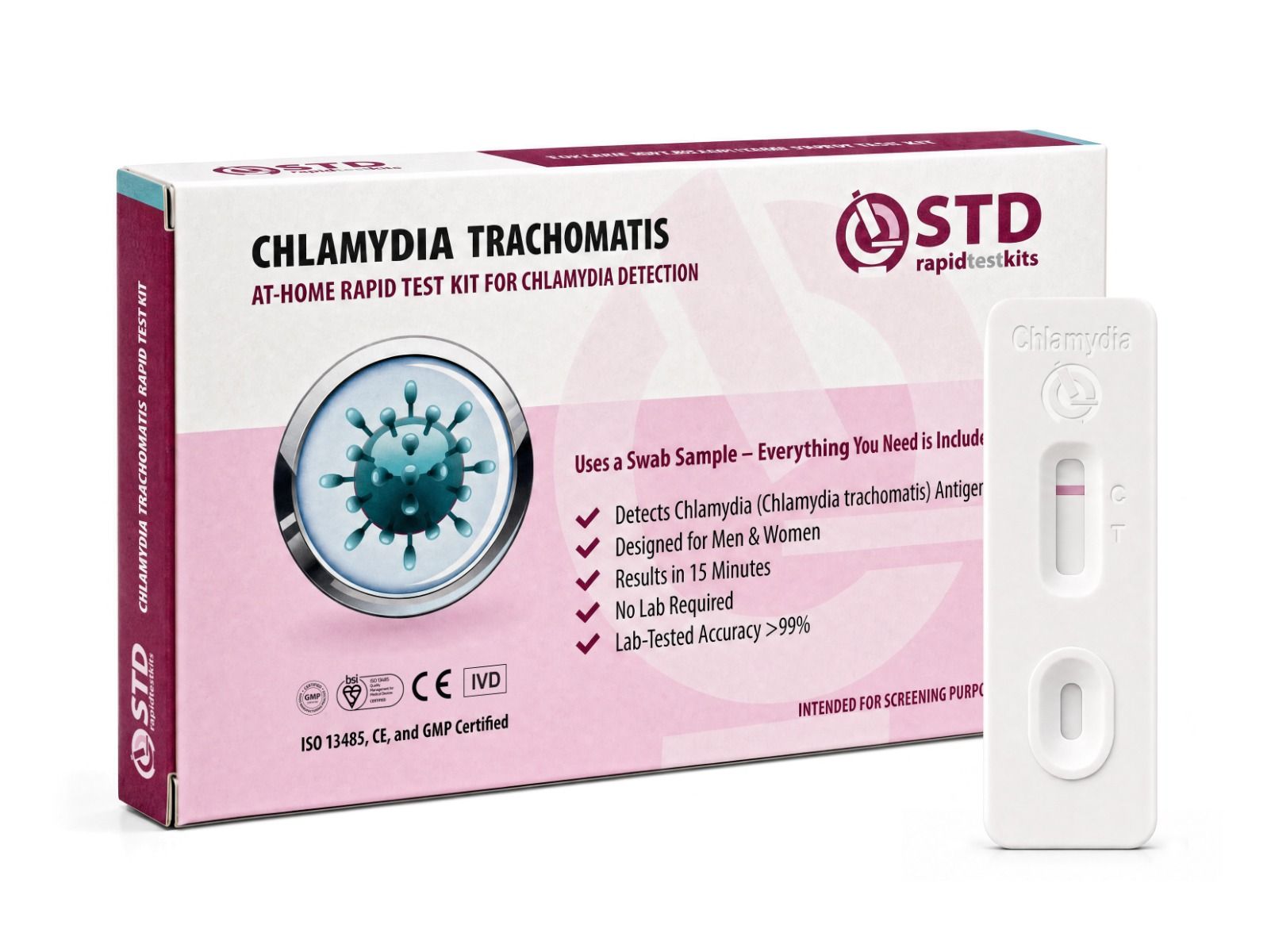
At-home rapid tests use a different chemistry: lateral-flow immunoassays that detect bacterial antigens on a self-collected swab. The lateral-flow approach works at home without a lab and produces a result on the strip in roughly fifteen minutes. It is meaningfully different from a NAAT, which is why a positive at-home result is worth confirming with a lab NAAT, and why a negative result that conflicts with strong symptoms is worth a clinic visit and lab retest.
The two approaches are complementary. The lab NAAT is more analytically sensitive in low-bacterial-load asymptomatic infections; the home swab is more accessible, private, and immediate. For someone who has not tested in months and wants a quick check after a new partner, the home swab catches a large share of infections without a clinic visit. For someone with persistent symptoms or a confirmed-positive partner, the home swab is a reasonable first pass and the lab NAAT serves as confirmation.
Timing matters more than people expect. Most rapid swab and NAAT methods reach reliable detection by day 14 after exposure. Testing earlier than that risks a false negative because bacterial load is still building. If your first home test is on day 5 and reads negative, the result you can trust is the second test at day 14 or later.
| Test type | Best sample (women) | Best sample (men) | When to test | Where you can do it |
|---|---|---|---|---|
| Lab NAAT (gold standard) | Vaginal swab, self or clinician | First-catch urine or urethral swab | Day 14 after exposure or later | Clinic, telehealth lab order |
| At-home rapid lateral-flow | Self-collected vaginal swab | Self-collected urethral swab | Day 14 after exposure or later | At home, result in about 15 minutes |
| Extragenital swab (throat/rectum) | Clinician-collected throat or rectal swab | Clinician-collected throat or rectal swab | Day 14 after exposure or later | Clinic only (not sold for home use) |
| Pregnancy screening | Vaginal swab as part of prenatal panel | Not applicable | First prenatal visit | OB/GYN or prenatal clinic |
Treatment and Retesting
Chlamydia is curable. The CDC's 2021 STI treatment guidelines recommend doxycycline 100 mg twice daily for 7 days as the first-line regimen for uncomplicated genital chlamydia, with azithromycin 1 g as a single dose available for patients who cannot take doxycycline (notably during pregnancy). Both work for genital infection. Recent comparative data favored doxycycline for rectal and pharyngeal infection, which is why guidelines shifted in that direction.
The standard advice during and after treatment: abstain from sex for seven days after a single-dose regimen, or until completion of a seven-day course; make sure recent partners are tested and treated; and plan a re-screen at three months. The three-month re-screen is not a sign that treatment failed (it usually does not). It catches reinfection from an untreated partner, which is the most common reason chlamydia comes back.
One avoidable trap: testing too soon after treatment. Standard NAAT can pick up dead bacterial DNA fragments in the weeks immediately after a course, producing a positive result that does not reflect a live infection. Most clinicians wait at least three weeks (and ideally three months) before retesting. The home rapid swab also benefits from this gap.
The emotional side is worth naming. People often feel intense embarrassment around a positive result and delay treatment because of it. A bacterial infection that affects more than 1.5 million people a year in the United States alone is a routine clinical event, not a moral verdict. If you are weighing how to bring it up with a clinician or a partner, the next section walks through partner notification options, including expedited partner therapy where it is available.
Treatment regimen at a glance
- First-line: doxycycline 100 mg orally, twice daily for 7 days (CDC 2021 STI Treatment Guidelines).
- Alternative: azithromycin 1 g as a single oral dose, recommended in pregnancy and where doxycycline cannot be used.
- Abstain from sex for 7 days after starting a 7-day course, or for 7 days after a single-dose regimen.
- Re-screen approximately 3 months after treatment to catch reinfection from an untreated partner.
- Avoid retesting in the first 3 weeks after treatment because dead bacterial DNA can produce a misleading positive.
Telling Partners and Avoiding the Reinfection Loop
If you test positive, the people you have had sex with in the past two months need to know. Untreated partners pass it back. The reinfection loop is real and surprisingly common: a couple where only one partner finishes antibiotics is a couple that re-acquires the same infection within weeks.
Plenty of people freeze on partner notification. The most useful frame is the one that sticks to information: "I tested positive for chlamydia. You should get tested too." That is the entire conversation. Most U.S. state and county health departments offer anonymous partner-notification services that contact recent partners on your behalf without naming you. Telehealth platforms increasingly offer the same.
Some states allow expedited partner therapy (EPT), which lets a clinician prescribe antibiotics for a partner who has not been seen, on the basis of the index patient's diagnosis. Ask the clinician treating you whether EPT is available where you live; for many couples it is the most direct way to break the reinfection cycle.
If you and your partner have several months of overlap, or if either of you has had other recent partners, a broader STI baseline is worth considering. Chlamydia rarely travels alone. Gonorrhea, syphilis, HIV, and viral hepatitis screening can be folded into a single home or clinic visit.
1. List recent partners. Anyone you had sex with in the past two months, plus the most recent partner if it has been longer.
2. Use a one-line script. "I tested positive for chlamydia. You should get tested too." You do not owe any further explanation.
3. Ask about anonymous notification. Most U.S. state and county health departments will contact partners on your behalf without naming you. Telehealth platforms increasingly do the same.
4. Ask about EPT. Where expedited partner therapy is allowed, your clinician can prescribe antibiotics for a partner who has not been seen, which closes the reinfection loop fastest.
FAQs
- Can chlamydia go away on its own?
- There is no reliable evidence supporting spontaneous clearance. A small number of studies suggest some asymptomatic infections may resolve over many months, but the proportion that clears is unknown and the risk of complications during the wait is real. Antibiotics remain the standard of care.
- How long after exposure should I wait to test?
- Day 14 is the reliable floor for both home swabs and lab NAATs. Earlier results can be false negatives because bacterial load takes about two weeks to build. A negative result on day 5 is inconclusive, not reassuring; plan a retest after the two-week mark before you trust it.
- Can I get chlamydia from oral or anal sex?
- Yes. Pharyngeal chlamydia (throat) and rectal chlamydia are both real and often symptomless. Routine genital testing does not catch these. If your exposure was specifically oral or anal, ask a clinician for a throat or rectal swab; we do not sell home kits for those sample sites.
- Does chlamydia cause infertility in men?
- Rarely. Untreated infection can cause epididymitis, which in severe or repeat cases may affect sperm-carrying ducts and contribute to fertility problems. The fertility risk in men is meaningfully lower than in women, where tubal scarring from PID is the bigger concern. Treatment within weeks of diagnosis prevents most long-term effects in either sex.
- Can I get reinfected after treatment?
- Yes, easily. Chlamydia confers no lasting immunity, and the most common cause of a second positive test is reinfection from an untreated partner. The biology is what matters here: getting treated does not make you immune, and a partner who has not been treated will simply pass it back.
- Do condoms fully protect against chlamydia?
- They reduce transmission substantially when used correctly and consistently, but the CDC notes they do not eliminate risk, particularly when contact occurs before condom application or when other transmission routes such as oral or manual contact are involved.
- How private are at-home test kits?
- Most arrive in unmarked packaging without disease names visible on the outside. The collection happens in your bathroom, the result reads on the test cassette in about fifteen minutes, and no clinic encounter is required. A positive result is worth confirming with a lab NAAT through a clinician or telehealth platform.
- When is the right time to retest after finishing antibiotics?
- Wait at least three weeks after finishing the antibiotic course, and ideally three months. Standard NAAT can pick up dead bacterial DNA fragments in the first few weeks after treatment, which can produce a positive result that does not reflect a live infection. The CDC's three-month window also gives time to detect any reinfection from an untreated partner.
- U.S. Centers for Disease Control and Prevention. About Chlamydia: overview, transmission, symptoms, and complications.
- U.S. Centers for Disease Control and Prevention. About Pelvic Inflammatory Disease: 1 in 8 women with a history of PID experience difficulties getting pregnant.
- U.S. Centers for Disease Control and Prevention. STI Treatment Guidelines: Chlamydial Infections, including doxycycline as first-line therapy and the three-month re-screening recommendation.
- U.S. Centers for Disease Control and Prevention. Annual STI Surveillance: 1,515,985 chlamydia cases reported in 2024.
- World Health Organization. Chlamydia fact sheet: untreated infection can cause PID, pelvic pain, infertility, and ectopic pregnancy in women.
- U.K. National Health Service. Chlamydia overview, with symptom descriptions and the note that most people with chlamydia have no symptoms at all.
- U.K. National Health Service. Chlamydia complications, including reactive arthritis as a possible long-term effect of untreated infection.
