
Published: October 2025 | Last updated: April 2026 | Editorial review and quality control: Martina N.
The body does not always finish what it starts with a sexually transmitted infection. Some infections clear on their own. Some get cured by antibiotics and never come back. And a third group settles in for the long term, sitting quietly in cells the immune system cannot easily reach, then resurfacing weeks or years later. That third group is what people usually mean when they talk about an STI being “dormant” or “coming back”.
If you have been treated for something and you are noticing symptoms again, the question is usually the obvious one: did this thing come back, did I get reinfected, or is it something different this time? The honest answer is that the three look similar from the outside. Only testing tells them apart. This article walks through which STIs genuinely reactivate, which ones do not, what tends to trigger a return, and where at-home testing fits.
Can STIs come back after they seem to be gone?
Yes, some can. Herpes (HSV-1 and HSV-2), HIV, HPV, and untreated syphilis can stay in the body in a low-activity state for months or years and become symptomatic again later. Bacterial STIs like chlamydia and gonorrhea do not reactivate after proper antibiotic treatment, but reinfection from an untreated partner is common and looks similar. Testing is the most reliable way to tell reactivation from reinfection.
Key Takeaways
- Viral STIs (herpes, HIV, HPV) hide in long-lived cells and can reactivate when immunity dips. Bacterial STIs (chlamydia, gonorrhea, treated syphilis) do not reactivate; a “return” after treatment is almost always reinfection.
- If you have had an STI before and have new symptoms, an at-home test gives a fast first answer. A positive result still warrants a clinic visit for treatment, partner notification, and confirmation.
What it actually means for an STI to go dormant
Dormant does not mean gone. It means the pathogen is still in the body but not actively producing symptoms or replicating fast enough to cause tissue damage. Different germs reach this state in different ways, and the differences matter when you are trying to decide whether to test.
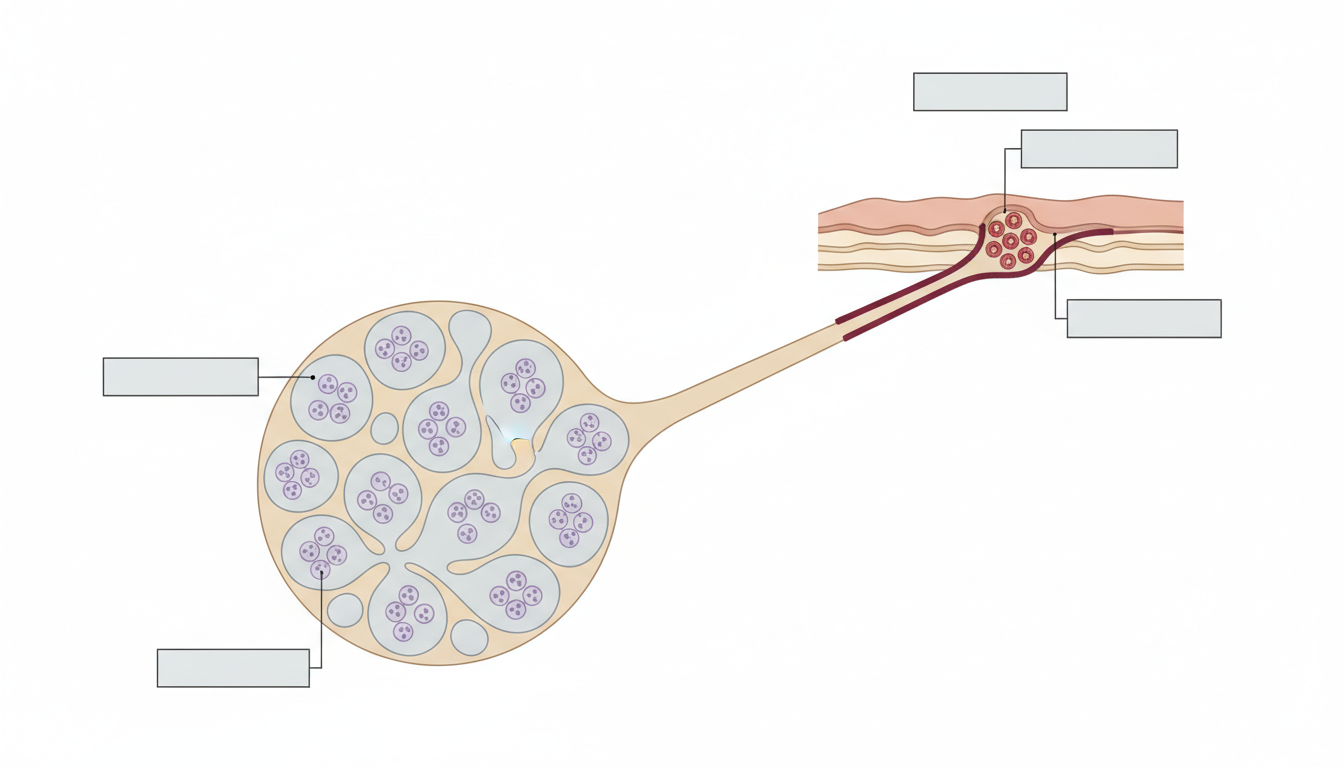
For viruses, dormancy is usually a deliberate biological strategy. Herpes simplex moves up sensory nerve fibers after the initial outbreak and parks itself in the cell bodies of those neurons (the trigeminal ganglion for HSV-1, the sacral ganglia for HSV-2). The viral DNA stays inside the neuron, but most of its replication genes are silenced. HIV does something similar in resting CD4+ memory T cells, integrating its genetic material into cellular DNA where the immune system cannot easily clear it. HPV can persist in the basal layer of cervical or genital skin for years without producing lesions visible to the eye or to a Pap smear.
For bacteria, the picture is different. Most bacterial STIs do not have a true latent phase. If antibiotics work, the infection is gone, and any later symptoms are from a new exposure. The exception is syphilis, which has a defined latent stage built into its natural history. Treponema pallidum can persist quietly in the body for a year or more, occasionally for decades, before late-stage symptoms appear if the infection is never treated. The CDC syphilis fact sheet describes this latent phase as part of the standard staging used to guide treatment.
Viral vs bacterial dormancy at a glance
- Viral STIs (HSV-1, HSV-2, HIV, HPV) integrate into or hide inside long-lived cells, where the immune system cannot easily reach them. They can reactivate later.
- Most bacterial STIs (chlamydia, gonorrhea, trichomoniasis) clear with the right antibiotics. There is no true latent phase to reactivate from.
- Syphilis is the bacterial exception, with a built-in latent stage that can last from a year to several decades if the infection is never treated.
Reactivation, reinfection, or new infection: how to tell them apart
Three different things produce similar-looking symptoms after a previous STI, and they have different implications:
- Reactivation is when an old infection that was quiet wakes up. Most common with HSV-1, HSV-2, HPV, and HIV in someone who has stopped antiretroviral therapy. The pathogen is the same one you had before.
- Reinfection is when antibiotics cleared the original infection but a new exposure brought the same germ back in. This is the typical story behind a “recurring” chlamydia or gonorrhea diagnosis. According to CDC chlamydia surveillance, repeat infections within a few months of treatment are common when partners are not also treated.
- A new infection is just that: a different STI showing up for the first time. Symptoms overlap a lot across STIs. What feels like the herpes coming back could be a primary syphilis chancre or a fresh gonorrhea case.
The table below summarizes which STIs can stay dormant and what a “comeback” usually means for each one.
| Infection | Can it stay dormant? | What a “return” usually means |
|---|---|---|
| HSV-1 and HSV-2 | Yes, lifelong | True reactivation from nerve cells, often triggered by stress, illness, or hormonal shifts |
| HIV | Yes, in latent reservoirs | Viral rebound after stopping antiretroviral therapy; rarely while therapy is consistent |
| HPV | Yes, often years | Either reactivation or persistent low-level infection that becomes detectable |
| Syphilis (untreated) | Yes, defined latent stage | Late-stage symptoms appearing years after a missed primary or secondary infection |
| Syphilis (treated with penicillin) | No | Almost always reinfection |
| Chlamydia | No | Reinfection from an untreated partner or a new partner |
| Gonorrhea | No | Reinfection or, less commonly, treatment failure due to antibiotic resistance |
| Hepatitis B | Can become chronic | Chronic infection with flare-ups during immune suppression rather than true dormancy |
| Trichomoniasis | No | Reinfection |
Herpes (HSV-1 and HSV-2): the textbook example
Herpes is the cleanest example of viral dormancy. After the first outbreak, the virus travels up the nearest sensory nerves and settles in the ganglion at the spinal-cord level closest to the original site. It then sits there, intact, with the cell still alive and the viral DNA still inside, while the immune system holds replication in check. According to the NHS genital herpes overview, this lifelong latency is why the virus is not curable with current treatment.
When the immune system is busy with something else (an acute illness, a fever, a sunburn, a hormonal shift, significant stress), HSV can re-enter its replication cycle, travel back down the nerve, and produce a new outbreak at or near the original site. Most people see fewer recurrences over time, especially after the first year. Some have only a single outbreak ever. Others have several a year.
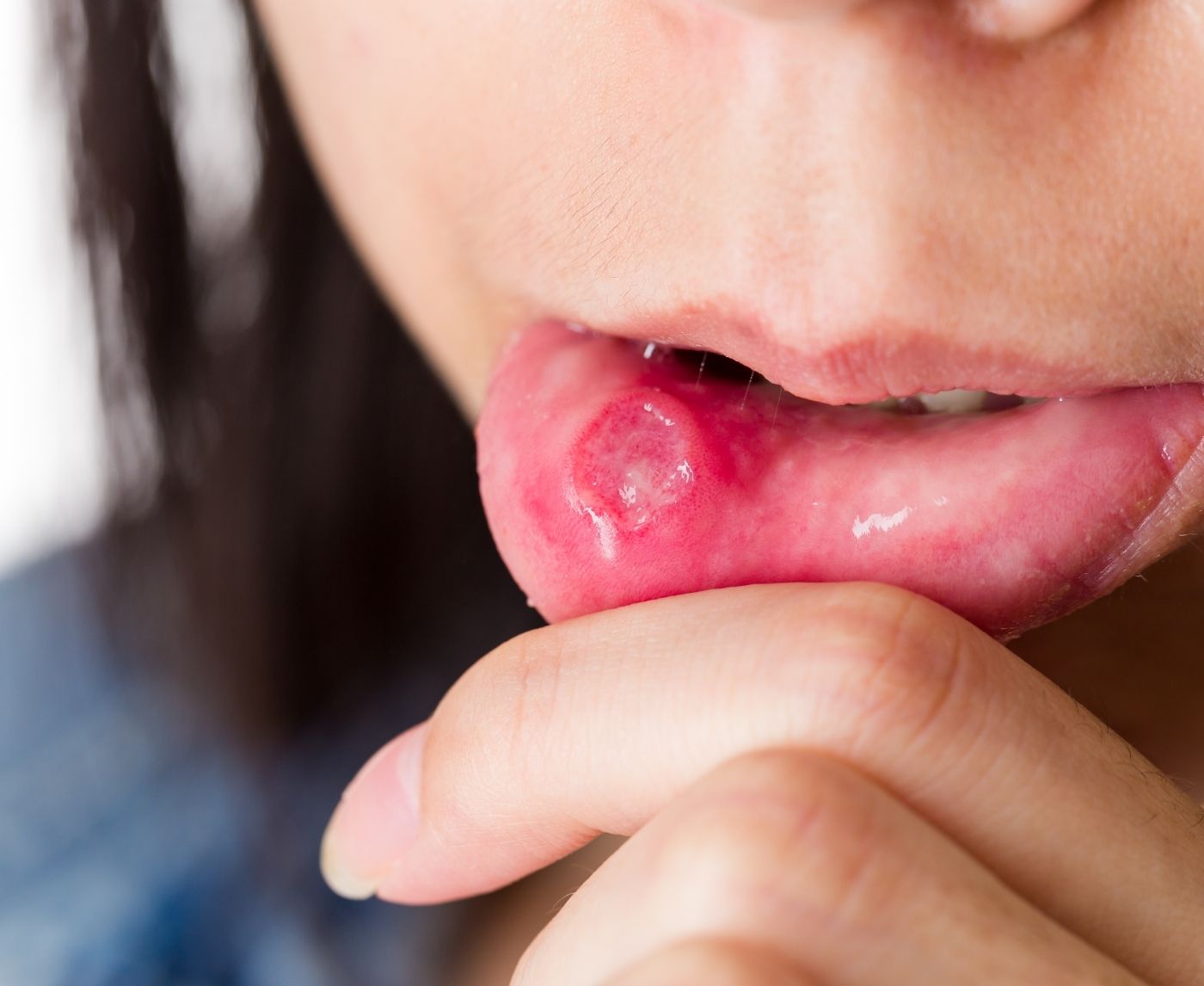
What outbreaks look like: a tingling, burning, or itching sensation often comes first, sometimes by hours, sometimes a day. Then clustered small clear blisters (vesicles) appear on a red base. The vesicles open into shallow ulcers, scab over, and heal in seven to fourteen days for primary outbreaks, faster for recurrences. HSV-1 most often causes oral cold sores. HSV-2 most often causes genital outbreaks. Either virus can infect either site.
Treatment with antivirals (acyclovir, valacyclovir, famciclovir) shortens outbreaks and, when taken daily, reduces both the frequency of recurrences and the chance of transmitting the virus to a partner. None of these medications clear the virus from nerve cells. There is no cure for herpes; the goal of therapy is suppression and quality of life.
HIV: lifelong latency unless treatment is interrupted
HIV is dormant in a different way. The virus integrates its genetic material into the DNA of long-lived immune cells, mainly resting CD4+ memory T cells, forming what researchers call the latent reservoir. Antiretroviral therapy (ART) suppresses active replication so well that viral load in the blood becomes undetectable, and at sustained undetectable levels the virus cannot be sexually transmitted (the U=U principle). The reservoir, however, persists, according to the CDC overview of HIV.
If a person stops ART, virus from those reservoir cells starts replicating again within days to a few weeks. Viral load rebounds. Symptoms of acute HIV (fever, fatigue, lymph node swelling, rash) can return. Without treatment, the immune system slowly loses CD4 cells and progresses toward AIDS over what averages about eight to ten years.
Two practical points are worth knowing:
- HIV that appears to “come back” after years on therapy is almost never the virus reactivating despite consistent treatment. It is almost always missed doses or an interruption in therapy.
- Drug resistance can develop when doses are missed irregularly. The right response is to work with an HIV provider to assess and switch regimens, not to restart the same regimen that was failing.
This article is published by stdrapidtestkits.com, which sells at-home STI testing kits. We recommend products based on fit-for-purpose for the reader’s concern, not commercial benefit. For HIV management questions specifically, work with an HIV-experienced clinician; at-home tests are useful as a first screen, not a substitute for clinical care.
Syphilis: quiet for years, loud at the end
Syphilis is unique among bacterial STIs because its natural history includes a built-in latent phase. After the painless primary chancre heals (sometimes unnoticed because the sore is small and not painful), the bacteria spread through the body and produce the secondary stage: a body-wide rash, fevers, lymph node swelling, mucous-membrane patches. Even untreated, the secondary stage resolves on its own within weeks. The infection then enters latent syphilis, which can last from a year to several decades.
Roughly a quarter to a third of untreated cases progress to tertiary syphilis. By that point the bacteria have damaged the cardiovascular system, brain, or other organs, and the damage is not reversible. The CDC tracks both early and late syphilis as part of national STI surveillance, with U.S. case counts rising sharply in recent years.
Treated syphilis (a single dose of long-acting penicillin G is curative for early stages; longer courses for late or unknown-duration cases) does not reactivate. People who have had syphilis once can absolutely catch it again, however, and repeat syphilis diagnoses are tracked by CDC as a key surveillance metric.
One situation that resembles reactivation but is not, technically: a person whose primary or secondary syphilis was missed entirely, who carried the infection silently for years, and who develops neurosyphilis or cardiovascular syphilis later. That is not reactivation in the herpes sense. The bacteria were just never killed. It is still a strong reason to test even when nothing seems wrong, especially if you have had unprotected exposures during a period when you were not testing regularly.
About a quarter to a third of untreated syphilis cases progress to tertiary syphilis years or decades later, with permanent damage to the cardiovascular system, brain, or other organs. A single course of penicillin at any earlier stage prevents that progression entirely, which is why clinicians push routine screening for sexually active adults at any risk.
HPV: years of silence, sometimes a return
HPV is common. Most sexually active adults will be infected with at least one strain at some point, and most clearances happen within one to two years of infection. The clearance is not always complete, though. Studies have found low levels of HPV DNA persisting in basal skin cells without producing lesions, and in some people the virus becomes detectable again years later.
The persistence question has real-world stakes. Genital warts can recur after treatment because the virus is still present in the surrounding skin, not because of fresh exposure. And a previously normal Pap smear does not confirm the infection is permanently cleared. Persistent infection with high-risk HPV strains, especially types 16 and 18, drives cervical cancer risk over a 10-to-20-year timeline. That is why guideline-based cervical cancer screening continues even after a string of normal results.
The HPV vaccine (Gardasil 9) protects against the strains responsible for about 90% of cervical cancers. The Advisory Committee on Immunization Practices (ACIP) recommends routine vaccination through age 26, with shared clinical decision-making through age 45 for adults who were not vaccinated earlier.
Important scope note for our test catalog: our at-home HPV rapid swab test is validated for vaginal self-swab in women only. We do not currently offer a male-compatible at-home HPV test. Male readers concerned about HPV should see a clinic for evaluation of any visible lesions and for vaccination if not already vaccinated.
High-risk HPV (types 16 and 18) does not cause cancer overnight. Persistent infection drives cervical cellular changes over a decade or two, which is why staying on schedule for Pap or HPV screening, even when prior results were normal, catches changes well before they become cancer.
Chlamydia and gonorrhea: usually reinfection, not reactivation
This is where myth and reality diverge most. Chlamydia and gonorrhea are bacterial infections that respond to antibiotics. There is no good evidence that either bacterium reliably enters a true dormant state and reactivates later. When someone is treated for chlamydia and tests positive again three months later, the cause is almost always one of:
- Reinfection from an untreated partner who was not also tested and treated.
- A new partner who carried the infection.
- Treatment failure due to non-completion of the antibiotic course.
- For gonorrhea specifically, antibiotic resistance, which the CDC monitors closely and which has driven multiple updates to first-line treatment guidelines over the past decade.
The CDC recommends retesting at three months after treatment for both chlamydia and gonorrhea, regardless of whether the partner was treated, because reinfection rates are high enough to make routine retesting useful as a public-health practice. Annual screening is also recommended for sexually active women under 25 and for older women with risk factors.

What actually triggers reactivation when it does happen
For the viruses that genuinely reactivate, the triggers are mostly anything that pulls the immune system’s attention elsewhere. The pattern is multifactorial in most people, not a single switch. Common contributors include:
- Acute illness, especially viral infections like influenza or a heavy cold.
- Significant physical stress (surgery, injury, prolonged sleep deprivation) or sustained emotional stress over weeks.
- Hormonal shifts: pregnancy, menstruation, and hormone therapy can each be associated with HSV outbreaks in some people.
- Medications that suppress the immune system: chemotherapy, high-dose corticosteroids, biologics for autoimmune conditions, anti-rejection drugs after transplantation.
- Local triggers like ultraviolet light exposure (especially relevant for HSV-1 cold sores), surgery near the original outbreak site, friction, or skin trauma.
Tracking what preceded an outbreak over a few months can help identify personal patterns, particularly if outbreaks are frequent enough to consider daily suppressive antiviral therapy.
Common reactivation triggers
- Acute illness or fever drawing immune resources elsewhere.
- Sustained physical or emotional stress over days to weeks.
- Hormonal changes (pregnancy, menstruation, hormone therapy).
- Immunosuppressive medications (chemotherapy, corticosteroids, biologics).
- Local skin trauma or ultraviolet exposure for HSV-1.
Most people who have been infected with HSV-1 or HSV-2 do not know it because they have no symptoms or only mild symptoms. The virus remains in the body and can become active again from time to time, causing renewed outbreaks.
When to test if you suspect a return
The decision is usually straightforward once you know which kind of comeback you are dealing with:
Herpes (HSV-1 or HSV-2). If you have a confirmed diagnosis and you have classic prodromal tingling or visible vesicles at a familiar site, you usually do not need to retest to confirm. You need a clinical visit (or telehealth) for an antiviral prescription. If you are unsure whether the lesions are herpes (especially if it has been a long time since the last outbreak), a swab during an active lesion is the most accurate diagnostic. An HSV antibody test confirms past infection; our at-home rapid test is useful for that confirmation question, less useful during an active flare.
Chlamydia or gonorrhea. If you have had either before and have new symptoms, a new partner with a recent diagnosis, or you are at the three-month re-test mark recommended by CDC, retest. At-home rapid swab tests detect active infection. A positive result should be confirmed clinically and treated, with partner notification.
Syphilis. If you have had syphilis before and have a new rash, sore, or symptoms you cannot explain, retest. Both rapid blood antibody tests and lab RPR/VDRL tests can stay positive after treatment, so a clinic visit (with treponemal vs non-treponemal testing) is needed to interpret a positive correctly. At-home rapid tests are most useful as a first screen if you have never tested before or if it has been years since your last test.
HIV. If you have been on treatment and have missed doses or interrupted therapy, your provider will retest viral load and adjust the regimen. An at-home HIV rapid test can confirm active infection but does not replace lab viral-load testing for clinical management.
Our at-home tests are lateral-flow rapid tests using either a self-collected swab or a fingerstick blood sample, with results in about 15 minutes. They are screening tools, not laboratory NAAT or PCR tests. A positive result is meaningful and warrants confirmation and treatment in a clinical setting. A negative result is reassuring within the testing window for the specific infection but does not rule out a very recent exposure. For pharyngeal (throat) or rectal swabbing, a clinic visit is the appropriate route; we do not currently sell pharyngeal or rectal swab kits.
FAQs
- Can a herpes outbreak come back years after the last one?
- Years-long gaps are common. Outbreak frequency drops sharply after the first year of infection and continues to decline for most people, so a five- or ten-year quiet stretch followed by a return is a familiar pattern. The triggers are usually acute illness, sustained stress, or a hormonal change. Antiviral medication taken at the first prodromal tingling shortens any outbreak that does occur.
- I had chlamydia treated last year and tested positive again. Did it come back?
- Almost certainly not. Chlamydia does not reactivate after proper treatment. A new positive result means a new exposure, usually from an untreated partner or a new partner. The CDC recommends retesting at three months for exactly this reason. Make sure recent partners are also tested and treated to break the reinfection cycle.
- Can stress really cause an STI to come back?
- For viral STIs, yes. Stress is one of the most consistently reported triggers for HSV outbreaks. The mechanism appears to involve cortisol-driven suppression of the local immune response that normally keeps the virus quiet between outbreaks. Stress does not create a new infection out of nothing, however; it only triggers reactivation of a virus already present.
- Will an at-home test detect a reactivated infection?
- It depends on the infection. For herpes, antibody tests confirm past exposure; lesion swab PCR (a clinic test) is more useful during an active outbreak. For HIV, a rapid antibody test stays positive whether the virus is suppressed on therapy or actively replicating; viral-load lab testing is the way to confirm rebound. For syphilis, antibody tests stay positive after treatment, so a positive result requires clinical interpretation. For chlamydia and gonorrhea, our rapid swab tests detect active infection during the testing window.
- Can I pass on an infection that is currently dormant?
- Consistent condom use and daily suppressive antiviral therapy substantially reduce HSV transmission between outbreaks but do not eliminate it; asymptomatic shedding can occur on days with no visible lesions. HPV can also pass before warts appear or after they have been treated, since the virus persists in surrounding skin. HIV with sustained undetectable viral load on antiretroviral therapy is not sexually transmissible (the U=U principle). Bacterial STIs cured by antibiotics are not transmissible.
- Is there any way to clear herpes or HIV from the body permanently?
- Not currently. Daily suppressive antiviral medication reduces HSV outbreak frequency and lowers transmission risk substantially. Antiretroviral therapy suppresses HIV to undetectable levels and functions as a near-cure for transmission and disease progression, but the latent reservoir persists. Research into a sterilizing cure for HIV is active but is not yet clinically available.
- How often should I retest if I have had an STI in the past?
- For chlamydia and gonorrhea, three months after treatment, and at least annually if sexually active. For syphilis and HIV, the CDC recommends annual testing for sexually active adults at any risk, with more frequent testing for higher-risk activity. For HPV, cervical cancer screening (Pap smears or HPV tests) follows guideline-based intervals through your clinician. For herpes, routine retesting is not typically recommended; testing is symptom-driven.
- I have had no symptoms for years. Could I still have something?
- Yes. Asymptomatic HPV, dormant HSV, untreated syphilis in its latent stage, and HIV before symptomatic decline can all be present without obvious signs. You can carry an infection without knowing it. If you have never tested or it has been more than a year since your last test and you have had new partners, testing is reasonable even without symptoms.
Choosing the right test for your situation
If you have a specific concern (one infection you have had before, one new partner, one recent symptom), a single-infection test is usually the right tool. If you have not tested in a while or you have had several different exposures since the last screen, a multi-test panel makes more sense as a baseline. Match the test to the concern, not the other way around. The combination kit below covers the broadest screening case for general readers.

- U.S. Centers for Disease Control and Prevention. Genital herpes (HSV-1 and HSV-2) overview, including latency, recurrence, and antiviral suppression.
- U.S. Centers for Disease Control and Prevention. About HIV, including ART, viral suppression, disease progression, and the U=U principle.
- U.S. Centers for Disease Control and Prevention. Syphilis fact sheet, including primary, secondary, latent, and tertiary stages and penicillin treatment.
- U.S. Centers for Disease Control and Prevention. Chlamydia overview and reinfection guidance, including the 3-month re-test recommendation.
- U.S. Centers for Disease Control and Prevention. HPV overview and vaccination guidance through ACIP.
- World Health Organization. Sexually transmitted infections fact sheet, including epidemiology and natural history of major STIs.
- UK National Health Service. Genital herpes overview, including triggers and lifelong nature of the infection.
