Published: July 2025 | Last updated: May 2026 | Editorial review and quality control: Martina N.
How does hepatitis B spread, and how do I protect myself?
Hepatitis B spreads through infected blood, semen, and other body fluids, most often via unprotected sex, shared needles, or birth. The vaccine gives nearly 100 percent protection when the full series is completed (per WHO), and the CDC now recommends a one-time screening blood test for every adult.
Hepatitis B is one of the most common viral infections in the world, and one of the most preventable. About 254 million people were living with chronic hepatitis B infection in 2022, and the virus caused an estimated 1.1 million deaths that year, mostly from cirrhosis and liver cancer, per WHO's most recent estimate (WHO hepatitis B fact sheet). The encouraging part: a safe, well-studied vaccine first licensed in 1981 prevents nearly every infection, and a simple blood test, including an at-home hepatitis B test, confirms whether you have been infected.
This guide explains how hepatitis B (HBV) actually spreads, who faces the highest risk, the symptoms to watch for, how the vaccine works at both the individual and the population level, and what to do if you think you have been exposed. The information here is drawn from current CDC, WHO, and NHS guidance, not personal opinion. This article is published by stdrapidtestkits.com, which sells at-home STI testing kits; we recommend products based on fit for the reader's concern, not commercial benefit.
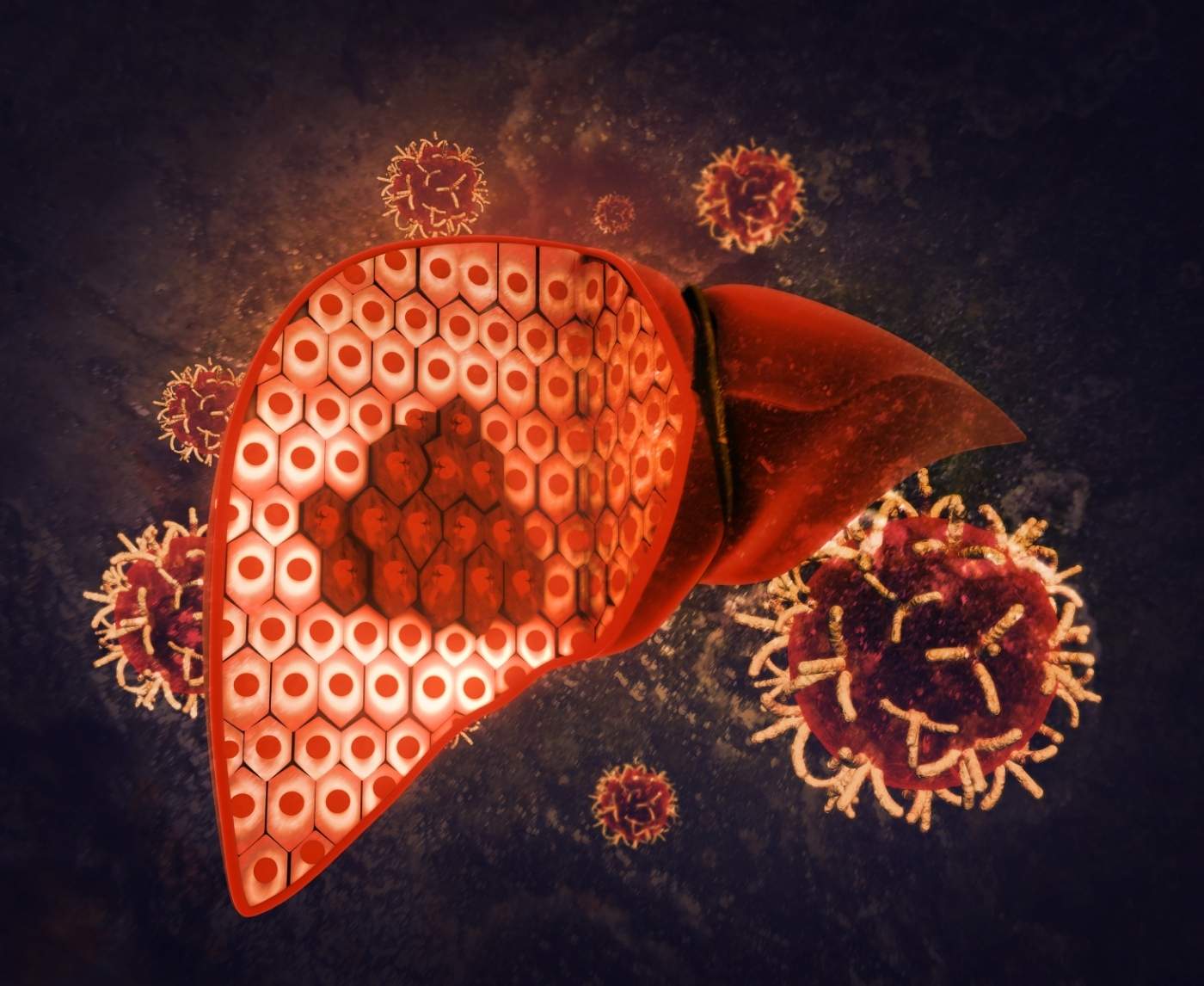
Hepatitis B is a vaccine-preventable liver infection caused by the hepatitis B virus (HBV). Hepatitis B is spread when blood, semen, or other body fluids from a person infected with the virus enters the body of someone who is not infected.
Key Takeaways
- The hepatitis B vaccine produces protective immunity in over 95 percent of healthy adults who complete the full series, and that protection generally lasts decades without routine boosters.
- About 254 million people worldwide live with chronic hepatitis B; many don't know it, which is why the CDC now recommends one-time hepatitis B screening for every adult.
How hepatitis B spreads through blood and body fluids
The hepatitis B virus lives in blood, semen, and vaginal fluid. It can also be present in saliva and other body fluids in smaller amounts, but blood is by far the most efficient carrier. HBV circulates at much higher concentrations in infected blood than HIV does, which is one reason even a tiny exposure can be enough to transmit it. The virus enters the body when one of these fluids reaches a mucous membrane, an open cut, or the bloodstream directly, for example through a shared needle.
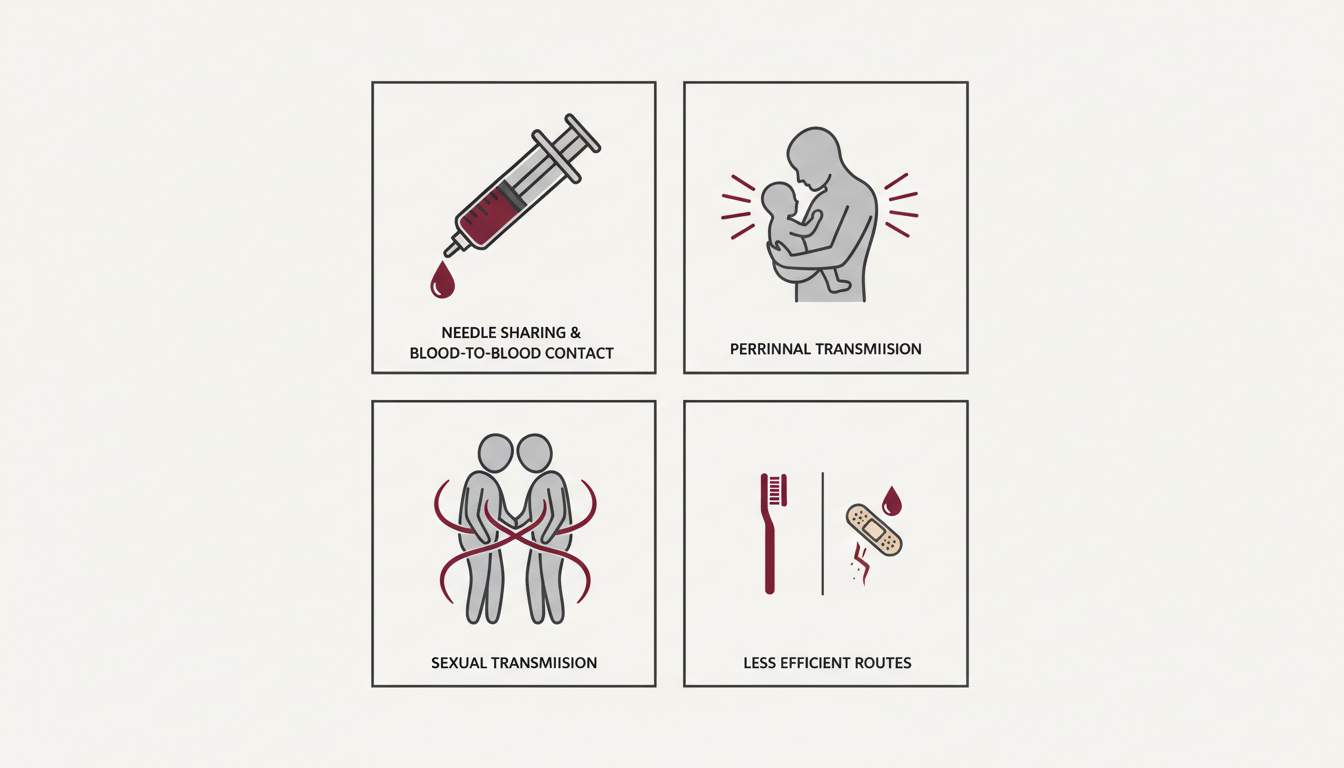
According to the CDC's hepatitis B information, the four main routes of transmission are:
- Sexual contact. Unprotected vaginal, anal, or oral sex with an infected partner accounts for most adult infections in low-prevalence countries.
- Needle sharing. Sharing syringes, drug-prep equipment, or contaminated tattoo and piercing tools transmits the virus efficiently, because even microscopic amounts of blood can carry an infectious dose.
- Mother to baby at birth. Babies born to mothers with hepatitis B can be infected during delivery. Without immediate vaccination and immune globulin, about 90 percent of these infants develop chronic infection (per CDC).
- Blood exposure in healthcare or household settings. Healthcare workers can be infected through needlestick injuries. At home, sharing razors, toothbrushes, or nail clippers can transmit the virus if those items have touched infected blood.
Hepatitis B is unusually hardy. The virus can survive on surfaces and in dried blood for at least seven days and stay infectious during that time. That is why proper disinfection of medical and tattoo equipment matters, and why blood spills should be cleaned with diluted bleach.
What hepatitis B does not spread through: hugging, kissing on the cheek, sharing food, coughing, sneezing, breastfeeding (when the infant has been properly vaccinated at birth), or casual contact with someone who is infected. The virus is bloodborne and sexually transmitted; it does not pass through the air or through food and shared surfaces.
Who faces the highest risk of infection
Anyone who is not vaccinated and is exposed to infected blood or body fluids is at risk. Some groups face higher exposure than others, whether because of behavior, occupation, or where they were born.
Higher-risk groups, per the CDC and WHO:
- People who inject drugs or share drug-preparation equipment.
- People with multiple recent sexual partners, anyone diagnosed with another STI, and men who have sex with men.
- Sexual partners and household contacts of someone with hepatitis B.
- Healthcare and public-safety workers with potential blood or needlestick exposure.
- Hemodialysis patients and people who have received clotting-factor concentrates or unscreened transfusions.
- Infants born to hepatitis B-positive mothers.
- Travelers to, and people born in, regions of high prevalence, including much of sub-Saharan Africa, parts of East and Southeast Asia, and parts of the Pacific Islands. WHO estimates these regions account for the majority of chronic infections worldwide.
- People living with HIV, who are more likely to be exposed to HBV through shared transmission routes and to develop more severe disease if infected.
If any of these apply to you, vaccination plus periodic testing is the right combination. Match testing frequency to your actual exposure rather than waiting for symptoms, since most adults with HBV have none for years.
If any risk factor above applies to you and you haven't been vaccinated, a hepatitis B blood-test panel plus a vaccination consultation with your clinician is the right next step.
Symptoms, and why most adults feel fine
Hepatitis B has two phases: an acute (short-term) phase that begins about 1 to 4 months after exposure, and a chronic (long-term) phase that some people develop afterward. Not everyone gets symptoms, and not everyone clears the virus.
Per the U.S. National Library of Medicine (MedlinePlus), acute hepatitis B symptoms can include:
- Fatigue and a general flu-like feeling
- Nausea, vomiting, or loss of appetite
- Pain in the upper-right abdomen, where the liver sits
- Dark urine and pale stools
- Jaundice, a yellowing of the skin and the whites of the eyes
- Joint or muscle pain
- Low-grade fever
Symptoms typically last a few weeks. According to the NHS, acute hepatitis B usually resolves within 1 to 3 months. Most infected adults clear the virus and develop lasting immunity; about 5 percent do not clear it within six months, at which point the infection is defined as chronic (per CDC).
Children infected at younger ages tell a different story. Newborns infected at birth almost always develop chronic infection (around 90 percent), and approximately 30 percent of children infected between ages 1 and 5 develop chronic infection. Birth-dose vaccination is therefore one of the most important hepatitis B prevention measures globally; countries that adopted universal birth-dose programs have seen large drops in childhood infection and pediatric liver cancer.
The hardest part of hepatitis B for adults is that it is often silent. People can carry the virus for decades with no symptoms while it slowly damages the liver, which is why screening matters even when you feel completely well.
- Newborns infected at birth: roughly 90 percent develop chronic infection.
- Children infected between ages 1 and 5: approximately 30 percent develop chronic infection.
- Adults infected after age 5: roughly 5 percent develop chronic infection.
Source: U.S. Centers for Disease Control and Prevention, hepatitis B clinical overview.
When acute infection becomes chronic, and why that matters
Chronic hepatitis B is defined as the virus persisting in the bloodstream for more than six months, specifically with hepatitis B surface antigen (HBsAg) remaining detectable. Whether an acute infection becomes chronic depends mostly on age at exposure and immune-system status.
The CDC reports that chronic infection develops in roughly 90 percent of infants infected at birth or in their first year, approximately 30 percent of children infected between ages 1 and 5, and roughly 5 percent of adults infected after age 5 (per CDC hepatitis B clinical overview).
Once the infection is chronic, the virus quietly inflames liver cells over years and decades. The CDC estimates that roughly 15 to 25 percent of people with chronic infection go on to develop serious liver disease (per the CDC clinical overview). The two most serious long-term complications are cirrhosis, severe scarring of the liver that can lead to liver failure, and hepatocellular carcinoma, the most common form of liver cancer. The WHO estimates that hepatitis B and its liver complications caused about 1.1 million deaths in 2022 worldwide.
Several factors raise the risk of progression: heavy alcohol use, co-infection with hepatitis C or HIV, obesity, and certain genetic factors. The encouraging side is that people with chronic hepatitis B who get regular monitoring and, when needed, antiviral treatment can often prevent or significantly delay liver damage.
Chronic infection calls for an ongoing medical relationship rather than a one-time test. People with chronic HBV should have liver-function tests and viral-load monitoring at intervals their doctor sets, plus liver-cancer surveillance ultrasounds in some cases.
Hepatitis B and hepatitis C are both bloodborne, and they share many transmission routes. People who are infected with both progress to liver damage faster than people with either alone. If you're testing for one because of an exposure, it's reasonable to test for the other at the same time.
How the hepatitis B vaccine works, and who needs it
The hepatitis B vaccine is the single most effective tool for preventing infection. Per the WHO hepatitis B fact sheet, the full vaccine series offers nearly 100 percent protection, and that protection lasts decades for most healthy people.
First licensed in 1981, it is a recombinant protein vaccine. It contains no live virus, no killed virus, and no viral genetic material. Yeast cells are engineered to produce a single piece of the virus's outer coat, hepatitis B surface antigen (HBsAg). That purified protein is combined with an adjuvant, a substance that strengthens the immune response, and injected into the deltoid muscle. The immune system recognizes the antigen as foreign and produces anti-HBs antibodies. If real hepatitis B virus later enters the body, those antibodies bind the antigen on the viral surface and neutralize the virus before it can infect liver cells. A successful response is defined by an anti-HBs titer of 10 mIU/mL or higher, measured at least one month after the final dose. Because the formulation contains only one viral protein, the vaccine cannot biologically cause hepatitis B.
Current ACIP and CDC recommendations call for hepatitis B vaccination of:
- All infants within 24 hours of birth, with the full series completed in the first 18 months.
- All children and adolescents through age 18 who were not vaccinated as infants.
- All adults aged 19 to 59, regardless of risk factors. This 2022 ACIP update made adult vaccination universal for that age band (per the CDC clinical overview).
- Adults 60 and older with risk factors, such as sexual or occupational exposure, travel, chronic liver disease, hemodialysis, or diabetes diagnosed after age 60. Adults 60 and older without specific risk factors may also choose to be vaccinated.
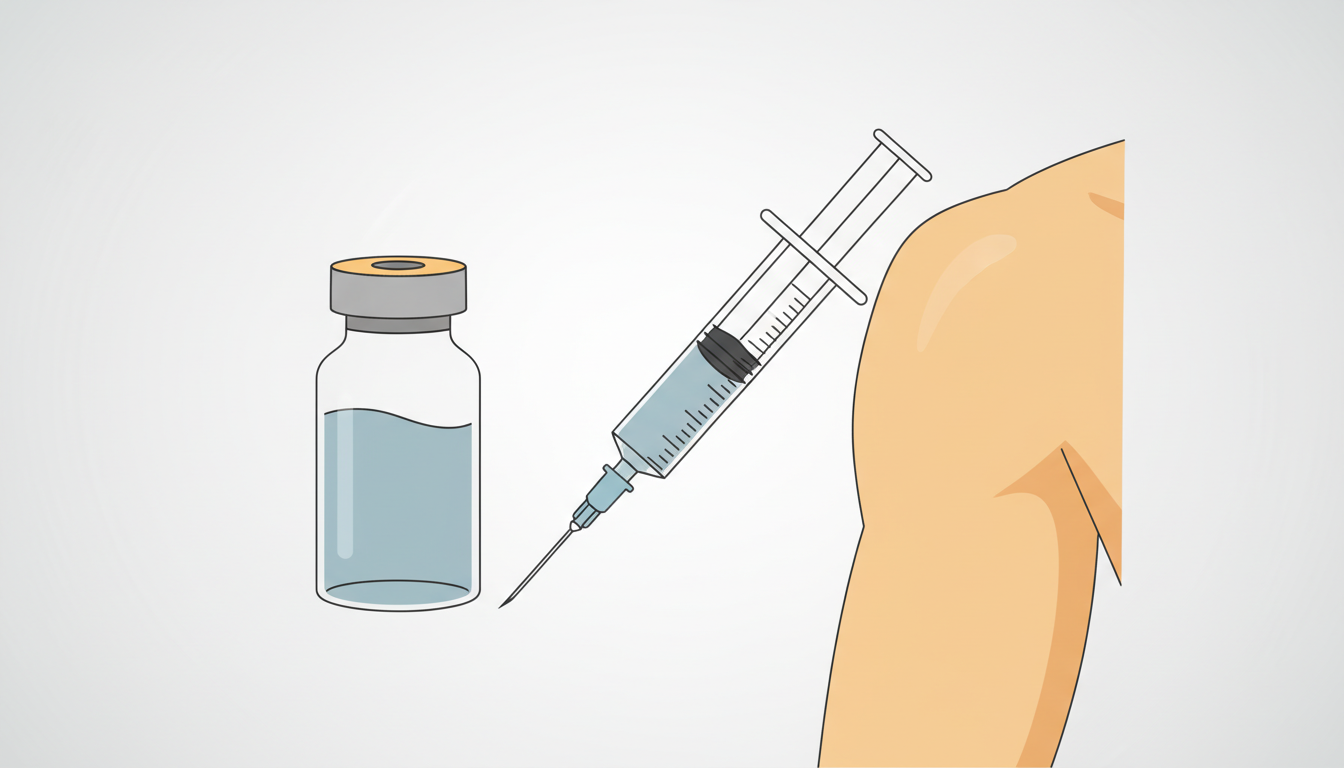
Vaccine schedule: why the timing and each dose matter
Two FDA-approved formulations are common: a two-dose schedule (Heplisav-B) given one month apart, and a three-dose schedule (Engerix-B or Recombivax HB) given at months 0, 1, and 6. Both use recombinant hepatitis B surface protein produced in yeast.
The spacing is not arbitrary. The first dose creates initial recognition and a modest, short-lived antibody response. The second dose, given weeks later, drives much higher antibody production. The final dose, given months after the first, is what locks in long-lived memory B-cells. Those memory cells are the reason protection generally lasts for decades without boosters. If you miss a dose, you do not need to start over; resume where you left off, per CDC guidance. There is no maximum interval that voids earlier doses, because the immune memory they created is still there.
Common side effects are mild: soreness at the injection site, low-grade fever, and fatigue for a day or two. Severe reactions are rare and occur at a frequency similar to other adult vaccines.
Preventing mother-to-baby transmission
This is where the vaccine has its single largest public-health impact. A birth-dose vaccine within 24 hours of delivery, paired with hepatitis B immune globulin (HBIG) when the mother is known to be HBsAg-positive, substantially reduces the risk of mother-to-baby transmission. HBIG provides immediate borrowed antibodies while the vaccine teaches the baby's own immune system to respond. The timing window is unforgiving: protection drops sharply if the birth dose is delayed beyond 24 hours, which is why obstetric guidelines treat it as a standing order rather than something to schedule for the first pediatric visit.
Pregnancy, boosters, and missing records
The vaccine is considered safe during pregnancy and is recommended for unvaccinated pregnant adults at risk of infection (per CDC). It is also safe while breastfeeding. Routine boosters are not recommended for healthy people who completed the series. If you were vaccinated as a child but cannot find your records, you have two reasonable options: complete a catch-up series, which is safe even if you turn out to have been fully vaccinated, or ask a clinic for an anti-HBs antibody titer that shows whether protective immunity is currently present. A home rapid test will not answer that question, because it checks for active infection rather than vaccine-induced antibody.
| Schedule | Doses | Timing |
|---|---|---|
| Heplisav-B (2-dose) | 2 shots | Month 0, then month 1 (one month apart) |
| Engerix-B (3-dose) | 3 shots | Month 0, month 1, and month 6 |
| Recombivax HB (3-dose) | 3 shots | Month 0, month 1, and month 6 |
How vaccination protects whole communities
Vaccination protects the person who receives it, and it also changes the math for everyone around them. When enough people in a population are immune, the virus runs out of new hosts. That effect is especially powerful for hepatitis B, because people with chronic infection are the main reservoir of the virus. Cut the rate at which new chronic carriers are created, and the reservoir slowly shrinks. Vaccination also shields the small number of people who cannot be vaccinated themselves, such as those with a severe allergy to a vaccine component.
Three national programs show what this looks like at scale. Taiwan launched the world's first universal infant hepatitis B vaccination program in 1984. Over the following decades, chronic HBV prevalence in vaccinated cohorts fell to a small fraction of pre-vaccine levels, and liver cancer in children and young adults followed it down. This is one of the first documented cases of a vaccine preventing a human cancer at the population level. The Gambia integrated the vaccine into routine infant immunization in 1990, among the first sub-Saharan African countries to do so, and long-term follow-up has shown the same downward trend in chronic infection and liver disease.
The United States added the hepatitis B vaccine to its routine infant schedule in 1991 and recommended it for adolescents in 1995. CDC surveillance data show that new acute hepatitis B infections have fallen substantially since universal infant vaccination began. The remaining cases are now concentrated in adults who missed the catch-up window, which is exactly why current CDC guidance recommends vaccination for every adult aged 19 through 59.
Coverage is still uneven. The three-dose infant series reaches high uptake in most countries, but the timely birth dose within 24 hours lags in many low-income regions because of home births, cold-chain logistics, and supply gaps. The WHO global hepatitis strategy prioritizes closing that birth-dose gap, alongside countering vaccine hesitancy where misinformation about side effects slows uptake. The real side effects are mild and short-lived, and serious adverse events are rare and well characterized after more than four decades of post-licensure surveillance.
In Taiwan, the Gambia, and the United States, universal infant hepatitis B vaccination drove substantial declines in chronic HBV infection within a generation, and Taiwan documented the first vaccine-led drop in pediatric liver cancer. The pattern holds across very different health systems and economic settings, which is the strongest practical argument for the WHO's birth-dose priority.
Beyond the vaccine: everyday habits that lower exposure
Vaccination handles the biggest piece of hepatitis B prevention. The rest is about not exposing yourself to infected blood in the first place.
- Use condoms. Correct, consistent use of latex or polyurethane condoms greatly reduces sexual transmission of HBV, along with HIV, gonorrhea, and chlamydia.
- Do not share needles. This includes injection drug equipment, insulin needles, glucose-monitoring lancets, and tattoo or piercing needles. If you inject drugs, syringe-services programs in many cities provide clean equipment.
- Choose licensed body-art studios. A reputable tattoo or piercing studio uses single-use needles, sterilizes equipment in an autoclave, and answers questions about its protocols openly. Hepatitis B can survive on contaminated equipment for at least a week.
- Do not share personal items that can carry blood. Razors, toothbrushes, nail clippers, and earring posts have all caused household transmission.
- Follow standard precautions in healthcare settings. If you work in healthcare or as a first responder, follow bloodborne-pathogen protocols, get vaccinated, and document your post-vaccination antibody levels.
- Clean blood spills with bleach. A 1-to-10 dilution of household bleach inactivates HBV on surfaces. Disposable gloves, paper towels, and the bleach solution should be your first move for any blood spill at home.
If you have had a known exposure, such as a needlestick at work, sex with a partner who turns out to have hepatitis B, or a household member's diagnosis, see a clinician quickly. Post-exposure prophylaxis with hepatitis B immune globulin (HBIG) plus the vaccine, started within 24 hours where possible, can prevent infection in many cases, so act within that window if you can.
- Use condoms consistently. Correct, consistent use sharply reduces sexual transmission of HBV alongside HIV, gonorrhea, and chlamydia.
- Never share needles. Drug equipment, insulin needles, glucose lancets, and tattoo or piercing tools all transmit the virus through microscopic blood traces.
- Get post-exposure prophylaxis within 24 hours. If you have a known exposure, HBIG plus vaccine started quickly can prevent infection in most cases.
Hepatitis B testing: who, when, and what to ask for
One of the biggest changes in hepatitis B care in recent years is that the CDC now recommends one-time screening for every adult aged 18 and older, regardless of risk factors (a 2023 update). That puts hepatitis B screening on the same footing as one-time hepatitis C screening for adults: most people get checked once, and people with ongoing risk get checked again.
Periodic re-testing is recommended for:
- Pregnant women, every pregnancy, as part of routine prenatal care
- People who inject drugs, annually
- Men who have sex with men, annually if not vaccinated
- Sexual or household contacts of someone with hepatitis B
- Hemodialysis patients
- People living with HIV
What a hepatitis B blood test looks for
A complete hepatitis B screening panel typically checks three markers:
- HBsAg (hepatitis B surface antigen) indicates current infection.
- Anti-HBs (antibody to surface antigen) indicates immunity, either from past infection or from vaccination.
- Anti-HBc (antibody to core antigen) indicates past or current infection.
Read together, the three markers tell you whether you have never been exposed and likely need vaccination, are immune from vaccination, are immune from a past resolved infection, or have a current infection that needs follow-up.
The window period
HBsAg becomes detectable in the blood about 4 weeks after exposure on most assays, with a range of roughly 1 to 9 weeks. Symptoms, when they appear, follow about 60 to 150 days after exposure. If you are testing because of a specific exposure, an initial test at 6 to 8 weeks plus a follow-up at 6 months covers most cases. If you are within 24 hours of a high-risk exposure, talk to a clinician about post-exposure prophylaxis before you test.
At-home rapid hepatitis B testing
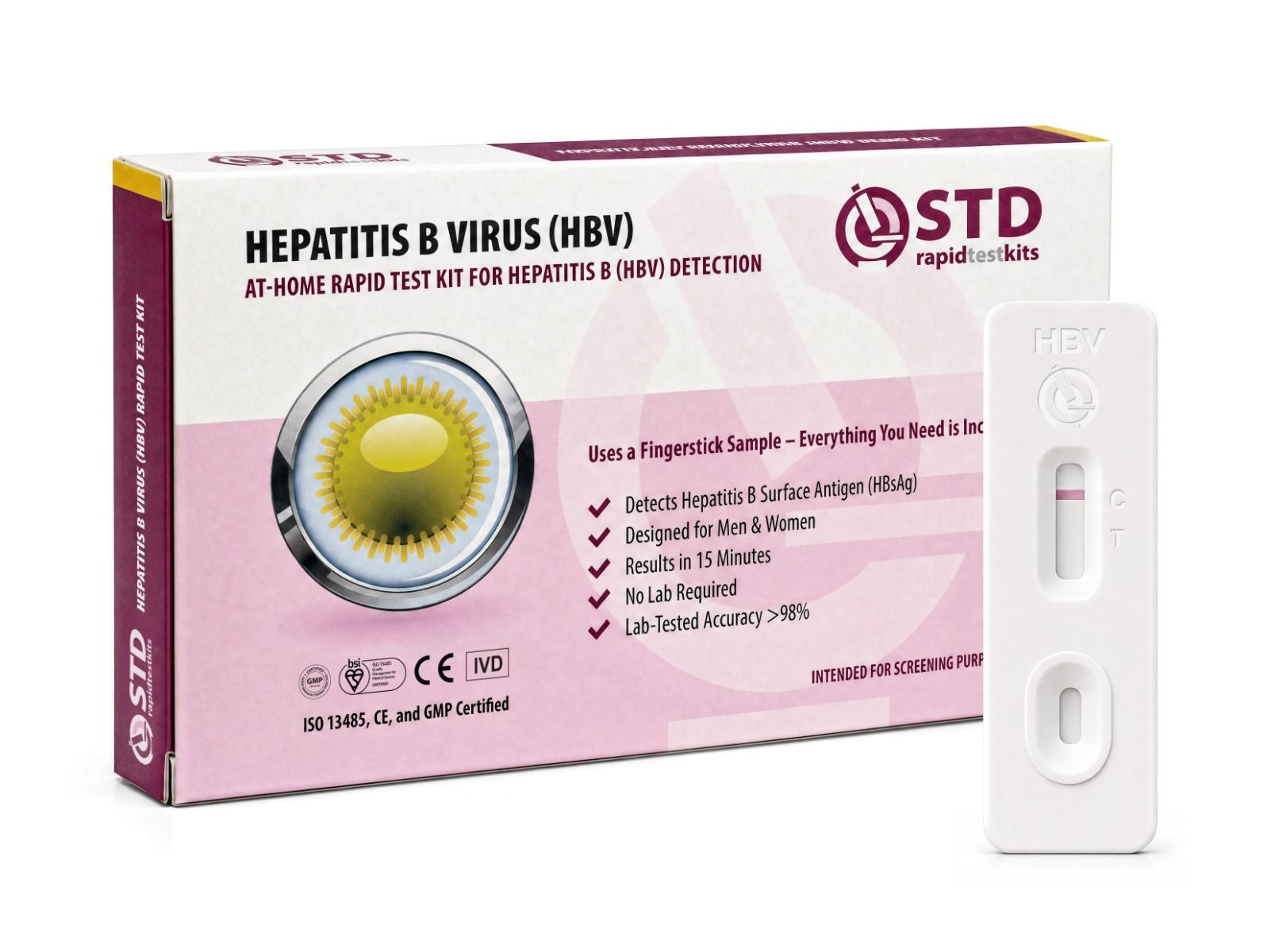
Rapid lateral-flow tests detect HBsAg from a fingerstick blood drop in about 15 minutes. They are a useful screening tool: a positive result calls for confirmation by lab testing and clinical follow-up, and a negative result outside the window period is good evidence that an active infection is not present. Home kits use lateral-flow chemistry, while labs use NAAT and PCR assays for higher analytical sensitivity to confirm and stage infection; the two are complementary. Keep in mind that a home HBsAg test answers the question "do I have an active infection?" and does not measure anti-HBs, the marker of vaccine-induced immunity. A clinic anti-HBs titer is the right test if your question is "am I still protected from a vaccination I had years ago?"

Reading the three markers together places you in one of four clear groups: never exposed (consider vaccination), immune from vaccination (HBsAg negative, anti-HBs positive, anti-HBc negative), immune from a resolved past infection (HBsAg negative, anti-HBs positive, anti-HBc positive), or currently infected (HBsAg positive). A positive home rapid result for HBsAg is always worth confirming with a clinic lab test plus an HBV DNA viral load.
Putting it together: vaccinate, test, and protect
Hepatitis B is one of the few serious viral infections where the prevention math is genuinely good. A safe two- or three-dose vaccine prevents most infections and gives durable immunity. A simple blood-test panel sorts everyone into one of four clear categories: never exposed, vaccinated, recovered, or currently infected. And straightforward habits around needles, sex, and shared personal items handle most of the remaining risk.
If you have never been vaccinated, ask your clinician about starting the series; it is covered by most insurance, and walk-in pharmacy clinics now offer it routinely. If you have had a possible exposure recently, start the post-exposure conversation in the first 24 hours where possible. And if you are due for the one-time adult screening the CDC now recommends for every adult 18 and older, an at-home rapid test or a routine clinic blood draw both work.
For people already living with chronic hepatitis B, the path forward is regular monitoring and, when indicated, antiviral therapy that allows most people to live a full lifespan with appropriate care.
What should you do about hepatitis B?
Have you had a possible high-risk exposure in the last 24 hours, such as a needlestick, sex with an infected partner, or shared needles?
Yes: Contact a clinician or urgent care right away about post-exposure prophylaxis (HBIG plus the vaccine), which works best when started within 24 hours.
Have you completed the full hepatitis B vaccine series?
Yes: You are very likely protected for decades. Healthy adults do not need a routine booster, though some higher-risk groups may need an anti-HBs antibody check.
Are you due for the one-time adult screening the CDC now recommends for everyone aged 18 and older?
Yes: Use an at-home HBsAg rapid test or a routine clinic blood draw, then ask a clinician or walk-in pharmacy about starting the vaccine series if you are not already immune.
No: If you are vaccinated and have been screened, you are set. Re-test only if you have ongoing risk factors such as a new partner of unknown status or shared injection equipment.
Guidance only. A healthcare provider can advise based on your specific situation.
Hepatitis B FAQs
- How soon after exposure can hepatitis B be detected on a blood test?
- Most HBsAg rapid tests can detect active infection from about four weeks post-exposure, with some assays catching it as early as one week and others taking up to nine. A screen at 6 to 8 weeks catches most cases; a second test at six months rules out late seroconversion. If the exposure happened in the last 24 hours, the time-sensitive conversation is with a clinician about HBIG and vaccine post-exposure prophylaxis, before any testing.
- How effective is the hepatitis B vaccine, and how long does protection last?
- Over 95 percent of healthy adults who complete the full series reach protective antibody levels (anti-HBs of 10 mIU/mL or higher). Long-term follow-up beyond 30 years shows durable protection, and the CDC does not currently recommend routine boosters for healthy people who completed the series. Memory B-cells continue to recognize the virus even when measurable antibody titers fall. Older age, obesity, smoking, and immunosuppression are the main factors that lower the response, which is one reason catch-up vaccination is recommended earlier rather than later.
- What are the side effects of the hepatitis B vaccine?
- The most common side effects are mild and short-lived: soreness, redness, or swelling at the injection site, and sometimes a low-grade fever or fatigue for a day or two. Serious adverse events are rare and well characterized after more than four decades of post-licensure surveillance. Because the vaccine is recombinant and contains no live virus, it cannot cause a hepatitis B infection.
- Can hepatitis B be cured?
- Roughly 95 percent of infected adults recover completely from acute hepatitis B and develop lifelong immunity. Chronic hepatitis B currently has no widely available cure, but antiviral medications (such as tenofovir or entecavir) can suppress the virus, slow or prevent liver damage, and reduce the risk of liver cancer. Research on functional cures is ongoing.
- If I missed a dose of the vaccine, do I need to restart the series?
- No. Resume the series where you left off, per CDC guidance. There is no maximum interval that voids prior doses; the immune memory from earlier doses is still there. Your provider will simply give the next scheduled dose.
- Is the hepatitis B vaccine safe during pregnancy?
- Yes. The CDC considers the hepatitis B vaccine safe in pregnancy, and it's recommended for unvaccinated pregnant people who are at risk of exposure. The vaccine is recombinant (no live virus), so it cannot cause hepatitis B infection.
- Can I get hepatitis B from kissing?
- Casual kissing carries very low risk because hepatitis B is mainly transmitted through blood, semen, and vaginal fluid, not saliva alone. Deep kissing is theoretically possible if both people have bleeding gums or open mouth sores, but it's an uncommon route. Sex, needle sharing, and perinatal transmission account for the vast majority of cases.
- I had hepatitis B as a child and recovered. Do I need the vaccine?
- If a complete blood panel shows positive anti-HBs (immunity) and anti-HBc (past infection) with negative HBsAg, you're immune from the resolved infection and don't need the vaccine. A clinician can confirm with a single screening panel.
- U.S. Centers for Disease Control and Prevention. Hepatitis B information for the public, including transmission routes and viral survival outside the body.
- U.S. Centers for Disease Control and Prevention. Hepatitis B clinical overview: age-stratified chronic-infection rates (~5 percent of adults, ~30 percent of children ages 1 to 5, ~90 percent of newborns), the ~15-25 percent chronic-liver-disease figure, the 2022 ACIP universal-adult vaccination recommendation (ages 19 to 59), Heplisav-B 2-dose and Engerix-B/Recombivax HB 3-dose schedules, and complications including cirrhosis and hepatocellular carcinoma.
- World Health Organization. Hepatitis B fact sheet: global prevalence (254 million chronic infections, 2022 estimate), 2022 mortality estimate (1.1 million deaths), vaccine effectiveness (nearly 100 percent protection with the full series), and birth-dose-within-24-hours guidance.
- UK National Health Service. Hepatitis B overview covering symptoms, the acute-vs-chronic course, and that acute infection usually resolves within 1 to 3 months.
- U.S. National Library of Medicine, MedlinePlus. Hepatitis B reference page covering acute symptoms, transmission, prevention, and vaccination.
