Published: August 2025 | Last updated: May 2026 | Editorial review and quality control: Martina N.
You do not need to be sexually adventurous to wonder whether you should get tested for a sexually transmitted infection. A weird sensation when you pee, an offhand comment from a friend, a hookup that wasn't quite as careful as you wanted, any of these can put you in front of a search bar at midnight trying to figure out whether your worry is real and how to handle it without your parents finding out. If you are reading this for the first time and you feel some combination of scared, curious, and embarrassed, you are not unusual and you are not in trouble.
This guide pulls together what current public-health and legal resources say about teen access to STI testing in the United States. It covers your privacy rights, what symptoms do and do not mean, how to test from home or at a clinic, what the common infections actually feel like (often nothing), and what happens if a result comes back positive. The short version: you have more options than you have probably been told, and the people who run teen-focused clinics are specifically trained to help with this exact situation.
Key Takeaways
- Every U.S. state allows minors to consent to STI testing and treatment without parental involvement, typically starting at age 12 or 13, and confidentiality is protected by HIPAA except in cases of suspected abuse.
- Most early STIs cause no symptoms, so waiting until something feels wrong misses infections that are easiest to treat. The CDC recommends annual chlamydia and gonorrhea screening for anyone sexually active under 25.
Why Teens Often Skip Testing Even When They Need It
Ages 15 to 24 are a high-risk window for sexually transmitted infections. CDC surveillance data consistently shows that young people in this age range account for a disproportionate share of new STI diagnoses each year, despite making up roughly a quarter of the sexually active population. The reason is mostly structural rather than behavioral.
Adolescent cervical tissue is biologically more vulnerable to chlamydia and gonorrhea infection than adult tissue, which means a single exposure event in a teen carries a higher acquisition risk than the same event in someone older. Most U.S. high school sex education programs cover the names of the common STIs but rarely cover the practical logistics of testing, including the fact that teens have legal access to confidential care without parental involvement. Shame compounds both gaps, because asking for a test feels to many teens like an admission of something wrong, even when nothing is wrong. None of those forces have much to do with how a particular teen behaves; they shape outcomes for the entire age cohort.
A lot of teens also believe they need their parents' insurance card, their parents' permission, or a specific symptom before they can get tested. None of those are actually required in most cases.
Biology (younger tissue is more susceptible), information gaps (sex ed rarely covers the logistics of confidential testing), and shame (asking feels like an admission) are obstacles to care, not evidence that something is wrong with you or your behavior.
What You Actually Need to Bring to a Test
You do not need a parent's insurance card. You do not need a driver's license or any photo ID. You do not owe anyone an explanation of why you want to be tested. Most teen-focused health services in the United States are deliberately set up to make access as low-friction as possible, because public-health agencies have long understood that friction at the front door produces missed diagnoses and onward transmission.
Some clinics will ask for a first name and a date of birth so that medical records can be linked correctly for follow-up care. That information stays inside the clinic and is protected by the same confidentiality rules that apply to any patient. If you would rather not give a last name, most clinics will accommodate that. If you would rather pay cash than route anything through insurance, you can ask for that too, and many clinics have funding lines specifically for uninsured or under-insured teens.
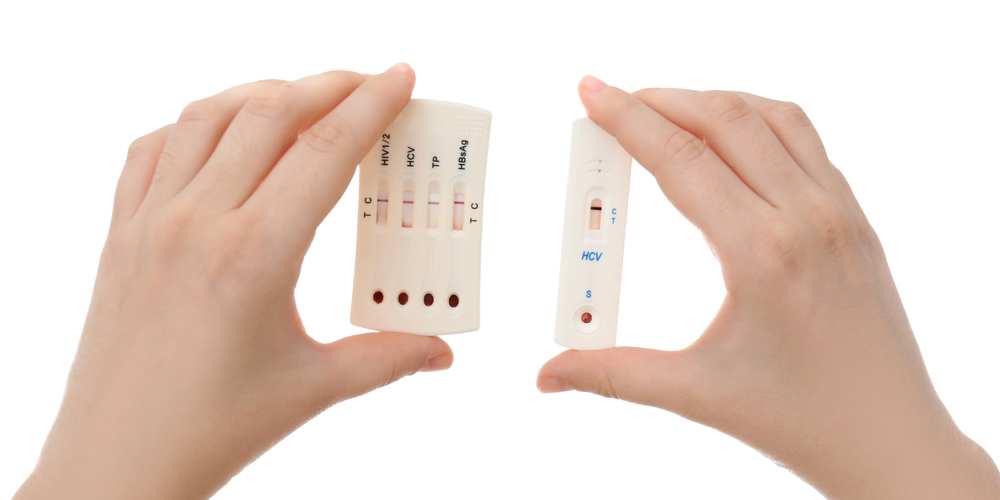
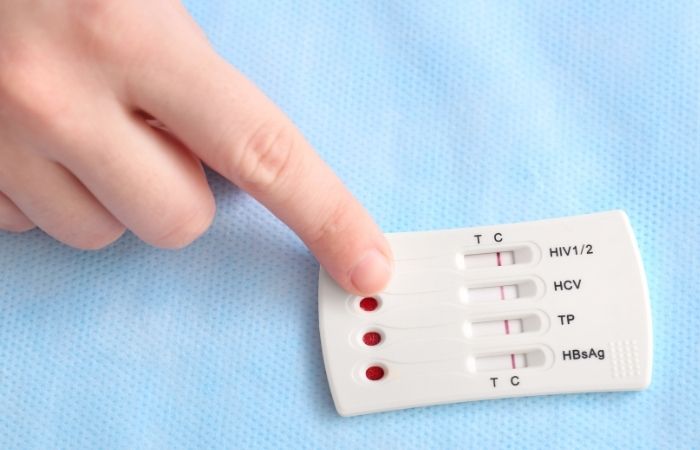
Home test kits remove the conversation entirely. You order, collect a sample (fingerstick blood, urine, or a swab depending on the kit), mail or scan it back, and receive results through a secure portal or by email. Shipping is usually discreet, with no condition name on the package.
What you do and do not need
- Not required: a parent's insurance card, a photo ID, a stated reason for testing, or a parent's permission.
- Sometimes asked for at a clinic: a first name and a date of birth, so the medical record can be linked correctly.
- Always protected: anything you tell the clinician, by HIPAA and state minor-consent law, except in narrow abuse-reporting situations.
- Optional alternative: a home test kit, which removes the in-clinic conversation entirely and generates no insurance paper trail.
Your Privacy Rights and What Your Parents Might See
United States minor-consent law is set state by state, but the practical bottom line is broadly consistent. Every state allows minors to consent to STI testing and treatment without parental involvement, and most extend the same right to HIV testing, contraception, and emergency contraception. The exact age at which the right kicks in varies (often 12 or 13, sometimes younger), and a few states attach narrow specific limits worth checking on the Guttmacher Institute's state-policy explorer. The very short version: in every state, a sexually active teen can walk into a clinic and ask for an STI test, and the clinic is permitted to provide it confidentially.
Confidentiality has one legal exception. If a clinician believes you are being harmed or abused, mandatory reporting laws apply. Nothing about routine testing or asking questions triggers this. Asking for a test does not, by itself, indicate harm.
The most common privacy snag is not the clinic, it is insurance billing. If you use a parent's insurance plan, the insurer typically mails an Explanation of Benefits (EOB) document to the policyholder showing the service code that was billed. That code can be enough to flag what kind of visit happened, even if the actual lab result stays private. A few workarounds exist:
- Ask the clinic to bill self-pay rather than going through insurance. Many teen-focused clinics offer a sliding-scale fee or zero-cost testing program designed for exactly this situation.
- Ask whether your state has a confidentiality protection law that lets you request EOBs be sent to you directly or suppressed. About half of U.S. states now have some form of this, and Planned Parenthood staff routinely help patients navigate the paperwork.
- Go to a Planned Parenthood health center, a federally qualified health center, or a Title X family planning clinic. These sites are funded specifically to provide confidential care to uninsured and underinsured patients, including minors.
- Use a home test kit. These do not touch your insurance at all, so no EOB is generated.
School-based health centers, where they exist, are another strong option. They are typically set up to handle confidential teen visits, including STI screening, and records do not go home with you.
You Do Not Have to Have "Real Sex" to Get an STI
One of the most common misunderstandings in teen sex education is the idea that penetrative vaginal intercourse is the only route to infection. It is not. Several common STIs spread through skin-to-skin contact in the genital or oral area, with no fluid exchange and no penetration required.
Herpes simplex (HSV-1 and HSV-2) is the clearest example. Both strains can transmit by oral sex, by genital-to-genital contact without penetration, or by kissing if one person has an active oral cold sore. The CDC's herpes overview states that oral herpes caused by HSV-1 can spread from the mouth to the genitals through oral sex, and that some cases of genital herpes are due to HSV-1 rather than HSV-2.
Human papillomavirus (HPV) follows the same pattern. It spreads through skin-to-skin contact in the genital region and can be passed by hand-genital or oral-genital touching as well as by intercourse. Most sexually active people will acquire at least one HPV strain in their lifetime. The CDC and ACIP recommend routine HPV vaccination through age 26, with shared clinical decision-making available through age 45. Vaccination is most effective before any sexual exposure but still offers protection against strains a person has not yet encountered.
Bacterial infections like gonorrhea and chlamydia mostly transmit through fluid exchange, which is why penetrative or oral sex involving ejaculation or genital fluid contact remain the higher-risk acts. But pharyngeal (throat) and rectal infections are well documented after oral or anal sex with no penetrative intercourse involved. The clinical test for those locations is a throat or rectal swab, which is a clinic visit rather than a home kit. Our at-home kits cover genital and bloodwork-based testing; for a throat or rectal swab, a clinic is the right route.
Many people who have an STI have no symptoms or only mild ones. Without screening, infections can go undetected for months or years and can be passed to sexual partners.
Why Symptoms Are a Bad Trigger for Testing
Most early STIs are silent. CDC fact sheets on chlamydia and gonorrhea describe that the majority of infected women and a large share of infected men have no noticeable symptoms in the early weeks of infection. HPV can sit in the body for months or years before any visible sign appears, if it ever does. HIV's acute infection phase produces flu-like symptoms in some people, but those symptoms are easy to mistake for any other viral illness, and many people skip them entirely.
Waiting for symptoms before you test does two things. It delays treatment, because bacterial infections that are easy to clear with a single dose of antibiotics in week one can migrate to the upper reproductive tract over weeks or months, where they cause pelvic inflammatory disease, scarring, and fertility complications down the road. Untreated syphilis progresses through stages with increasingly serious complications, eventually reaching neurological and cardiovascular tissue if left for years. Untreated HIV becomes progressively harder to suppress and increases the risk of onward transmission.
It also raises the chance of passing the infection to someone else without knowing. The transmission math is unforgiving on this point: an asymptomatic person who is unaware of their status is the most common source of new infections, simply because there is no behavioral signal telling them to be careful.
The right way to think about routine testing is as a baseline check rather than a diagnostic. You are not testing because you have evidence of infection. You are testing because evidence is unreliable in the early window for most infections.
Most early chlamydia and gonorrhea infections produce no noticeable symptoms in the first weeks, especially in people with vulvas, according to CDC fact sheets. The infections that are easiest to clear are the same infections that give you no warning signs. Routine screening, not symptom-watching, is what catches them.
This guide is published by stdrapidtestkits.com, which sells at-home STI rapid test kits. The pathways below include both in-clinic and home-testing routes; the recommendation reflects fit-for-purpose for your situation, not commercial benefit. A home kit is not the right answer for every reader, and the section below says so where that is the case.
Where to Get Tested as a Teen
Which testing route is right depends mostly on what you most need: speed, total privacy, comprehensive anatomical coverage, or low cost. Each pathway optimizes for a different one.
For a comprehensive workup including sample types that home kits cannot collect, a teen-focused clinic is the strongest option. Planned Parenthood, federally qualified health centers, and local Title X family planning clinics are explicitly funded to provide sliding-scale or free care to minors and uninsured patients. Most can do same-day rapid testing for HIV and syphilis, with lab results for chlamydia and gonorrhea back within a few days, and most can also handle the pharyngeal (throat) and rectal swab collection that home kits do not currently cover.
For lowest friction when you are already on campus, school-based health centers are worth checking. Roughly 2,500 schools across the United States host them, and most are explicitly set up to handle confidential teen visits, including STI screening, without sending records home. The school nurse or counseling office is the entry point.
Primary care or urgent care visits are workable, though they are the most likely route to involve insurance and therefore the most likely to generate an EOB at home. If you want to use this route while preserving confidentiality, call the clinic ahead of time and ask whether they can bill you as a self-pay patient or apply a teen-confidentiality flag to the visit.
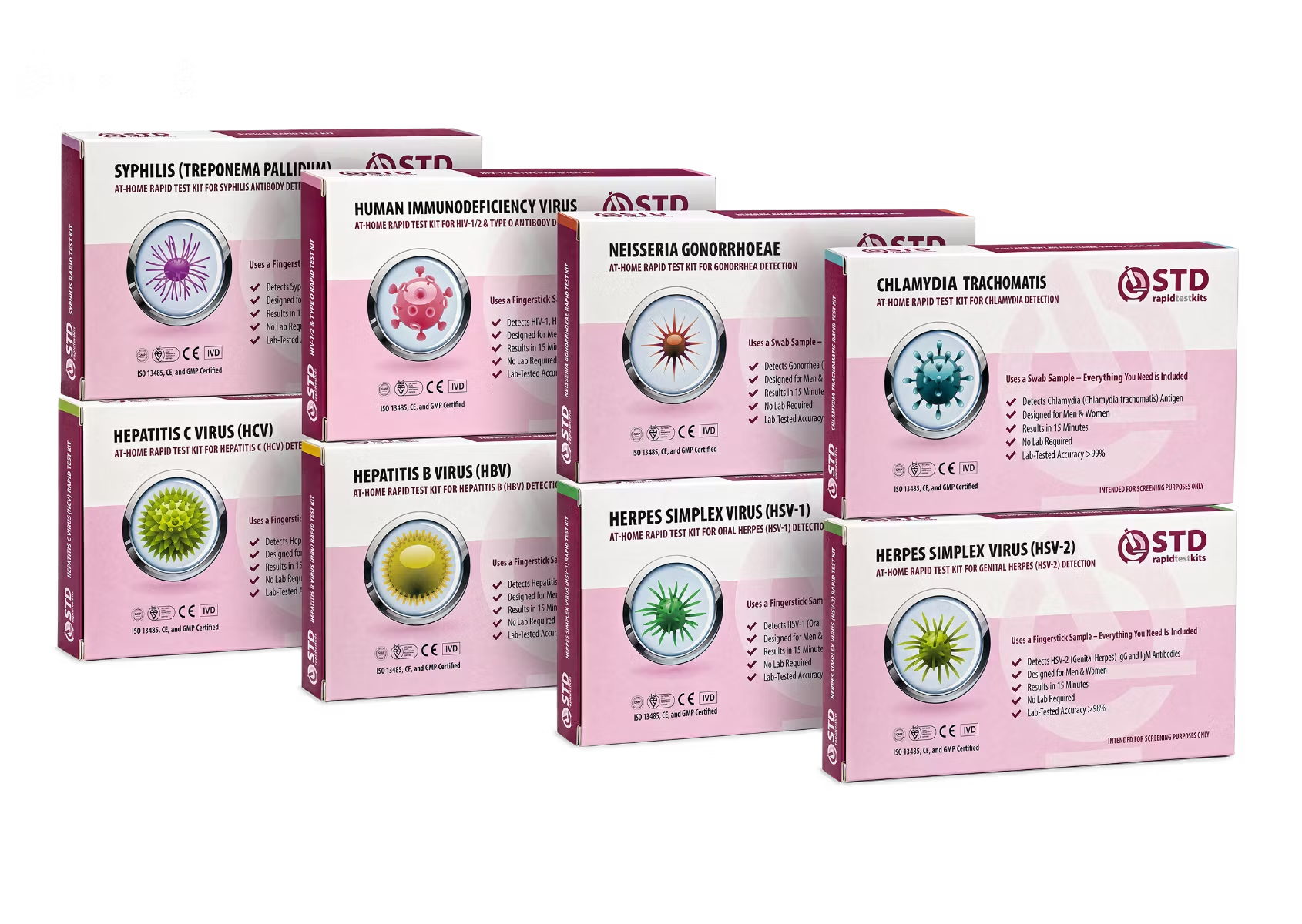
For maximum privacy with no clinic visit, home test kits are the right call. You collect the sample (urine, swab, or fingerstick blood) at home, read a rapid lateral-flow result in about 15 to 20 minutes, or mail a sample to a lab depending on the kit. Home kits cover chlamydia, gonorrhea, syphilis, HIV, hepatitis B and C, herpes (blood antibody), and HPV (women only for the at-home swab format). They do not currently cover throat or rectal sample collection; for those exposures, the clinic route is the right one.
If you are not ready to test yet and want to talk through your situation, the Love Is Respect hotline offers a phone, text, and chat service for teens navigating relationship pressure or safety concerns, and plannedparenthood.org has plain-language information pages on contraception, STI testing, and what to expect at a visit.
How Often You Should Test
The CDC's 2021 STI Treatment Guidelines outline the following baseline frequency for sexually active people:
- Anyone sexually active and under age 25: annual screening for chlamydia and gonorrhea.
- Anyone with a new sexual partner, multiple partners, or a partner known to have an STI: test at each new partnership boundary, and at least every three to six months if partner turnover is frequent.
- Anyone sexually active: at least one HIV test in their lifetime, with additional testing based on individual risk factors. Men who have sex with men, and people whose partners have unknown status, should test more frequently, typically every three to six months.
- After any condom failure, unprotected sex with a new partner, or other higher-risk exposure: test, accounting for window periods described below.
Window periods matter here. Most rapid tests cannot detect an infection in the first few days after exposure. Chlamydia and gonorrhea typically become detectable within 1 to 2 weeks. Fourth-generation HIV antibody-antigen tests detect most infections by approximately 45 days, though 90 days is the recommended window to confidently rule out infection; antibody-only rapid tests need the full 90-day window. Syphilis testing is most reliable 3 to 6 weeks post-exposure. Herpes blood antibody tests typically need 12 weeks to seroconvert reliably. If you test too early and get a negative result, the right move is to retest after the relevant window has passed rather than to assume you are in the clear.
Chlamydia / gonorrhea: detectable 1 to 2 weeks after exposure. Syphilis: 3 to 6 weeks. HIV (4th-gen antibody-antigen): most infections by 45 days, 90 days to confidently rule out. HIV (antibody-only rapid): full 90 days. Herpes blood antibody: 12 weeks. A negative result before the window is not a clear-all; retest after the window.
If You Test Positive, Here Is What Happens
Most common STIs are either cured outright or controlled to the point of being a manageable health logistic rather than a chronic crisis. The CDC's 2021 STI Treatment Guidelines set the standard regimens used by clinics across the country.
Chlamydia is treated with a one-week course of doxycycline, currently the CDC's preferred first-line option for non-pregnant patients. Gonorrhea is treated with a single intramuscular dose of ceftriaxone. Both clear with one round of treatment in the large majority of cases. You will be asked to abstain from sex for seven days after treatment and to notify recent partners so that they can be treated as well. Most clinics offer partner-notification services to help with this, including anonymous notification options if you do not want your name attached.
Trichomoniasis is cured with a short oral antibiotic course (usually metronidazole or tinidazole). Syphilis is curable with injectable penicillin; the exact regimen depends on what stage of infection has been reached. Hepatitis B is preventable by vaccine and, in chronic cases, manageable with antiviral medication. Hepatitis C is curable in over 95 percent of cases with direct-acting antiviral therapy.
Herpes is not cured but is well-managed. Daily antiviral medication keeps outbreaks rare and substantially reduces transmission risk to partners. HIV is not cured but is suppressed to undetectable levels in nearly everyone on consistent modern antiretroviral therapy. The science on Undetectable equals Untransmittable (U=U) is well established by CDC and HHS: a person on effective treatment with sustained undetectable viral load cannot sexually transmit HIV to a partner. HPV usually clears on its own within two years in most people. Persistent strains are monitored, and if precancerous changes appear on a Pap test or HPV test, they are treatable with topical therapy or minor outpatient excision.
A positive diagnosis is the start of treatment, not a verdict. The harder, more useful question is whether you tell anyone in your life, and most clinicians can help you think through that conversation, including how to talk to current and recent partners and whether to involve a trusted adult.
You are not broken, and you are not damaged goods. You are a person who took the step that the majority of teens never do, which is to find out where you stand and act on it.

FAQs
- Can a clinic actually keep my STI testing confidential from my parents?
- Yes, with one legal exception. State minor-consent laws allow teens to consent to STI testing and treatment without parental involvement, and federal HIPAA rules require clinics to protect the medical record. The single legal exception is mandatory reporting if a clinician believes you are being harmed or abused. Asking for a test does not, by itself, trigger any reporting obligation.
- What if my parents see an Explanation of Benefits in the mail?
- If you use a parent's insurance, the policyholder usually receives an EOB document showing the service codes that were billed. Workarounds include asking the clinic to bill you as self-pay, requesting a confidentiality protection from the insurer if your state offers one, choosing a clinic with free or sliding-scale fees (Planned Parenthood, Title X, and federally qualified health centers all do this), or using a home test kit, which does not touch insurance at all.
- Do I need symptoms before I get tested?
- No. Most early STIs cause no symptoms, so waiting for something to feel wrong misses the infections that are easiest to treat. The CDC recommends annual chlamydia and gonorrhea screening for anyone sexually active under age 25 as a baseline, regardless of how you feel.
- I have not had penetrative intercourse. Do I still need to test?
- Possibly, yes. Several common STIs spread through skin-to-skin contact or oral sex without any penetration. Herpes (HSV-1 and HSV-2), HPV, and syphilis can all transmit through oral or genital contact alone, and pharyngeal gonorrhea and chlamydia can result from oral sex. If you have had genital contact of any kind, the testing conversation applies to you.
- How long after exposure should I wait to test?
- It depends on the infection. Chlamydia and gonorrhea become detectable within 1 to 2 weeks. Fourth-generation HIV antibody-antigen tests detect most infections by approximately 45 days, with 90 days as the window to confidently rule out infection; antibody-only rapid tests need the full 90 days. Syphilis testing is most accurate 3 to 6 weeks post-exposure. Herpes blood antibody tests need about 12 weeks. Testing too early and getting a negative result does not mean you are clear; retest after the relevant window.
- Can I test anonymously?
- Partially. Many clinics let you use a first name only, and home kits let you choose what name appears on the shipping label and which email receives the result. Medical records inside a clinic do need to link to a date of birth and a name for continuity of care, but that information stays in the clinic and is protected by HIPAA.
- How fast do results come back?
- In-clinic rapid tests for HIV and syphilis can return same-day results in about 15 to 20 minutes. Lab-processed NAAT tests for chlamydia and gonorrhea typically take 2 to 5 days. At-home rapid kits return results in roughly 15 to 20 minutes, read at home. Mail-in lab kits return results in 3 to 7 days through a secure online portal.
- If I test positive, will the clinic notify my parents or my partners?
- No on parents, with the same abuse-reporting exception as above. On partners, most clinics offer partner-notification services to help you tell people who may have been exposed, including anonymous notification if you do not want your name shared. The clinic does not contact partners on its own without your involvement, except in narrowly defined public-health investigations for a small set of reportable conditions.
- U.S. Centers for Disease Control and Prevention. Sexually transmitted infections: surveillance data, adolescent and young adult statistics, fact sheets on chlamydia, gonorrhea, syphilis, and herpes.
- U.S. Centers for Disease Control and Prevention. 2021 Sexually Transmitted Infections Treatment Guidelines landing page, including first-line regimens for chlamydia, gonorrhea, syphilis, and trichomoniasis, and population-specific screening frequency recommendations.
- U.S. Centers for Disease Control and Prevention. HIV testing, treatment, and Undetectable equals Untransmittable (U=U) science overview.
- U.S. Centers for Disease Control and Prevention. Human papillomavirus information and Advisory Committee on Immunization Practices (ACIP) vaccination recommendations.
- U.S. Centers for Disease Control and Prevention. Herpes simplex virus overview, including transmission of HSV-1 through oral sex.
- Planned Parenthood Federation of America. Confidential teen sexual and reproductive healthcare services, intake procedures, and partner notification programs.
- Guttmacher Institute. State-by-state policy explorer on minor consent to sexually transmitted infection services and confidentiality protections.
