
Published: November 2025 | Last updated: April 2026 | Editorial review and quality control: Martina N.
If you had sex with a new partner abroad, the question is not whether to test but when. The biology of testing windows is the same wherever the exposure happened; what shifts on a trip is local prevalence, antibiotic resistance patterns for organisms like gonorrhea, and the practical mechanics of using a condom or filling a prescription far from your usual healthcare access. This article explains which infections matter most for travelers, when to test after a trip, and how at-home rapid kits and clinic visits each fit into a sensible post-travel checkup.
The article is written for travelers planning ahead and for travelers who already came home and now want to know what to do. Both groups will find the testing-window section the most actionable part. Skim that first if you returned within the last few days; come back to the prevention section before your next trip.
Do I need an STI test after sex on a trip abroad, even if I used a condom?
If your encounter involved a new partner, yes. Public-health guidance from the CDC and the WHO points to post-travel screening for travelers who had unprotected sex or sex with new partners abroad. The standard panel covers HIV, syphilis, chlamydia, and gonorrhea, with hepatitis B and C added if your trip also included potential blood-borne exposure such as a tattoo, piercing, dental work, or shared injection equipment. Testing windows differ by infection, ranging from about 14 days for chlamydia and gonorrhea to 90 days for HIV rapid antibody and hepatitis confirmation.
Key Takeaways
- The STIs most travelers need to screen for after a trip are the same ones screened for at home (HIV, chlamydia, gonorrhea, syphilis, hepatitis B and C), but local prevalence and antibiotic-resistance patterns vary sharply by region.
- A single test taken right after returning home can miss recent infections. Conservative confirmation runs from 14 days post-exposure for chlamydia and gonorrhea up to 90 days for HIV rapid antibody.
Why travel sex carries different risk math than sex at home
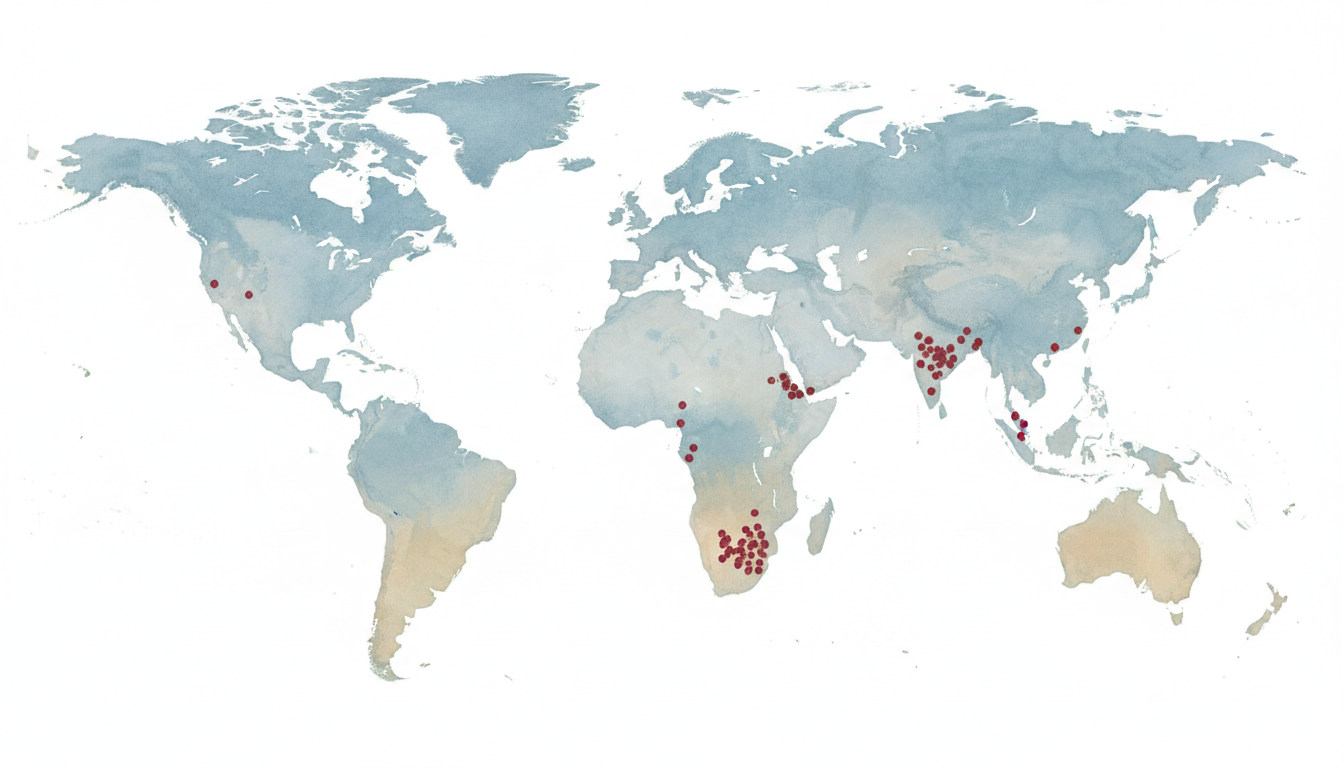
Four factors shift the math. The first is local prevalence. The proportion of adults living with HIV varies from under 0.2% in much of western Europe to over 25% in parts of Eswatini and Lesotho, per UNAIDS country data. WHO classifies parts of sub-Saharan Africa, Southeast Asia, and the western Pacific as high-endemicity regions for hepatitis B. The same single sexual encounter therefore carries different absolute infection odds depending on where it happens.
The second factor is condom availability and quality. Condoms sold in some destinations may be older, stored at higher temperatures, or counterfeit. Carrying a small supply from home solves this. So does buying from a recognized chain pharmacy at the destination rather than from a street stall or hotel minibar.
The third factor is alcohol and disinhibition. Vacation drinking is often heavier than home drinking, and judgment about whether to use a condom or whether to engage at all gets cloudier. Drug use compounds this. Travelers who plan ahead, carry condoms, and decide their boundaries before drinking consistently report better outcomes on post-travel testing.
The fourth factor is harder to quantify but worth naming: many travelers underestimate their own behavior change abroad. People who would never skip a condom at home report doing so on a trip. People who maintain monogamous relationships at home report new partners while traveling. Plan condoms, prescriptions, and the post-trip testing dates the same week you book the flights.
A small zipped pouch with 6 to 12 latex condoms, a single-use lubricant pack, and a copy of your usual prescription list takes minimal luggage space and removes most of the practical reasons travelers skip protection on a trip. Pack it the same week you book your flights, when judgment is clearest.
Which STIs matter most for travelers
The infections most relevant to post-travel screening are the same set seen in domestic STI clinics, with two adjustments. Hepatitis B carries higher relevance for travelers because of variable global prevalence and overlap with non-sexual exposure routes (tattoos, piercings, dental procedures abroad, shared shaving equipment in barbershops). Mpox warrants mention for travelers to regions with active outbreaks. It spreads readily through close skin contact during sex even though its transmission is not limited to sexual fluids.
The table below summarizes the core panel and the earliest point at which a home rapid test can give a reliable result. The hepatitis B row refers to detection of the surface antigen (HBsAg), the marker that turns positive when the body is actively producing viral protein.
| Infection | Earliest reliable home-test window | Curable or chronic? |
|---|---|---|
| Chlamydia | About 14 days post-exposure | Curable with antibiotics |
| Gonorrhea | About 14 days post-exposure | Curable with antibiotics; resistance rising in some regions |
| Syphilis | About 6 weeks; 12 weeks for confirmation | Curable with penicillin if caught early |
| HIV (rapid antibody) | Around 90 days post-exposure | Chronic; managed with antiretroviral therapy |
| Hepatitis B | About 8 to 12 weeks post-exposure | Most adults clear; some develop chronic infection |
| Hepatitis C (antibody) | About 8 to 12 weeks post-exposure | Curable with direct-acting antivirals |
How geographic prevalence shifts the math
Country-level data is what matters here, not regional generalizations. UNAIDS publishes adult HIV prevalence by country every year, WHO maintains hepatitis B endemicity maps, and the European Centre for Disease Prevention and Control (ECDC) tracks gonorrhea resistance patterns across Europe. The combined picture for a traveler looks roughly like this:
- HIV: Sub-Saharan Africa carries the highest concentrated adult prevalence, but specific subpopulations in any region (people who inject drugs, sex workers without consistent condom access, men who have sex with men in countries that criminalize same-sex behavior) often have prevalence many times the national average. The national headline number is rarely the right number to plan around.
- Hepatitis B: WHO classifies parts of sub-Saharan Africa, Southeast Asia, and the western Pacific as high-endemicity for chronic hepatitis B carriage. The vaccine is highly effective and recommended by the CDC for travelers to these regions.
- Gonorrhea resistance: Strains resistant to ceftriaxone, the main injectable antibiotic used to treat gonorrhea, have been documented across multiple Asia-Pacific countries. If you receive treatment for gonorrhea after travel to one of these regions, your clinician will likely add a test-of-cure visit to confirm clearance.
- Syphilis: Congenital and adult syphilis rates have risen across the Americas and parts of Europe over the past decade, per the WHO and the CDC. The infection is often asymptomatic in early stages, which is exactly why travelers commonly miss it without screening.
Risk math for a single encounter is best discussed with a travel medicine clinic before departure rather than estimated from an article. Countries with low national prevalence still have local risk hot spots, and pre-travel testing of any new partner is rarely realistic on a short trip.
Pre-travel prevention checklist
Roughly six weeks before a trip is the sweet spot for prevention planning. That window is enough time to complete an accelerated hepatitis B vaccine schedule if needed, get an HPV catch-up dose if you are eligible, and start pre-exposure prophylaxis for HIV if your travel risk profile warrants it.
- Hepatitis B vaccine: Three-dose series for adults who lack prior vaccination. The accelerated schedule (0, 7, and 21 days, with a 12-month booster) is an option for travelers under time pressure. CDC and WHO both recommend hepatitis B vaccination for travelers to high-endemicity regions.
- HPV vaccine: ACIP routinely recommends vaccination through age 26, with shared clinical decision-making through age 45. A trip is a reasonable prompt to ask your clinician about catch-up doses if you missed the routine series.
- HIV PrEP: Pre-exposure prophylaxis with daily oral tenofovir/emtricitabine is highly effective at preventing HIV acquisition. Discuss with a clinician if your trip carries elevated HIV exposure risk; PrEP is most useful when started at least 7 days before potential exposure for receptive vaginal or anal sex.
- Condoms and lubricant: Carry from home. A travel pack of 6 to 12 latex condoms takes minimal space and removes the need to source locally.
- Mpox vaccine: Consider if your destination has an active outbreak and your sexual network risk is elevated.
- Baseline STI test: A pre-travel test establishes a clean baseline so any positive result after the trip can be cleanly attributed to the new exposure rather than a pre-existing untested infection. This matters more than most travelers realize.
Many people have not been tested in 12 months or more. If you test positive after a trip without a recent baseline, you cannot tell whether the infection came from the trip or was already present. A baseline test before departure removes that ambiguity, simplifies partner notification if needed, and shortens the diagnostic conversation with your clinician.
The post-trip testing window for each infection
The biggest mistake travelers make about post-trip testing is testing once, immediately after returning home, and treating a negative result as the all-clear. Testing windows are real biology. Each pathogen takes a different amount of time to produce enough antigen, antibody, or genetic material to be detectable by a screening test. Testing too early gives a false sense of safety.
The pragmatic schedule for someone who had unprotected sex abroad and wants to be confident in their results by 12 weeks post-return looks like this:
- Day 14 post-exposure: Chlamydia and gonorrhea swab. The window for both is short.
- Week 6 post-exposure: Syphilis (most cases detectable). Hepatitis B surface antigen typically appears in this window for those who will become detectable.
- Week 12 post-exposure: HIV rapid antibody test (the CDC-aligned 90-day mark for home-kit antibody chemistry), repeat syphilis if the 6-week test was negative, hepatitis B and hepatitis C antibody. This is the conservative confirmation point that CDC guidance and standard assay-label windows converge on.
If symptoms develop earlier (genital ulcer, urethral discharge, painful urination, unexplained rash, pelvic or testicular pain, fever after sexual exposure), do not wait for the window to close. Symptoms warrant a clinic visit immediately, regardless of how recent the exposure was.
Window-period summary
- Chlamydia and gonorrhea: reliable from about day 14 post-exposure.
- Syphilis: most cases detectable by 6 weeks; confirm at 12 weeks if early test was negative.
- HIV: rapid antibody home tests reliable from around 90 days post-exposure; lab antigen-antibody (fourth-generation) tests from about 45 days.
- Hepatitis B and C: 8 to 12 weeks for standard antibody and surface-antigen testing.
Clinic visit or at-home rapid test, and which to use when
Both have a role in post-travel screening. The right choice depends on three things: whether you have symptoms, whether you need same-visit treatment, and whether privacy and convenience are the deciding factor for you.
An at-home rapid kit is well suited to:
- Asymptomatic post-travel screening at the right window points.
- Privacy when you would rather not have a sexual-health visit logged in your local primary care record.
- Triage before deciding whether to visit a clinic. A positive home result tells you to seek confirmatory lab testing and treatment; a negative home result at the right window point is reassuring for that pathogen.
- Travelers who returned to a region with limited or expensive sexual-health services and want a discreet first look.
A clinic visit is the better fit when:
- You have symptoms (discharge, ulcer, rash, pelvic pain, fever).
- You need same-visit treatment, for example presumptive antibiotics for likely gonorrhea or chlamydia.
- You need expedited partner therapy or want partner-notification support.
- You want a comprehensive panel that includes pharyngeal or rectal swabs (relevant for travelers whose exposure was oral or anal). The home kits sold by stdrapidtestkits.com cover genital swab and blood-test routes; pharyngeal and rectal swabs are clinic-administered, and we are honest about that scope limit.
This article is published by stdrapidtestkits.com, which sells at-home STI testing kits. We recommend products based on fit-for-purpose for the reader's concern, not commercial benefit. Where a clinic visit is the right call, we say so directly.
Matching the kit to your trip's exposure profile
Different trips warrant different post-trip panels. The right panel depends on what actually happened on the trip:
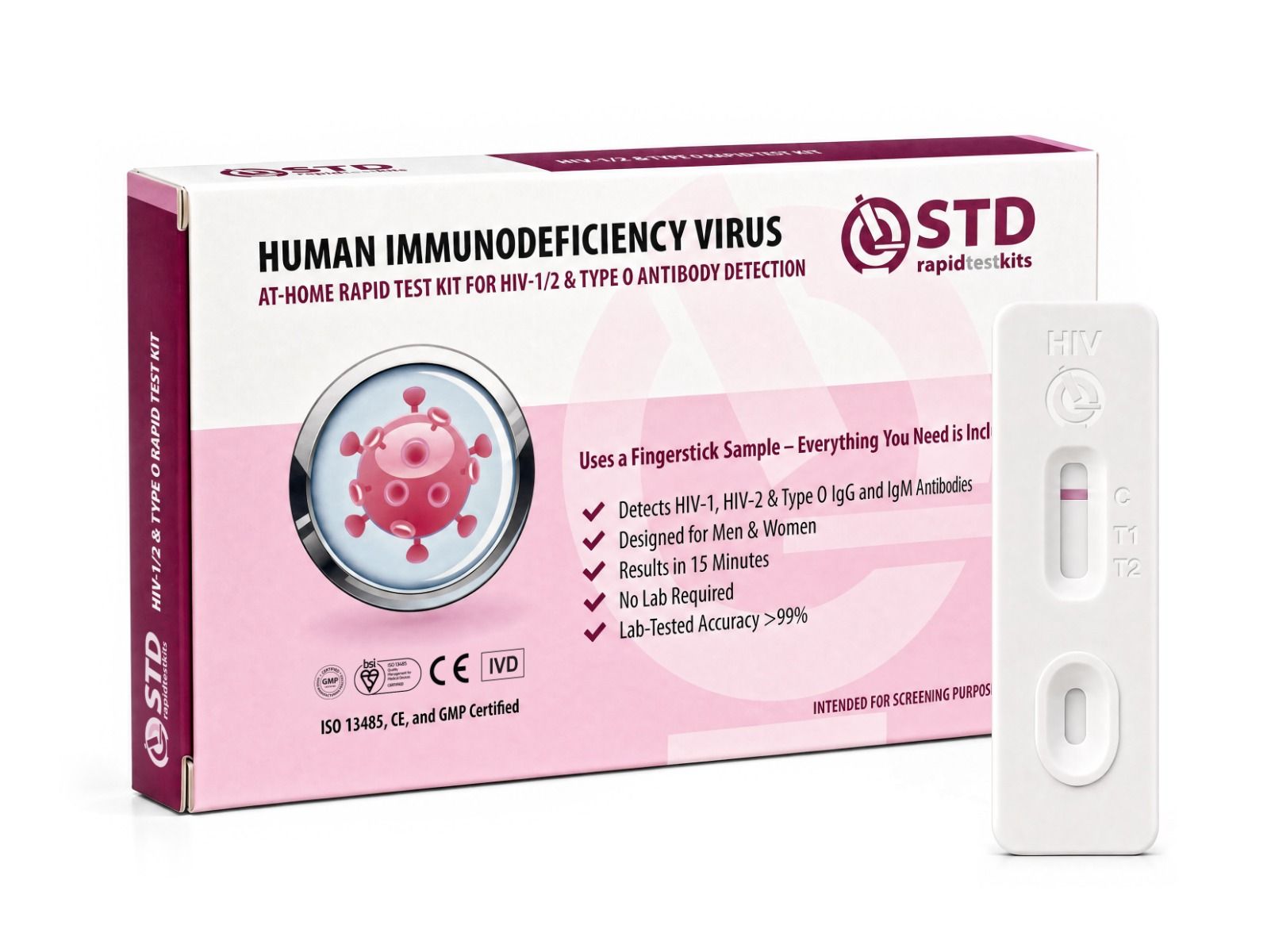
- Single new partner, condom used, no symptoms. The minimum useful panel is HIV, chlamydia, and gonorrhea. Add syphilis if your destination has elevated prevalence or if you cannot rule out condom slippage or breakage. A single-infection HIV blood test plus a chlamydia and gonorrhea combo swab covers this baseline at low cost.
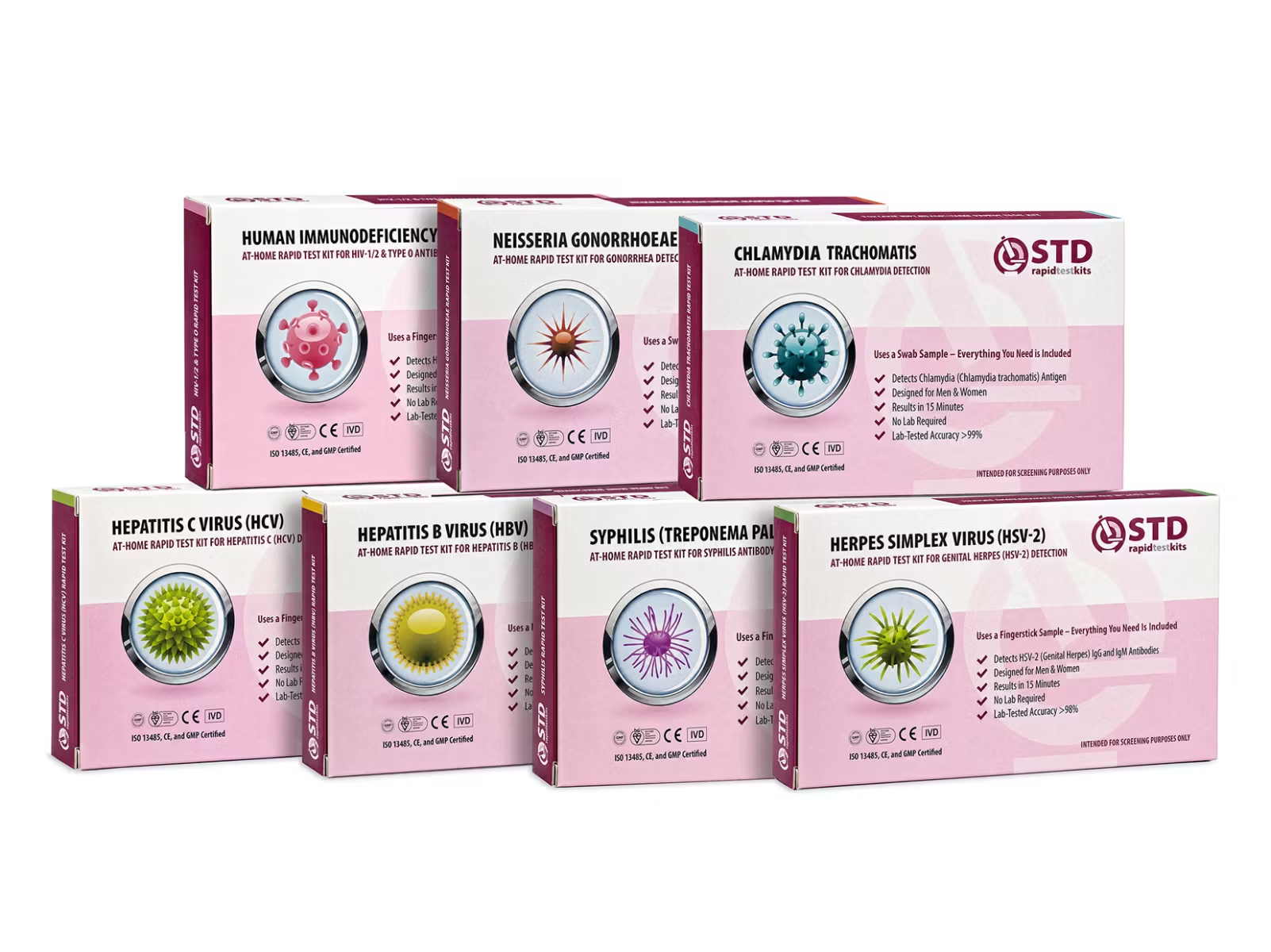
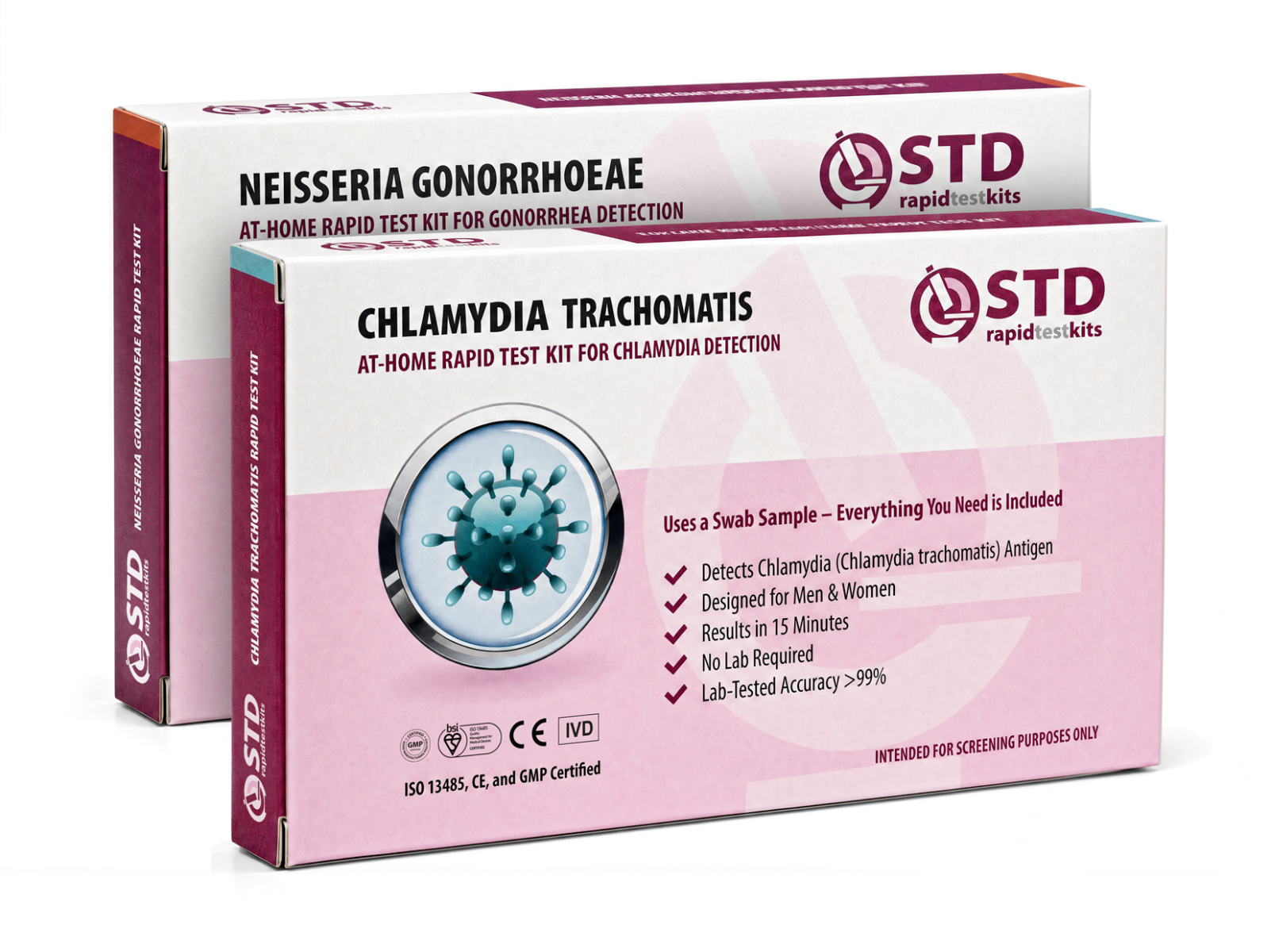
- Multiple partners, or unprotected sex. Run the full screening panel: HIV, syphilis, chlamydia, gonorrhea, hepatitis B, and hepatitis C. A 6-in-1 or 7-in-1 home kit covers this in a single shipment and is generally cheaper than buying single-infection tests separately.
- Sex plus a non-sexual blood-borne exposure abroad. Tattoo, piercing, dental work, medical procedure, or shared injection equipment. Add hepatitis B and hepatitis C testing on top of the standard sexual panel. Some travelers also choose to test 6 months post-return for hepatitis B if the exposure was significant, to capture late seroconversion.
If your trip carried an HIV-specific worry (a known-positive partner, condom failure with a partner whose status was unknown, sexual assault), prioritize HIV testing at the appropriate windows and discuss post-exposure prophylaxis (PEP) with a clinician immediately if you are within 72 hours of the exposure. Do not wait for any home test result before seeking PEP.
When clinic care is the right call, not home testing
Four scenarios warrant a clinic visit rather than a home rapid test as the first step.
Active symptoms. Genital ulcers, urethral discharge, persistent rash, fever after sexual exposure, or pelvic or testicular pain warrant in-person evaluation. Symptoms can indicate an infection that home rapid antibody tests do not detect well during the acute phase, or a co-infection picture that needs broader workup.
Possible HIV exposure within the last 72 hours. Post-exposure prophylaxis is a 28-day course of antiretrovirals that can prevent HIV infection if started within 72 hours of exposure, ideally within 24 hours. PEP is a clinic-only intervention and is time-sensitive, so do not wait for any test result before seeking care. Emergency departments and sexual-health clinics in most high-income countries can start PEP same-day.
Pharyngeal or rectal exposure. Oral and anal sex carry STI risk that is best measured by site-specific swabs. Our home kits use vaginal, penile, and blood samples; we do not sell pharyngeal or rectal swab kits. If your exposure was oral or anal, a clinic visit with site-specific swabs (or a lab-based mail-in NAAT panel that includes those sites) is the right next step.
Pregnancy or planning pregnancy. If you are pregnant or planning pregnancy soon and had any new exposure abroad, the post-travel screening panel matters more than usual. Untreated chlamydia, gonorrhea, syphilis, and HIV all have meaningful effects on pregnancy and the newborn. Tell the clinician about the trip even if you feel well.
STI screening strategies are essential for those at higher risk of infection, such as sex workers, men who have sex with men, adolescents in some high-burden settings and pregnant women.
Bottom line: your post-travel checklist
If you had a new sexual partner abroad, a clean post-travel plan looks like this:
- Within the first week home: Note the date of the most recent exposure. Decide whether you are within 72 hours of a high-risk exposure (if yes, clinic for PEP discussion now). If you have any symptoms, clinic visit now.
- Day 14 post-exposure: Chlamydia and gonorrhea test. A combination swab kit covers both with a single self-collected sample.
- Week 6 post-exposure: Syphilis test. HIV lab antigen-antibody (fourth-generation) test if available. Hepatitis B surface antigen if travel involved blood-borne risk.
- Week 12 (90 days) post-exposure: HIV rapid antibody (or repeat lab test for confirmation). Hepatitis B and hepatitis C antibody. This is your conservative all-clear point.
- Anytime symptoms appear: Clinic visit, regardless of where you are in the window timeline.
Test results are easier to interpret with a baseline pre-travel test on file. If you have not been tested in the last 12 months, run a baseline panel before your next trip and book it alongside your travel insurance and vaccines.
Frequently asked questions
- How long should I wait after travel before testing for STIs?
- It depends on the infection. Chlamydia and gonorrhea are reliably detected from about 14 days post-exposure. Syphilis is reliably detected from 6 weeks for most cases, with 12 weeks as the conservative confirmation point. HIV via a fourth-generation lab antigen-antibody test is reliable from 45 days; rapid antibody home tests need closer to 90 days. Hepatitis B surface antigen and hepatitis C antibody typically appear within 8 to 12 weeks. The conservative all-clear point that covers most pathogens is 90 days post-return.
- Can I get an STI from a single encounter abroad?
- Yes. The per-encounter transmission probability varies by pathogen, condom use, and infectivity of the partner, but it is never zero. The CDC publishes per-act probability estimates for HIV that range from low single digits per 10,000 exposures (insertive vaginal sex with a condom) up to several hundred per 10,000 (receptive anal sex without a condom and a high viral load partner). Gonorrhea and chlamydia per-act probabilities are higher than HIV's, which is why they appear most often in post-travel testing.
- Does using a condom mean I do not need to test after a trip?
- No. Condoms substantially reduce, but do not eliminate, the risk of infections that transmit through bodily fluids (HIV, gonorrhea, chlamydia, hepatitis B and C). For infections that transmit through skin contact (HSV, HPV, syphilis chancres), condoms are less protective because the lesions can be on areas the condom does not cover. Post-travel testing is reasonable even after consistent condom use, especially if your destination had high local prevalence.
- I had oral sex only. Do I still need to test?
- Yes if you want to be confident. Oral sex transmits gonorrhea, chlamydia, syphilis, herpes, and (rarely) HIV. Pharyngeal gonorrhea is often asymptomatic and contributes to ongoing transmission. The catch is that home rapid kits sold by this site do not include a pharyngeal swab; that test is clinic-administered. A clinic visit is the right path for oral-only exposure if you want comprehensive screening, though our HIV and syphilis blood tests still apply at the appropriate window points.
- Is at-home rapid testing as accurate as a lab test?
- At-home rapid lateral-flow tests have published sensitivity and specificity figures for each kit; in general, the technology is well validated for screening but is less analytically sensitive than a laboratory NAAT (nucleic acid amplification test). A positive home result is best confirmed with a lab test before treatment decisions, and a negative home result at the correct window point is reassuring but not equivalent to a NAAT. Rapid tests are screening tools, complementary to lab work rather than a replacement.
- Do I need to tell my partner if I test positive after a trip?
- Yes where possible. Recent partners benefit from knowing so they can test and treat. In several countries (the UK, several US states, Australia) there are formal partner-notification systems that can do this anonymously on your behalf, often via your sexual-health clinic. If telling a regular partner directly feels difficult, ask the clinic about anonymous notification when you go in for confirmatory testing.
- What if I had a high-risk exposure within the last 72 hours?
- Start PEP within 72 hours, and a same-day start is meaningfully more effective than waiting until tomorrow, because effectiveness drops with each hour of delay. PEP is a 28-day prescription-only course; go directly to an emergency department or sexual-health clinic rather than waiting for any test result, since a test taken this soon after exposure would not be informative anyway.
- Should I take a baseline STI test before my next trip?
- Strongly consider it if you have not been tested in 12 months or more. A baseline test before departure makes any post-trip positive result much easier to attribute correctly, simplifies partner notification, and shortens the diagnostic conversation with your clinician. The 6-in-1 or 7-in-1 home kit is well suited to baseline testing because it covers the same panel you will likely run after the trip.
- U.S. Centers for Disease Control and Prevention. Sexually Transmitted Infections (STIs) topic hub: transmission routes, screening recommendations, and infection-specific fact sheets cited throughout this article.
- U.S. Centers for Disease Control and Prevention. HIV topic hub: post-exposure prophylaxis (PEP) and pre-exposure prophylaxis (PrEP) guidance referenced in the prevention and clinic-care sections.
- World Health Organization. Sexually transmitted infections (STIs) fact sheet: global incidence and screening framing, source of the pull quote on screening priority for higher-risk groups.
- UK National Health Service. Sexually transmitted infections (STIs) overview: background framing on testing and partner-notification options referenced in the FAQ.
- U.S. Centers for Disease Control and Prevention. HIV testing page: window-period guidance for fourth-generation antigen-antibody tests (about 18 to 45 days) and rapid antibody tests (about 23 to 90 days), source of the 90-day figure used in the table and post-trip schedule.
- World Health Organization. Hepatitis B fact sheet: traveler vaccination guidance and global endemicity framing referenced in the prevention section.
- U.S. Centers for Disease Control and Prevention. Viral Hepatitis topic hub: general framing on hepatitis B and C transmission, vaccination, and treatment referenced in the prevention and testing sections.
- Joint United Nations Programme on HIV/AIDS (UNAIDS). Country-level adult HIV prevalence data referenced in the geographic-prevalence section, including the contrast between western Europe and the highest-prevalence countries in southern Africa.
- European Centre for Disease Prevention and Control (ECDC). Gonorrhea antimicrobial resistance surveillance referenced in the geographic-prevalence section.
