Published: September 2025 | Last updated: May 2026 | Editorial review and quality control: Martina N.
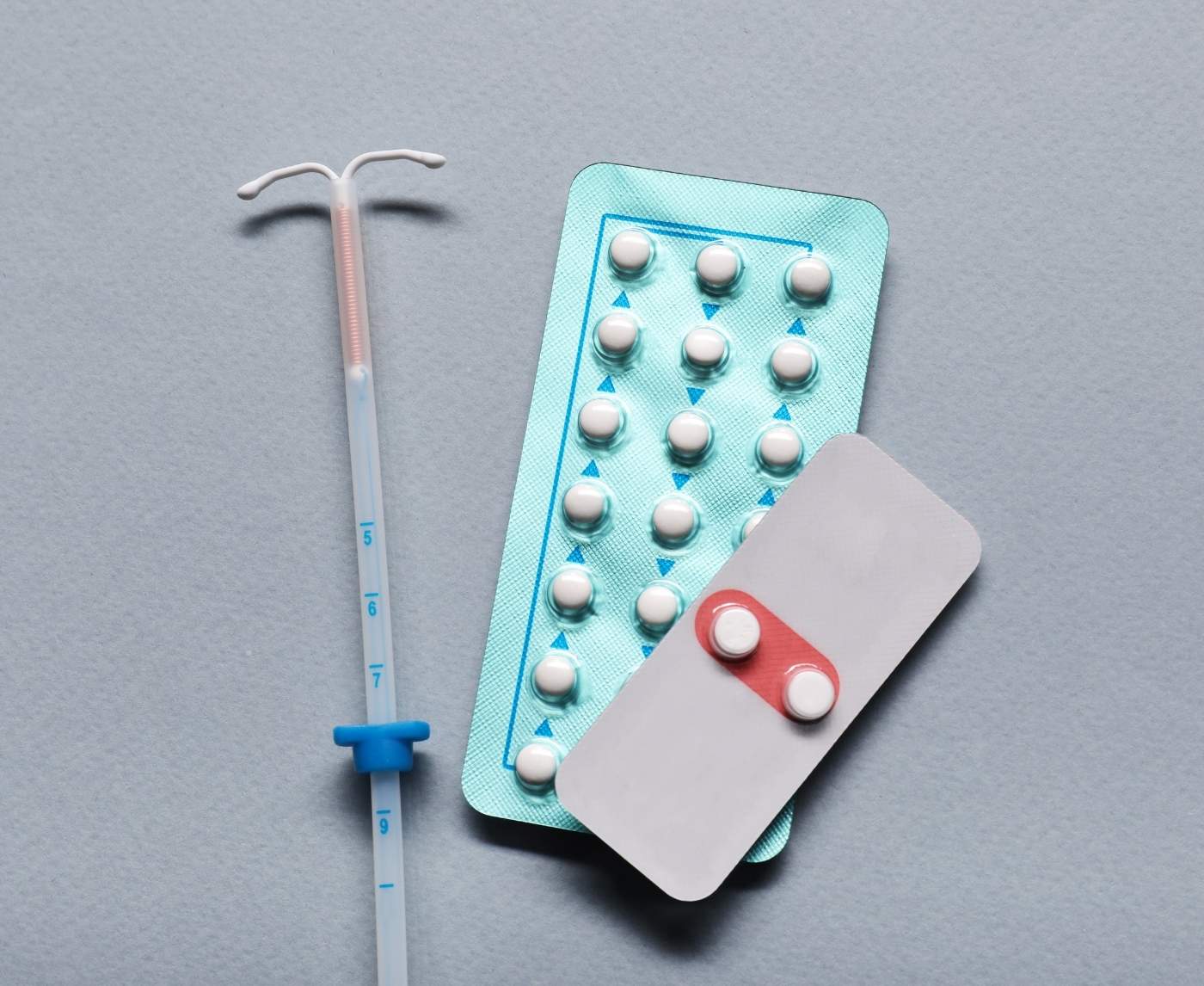
Birth control prevents pregnancy. That is what most modern methods were designed to do, and they do it remarkably well. The IUD, the pill, the patch, the ring, the injection: every one of these works by stopping ovulation, blocking fertilization, or changing the uterine environment so a pregnancy cannot establish. None of them were built to block bacteria, viruses, or parasites. So when someone with an IUD asks whether they still need to think about chlamydia, gonorrhea, syphilis, or HIV, the honest answer is yes.
The confusion is understandable. The phrase “protected sex” has become a shorthand that runs two very different kinds of protection together. Pregnancy prevention relies on hormones, copper, or barrier physics affecting sperm and the uterine environment. Infection prevention relies on keeping pathogens off the skin and mucous membranes during contact. A long-acting contraceptive can be working perfectly while a person continues to acquire sexually transmitted infections through the very same encounters it makes pregnancy-safe. This guide walks through why that is, where IUDs sit in the infection-risk picture, and what genuine STI prevention looks like alongside birth control.
Key Takeaways
- Hormonal and copper IUDs prevent pregnancy with very high reliability, but they do not block the transmission of chlamydia, gonorrhea, syphilis, HIV, HPV, herpes, or trichomoniasis.
- External and internal condoms (plus dental dams for oral contact) are the only sexual-activity tools proven to reduce STI transmission. Routine testing fills the gap they cannot cover.
Why Birth Control Methods Cannot Stop STIs
The reasonable intuition goes something like this: if a contraceptive is inside the uterus, or if it is changing cervical mucus, surely it must do something against infections that also enter the reproductive tract. The reasonable answer is that it does not do enough, and not in the ways that matter. Bacterial STIs like chlamydia and gonorrhea attach to and infect the surface cells of the cervix, urethra, throat, and rectum. Viral STIs like HIV, herpes, and HPV use skin contact, mucosal contact, or shared blood and fluids to spread. An IUD sits in the uterine cavity; it does not coat the cervix or vagina, has no effect on the throat or rectum, and has no antimicrobial activity.
Hormonal contraceptives thicken cervical mucus to slow sperm. Cervical mucus thickening is not a microbial barrier; the mucus plug never blocked chlamydia in the first place. There is also a subtler problem. Some hormonal methods can dampen the inflammatory signals (irregular bleeding, between-period spotting, mild pelvic discomfort) that would otherwise raise an early alarm about a pelvic infection. The infection is still there; the warning sign is muffled.
According to the CDC's STI prevention guidance, the only sexual-activity tools shown to lower transmission rates of most STIs are barrier methods used consistently and correctly. Everything else in the contraceptive aisle prevents pregnancy. Pregnancy outcomes and infection outcomes are tracked separately in public-health surveillance precisely because the tools that move them are different.
| Method | Prevents pregnancy | Reduces STI risk | Why this matters |
|---|---|---|---|
| Hormonal IUD (Mirena, Liletta, Kyleena, Skyla) | Yes, over 99 percent | No | Can dampen irregular bleeding that would otherwise flag a pelvic infection |
| Copper IUD (Paragard) | Yes, over 99 percent | No | Non-hormonal, with the same gap on STI risk |
| External or internal condoms | Moderately effective at typical use | Yes, the only sexual-activity tool that does | Covers fluid and most skin-contact routes when used consistently and correctly |
| Pill, patch, ring, injection | Very effective with perfect use | No | Hormonal mechanisms only; no barrier function |
How IUDs Actually Work, and What They Do Not Do
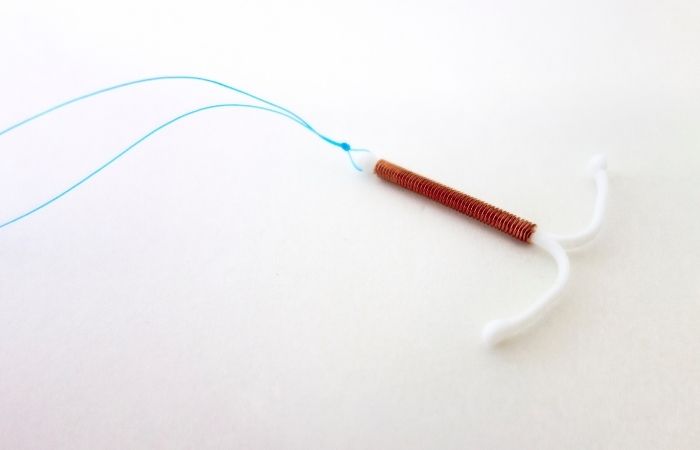
An IUD is a small, flexible T-shaped device placed in the uterus during a brief clinical procedure. Hormonal IUDs (Mirena, Liletta, Kyleena, Skyla) release low doses of levonorgestrel (the synthetic progestin used in many hormonal contraceptives), which thickens cervical mucus, thins the uterine lining, and in many users suppresses ovulation. The copper IUD (Paragard) releases copper ions, which are toxic to sperm and disrupt fertilization. Both types are over 99 percent effective at preventing pregnancy and last for years per insertion, which is why public-health groups recommend them as first-line long-acting options.
None of those mechanisms operate against pathogens. Copper kills sperm; it does not act against bacteria at the doses released by the device. Levonorgestrel changes the uterine environment for embryos and has no effect on the cervical surface where chlamydia or gonorrhea bacteria first attach. The IUD's presence inside the uterus does not change the vaginal microbiome in ways that protect against STIs, and the device's strings do not function as a barrier of any kind.
What an IUD does change is the post-insertion state of the cervix, briefly. For roughly the first three weeks after placement, the cervix is more dilated and the upper genital tract is more accessible than usual. That window matters for infection risk and is covered in the next section.
The Real Link Between IUDs and Pelvic Inflammatory Disease
An IUD does not create an infection. What an insertion can do, if a person already has an undiagnosed cervical infection at the time of the procedure, is push existing bacteria from the lower genital tract further up. When chlamydia or gonorrhea bacteria reach the uterus, fallopian tubes, and surrounding pelvic tissue, the result is pelvic inflammatory disease (PID). PID causes fever and pelvic pain in the short term and, when untreated, scarring that can lead to chronic pelvic pain, ectopic pregnancy, or infertility.
The risk window is concentrated. Current CDC guidance on intrauterine contraception notes that PID following IUD insertion is rare in screened populations, but the risk rises substantially when an active cervical infection is present at insertion. Most studies place the first three weeks after insertion as the highest-risk window; after that, the PID rate settles back to roughly the baseline seen in users of other contraceptive methods.
This is exactly why screening matters before placement. CDC recommends chlamydia and gonorrhea screening at or before IUD insertion for everyone under 25 and for older patients with additional risk factors (new or multiple partners, partners with concurrent partners, or any prior diagnosis of an STI). Pre-insertion screening removes the single largest avoidable cause of post-insertion PID; it does not protect against later exposures from new partners, which is a separate problem covered by barrier methods and ongoing screening.
| Factor | Hormonal IUD | Copper IUD |
|---|---|---|
| Risk of PID if an STI is present at insertion | Concentrated in the first 3 weeks; rare when screened | Concentrated in the first 3 weeks; rare when screened |
| Effect on cervical mucus | Thickens mucus (may modestly reduce ascending bacteria, not a barrier) | No hormonal effect on mucus |
| Recommended STI screening before insertion | Yes, especially under 25 or with risk factors | Yes, same guidance applies |
| Common misconception to push back on | “Hormones protect me from everything” | “Non-hormonal means safer overall” |
Can You Catch an STI Right After Getting an IUD?
The short answer is that you can catch an STI from sexual contact at any point, and the few weeks after IUD insertion are a window where the body is slightly more vulnerable than usual. The cervix is partly dilated from the procedure, there may be small mucosal injuries from the insertion itself, and light bleeding or spotting is common for several days. None of those conditions create a pathogen by themselves. They do mean that if an exposure occurs during that window, the conditions for transmission are somewhat more favorable than they would be a month later.
For that reason, most clinicians counsel patients to avoid intercourse for at least 24 hours after placement and to use condoms with any new or untested partner for the first few weeks. The vulnerability is brief; the device is stable and the cervix has typically closed back to baseline within three weeks. The longer-term picture is that IUD users have the same STI risk as anyone else with the same sexual activity pattern: no higher, no lower. Sexual activity, partner status, and barrier use are what move the risk number once the cervix has healed.
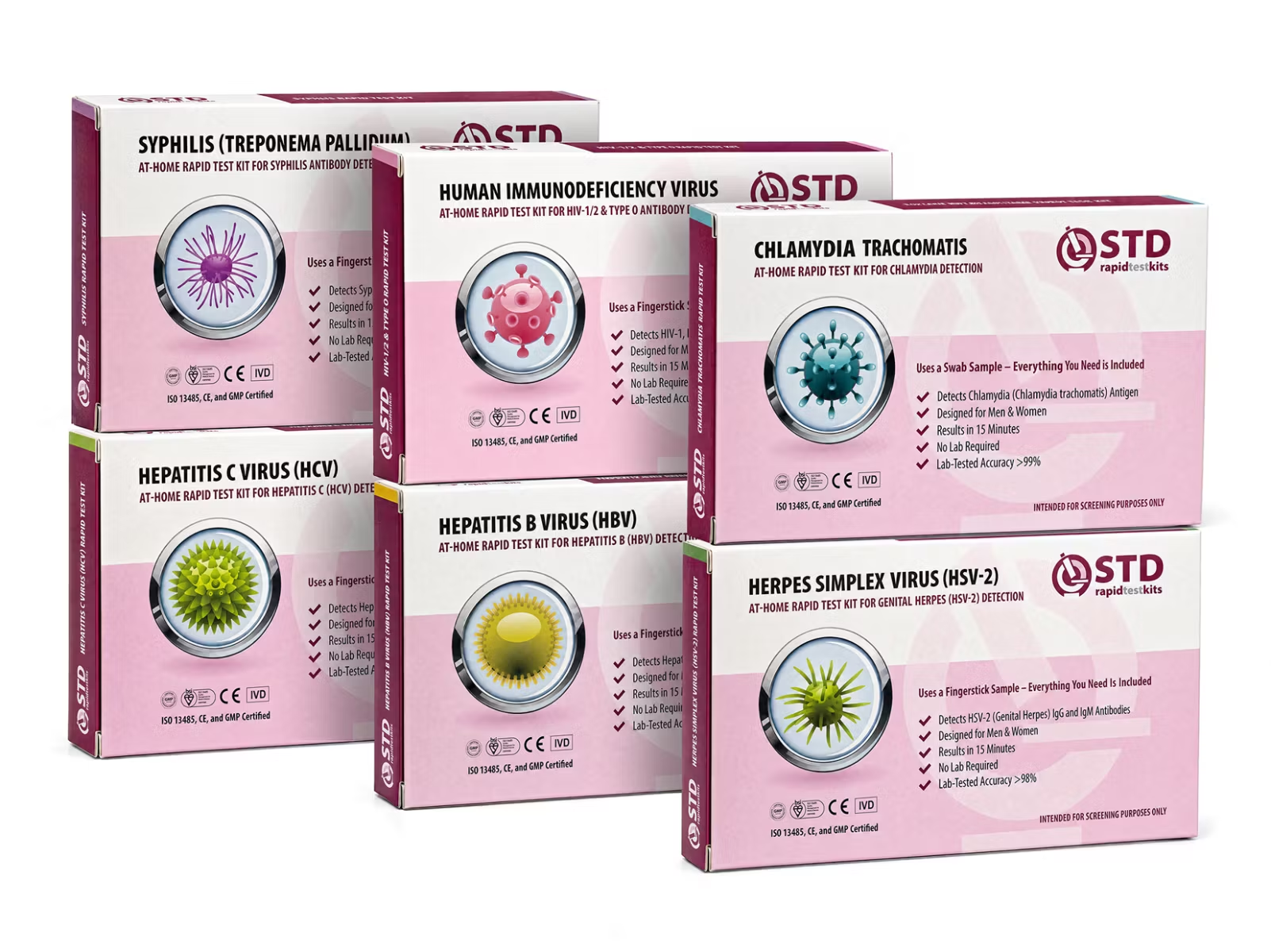
One editorial note before the testing section below: this site sells the at-home rapid panels linked in the next few blocks. A positive result from any rapid test is worth confirming with a clinic-based laboratory test before starting treatment, and the prevention guidance throughout this article applies regardless of which kit anyone uses.
| Time after insertion | What is happening | STI risk level if exposed | Testing note |
|---|---|---|---|
| Days 0–7 | Cervix slightly dilated; possible micro-injury and spotting | Higher than baseline | If exposure occurs, plan a test at the appropriate window (2–3 weeks for chlamydia or gonorrhea) |
| Days 8–21 | Healing continues; mucus thickens (hormonal IUD) | Moderately elevated for the first few weeks | Monitor for new symptoms; very early testing can miss incubating infections |
| Day 22 onward | Device stable; cervical state returns to baseline | Same as any other sexually active period | Use the standard 2–3 week post-exposure window for bacterial STIs; longer for HIV |

IUD vs Condoms: Two Tools, Two Different Jobs
One of the most common patterns reproductive-health counselors describe is the post-IUD condom drop-off. A new long-acting method removes the daily friction of remembering pills or fitting condoms into the moment, and the relief is real. Pregnancy worry shrinks. The assumption that the IUD has replaced both kinds of protection is where people get caught out. STI rates in some populations are highest in young adults using long-acting reversible contraception precisely because condom use drops at the same time that partner numbers stay the same.
The reasoning often goes like this: the relationship feels exclusive, or it has progressed to a stage where condoms feel like a backward step, or a partner reports a recent negative test. Each of those can be true and still leave room for infection. Many STIs are asymptomatic for weeks or months. HIV during the acute window can be present in the body before a routine antibody test reads positive. A partner who was tested six months ago and has had any new exposures since is, statistically, untested. Exclusivity is a behavioral agreement; it is not an infection-control mechanism.
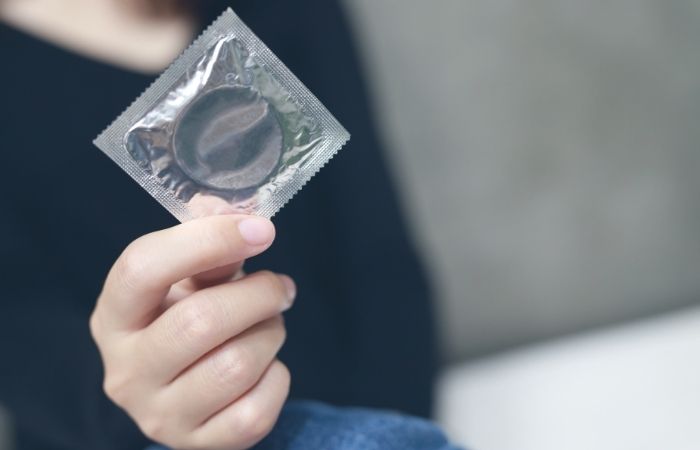
Per the WHO's condoms fact sheet, consistent and correct use of external or internal condoms substantially reduces transmission of HIV and most other STIs. The qualifier matters: consistent (every encounter) and correct (whole encounter, intact, used with compatible lubricant). Condoms do not eliminate risk for STIs spread by skin contact outside the covered area (notably HSV and HPV); their meaningful effect is on the bacterial STIs and HIV that condoms were designed to interrupt.
What Actually Prevents STIs
Real STI prevention is layered. No single intervention covers every infection in every situation, and the framework most public-health bodies use looks at risk reduction across multiple tools used together.
The first layer is barrier methods during sexual contact. External condoms, internal condoms, and dental dams form a physical barrier that interrupts the fluid and skin-contact routes most STIs use. The second layer is vaccination for the small set of STIs that have one: the HPV vaccine for human papillomavirus, and the hepatitis B vaccine for hepatitis B virus. Both are part of routine adolescent immunization, and HPV vaccination has shared clinical decision-making coverage through age 45 per current ACIP guidance. Neither vaccine has anything to do with contraceptive choice; they sit alongside birth control rather than substituting for it.
The third layer is testing. Most STIs do not announce themselves with symptoms in the early weeks. Routine screening on a schedule appropriate to risk (annually for sexually active adults under 25, more often for higher-risk patterns, after any new partner) catches infections during the asymptomatic phase, when treatment is simplest and onward transmission can be interrupted. The fourth layer is timely treatment and partner notification when a test does come back positive, so the chain breaks.
Consistent and correct use of latex condoms is highly effective in preventing the sexual transmission of HIV. Condoms can also reduce the risk of other sexually transmitted diseases that are spread through bodily fluids.
Testing While on Birth Control
Routine STI testing is not an admission that something is wrong. It is the same kind of preventive care as a dental cleaning or a Pap smear, and it works best when it happens on a schedule rather than after a scare. CDC screening recommendations set annual chlamydia and gonorrhea testing as the baseline for sexually active people under 25, with HIV testing at least once for everyone aged 13 to 64 and more frequently for higher-risk patterns. Hormonal birth control does not change those recommendations. If anything, the freedom from pregnancy worry that comes with a reliable contraceptive should make it easier to keep up with the rest of preventive care.
Testing options sit on a spectrum. Clinic visits offer the full menu of laboratory-based tests, including nucleic acid amplification testing (NAAT) for chlamydia, gonorrhea, and trichomoniasis, which is the analytical gold standard for those infections. At-home rapid tests use lateral-flow technology, the same chemistry as home pregnancy tests, applied to a self-collected swab or fingerstick blood sample. Lateral-flow tests have lower analytical sensitivity than a lab NAAT; they deliver fast, private, no-appointment screening that catches most established infections, and a positive result is worth confirming at a lab before starting treatment.
Symptoms that warrant testing sooner rather than later include burning during urination, unusual discharge, pelvic pressure or pain, pain during intercourse, sores or lesions in the genital area, and bleeding outside of expected cycles. With an IUD in place, some of those signals (particularly bleeding patterns) can be harder to interpret because the device itself causes irregular bleeding during the first several months.
Schedule an STI screen at least annually if you are sexually active and under 25, after any new partner, three to four weeks before a planned IUD insertion, and any time you notice symptoms that could overlap with infection (burning, unusual discharge, pelvic pain, sores, bleeding outside expected cycles). At-home rapid panels are well-suited to routine screening and post-exposure baselines; positive results from any rapid test are worth confirming with a clinic-based test before starting treatment.
The Bottom Line on Layered Protection
Birth control answers one question well: when and whether to become pregnant. It does not answer the second question that comes with sexual activity, which is how to avoid infections that move through skin and fluid contact regardless of whether sperm meets egg. The two questions deserve their own answers and their own tools.
For most people that looks like a primary contraceptive method chosen for fit and reliability, plus condoms in any encounter where a partner's recent test status is uncertain, plus an STI screen on the schedule appropriate to age and risk. None of those decisions cancel each other out. An IUD does not become less reliable because a condom is added, and a condom does not become unnecessary because an IUD is in place. They cover different threats.
If reading this has surfaced a worry about a recent exposure, or about months of unprotected sex on a long-acting method, the clearest next step is testing. The window period for most common STIs is short enough that a screen scheduled two to three weeks after exposure (longer for HIV) returns a usable answer.
Three-action framework
- Use a barrier method (external or internal condom, plus a dental dam for oral contact) with any partner whose recent test status is uncertain.
- Screen on a schedule: chlamydia and gonorrhea annually for sexually active adults under 25, after any new partner, and an HIV test at least once between ages 13 and 64.
- If a result comes back positive, start treatment promptly and notify recent partners so they can test and treat in parallel.
FAQs
- Does an IUD protect me from STIs at all?
- No. IUDs are extremely effective at preventing pregnancy, but they have no antimicrobial activity and do not cover the cervical, vaginal, throat, or rectal surfaces where most STIs first attach. Condoms remain the only sexual-activity tool that meaningfully reduces STI transmission.
- Why do so many people think they are safe on birth control?
- The phrase “protected sex” became a shorthand that combines pregnancy protection and infection protection, which actually require different tools. Marketing for hormonal contraceptives focuses on pregnancy outcomes, and the infection-prevention gap rarely gets equal attention. The clinical message is clearer: birth control prevents pregnancy; condoms and testing prevent STIs.
- Can I get chlamydia from a partner with no symptoms?
- Yes. Most chlamydia infections, especially in their first weeks, are asymptomatic. A partner who reports feeling fine is reporting an absence of symptoms, not a negative test. Routine screening is how asymptomatic infections get caught.
- My doctor did not test me before my IUD was placed. Should they have?
- Current CDC guidance recommends chlamydia and gonorrhea screening at or before IUD insertion for anyone under 25 and for older patients with risk factors. Not every practitioner follows that to the letter. If your insertion was recent and screening was skipped, you can still test now, particularly if you have had any unprotected sex since.
- Can an IUD itself cause an infection?
- No. The device does not create infection. If chlamydia or gonorrhea is already present at insertion, however, the procedure can carry those bacteria into the upper reproductive tract and trigger PID, which is why pre-insertion screening is the standard recommendation.
- I had unprotected sex within a week of my IUD insertion. What should I do?
- Plan to test, and use condoms with that partner going forward until the result is back. The first three weeks after insertion are when the cervix is most accessible to ascending infection, so an exposure during that window deserves a screening test at the appropriate point: about two to three weeks for chlamydia and gonorrhea, longer for HIV antibody seroconversion.
- Do I still need condoms if I have an IUD and I test regularly?
- Condoms cover the gap between exposure and test. Testing on a schedule catches infections that have already established; condoms reduce the chance an infection establishes in the first place. The two work together, especially with new or partially-tested partners.
- What kind of test should I get if I am sexually active and on birth control?
- For most adults under 25, an annual chlamydia and gonorrhea screen plus at least one lifetime HIV test (between ages 13 and 64) is the baseline. After a new partner or any symptom, a wider panel (chlamydia, gonorrhea, syphilis, HIV, sometimes trichomoniasis and herpes) is reasonable. At-home rapid panels are convenient for routine screening and post-exposure baselines; positive results are worth confirming with a clinic-based test.
This article synthesizes current public-health guidance on contraception and STI prevention from the CDC, the World Health Organization, the NHS, and current ACIP recommendations on adolescent and adult immunization. Clinical context is drawn from peer-reviewed literature on intrauterine contraception and pelvic inflammatory disease. Product descriptions reflect the lateral-flow rapid technology used by at-home kits sold on this site; lab-based NAAT testing is described separately for analytical accuracy.
- U.S. Centers for Disease Control and Prevention. STI prevention overview, screening guidance, and the role of barrier methods.
- U.S. Centers for Disease Control and Prevention. U.S. Selected Practice Recommendations for Contraceptive Use, Intrauterine Contraception. Covers pre-insertion screening and the post-insertion PID risk window.
- U.S. Centers for Disease Control and Prevention. Getting Tested for STIs. Recommended screening intervals and tests by age and risk, including HIV testing for ages 13 to 64.
- World Health Organization. Condoms fact sheet on effectiveness against HIV and other sexually transmitted infections.
- U.S. Centers for Disease Control and Prevention. Sexually Transmitted Infections overview hub for general STI background and links to condition-specific pages.
- UK National Health Service. Sexually transmitted infections (STIs) overview, symptom guidance, and clinic referral pathways.
