Published: September 2025 | Last updated: May 2026 | Editorial review and quality control: Martina N.
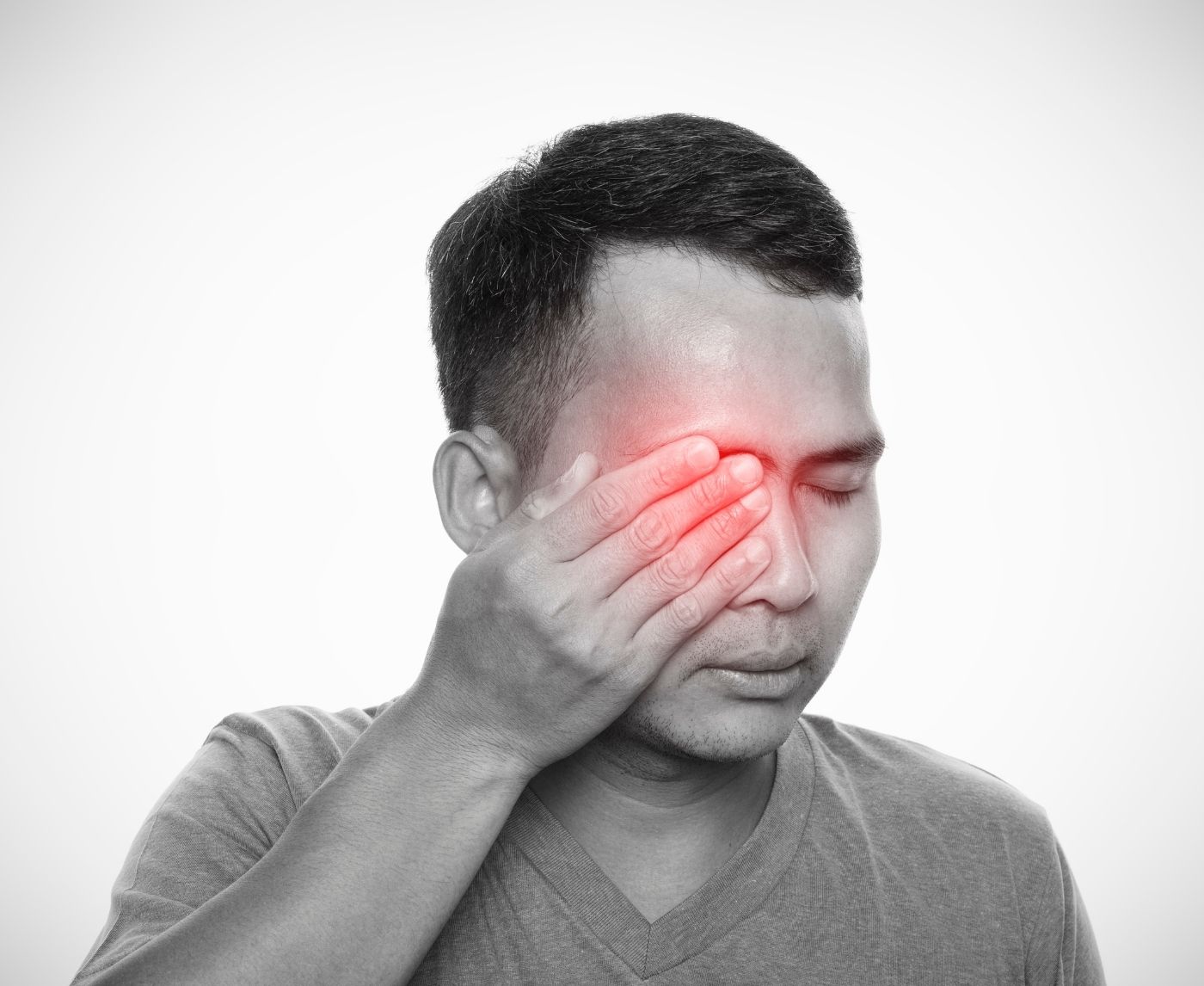
Eye pain after a cold sore. A red, watery eye that will not quit. Blurry vision in one eye, and a fear that something is going seriously wrong. If your search history says “can you go blind from herpes in the eye,” the odds are strong that you are not in danger of losing your sight tomorrow. You are anxious, and you deserve a calm, specific answer.
This guide walks through what ocular herpes really is, how it shows up, when it gets serious, and what treatment does for the eye and for vision. The short version: herpes simplex virus can affect vision, but with prompt antiviral care, permanent blindness is rare. Most readers worried about this never face severe outcomes. Recognizing the symptoms early protects your sight far more than worrying does.
Key Takeaways
- Permanent blindness from herpes in the eye is uncommon when symptoms are evaluated and antivirals are started promptly.
- Delayed care and repeated unmanaged flare-ups, not the virus itself, drive the worst long-term outcomes.
First, Let’s Get Clear on What “Herpes in the Eye” Actually Means
When people search “herpes in the eye,” they almost always mean an infection of the cornea, the clear dome of tissue at the front of the eyeball. The medical name is herpes simplex keratitis, and it is most often caused by HSV-1, the same virus behind cold sores around the mouth. HSV-2, the type usually linked to genital herpes, can affect the eye but does so much less often.
Herpes simplex virus is a lifelong infection. According to the Centers for Disease Control and Prevention, once you have it, you have it for life. Between flare-ups, the virus lies dormant in nerve cells; it can reactivate later and travel along nerve pathways. When it surfaces in the cornea instead of the lip, you get ocular herpes.
This is not a sign of poor hygiene or risky behavior. Most adults with ocular herpes did not touch a cold sore and then poke their eye five seconds later. The virus reactivates from inside, sometimes triggered by stress, illness, sun exposure, or fatigue. It happens to people who carry HSV-1 quietly, often without ever having a visible cold sore.
Ocular herpes (herpes simplex keratitis) is almost always HSV-1 reactivating from inside the body, not the result of touching a cold sore. Stress, illness, sun exposure, and fatigue are the common triggers.
How Eye Herpes Symptoms Differ from Pink Eye
Plenty of red, watery eyes turn out to be allergic conjunctivitis, viral pink eye, dry eye, or a foreign body in the eye. So why is herpes keratitis treated as a more serious diagnosis when the symptoms can look similar at first glance? Because the wrong treatment for the wrong condition can make herpes keratitis worse.
Pink eye, especially the bacterial or allergic kind, tends to feel irritating and itchy. Both eyes are often involved. Discharge is common. Herpes keratitis tends to involve one eye only, the pain is sharper and deeper, and light sensitivity is often intense. Many patients describe the sensation as gritty, like there is sand or a tiny piece of glass under the eyelid. Reading a phone screen can feel painful.
Common signs of ocular herpes include:
- Eye redness that does not resolve in a day or two
- Blurry vision in one eye
- Pain that worsens with bright light
- Excess tearing
- A foreign-body or gritty sensation
- Occasional small blisters on the eyelid or skin around the eye
Mild cases can look almost like ordinary pink eye early on, which is why self-diagnosis is risky. Using leftover steroid drops, or assuming antibiotic drops will solve it, can let the virus keep replicating. An eye exam tells the two apart quickly. An ophthalmologist may place a special dye on the surface of the eye to reveal a dendritic ulcer, the branching pattern on the cornea that is classic for HSV.

How HSV-1 Reaches the Eye in the First Place
Direct spread from a cold sore is one route; internal reactivation of the virus is the other. Direct spread, often called autoinoculation, happens when virus particles transfer from infected skin or saliva to the corneal surface after touching a sore and then rubbing the eye. This is more common in children, who tend to touch their faces more and wash their hands less, but it does happen in adults.
Internal reactivation is the more common adult pattern. After a first HSV-1 infection (often in childhood, often unnoticed), the virus settles into nerve cells in the trigeminal ganglion, a hub of sensory nerves serving the face. From there it can reactivate along any branch of the nerve, including the branch that supplies the cornea. So someone who has carried HSV-1 silently for decades can develop ocular herpes without any recent cold sore at all.
The American Academy of Ophthalmology describes ocular HSV as affecting only a small fraction of carriers in any given year, with most episodes resolving without lasting damage. Genital HSV-2 can occasionally cause eye infection, but it is much less common and typically requires direct contact with infectious secretions.
What does this mean for someone with a cold sore history? If you have ever had one, you carry HSV-1. That alone is not a problem, and most carriers never have eye involvement. For adults specifically, ocular herpes is rarely a single contamination event; it usually reflects internal viral reactivation that nobody could have prevented with hand washing.
- Autoinoculation: direct transfer from a cold sore or infected saliva to the eye via touch. More common in children.
- Internal reactivation: the virus reactivates from the trigeminal ganglion and travels along the nerve branch that supplies the cornea. The usual pattern in adults.
So Can You Actually Go Blind from Herpes in the Eye?
Yes, herpes simplex virus is among the leading infectious causes of corneal blindness worldwide. That sentence is medically accurate and also frequently misunderstood. The global figures include many cases from regions where antiviral medication and ophthalmology care are scarce. In places with access to early treatment, severe vision loss from HSV keratitis is uncommon.
Most first episodes of ocular herpes affect only the outer layer of the cornea. With prescription antivirals, these surface infections typically heal in one to two weeks without permanent scarring. Vision returns to normal as the cornea calms down.
The risk of vision loss climbs when:
- The infection penetrates beyond the surface into the corneal stroma, the deeper structural layer
- Inflammation persists or is poorly managed, leaving scars on the cornea
- Episodes recur over years without suppressive antiviral therapy
- Treatment is significantly delayed, allowing damage to accumulate
Total irreversible blindness in both eyes from HSV is rare. Vision impairment in the affected eye can happen, especially after multiple deep episodes. Most readers worried about losing their sight are in the very-low-risk group: people with one or two flare-ups who seek care quickly.
Herpes simplex keratitis is the most common cause of corneal blindness in the United States and a leading cause of infectious corneal blindness worldwide; outcomes improve dramatically with early antiviral treatment.
Vision Risk by Stage of Infection
Ocular herpes is not one single condition. Doctors describe it in stages based on which corneal layer is involved, and each stage has its own outlook.
Surface (epithelial) keratitis is the most common form. The virus is replicating in the outer epithelium of the cornea. It is painful and visually annoying, but it heals quickly with topical antivirals. Long-term vision is usually preserved.
Stromal keratitis is deeper. The immune response to the virus inflames the structural collagen layers of the cornea, which can leave scarring even after the infection clears. Some patients are left with mild blurring that improves over time; a smaller subset develop persistent visual changes.
Endothelial and uveitic forms involve the innermost cornea and the inner eye. These are less common but can cause more dramatic swelling and inflammation. They usually need closer specialist management.
| Stage of Infection | What Is Happening in the Eye | Vision Impact | Blindness Risk |
|---|---|---|---|
| Surface (Epithelial) Keratitis | Virus replicates in the outer corneal layer | Temporary blurriness, light sensitivity | Very low with treatment |
| Stromal Keratitis | Deeper immune-driven inflammation in the cornea | Possible corneal scarring | Low, higher if untreated |
| Endothelial / Uveitic Forms | Inner cornea and inner eye involvement | Swelling, persistent inflammation | Uncommon, needs specialist care |
| Chronic / Recurrent Disease | Repeated flare-ups over time | Cumulative scarring risk | Rare, typically preventable with suppressive therapy |
What Raises Long-Term Vision Risk
If you are trying to figure out where you sit on the risk spectrum, the factors below matter much more than whether you carry HSV. HSV carriers are everywhere; very few ever face vision loss. What separates the rare bad outcomes from the common good ones is timing, treatment, and management.
| Risk Factor | Why It Matters | Action to Reduce Risk |
|---|---|---|
| Delayed treatment | Allows deeper corneal inflammation to take hold | Seek care at first signs of one-sided eye pain or blur |
| Repeated flare-ups | Increases cumulative scarring over years | Discuss daily suppressive antivirals with your eye doctor |
| Steroid drops without antiviral cover | Can let HSV replicate more aggressively | Use only the combination your ophthalmologist prescribes |
| Compromised immune system | Harder to control viral activity | Closer monitoring and earlier treatment thresholds |
| Contact lens use during a flare | Can mask early corneal damage and slow exam findings | Stop wearing lenses until the eye is cleared |
What Treatment for Eye Herpes Looks Like
If you walk into an eye clinic with herpes keratitis, you are not facing emergency surgery. Most cases are treated with antiviral eye drops, oral antivirals such as acyclovir or valacyclovir, or both. These drugs do not eradicate HSV (the virus stays in your body for life), but they stop replication and let the cornea heal.
For uncomplicated surface infections, symptoms often start to improve within three to five days of starting antivirals. Pain drops, light sensitivity eases, and vision usually clears as swelling goes down. Most patients finish a one- to two-week course and are advised to follow up if anything flares again.
Stromal involvement is managed more carefully. Ophthalmologists may add a low-dose topical steroid alongside antivirals to control inflammation, but the timing and combination is critical. Steroids without antiviral cover can let the virus replicate more aggressively, which is part of why self-treating with leftover drops is a problem.
Patients who have recurrent episodes (typically more than one or two a year) are often placed on long-term suppressive antivirals at a low daily dose. Evidence summarized by the American Academy of Ophthalmology shows that suppressive therapy meaningfully reduces recurrence rates, which directly lowers the cumulative scarring risk over time.
The ocular-herpes treatment ladder
- Surface (epithelial) infection: topical antiviral eye drops, sometimes with oral acyclovir or valacyclovir.
- Stromal involvement: antivirals plus carefully timed low-dose topical steroid to control inflammation.
- Recurrent disease (two or more episodes a year): daily low-dose oral antiviral as long-term suppression.
Recovery Timeline: When Does Vision Come Back?
Healing depends on which corneal layer is involved, and the fastest recoveries are seen with surface epithelial infections that are caught early. Stromal keratitis takes longer to settle, sometimes several weeks of treatment with slow tapering of medications. Recurrent disease is handled as a chronic condition; the focus shifts from a single course of treatment to keeping flare-ups infrequent and short.
Even when some scarring occurs, modern ophthalmology offers options. Specialty contact lenses can sometimes mask mild surface irregularities. In rare advanced cases of dense central scarring, corneal transplantation can restore meaningful vision. Most people never reach that point.
| Type of Infection | Symptom Improvement | Full Healing Estimate | Long-Term Vision Impact |
|---|---|---|---|
| Surface (Epithelial) | 3 to 5 days after starting antivirals | 1 to 2 weeks | Usually none |
| Stromal | 1 to 2 weeks | Several weeks | Possible mild scarring |
| Recurrent Episodes | Varies by episode | Ongoing management | Higher risk if unmanaged, low with suppression |
Knowing Your HSV Status at Home
At-home tests cannot diagnose ocular herpes. Any active eye involvement needs to be evaluated in person, ideally by an ophthalmologist, with a slit-lamp exam and sometimes corneal dye to identify the characteristic pattern.
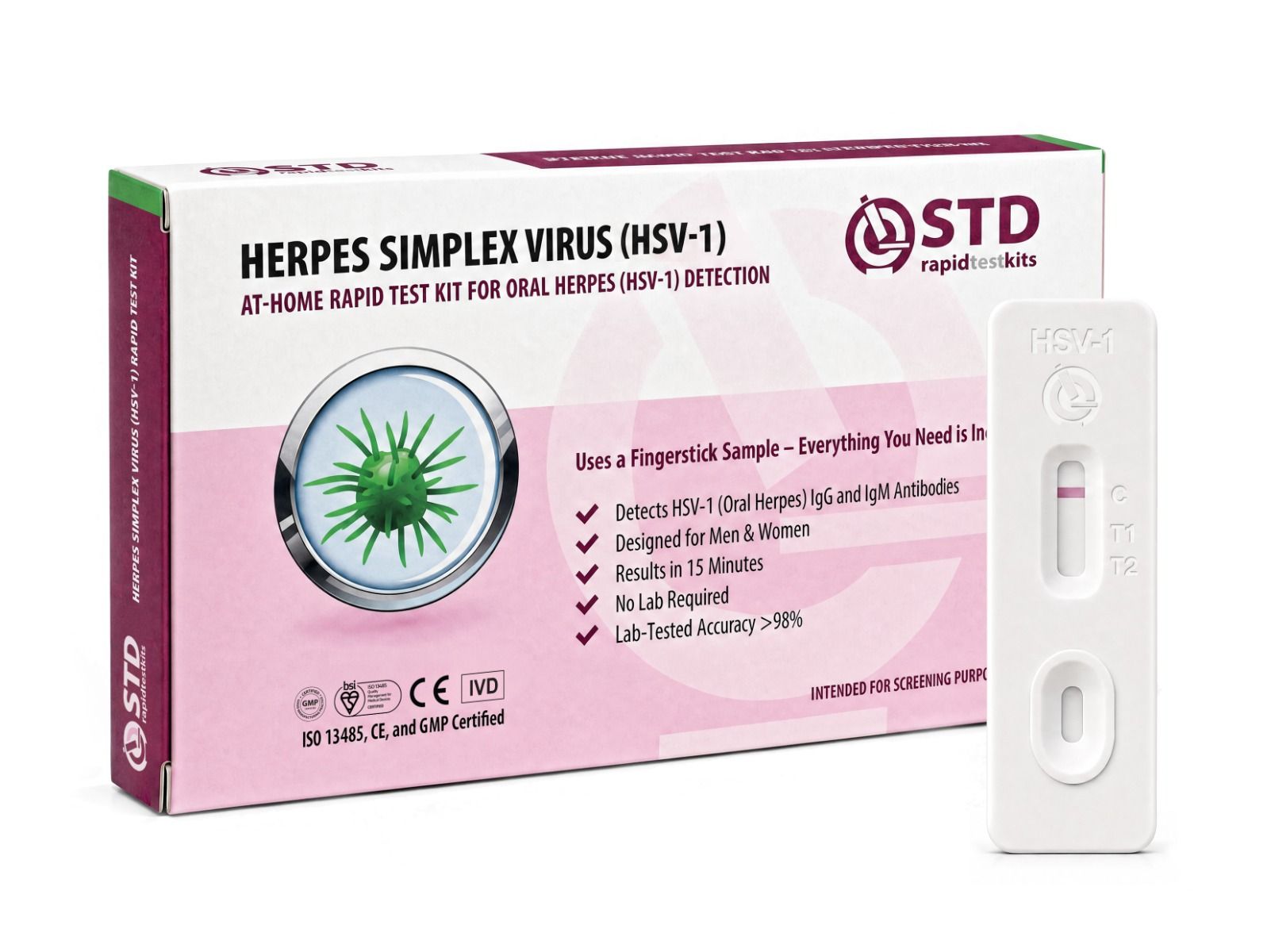
What at-home testing can answer is a different but related question: do you carry HSV-1 (or HSV-2) systemically? A positive antibody result confirms you carry the virus; it says nothing about an active infection or future eye involvement. It can help, though, when your search history has been swirling for weeks and you want a baseline fact about your own body.
Many adults carry HSV-1 without realizing it. Acquiring HSV-1 in childhood was common, and a positive antibody result is not a moral verdict. The overwhelming majority of HSV-1 carriers never develop eye involvement. For people whose eye symptoms have already settled but who want to understand their longer-term picture, an antibody test answers one specific question privately. For active eye symptoms, the next step is still an ophthalmology appointment, not a fingerstick test.
This site sells at-home rapid test kits; the test below is one of the products we carry.
Why Recurrence Is the Bigger Story Than Blindness
The headline scare around ocular herpes focuses on going blind. The reality most patients experience is different: episodes that come and go over years, each one treatable, each one worth taking seriously.
Triggers vary by person. Stress is common. So are sunlight exposure on the eye, illness, fever, hormonal shifts, and even physical injury to the eye area. Recurrence reflects what HSV does in any body, which is occasionally waking up. It is a feature of viral biology, not a treatment failure.
For patients with two or more episodes a year, daily suppressive antiviral therapy is the standard approach. Research summarized by the American Academy of Ophthalmology shows that a daily low-dose oral antiviral meaningfully reduces recurrence rates, which translates into less cumulative inflammation and lower scarring risk over time.
A recurrent diagnosis is a condition to manage, not a prognosis of vision loss.
Stress, sunlight exposure on the eye, illness, fever, hormonal shifts, and physical injury to the eye area. Knowing your personal triggers can help guide preventive antiviral timing with your doctor.
Symptoms That Need Same-Day Eye Care
A handful of warning signs deserve urgent evaluation rather than a wait-and-see week. Calling your eye doctor, an eye-specific urgent care, or an ophthalmology emergency clinic the same day is the right move when you notice any of the following.
| Symptom | What It Could Signal | Action |
|---|---|---|
| Rapid vision decline in one eye | Deeper corneal inflammation | Same-day ophthalmology visit |
| Severe light sensitivity | Corneal ulcer involvement | Immediate medical evaluation |
| Persistent deep, sharp pain | Active epithelial ulcer | Urgent antiviral treatment |
| Visible cloudy or white spot on the cornea | Scarring or active ulceration | Emergency eye care |
When Severe Cases Need More Than Antivirals
A small number of patients develop dense corneal scarring after repeated stromal episodes. When that scarring sits across the central cornea, it can permanently affect vision in the affected eye. This is the territory where ophthalmologists consider procedures beyond drops and pills.
Options range from rigid gas-permeable contact lenses (which can mask minor surface irregularity), to surface treatments such as phototherapeutic keratectomy, to full corneal transplantation in advanced cases. Transplants for post-herpetic corneal scarring carry their own care plan, including continued antiviral therapy to lower the chance of HSV reactivating in the grafted tissue.
These interventions are uncommon, and most people with ocular herpes will never need them.
Intervention tiers for severe scarring
- Rigid gas-permeable contact lenses to mask minor surface irregularity.
- Phototherapeutic keratectomy to smooth or remove superficial scar tissue.
- Corneal transplantation in advanced central scarring, with continued antiviral therapy to lower HSV reactivation risk in the graft.
Is Eye Herpes Contagious to People Around You?
This question carries a lot of anxiety, partly because herpes already lives under a cloud of stigma. The medical answer is reassuring.
Casual proximity does not spread HSV. Sitting next to someone, sharing air, eating at the same table, none of those transmit the virus. Transmission requires direct contact with infectious secretions, which for ocular HSV means tear film, eye discharge, or the lesion itself touching another person’s mucous membrane or broken skin.
For practical purposes during an active outbreak: do not share towels or pillowcases, wash hands carefully after touching the affected eye, and avoid rubbing your eye and then touching other people. Contact lens wearers should not share or reuse lenses during a flare-up.
Many ocular HSV cases come from internal viral reactivation rather than a fresh outside infection, so the person across from you at dinner is essentially not at risk from your flare-up.
Broader Screening if You Want Full Clarity
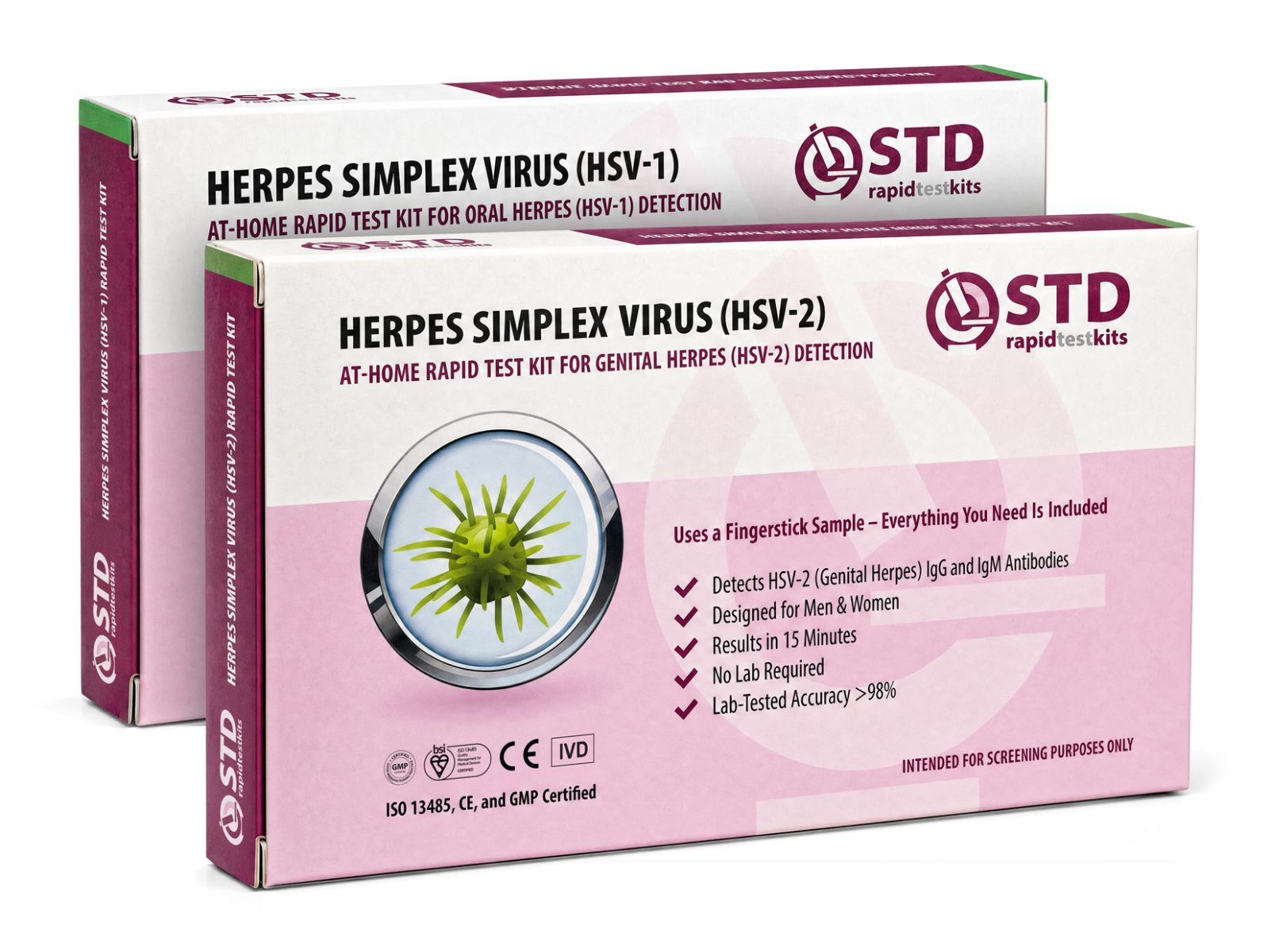
For some readers, an eye flare-up is the first thing that makes them think seriously about their overall STI testing history. If you have never been tested, or your last screening is years in the past, broader at-home options exist. Combination panels test multiple infections at once from a fingerstick blood sample, which is a reasonable starting point for someone who wants clarity without booking a clinic visit.
Worth repeating: blood antibody tests cover systemic infections only. They tell you which infections your body has produced antibodies to, separate from anything happening in your eye. For ocular symptoms, see an ophthalmologist regardless of what an at-home test shows.
Before You Panic, Here’s What to Do Next
If you came here scared, you are in good company. Most of the people reading this are not blind and not going blind. They are anxious, and the internet has not been gentle.
Here is the calm version. Herpes in the eye can affect vision; with prompt antiviral treatment, permanent blindness is rare. The single biggest factor in long-term outcome is how quickly you get evaluated and start treatment. If your eye is red, painful, and light-sensitive, and especially if vision is blurry on one side, book an eye exam this week, not next month. If your eye has rapid vision loss, a visible cloudy spot, or unbearable pain, the same day is the right answer.
If you want to understand your overall HSV picture for peace of mind, at-home antibody testing can answer that one specific question. It is not a substitute for an eye exam. It is one more tool for someone who wants to feel less in the dark about their own body.
You are not facing a worst-case scenario by default. You are looking at a manageable condition with good outcomes when it is caught early. For most readers, most cases, and most outcomes, that is the reality.
FAQs
- Can you actually go blind from herpes in the eye?
- In rare and untreated cases, yes. The far more common outcome is recovery without permanent vision loss when antivirals are started early. The worst outcomes are linked to delayed care, repeated unmanaged flare-ups, or limited access to treatment. If you are getting symptoms checked, you have already removed most of the risk.
- How can I tell eye herpes from pink eye?
- Pink eye usually feels irritating and often affects both eyes. Herpes keratitis tends to feel sharper, often involves just one eye, comes with strong light sensitivity, and can include blurry vision on one side. When in doubt, an eye exam settles it within minutes using a corneal dye and a slit lamp.
- If I have had cold sores before, will I get ocular herpes too?
- Probably not. Carrying HSV-1 is common; ocular involvement is uncommon. Having had cold sores means awareness matters if your eye ever flares up, not that an eye infection is inevitable.
- Can herpes silently take my vision overnight?
- No. Severe cases show escalating signs over days: worsening pain, increasing blur, visible corneal changes. There is a window for action, which is the point of taking early symptoms seriously.
- What does eye herpes pain feel like?
- Patients commonly describe it as gritty, sharp, or as if there is sand or glass in the eye. Light sensitivity is intense, and the discomfort feels deeper than ordinary irritation. The pain often feels disproportionate to what is visible in the mirror.
- If I touch a cold sore and then my eye, am I guaranteed to infect it?
- No, but it raises the risk. Good hand hygiene during active outbreaks lowers that risk significantly. Most adult cases come from internal HSV reactivation, not a single accidental touch.
- Can herpes in the eye be cured?
- The virus stays in your body lifelong, like other HSV infections. The eye infection itself can be treated and brought under control. Antivirals stop replication, and suppressive therapy reduces how often it comes back.
- Is ocular herpes contagious to people around me?
- Only through direct contact with infectious secretions during an active outbreak. Casual proximity and sharing the same room or air do not transmit HSV. Hand hygiene and not sharing towels or pillowcases covers the main precautions.
How we sourced this article: This guide was constructed from current advice published by leading public-health and ophthalmology organizations, then translated into plain language based on the questions readers actually arrive with. We synthesized guidance from the CDC, the World Health Organization, the American Academy of Ophthalmology, and peer-reviewed ophthalmology references on herpes simplex keratitis, including data on recurrence rates, scarring risk, and treatment outcomes. Each source listed below was selected for clinical relevance, stability, and clarity for general readers.
- U.S. Centers for Disease Control and Prevention. About genital herpes, including lifelong infection and transmission of HSV.
- American Academy of Ophthalmology. Herpes Keratitis overview, including treatment options and recurrence patterns.
- World Health Organization. Herpes simplex virus fact sheet covering HSV-1 and HSV-2 epidemiology and complications.
- MedlinePlus, U.S. National Library of Medicine. Corneal ulcers and infections, including viral causes.
- Johns Hopkins Medicine. Keratitis (corneal inflammation) overview, including viral keratitis.
- U.S. National Health Service. Cold sores overview, including HSV-1 reactivation triggers.
