Published: August 2025 | Last updated: May 2026 | Editorial review and quality control: Martina N.
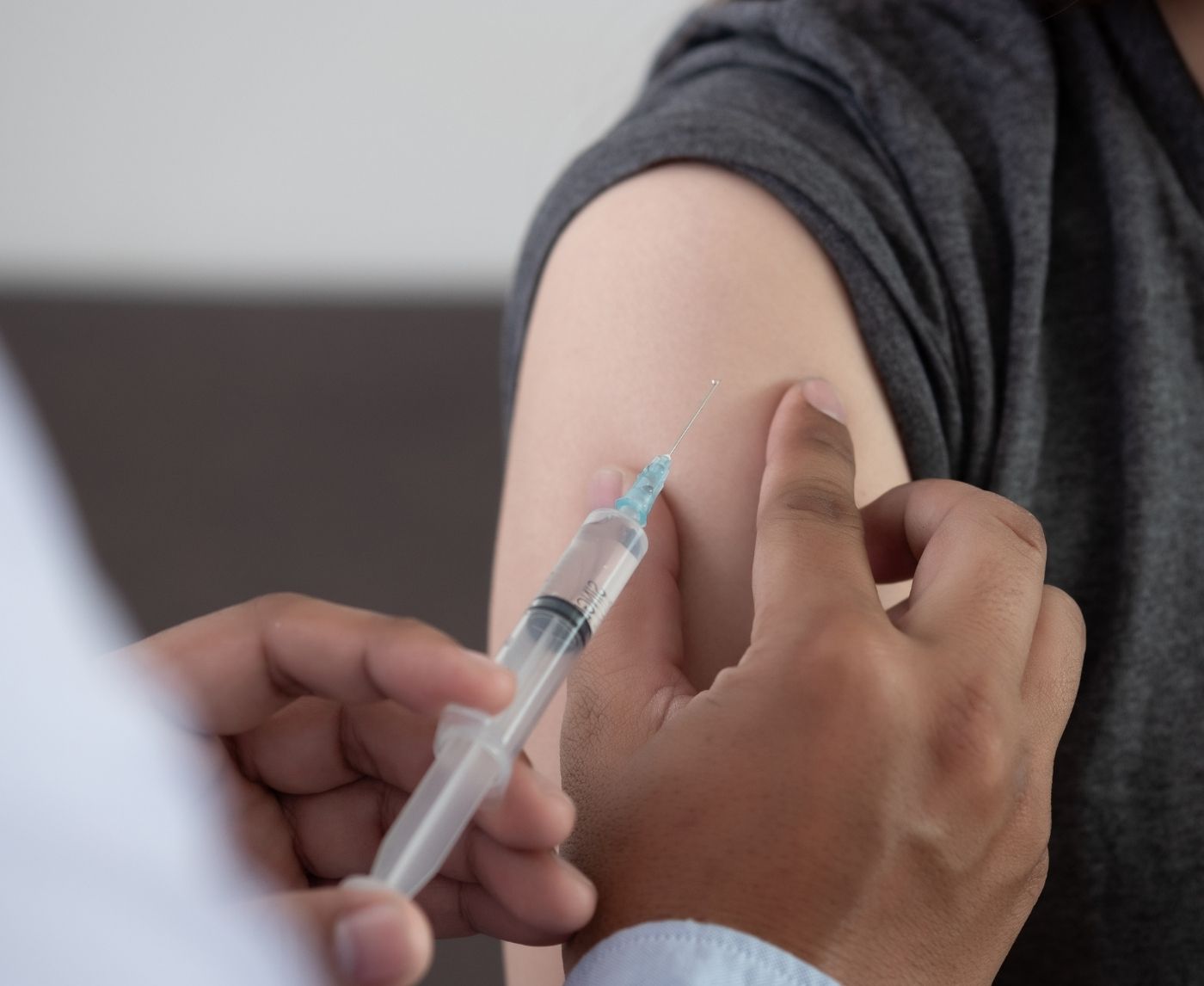
The HPV vaccine is one of the most effective cancer-prevention tools modern medicine has produced. It also gets miscommunicated more often than almost any other shot in the immunization schedule. People walk out of vaccination appointments thinking they got “the STD vaccine” and discover months or years later that they can still test positive for chlamydia, gonorrhea, syphilis, herpes, or HIV. None of that is the vaccine failing. It is the vaccine doing exactly what it was designed for, which was never to cover every sexually transmitted infection.
This article explains what the HPV vaccine actually protects against, what it does not, and how to think about routine STI testing after being vaccinated. If you are reading this after an unexpected positive result or just trying to understand what your shots cover, the answer sits between the two extremes of “you are fully protected” and “the vaccine did not work.”
Key Takeaways
- The HPV vaccine (Gardasil 9) prevents nine HPV strains responsible for most HPV-related cancers and genital warts. It does not prevent chlamydia, gonorrhea, syphilis, herpes, HIV, or trichomoniasis.
- Routine STI testing remains essential after vaccination. Most non-HPV STIs do not produce symptoms in the early stages, so screening is the only reliable way to know your status.
What the HPV Vaccine Actually Protects Against
Gardasil 9 is the HPV vaccine in routine use across the United States and most high-income countries. It prevents infection with nine specific strains of human papillomavirus: HPV 6, 11, 16, 18, 31, 33, 45, 52, and 58. Two of those (HPV 16 and 18) cause about 70% of cervical cancers, according to the National Cancer Institute HPV vaccine fact sheet. The same source attributes an additional 10% to 20% of cervical cancers to the five other high-risk strains in the vaccine (HPV 31, 33, 45, 52, and 58). The two low-risk strains in the vaccine (HPV 6 and 11) cause approximately 90% of genital warts cases per CDC HPV vaccination guidance.
HPV is a family of more than 200 related viruses. The vaccine targets the nine strains most clinically significant for cancer and warts; it does not protect against the remaining strains, most of which clear on their own without ever causing disease. The vaccine also does not treat existing HPV infections. It works prophylactically, meaning the protection comes from preventing the virus from establishing infection in the first place.
Crucially, the vaccine is HPV-specific. It does not affect, prevent, or interact with any other sexually transmitted pathogen.
| Pathogen | Covered by Gardasil 9? | Why or why not |
|---|---|---|
| HPV 16, 18 | Yes | Cause approximately 70% of cervical cancers |
| HPV 6, 11 | Yes | Cause about 90% of genital warts cases |
| HPV 31, 33, 45, 52, 58 | Yes | Additional 10% to 20% of cervical cancers |
| Other HPV strains (35, 39, 51, etc.) | No | Lower-risk strains not in the current formulation |
| Chlamydia, gonorrhea, syphilis | No | Bacterial infections, unrelated to HPV |
| Herpes (HSV-1, HSV-2) | No | Different virus family, no cross-protection |
| HIV, hepatitis B, hepatitis C | No | Different viruses with their own prevention strategies |
Why So Many People Think the Vaccine Covers Everything
The framing problem starts early. School nurses, college clinic intake forms, and even some primary care providers refer to the HPV shot as “the STD vaccine” or bundle it under generic “sexual health protection” language. Public messaging from advocacy groups often emphasizes “protect yourself” without specifying what the protection covers. The phrasing collapses what is actually a single-pathogen vaccine into a perceived all-purpose shield.
When friends, partners, social media, and general internet wisdom reinforce the assumption, vaccinated people often draw a logical but wrong conclusion: the vaccine covers STIs, so testing or condoms are no longer necessary. Both pieces of that reasoning are false, but they are easy to fall into when no one has explicitly explained what the shot does and does not do.
The result, repeated across clinics, follows a recognizable pattern. Someone gets vaccinated as a teen or young adult. Years later, they get a positive result for chlamydia, gonorrhea, or another STI and feel blindsided. The vaccine worked exactly as designed. The information surrounding it did not.
The <a href="https://www.cdc.gov/hpv/index.html">CDC HPV vaccination page</a> specifies that HPV vaccines do not protect against other sexually transmitted infections. That detail rarely surfaces in routine clinical appointments or in the social messaging that shapes how most people understand their shots, which is the gap this article exists to close.
STDs You Can Still Get After HPV Vaccination
Every sexually transmitted infection other than the nine HPV strains in Gardasil 9 remains possible after vaccination. The most common ones, by U.S. case counts, are chlamydia, gonorrhea, and syphilis (all bacterial), plus genital herpes, HIV, and trichomoniasis. Each transmits through different exposure routes and presents (when it does present) with different signs.
Condoms reduce the risk of the bacterial infections substantially because most transmit through fluid contact at the genital, anal, or oral mucosa. They reduce but do not eliminate the risk of herpes and syphilis because both can transmit through skin-to-skin contact at sites condoms do not cover. None of these infections care about HPV vaccination status.
| Infection | Type | Primary transmission | Prevention beyond vaccines |
|---|---|---|---|
| Chlamydia | Bacterial | Vaginal, anal, oral sex | Condoms, regular screening |
| Gonorrhea | Bacterial | Vaginal, anal, oral sex | Condoms, regular screening |
| Syphilis | Bacterial | Skin or mucous membrane contact | Condoms, regular screening |
| Herpes (HSV-1, HSV-2) | Viral | Skin-to-skin contact, including non-genital | Condoms reduce but do not eliminate risk |
| HIV | Viral | Blood, semen, vaginal fluids, breast milk | Condoms, PrEP, regular testing |
| Trichomoniasis | Parasitic | Vaginal sex | Condoms, screening |
When No Symptoms Doesn't Mean No Infection
The most common reason people miss STIs after vaccination is the same reason people miss them in general: most of these infections do not produce noticeable symptoms in the early stages. CDC estimates that roughly 70% of women and 50% of men with chlamydia experience no symptoms (per CDC STI overview). For gonorrhea, about half of urogenital infections in women are asymptomatic, and pharyngeal (throat) and rectal infections frequently produce no signs at all in either sex.
Early HIV can present with vague flu-like symptoms during the acute infection window or with nothing noticeable at all. Primary syphilis often appears as a single painless ulcer (chancre) at the site of exposure that heals on its own within a few weeks; many people miss it entirely or assume it was a minor skin irritation.
The clinical consequences add up. Asymptomatic infections still transmit to partners. Untreated chlamydia and gonorrhea in people with reproductive organs can ascend to the upper reproductive tract and cause pelvic inflammatory disease, a leading cause of infertility, ectopic pregnancy, and chronic pelvic pain. Untreated syphilis progresses through stages over years, eventually affecting the cardiovascular and nervous systems. Untreated HIV progressively damages the immune system.
The “I feel fine” check is not a substitute for testing. Symptoms commonly appear only after damage has already started, so screening is the only reliable way to catch infections in time for straightforward treatment.
The CDC recommends annual chlamydia and gonorrhea screening for all sexually active women under 25, and for older women with new or multiple partners. Annual HIV screening is recommended for sexually active gay and bisexual men, with more frequent screening for those with multiple partners. Vaccination status does not change these recommendations.
Testing Windows: When to Get Tested After Possible Exposure
Different infections have different incubation periods (the time between exposure and the body becoming infectious or developing detectable markers). Testing too early can produce false negatives because the pathogen has not yet reached detectable levels at the sample site or because the body has not yet produced detectable antibodies. Each infection has a separate window for when standard tests become reliable.
The figures below reflect general guidance for asymptomatic screening after a known or suspected exposure. If you have symptoms, do not wait for a window period; clinical evaluation can proceed sooner alongside testing.
| Infection | Earliest reliable test after exposure | Recommended retest |
|---|---|---|
| Chlamydia (NAAT) | 1 to 2 weeks | Repeat at 3 months for high-risk exposures |
| Gonorrhea (NAAT) | 1 to 2 weeks | Repeat at 3 months for high-risk exposures |
| Syphilis (antibody) | 3 to 6 weeks | Repeat at 3 months if still concerned |
| HIV (4th-generation Ag/Ab) | 18 to 45 days | Repeat at 90 days for definitive result |
| Hepatitis B (HBsAg) | 3 to 6 weeks | Per provider guidance |
| Herpes (IgG antibody) | 4 to 12 weeks | Only if symptomatic or known exposure |
Reading the Window Period in Practice
At-home rapid lateral-flow tests have shorter result times than lab-based testing but use different chemistry. They are a valid screening tool when used after the appropriate window. A positive result on a rapid screen always benefits from lab confirmation, especially for HIV and syphilis where false positives can occur. A negative result tested before the window has passed should be repeated; testing too early is the most common reason for a false-negative on any STI screen.
For ongoing exposure (multiple partners, new partners, or unconfirmed partner status), screening every 3 to 6 months is the typical recommendation. The standard 3-to-6-month screening interval applies whether or not you have had the HPV vaccine.
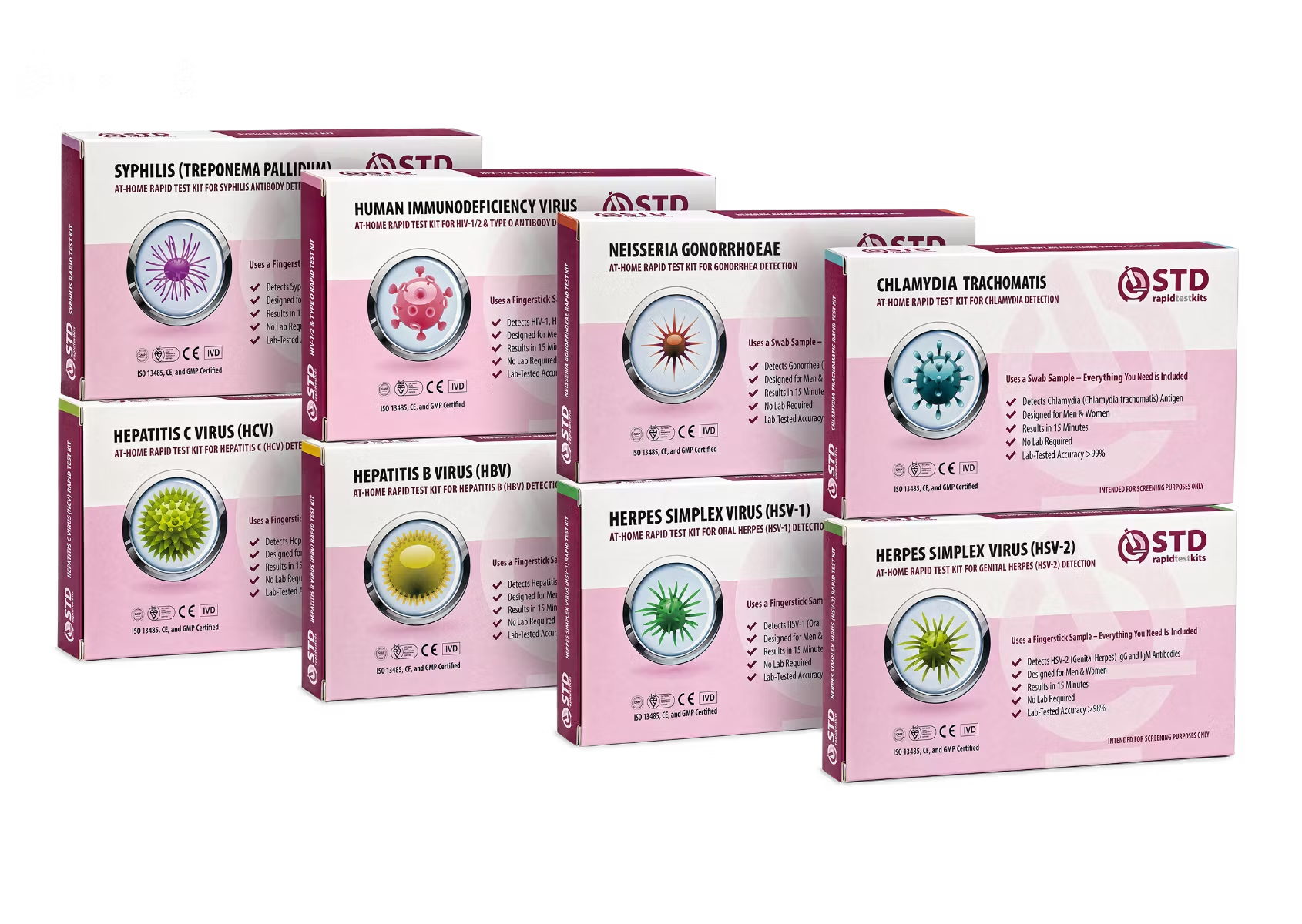
This site sells rapid at-home lateral-flow STI test kits; the panel below is one option for post-window screening when a clinic visit is impractical.
What to Do If You Test Positive After Being Vaccinated
A positive STI result after HPV vaccination is not evidence the vaccine failed. The vaccine prevents nine HPV strains; a positive for any other infection is a separate event. The first practical step is confirmation. Rapid screening tests are designed to be sensitive (catch most positives) but can produce false positives, so a positive result generally needs lab confirmation before treatment decisions.
Treatment is highly effective for most STIs:
- Chlamydia and gonorrhea: bacterial and curable with antibiotics. CDC currently recommends a single intramuscular dose of ceftriaxone for gonorrhea and a 7-day course of doxycycline for chlamydia. Sex partners from the past 60 days should also be evaluated and treated.
- Syphilis: bacterial and curable with penicillin in the early stages. Late-stage syphilis is treatable but does not reverse damage already done.
- Herpes (HSV-1, HSV-2): not curable, but per CDC herpes guidance, daily suppressive antiviral therapy reduces the frequency of outbreaks and lowers the risk of transmitting the virus to sexual partners.
- HIV: not curable but highly manageable with antiretroviral therapy. With consistent treatment, viral load can drop to undetectable levels, at which point sexual transmission to partners is effectively zero (the U=U principle: undetectable equals untransmittable, per CDC HIV guidance).
- Trichomoniasis: parasitic and curable with a single course of metronidazole or tinidazole.
The shame response is common but counterproductive. Most sexually active adults will have at least one STI in their lifetime, and the difference in long-term outcome usually comes down to whether they got tested and treated promptly.
Talking to Partners About a Positive Result
Partner notification is recommended for all reportable STIs. The conversation does not have to be dramatic. A simple framing works for most relationships: “I got my recent test results back and one came up positive for [infection]. I wanted you to know so you can get tested too. I'm getting treated.” That covers the necessary information without requiring a full sexual history disclosure.
You do not need to identify which partner you got it from, especially because in many cases the timing makes that question unanswerable. Asymptomatic chlamydia, for example, can be carried for months before detection. Gonorrhea and syphilis can have similarly extended quiet periods.
For people who cannot have the conversation directly (former partners, casual partners, or anyone where direct disclosure feels unsafe), anonymous partner notification services exist. TellYourPartner.org sends an anonymous text or email alert recommending the partner get tested without revealing your identity. Many U.S. state and local health departments offer similar services through their STI programs.
If a partner responds with shame or judgment after honest disclosure, that response reflects their own level of comfort with sexual health topics rather than anything about you.
HPV vaccines are highly effective in preventing infection with the types of HPV they target when given before exposure. They do not protect against other sexually transmitted infections.
Why Regular Testing Still Matters Years After Your Vaccine
STI risk is not a phase you exit. It tracks with sexual activity and exposure, both of which change over time as relationships start, end, and shift. Even people in long-term monogamous relationships can find themselves needing testing if circumstances change, if a partner's prior status was never confirmed, or if either partner had untested previous exposures.
Current CDC screening recommendations:
- Sexually active women under 25: annual chlamydia and gonorrhea screening.
- Women 25 and older with new or multiple partners: annual chlamydia and gonorrhea screening.
- Sexually active gay and bisexual men: at least annual screening for HIV, syphilis, chlamydia, and gonorrhea, with more frequent screening for those with multiple partners or other risk factors.
- Anyone with a new sexual partner, after the appropriate testing window has passed, regardless of vaccination status.
- Pregnant people: screening at the first prenatal visit, with additional screening in the third trimester for those at increased risk.
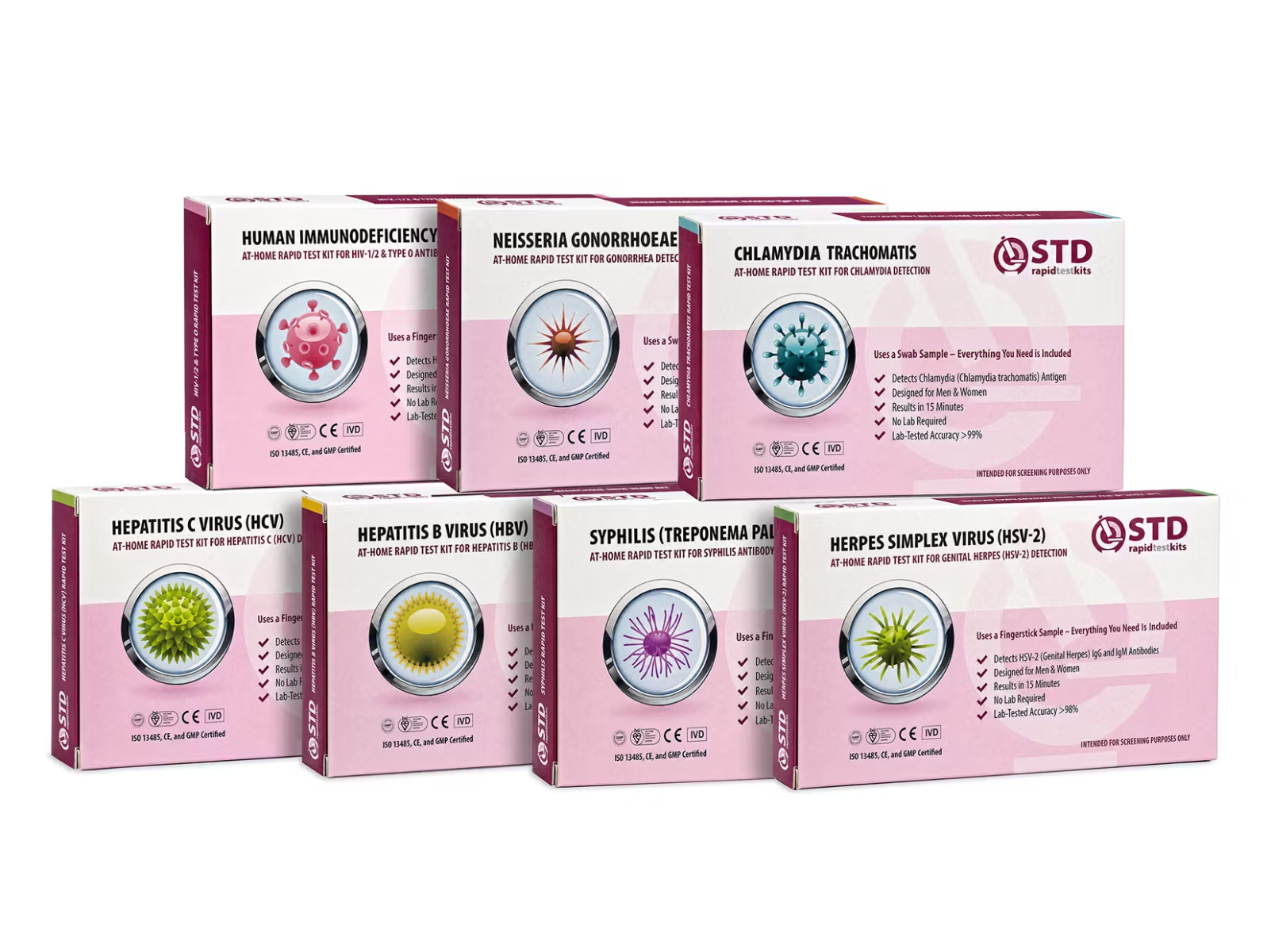
At-home rapid test kits have made routine screening more accessible. They use lateral-flow immunoassay chemistry, which is well-validated for screening (a positive result indicates the need for confirmatory testing) and provides results within about 15 minutes. They do not replace lab testing for definitive diagnosis, but they significantly reduce the friction of routine checks for people who would otherwise delay or skip clinic visits.
Frequently asked questions
- Can I still get chlamydia after the HPV vaccine?
- Yes. The HPV vaccine targets nine HPV strains and does not affect chlamydia or any other bacterial infection. The CDC recommends annual chlamydia screening for all sexually active women under 25 and for anyone with new or multiple partners, regardless of vaccination status.
- Does the HPV vaccine protect against herpes or HIV?
- No. HPV vaccines work only against the HPV strains they target. Herpes (HSV-1, HSV-2) and HIV are different viruses that are not in the vaccine. Prevention for those involves condoms, regular testing, and (for HIV) PrEP if you are at higher risk of exposure.
- Why do I still need testing if I had all my shots?
- Because the shots cover only nine HPV strains. Most STIs do not produce symptoms in the early stage, so testing is the only reliable way to detect them. Vaccination and testing serve different roles in protecting your sexual health, and one does not substitute for the other.
- Can the HPV vaccine cause a false positive on another STI test?
- No. The HPV vaccine does not contain antigens or antibodies that interact with any other STI test (chlamydia, gonorrhea, syphilis, HIV, herpes). A positive result on another STI test reflects exposure to that infection, not the vaccine.
- I'm sexually active. Is it too late for the HPV vaccine?
- Probably not. The CDC recommends routine HPV vaccination through age 26 and shared clinical decision-making for ages 27 through 45. The vaccine works best before any HPV exposure, but it can still protect against strains you have not yet encountered. Discuss with your provider.
- Can I still get HPV after vaccination?
- Yes, from strains not in the vaccine. Gardasil 9 covers nine high-risk strains, but more than 200 HPV strains exist. Most non-vaccine strains are low-risk and clear on their own. Cervical cancer screening (Pap and HPV co-testing) is still recommended on the standard schedule for vaccinated people.
- What if I only had oral sex? Do I really need to test?
- Yes. Pharyngeal (throat) chlamydia and gonorrhea are common after oral sex and frequently asymptomatic. Syphilis and HIV transmission through oral sex is possible, though less efficient than vaginal or anal. The CDC recommends pharyngeal swabbing as part of screening for sexually active gay and bisexual men and for anyone reporting receptive oral sex with new partners; that swab is performed at a clinic, not via at-home kits.
- Are at-home STD tests reliable if I've been vaccinated?
- Yes. Vaccination status does not affect test accuracy. What matters is timing: testing too early in the window period can produce false negatives. At-home rapid tests use validated lateral-flow immunoassay chemistry and are appropriate for screening when used after the relevant window. A positive result should be confirmed with lab testing.
How we sourced this article: We combined current guidance from the U.S. Centers for Disease Control and Prevention, the World Health Organization, the U.K. National Health Service, and the U.S. National Cancer Institute on HPV vaccination scope, STI screening intervals, and treatment standards. We do not provide individualized clinical advice; for symptoms or concerns, see a licensed provider.
- U.S. National Cancer Institute. HPV vaccine fact sheet, including the per-strain proportion of cervical cancers attributable to HPV 16/18 and the additional 10% to 20% attributable to HPV 31/33/45/52/58.
- U.S. Centers for Disease Control and Prevention. HPV vaccination overview, including which strains Gardasil 9 covers, current age recommendations, and the explicit note that HPV vaccines do not protect against other STIs.
- U.S. Centers for Disease Control and Prevention. STI overview and asymptomatic-screening recommendations for chlamydia, gonorrhea, syphilis, and other infections.
- U.S. Centers for Disease Control and Prevention. Genital herpes information, including the role of daily suppressive antiviral therapy in reducing outbreaks and lowering transmission risk to sexual partners.
- U.S. Centers for Disease Control and Prevention. HIV transmission, testing windows, and the U=U (undetectable equals untransmittable) principle for treated HIV.
- U.K. National Health Service. Sexually transmitted infections overview including symptom information, testing recommendations, and screening intervals.
