Published: August 2025 | Last updated: May 2026 | Editorial review and quality control: Martina N.
The line between mental health and sexual health is thinner than most people are taught. When stress runs chronic, or depression lingers for weeks at a time, the immune system slows down and the everyday work of safer sex gets heavier to carry. That combination quietly raises the chance of picking up a sexually transmitted infection, and of missing one once it is there. This article walks through what the public-health research actually shows, what to watch for in your own routine, and the small, sustainable steps that protect both your immune system and the testing habits that catch infections early.
Key Takeaways
- Chronic stress and depression dampen immune function, leaving the body slower to control viral and bacterial infections after exposure.
- Mental health shapes the routines that prevent STIs: testing intervals, condom use, partner conversations, and follow-up on results all dip during low periods.
The Mind-Body Connection Is Not Just a Phrase
Your brain and immune system stay in constant chemical conversation through the hypothalamic-pituitary-adrenal axis (the body's primary stress-response system). Short bursts of stress are useful. Cortisol mobilizes glucose, sharpens attention, and primes the body for action. Long-running stress is a different story. When cortisol stays elevated for weeks or months, the immune system starts to behave differently. The U.S. National Institute of Mental Health recognises that chronic stress can affect physical health, including immune function, over time.
Depression layers more biology on top. People living with persistent depressive symptoms tend to show measurably higher systemic inflammation, disrupted sleep architecture, and altered hormonal regulation. According to the NIMH overview of depression, those physical changes are part of why depression so often arrives bundled with other health conditions, not separate from them.
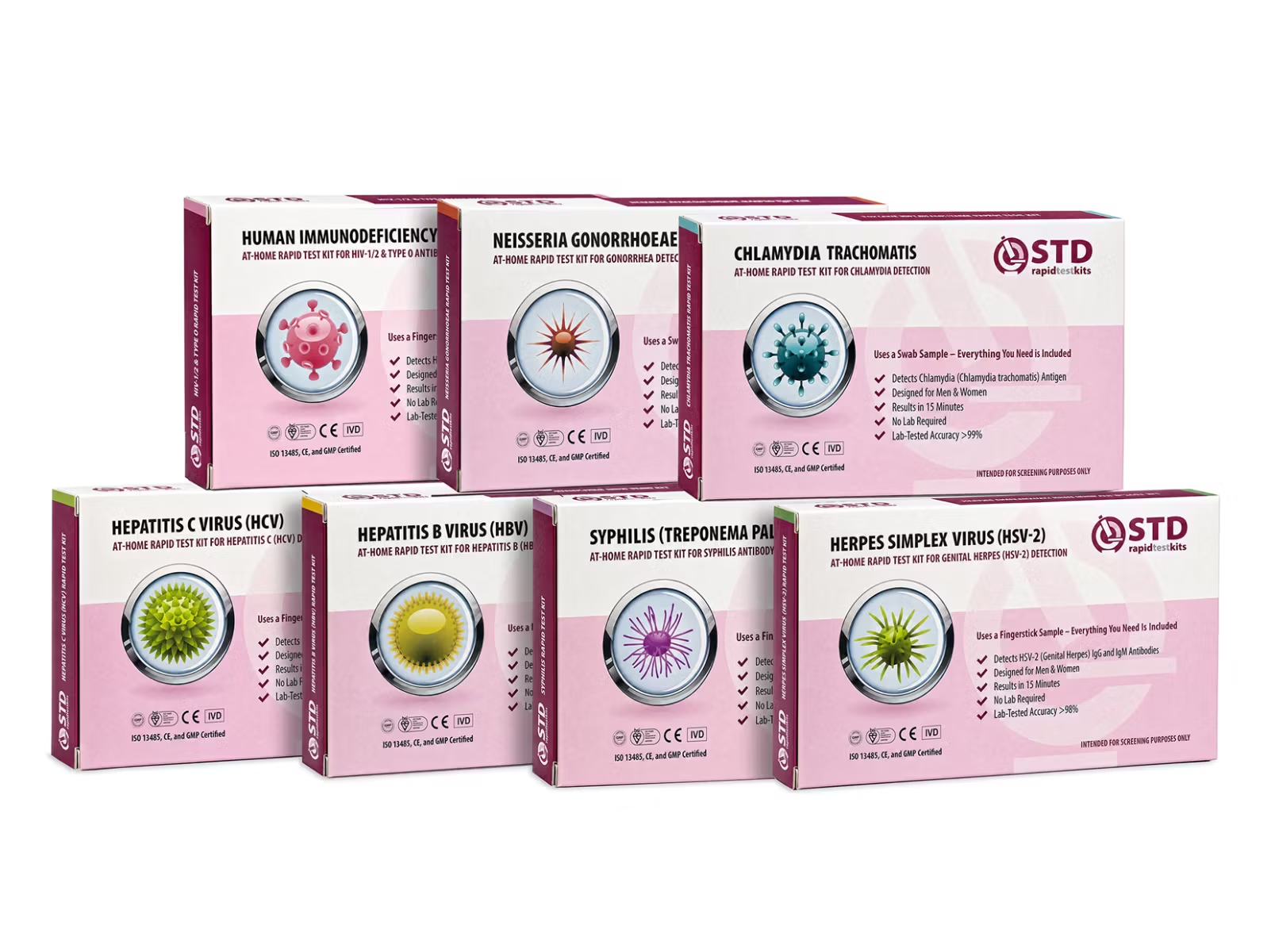
This is not a matter of willpower or attitude. Mental states translate into chemistry, and chemistry shapes how well the body fends off pathogens like HPV, gonorrhea, and herpes after sexual exposure. We sell rapid at-home tests for several of those infections, each one a lateral-flow kit you can use privately without a clinic visit.
Short bursts of cortisol prime the immune system for action. Weeks-long elevation does the opposite, dampening immune-cell responses and slowing the body's ability to control new infections after exposure. The shift is biological, not a matter of attitude.
Why Mental Health Shapes Sexual Choices
Immune suppression is only half the story. The other half plays out in everyday behavior. When mental bandwidth is low, the negotiation work of safer sex feels heavier. That includes asking a partner about their last test, opening a condom in the moment, scheduling a check-in at a clinic, or following up on a positive result. None of these are large tasks individually. Stacked on top of depression or chronic anxiety, they can feel impossible.
The pattern is not a moral failing. It is what running on empty looks like translated into health behavior. Public-health and behavioural research consistently links depression and anxiety symptoms to lower rates of condom use, longer intervals between STI screens, and delayed follow-up on positive results. Treatment for the underlying mental health condition tends to move those routines back toward baseline.
Several behavior patterns show up consistently in studies of mental health and sexual risk:
- Skipping condoms when fatigue or low mood makes the conversation feel like one task too many
- Postponing testing because the anticipated wait, cost, or result is overwhelming to think about
- Using sex as a short-term mood regulator with less attention to protection in the moment
- Combining sex with alcohol or other substances that blunt judgment and short-term memory

The Cortisol-to-Infection Pathway
Cortisol is a useful hormone running on a clock. Acute, short-lived spikes redirect energy where the body needs it and then taper back down. Trouble starts when the clock breaks. Chronic stress keeps cortisol elevated, and elevated cortisol changes how immune cells behave. The body becomes less able to mount a fast, coordinated response to new pathogens, and existing latent infections like herpes simplex can reactivate more easily.
The mucosal linings of the genital tract, mouth, and rectum are the body's physical front door against most STIs. When they are functioning well, they slow or block pathogens before infection establishes. Under prolonged inflammatory load from chronic stress and depression, those tissues heal more slowly from the everyday microtears that come with sex, and pathogens have more opportunity to gain a foothold. This does not make infection inevitable. It shifts the odds in an unhelpful direction.
Three downstream effects matter most for sexual health:
- Natural killer cells and T-cells become less responsive to pathogens that enter the body
- Sex hormones drift out of their normal cycles, which can thin reproductive-tract tissues and shift the local microbiome
- Mucosal barriers function less robustly, so microtears from sex heal more slowly and pathogens find easier entry
More than 1 million curable sexually transmitted infections are acquired every day worldwide in people 15 to 49 years old, the majority of which are asymptomatic.
When Coping Quietly Turns Into Risk
Some sexual risk is impulsive. A lot of it is not. For many people, sex during a stressful or depressed stretch is a way to feel something other than numb, anxious, or alone. That is a coping response, not a moral failure. The risk shows up when the comfort-seeking happens faster than the protection routine can keep up with.
Naming the pattern is the first step in interrupting it. A short-term comfort strategy does not have to mean abandoning protection. It can mean keeping condoms within easy reach, batching tests into a calendar reminder, and building a low-friction way to test at home when energy is low. The goal is to remove decision-points from moments when decision-making is depleted.
The pattern often looks like this:
- Choosing to skip condoms because the act feels more intimate without them
- Meeting new partners more frequently during low or anxious periods
- Drinking or using substances alongside sex more often than usual
- Quietly dropping testing and check-ins because the appointment feels like one obligation too many
Sleep, Stress, and Susceptibility
One of the clearest pathways from chronic stress to weakened immunity runs through sleep. Stress disrupts sleep architecture, fragments deep stages, and shortens total sleep time. The immune system does most of its repair, T-cell production, and antibody work during those deeper stages. Cut them short for long enough, and the body becomes measurably more vulnerable to viral infections of all kinds.
The research on sleep deprivation and respiratory viruses is the most studied version of this effect, but the underlying immune mechanisms generalize. Mucosal immunity, the body's first line against pathogens transmitted during sex, depends on the same well-rested machinery. When stress is shortening your nights, the body's defenses against herpes reactivation, HPV clearance, and bacterial colonization all run a little slower than they would on full sleep.
Sleep does not have to be perfect to help. A roughly consistent sleep window, a wind-down routine that pulls phones out of the bedroom, and limiting alcohol before sleep are three concrete habits that move immune function back toward its baseline.
Deep sleep stages are when the immune system does its T-cell production, antibody work, and tissue repair. Chronic stress fragments exactly those stages, which is why a few rough weeks of sleep can quietly lower the body's resistance to viral and bacterial infections alike.
Substance Use Changes Decision-Making in the Moment
Alcohol and recreational drugs are common parts of how adults manage stress. They also change short-term decision-making in ways that show up in STI rates. Alcohol lowers inhibition and impairs the working memory needed to recall whether a condom was used, whether status came up, and what time the next pill or appointment is. Stimulants like cocaine and MDMA can extend sexual sessions and dehydrate mucosal tissues, both of which raise the chance of microtears and onward transmission.
This is not an argument for abstinence. It is an argument for building protection into the parts of the night that do not depend on judgment. Condoms in the wallet or bedside drawer. A clear personal rule about testing intervals. A standing reminder for the next at-home test.

Why People Delay Testing, and Why Delay Costs More Than the Test
Symptoms are not always obvious. Chlamydia and gonorrhea are silent in a majority of infected people, especially in the early window after exposure. When symptoms do appear, depression and anxiety can make it harder, not easier, to act on them. Booking a clinic appointment can feel disproportionately heavy during a low period. Some people put off testing because they fear the result. Others because they do not feel sick enough to bother.
The cost of delay is not symmetric. Some infections clear themselves. Others, including untreated chlamydia and gonorrhea, can progress to pelvic inflammatory disease in women or epididymitis in men, both of which can affect fertility. Untreated syphilis moves through stages over years and becomes progressively harder to treat. Herpes manifests as recurrent outbreaks that respond better to suppressive treatment when the diagnosis happens early. The UK National Health Service guide to STIs is a useful general reference for symptoms, testing options, and complications of untreated infection. Clinical guidance broadly notes that most STIs are easier to treat when caught early, and many remain silent until damage is already underway.
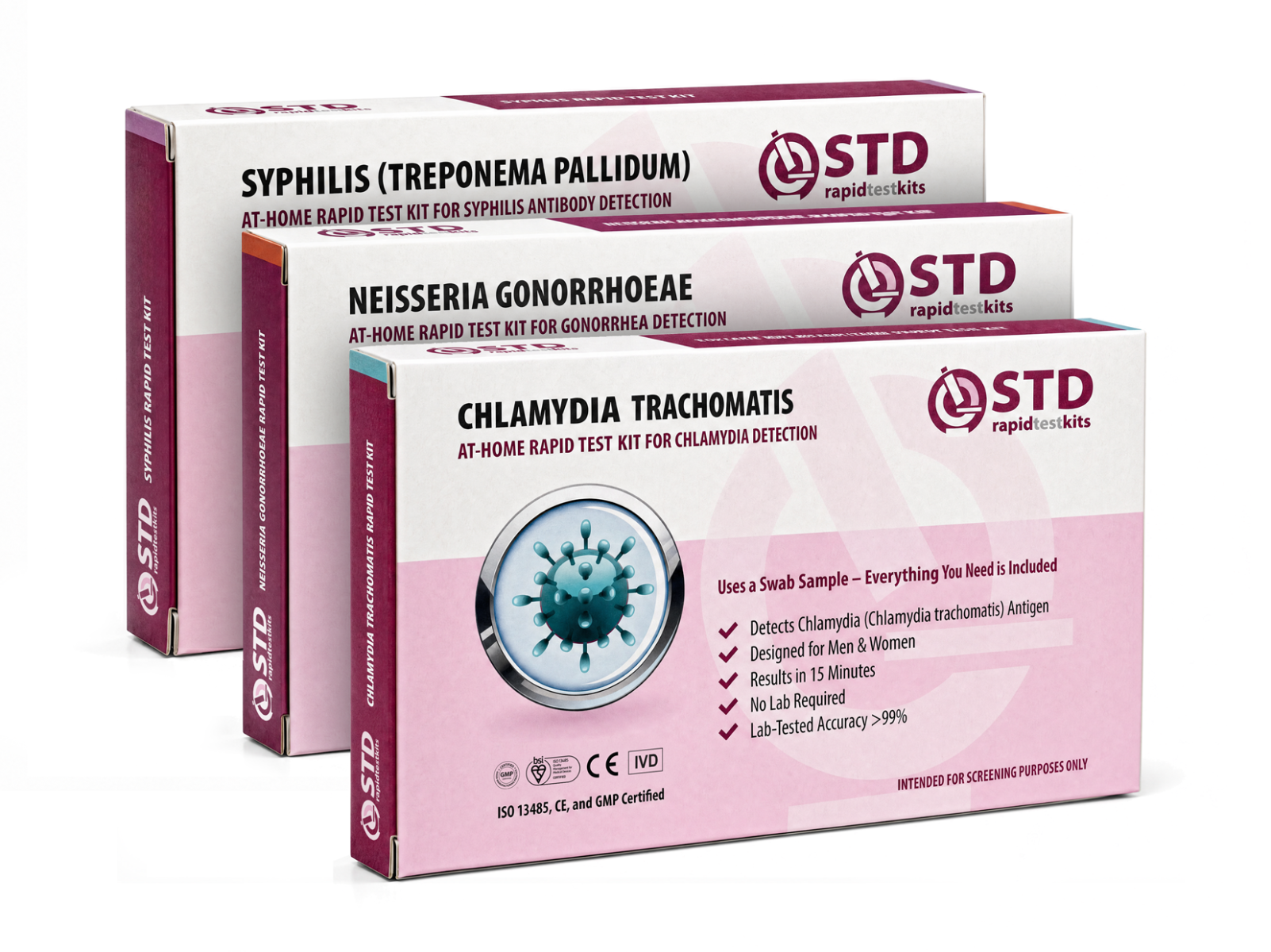
This is exactly where at-home testing fits. It removes the appointment, the waiting room, and the schedule negotiation. For someone whose mental health is making the standard route feel impossible, an at-home test can be the difference between testing and not testing at all. The result still warrants a follow-up conversation with a clinician, especially if it is positive, but the at-home check removes the highest-friction step.

Building a Mental and Sexual Health Routine
A useful routine holds up on hard days. The protective behaviors that matter most for STI prevention are simple, and they get easier when they are scheduled rather than negotiated in the moment. If depression or chronic anxiety is part of the picture, the testing piece is the easiest to automate. The mental health piece is harder, and it is worth talking to a clinician about. Together they make a far more effective prevention strategy than either one alone.
A sustainable routine usually includes these elements:
- Schedule mental health support the same way you would a physical: a recurring therapy or check-in appointment that does not require willpower each week
- Set a fixed STI testing cadence based on your situation, every three months if you have new or multiple partners and every six to twelve months otherwise, and put it on a calendar
- Keep condoms and an at-home test kit in the same drawer so they are not separate decisions when energy is low
- Talk about testing history with a new partner before sex rather than after
- After a positive result, treat the follow-up as a single concrete task with a date and a person to call, not a vague obligation
Mental Health Care Is Sexual Health Care
Chronic stress changes immune behavior. Depression alters routine. Anxiety reshapes decision-making in the moment. None of this means a person with mental health symptoms is destined to acquire an STI. It means the protective behaviors take a little more intention, and the testing routine deserves a little more priority during seasons when life is hard.
If you are carrying a heavy load right now, the simplest useful step is often a quick at-home test on your own schedule. Pair it with a conversation with a therapist or primary care provider, and the two pieces of the picture start to support each other.
FAQs
- Can stress really weaken my immune system?
- Yes, and the effect builds with duration. It is not a single stressful day but weeks of elevated cortisol that measurably slow natural killer cells and T-cell responses, leaving the body less capable of controlling a new pathogen after exposure. The NIMH recognises this link between chronic stress and immune function in its public stress resources.
- Does depression raise the risk of sexually transmitted infections?
- It can. Depression often disrupts the routines that prevent STIs, including testing intervals, condom use, and partner conversations. It also raises systemic inflammation in ways that affect immune function. The combined effect shows up in higher rates of unprotected sex and delayed testing in people experiencing depressive episodes.
- Is anxiety a factor too?
- Yes. Generalized anxiety triggers the same stress hormone pathways as chronic stress. It can interfere with sleep, decision-making, and the ability to schedule and attend medical appointments, all of which influence STI risk over time.
- Does being monogamous protect me from STIs?
- Not automatically. Monogamy lowers exposure risk only when both partners tested together before becoming exclusive and neither has prior untreated infections. Without that baseline test, infections acquired before the relationship can still surface later, even when both partners have been faithful since.
- Which STIs are most affected by immune suppression?
- Herpes is the clearest example because outbreaks track closely with stress and reduced sleep. HPV clearance also slows when immune function is reduced, which matters for long-term cancer risk. Bacterial infections like chlamydia, gonorrhea, and syphilis depend more on exposure than immune state, but a healthy immune response still influences how quickly they progress.
- Is therapy actually a form of STI prevention?
- Indirectly, yes. Treating mental health improves the routines and decisions that protect against STIs, supports immune function through better sleep and lower inflammation, and makes follow-through on testing and treatment far more likely. It is not a replacement for condoms or testing, but it strengthens both.
- How often should I test if I'm sexually active?
- For people with new or multiple partners, every three months is a reasonable cadence. For people in long-term mutually tested relationships, every six to twelve months covers most cases. Check current CDC screening guidance for the cadence that fits your specific situation, including pregnancy, gender of partners, and any known exposures.
- What if a clinic appointment feels impossible right now?
- An at-home rapid test can be a practical starting point. It removes the appointment barrier and gives a result you can act on. Any positive result still warrants follow-up with a clinician for confirmatory testing and treatment, but the at-home check is often the difference between getting tested and not.
- U.S. Centers for Disease Control and Prevention. Overview of sexually transmitted infections, screening recommendations, and prevention guidance.
- World Health Organization. Sexually transmitted infections (STIs) fact sheet, including global incidence and asymptomatic-majority statistics.
- U.S. National Institute of Mental Health. Stress: general public resource recognising how chronic stress can affect physical health, including immune function.
- U.S. National Institute of Mental Health. Depression: symptoms, biology, and connection to other health conditions.
- U.K. National Health Service. Sexually transmitted infections (STIs): general overview of symptoms, testing, and treatment.
