Discreet STD Testing: How At-Home Kits Protect Your Privacy
What at-home STD testing keeps private (and what it does not)
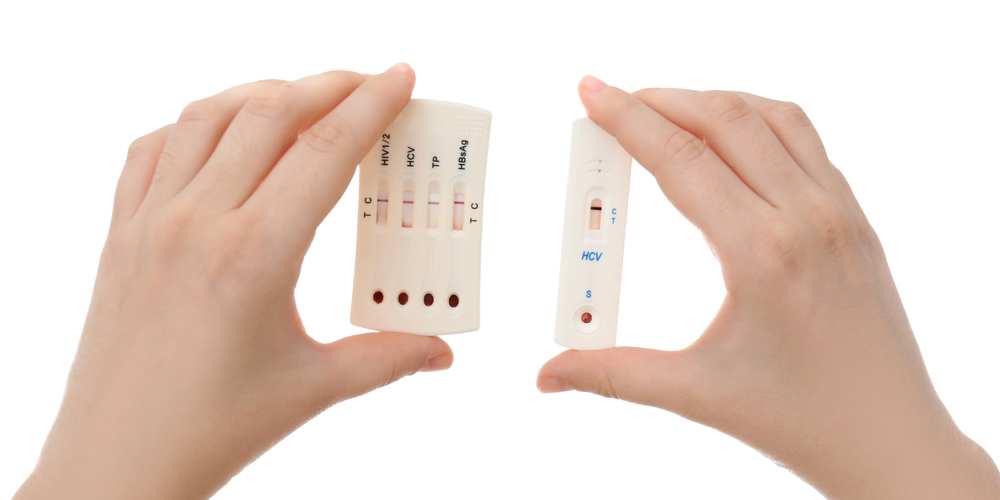



- At-home rapid STI tests let you self-collect a swab or fingerstick blood sample, run the test, and read the result in about 15 minutes, with no clinic, insurer, or pharmacy logging your name against the result.
- Window periods range from roughly 2 to 6 days for gonorrhea up to 90 days for the FDA-approved HIV antibody self-test, so timing the test to the exposure matters as much as the test itself.
Published: September 2025 | Last updated: May 2026 | Editorial review and quality control: Martina N.
What does discreet STD testing actually guarantee?
Three privacy layers stacked together: unmarked packaging with no STI branding outside, a generic merchant name on your credit-card statement, and a result on a strip in your hand instead of in a clinic record. Home rapid kits cover chlamydia, gonorrhea, HIV, syphilis, hepatitis B and C, and herpes in about 15 minutes; a positive still needs clinic confirmation.
Most people who type “discreet STD testing” into a search bar are juggling two concerns at once: a real medical question after an exposure, a symptom, or a new partner, and a real privacy question about who finds out. The second concern stops a meaningful share of people from testing at all, which is precisely how stigma works. Survey after survey shows that fear of someone else finding out, whether that is a partner, a parent, a roommate sorting the mail, or a charge on a shared credit-card statement, pushes people to put off a test that takes fifteen minutes. The downstream cost is real: later diagnoses, more onward transmission, and weeks of low-grade anxiety that a single test would have ended.
This guide treats the privacy question with the same seriousness as the medical one. Below, we cover what “discreet” actually means in practice, what U.S. medical-privacy law protects (and what it does not), how at-home rapid testing fits into the picture, how soon after an exposure each test becomes reliable, what to do with a positive result, and when a clinic visit is still the right move. The goal is to leave you with enough information to decide for yourself.
What “discreet” STD testing actually means
The word “discreet” gets used loosely in marketing copy, and three closely related terms get used almost interchangeably. The differences matter:
- Anonymous testing means your name is never attached to the test or the result. A self-administered home kit is anonymous by design: you read the result yourself, no clinic generates a chart note, and no third-party laboratory logs your name against the sample.
- Discreet testing is about the physical and financial paper trail. Plain unbranded mailers, a generic merchant name on the credit-card line, and no obvious giveaways on the return label.
- Confidential testing is the formal medical-records meaning. Your result goes into a clinic chart but is protected by HIPAA and not shared without your authorization. Confidential is the standard at a sexual-health clinic; it is not the same as anonymous.
Home rapid kits deliver all three at once, which is what most people mean when they say they want to test without anyone finding out. For STI testing in 2026, that points to several concrete privacy outcomes:
- No clinic visit on your record. No insurer claim line is created, no electronic medical record (EMR) entry exists, and no employer-linked HSA charge appears unless you choose to submit one for reimbursement.
- No pharmacy pickup that a family member might see. The kit arrives in plain outer packaging at whatever shipping address you choose, including a P.O. box or a friend’s house.
- You read the result yourself. A clinician does not see your specific result unless you bring it to them, and no third-party laboratory logs it under your name.
- No partner, parent, or roommate is automatically informed. Notifying a partner after a positive result is still a public-health responsibility, but the timing and the framing remain yours.
That said, a credit-card statement still lists the merchant, a subpoena can compel records from any retailer, and a result you share with a partner or carry into a clinical visit is no longer private. Discreet testing controls the default data trail, not every possible disclosure.
Discreet STD testing is testing where you control three things: who knows your result, when they know it, and how (or whether) the result enters any formal medical record. The kit on its own does not guarantee discretion; your choices around it do.
Why privacy is a legitimate part of medical care
Health privacy is sometimes framed as “just emotional,” the kind of worry that practical people are supposed to push past. That framing misreads what is at stake. People avoid testing for legitimate, measurable reasons, and public-health agencies have been documenting the consequences for decades.
The U.S. Department of Health and Human Services administers the HIPAA Privacy Rule, which restricts how health plans, clearinghouses, and most providers can disclose protected health information. HIPAA is real and meaningful inside the clinical system: your provider cannot share your STI status with your employer without written authorization, and your insurer cannot disclose specific diagnoses publicly. What HIPAA does not do is prevent your insurance company from generating a claim line that lists a clinic visit and a test code. A spouse who reviews the household explanation of benefits can see the visit happened, even when the specific diagnosis is not spelled out on that summary.
That gap, between what is legally protected and what is concretely visible to people in your life, is one of the reasons people delay testing. Younger adults living on family insurance plans, people in small towns where the clinic staff is also their neighbors, and anyone whose partner has a history of using health information against them all share a version of this concern. None of those situations is unreasonable.
Delayed testing is also a public-health problem. CDC HIV surveillance consistently shows that a meaningful share of new diagnoses arrive late, after years of undiagnosed infection have already given the virus time to damage the immune system that earlier treatment would have protected. The same pattern shows up in CDC STI surveillance for chlamydia and gonorrhea, where infection rates have climbed year over year, partly because asymptomatic infections (most chlamydia in women, a large share of gonorrhea in men) get missed entirely without routine screening. The World Health Organization estimates more than one million curable STIs are acquired worldwide every day, and most of those infections are asymptomatic. At-home testing changes the data trail in a specific, limited way: the merchant knows you bought a kit, but does not know your result, because you ran the test yourself and read it yourself.
A self-test can be used at home or in a private location. With an HIV self-test, you can get your test results within 20 minutes.
How at-home rapid testing protects your privacy in practice
Walking through a real testing flow makes the privacy picture concrete. Here is what happens, step by step, when you order one of our at-home STI test kits:
- Order. You choose a kit, enter a shipping address, and pay with a personal card or other accepted method. The merchant records the order, address, and billing data the same way any e-commerce store does. Your medical history is not requested.
- Delivery. The kit arrives in plain outer packaging. There is no clinical content visible from outside. The return address shows a generic merchant name; this is also what appears on the credit-card statement.
- Sample collection. Depending on the kit, you either run a self-collected vaginal or penile swab or perform a fingerstick blood draw using the included lancet. Instructions are in the kit. No clinician is involved.
- Test run. You apply the sample to the lateral-flow cassette and wait the specified development window, generally about 15 minutes. The result lines appear on the cassette.
- Read and dispose. You read the cassette yourself. There is no required app upload step to obtain the result. You dispose of the cassette and used components in regular household waste once you are done.
Note what is and isn’t in that data trail. The merchant knows you ordered a kit but does not know your result. No third-party laboratory is involved, which means there is no laboratory record linking your name to a positive or negative result. Compare that with a clinic visit, where a phlebotomist, a laboratory technician, the lab itself, the ordering provider, and the billing system all interact with your name and your result.
The U.S. FDA reviews and authorizes specific home-use diagnostic tests, including the rapid lateral-flow kits used for at-home STI screening. The CDC also publishes guidance on HIV self-testing, the most-studied category of home STI testing, which shares the same broad privacy logic as the kits we sell.
This article is published by stdrapidtestkits.com, which sells at-home STI testing kits. Recommendations are based on fit for the reader’s stated concern, not on commercial benefit. When a clinical visit is the better tool, this guide says so plainly.
| Step in the testing flow | At-home rapid kit | Standard clinic visit |
|---|---|---|
| Booking | Online order on a personal card; no medical history requested | Phone or portal booking under your name and insurance |
| Sample collection | You self-collect a swab or fingerstick at home | Clinician or phlebotomist collects the sample |
| Result handling | You read the cassette yourself, in about 15 minutes | Result enters the EMR and the laboratory record |
| Insurance footprint | None unless you submit for FSA or HSA reimbursement | Claim line generated unless you choose to self-pay |
| Notifiable-disease reporting | Not reported by the manufacturer or merchant | Lab or clinic reports notifiable STIs to public health |
Window periods: when each home test becomes reliable
The window period is the gap between exposure and the point at which a test can reliably detect the infection. Test before the window closes and you risk a false negative: the test says clear when the body just has not produced enough antigen, antibody, or pathogen DNA for the kit to register. The window depends on the infection AND on the test technology, which is why the same infection has different windows for different tests.
Home rapid lateral-flow tests detect either antigens (proteins on the pathogen) or antibodies (your immune response). The HIV home self-tests cleared for U.S. consumer use are antibody-only; some clinic-administered fourth-generation rapid tests also detect the p24 antigen and close the window earlier, but those are not the same product category. Laboratory nucleic-acid amplification tests (NAATs) and PCR tests detect pathogen DNA or RNA directly, so they generally close the window earliest of all. The table below assumes a typical home rapid kit. If you need to test sooner than a home kit allows, a clinic NAAT may be possible. The CDC STI screening recommendations cover screening intervals and retest timing clinicians follow.
A negative result before the window closes is not a clean bill of health; it is a snapshot from before the test could detect what is happening. The kit’s instructions list its window. Read them before testing, and retest after the window closes if your first test fell inside it.
| Infection | Home rapid sample | Earliest reliable detection | Window fully closed |
|---|---|---|---|
| Chlamydia | Genital self-swab | About 1 week | 2 to 3 weeks |
| Gonorrhea | Genital self-swab | 2 days | 6 days |
| Syphilis (antibody) | Fingerprick blood | 3 weeks | 6 to 12 weeks |
| HIV (antibody rapid) | Fingerprick blood | 23 days | 90 days |
| Herpes HSV-2 (antibody) | Fingerprick blood | 3 weeks | 12 weeks for most people; certain IgG assays may take up to 16 weeks |
| Hepatitis B | Fingerprick blood | 3 weeks | 6 to 9 weeks |
| Hepatitis C (antibody) | Fingerprick blood | 4 weeks | Up to 6 months |
| Trichomoniasis (women) | Vaginal self-swab | 5 days | 4 weeks |
What home rapid kits cover (and what they don’t)
Most of the infections clinicians screen for routinely are also covered by a home rapid kit. The sample type varies: bacterial genital infections like chlamydia and gonorrhea use a self-collected genital swab; bloodborne and viral infections use a fingerprick blood drop on a lateral-flow cassette. Trichomoniasis and HPV at-home kits are validated for vaginal self-swab and are women-only kits; we do not currently offer a male-compatible at-home test for either, and men concerned about either should see a clinic.
- Chlamydia. Often asymptomatic, especially in women. When symptoms appear, they include painful urination, abnormal discharge, or pelvic pain. Untreated chlamydia is a leading preventable cause of pelvic inflammatory disease and infertility per CDC STI guidance. Home test: self-collected genital swab.
- Gonorrhea. Symptoms when present include burning urination and discharge. Coinfection with chlamydia is common, which is why combination swab kits exist. Untreated gonorrhea causes pelvic inflammatory disease in women and epididymitis in men. Home test: self-collected genital swab.
- Syphilis. A painless ulcer (chancre) at the exposure site, followed weeks later by a body rash, then potentially years of latency before serious damage to the heart, brain, or nerves. CDC syphilis surveillance shows U.S. cases at a multi-decade high. Home test: fingerprick blood antibody.
- HIV. Acute infection often shows flu-like symptoms two to four weeks after exposure, then can be silent for years. The FDA-approved HIV home self-test is an antibody test with a 23 to 90 day window; clinic-administered fourth-generation tests that also detect the p24 antigen close the window faster but are a different product category. Untreated HIV progresses to AIDS over years; treated HIV with consistent antiretroviral therapy does not, and people with sustained undetectable viral load do not transmit sexually. Home test: fingerprick blood antibody.
- Herpes (HSV-2). Painful genital blisters or ulcers, often misdiagnosed as ingrown hairs or razor burn the first time. Antibody-based home tests detect past or current infection by measuring your immune response, not active lesions. If you have an active genital sore right now, a clinician-collected swab for PCR is more accurate for that specific lesion than any antibody test. Home test: fingerprick blood antibody.
- Hepatitis B and C. Hepatitis B is vaccine-preventable through the standard adult three-dose series. Hepatitis C is asymptomatic for most people for years until liver damage appears on labs; modern direct-acting antiviral therapy cures most treated cases per CDC hepatitis guidance. Home tests: fingerprick blood for both.
- Trichomoniasis (women). Frothy yellow-green discharge with itching is the classic symptom; many infections are asymptomatic. Curable with a single course of metronidazole, per NHS guidance on STI symptoms and testing. Home test: vaginal self-swab, validated for vaginal anatomy only.
- HPV (women). Most HPV infections clear on their own; high-risk subtypes are the ones that cause cervical cancer over years. ACIP guidance recommends routine HPV vaccination through age 26 and shared clinical decision-making through age 45 (CDC vaccine schedules). Home test: vaginal self-swab.
If your concern involves a throat swab (oral exposure to gonorrhea or chlamydia), a rectal swab (receptive anal exposure), or a urine NAAT specifically, a clinic visit is the right next step. Home rapid lateral-flow kits are excellent for genital-site and bloodborne screening; throat and rectal samples need clinician collection, and laboratory NAAT is more sensitive than any home rapid test for asymptomatic infections in the early window.
The honest limits of discreet testing
Privacy is not free; it comes with trade-offs that this guide takes seriously.
Window periods apply regardless of where you test. No test catches an infection the day after exposure. The table above lists the specifics. Testing before the relevant window can produce a negative result that does not actually rule out infection, which is among the most overlooked sources of false reassurance with any rapid approach, at home or in a clinic.
The second trade-off is test technology. The at-home kits sold here use lateral-flow immunoassay strips, the same chemistry used in over-the-counter COVID-19 antigen tests and most rapid pregnancy tests. They are designed for speed and ease of use at the point of care, not for the highest analytical sensitivity. Laboratory NAAT and PCR remain the standard for early-detection sensitivity, particularly in asymptomatic infections where pathogen load is still low. A positive rapid result is a strong signal worth confirming with a lab NAAT. A negative rapid result is reassurance only when you have tested at the correct window and the pre-test probability is appropriate.
The third trade-off is scope. We sell genital swabs and blood-based rapid tests. We do not sell throat (pharyngeal) swabs, rectal swabs, urine-only tests, or lab-processed mail-in NAAT panels. If your exposure involved oral or anal contact and you want a site-specific test, see a sexual-health clinic; the lab-processed swab for those sites is more sensitive than any at-home option currently authorized.
After a positive at-home result, what to do next
A positive result from any rapid screening test is a probable diagnosis, not a final one. False positives are uncommon on a well-run lateral-flow test, but they happen, particularly in low-prevalence settings. Treat the result as a signal that warrants two specific follow-up actions: confirmatory testing and clinical care. Doing either alone is not enough.
Step one: arrange confirmatory testing. For HIV, that means a fourth-generation antigen-antibody combo lab test plus a confirmatory NAAT or HIV-1/HIV-2 differentiation assay (a follow-up blood test that identifies which strain is present). For syphilis, treponemal plus non-treponemal serology (two complementary blood tests that together confirm an active infection rather than past exposure). For chlamydia or gonorrhea, lab NAAT on the appropriate sample. Most sexual-health clinics will perform the confirmatory test the same day or the next; many primary-care offices can order it as well.
Step two: treatment and follow-up. Most bacterial STIs (chlamydia, gonorrhea, syphilis, trichomoniasis) have effective short-course treatment regimens. Chlamydia and trichomoniasis are typically treated with oral antibiotics over a few days to a week. Gonorrhea is generally treated with a single intramuscular injection. Syphilis treatment depends on the stage and may involve one or several doses of injectable penicillin. HIV is treated with daily antiretroviral therapy, which is highly effective at suppressing the virus to undetectable levels, at which point the risk of sexual transmission becomes effectively zero (the “undetectable equals untransmittable,” or U=U, principle).
Step three: partner notification. Telling sexual partners is part of preventing reinfection (for you) and onward transmission (for them). Most U.S. state and local health departments offer confidential partner-notification services, where a public-health worker contacts named partners and informs them of an exposure without revealing your identity. Online services also exist that send anonymized partner-notification messages by email or text. The right approach depends on the partner relationship and the infection involved.
Do not start any STI treatment on the basis of a home rapid result alone, and do not tell a partner they are infected based on a single positive home test. The right sequence is: home test, confirmatory clinic test, then treatment and partner notification once the diagnosis is confirmed. If symptoms are severe (high fever, pelvic pain, an active genital ulcer), call a clinic the same day rather than waiting on a confirmatory test result.
Choosing the right kit for your situation
Once the decision to test at home is made, the next choice is which kit. The trade-off is between scope and cost.
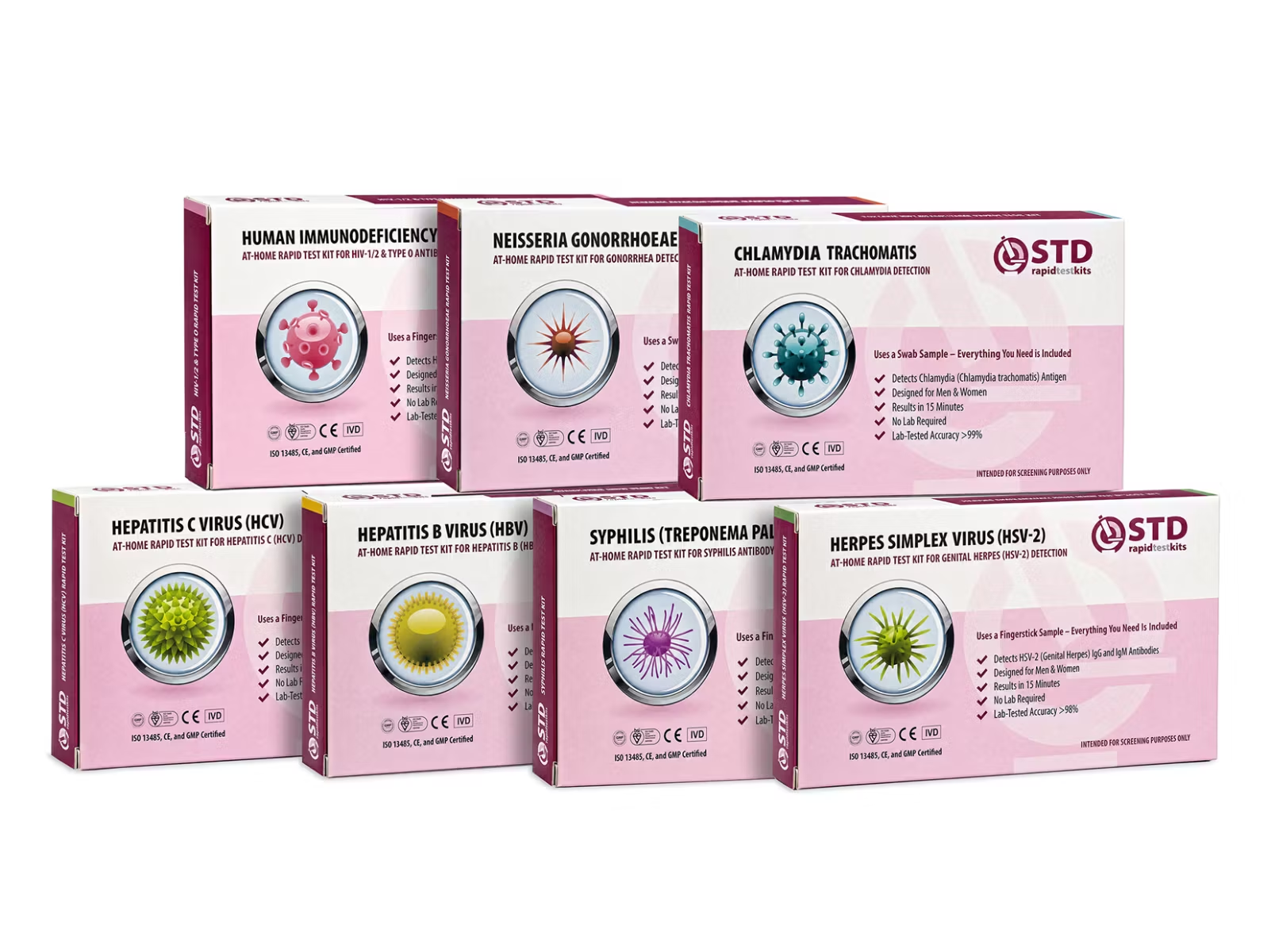
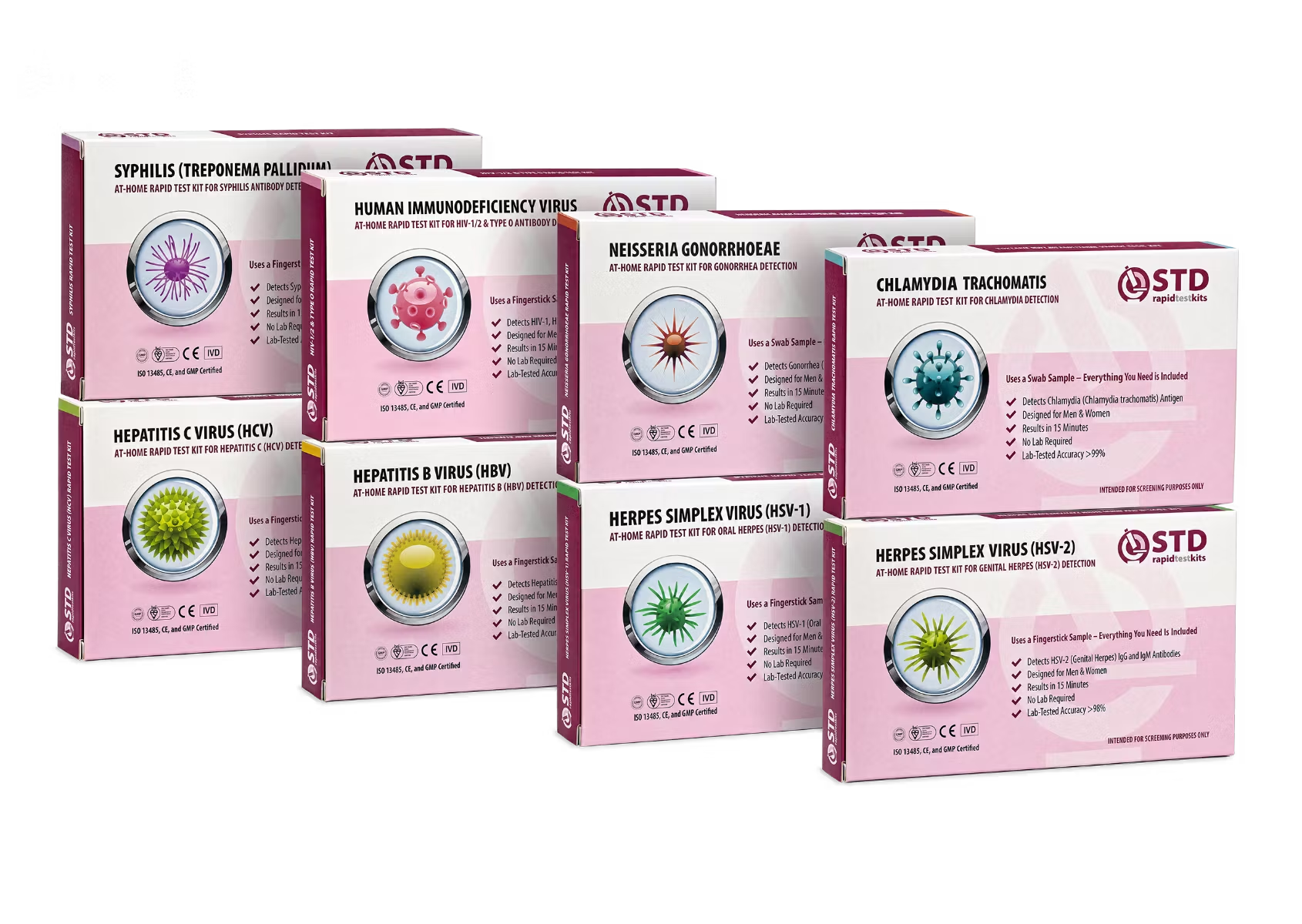
Single-infection kits are the right choice when your concern is specific. A new partner who disclosed they were treated for chlamydia, a known HSV-2 exposure where you want a baseline antibody check, or a recently treated infection that needs a test-of-cure window all point to a single-infection kit. The cost per result is lower, and the scope matches the question. Single-infection options on this site include rapid swab tests for chlamydia and gonorrhea, and rapid blood tests for HIV, syphilis, hepatitis B, hepatitis C, HSV-1, and HSV-2.
Combo kits are the right choice when the question is broader. A new sexual relationship that you want to baseline before going condom-free, an exposure event with unknown partner status, or an annual screening cycle for a sexually active adult all match the combo profile. After one specific worrying exposure, the typical plan is to wait at least 14 days from the exposure for chlamydia and gonorrhea (their windows close earliest), run a multi-STI combo panel, and then repeat the HIV and syphilis components at six weeks and again at three months to clear those windows fully.
Lighter combos and any-gender screening
If the 7-in-1 covers more than you need, lighter combos are available. The 6-in-1 essential kit covers chlamydia, gonorrhea, syphilis, HIV, hepatitis B, and hepatitis C; the 8-in-1 is validated for both men and women and adds HSV-1 + HSV-2; the 10-in-1 is women-only and adds HPV and trichomoniasis. Per-result cost in a combo is meaningfully lower than buying the same single tests separately.
A few decision rules that hold up well:
- If you can name the specific infection you are worried about, the single-infection kit is usually the right choice.
- If you would describe your concern as “I just want to know I am clear” or “we want a clean baseline before going further,” a combo is usually the better fit.
- If you are female and you specifically want HPV included, the 10-in-1 is the option; our HPV rapid swab is validated for vaginal self-collection only, and we do not offer a male HPV kit at this time. Male readers needing HPV-related care should see a clinic.
- If your concern is throat or rectal exposure specifically, no at-home kit on this site (or any other currently authorized) provides a site-specific swab for those locations. A clinic visit is the right choice.
For mixed-gender households or any-gender screening use, the 8-in-1 combo is built specifically for that case.
When at-home testing isn’t the right tool
Discreet testing is a real option for many situations and a poor option for several others. Being honest about which is which is part of the service.
A clinical visit is the better tool when:
- You have active symptoms that need same-day clinical care. Persistent pelvic pain, testicular pain, painful urination with fever, visible genital sores not improving over days, or rectal bleeding all warrant in-person evaluation. A home test that returns negative does not make pelvic inflammatory disease go away.
- Your exposure was specifically oral or anal. Pharyngeal (throat) and rectal STI testing requires site-specific swabs that are not currently authorized for home use. Many infections at those sites are asymptomatic but transmissible; clinic swabs are the only reliable way to test them.
- You are pregnant or trying to conceive. Antenatal care includes STI screening as part of routine prenatal visits, and any positive result during pregnancy needs immediate clinical follow-up to protect the pregnancy.
- You have a known recent HIV exposure within 72 hours. Post-exposure prophylaxis (PEP) is most effective when started within 72 hours of exposure. A home HIV test taken at that point in the window cannot detect early infection; what you need is a clinic or emergency-department visit that day to start PEP.
- You need a confirmatory or test-of-cure laboratory result. Lab NAATs are more sensitive than at-home rapid tests for documenting that a treated infection has cleared.
In these cases, the privacy concern is still legitimate; the right response is to find a confidential clinic option rather than to substitute a home test that does not fit the question.
Confidential, sliding-scale, or no-cost STI testing is offered through Planned Parenthood health centers, state and county STI clinics, federally qualified health centers (FQHCs), and most university student-health services. The CDC’s gettested.cdc.gov locator and your state public-health department site can both help you find one nearby.
Privacy habits and reducing future risk
The kit is one piece of the picture; the surrounding habits matter too.
- Shipping address. Choose an address where you are confident no one else will open the package. A P.O. box, a workplace mailroom that does not log incoming personal mail, or a trusted friend’s apartment are all options.
- Payment method. A personal credit card or debit card linked to an account you control is the simplest choice. Avoid using a shared family account if a partner reviews the statements.
- Browser privacy. Health-related searches are tracked by default in most browsers. A private or incognito session prevents the search history from showing up on a shared device. Search engines and ad networks still log queries to the account or IP address, so consider what is logged where.
- Disposal. Used test cassettes and lancets can be wrapped and placed in regular household waste; there is no special clinical-waste requirement for at-home rapid test components. If the visible packaging concerns you, place it inside another bag before disposing.
- Sharing on your terms. Once you have a result, you control whether and when you share it. None of them needs to know unless you decide they do.
Testing is reactive; prevention is what keeps the next result negative.
- Condoms. Reduce transmission risk substantially for HIV, chlamydia, gonorrhea, and trichomoniasis when used consistently and correctly. They reduce but do not eliminate risk for skin-to-skin infections like herpes and HPV, which can transmit through skin areas a condom does not cover.
- Vaccination. Hepatitis B is fully vaccine-preventable through the standard adult three-dose series. The HPV vaccine is recommended routinely through age 26 with shared clinical decision-making through age 45.
- HIV PrEP. Daily oral pre-exposure prophylaxis or long-acting injectable PrEP reduces sexual HIV acquisition risk substantially when taken as prescribed, per CDC HIV prevention guidance. Available through any primary-care provider.
- Routine screening. Annual at minimum for sexually active people; every three to six months for higher-risk patterns. Asymptomatic infections only get caught by routine screening, not by waiting for symptoms.
Three quick decisions before checkout: confirm the shipping address is one only you will check, pay with a personal card not linked to a shared account, and run the order in a private browsing session if you share devices.
Which testing route fits your situation?
Was your exposure specifically oral or anal (throat or rectal site)?
Yes: See a sexual-health clinic. No at-home kit is currently authorized for site-specific throat or rectal swabs.
No: Continue to the next question.
Do you have active symptoms (visible genital sores, fever with pelvic pain, rectal bleeding, severe testicular pain)?
Yes: Book a clinic visit for same-day evaluation. A home rapid test does not replace a physical exam for active symptoms.
No: Continue to the next question.
Do you know exactly which infection you were exposed to or want to confirm?
Yes: A single-infection at-home kit matches the question and costs less per result than a combo panel.
No: Continue to the next question.
Are you unsure which infections to screen for, or do you want a clean baseline?
Yes: A 6-in-1, 7-in-1, or 8-in-1 combo kit is the practical choice for broad at-home screening. Female readers wanting HPV and trichomoniasis included should pick the 10-in-1.
Guidance only. A clinician can advise on specifics for your situation.
Frequently asked questions
- Can my insurance see that I bought an at-home STD test?
- Generally no, unless you submit the cost for FSA or HSA reimbursement. Buying with a personal card and not filing a claim keeps the purchase outside the insurance billing system. Some pharmacy memberships and rewards programs do log purchases, so check what is linked to the card you use.
- Will the kit show up on my credit-card statement as an STI test?
- No. Reputable home-test sellers, including stdrapidtestkits.com, use a generic merchant name on the line item. The statement does not list the test contents. The mailer itself ships unbranded with no health-related markings on the outside.
- Is at-home STD testing as accurate as the test my doctor would order?
- It depends on the infection and the test technology. At-home kits sold here use lateral-flow strips, designed for rapid screening at the point of care. Accuracy details, including sensitivity and specificity by infection, are listed in the kit instructions and on each product page at stdrapidtestkits.com. Laboratory NAAT and PCR remain the standard for highest sensitivity, particularly in early infections where pathogen load is still low. Treat a positive rapid result as a strong signal that warrants confirmatory testing; treat a negative result as reassurance only when you have tested at the correct window after exposure.
- How soon after exposure can I test?
- The shortest wait is for gonorrhea: six days closes that window. The longest is HIV, where the FDA-approved antibody home self-test takes up to 90 days to be fully reliable. For a general exposure where multiple infections are a concern, the practical plan is to test at 14 days for gonorrhea and chlamydia, then retest HIV and syphilis at six weeks and again at three months. If you tested inside the window and got a negative, retest once the window has fully closed.
- What should I do if my home test is positive?
- Treat a positive result as a probable diagnosis that needs a confirmation step. Contact a sexual-health clinic or your primary-care provider for confirmatory laboratory testing and treatment. Treatment for most bacterial STIs is short and effective. Avoid sexual contact until you have completed treatment and any required follow-up.
- Does HIPAA protect me when I test at home?
- HIPAA’s Privacy Rule covers protected health information held by health plans, clearinghouses, and most providers. It does not apply to a product purchase or to a self-administered test you read alone. If you carry the result into a clinical visit, it becomes HIPAA-covered information in that record. The trade-off is more privacy on the test side and less of HIPAA’s specific legal protections on the data you create yourself.
- Can a positive home test be reported to public health without my consent?
- Reportable STIs (HIV, syphilis, chlamydia, gonorrhea in most jurisdictions) are reported by laboratories and clinicians who perform the test. A home test you read yourself is not automatically reported. If you later visit a clinic and they confirm the result, that confirmatory test is what gets reported. Reporting exists to support partner notification and public-health response, not to expose individuals publicly.
- Are home STI test kits valid in every U.S. state?
- Yes. The kits are sold direct-to-consumer in all 50 states. Some states require positive results for certain infections (HIV, syphilis) to be reported to public-health authorities by clinicians, which is one more reason to bring a positive home result to a clinic for confirmation rather than handling it solo.
- Can I use a home kit if I am pregnant?
- Home swab and fingerprick kits are not contraindicated in pregnancy; the sample collection is the same. Prenatal STI screening is part of standard pregnancy care, and any positive result during pregnancy needs prompt clinic follow-up because some STIs can transmit to the baby and the treatment timing matters. If you are pregnant and concerned about an exposure, call your prenatal provider directly rather than waiting for a home test result.
- Do I need to tell my partner?
- Partner notification is part of preventing reinfection and stopping transmission. Most U.S. public-health departments offer confidential partner-notification services that contact named partners without revealing your identity. Telling a partner directly is a conversation about care for both of you, framed as health information rather than as a confession.
- U.S. Centers for Disease Control and Prevention. Sexually Transmitted Infections home page including treatment guidelines, screening recommendations, and surveillance data referenced for chlamydia, gonorrhea, and syphilis sections.
- U.S. Department of Health and Human Services. Root site for HIPAA Privacy Rule guidance and individual rights information referenced in the privacy framing sections.
- U.S. Centers for Disease Control and Prevention. HIV testing options including self-testing, surveillance, treatment-as-prevention, and pre-exposure prophylaxis guidance referenced in the HIV and prevention sections.
- U.S. Centers for Disease Control and Prevention. STI treatment guidelines: screening recommendations by infection and population group, referenced in the window-period and screening sections.
- U.S. Centers for Disease Control and Prevention. Viral Hepatitis home page covering hepatitis B vaccination, hepatitis C antibody testing, direct-acting antiviral cure rates, and chronic-infection complications referenced in the infection-overview section.
- U.S. Centers for Disease Control and Prevention. Vaccines and Immunizations including ACIP HPV vaccination recommendations through age 26 with shared clinical decision-making through age 45.
- World Health Organization. Sexually transmitted infections fact sheet: prevalence, prevention, and rapid testing access.
- UK National Health Service. Sexually transmitted infections: symptoms, testing pathways, and confidential clinic options.