Published: July 2025 | Last updated: April 2026 | Editorial review and quality control: Martina N.
Herpes is one of the most common viral infections on the planet, and easily one of the most misunderstood. The World Health Organization estimates that about 3.8 billion people under 50 carry HSV-1 globally, and roughly 520 million carry HSV-2 (WHO herpes simplex virus fact sheet). For most of those people, the virus is a quiet passenger that flares up occasionally, or never causes symptoms at all. The shame attached to a diagnosis usually does more harm than the infection itself.
This guide walks through what herpes is, how the two main strains differ, how it spreads (including the asymptomatic-shedding piece most people miss), what testing tells you, and how a positive result fits into ordinary life. No moralizing, no panic, just answers you can act on.
What is herpes, in plain terms?
Herpes is a chronic viral infection caused by the herpes simplex virus. The two main types are HSV-1 (typically oral, but capable of infecting the genitals through oral sex) and HSV-2 (typically genital). It spreads through skin-to-skin contact with an infected area, including during periods when no sores are visible. There is no cure, but antiviral medication, awareness of personal triggers, and honest disclosure make it a manageable lifelong condition for the vast majority of people who carry it.
Key takeaways
- Roughly two-thirds of people under 50 globally carry HSV-1, and about one in eight carry HSV-2, per the World Health Organization.
- Most people with herpes never develop noticeable symptoms, which is exactly why the virus spreads so quietly through populations.
HSV-1 vs HSV-2: two strains, one virus family
Herpes simplex virus comes in two distinct types, and the difference matters for how the infection usually behaves but not for what it can do. HSV-1 is the strain most people first meet in childhood, often through a parent's kiss or a shared cup. It typically causes oral cold sores around the lips. Oral sex can move HSV-1 to the genital area, and genital HSV-1 now accounts for a growing share of new genital herpes cases in younger adults.
HSV-2 is the strain most strongly associated with genital infection. Once you have either type, the virus settles into nerve cells near the original site of infection and stays there for life. It does not travel through your blood; it travels along nerve pathways. Both types can cause outbreaks, both can transmit during outbreak-free periods, and either can show up either orally or genitally depending on where the original exposure happened.
Genital HSV-2 tends to recur more often than genital HSV-1, and oral HSV-1 tends to recur more often than oral HSV-2. The virus is more comfortable in the location it originally evolved to colonize.
| HSV-1 | HSV-2 | |
|---|---|---|
| Typical site | Mouth and lips (cold sores) | Genital area |
| Common route of first exposure | Childhood non-sexual contact (kissing, shared cups) | Sexual contact |
| Recurrences at oral site | Several per year on average for those who get them | Rare |
| Recurrences at genital site | Roughly one or fewer per year | Several per year on average |
| Can it cause genital herpes? | Yes, via oral sex | Yes (most common cause) |
| Can it cause oral herpes? | Yes (most common cause) | Yes, but uncommon |
How herpes spreads
Transmission happens through direct contact with an infected area: skin-to-skin or mucous-membrane contact. That includes kissing, oral-genital contact, vaginal sex, anal sex, and sharing sex toys without cleaning them between partners. The CDC notes that condoms reduce the risk of transmission but do not eliminate it, because herpes lesions can occur on areas of skin a condom does not cover, including the upper thighs, scrotum, and vulva (CDC About Genital Herpes).
Asymptomatic viral shedding is the part most people miss. The virus can be present and contagious on the skin even when there are no visible sores, no tingling, no warning signs at all. The CDC notes that people with HSV-2 can release the virus on many days without any visible symptoms, which is why someone can have herpes for years, never see a single outbreak, and unknowingly transmit it to a partner (CDC STI Treatment Guidelines).
Daily antiviral therapy reduces shedding and decreases the chance of transmitting the virus to an HSV-negative partner, which is one of the strongest arguments for talking to a clinician about long-term suppressive treatment if you are in a relationship where one partner carries HSV and the other does not (a serodiscordant relationship).
This article is published by stdrapidtestkits.com, which sells at-home rapid STI testing kits. We recommend products based on fit-for-purpose for the reader's concern, not commercial benefit. Our rapid tests use lateral-flow chemistry, which is well-suited for screening at home; laboratory PCR/NAAT remains the most sensitive option overall, especially during an active outbreak.
Recognizing symptoms (when there are any)
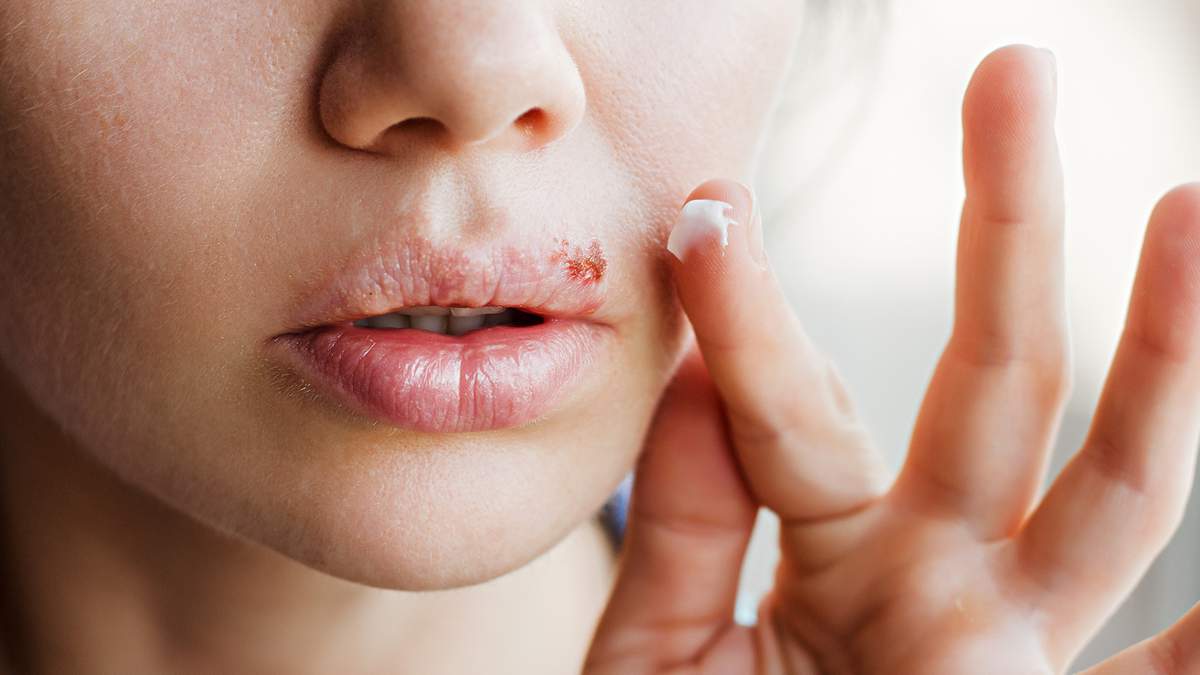
Herpes is famous for the textbook outbreak: a tingling sensation, followed by a cluster of small blisters that break, weep, and crust over before healing. In reality, the virus rarely reads the textbook. Most people with herpes never get sores at all. Many of those who do get them mistake the lesions for ingrown hairs, razor burn, jock itch, a yeast infection, or a stress-related rash.
Atypical presentations are extremely common. Some people only ever feel a faint nerve tingle on the lower back or thigh during a flare. Others report mild irritation in the rectum or vagina without any visible lesion. A first outbreak (called a primary infection) is usually the most intense: small painful ulcers, swollen lymph nodes in the groin, fever, body aches, and painful urination, all of which can resemble flu plus a UTI. Later recurrences tend to be shorter and milder, and many people stop noticing them altogether.
Because so many presentations are mild, atypical, or absent, you cannot reliably tell whether you have herpes by looking. A confident self-diagnosis based on a photo on the internet is almost always wrong in one direction or the other.
What triggers herpes outbreaks
After the primary infection settles into nerve ganglia, the virus stays dormant most of the time. Reactivation happens when the immune system is briefly distracted or stressed. Common triggers include physical illness (a cold, flu, or other infection), poor sleep, emotional stress, hormonal shifts (menstruation in particular), sun exposure to the affected area, and friction or trauma to the skin. Sunburn on the lips is a classic trigger for HSV-1 cold sores; vigorous sex can be a trigger for HSV-2 recurrences.
People who pay attention learn their personal pattern. The early warning sign (the prodrome) is usually a tingle, an itch, or a tender spot on the skin a day or two before sores appear. Catching the prodrome and starting an antiviral within hours can shorten or even abort an outbreak. Outbreaks tend to become less frequent over time, especially after the first year. The body learns the virus, the immune response gets faster, and most people see fewer flares as the years go on (NHS guidance on genital herpes).
Common outbreak triggers
- Physical illness (cold, flu, or any infection that taxes the immune system).
- Poor sleep and ongoing emotional stress.
- Hormonal shifts, especially around menstruation.
- Sun exposure to the affected area; sunburn on the lips is the classic HSV-1 trigger.
- Friction or trauma to the skin, including vigorous sex for HSV-2 recurrences.
How herpes testing works
There are two main ways to test, and they answer different questions.
Swab tests (PCR or viral culture) sample fluid from an active sore. They are the most accurate test during an outbreak and they can identify which type (HSV-1 or HSV-2) is causing the lesion. The catch is that you need a fresh sore for a swab to work; old, scabbed-over sores often produce false negatives.
Type-specific blood tests (IgG antibody tests) look for the immune response to past exposure. They do not require an active sore, but they take time to turn positive after a new infection. Antibodies typically appear within 4 to 6 weeks of infection, although the full window can extend to 12 to 16 weeks in some people. A blood test taken too soon after a possible exposure can return a false negative even when the infection is real.
One important point from the CDC's screening guidance: routine STI panels do not usually include herpes blood testing for asymptomatic people, because false-positive blood tests in low-risk populations cause real psychological harm without changing health outcomes (CDC STI Treatment Guidelines, herpes section). Herpes blood testing makes sense when you have symptoms, when a partner has tested positive, or when you specifically want to know your status before starting a new relationship.
- Swab (PCR / culture): useful within hours to days of a sore appearing; less reliable on healing or scabbed lesions.
- Blood (IgG antibody): typically positive 4 to 6 weeks after infection; up to 12 to 16 weeks in some people.
- Best practice after a possible exposure: swab any sore that appears, and re-test antibodies at 12 weeks if the early result is negative.
Antivirals: episodic vs suppressive therapy
There is no cure for herpes, but well-studied antiviral medications change daily life with the virus considerably. The three drugs in routine use are acyclovir, valacyclovir (sold as Valtrex), and famciclovir. They all work by interfering with viral replication, so the virus produces fewer copies of itself and outbreaks resolve faster.
Episodic therapy means taking antivirals only when an outbreak starts, ideally during the prodrome. A short course (typically 1 to 5 days) shortens the outbreak. This works best for people with infrequent flares.
For people with frequent or distressing recurrences, or those in relationships with an HSV-negative partner, suppressive therapy means taking a low daily dose of antiviral every day. Suppressive therapy reduces outbreak frequency considerably and decreases the rate of HSV-2 transmission to a partner, per the CDC's STI treatment guidelines. It is well-tolerated long-term, and many people stay on it for years. The decision is worth a conversation with a clinician who knows your history; the right answer depends on outbreak frequency, partner status, and how much the virus is interfering with your life.
- Reduce outbreak frequency substantially in people with frequent recurrences.
- Decrease the rate of HSV-2 transmission to an uninfected partner (<a href="https://www.cdc.gov/std/treatment-guidelines/herpes.htm" target="_blank" rel="noopener">CDC STI Treatment Guidelines</a>).
- Reduce, though not eliminate, days of asymptomatic viral shedding.
- Are well-tolerated for years of continuous use.
Herpes and pregnancy
Herpes during pregnancy raises specific concerns, but most people with a herpes diagnosis go on to have safe, healthy births. The risk to focus on is neonatal herpes, which happens when a baby is exposed to the virus during vaginal delivery. Neonatal herpes is rare but serious. The risk is much higher with a first-time genital infection acquired late in pregnancy than with a long-standing infection that pre-dates conception, because the mother has not yet developed the antibodies that partly protect the baby.
If you have a history of genital herpes, your obstetric provider will usually offer daily suppressive antivirals from around 32 weeks of pregnancy to reduce the chance of an active outbreak at the time of labor. If there are active genital lesions or prodrome symptoms when labor begins, a cesarean delivery is typically recommended to bypass the infected area. Both interventions are routine, well-studied, and effective. The most important step is telling your prenatal provider early so a plan is in place (NHS guidance on genital herpes in pregnancy).
Pregnant women without herpes should also know that contracting HSV from a partner late in pregnancy carries the highest neonatal risk. If a partner has known herpes, the conversation about avoiding new infection during pregnancy is worth having explicitly.
- Long-standing maternal HSV (before pregnancy): low neonatal risk in most cases; protective antibodies cross the placenta.
- New maternal HSV in early pregnancy: antibodies usually develop in time before delivery; risk is intermediate.
- New maternal HSV in the third trimester: the highest-risk scenario; not enough time to build protective antibodies before birth. Tell your prenatal provider immediately if you suspect a new exposure.
Why herpes raises your risk for other STIs
Active genital herpes lesions disrupt the skin barrier, which makes it easier for other sexually transmitted infections, including HIV, to enter the body. The CDC's STI treatment guidelines note that genital herpes can increase the risk of acquiring HIV two to three times during exposure to an infected partner (CDC STI Treatment Guidelines). A sore opens a small entry point, and the immune cells that gather around a herpes lesion happen to be the cells HIV preferentially infects.
For that reason, a herpes diagnosis is a good prompt to run a full STI screen rather than just confirming HSV. Chlamydia, gonorrhea, syphilis, and HIV are all reasonable additions to a single testing visit, especially when a recent exposure prompted the herpes test in the first place.
Most people with genital herpes have no symptoms, or have very mild symptoms. You may not notice mild symptoms or you may mistake them for another skin condition.
The mental health side of a diagnosis
Shame, isolation, and fear of rejection hit harder than the physical symptoms for most people with a new diagnosis. These reactions are not signs of weakness. They are predictable responses to decades of cultural messaging that frames any STI as a moral failure, and they generally fade as the diagnosis becomes ordinary information rather than identity-defining news.
Two things help. A therapist (especially one with experience around sexual health or chronic illness) can help disentangle the diagnosis itself from the meaning attached to it. Online communities of people living with herpes can also counter the sense of being the only person you know with HSV. The American Sexual Health Association maintains a list of resources, hotlines, and peer-support groups for people newly navigating a diagnosis (ASHA herpes resources).
If a herpes diagnosis is producing depressive symptoms, panic attacks, or persistent anxiety, that is a clinical signal worth treating like any other prolonged psychological distress. Get support; do not wait it out alone.
Coping principles
- The diagnosis describes a virus, not a moral status. Most carriers have no idea they have it.
- Information narrows the spiral. Knowing your type, your typical pattern, and your treatment options replaces vague dread with manageable specifics.
- Disclosure usually goes better than the dread predicts. Empathic responses are the norm, especially when you lead with calm facts.
- Sustained anxiety or depression after a diagnosis is treatable. Talk to a clinician or therapist.
Telling a partner about herpes
Disclosure is the part most people dread, and it is also the part that, in practice, goes better than the dread predicts. A few principles help.
Pick the moment. Not in the middle of getting undressed, not under the influence of alcohol, not in a public space where the conversation can be cut short. A calm one-on-one conversation before things turn sexual is the right shape.
Lead with information, not apology. The script does not need to be elaborate. Something like "I want to tell you something about my health before we go further. I have herpes. It is incredibly common and well-managed. I am happy to walk you through what that means in practice and answer any questions" is plenty. You are not confessing; you are sharing the information a thoughtful partner needs to make an informed choice.
Have the facts ready. Knowing your type, your typical outbreak frequency, whether you take antivirals, and the rough numbers on transmission risk lets the conversation move forward calmly. A partner who responds with empathy and questions is the kind of partner you wanted in the first place.
You do not have to memorize this, but a sentence or two of structure helps:
- Lead-in: "There's something about my health I want to share before we go further."
- The fact: "I have HSV-[type]. It is very common, and I have it well-managed."
- The reassurance: "I take antivirals / avoid sex during outbreaks / use protection. My risk to a partner is low, but it is not zero, and you should know that before we make any decisions together."
- The invitation: "Happy to answer anything, and to give you time to think it over."
The stubborn myths, dismantled
A short pass through the myths that cause the most damage. The table below pairs the common misconception with what the evidence actually shows.
| Myth | Reality |
|---|---|
| Only people with many partners get herpes. | A single exposure is enough, and many people get it from a long-term monogamous partner who did not know they had it. |
| You can always tell if someone has herpes. | Most people who have it have no visible symptoms, ever. Some are unaware they carry it for life. |
| Herpes destroys your sex life. | With disclosure, antivirals when appropriate, and abstinence during outbreaks, most people with herpes have ordinary, satisfying sex lives. |
| You cannot get herpes from a cold sore. | Oral HSV-1 spreads to the genitals through oral sex. The virus does not respect anatomical labels. |
| Herpes is rare. | More than half the global population under 50 carries HSV-1, and roughly one in eight carries HSV-2. |
| A toilet seat can transmit herpes. | The virus does not survive long on hard surfaces and needs direct skin contact to spread. |
At-home herpes testing: where it fits
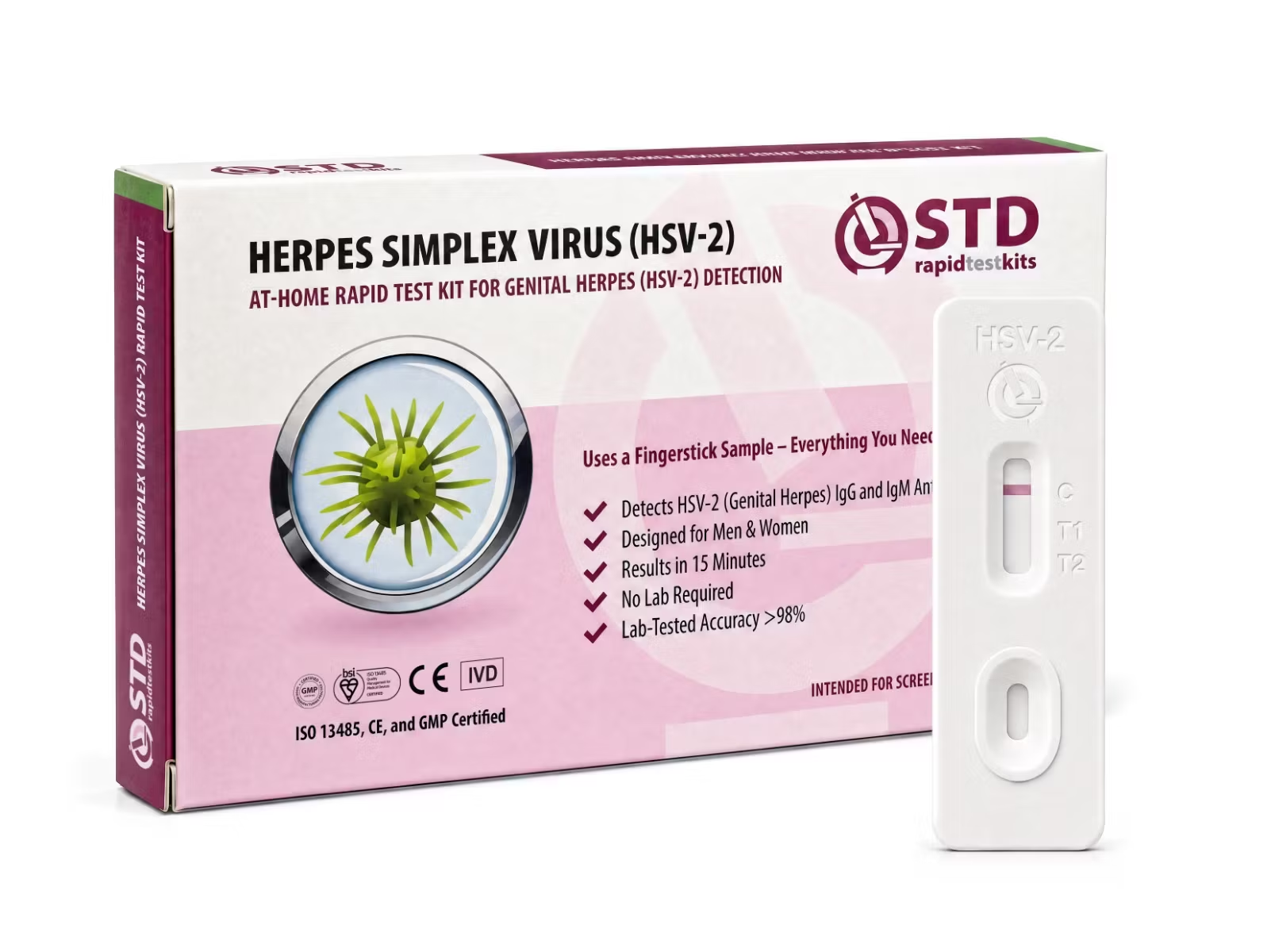
At-home herpes testing has expanded considerably over the last few years. Two formats are worth knowing about. Rapid lateral-flow blood tests (the kind we sell) screen for HSV antibodies from a fingerprick sample and produce a result at home in roughly 15 minutes. Mail-in lab kits from third parties use a fingerprick or saliva sample run through a reference laboratory, with results returned online in a few days.
Rapid lateral-flow tests are useful for screening when you have had a known exposure, when a partner has tested positive, or when you want a private answer before a clinic visit. They use the same antibody-detection logic as a clinic blood test, with different chemistry. A positive lateral-flow result is worth confirming with a laboratory test, especially if it changes a major decision. Lab NAAT/PCR remains the most sensitive option overall, particularly during an active outbreak when a swab can be taken directly from a sore.
The right choice depends on your situation. If you have an active sore, a clinician swab is most informative. If you want to know your antibody status quietly at home, a rapid blood test or a mail-in lab is reasonable.
- Active sore right now: a clinician-collected swab (PCR or culture) is the most informative option, and it identifies the type.
- Recent partner positive, no symptoms: a type-specific antibody test, repeated at 12 weeks if the early result is negative.
- Quiet check before a new relationship: a rapid at-home antibody test or mail-in lab works for screening; confirm any positive with a clinician.
- Pregnant with a history of HSV: see your prenatal provider directly, no kit substitutes for that conversation.
Frequently asked questions
- Can I get herpes from a toilet seat?
- No. The virus does not survive long on hard surfaces and needs direct contact with skin or mucous membranes to spread.
- How long after exposure will I test positive?
- For an antibody test, wait at least 6 weeks and re-test at 12 weeks if negative. For an active sore, a swab can confirm an infection within days of it appearing.
- What is the difference between HSV-1 and HSV-2?
- HSV-1 typically causes oral cold sores and increasingly causes genital herpes through oral sex. HSV-2 typically causes genital herpes. Either type can show up in either location depending on where the original exposure happened.
- Do condoms prevent herpes?
- Condoms reduce the risk but do not eliminate it. Herpes can be present on skin not covered by a condom (upper thighs, vulva, scrotum), and viral shedding from those areas can still transmit.
- Can I have a normal sex life with herpes?
- Yes. With honest disclosure, antiviral medication when appropriate, and abstinence during active outbreaks, most people with herpes have entirely ordinary sex lives.
- Will I know if I have herpes without testing?
- Probably not. Most people with herpes never have noticeable symptoms, and those who do often mistake mild outbreaks for other skin conditions. A test is the only reliable confirmation.
- Is daily antiviral therapy safe long-term?
- Yes. Acyclovir and valacyclovir have been used safely for decades and are well-tolerated for years of continuous use. Discuss the right approach with your clinician based on outbreak frequency and partner status.
- Can I pass herpes to my baby during pregnancy?
- It is rare but possible, mainly during vaginal delivery if active genital lesions are present. Daily antiviral suppression from around 32 weeks of pregnancy and a cesarean delivery when sores are active dramatically reduce the risk. Tell your prenatal provider early so a plan is in place.
- U.S. Centers for Disease Control and Prevention. About Genital Herpes patient information page. Covers transmission, symptom variability, condom-protection limits, and testing guidance.
- World Health Organization. Herpes simplex virus fact sheet. Source of the global prevalence figures cited for HSV-1 and HSV-2 in adults under 50.
- U.S. Centers for Disease Control and Prevention. STI Treatment Guidelines, herpes section. Source for episodic vs suppressive antiviral protocols, the qualitative HSV-2 transmission-reduction note, the two-to-threefold HIV-acquisition risk increase, and CDC guidance against routine herpes blood testing in asymptomatic populations.
- UK National Health Service. Genital herpes overview. Source for symptom presentation, outbreak triggers, recurrence patterns, and pregnancy guidance including suppressive antivirals from week 32.
- American Sexual Health Association. Herpes resources, peer-support, and stigma reduction.
