Published: August 2025 | Last updated: May 2026 | Editorial review and quality control: Martina N.
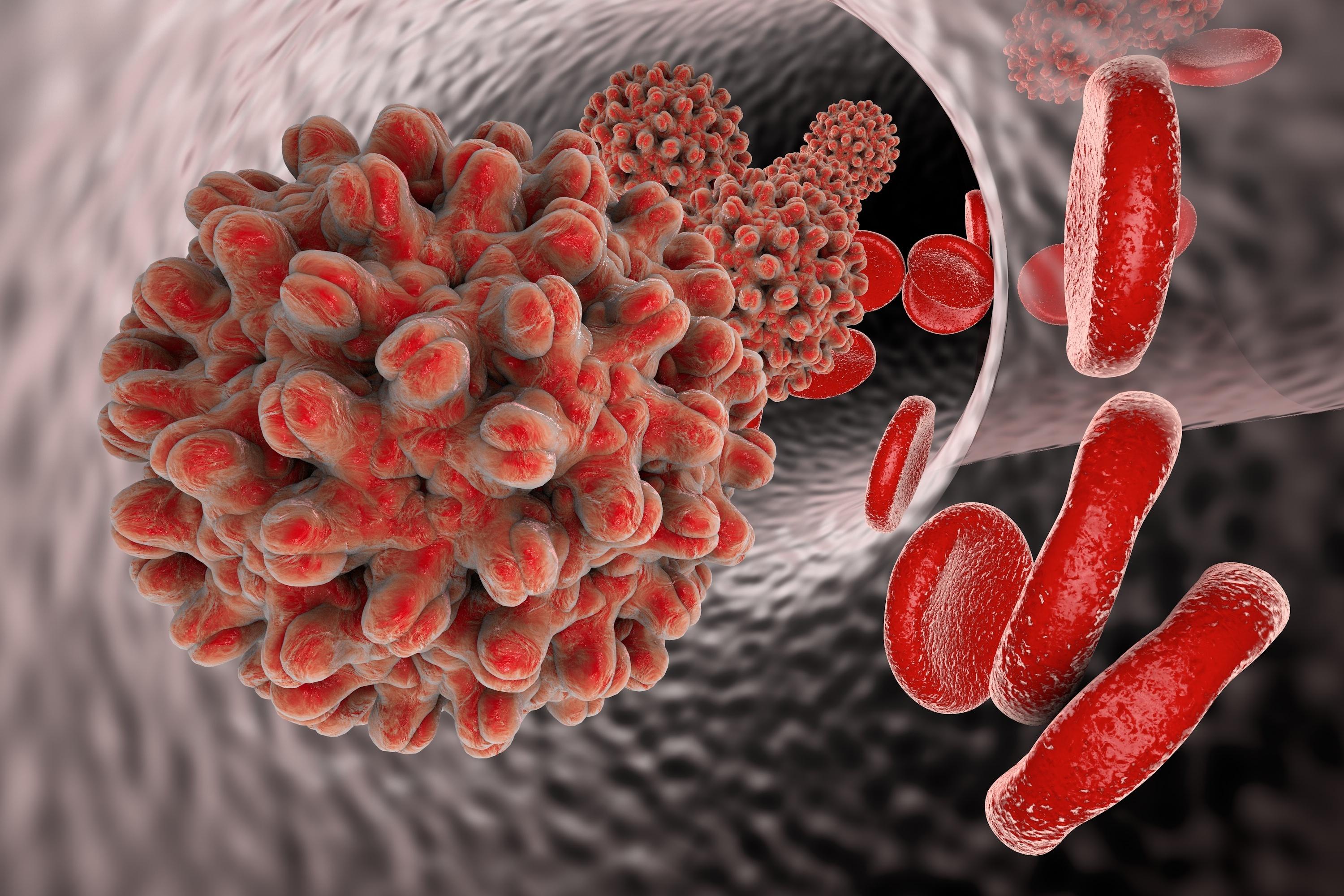
Hepatitis B is a liver infection caused by the hepatitis B virus (HBV). It is one of the most common viral infections in the world, with an estimated 254 million people living with chronic infection in 2022 according to the World Health Organization. Most people who carry HBV do not know they have it, because the virus rarely produces obvious symptoms during its earliest years.
This guide walks through what hepatitis B is in clinical terms, how it spreads, the symptoms worth recognizing, and the prevention tools that make this one of the most preventable serious viral infections in modern medicine. Read the testing section first if you are worried about a recent exposure. If you are reading as background, the vaccine and prevention sections cover what to ask your provider. A dedicated comparison further down covers how hepatitis B differs from hepatitis C, since the two viruses sit next to each other in most testing panels and reader questions.
Key Takeaways
- An estimated 254 million people live with chronic hepatitis B globally, and most do not know because the virus rarely causes symptoms until liver damage is already underway.
- The HBV vaccine offers nearly 100 percent protection in healthy recipients after the full series, and at-home antigen testing makes routine screening possible without a clinic visit.
What Is Hepatitis B?
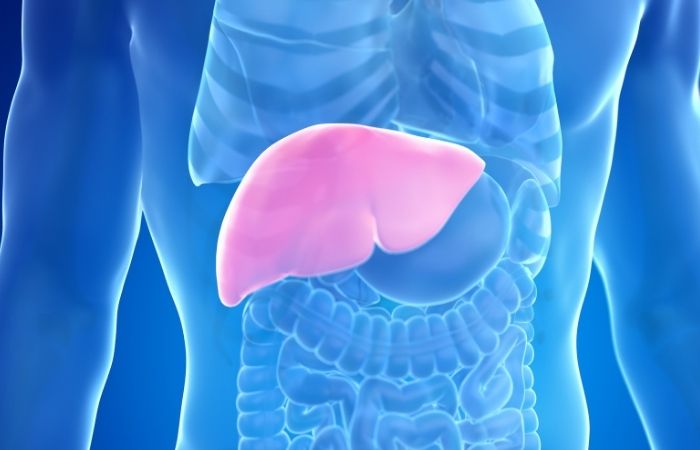
Hepatitis B is a viral infection that targets the liver. The virus (called HBV) reproduces inside liver cells and triggers immune-system inflammation that, over months or years, can scar the organ enough to cause liver failure or liver cancer.
The infection takes two clinical forms. Acute hepatitis B is the early phase that follows initial exposure, usually within six months. Some people clear the virus naturally during this window thanks to a strong immune response. Chronic hepatitis B is what happens when the immune system cannot clear it; the infection then persists for years or even a lifetime, often without producing dramatic symptoms.
Whether acute infection becomes chronic depends heavily on age at exposure. According to the CDC clinical overview of hepatitis B, about 90 percent of infants infected at birth develop chronic hepatitis B, compared with roughly 5 percent of adults who acquire the virus. That age gradient is why newborn vaccination within 24 hours of birth became a global standard, catching the highest-risk transmission window before the infant immune system can mount a clearing response.
Hepatitis B is a separate virus from hepatitis A and hepatitis C, even though all three target the liver. Hepatitis A is typically food and water-borne and clears completely. Hepatitis C spreads almost entirely through blood-to-blood contact and is now curable with antiviral medication. Hepatitis B sits between them: spread by blood and sexual fluids, often chronic, manageable rather than curable when chronic, and very effectively prevented by a vaccine that hepatitis C still lacks.
Most people who become chronically infected with hepatitis B do not experience symptoms, while continuing to develop into a serious disease that may lead to liver cirrhosis and hepatocellular carcinoma.
How Hepatitis B Spreads
HBV lives in blood, semen, and other body fluids of an infected person. The virus is highly transmissible per equivalent blood exposure, which is why even small amounts of infected fluid entering a mucous membrane or open skin can establish infection.
The main routes of transmission are:
- Unprotected vaginal or anal sex with an infected partner.
- Sharing needles or syringes, including injection drug use, and tattoo or piercing equipment that has not been properly sterilized.
- Mother to child during childbirth, which is the leading transmission route worldwide in the absence of vaccination.
- Sharing personal items that may carry blood, such as razors, toothbrushes, or nail clippers.
- Direct blood-to-blood contact through cuts, wounds, or accidental needle-stick injuries in healthcare and laboratory settings.
HBV does not spread through casual contact. You cannot catch hepatitis B from hugging, shaking hands, sharing food or utensils, sneezing, coughing, breastfeeding (when the infant is vaccinated), or kissing on closed lips. The virus is present in saliva at low levels, though routine kissing without blood involvement carries minimal documented risk.
Oral sex carries some risk, especially when there are open sores, gum disease, mouth ulcers, or recent dental work that brings blood into contact. The risk is lower than vaginal or anal sex while still meaningful, particularly with multiple partners or untreated co-infections that cause genital lesions.
HBV is unusually durable outside the body. Per the CDC clinical overview, the virus can remain infectious on surfaces for at least seven days, which is why shared razors, blood-spill surfaces, and inadequately sterilized tattoo equipment matter even when there is no visible blood.
Symptoms of Hepatitis B
Hepatitis B is often described as a silent infection because many people develop no symptoms at all, especially during the acute phase. When symptoms do appear, they typically arrive between 60 and 150 days after exposure (an average of about 90 days), per the CDC clinical overview of the HBV incubation period.
The symptoms that do appear are not specific to hepatitis B and overlap with many other conditions:
- Persistent fatigue that does not resolve with rest.
- Yellowing of the skin or whites of the eyes (jaundice).
- Dark, tea-colored urine.
- Pale or clay-colored stools.
- Loss of appetite, nausea, or vomiting.
- Pain or discomfort in the upper right abdomen, where the liver sits.
- Joint pain or low-grade fever.
Children under five and adults with weakened immune systems are particularly likely to have no symptoms during acute infection. That partly explains why chronic hepatitis B is so often diagnosed only after liver damage has already started, when investigative blood work or imaging picks up something unusual.
If you notice jaundice, dark urine, or severe right-sided abdominal pain together, do not wait. These signs can indicate active liver inflammation. Gallstones, drug reactions, and other conditions can produce similar symptoms, so the diagnostic workup ranges beyond hepatitis B; the constellation warrants same-week medical evaluation in any case.
Liver damage from chronic hepatitis B accumulates silently. Many people feel completely well for years while inflammation slowly scars the liver. By the time fatigue, jaundice, or abdominal swelling appears, fibrosis or early cirrhosis may already be established. Routine HBV screening with a simple blood test is the only reliable way to catch chronic infection during the window when monitoring and treatment can prevent serious damage.
Acute vs Chronic Hepatitis B and the Long-Term Risks
Acute hepatitis B refers to the first six months after exposure. During this phase, the immune system can either clear the virus completely or fail to do so. In healthy adults, the immune system clears HBV in roughly 95 percent of cases without needing antiviral medication. The body then develops antibodies that protect against re-infection for life.
Chronic hepatitis B begins when the body cannot clear HBV within six months. The hepatitis B surface antigen (HBsAg) remains detectable in blood, and the virus continues to replicate in liver cells. People with chronic infection are infectious to others and at long-term risk of liver complications.
The likelihood of chronic infection depends heavily on age at exposure:
- Around 90 percent of infants infected at birth develop chronic infection, because the infant immune system cannot mount a clearing response.
- Roughly 25 to 50 percent of children infected between one and five years old develop chronic infection.
- Less than 5 percent of otherwise healthy adults who acquire HBV develop chronic infection.
Untreated chronic hepatitis B carries several long-term complications that drive public-health screening priorities:
- Liver fibrosis: scarring of liver tissue that begins reducing organ function.
- Cirrhosis: advanced scarring where the liver becomes nodular and stiff. Cirrhosis can progress to liver failure, internal bleeding, and impaired filtering of toxins from the blood.
- Hepatocellular carcinoma (liver cancer): HBV is one of the leading causes of primary liver cancer worldwide. The WHO reports an estimated 1.1 million deaths in 2022 from hepatitis B-related complications, mostly from cirrhosis and liver cancer.
None of these outcomes are inevitable. Modern antiviral medications can suppress HBV replication, slow liver damage, and substantially reduce cancer risk when chronic infection is identified before significant scarring develops.
Infants infected at birth become chronic carriers about 90 percent of the time. Children aged 1 to 5 develop chronic infection in roughly 25 to 50 percent of cases. Adults who acquire HBV develop chronic infection in fewer than 5 percent of cases. That gradient is the single biggest reason newborn vaccination is a global public-health priority.
Who Should Get Tested for Hepatitis B
The CDC 2023 MMWR Recommendations and Reports now recommend that all adults aged 18 and older be screened for hepatitis B at least once in their lifetime, using a triple panel that checks for surface antigen (HBsAg), antibody to surface antigen (anti-HBs), and antibody to core antigen (anti-HBc). Universal screening replaces older guidance that limited testing to people with specific risk factors.
Some groups should test more often or sooner:
- Anyone born in a country with moderate or high HBV prevalence (much of Asia, sub-Saharan Africa, the Pacific Islands, and parts of Eastern Europe and Latin America).
- People whose mother had hepatitis B at the time of their birth.
- People who inject drugs or have shared injection equipment.
- Men who have sex with men, particularly those with multiple partners or HIV co-infection.
- People living with HIV or hepatitis C.
- Pregnant individuals at their first prenatal visit; testing during pregnancy is a public-health standard because vertical transmission is preventable.
- Anyone whose sexual partner has hepatitis B or whose status is unknown.
- Healthcare workers and others with occupational blood exposure.
- Dialysis patients and recipients of transfusions or organ transplants in settings without modern blood-screening.
If you fall into more than one category, periodic re-testing (every one to three years, or after a known exposure) is the practical default. Testing is a snapshot rather than a permanent verdict, and incidence in higher-risk groups is meaningful enough that a single negative result a decade ago does not guarantee a current negative.
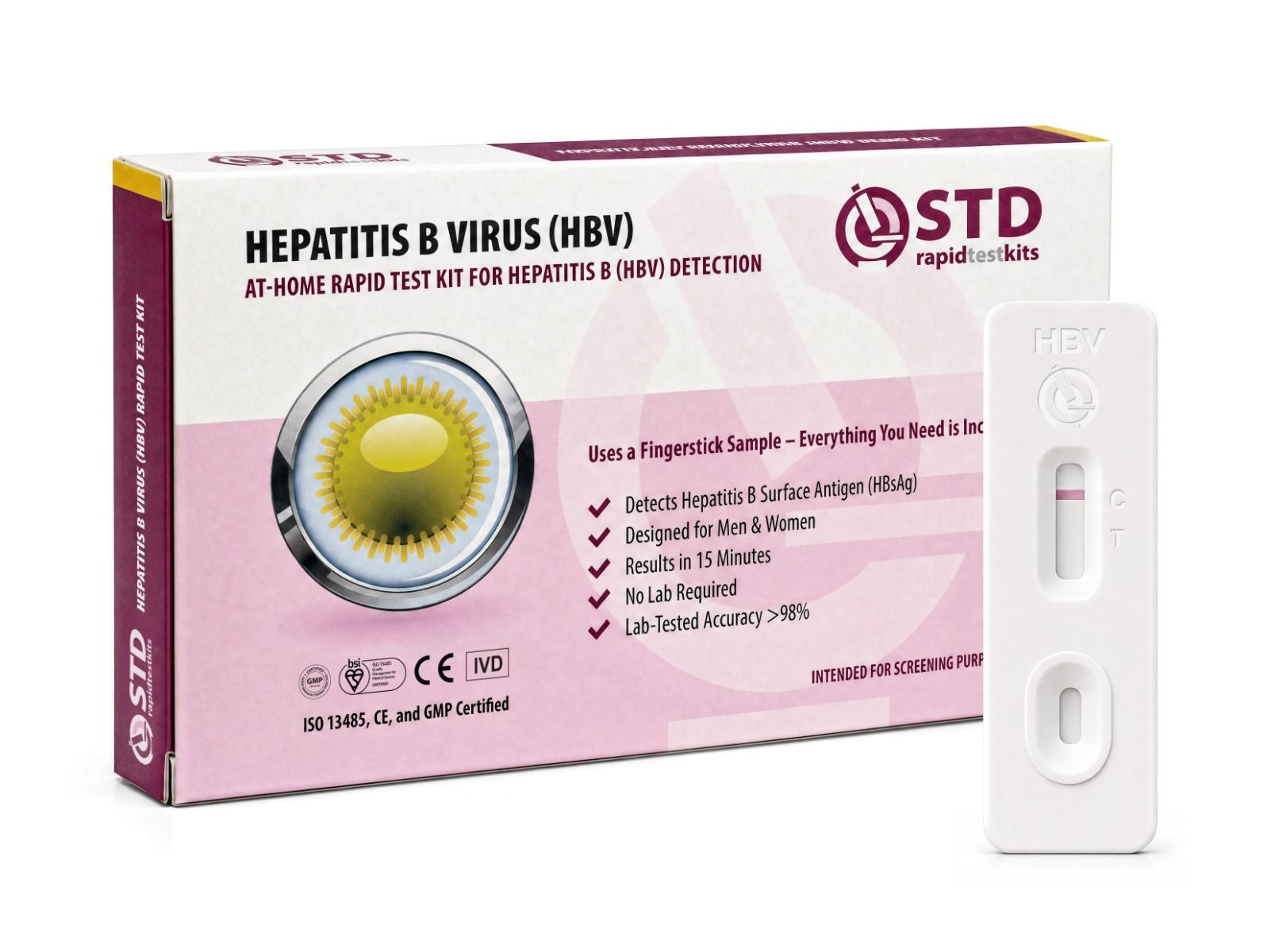
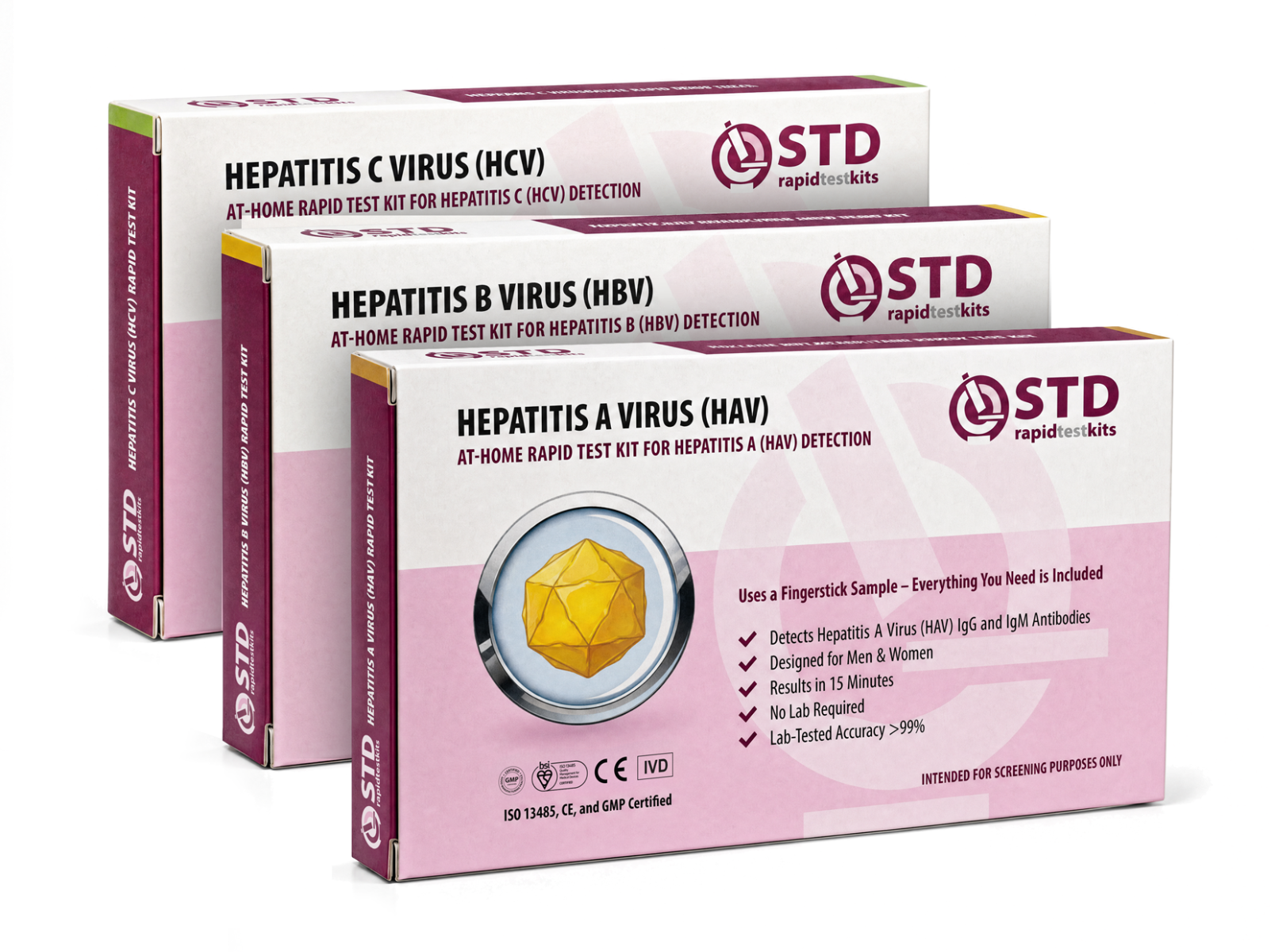
Disclosure: stdrapidtestkits.com sells rapid at-home hepatitis B tests; the kit shown below is featured because it fits this article's topic, not because of any additional commercial arrangement.
How Hepatitis B Testing Works
Hepatitis B testing relies on detecting specific viral proteins and antibodies in blood. Three markers carry most of the diagnostic weight:
- HBsAg (hepatitis B surface antigen): presence indicates active infection, either acute or chronic. Per the CDC Pink Book chapter on hepatitis B, HBsAg can be detected as early as 1 or 2 weeks and as late as 11 or 12 weeks after exposure.
- Anti-HBs (antibody to surface antigen): presence indicates immunity, either from past resolved infection or from vaccination. Quantitative anti-HBs levels above 10 mIU/mL are considered protective.
- Anti-HBc (antibody to core antigen): presence indicates past or current infection (though never vaccination). The combination of these three markers tells a clinician whether you are infected, immune, susceptible, or recovering.
For at-home use, lateral-flow rapid tests detect HBsAg from a small fingerstick blood sample. A positive at-home result needs lab confirmation with the full marker panel, because management decisions depend on whether the infection is acute or chronic, viral load, and liver enzyme levels. Negative at-home results are meaningful for routine screening; positives are a signal to follow up promptly with a healthcare provider for confirmatory testing and a liver assessment.
For routine screening, waiting at least 6 weeks after exposure produces a reliable result. For full reassurance after a recent high-risk exposure, the standard medical recommendation is to retest at six months with the complete marker panel, because the complete immune-marker picture takes time to develop.
Treatment Options for Hepatitis B
Treatment depends on whether the infection is acute or chronic, and on how active the virus is. Acute hepatitis B usually does not require antiviral medication. Care focuses on rest, hydration, adequate nutrition, and avoiding substances that stress the liver (alcohol and certain over-the-counter medications). The immune system clears the virus in most healthy adults within six months.
No cure exists yet for chronic hepatitis B, though long-term antiviral therapy can keep the virus suppressed and substantially reduce the risk of serious complications. Treatment aims to suppress viral replication, reduce liver inflammation, and slow or prevent the progression to cirrhosis and liver cancer. Two main classes of medication are used:
- Nucleos(t)ide analogues such as tenofovir disoproxil fumarate, tenofovir alafenamide, and entecavir. These are oral tablets taken once daily that block HBV replication. They are highly effective and well tolerated for long-term use.
- Pegylated interferon-alfa, an injected medication used for some patients, particularly those with specific HBV genotypes or co-infections. Treatment courses are shorter, while side effects are more significant.
Treatment decisions depend on liver enzyme levels, HBV DNA viral load, signs of liver damage (assessed through bloodwork, ultrasound, or specialized imaging), and individual factors such as pregnancy or co-existing conditions. Not everyone with chronic hepatitis B needs medication immediately; some people enter a phase called the inactive carrier state, where the virus is present without actively damaging the liver, and monitoring alone is appropriate.
Several therapeutic candidates targeting sustained HBsAg loss, a functional cure, are in mid- and late-stage clinical trials, though none have yet reached licensure.
| Aspect | Acute hepatitis B | Chronic hepatitis B |
|---|---|---|
| Duration | First 6 months after exposure | Persists beyond 6 months, often for life |
| Antiviral medication | Usually not needed | Sometimes needed, depending on viral load and liver damage |
| Main interventions | Rest, hydration, nutrition, avoid alcohol | Nucleos(t)ide analogues or pegylated interferon-alfa |
| Monitoring | Liver enzymes and HBsAg until clearance | HBV DNA, liver enzymes, imaging every 6 to 12 months |
| Typical outcome in adults | About 95 percent clear the virus and develop lasting immunity | Lifelong infection in most cases, with cirrhosis and cancer risk reduced by treatment |
The Hepatitis B Vaccine: How It Works
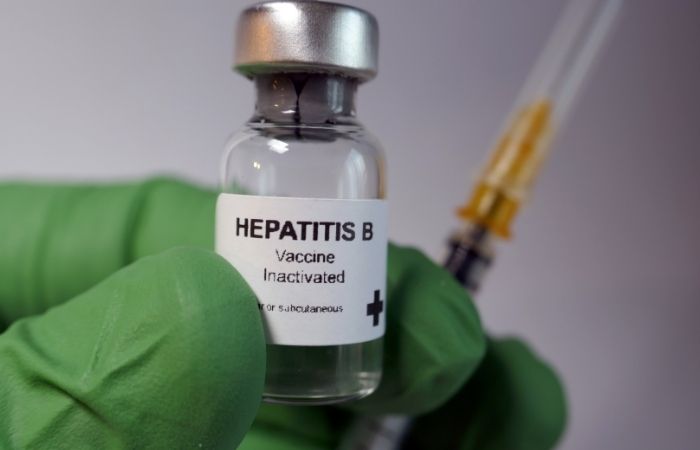
HBV vaccination uses a non-infectious portion of the viral surface protein, manufactured through recombinant DNA technology, to teach the immune system to recognize and neutralize HBV. The vaccine cannot cause hepatitis B because no live virus or viral DNA is present.
According to CDC hepatitis B vaccine administration guidance, the standard vaccine schedule is three doses for most adults: a first injection, a second one to two months later, and a third six months after the first. A newer two-dose schedule (Heplisav-B) is available for adults 18 and older and completes in just one month. The WHO Hepatitis B Fact Sheet describes the vaccine as offering nearly 100 percent protection against the virus in healthy recipients after the full series.
Routine vaccination starts at birth in most countries. In the United States, the first dose is given within 24 hours of birth, with follow-up doses through the first year. Universal infant vaccination is the single most effective tool against hepatitis B globally, because it interrupts the highest-risk transmission route (mother to infant) and provides decades of protection.
Adults who were not vaccinated as infants can complete the series at any point. There is no clinical penalty for catching up later. The vaccine is recommended for all adults aged 19 to 59, and for adults 60 and older with risk factors. Protection lasts for at least 30 years in most recipients, and likely for life. Booster doses are not routinely recommended for healthy adults, though immunocompromised individuals may need additional doses based on antibody testing.

Hepatitis B vs Hepatitis C: Key Differences
Both viruses infect the liver, both can become chronic, and both can cause cirrhosis or liver cancer. Hepatitis B and hepatitis C still differ substantially in how they spread, how they are treated, and what prevention looks like.
Hepatitis B is more readily transmitted sexually and is the more common viral hepatitis worldwide thanks to mother-to-child transmission in unvaccinated populations. Hepatitis C affects an estimated 50 million people with chronic infection globally per the World Health Organization, with about 1.0 million new infections per year. It spreads almost entirely through blood-to-blood contact, with sexual transmission documented and uncommon outside specific risk contexts (multiple partners, rough or anal sex, co-occurring genital lesions, HIV co-infection).
The two viruses behave differently after acute infection too. More than half of adults who acquire hepatitis C develop chronic infection per the CDC clinical overview of hepatitis C, while the remainder clear the virus spontaneously. Hepatitis B largely reverses that ratio in adults: roughly 95 percent of healthy adult HBV cases clear, and only about 5 percent progress to chronic infection. The two viruses converge in infants and young children, where chronicity risk is far higher in both, though the at-birth gradient is steepest for HBV.
Treatment diverges most sharply between the two viruses. Chronic hepatitis B has no cure; daily antivirals keep the virus suppressed, and treatment typically continues indefinitely. Chronic hepatitis C is curable in over 95 percent of cases with direct-acting antiviral medications (brand names include Epclusa, Mavyret, Harvoni, and Zepatier) taken for 8 to 12 weeks. A successful course of hepatitis C treatment eliminates the virus from the body, and reinfection requires fresh exposure rather than relapse.
Detection gaps remain a major obstacle for both viruses. The CDC 2023 viral hepatitis surveillance report for hepatitis C recorded 4,966 reported acute hepatitis C cases for that year against an estimated 69,000 actual acute infections after adjusting for underreporting, a gap that signals how often the virus goes uncounted. Awareness is similarly incomplete for chronic HBV. That is why universal one-time screening of adults is now the recommended standard for both infections, and why the combined Hep B + Hep C panel is the practical default for anyone whose risk profile spans both blood-to-blood and sexual exposure routes.
Vaccination flips the picture entirely. The HBV vaccine has existed since the 1980s and now protects entire generations. There is currently no licensed hepatitis C vaccine, despite decades of research, because HCV mutates rapidly enough to evade vaccine-induced immunity.
| Feature | Hepatitis B | Hepatitis C |
|---|---|---|
| Virus type | DNA virus (HBV) | RNA virus (HCV) |
| Global chronic infections | Around 254 million (WHO, 2022) | Around 50 million (WHO) |
| Primary transmission | Blood, semen, mother to child | Blood to blood |
| Sexual transmission | Common, especially without barrier protection | Uncommon outside specific risk contexts |
| Vaccine available | Yes, nearly 100 percent protection after full series | No licensed vaccine yet |
| Chronic infection risk in adults | Around 5 percent of acute cases | More than half of acute cases (CDC) |
| Curable | Suppressible with long-term antivirals; no cure yet | Over 95 percent cure rate with 8 to 12 weeks of DAAs |
| Reliable testing window | About 1 to 12 weeks for HBsAg, 6 months for full panel | About 8 to 11 weeks for HCV antibodies (<a href="https://www.cdc.gov/hepatitis-c/hcp/diagnosis-testing/index.html" target="_blank" rel="noopener">CDC HCV testing guidance</a>) |
Living with Hepatitis B
A chronic hepatitis B diagnosis is significant and rarely ends normal life. Most people living with chronic HBV remain healthy for decades with appropriate monitoring, particularly when liver enzymes stay normal and viral loads stay low. Many never need antiviral medication at all.
Practical guidance for chronic carriers includes:
- See a hepatologist or experienced primary-care provider every 6 to 12 months for liver enzyme tests, HBV DNA measurement, and (when appropriate) imaging to screen for early signs of liver cancer.
- Limit or avoid alcohol, which compounds liver damage from HBV.
- Be cautious with over-the-counter medications metabolized by the liver, particularly acetaminophen at high doses, and check with your provider before starting new prescriptions.
- Disclose your status to sexual partners and offer them vaccination. A fully vaccinated partner is protected against transmission.
- Stay current on hepatitis A vaccination (a separate vaccine) and discuss hepatitis D screening if you have chronic HBV, since HDV co-infection accelerates liver damage.
- If you are planning pregnancy, talk with your provider about prenatal management; vertical transmission is preventable when the infant receives both the vaccine and hepatitis B immune globulin within 12 hours of birth.
Stigma around hepatitis B remains a barrier to testing and disclosure in some communities. Direct disclosure backed by accurate medical facts (the partner can be vaccinated; condoms add an additional barrier; viral loads can be measured and managed) usually moves the conversation past stigma faster than avoidance does.
What Knowing Your Hepatitis B Status Changes
Knowing your hepatitis B status changes the clinical picture entirely. If you are uninfected and unvaccinated, a single course of the HBV vaccine drops your lifetime risk close to zero. If you are immune from a past resolved infection, you can stop worrying about new exposures. If you carry the chronic form, regular monitoring and (when needed) antiviral treatment can prevent cirrhosis and liver cancer that would otherwise develop silently.
The CDC now recommends every adult be screened at least once. If that has not happened for you yet, at-home antigen testing or a clinic blood draw will tell you which of those three places you are in within a few minutes.
Uninfected and unvaccinated: complete the HBV vaccine series (two or three doses depending on schedule). Your lifetime risk drops close to zero.
Immune from past infection or vaccination: no further action needed. Anti-HBs above 10 mIU/mL is considered protective.
Chronic carrier (HBsAg positive at six months): follow up with a hepatologist or experienced primary-care provider for liver enzyme testing, HBV DNA measurement, and a long-term monitoring plan. Antiviral treatment is added when liver damage or high viral activity is present.
Frequently Asked Questions
- Is hepatitis B a sexually transmitted infection?
- Yes. Hepatitis B is transmitted through sexual contact, particularly unprotected vaginal or anal sex. It is one of the most common sexually transmitted infections worldwide, though it also spreads through other blood-to-blood routes and from mother to infant at birth.
- Can you have hepatitis B without knowing it?
- Yes, very commonly. Many people show no symptoms for months or years. That is why the CDC now recommends every adult get screened at least once, and more often if you have risk factors such as multiple partners, prior injection drug use, or birth in a region with high HBV prevalence.
- Is hepatitis B curable?
- Acute hepatitis B resolves on its own in roughly 95 percent of healthy adults. Chronic hepatitis B has no current cure. Long-term monitoring and antiviral treatment can suppress the virus and substantially reduce the risk of cirrhosis and liver cancer. By contrast, chronic hepatitis C is curable in over 95 percent of cases with 8 to 12 weeks of direct-acting antiviral medication.
- How long after exposure should I test for hepatitis B?
- Wait at least 6 weeks before relying on a screening result. HBsAg, the surface-antigen marker that home rapid tests pick up, usually becomes detectable somewhere between the first month and the third month after exposure. If your exposure was high-risk and you want a definitive answer, also schedule a full marker panel at the six-month mark.
- Can I get hepatitis B from kissing?
- Routine kissing on closed lips carries minimal risk. HBV is present in saliva at low levels and does not spread efficiently that way. Risk rises when blood is involved, for example through gum disease, mouth injuries, or oral piercings that bleed.
- Is the hepatitis B vaccine safe?
- Yes. The HBV vaccine has been in routine use since the 1980s with an excellent safety record. It is made from a non-infectious portion of the viral surface protein, so it cannot cause hepatitis B. Side effects are usually mild and local (soreness at the injection site, brief tiredness).
- Can I have sex if I have hepatitis B?
- Yes. Use condoms and disclose your status. If your partner is fully vaccinated (or is immune from a past resolved infection), they are protected against transmission. If they are unvaccinated, vaccination is the most effective long-term solution; in the meantime, consistent barrier protection lowers risk.
- How is hepatitis B different from hepatitis C?
- Hepatitis B has a highly effective vaccine and, when chronic, requires long-term antiviral suppression because no cure exists yet. Hepatitis C has no licensed vaccine while being curable in over 95 percent of cases with 8 to 12 weeks of direct-acting antivirals such as Epclusa, Mavyret, Harvoni, or Zepatier. Hep B spreads more readily through sexual contact; Hep C spreads almost entirely through blood-to-blood contact. The WHO estimates 254 million chronic Hep B infections and 50 million chronic Hep C infections globally.
- U.S. Centers for Disease Control and Prevention. Clinical overview of hepatitis B, including transmission routes, incubation period (60 to 150 days, average 90 days), surface-survival duration (at least 7 days), and 90 percent infant chronicity rate.
- U.S. Centers for Disease Control and Prevention. Screening and Testing for Hepatitis B Virus Infection: CDC Recommendations, United States, 2023 (MMWR Recommendations and Reports), source for the universal adult screening recommendation.
- U.S. Centers for Disease Control and Prevention. Hepatitis B vaccine administration: schedule, doses, and intervals for both the 3-dose series and the 2-dose Heplisav-B series for adults 18 and older.
- World Health Organization. Hepatitis B Fact Sheet, including global prevalence (254 million chronic infections in 2022), an estimated 1.1 million deaths in 2022 from hepatitis B-related complications, and 'nearly 100 percent protection' from the vaccine in healthy recipients.
- World Health Organization. Hepatitis C Fact Sheet, including the 50 million global chronic infection estimate and approximately 1.0 million new infections per year. Used here for the Hep B vs Hep C comparison.
- U.S. Centers for Disease Control and Prevention. Clinical overview of hepatitis C, source for 'more than half' of acutely infected people developing chronic infection, and for the over-95-percent cure rate with direct-acting antivirals.
- U.S. Centers for Disease Control and Prevention. 2023 Viral Hepatitis Surveillance: Hepatitis C, source for the gap between 4,966 reported acute hepatitis C cases in 2023 and the estimated 69,000 actual acute infections after adjusting for under-ascertainment, which reflects substantial under-detection of HCV in the United States.
- U.S. Centers for Disease Control and Prevention. Clinical Screening and Diagnosis for Hepatitis C, source for the 8 to 11 week HCV antibody window period after exposure.
- U.S. Centers for Disease Control and Prevention. Pink Book chapter on hepatitis B, source for the HBsAg detection window (as early as 1 or 2 weeks and as late as 11 or 12 weeks after exposure).
- NHS (United Kingdom). Hepatitis B condition overview, covering symptoms, testing pathways, and care decisions.
