
Published: December 2025 | Last updated: April 2026 | Editorial review and quality control: Martina N.
Most adults will fill an antibiotic prescription at some point in their life. Some will fill one for a sexually transmitted infection. The reasonable assumption is that the pill bottle does the work and the infection clears. That assumption holds when the diagnosis was correct and the drug matched the bug. It collapses when either of those conditions fails.
Antibiotics are a category, not a single drug. Inside that category live more than a dozen distinct chemical classes that target different bacterial structures: cell walls, ribosomes, DNA replication, folate metabolism. Doxycycline clears chlamydia. Ceftriaxone treats gonorrhea. Penicillin G cures syphilis. Metronidazole handles trichomoniasis. None of these is interchangeable. And no antibiotic, of any class or dose, will cure herpes, HPV, HIV, hepatitis B, or hepatitis C, because those are viruses.
This article walks through what current CDC STI treatment guidelines recommend for each major bacterial STI, where antimicrobial resistance has changed the playbook in 2026, and why testing first is the difference between a course of pills that works and one that quietly does nothing.
Does one antibiotic cure every STD?
No. Bacterial STIs (chlamydia, gonorrhea, syphilis, trichomoniasis) each need a specific drug or combination. Viral STIs (herpes, HPV, HIV, hepatitis B and C) are not curable with antibiotics at all. Even within the bacterial group the right answer changes by region and resistance pattern. Per the current <a href="https://www.cdc.gov/std/treatment-guidelines/default.htm" target="_blank" rel="noopener">CDC STI Treatment Guidelines</a>, doxycycline (7 days) is first-line for chlamydia, ceftriaxone 500 mg IM is first-line for gonorrhea, and benzathine penicillin G is the only recommended treatment for syphilis. Confirm the infection with a test before taking any antibiotic.
Key Takeaways
- Bacterial STDs (chlamydia, gonorrhea, syphilis, trichomoniasis, Mycoplasma genitalium) are curable with the right antibiotic. Viral STIs (herpes, HPV, HIV, hepatitis B and C) are not, regardless of which antibiotic you take.
- Resistance is real and accelerating: gonorrhea has lost most of its first-line drugs in the last 30 years, and over half of detected Mycoplasma genitalium strains in some regions are now macrolide-resistant.
Why a Single Antibiotic Cannot Cover Every STI
The phrase "sexually transmitted disease" lumps together pathogens that have almost nothing in common biologically. Chlamydia is caused by an obligate intracellular bacterium. Gonorrhea is a Gram-negative diplococcus. Syphilis is a spirochete. Trichomoniasis is a protozoan parasite. Herpes, HPV, hepatitis B, hepatitis C, and HIV are viruses with their own replication strategies.
Antibiotics work by attacking specific structures or processes in bacteria: the cell wall, ribosomes, DNA replication, folate metabolism. Viruses do not have these structures because they are not bacteria. They hijack human cells to reproduce. That is why no antibiotic, no matter the dose or duration, will clear a viral infection. Herpes is managed with antivirals like acyclovir or valacyclovir. HIV requires lifelong antiretroviral therapy. Hepatitis C is now curable with direct-acting antivirals, which are not antibiotics.
Even within the bacterial STIs, the right drug depends on the bug. Doxycycline works against chlamydia partly because it crosses into the host cell where the chlamydial bacterium hides. It does not reliably clear gonorrhea on its own. Penicillin G is curative for syphilis and unreliable against most other STIs. Metronidazole treats trichomoniasis and does nothing for the others.
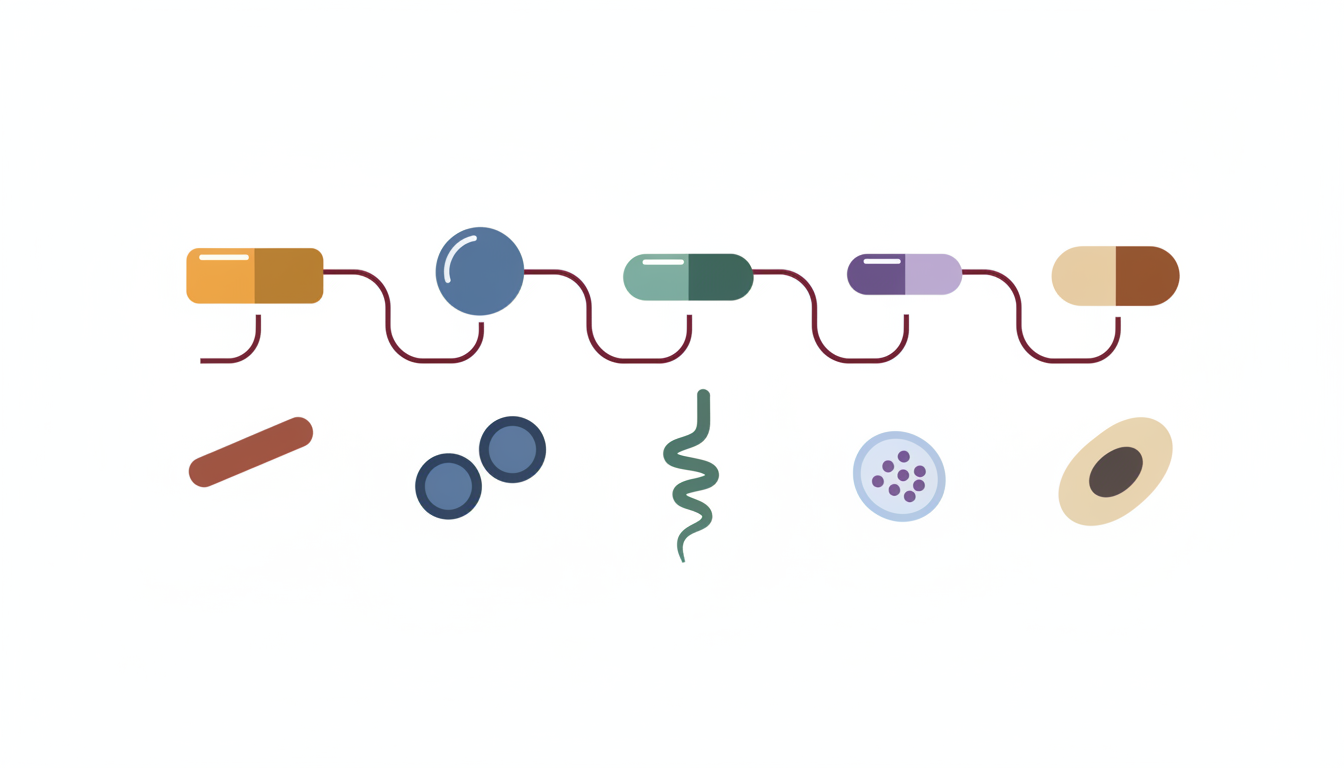
Each major bacterial or parasitic STI matches a distinct antibiotic class.
- Chlamydia (obligate intracellular bacterium) responds to tetracyclines like doxycycline.
- Gonorrhea (Gram-negative diplococcus) responds to cephalosporins like ceftriaxone.
- Syphilis (spirochete) responds to penicillin G.
- Trichomoniasis (protozoan) responds to nitroimidazoles like metronidazole.
Different bug, different drug class. That is why a single broad antibiotic cannot reliably cover the category.
STD by STD: What Each Infection Actually Needs
The table below summarizes current first-line and alternative regimens for each major bacterial or parasitic STI, drawn from the CDC STI Treatment Guidelines. It is a reference, not a prescription. Dosing details vary by region, by patient (pregnancy, allergies, organ function), and by whether the infection is uncomplicated or disseminated. A clinician needs to confirm the regimen for your situation.
| Infection | First-line antibiotic | Alternative | 2026 resistance concern |
|---|---|---|---|
| Chlamydia (genital, rectal) | Doxycycline 100 mg twice daily for 7 days | Azithromycin 1 g single dose (less effective for rectal infection); amoxicillin in pregnancy | Low; rectal infection and Mycoplasma co-infection drive most apparent failures |
| Gonorrhea (genital, rectal, pharyngeal) | Ceftriaxone 500 mg IM single dose (1 g for ≥150 kg) | Cefixime 800 mg orally only when ceftriaxone is unavailable | High and rising; resistance to azithromycin, ciprofloxacin, and now ceftriaxone has been reported worldwide |
| Syphilis (early) | Benzathine penicillin G 2.4 million units IM, single dose | Doxycycline 100 mg twice daily for 14 days (penicillin allergy) | Low for penicillin; macrolide-resistant strains now dominate so azithromycin is no longer used for syphilis |
| Trichomoniasis | Metronidazole 500 mg twice daily for 7 days (women); 2 g single dose option for men | Tinidazole 2 g single dose | Low to moderate; the single-dose regimen has higher failure rates in women, which is why CDC now favors the 7-day course |
| Mycoplasma genitalium | Doxycycline 7 days, then moxifloxacin 7 days when macrolide-resistant | Doxycycline 7 days, then azithromycin 1 g plus 4 days, only when macrolide-sensitive | Very high; over 50% of strains in some surveillance regions are macrolide-resistant |
| Bacterial vaginosis (often co-presents) | Metronidazole 500 mg twice daily for 7 days | Clindamycin 2% cream intravaginally for 7 nights | Low; recurrence is common, true resistance is rare |
| Herpes (HSV-1, HSV-2) | Not curable with antibiotics; antivirals only (acyclovir, valacyclovir, famciclovir) | Not applicable | Not applicable (these are viruses, not bacteria) |
| HIV | Not curable; lifelong antiretroviral therapy (ART) | Not applicable | Not applicable (virus, not bacterium) |
| HPV | Not curable; immune clearance plus local treatment of lesions or precancers | Not applicable | Not applicable (virus) |
| Hepatitis B (chronic) | Not curable; nucleos(t)ide antivirals suppress viral replication; vaccine prevents infection | Not applicable | Not applicable (virus) |
| Hepatitis C | Direct-acting antivirals achieve cure in over 95% of cases | Not applicable | Not applicable (DAAs, not antibiotics) |
The Antibiotic Classes Behind STI Treatment
Knowing the drug name helps. Knowing what kind of antibiotic it is helps more, because side effects, drug interactions, and the kinds of bacteria it can or cannot reach all track with class. Five main classes do most of the heavy lifting in STI treatment, with a sixth used selectively.
Tetracyclines (doxycycline, tetracycline). Doxycycline is the workhorse for chlamydia and the backup for syphilis when penicillin is not an option. It blocks bacterial protein synthesis at the ribosome and reaches inside human cells, which matters for chlamydia because the bacterium lives intracellularly. Take it with a full glass of water, stay upright for 30 minutes (it can irritate the esophagus), and avoid taking it within an hour of dairy, antacids, or iron supplements (they bind the drug and reduce absorption). Course length is typically 7 days for chlamydia and 14 days for early syphilis. Common side effects include nausea, photosensitivity, and mild stomach upset.
Cephalosporins (ceftriaxone, cefixime). Ceftriaxone is the cornerstone of gonorrhea treatment, given as a single intramuscular injection. It targets the bacterial cell wall. The CDC raised the recommended dose from 250 mg to 500 mg in 2020 and added a 1 g option for patients weighing 150 kg or more, both because of rising resistance. Cefixime is an oral fallback only when injection is unavailable. Pharyngeal gonorrhea (throat) responds poorly to oral cefixime alone, which is why the throat swab is now part of standard testing for at-risk groups.
Macrolides (azithromycin, erythromycin). Azithromycin used to be a single-dose first-line option for chlamydia and was paired with ceftriaxone for gonorrhea. Its role has shrunk as resistance climbed. It is still used for chlamydia in pregnancy (where doxycycline is avoided) and for the small fraction of Mycoplasma genitalium infections that test macrolide-sensitive. Erythromycin remains an option for ophthalmia neonatorum prophylaxis and for chlamydia in patients who cannot take doxycycline or azithromycin.
Penicillins (penicillin G, amoxicillin). Benzathine penicillin G is the only recommended treatment for syphilis at every stage. It has been used for more than 70 years, and Treponema pallidum (the syphilis bacterium) has not developed meaningful resistance. Amoxicillin is occasionally used for chlamydia in pregnancy when other options are contraindicated.
Nitroimidazoles (metronidazole, tinidazole). These treat trichomoniasis and bacterial vaginosis. They work by disrupting the DNA of anaerobic organisms and protozoa. The 7-day metronidazole course is more effective than a single 2 g dose for women with trichomoniasis, per the CDC's 2021 update (still current in 2026). Avoid alcohol during treatment and for at least 24 hours after the last dose (72 hours for tinidazole) because of disulfiram-like reactions: flushing, nausea, headache, rapid heartbeat.
Fluoroquinolones (moxifloxacin, ofloxacin, ciprofloxacin). Reserved for resistant Mycoplasma genitalium and certain pelvic inflammatory disease regimens. Use is targeted, not first-line, because of side-effect concerns (tendon rupture, QT prolongation) and broader antimicrobial stewardship pressure. Older quinolone regimens for gonorrhea were dropped over a decade ago after resistance became widespread.
Resistance Is Changing the Playbook in 2026
Resistance is the reason 2015 prescriptions and 2026 prescriptions sometimes look different.
Gonorrhea is the most-watched example. Neisseria gonorrhoeae has cycled through nearly every antibiotic class once used to treat it: sulfonamides in the 1940s, penicillin into the 1980s, fluoroquinolones until 2007, then azithromycin in combination therapy until 2020. Ceftriaxone is the last reliable single-agent treatment, and resistant strains have already been documented in Asia, the United Kingdom, Australia, and the United States, though they remain uncommon in routine U.S. surveillance. The dose increase from 250 mg to 500 mg is buying time, not solving the problem. The CDC's Antimicrobial Resistance Threats by Category classifies drug-resistant Neisseria gonorrhoeae as an Urgent Threat, and the WHO's STI fact sheet calls it one of the most pressing antimicrobial-resistance problems in sexual health. The agencies' message is consistent: cephalosporins are the foundation of current treatment, and the emergence of cephalosporin-resistant strains would significantly complicate care.
Mycoplasma genitalium is the more immediate concern in many clinics. In some surveillance regions, more than half of detected strains are resistant to azithromycin (the historic first-line drug). Treatment now requires testing the strain for macrolide sensitivity (when laboratory capacity allows) and using sequential therapy: doxycycline first, followed by either azithromycin (if sensitive) or moxifloxacin (if resistant).
Chlamydia resistance is comparatively quiet. The bigger driver of treatment failure for chlamydia is reinfection from an untreated partner, missed rectal infection (which doxycycline clears more reliably than azithromycin), or co-infection with Mycoplasma genitalium that the chlamydia regimen does not cover. Resistance in Treponema pallidum (syphilis) is also low for penicillin, though macrolide-resistant strains are now widespread, which is why azithromycin is not used for syphilis in current guidelines.
Both the CDC and WHO classify drug-resistant gonorrhea as an urgent threat. Single-dose oral cefixime, azithromycin monotherapy, and any quinolone-based regimen are no longer reliable in most regions. If you test positive for gonorrhea in 2026, the standard of care is a 500 mg ceftriaxone injection (1 g for higher body weights) plus a doxycycline course if chlamydia co-infection cannot be excluded. Self-treating with leftover azithromycin from an old prescription will almost certainly miss the strain and may worsen resistance for the next person.
Why Antibiotic Treatment Sometimes Fails
You took the pills as prescribed, and the symptoms came back. The temptation is to assume the antibiotic was wrong. Sometimes it was. Often it was not. Five common reasons treatment appears to fail:
- The original diagnosis was wrong. A urinary symptom called a UTI was actually trichomoniasis, chlamydia, or Mycoplasma genitalium. The drug did its job for the wrong target, so the real pathogen kept growing.
- The strain was resistant. This is most likely with gonorrhea (any oral cefixime monotherapy attempt) or Mycoplasma genitalium (azithromycin first-line in a macrolide-resistant region).
- The course was incomplete. Two days of doxycycline for chlamydia is not curative. Half a course teaches the bacterium to survive the rest, which is one of the mechanisms behind acquired resistance.
- The partner was not treated. Reinfection within days of finishing your course is the single most common "treatment failure" that is not actually a failure of the drug. CDC's expedited partner therapy guidance addresses this in many U.S. states.
- The infection was viral, not bacterial. Recurrent genital lesions after a "course of antibiotics" often turn out to be HSV. Antibiotics never had a chance because they were aimed at the wrong category of pathogen.
Distinguishing these scenarios usually requires retesting. A persistent positive on the same test 4 to 12 weeks after treatment can mean reinfection, true treatment failure, or, in some assays, residual nucleic acid from already-killed organisms. The interpretation depends on the specific assay and the timing.
If your sexual partner from the past 60 days does not also get tested and treated, you can pick up the same infection within days of finishing your own course. The drug worked. The exposure repeated. Many U.S. states allow expedited partner therapy, where the prescribing clinician can write a prescription for the partner without an additional clinic visit. Ask whether it applies in your state.
Side Effects and What to Expect
Most STI antibiotics are well tolerated. Knowing the common side effects reduces the temptation to stop a course early.
- Doxycycline: nausea, photosensitivity (use sunscreen, avoid prolonged sun exposure), pill esophagitis (take with a full glass of water, stay upright for 30 minutes), occasional yeast overgrowth.
- Ceftriaxone: injection-site soreness, transient diarrhea. Severe allergic reactions are rare and most likely in patients with a history of anaphylactic penicillin allergy.
- Azithromycin: nausea, abdominal cramping, mild diarrhea. QT prolongation is a small but real concern in patients with cardiac conduction disorders.
- Penicillin G: injection-site pain, Jarisch-Herxheimer reaction (fever, chills, headache, muscle aches for 12 to 24 hours after the first dose) when treating early syphilis. The Herxheimer reaction is a normal response to bacterial die-off, not an allergic reaction.
- Metronidazole and tinidazole: metallic taste, nausea, dark urine, disulfiram-like reaction with alcohol. Avoid alcohol during treatment and for at least 24 hours after the last dose of metronidazole (72 hours for tinidazole).
- Moxifloxacin: nausea, dizziness, rare tendon rupture, QT prolongation. Reserved for resistant infections partly because of these concerns.
Side effects almost always fade once the course ends. Symptoms that worsen, that include severe diarrhea (a possible sign of C. difficile infection), or that involve breathing difficulty, swelling, or rash require medical attention immediately.
Avoid alcohol for at least 24 hours after the last dose of metronidazole and 72 hours after tinidazole. The disulfiram-like reaction (flushing, nausea, headache, rapid heartbeat, occasional vomiting) is predictable and preventable, and it can be unpleasant enough to land someone in an emergency department. This is the single side effect most worth planning around when treating trichomoniasis or bacterial vaginosis.
Test First, Treat Second
The single most important rule in STI treatment is to confirm the infection before you take a drug for it. The phrase "I will just take some antibiotics" has fueled both undertreatment (wrong drug for the bug) and resistance (right drug, wrong bug).
What testing buys you:
- Confirmation that an STI is the cause of your symptoms, not a urinary tract infection, yeast infection, or bacterial vaginosis.
- Identification of which STI specifically, so the prescription matches the pathogen.
- A baseline result to compare against post-treatment retesting.
- Documentation that supports partner notification and expedited partner therapy where laws allow.
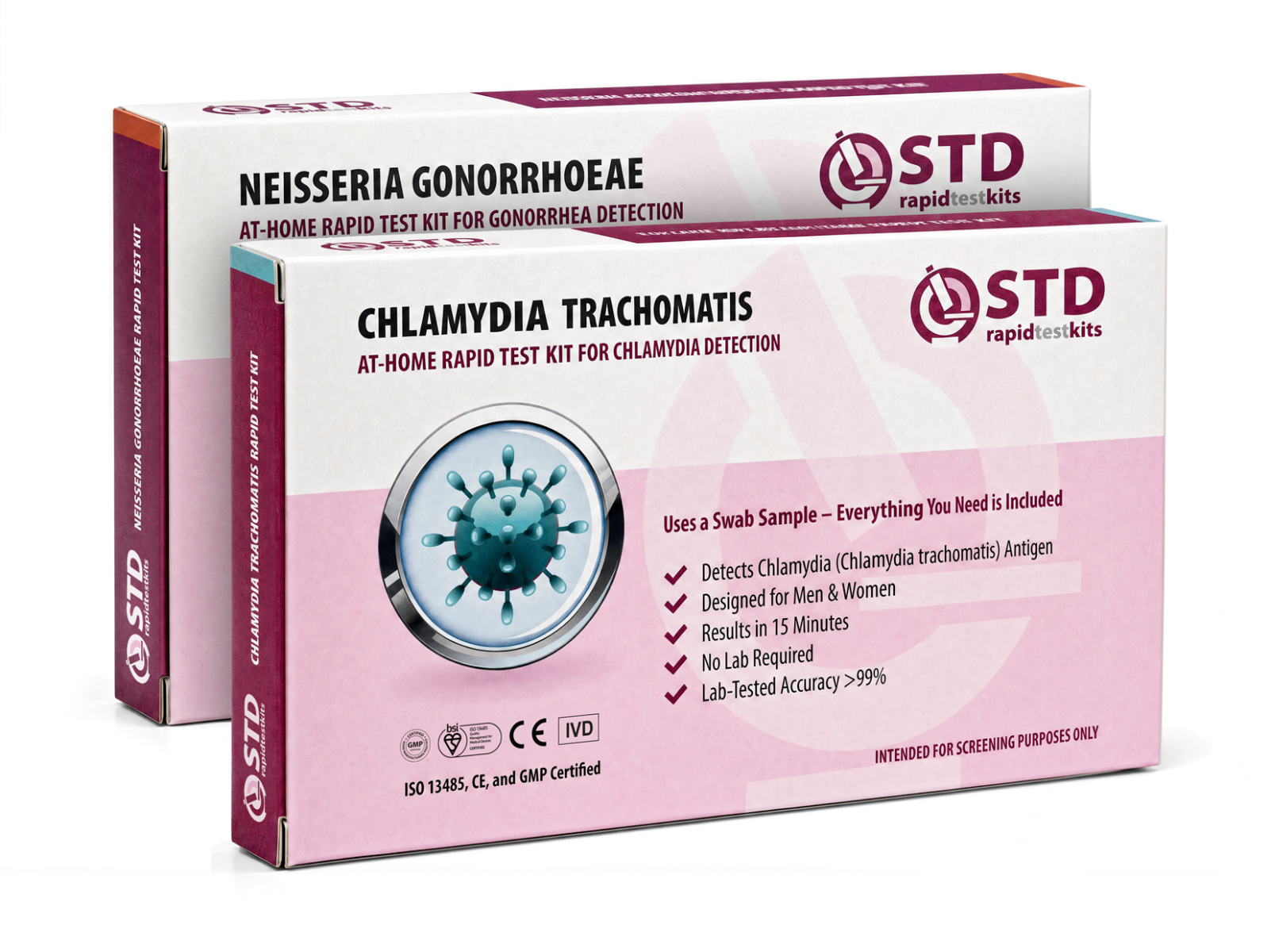
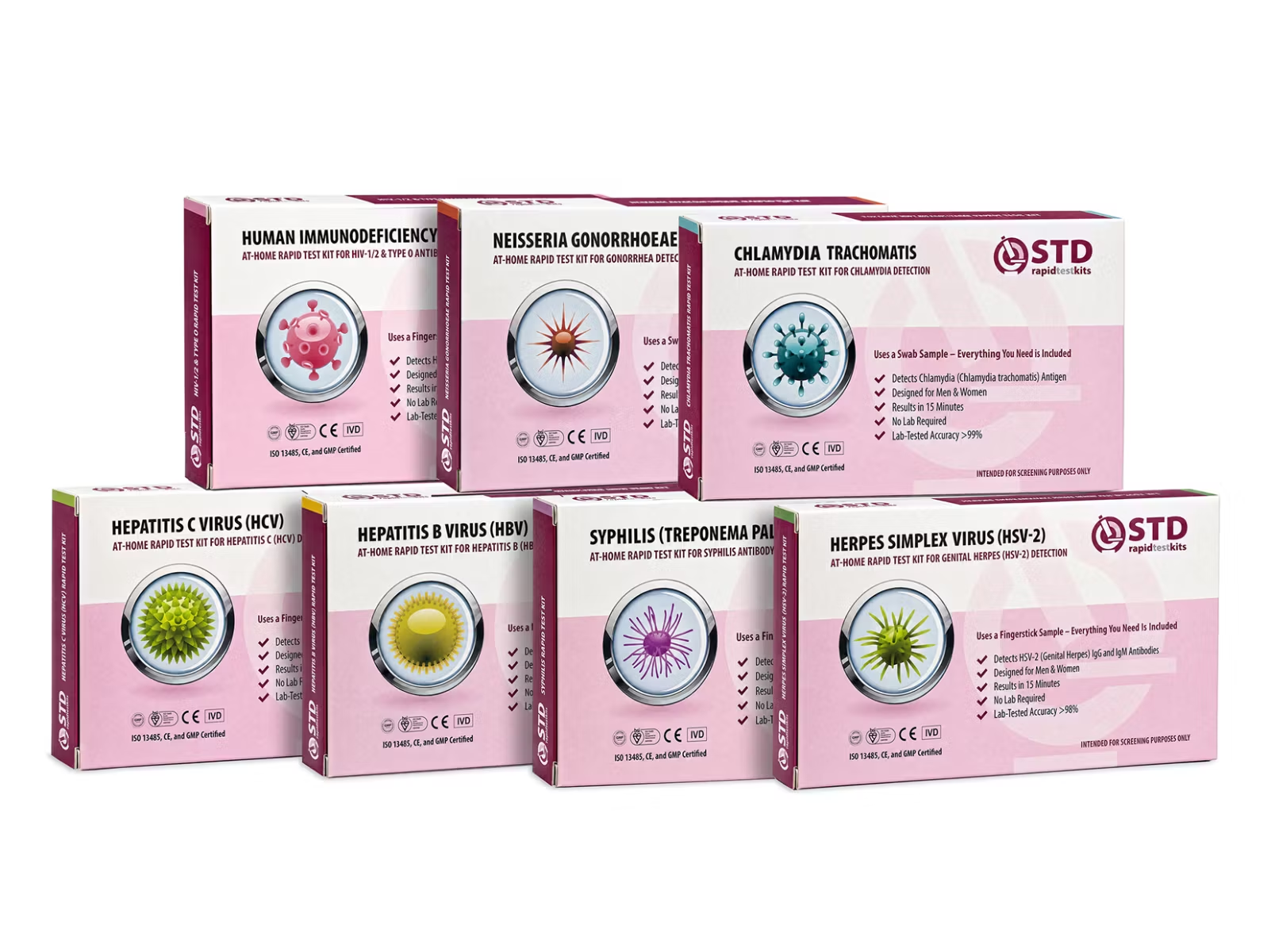
Where home testing fits: a positive home test is enough to start a clinical conversation, request a prescription via telehealth where laws allow, and notify partners. It is not a substitute for the clinical evaluation that determines dosing, treats co-infections, and screens for complications like pelvic inflammatory disease, epididymitis, or disseminated gonococcal infection. A negative home test inside the window period (the time after exposure when the body has not produced enough antigen for the test to detect) does not rule out infection on its own.
Our at-home rapid kits are lateral-flow immunoassays. They use the same swab or fingerstick blood sample format as laboratory testing, but the chemistry is faster and slightly less analytically sensitive than laboratory NAAT or PCR. A positive result is a strong signal to act on. A negative result inside the window period is best confirmed by retesting after the recommended interval, which varies by infection.
After Treatment: When and How to Retest
Antibiotic clearance is not always immediate, and the retesting calendar is not the same for every infection. The table below summarizes the recommended intervals for each major bacterial or parasitic STI.
If you retest too early on a NAAT, residual bacterial DNA from already-killed organisms can still trigger a positive result. Wait the recommended interval. If symptoms persist past 2 weeks after treatment ends, see a clinician for evaluation, including swabs from any anatomic site that was not tested in the original workup (rectum, throat, urethra).
| Infection | Retest window | Purpose |
|---|---|---|
| Chlamydia (most patients) | 3 months after treatment | Screen for reinfection, not test of cure |
| Chlamydia (pregnancy) | 4 weeks after therapy ends | Test of cure |
| Gonorrhea (pharyngeal) | 7 to 14 days after treatment | Test of cure (throat responds less reliably) |
| Gonorrhea (any site, all patients) | 3 months after treatment | Reinfection screen |
| Syphilis (early) | 6 and 12 months | Quantitative non-treponemal titer monitoring; four-fold drop confirms response |
| Trichomoniasis | 3 months after treatment | Reinfection screen (rates are high) |
| Mycoplasma genitalium | 21 days after treatment | Confirm cure given high resistance and treatment-failure rates |
Antibiotics Will Not Cure Viral STIs
Herpes (HSV-1, HSV-2) is managed with oral antivirals (acyclovir, valacyclovir, famciclovir). They reduce outbreak duration and frequency and lower transmission risk to partners. They do not cure herpes; the virus stays in nerve ganglia for life. Topical antibiotics applied to lesions do nothing. Episodic and suppressive antiviral regimens are detailed in the Mayo Clinic STD overview.
HIV requires antiretroviral therapy (ART), a combination of drugs taken daily for life. Modern ART regimens are highly effective: people who maintain an undetectable viral load do not transmit HIV sexually (the U=U principle, established by the PARTNER and HPTN 052 studies). Antibiotics are sometimes prescribed to HIV-positive patients to treat or prevent opportunistic infections, but they do not treat HIV itself.
HPV clears spontaneously in most healthy adults within 1 to 2 years. Persistent infection with high-risk strains can cause cervical, anal, oropharyngeal, or penile cancer. Treatment is for the lesions or abnormal cells (cryotherapy, surgical excision, topical agents), not for the virus itself. The HPV vaccine prevents most high-risk strains and is recommended routinely through age 26, with shared clinical decision-making for adults through age 45 per current ACIP guidance.
Hepatitis B has no cure in chronic infection. Antiviral medications suppress viral replication and reduce liver damage over decades. The vaccine prevents new infection.
Hepatitis C is now curable in over 95% of patients with direct-acting antivirals taken for 8 to 12 weeks. These are not antibiotics. They are antivirals targeting hepatitis C-specific enzymes.
Antibiotics target bacterial structures (cell walls, ribosomes, DNA replication enzymes that humans do not have). Antivirals target viral enzymes (reverse transcriptase, protease, RNA polymerase). The two drug classes are not interchangeable. Asking an antibiotic to clear a virus is like asking a key to open a lock it was not cut for.
The Bottom Line
The STD you think you have and the one you actually have can be two different things. And even when the diagnosis is right, the wrong drug or an incomplete course can leave the infection growing while symptoms quiet. The smartest move is to test first, treat based on the result, and finish the full course exactly as prescribed.
If you are weighing whether to test, the math is simple. A home test runs roughly $15 to $30, and a clinic copay is in a similar range for many insured patients. An untreated chlamydia or gonorrhea infection can progress to pelvic inflammatory disease, epididymitis, or contribute to a resistant strain that the next clinician has to work harder to treat. None of those outcomes is cheaper than a swab.
For the bacterial STIs the article has covered, that means picking up a swab or blood test that matches the exposure pattern, taking the result to a clinician (in person or via telehealth), and following the regimen the current CDC guidelines point to. For the viral STIs (herpes, HPV, HIV, hepatitis B and C), antibiotics are the wrong tool. Antiviral therapy, vaccination, and ongoing screening are what change those outcomes.
Frequently Asked Questions
- Can one antibiotic cure all STDs?
- No, and the reason splits into two completely different categories. For viral STIs (herpes, HPV, HIV, hepatitis B, and hepatitis C), antibiotics are the wrong tool entirely; no dose or duration will work because these are viruses, not bacteria, and they require antiviral drugs instead. For bacterial STIs (chlamydia, gonorrhea, syphilis, trichomoniasis), antibiotics do work, but each pathogen needs its own drug class, and the recommended doses have changed in recent years as resistance has grown.
- Which antibiotic is most effective for chlamydia in 2026?
- Doxycycline 100 mg twice daily for 7 days is the current first-line per CDC guidelines, including for rectal chlamydia. Azithromycin 1 g single dose remains an option for chlamydia in pregnancy and when doxycycline is not tolerated, but it is less effective for rectal infection and has been deprioritized.
- Why does my gonorrhea infection keep coming back even after treatment?
- The most common reasons are reinfection from an untreated partner, a strain resistant to the drug used (oral cefixime monotherapy is no longer reliable), or pharyngeal infection that was not adequately covered. A single 500 mg ceftriaxone IM injection plus a 7-day doxycycline course remains the standard regimen in 2026 in the U.S.
- Can I get STD antibiotics without seeing a doctor?
- Not ethically and usually not legally. A confirmed diagnosis from a test result, plus a clinical evaluation (which can often be done via telehealth), is needed before a prescription. Many home-test platforms are integrated with telehealth providers, so a positive result can lead to a prescription within 24 to 48 hours without an in-person clinic visit.
- Are there STDs that no antibiotic will cure?
- Yes. Herpes (HSV-1, HSV-2), HPV, HIV, hepatitis B, and hepatitis C are viral. Antibiotics never work on them. Each has its own management approach: antivirals for herpes, antiretroviral therapy for HIV, direct-acting antivirals for hepatitis C, suppressive antivirals for chronic hepatitis B, and immune clearance plus local treatment of lesions for HPV.
- How long after antibiotics should I feel better?
- Symptom improvement timelines vary. Chlamydia symptoms often improve within 2 to 5 days of starting doxycycline. Gonorrhea symptoms generally improve within a few days of the ceftriaxone injection. Syphilis chancres heal over weeks regardless of treatment timing. Always finish the full course even if symptoms resolve early, and follow the recommended retesting interval.
- Should I take antibiotics just in case after a possible exposure?
- Generally no. Empirical post-exposure antibiotic use without testing fuels resistance, masks the actual diagnosis, and may not match the strain you were exposed to. A specific exception is doxycycline post-exposure prophylaxis (doxy-PEP), which the CDC has issued guidance on for certain men who have sex with men and transgender women. That is a clinician-supervised protocol, not a self-managed one.
- How accurate are at-home STD tests compared to laboratory tests?
- Home rapid lateral-flow tests typically report sensitivity in the 90s percent range and specificity above 99% when used after the correct window period. Laboratory NAAT or PCR is more analytically sensitive, especially in asymptomatic infections, and remains the gold standard for confirmation. The two are complementary: a home test is useful for fast screening at home, and a laboratory test is useful for definitive confirmation and for documenting cure.
- U.S. Centers for Disease Control and Prevention. STI Treatment Guidelines. First-line and alternative regimens for chlamydia, gonorrhea, syphilis, trichomoniasis, Mycoplasma genitalium, and bacterial vaginosis, including the 2020 ceftriaxone dose update.
- World Health Organization. Sexually Transmitted Infections (STIs) fact sheet. Global incidence figures, antimicrobial-resistance trends in gonorrhea, and viral-versus-bacterial classification of major STIs.
- U.S. Centers for Disease Control and Prevention. STD home page. Gonorrhea drug-resistance surveillance, expedited partner therapy guidance, and category-level overview of bacterial and viral STIs.
- U.S. Centers for Disease Control and Prevention. Antimicrobial Resistance Threats by Category, which classifies drug-resistant Neisseria gonorrhoeae as an Urgent Threat in the AR Threats Report.
- National Health Service (UK). Sexually Transmitted Infections category page. General STI overview, when to seek care, and partner-notification guidance referenced in the post-treatment context.
- Mayo Clinic. Sexually Transmitted Diseases (STDs): Symptoms and Causes. Clinical reference for antiviral management of HSV and HIV, HPV clearance and treatment, and hepatitis C direct-acting antiviral cure rates.
