Common STDs: Symptoms, Risks, and How At-Home Testing Works
The nine infections most people search for live within a small, knowable list: HPV, herpes, chlamydia, gonorrhea, syphilis, HIV, trichomoniasis, and hepatitis B and C. Here is what each one looks like, what it can do if left untreated, when symptoms (or no symptoms) actually mean something, and where rapid at-home testing fits into sensible screening.




- Most STIs cause no symptoms at first, so routine screening is the only reliable way to find them early. Symptom-driven testing alone misses a large share of infections.
- Untreated STIs can lead to infertility, organ damage, congenital infection, and increased HIV risk, yet most are fully curable or well-managed when caught early.
Published: October 2025 | Last updated: April 2026 | Editorial review and quality control: Martina N.
The list of common STDs people screen for usually feels long, but the most common STD concerns live within a knowable list of nine names: HPV, herpes (HSV-1 and HSV-2), chlamydia, gonorrhea, syphilis, HIV, trichomoniasis, and hepatitis B and C. Understanding what each one looks like, how it spreads, and what catching it early changes about treatment turns a vague worry into a clear plan.
The shared pattern across most of these infections is the same uncomfortable truth: many people carry one without symptoms while transmission continues quietly. Regular testing is therefore not paranoia, it is preventive medicine, and rapid at-home testing has made the first step easier and more private than it used to be. This guide walks through each infection in turn and then ties everything back to a screening plan you can keep.
What are the most common STIs and when should I test?
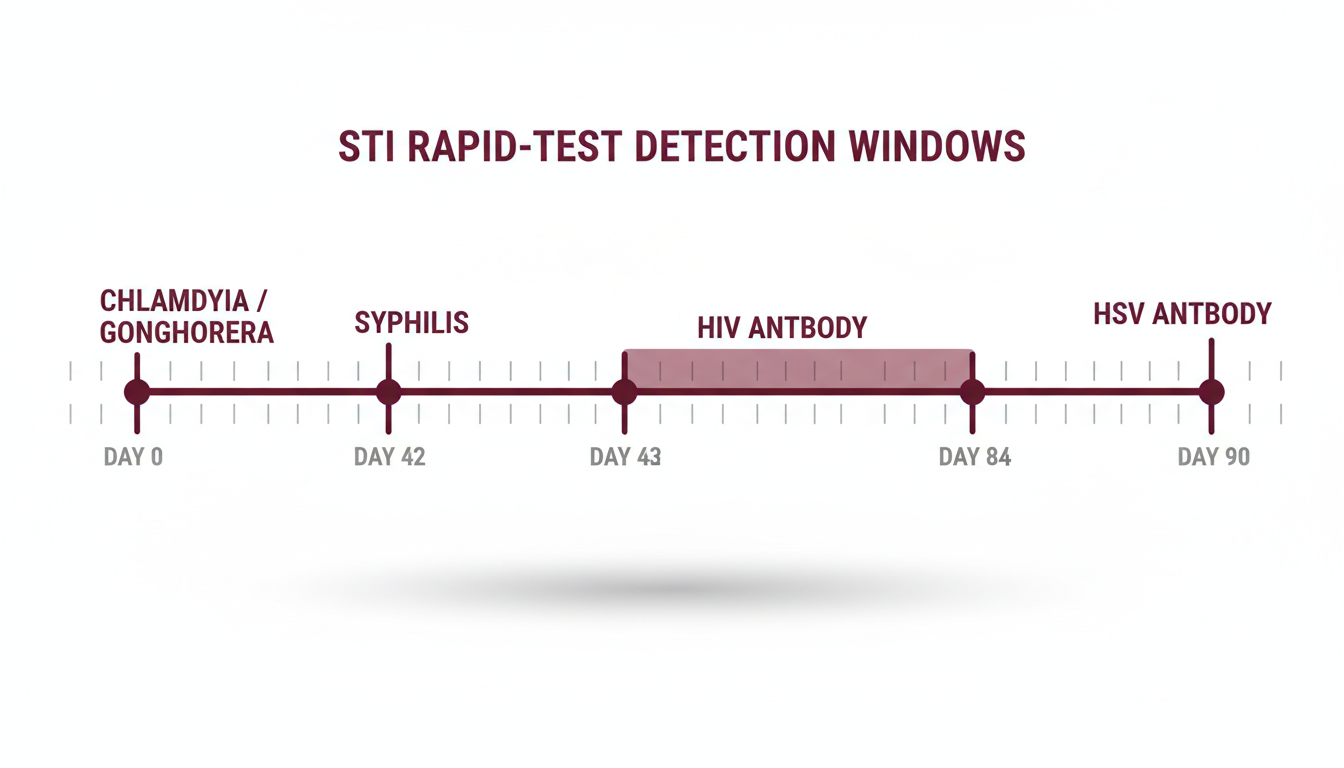
The nine most prevalent STIs worldwide are HPV, herpes (HSV-1 and HSV-2), chlamydia, gonorrhea, syphilis, HIV, trichomoniasis, and hepatitis B and C. The <a href="https://www.cdc.gov/std/treatment-guidelines/screening-recommendations.htm">CDC recommends annual STI screening</a> for sexually active women under 25 and any sexually active person with a new partner, multiple partners, or shared injection equipment. Most STIs are often asymptomatic, so symptom-driven testing alone misses cases. Bacterial STIs like chlamydia and gonorrhea show on rapid tests around 14 days post-exposure; HIV third-generation antibody windows close around 23 to 90 days; syphilis usually shows by about 6 weeks.
Key Takeaways
- Most STIs cause no symptoms at first, so routine screening is the only reliable way to find them early. Symptom-driven testing alone misses a large share of infections.
- Untreated STIs can lead to infertility, organ damage, congenital infection, and increased HIV risk, yet most are fully curable or well-managed when caught early.
How sexually transmitted infections actually work
STIs are caused by four broad classes of pathogen: viruses (HPV, herpes, HIV, hepatitis B and C), bacteria (chlamydia, gonorrhea, syphilis), parasites (trichomoniasis, pubic lice), and rarely fungi. The transmission route is contact with infected mucosa, blood, or genital secretions during vaginal, anal, or oral sex. A few infections also spread through shared injection equipment, from mother to baby during birth, or through breastfeeding.
What makes STIs particularly tricky is the gap between infection and symptoms. Some bacterial infections show up within a week or two; some viral infections stay latent for years. During that gap, the infection is often transmissible. This is why WHO and CDC testing guidance emphasizes routine screening alongside symptom-based testing.
The nine infections covered below account for the overwhelming majority of new STI diagnoses worldwide. Each has its own symptom profile, complication path, and testing window. A chlamydia test taken on day 7 is still inside the window, so the result tells you nothing about that exposure even when it comes back negative.
Human papillomavirus (HPV)
HPV is the most common sexually transmitted infection in the United States. The CDC states that nearly everyone who is not vaccinated will get HPV at some point in their lives, and the agency estimates more than 42 million Americans are currently infected with disease-causing HPV types. There are over 200 known HPV types; about 40 of them infect the genital tract, and roughly a dozen are considered high-risk because they are linked to cervical, anal, oropharyngeal, penile, and vulvar cancers.
The infection is usually silent. When symptoms appear, they take one of two visible forms: small flesh-colored or pinkish bumps known as genital warts (caused by low-risk types like HPV 6 and 11), or, in advanced cases, signs of cervical pre-cancer or cancer (abnormal bleeding, pelvic pain). Cancer-related symptoms typically appear only after years of persistent infection with a high-risk strain.
The risk profile is shaped less by acute symptoms and more by long-term complications. Persistent infection with high-risk types is the leading cause of cervical cancer worldwide. The HPV vaccine (Gardasil 9 in the U.S.) covers the nine HPV types responsible for most cancers and warts. Per ACIP guidance, routine vaccination is recommended through age 26, with shared clinical decision-making available through age 45.
There is no cure for HPV itself, but most infections clear spontaneously within two years thanks to the immune system. What matters clinically is detecting persistent infection and any cellular changes early. Our at-home rapid HPV test is validated for vaginal self-swab in women only, and it pairs sensibly with regular clinic-based cervical screening rather than replacing it.
Sample type: Vaginal self-swab (women only at home; clinic for men).
Diagnostic window: Detectable as soon as the swab is collected per kit instructions (DNA-based).
Vaccine: Gardasil 9, routine through age 26 and shared decision-making through age 45.
Curable: No specific cure, but most infections clear spontaneously within two years.
Herpes simplex virus (HSV-1 and HSV-2)
Herpes infections come from two related viruses. HSV-1 is the classic cold-sore virus most often associated with the mouth, but it increasingly causes genital infections too, particularly in younger adults. HSV-2 is primarily a genital infection. Both viruses are lifelong, cycling between latent periods (when the virus hides in nerve ganglia) and outbreaks of painful blisters or ulcers.
A first outbreak is usually the worst, with clusters of fluid-filled blisters at the site of infection, fever, body aches, and tender swollen lymph nodes. Subsequent outbreaks are typically milder and shorter. Most people with HSV-2 have no idea they carry it. The CDC estimates there were 572,000 new genital herpes infections in the United States in 2018 among people aged 14 to 49, and most people who carry the virus have never had a recognizable outbreak.
The risks beyond outbreak discomfort are real. HSV-2 increases the risk of acquiring or transmitting HIV during sexual contact because viral shedding causes microscopic skin breaks. Mother-to-baby transmission during vaginal birth can cause neonatal herpes, a serious and sometimes fatal infection in newborns; pregnant patients with active genital herpes near delivery typically deliver by cesarean to prevent it.
Daily antiviral therapy (acyclovir, valacyclovir, famciclovir) reduces both outbreak frequency and transmission risk to partners. There is no cure, but the infection becomes far less disruptive once it is identified and managed. Our standalone HSV-1 and HSV-2 home tests are fingerstick blood antibody tests, useful around 12 weeks or more after a suspected exposure to confirm seroconversion. They do not diagnose an active lesion; that requires a clinician-administered PCR swab of the lesion itself.
Viral STIs (HPV, herpes, HIV, hepatitis B) are lifelong infections; treatment manages them but does not cure them. Bacterial and parasitic STIs (chlamydia, gonorrhea, syphilis, trichomoniasis) are fully curable with the right antibiotic or antiparasitic. The diagnostic windows and complication paths differ accordingly, which shapes the per-infection sections that follow.
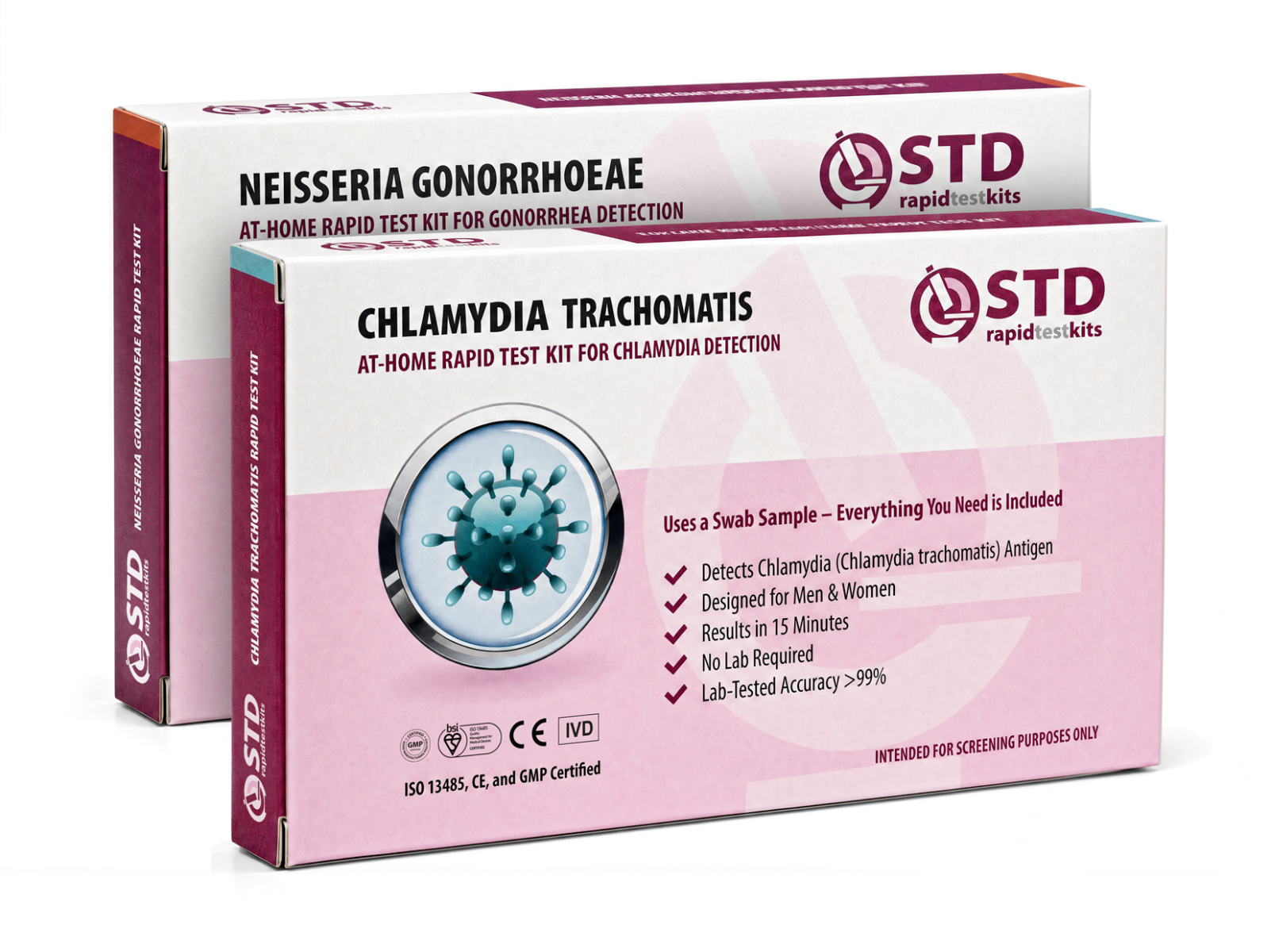
Chlamydia
Chlamydia trachomatis is the most commonly reported bacterial STI in the United States. It is so reliably symptom-free that public-health programs call it the silent infection. When symptoms do appear, they typically include unusual genital discharge, burning during urination, lower abdominal pain, and (in men) testicular swelling and tenderness. Symptoms in women are easy to mistake for a urinary tract infection or normal cycle variance.
The complication path is what makes chlamydia matter. Untreated, it ascends from the cervix into the upper reproductive tract in roughly 10 to 15 percent of women, causing pelvic inflammatory disease (PID). PID can scar the fallopian tubes, leading to chronic pelvic pain, ectopic pregnancy, and tubal infertility. In men, untreated chlamydia can cause epididymitis. Newborns delivered through an infected birth canal can develop chlamydial conjunctivitis or pneumonia.
Diagnostic timing matters. Chlamydia DNA becomes detectable in genital samples around 7 to 14 days after exposure. The CDC's STI Treatment Guidelines identify NAAT (nucleic acid amplification testing) as the most sensitive test and the recommended diagnostic for detecting Chlamydia trachomatis. Our at-home rapid swab test uses lateral-flow chemistry on the same sample type and is most reliable from day 14 onward; a positive result is worth confirming with a clinician for treatment.
Treatment is short and curative: a single dose of azithromycin or a one-week course of doxycycline. Sex partners from the prior 60 days should also be tested and treated to prevent reinfection.
Sample type: Self-collected vaginal or penile swab.
Diagnostic window: About 7 to 14 days post-exposure (most reliable from day 14 for rapid lateral-flow).
First-line treatment: Single oral dose of azithromycin or a one-week course of doxycycline.
Curable: Yes, fully curable when caught and treated.
Gonorrhea
Neisseria gonorrhoeae causes the second most commonly reported bacterial STI. Like chlamydia, it frequently produces no symptoms, especially in women. When symptoms appear, men more often notice them: thick yellow or greenish penile discharge, painful urination, and testicular pain. Women may notice increased vaginal discharge, painful urination, or bleeding between periods.
Gonorrhea is not limited to the genital tract. It can colonize the throat (after oral sex) and the rectum (after receptive anal sex), and these sites are even more likely to be asymptomatic. Disseminated gonococcal infection, although uncommon, can spread the bacteria to the bloodstream and joints, causing fever and a characteristic skin rash, and it requires hospital-level treatment.
Untreated gonorrhea carries the same PID and infertility risks as chlamydia in women, plus epididymitis in men. Both infections also raise the risk of acquiring HIV during exposure.
The growing concern with gonorrhea is antibiotic resistance. The CDC reports that gonorrhea has grown resistant to nearly every drug ever used to treat it, with cephalosporins now the only remaining recommended class. Current first-line treatment is a single high-dose injection of ceftriaxone. This is why early detection is doubly important: the longer the infection persists untreated, the more time it has to develop resistance. For at-home screening, our rapid gonorrhea swab test is most reliable from about 14 days post-exposure.
Syphilis
Syphilis (Treponema pallidum) progresses through distinct clinical stages that can stretch over years if left untreated. Recognizing the stage is the key to recognizing the infection.
Primary syphilis appears as a single painless ulcer (the chancre) at the site where the bacteria entered the body, usually 10 to 90 days after exposure. The chancre heals on its own within a few weeks, which fools many people into thinking the problem is gone. Secondary syphilis follows weeks to months later: a non-itchy rash often involving the palms and soles, mucosal lesions, fatigue, swollen lymph nodes, and patchy hair loss. These symptoms also resolve spontaneously, ushering in the latent stage, when the infection persists silently.
Tertiary syphilis develops in roughly a third of untreated cases years later, with severe damage to the heart, brain, eyes, and other organs. Neurosyphilis can cause stroke, dementia, and blindness. Syphilis transmitted during pregnancy can cause stillbirth or congenital syphilis, a constellation of serious birth defects that the CDC has flagged as an ongoing emergency: congenital syphilis cases rose for the twelfth year in a row in 2024, with nearly 4,000 reported cases and a roughly seven-fold increase compared with a decade earlier.
The diagnostic test of choice is a blood antibody screen (RPR or treponemal-specific). Detection is reliable around six weeks after exposure for most people, sometimes earlier with newer treponemal-specific assays. Our at-home rapid syphilis test uses fingerstick blood and the same antibody-detection principle. Treatment is straightforward when caught: a single intramuscular injection of benzathine penicillin G clears primary, secondary, and early latent syphilis. Late or neurological involvement requires longer courses.
HIV and AIDS
HIV (human immunodeficiency virus) attacks CD4 T cells, which coordinate the immune response. Without treatment, HIV progressively erodes the immune system over years until the body cannot defend itself against infections and certain cancers; that final stage is AIDS.
Acute HIV infection (the first 2 to 4 weeks after exposure) often produces flu-like symptoms: fever, sore throat, swollen lymph nodes, fatigue, and a transient rash. This is called acute retroviral syndrome, and it is when the viral load is extraordinarily high and transmission risk is greatest. Most people, however, attribute the symptoms to a viral cold and move on. After the acute stage, the virus enters a chronic phase that may produce no symptoms for years before the immune system begins to fail.
Modern antiretroviral therapy (ART) has transformed HIV from a terminal diagnosis to a manageable chronic condition. People who take ART consistently can suppress the virus to undetectable levels, at which point they cannot transmit HIV sexually. The CDC states directly that an undetectable viral load means HIV will not be transmitted through sex, the principle known as Undetectable = Untransmittable. Pre-exposure prophylaxis (PrEP) is also available for people at higher risk; it is roughly 99 percent effective at preventing sexual HIV acquisition when taken as prescribed.
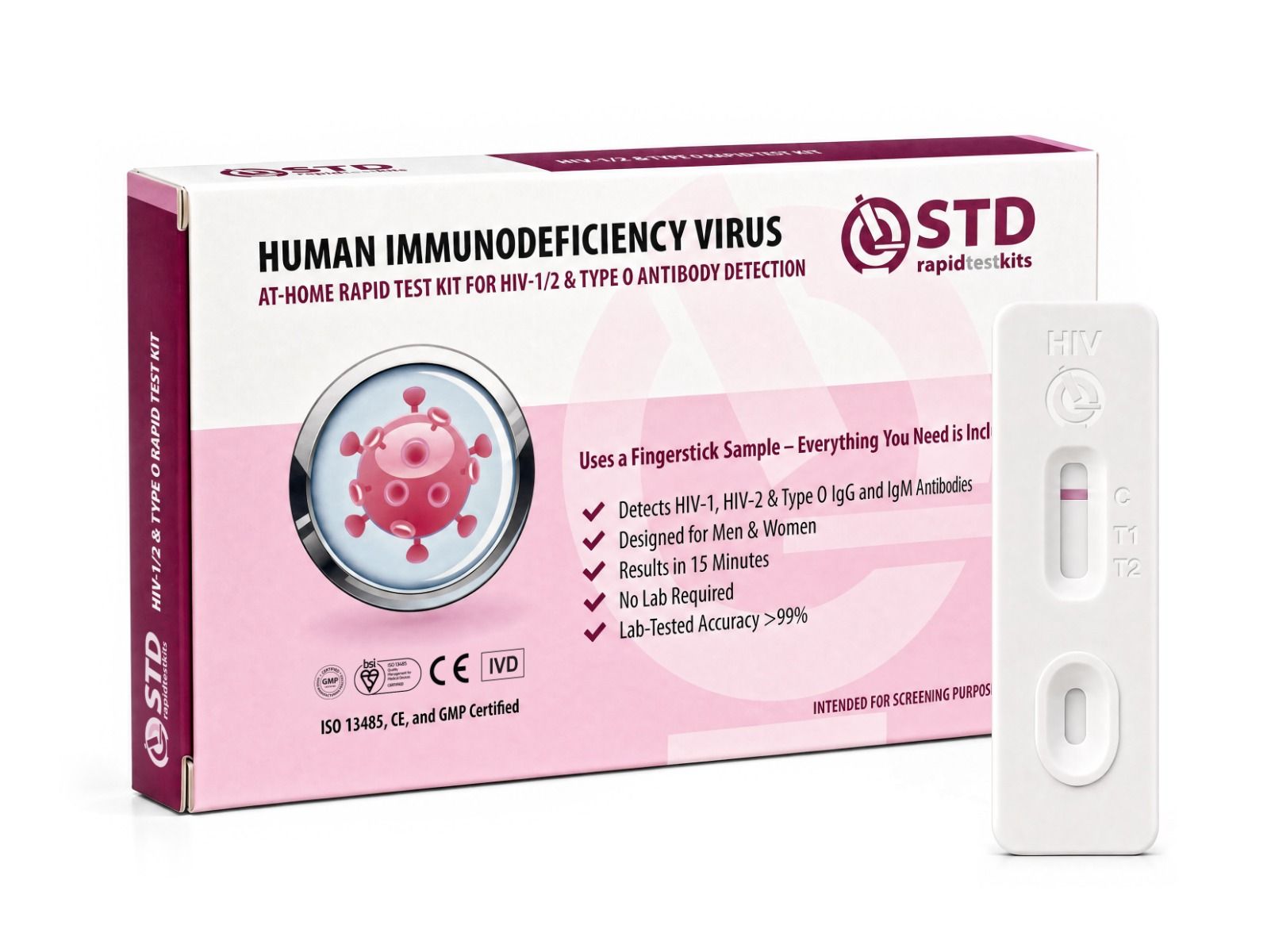
Diagnostic windows depend on the test generation. Fourth-generation antigen-antibody lab tests detect infection by about 18 to 45 days post-exposure. Third-generation rapid antibody tests, including most at-home rapid kits, detect infection by 23 to 90 days. A positive result on any rapid test should be confirmed at a clinic before treatment decisions.
Sample type: Fingerstick blood (lateral-flow antibody at home; lab antigen-antibody for confirmation).
Diagnostic window: 18 to 45 days for fourth-generation lab tests; 23 to 90 days for third-generation rapid tests.
Treatment: Daily antiretroviral therapy (ART) suppresses the virus to undetectable levels.
Curable: Not yet curable, but well-managed lifelong with ART; undetectable viral load means it cannot be sexually transmitted.
Trichomoniasis
Trichomoniasis is caused by Trichomonas vaginalis, a parasitic protozoan. It is the most common curable STI globally; the WHO estimates approximately 156 million new cases per year based on 2020 data. The CDC notes that infection is more common in women than in men in the United States, with more than two million infections estimated in 2018.
About 70 percent of infections are asymptomatic. When symptoms appear, women may notice frothy yellow-green vaginal discharge with an unusual odor, vulvar itching, redness, painful urination, and discomfort during sex. Men with trichomoniasis are usually asymptomatic carriers; if they do have symptoms, those tend to involve mild urethral irritation or discharge.
The risks are similar to other curable STIs. Untreated trichomoniasis can increase the risk of HIV acquisition. In pregnancy, it has been associated with preterm birth and low-birth-weight babies. Reinfection is common because partners are not always treated. Treatment is a single oral dose of metronidazole or tinidazole, and both partners should be treated to prevent ping-pong reinfection.
Our at-home trichomoniasis rapid swab is validated for vaginal self-swab only, and is therefore intended for women. Male readers needing a trichomoniasis test should see a clinic; we do not currently offer a male-compatible home test for this infection.
Hepatitis B and Hepatitis C
Hepatitis B (HBV) and Hepatitis C (HCV) are bloodborne viruses that primarily inflame the liver. Both can transmit sexually, especially HBV, although HCV is more efficiently transmitted via shared injection equipment than via sex.
Acute infection is often silent. When symptoms appear, they include fatigue, nausea, loss of appetite, abdominal pain (typically in the upper right abdomen, where the liver sits), dark urine, and jaundice (yellowing of the skin and eyes). Acute hepatitis can be severe, but most cases resolve.
The bigger problem is chronic infection. About 5 percent of adult HBV infections become chronic, and roughly half of HCV infections do without treatment. Chronic viral hepatitis is the leading global cause of liver cirrhosis and hepatocellular carcinoma, both of which substantially shorten life expectancy. The good news on both fronts: the hepatitis B vaccine is highly effective and is part of the routine childhood schedule in the U.S., and direct-acting antiviral drugs cure more than 95 percent of HCV infections in 8 to 12 weeks of oral treatment, according to the WHO. The CDC recommends universal HCV screening for adults at least once and HBV screening for adults at risk.
Our at-home rapid Hep B and Hep C tests are fingerstick blood antibody tests. They establish whether you have been exposed; a positive result is followed by a viral-load PCR test at a clinic to determine whether the infection is active.
Sample type: Fingerstick blood (lateral-flow antibody).
Diagnostic window: Approximately 6 to 12 weeks post-exposure.
Vaccine: Available and highly effective for hepatitis B; no vaccine yet for hepatitis C.
Curable: Hepatitis C is curable in over 95 percent of cases with direct-acting antivirals; hepatitis B is manageable long-term with antivirals where chronic.
Incubation periods: when an infection actually shows on a test
The single biggest mistake people make about STI testing is testing too early. Each infection has its own incubation period (the time from exposure to first symptoms) and its own diagnostic window (the time from exposure until the infection is detectable on a given test). Testing inside the window can produce a false negative even though the infection is present.
Approximate diagnostic windows for the most common rapid tests:
- Chlamydia: about 7 to 14 days post-exposure for NAAT; rapid lateral-flow tests are most reliable from day 14 onward.
- Gonorrhea: similar to chlamydia, around 14 days.
- Syphilis: about 3 to 6 weeks for blood antibody tests, though some treponemal-specific assays detect earlier.
- HIV: 18 to 45 days for fourth-generation lab antigen-antibody tests; 23 to 90 days for most third-generation rapid antibody tests.
- HSV-1 and HSV-2: about 12 weeks or more for blood antibody tests to confirm seroconversion.
- Hepatitis B (HBsAg) and Hepatitis C antibody: about 6 to 12 weeks.
- HPV: women's at-home swab tests detect viral DNA, so they are reliable as soon as exposure has occurred and the swab is collected per kit instructions.
If you test before your window has closed and the result is negative, retest after the window or follow up at a clinic for a more sensitive lab assay. The HPV swab is the only exception in this list, since it detects viral DNA from the moment the swab is collected and does not depend on a seroconversion delay.
This article is published by stdrapidtestkits.com, which sells at-home STI testing kits. We recommend products based on fit-for-purpose for the reader's concern, not commercial benefit. For symptoms that worry you, see a licensed clinician.
When to test, and how often
The CDC's general guidance for sexually active people is at least annual STI screening, with more frequent testing in any of the following situations:
- New partner or multiple partners since last test
- A partner who has tested positive for an STI
- Unprotected vaginal, anal, or oral sex
- Shared needles or other injection equipment
- Men who have sex with men (every 3 to 6 months for many infections)
- Pregnancy (multiple-panel screening at the first prenatal visit, with retesting in the third trimester for higher-risk patients)
- Any new symptom that fits an STI profile, regardless of test history
- Known exposure event such as a broken condom or partner disclosure
Many higher-risk patients test quarterly. Other people screen once a year. If you fall into any of the bullets above and your last test was more than 12 months ago, book one.
Why at-home rapid testing matters (and where it fits)
Two facts shape home-testing's role in screening. First, the bottleneck for most people is not access to testing per se, it is privacy, scheduling, and embarrassment. A rapid test you can do in your own bathroom in about 15 minutes removes those barriers in a way a clinic appointment does not. Second, rapid lateral-flow tests are screening tools, not laboratory gold-standard assays. They are useful for detecting an infection that is well above their detection threshold; clinic-based NAAT or PCR tests are more sensitive and remain the right tool for low-viral-load asymptomatic infections and for confirmatory testing of any positive home result.
The pragmatic position is that the two are complementary, not equivalent. Use a rapid home test as your routine first-step screen between annual clinic visits, after a known exposure once your testing window has closed, and when symptoms appear and you want to triage before deciding whether to book a clinic visit. Use clinic-based testing for confirmation of any positive home result, for asymptomatic high-risk screening where maximum sensitivity matters, for sites the home test does not cover (throat or rectum) when the exposure route warrants it, and for treatment, prescription, and partner-notification support.
In practical terms: do the home test first if it is easier; book the clinic visit if the home test is positive, your exposure route falls outside the genital-and-blood scope, or you need treatment.
Most STIs cause no symptoms or only mild symptoms, so many people do not know they're infected. Without testing, you can pass an STI to a sex partner without knowing it.
Frequently asked questions
- How soon after sex should I get tested for STIs?
- A practical rule of thumb: wait at least two weeks before testing for any bacterial STI, and at least 12 weeks for herpes blood antibody tests. Testing sooner can produce false negatives. The specific per-infection windows are: chlamydia and gonorrhea around 14 days; syphilis about 6 weeks; HIV 23 to 90 days for most rapid antibody tests (or 18 to 45 days for fourth-generation lab tests); herpes seroconversion around 12 weeks; hepatitis B and C antibody tests 6 to 12 weeks.
- Can I have an STI without symptoms?
- Yes, and it is common. Chlamydia, gonorrhea, HSV-2, HPV, trichomoniasis, and HIV are all frequently asymptomatic. Symptom-free does not mean infection-free, which is why routine screening exists alongside symptom-driven testing.
- Are at-home rapid STI tests as accurate as clinic tests?
- Rapid lateral-flow home tests are screening tools with high specificity and good sensitivity when used correctly after the testing window has closed. Lab-based NAAT or PCR tests have higher analytical sensitivity and remain the gold standard, especially for low-viral-load asymptomatic infections. A positive home result should always be confirmed at a clinic.
- Which STIs are curable?
- Bacterial STIs (chlamydia, gonorrhea, syphilis) and the parasitic STI (trichomoniasis) are fully curable with antibiotics or antiparasitics. Hepatitis C is now curable in over 95 percent of cases with direct-acting antiviral drugs. Viral STIs without a cure (HIV, HSV-1, HSV-2, HPV, hepatitis B) are manageable with daily antiviral therapy or, in HPV's case, often clear spontaneously within two years.
- Do I still need a clinic Pap smear if I use an at-home HPV test?
- Yes. The at-home rapid HPV swab is validated for women only and detects the viral DNA. It does not perform cervical cytology, which is what a Pap smear identifies. The two tests answer different questions and are complementary; follow USPSTF cervical screening guidance regardless of home HPV results.
- What does a positive rapid test result mean?
- It means you should book a confirmatory test through a clinician before starting any treatment. Rapid tests can have false positives, especially for low-prevalence infections. A confirmatory NAAT, PCR, or quantitative lab test establishes whether the infection is active and informs the right treatment.
- Can I get an STI from oral sex?
- Yes. Gonorrhea, chlamydia, syphilis, HSV-1 and HSV-2, HPV, and (rarely) HIV can all transmit through oral sex. Pharyngeal gonorrhea and chlamydia in particular are very often asymptomatic and require a throat swab to detect; these are not covered by our rapid genital-swab kits, so a clinic visit is the right tool when oral exposure is the specific concern.
- How often should sexually active adults test, even with no symptoms?
- At least annually for people with at least one new partner per year, with more frequent testing (every 3 to 6 months) for higher-risk groups including men who have sex with men, people with multiple concurrent partners, and people who share injection equipment. Pregnant patients receive STI screening as part of standard prenatal care.
- U.S. Centers for Disease Control and Prevention. STI screening recommendations, including population-specific cadence guidance.
- U.S. Centers for Disease Control and Prevention. About genital herpes overview, including new-infection estimates for the U.S. and clinical course.
- U.S. Centers for Disease Control and Prevention. About HPV overview, including general prevalence statements and infection counts.
- U.S. Centers for Disease Control and Prevention. HIV treatment and U=U (Undetectable = Untransmittable) guidance.
- U.S. Centers for Disease Control and Prevention. Drug-resistant gonorrhea surveillance and current treatment guidance.
- U.S. Centers for Disease Control and Prevention. STI Treatment Guidelines (2021) chapter on Chlamydial Infections, identifying NAAT as the recommended diagnostic.
- U.S. Centers for Disease Control and Prevention. Annual STI surveillance, including current congenital syphilis case trends.
- U.S. Centers for Disease Control and Prevention. About trichomoniasis overview, including U.S. prevalence and gender distribution.
- World Health Organization. Sexually transmitted infections (STIs) global fact sheet, including the 156 million annual trichomoniasis figure (2020 data).
- World Health Organization. Hepatitis C fact sheet, including the 95%+ cure rate for direct-acting antivirals.
- NHS. Sexually transmitted infections overview, including symptom and testing guidance for the U.K. context.