
Published: September 2025 | Last updated: May 2026 | Editorial review and quality control: Martina N.
What does living with chronic hepatitis B or C actually involve?
It means steady daily management rather than constant crisis: take your antiviral on schedule, skip alcohol, pace your energy, and keep monitoring appointments. Hepatitis C is now cured in more than 95% of people in 8 to 12 weeks (<a href="https://www.who.int/news-room/fact-sheets/detail/hepatitis-c" target="_blank" rel="noopener noreferrer">WHO</a>), and hepatitis B is controlled long-term with daily oral antivirals that protect the liver.
Chronic hepatitis settles into daily life as a long-term relationship with the liver. The work is consistency rather than crisis: take medication on schedule, protect the liver from extra stress, watch for fatigue, and stay connected to people who know what you are dealing with. The clinical picture has shifted dramatically in the past decade. Hepatitis C is now curable in most people, and modern hepatitis B treatment keeps the virus quiet enough that long-term liver damage is largely preventable.
This guide covers what daily management looks like in practice: medication adherence, the relentless fatigue that often defines the experience, how the virus is transmitted, nutrition and exercise, the mental-health side, disclosure to partners and employers, and the warning signs worth a same-day clinical call.
Key Takeaways
- Hepatitis C is curable in more than 95% of patients, with modern first-line direct-acting antiviral regimens typically lasting 8 to 12 weeks; hepatitis B is controlled long-term with daily oral antivirals that substantially lower the risk of cirrhosis and liver cancer.
- Daily management is mostly small choices repeated: take the medication, skip the alcohol, pace your energy, attend monitoring appointments, and lean on people who get it.
Why Daily Management Matters
Chronic hepatitis calls for steady work over years, not a single decisive treatment. Left unmanaged, hepatitis B and hepatitis C can drive liver inflammation that builds into scarring, cirrhosis, and in some cases hepatocellular carcinoma (primary liver cancer). With treatment and regular monitoring, those risks drop sharply. The liver can regenerate when given the right conditions, which means that the choices made each day genuinely move the needle.
Those choices are usually mundane: take the antiviral on time, drink water instead of alcohol, eat foods that do not stress the liver, sleep when the body asks for it. Patients diagnosed with chronic hepatitis often describe a similar adjustment, where the first wave of worry about jobs, fertility, and the future gradually settles into a steady routine of bloodwork, medication, and rest.
The liver is one of the few organs that can regenerate. Consistent antiviral suppression, no alcohol, and a liver-friendly diet give it the conditions to do exactly that, which is why daily habits matter more than any one heroic intervention.
What Hepatitis Fatigue Actually Feels Like
Fatigue from chronic hepatitis differs from ordinary tiredness, and naming it matters because it gets dismissed so often. People describe a body-wide shutdown rather than a sleepy feeling. You can sit at a desk and stare at a screen for an hour, unable to recall why you opened it. You can sleep nine hours and still need a midday nap. Tasks that used to feel automatic (answering an email, walking up a flight of stairs, deciding what to eat) suddenly feel like climbing with a backpack full of rocks.
It does not respond to the usual fixes. Caffeine flattens out fast. A long sleep can leave you groggier than before. The exhaustion creeps in slowly, so most people only notice it after months of chalking it up to stress, age, parenting, or perimenopause. It is also frequently paired with brain fog: difficulty concentrating, low motivation, mood swings, and a kind of mental molasses that makes small decisions feel exhausting.
According to the World Health Organization, chronic hepatitis C frequently presents with non-specific symptoms like fatigue and malaise, often well before liver complications develop. The NHS similarly identifies fatigue as one of the most common ongoing symptoms of chronic hepatitis C. Persistent fatigue is also commonly reported in chronic hepatitis B, though it tends to be less prominently described in clinical guidance than for hepatitis C. None of this is in your head. It comes from your liver, your immune system, and your neurotransmitters working in altered patterns.
The daily exhaustion you feel with chronic hepatitis has a biological cause: your liver is inflamed, your immune system is active, and your energy metabolism is disrupted. It is not laziness, depression, or poor sleep hygiene. Be kind to yourself, and don't apologize for needing rest.
Why Fatigue Happens Even When Labs Look Fine
Here is the frustrating part: fatigue from hepatitis does not always match the severity of liver damage. You can have minimal fibrosis or low viral load and still feel wiped out. The reverse is also true, where someone with significant liver inflammation feels relatively fine. Three mechanisms account for most of the disconnect.
| Root cause | How it contributes to fatigue |
|---|---|
| Immune activation | In chronic hepatitis, the immune system is constantly engaged with the virus. That sustained low-grade response produces inflammatory cytokines (the same chemicals that make a flu feel awful), which the brain reads as a cue to slow down and conserve energy. |
| Disrupted liver metabolism | The liver regulates blood sugar storage, processes proteins, and clears metabolic waste. When it is inflamed, energy regulation gets bumpier. A crash can follow meals, weakness can show up between them, and anything that taxes the liver (alcohol, certain medications) can hit harder than expected. |
| Treatment side effects | Some antivirals (older interferon-based regimens, and to a lesser degree certain current hepatitis B therapies) can cause fatigue, especially during the first weeks while the body adjusts. Modern direct-acting antivirals for hepatitis C are much milder, though a temporary energy dip during treatment is still common. |
Where Hepatitis B and Hepatitis C Patterns Differ
Both viruses target the liver, but the long-term picture is different, and so is the fatigue trajectory.
Hepatitis C is now considered a curable infection. Direct-acting antivirals (such as sofosbuvir/velpatasvir or glecaprevir/pibrentasvir) clear the virus in more than 95% of people in 8 to 12 weeks, according to the WHO hepatitis C fact sheet. After successful treatment, the immune system stops fighting a constant battle, and many people describe a fog lifting over the following weeks to months. The fatigue often eases substantially, though not always completely, particularly if liver damage was already advanced.
Hepatitis B is more often a long-term management situation. Antivirals like tenofovir and entecavir suppress the virus and reduce liver inflammation, which usually helps fatigue, though they do not typically cure the infection. Per CDC clinical care guidance for hepatitis B, the goal is durable viral suppression, normal liver enzymes, and prevention of long-term complications. Many people on long-term suppressive therapy regain meaningful energy as inflammation subsides.
Hepatitis C: usually curable. Oral direct-acting antivirals taken for 8 to 12 weeks clear the virus in more than 95% of treatment-naive patients. Energy often improves substantially after the virus is cleared.
Hepatitis B: usually long-term suppression rather than cure. Daily oral antivirals (tenofovir or entecavir) keep viral replication low, reduce liver inflammation, and substantially lower the risk of cirrhosis and hepatocellular carcinoma. Energy generally improves as inflammation subsides.
Common Symptoms That Shape Daily Life
Many people with hepatitis have no obvious symptoms at all, which is part of why hepatitis B and C remain underdiagnosed. When symptoms do show up, they usually involve persistent fatigue, low-grade nausea, abdominal discomfort around the upper right side, joint pain, mood changes, or what people often call brain fog.
Daily life ends up shaped around those symptoms more than around the virus itself. Calendars get lighter. Heavy social weeks get balanced with quiet ones. People learn to schedule demanding tasks for the parts of the day when energy reliably shows up. It is the slow accumulation of small adjustments that decides whether a chronic condition feels like background noise or a full-time job.
Symptoms Patients Most Commonly Track
Many people with chronic hepatitis have no symptoms at all. Having one or more of these does not confirm infection; only a blood test can do that.
- Persistent fatigue that does not resolve with a full night of sleep Common
- Low-grade nausea and reduced appetite Common
- Discomfort or fullness around the upper right side of the abdomen Less common
- Joint or muscle aches Less common
- Mood changes, irritability, or low motivation Less common
- Brain fog, slowed thinking, or trouble concentrating Common
How People Contract Hepatitis B and C
One reason hepatitis goes undiagnosed for so long is that people assume they are not at risk. The old stereotype of hepatitis C as a drug-user illness has delayed diagnoses for people who never touched a needle. Both viruses spread mainly through blood-to-blood contact, and the routes are broader than most realize.
For hepatitis C, common routes per the CDC include shared injection equipment, tattoos or piercings done in unregulated settings, shared personal items like razors or toothbrushes, and blood transfusions or organ transplants received in the United States before donor screening became standard in 1992. Sexual transmission is less common but rises when blood exposure is involved. Adults born between 1945 and 1965 carry higher rates from the pre-screening era, which is why that group has long been targeted for testing. The NIH MedlinePlus page on hepatitis C provides a full list of transmission routes and symptoms.
For hepatitis B, the WHO notes that mother-to-child transmission at birth is a major route in regions where the virus is common, alongside sexual contact, shared needles, and non-sterile medical or cosmetic equipment. Many adults with chronic hepatitis B were infected at birth or in early childhood and have carried the virus for decades without obvious symptoms. You do not need a dramatic exposure story to be living with chronic hepatitis, which is why at-home STI test kits and clinic screening both make sense even when the history feels unremarkable.
Exposure Routes Worth a Test
If any of these apply and you have never been screened, a one-time hepatitis B and C test is reasonable.
- Shared injection equipment, including use you may have forgotten about Common
- Tattoos, piercings, or medical and cosmetic procedures with non-sterile equipment, including care received abroad Less common
- Shared grooming items such as razors, nail clippers, or toothbrushes Less common
- Mother-to-child transmission at birth, a major route for hepatitis B Common
- Sexual contact involving possible blood exposure, more relevant for hepatitis B Less common
- Blood transfusion or organ transplant in the United States before 1992 Rare
Medication and Monitoring: The Backbone of Care
For hepatitis B, daily oral antivirals such as tenofovir or entecavir suppress viral replication and protect the liver over years and decades. They do not eliminate the virus. What they do is keep replication low enough that liver damage usually does not progress (CDC clinical care guidance for hepatitis B). For hepatitis C, hepatitis C treatment is even more straightforward: the WHO hepatitis C fact sheet reports that direct-acting antivirals cure more than 95% of patients within 8 to 12 weeks of therapy in nearly all patients.
What ties both treatments together is consistency. Skipped doses do not announce themselves with sudden symptoms; the damage shows up later, as resistance, rebound, or worsening liver enzymes. Monitoring matters just as much. Viral load testing, liver enzyme panels, and periodic imaging like ultrasound or FibroScan (a non-invasive ultrasound-based test for liver stiffness) help the care team catch changes early, when intervention still has the best leverage. Pairing the daily pill with an unmissable habit (the morning coffee maker, the alarm clock, the toothbrush) is the single most effective adherence trick most patients land on.
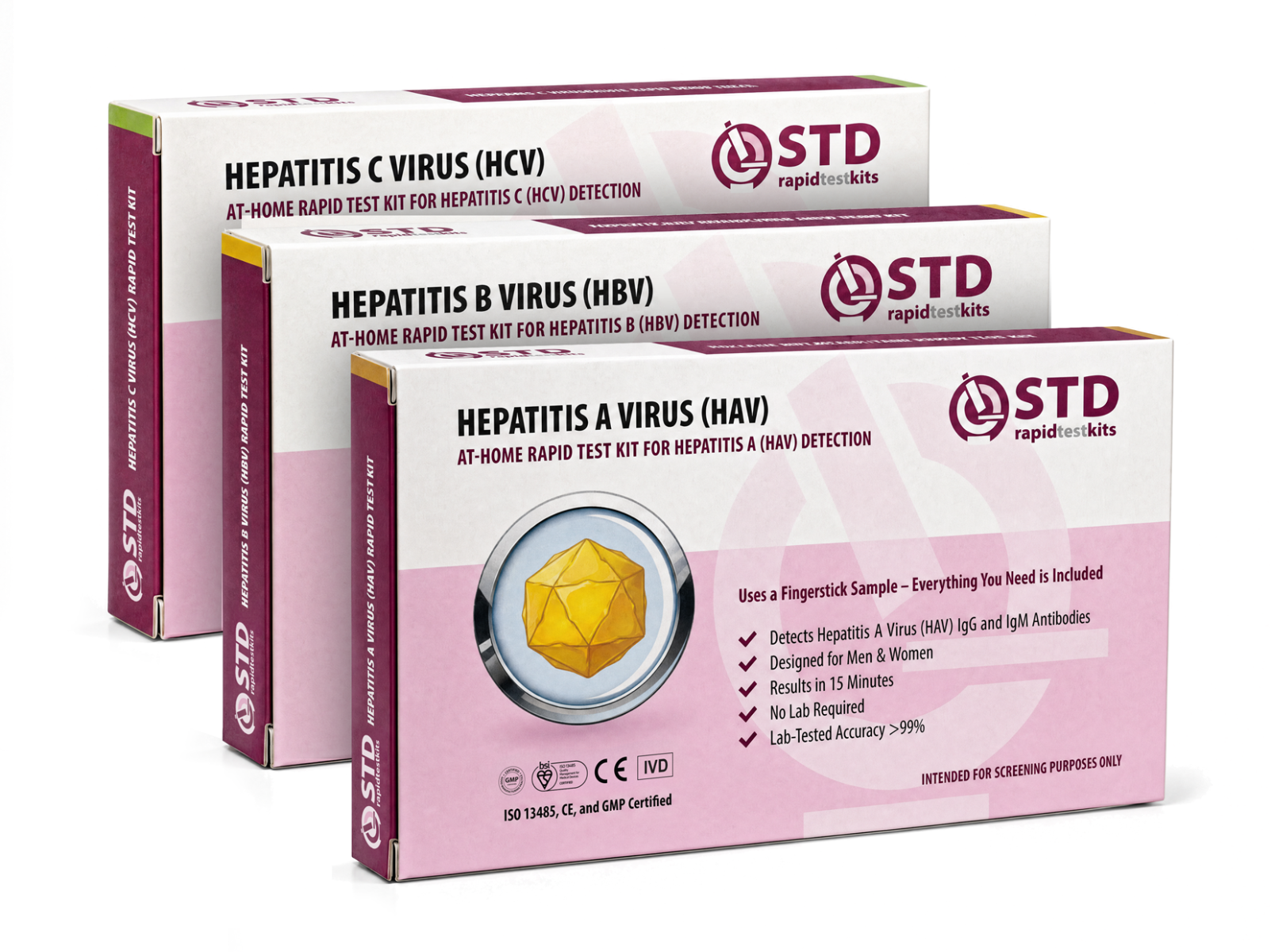
For readers who want a private way to check or recheck hepatitis status between clinic visits, this site sells rapid at-home antibody tests for hepatitis B, hepatitis C, and a combined panel that screens for both from one fingerstick sample. A reactive home result is a screening signal, not a diagnosis, and should be confirmed with a lab test through a clinician before treatment planning begins.
Nutrition: Fueling the Liver, Not Stressing It
Everything you eat or drink passes through the liver to be processed, so food choices have a more direct effect than they do for most other chronic conditions. A liver-friendly diet includes vegetables, fruits, whole grains, lean proteins, healthy fats from olive oil and nuts, and as little processed food, added sugar, and saturated fat as possible. Avoiding alcohol is essential. Even modest, intermittent drinking accelerates fibrosis in a liver already managing a chronic viral infection, so most clinicians ask patients to stop completely.
Hydration matters more than people expect. Adequate water intake supports the liver's ability to clear waste and helps blunt the fatigue that often comes with chronic hepatitis. Rigid food rules tend to backfire, though. Patients who reframe the diet as a set of foods to add (more leafy greens, more fish, more legumes) usually stick with it longer than those who frame it as a list of things to give up. A weekly liver-friendly recipe shared with family also turns the diet into a connection point instead of an isolation one.
| Food Type | Liver-Friendly Options | Why It Matters |
|---|---|---|
| Proteins | Fish, skinless chicken, beans, lentils, tofu | Support tissue repair and stable blood sugar without overloading saturated fat |
| Carbohydrates | Whole grains, brown rice, oats | Steady energy without blood sugar spikes |
| Fats | Olive oil, avocado, nuts | Anti-inflammatory fats the liver tolerates well |
| Fluids | Water, herbal teas | Helps the liver process waste and counters fatigue from mild dehydration |
Managing Fatigue with Energy Pacing
Living with hepatitis fatigue means rethinking how you spend the energy you do have. Energy pacing is the single most useful concept: doing things in small chunks, resting before you hit the wall, and setting limits without guilt. Treat it as a daily strategy rather than a temporary fix. That means dividing tasks into smaller pieces, alternating activity with rest, and resisting the urge to push through until you collapse.
In practice, pacing means three small trips with the groceries instead of one heroic load, a nap scheduled before a demanding call rather than after the crash that follows pushing through, a quiet evening accepted because tomorrow needs the energy that a late night would borrow against, and a low-effort meal kept ready in the freezer for days when cooking is not an option (skipping food makes fatigue measurably worse).
Tracking energy patterns in a simple notebook helps reveal triggers that are not always obvious, like skipped meals, heavy social commitments, or poor sleep two nights prior. Caffeine is fine in moderation, though pushing through with high doses tends to flatten out and steal the next day's baseline. Small protein-rich meals every few hours are usually better tolerated than large meals.
A workable day with hepatitis fatigue often looks like this:
- Anchor the day with one priority task during peak hours (often morning) rather than three.
- Break large chores into segments. Three trips with the groceries beats one heroic load and an afternoon crash.
- Schedule a 20 to 30 minute nap before high-effort moments (a meeting, a doctor visit, a family dinner) rather than after them.
- Keep one frozen, low-effort meal ready for the day you cannot face cooking. Skipping food makes fatigue measurably worse.
- Treat declining an evening plan as planning ahead. Tomorrow needs the energy you would have spent.
Exercise: Movement as Medicine
Exercise feels counterintuitive when fatigue is the dominant symptom, yet gentle, regular activity is one of the more reliable ways to reduce that fatigue over time. Walking, swimming, yoga, and light resistance work improve circulation, support healthier sleep, and lower systemic inflammation. Moderation is key: short, frequent sessions outperform sporadic intense workouts, both for energy and for liver health. Avoiding all movement for weeks tends to deepen fatigue through deconditioning.
Fifteen minutes of walking after dinner, repeated most days of the week, is a realistic starting point that builds. Over a few months, many patients notice that sleep quality improves and the daily fatigue ceiling shifts upward by a noticeable margin. Anyone with advanced fibrosis, cirrhosis, or significant comorbidities should clear an exercise plan with their hepatologist or primary care provider first, since exercise tolerance can change with disease stage.

Mental Health, Stigma, and Intimacy
Hepatitis often weighs more heavily on mental health than on physical health, especially in the first year after diagnosis. Hepatitis carries stigma that has nothing to do with how someone contracted the virus. Misconceptions about drug use, lifestyle, or sexual history follow patients into doctor's offices, workplaces, and family rooms. If anyone has called you unclean or risky for having hepatitis, that language is wrong. Hepatitis B and C are blood-borne viruses, and they carry no moral weight.
Anxiety and depression are common companions in chronic hepatitis, partly from uncertainty about long-term outcomes, partly from the daily reminder that a virus is along for the ride. Care for the mind belongs in the same plan as care for the liver. That can mean a therapist familiar with chronic illness, a structured online support community, a peer support group at a local liver clinic, or a private journal that gives the anger and grief a place to land.
Fatigue also reshapes intimacy in ways most people do not talk about. Feeling drained by 9 PM has nothing to do with how you feel about a partner. The honest framing usually helps: your body is asking for rest so the relationship has someone present and functional tomorrow. Separating affection from sex (a long hug, watching something together, a slow shoulder rub, talking in bed) keeps emotional connection alive on days when sex would push past the limit.
Direct-acting antiviral medicines (DAAs) can cure more than 95% of persons with hepatitis C infection, but access to diagnosis and treatment is low.
Work, Disclosure, and Sexual Partners
Daily management spills into work and relationships in ways that are not always easy to predict. Time off for bloodwork, side effects that interfere with concentration, or a fatigue dip that lines up with a critical meeting all raise practical questions: how much does an employer need to know, and when? Legally, hepatitis status is protected by disability and anti-discrimination law in most jurisdictions, and employers cannot demand disclosure simply because someone has a chronic condition. The practical answer depends on workplace culture and on what accommodations would actually help.
Tracking energy the way you would track expenses for a week often reveals where the flexibility would matter most. Focused work first thing in the morning, before fatigue ramps up, preserves more capacity than forcing it in the afternoon. A 15-minute lie-down between meetings is preventive maintenance for the rest of the workday.
Sexual partners are different. Disclosure to current and prospective partners matters both ethically and as a prevention step. Hepatitis B is transmitted through blood and through sexual contact, and partners can be tested and vaccinated. Hepatitis C is primarily blood-borne and less commonly transmitted sexually, with the highest risk in contexts that involve blood exposure. A direct, calm conversation paired with vaccination (for hepatitis B) or testing (for hepatitis C) is usually enough to keep intimacy safe.
In the United States, the Americans with Disabilities Act (ADA) covers reasonable accommodations for chronic illnesses that substantially limit a major life activity, which can include energy and stamina. In the United Kingdom, the Equality Act 2010 offers similar protection. In the EU, the Employment Equality Directive (2000/78/EC) and national disability laws cover comparable ground. You generally do not need to disclose the specific diagnosis to start an accommodation conversation; framing it as "a chronic medical condition that affects my energy" is enough to trigger HR's process.
Is It a Flare-Up, or Just a Bad Week?
One of the harder parts of chronic hepatitis is learning to tell when fatigue is your usual baseline and when it is signaling something worse. A bad week can look a lot like an early flare. You cannot always tell from the outside, so regular monitoring matters. Watch for these signals that warrant a clinical check-in rather than another rest day:
- Fatigue that worsens steadily over weeks despite reasonable pacing, hydration, and sleep.
- New jaundice (yellowing of the skin or whites of the eyes).
- Dark, tea-colored urine, or pale clay-colored stools.
- Persistent right upper-quadrant abdominal pain or tenderness.
- Unexplained nausea, loss of appetite, or noticeable weight loss.
- New itching that spreads or does not respond to moisturizer.
- Easy bruising or bleeding, swelling in the legs, or confusion (these can be signs of advanced liver dysfunction and need same-day evaluation).
If you develop any of these signs, do not wait for a routine appointment:
- Yellowing of skin or eyes (jaundice)
- Dark urine or pale stools
- Persistent right-side abdominal pain
- Easy bruising or swelling in the legs
These can indicate liver dysfunction that needs prompt assessment.
Treatment Advances That Change the Story
Twenty years ago, treatment for chronic viral hepatitis was limited; today, it's unrecognizable. Hepatitis C used to mean months of interferon injections with brutal side effects and a modest cure rate, varying significantly by genotype. Direct-acting antiviral combinations introduced in the 2010s changed that completely: oral pills, mild side effects, and cure rates above 95% across most genotypes per the WHO hepatitis C fact sheet. For most patients, hepatitis C is now a problem that can be solved rather than managed indefinitely.
There is no routine functional cure for hepatitis B today. Daily oral antivirals such as tenofovir disoproxil fumarate, tenofovir alafenamide, and entecavir suppress the virus reliably for as long as they are taken (WHO hepatitis B fact sheet). That suppression substantially reduces the risk of cirrhosis and hepatocellular carcinoma. Research into functional cures continues, with several therapies in clinical trials. Herbal liver-support products do not replace prescribed treatment, and some (kava, comfrey, certain high-dose green tea extracts) can actually injure the liver. Always clear supplements with the clinician managing your hepatitis before adding them.
| Era of Treatment | Regimen | Typical Duration | Outcome |
|---|---|---|---|
| Hepatitis C, pre-2014 | Pegylated interferon plus ribavirin injections | 24 to 48 weeks | Variable cure rates, lower for the most common genotypes, with significant side effects (WHO hepatitis C fact sheet) |
| Hepatitis C, current | Oral direct-acting antivirals (DAAs) such as sofosbuvir/velpatasvir | 8 to 12 weeks in nearly all patients | Cure in more than 95% of patients with mild side effects (WHO hepatitis C fact sheet) |
| Hepatitis B, current | Daily oral tenofovir or entecavir | Long-term, often lifelong | Sustained viral suppression and reduced risk of cirrhosis and liver cancer (WHO hepatitis B fact sheet) |
Building a Long-Term Outlook
Daily management protects today and the next twenty years. Regular monitoring lets the care team catch shifts in liver enzymes or imaging changes before they become emergencies. For people with chronic hepatitis B or C, that typically means liver enzyme panels every 6 to 12 months, viral load checks at the cadence the hepatologist sets, and periodic imaging or FibroScan to track fibrosis. People with established cirrhosis usually need hepatocellular carcinoma screening every 6 months.
Vaccination is the other piece. People with chronic hepatitis B benefit from hepatitis A vaccination, since simultaneous infection can be harder on an already-stressed liver (CDC clinical care for hepatitis B). Staying current on routine immunizations, including the annual flu shot and pneumococcal vaccines, matters for the same reason: protecting a liver that is doing extra work.

Prevention and Protecting Others
Chronic hepatitis B and C spread primarily through blood-to-blood contact. The practical prevention steps are simple and effective: cover open cuts, avoid sharing razors, toothbrushes, nail clippers, or anything else that can carry trace blood, and dispose of any sharps safely. Condoms reduce hepatitis B transmission during sex, and hepatitis B vaccination protects long-term partners who test negative. For hepatitis C, the day-to-day risk to household contacts is low, but the same hygiene principles apply.
For pregnant people with hepatitis B, the standard of care prevents almost all mother-to-child transmission: the newborn receives hepatitis B immunoglobulin (HBIG) and the first dose of hepatitis B vaccine at the time of birth, with the remaining vaccine doses on the routine schedule (CDC perinatal hepatitis B guidance). Disclosure to a long-term partner often feels harder than it turns out to be in practice. Partners frequently respond with questions rather than rejection, and a shared plan around testing, vaccination, and safer practices tends to strengthen trust over time. The CDC recommends at least one hepatitis C test for every adult aged 18 and older, and one-time hepatitis B screening for adults as well, so if you have not been tested for either, the gap is worth closing regardless of how clear or unclear your exposure history feels.
Practical steps that cover the great majority of household and partner transmission risk:
- Cover open cuts and dispose of bandages safely.
- Do not share razors, toothbrushes, nail clippers, or other items that can carry trace blood.
- Use condoms with new or untested partners, especially with hepatitis B.
- Have long-term partners tested for hepatitis B and vaccinated if not already immune.
- For pregnant people with hepatitis B, confirm the obstetric team has a perinatal HBIG and vaccine plan in place before delivery.
Frequently Asked Questions
- Can I live a normal life with chronic hepatitis?
- Yes. With treatment and routine monitoring, most people with chronic hepatitis B or hepatitis C work, raise families, exercise, and travel without major restrictions. The diagnosis reshapes habits more than it reshapes life expectancy when management is consistent.
- Why is the fatigue so heavy, and what helps?
- Hepatitis fatigue tracks with chronic inflammation, disrupted sleep, and reduced liver capacity for metabolic clearance. Pacing energy across the day, gentle regular exercise, consistent sleep, and adequate hydration all help meaningfully. Antiviral treatment itself often improves fatigue over weeks to months.
- Why does extra sleep sometimes make me feel worse?
- Extended or irregular sleep can disrupt your circadian rhythm and leave you groggier than before, an effect called sleep inertia. Inflammation-driven fatigue does not clear with rest the way ordinary tiredness does, so a consistent 7-to-8-hour schedule usually outperforms occasional 12-hour catch-ups.
- How do I tell whether my fatigue is from hepatitis or something else?
- You cannot tell from how it feels alone. Anemia, thyroid problems, sleep apnea, depression, post-viral syndromes, and several other conditions can produce similar fatigue and brain fog. A blood test for hepatitis B and C plus a standard fatigue workup (CBC, thyroid, B12, ferritin) is the fastest way to sort it out.
- Does hepatitis affect fertility or pregnancy?
- Hepatitis B and C do not cause infertility, and people with hepatitis have healthy pregnancies routinely. For hepatitis B, the standard newborn protocol of HBIG plus vaccine at the time of birth prevents nearly all mother-to-child transmission. Anyone planning a pregnancy should coordinate with both an obstetrician and a hepatologist.
- Is alcohol really off the table?
- Yes. Even modest alcohol intake accelerates fibrosis in a liver already managing chronic viral hepatitis, and most hepatologists recommend abstinence. People who stop drinking after a hepatitis diagnosis often report improvements in energy and mood within a few weeks.
- Is exercise safe with chronic hepatitis?
- Moderate exercise is safe and beneficial for most people with chronic hepatitis. Walking, swimming, yoga, and light resistance training all support liver health and reduce fatigue. Anyone with advanced fibrosis or cirrhosis should confirm a plan with their hepatologist first, since some intense activities are not advised at later disease stages.
- Is hepatitis C really curable?
- Yes, genuinely. Direct-acting antivirals achieve sustained virologic response (the technical term for cure) in more than 95% of people in 8 to 12 weeks per the WHO. The treatment is oral, well-tolerated, and short. The main barriers are diagnosis and access, more than efficacy. A functional cure for hepatitis B is not yet routine, though daily antivirals suppress the virus indefinitely and substantially lower the risk of cirrhosis and liver cancer.
- Can I test for hepatitis B and C at home?
- Yes. Fingerstick rapid lateral-flow kits use a single drop of blood and produce a result in about 15 minutes. They detect HBsAg for hepatitis B or anti-HCV antibodies for hepatitis C. Any reactive result calls for a confirmatory lab test through a clinician (HCV RNA for hepatitis C, a full hepatitis B panel for hepatitis B) before treatment planning begins.
Final Thoughts: A Life, Not a Diagnosis
Chronic hepatitis reshapes the daily schedule without limiting what a life can hold. The discipline of daily medication, the pacing around fatigue, and the honest conversations with partners and providers build into a stable foundation over time. Modern treatment lets most people put the virus into the background of their lives rather than the foreground. Hepatitis C is now curable for most patients, and hepatitis B is reliably controlled with daily therapy.
Anyone navigating a new diagnosis has more tools, more research, and more community support than ever before. The path forward is built one daily choice at a time, and most patients see steady, measurable improvements over the first year of consistent care. For people who want a private way to check or recheck hepatitis status at home, rapid at-home tests offer a confidential first step before scheduling a confirmatory clinic visit.

This guide was built from current public-health and clinical guidance, then translated into plain language oriented around the situations patients navigate day to day. We drew on CDC hepatitis resources, the World Health Organization hepatitis B and C fact sheets, NHS condition pages, and NIH MedlinePlus patient education to keep the practical advice aligned with what hepatologists routinely recommend. The sources below are the most directly load-bearing references for the specific claims in this article.
- U.S. Centers for Disease Control and Prevention. Hepatitis C resource center, source for transmission routes, universal adult screening guidance, and direct-acting antiviral treatment outcomes.
- U.S. Centers for Disease Control and Prevention. Clinical care guidance for hepatitis B, source for treatment and monitoring goals, hepatitis A co-vaccination, and the perinatal HBIG plus vaccine protocol at the time of birth.
- World Health Organization. Hepatitis B fact sheet, source for tenofovir and entecavir use, lifelong suppressive therapy, and reduced cirrhosis and liver-cancer risk.
- World Health Organization. Hepatitis C fact sheet, source for the more-than-95% cure-rate figure for direct-acting antiviral therapy and the 8 to 12 week treatment window.
- UK National Health Service. Hepatitis C condition page, source for symptom presentation (including tiredness) and the 8 to 12 week antiviral treatment course.
- NIH MedlinePlus. Hepatitis C patient education, source for symptom list (including fatigue) and transmission routes.
