
Published: November 2025 | Last updated: May 2026 | Editorial review and quality control: Martina N.
Finding out you have an STI while breastfeeding can feel like the floor dropping out from under you. Your first thought goes to the baby, not to yourself. The reassuring part: most sexually transmitted infections do not move from parent to baby through breast milk. The exceptions are narrow, well-defined, and usually manageable once you know which infection is involved.
This guide walks through what the CDC, WHO, and ACOG actually say about feeding with each major STI, what changes the answer in either direction, and where at-home testing fits if you're sitting with uncertainty after a recent exposure or new symptom.
Key Takeaways
- Most STIs do not pass through breast milk. CDC and ACOG support continued breastfeeding with chlamydia, gonorrhea, HPV, syphilis (no breast lesions), and hepatitis B and C when nipples are intact.
- HIV requires shared decision-making with a clinician. Formula substitution eliminates transmission risk in the U.S.; for parents on ART with a sustained undetectable viral load, breastfeeding carries under 1% residual risk per current CDC guidance.
What Actually Passes Through Breast Milk
Not every STI behaves the same way inside the body. Some live in the bloodstream, some stay localized to mucous membranes, and some only spread when there's direct contact with an active sore. Blanket advice to stop breastfeeding with any STI ignores those differences and creates avoidable separation between parent and baby.
Here is how the major infections actually behave when it comes to breast milk specifically.
| STI | Passes Through Breast Milk? | What Actually Matters |
|---|---|---|
| HIV | Yes | Shared decision-making with a clinician; formula eliminates risk, ART-suppressed nursing carries under 1% risk |
| Herpes (HSV) | No (milk itself) | Risk comes from direct contact with active sores on the breast |
| Chlamydia | No | Not transmitted via milk; treat and continue feeding |
| Gonorrhea | No | Transmission risk is at birth, not during feeding |
| Syphilis | Rare | Only an issue if a chancre is on the breast |
| Hepatitis B | No (with vaccination) | Baby's birth-dose HBV vaccine + HBIG closes the window |
| Hepatitis C | No (generally) | Pause from a bleeding nipple until it heals |
| HPV | No | Skin-to-skin transmission to an infant is extremely rare |
HIV: Shared Decision-Making, Not a Blanket Rule
HIV is the one infection where the breastfeeding question really does change. The virus can appear in breast milk, and infants can acquire HIV during feeding. Current CDC guidance for the United States has moved away from a blanket prohibition toward shared decision-making with a clinician, paired with evidence-based counseling on infant feeding options.
The numbers matter here. For parents on antiretroviral therapy (ART) with a sustained undetectable HIV viral load during and after pregnancy, the risk of transmission through breastfeeding is less than 1%, though not zero. Formula substitution removes that residual risk entirely, which is why many U.S. clinicians still recommend it where formula and clean water are reliably available. Either path is a legitimate option under current guidance; the choice belongs with the parent and their HIV care team, not with a single internet article.
WHO guidance for resource-limited settings reads differently. The WHO recommends breastfeeding paired with continuous antiretroviral therapy in settings where formula isn't safe, because the risk of malnutrition or contaminated water often outweighs the residual transmission risk under treatment.
If HIV is even a possibility for you after pregnancy, get tested before the next feeding decision. The answer determines which conversation you're having with your clinician.
For mothers on antiretroviral therapy with a sustained undetectable HIV viral load during and after pregnancy, the risk of transmission through breastfeeding is less than 1%, but not zero.
Herpes and Direct Skin Contact
Herpes simplex virus doesn't travel through breast milk itself. The risk is different: if there's an active herpes lesion on the breast, nipple, or surrounding skin, a baby can pick up the virus through direct contact. Neonatal herpes is uncommon but serious, which is why the rule here is strict rather than vague.
If you have an active sore on one breast, don't feed from that side. You can pump and discard milk from that breast to maintain supply, and continue feeding from the unaffected side as long as it's clear. Once lesions crust over and fully heal, normal feeding resumes.
Cracked, dry, or sore nipples from breastfeeding itself are common and aren't the same thing as herpes lesions. Herpes tends to cluster, blister into fluid-filled vesicles, and feel sharply painful or burning, with a distinct edge to the skin involvement. If you're unsure what you're looking at, get it evaluated rather than guessing.

Chlamydia, Gonorrhea, and Treatment During Nursing
Chlamydia and gonorrhea don't pass through breast milk. These infections live in mucous membranes (the genitals, throat, or rectum) and don't circulate in a way that affects milk composition.
The transmission concern with these infections is during birth, not during feeding. Newborns can be exposed to gonorrhea or chlamydia while passing through the birth canal, which is why most U.S. hospitals apply preventive erythromycin eye ointment to all newborns per CDC STI treatment guidelines. Once the baby is born, breastfeeding stays safe while you take treatment.
Most STI treatments are compatible with breastfeeding. Antibiotics like azithromycin and ceftriaxone, and antivirals like acyclovir, are routinely prescribed to nursing parents. The bigger risk to a baby is usually an untreated infection in the parent, not the medication itself. Confirm specific drugs with your prescriber if you have any doubt.
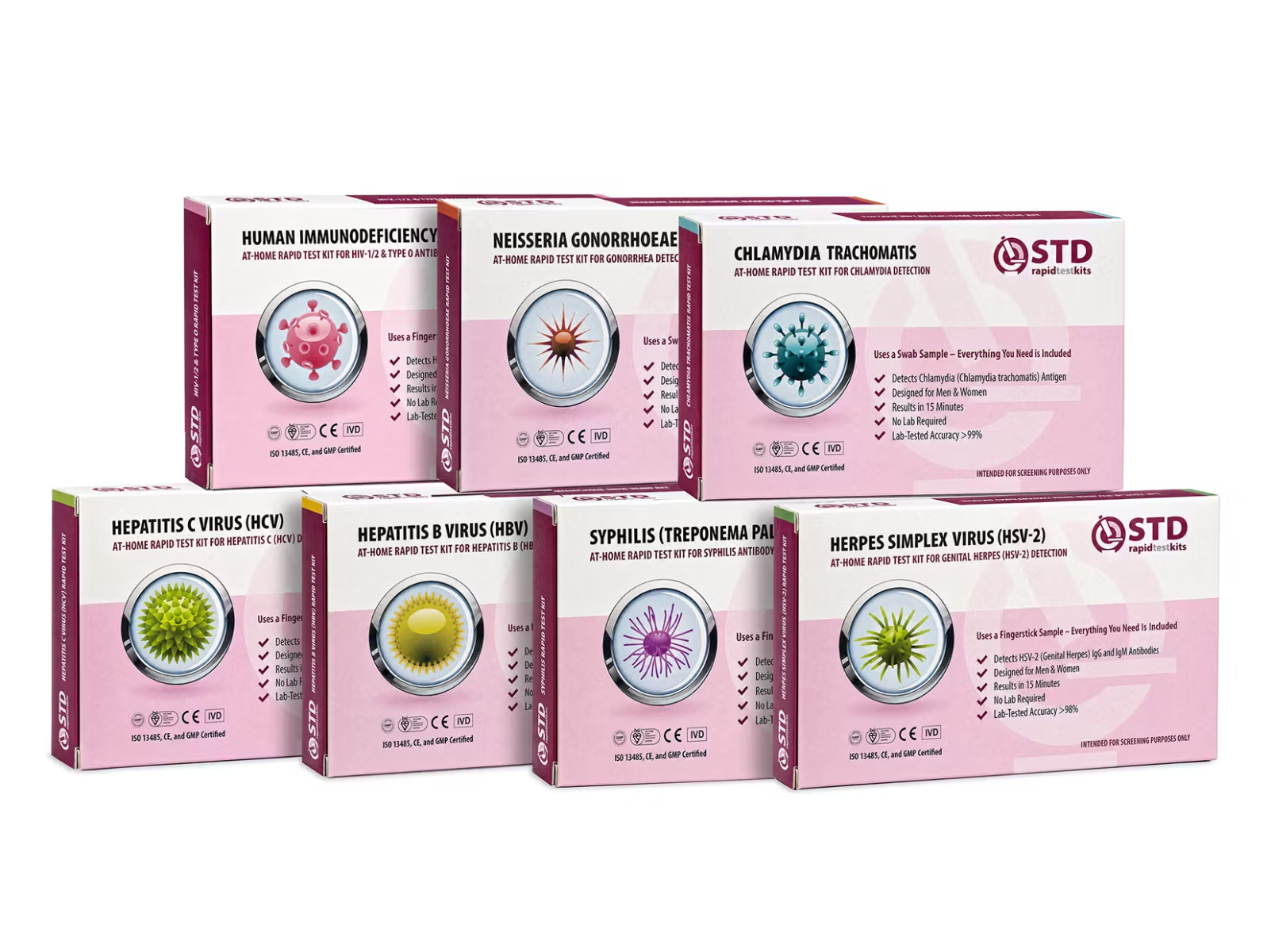
This site sells at-home rapid STI test kits; the options below ship discreetly and return results in about 15 minutes.
Hepatitis B, Hepatitis C, and Blood Exposure
Hepatitis B and C live in blood, which is why people worry about feeding. The actual transmission picture is more reassuring than the word "bloodborne" suggests.
Hepatitis B is safe to breastfeed with as long as the baby receives the hepatitis B vaccine and HBIG (hepatitis B immune globulin) at birth, which is U.S. standard of care per CDC perinatal guidance. That vaccination protocol effectively closes the perinatal transmission window. Hepatitis C is generally safe too: CDC breastfeeding guidance notes the virus is not transmitted through breast milk under normal conditions. Pause feeding from a cracked or bleeding nipple until the skin heals, because direct blood-to-blood exposure is the actual route of concern.
| Condition | Breastfeeding Safety | Key Precaution |
|---|---|---|
| Hepatitis B | Safe | Ensure baby receives HBV vaccine + HBIG at birth |
| Hepatitis C | Generally safe | Pause from a side with bleeding nipple until healed |
When to Pause or Modify Breastfeeding
Most STI diagnoses don't require stopping. But there are specific situations where temporary changes protect the baby without ending feeding entirely. The table below covers the ones that actually warrant adjustment.
| Situation | What to Do |
|---|---|
| Active herpes sore on the breast | Avoid feeding from the affected side; pump and discard milk from that breast until lesions heal |
| HIV diagnosis (U.S. setting) | Discuss options with your HIV care team; formula eliminates residual transmission risk, ART-suppressed breastfeeding is an option under shared decision-making |
| Cracked or bleeding nipples with hepatitis C or HIV | Pause feeding from that side until the skin heals |
| Unidentified breast sores or unusual rash | Pause feeding from that side and get evaluated |
| Syphilis chancre on the breast | Avoid feeding from that side until treated and lesion clears |
When the Pain Isn't an STI at All
Not every sore, crack, or burning sensation during breastfeeding is an infection. Your body is dealing with hormonal shifts, near-constant feeding, sleep deprivation, and physical strain. Symptoms overlap with infections in ways that can look alarming.
The most common non-STI causes that get mistaken for something serious during the early postpartum weeks:
- Cracked nipples from latch issues or dryness. Usually responds to latch correction and nipple care.
- Mastitis: bacterial breast infection with pain, redness, warmth, and often fever. Needs antibiotics, not pausing feeds.
- Thrush (yeast): burning pain, sometimes with shiny or flaky skin on the nipple or white patches in the baby's mouth.
- Blocked milk ducts: tender lumps and localized swelling, usually without fever. Resolves with frequent feeding and warm compresses.
If something looks like clustered fluid-filled blisters, a painless ulcer, or isn't healing after several days of latch correction, that's when to get it evaluated rather than waiting it out.
Where Testing Fits
If you've had a new partner during or shortly after pregnancy, unexplained symptoms, or just a gut sense that something is off, testing turns guesswork into a usable answer. You don't have to sit in a clinic waiting room with a newborn for it.
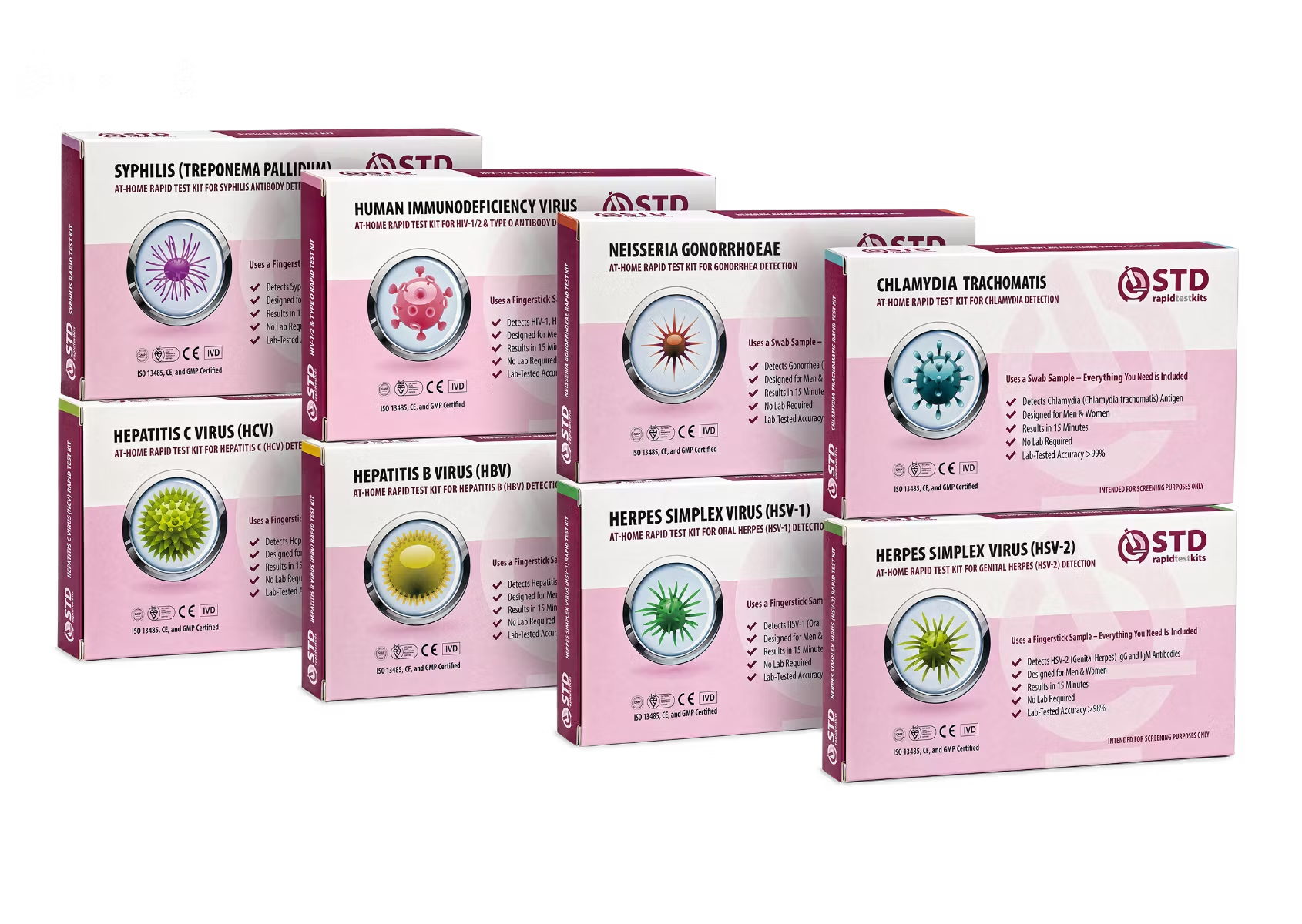
At-home rapid kits cover HIV, syphilis, chlamydia, gonorrhea, hepatitis B, hepatitis C, and herpes, individually or in combination panels. Most return a result in about 15 minutes from a fingerstick blood drop or a self-collected swab. These are lateral-flow screening tests, not lab NAATs, so a positive result is worth confirming with a clinician. They answer the immediate question without delay, which is what most parents in this situation actually need.
Knowing what you're dealing with is what lowers the stress. An at-home panel returns that answer in 15 minutes and lets you make the next feeding decision with real information instead of guesswork.
FAQs
- Can I keep breastfeeding if I have chlamydia or gonorrhea?
- Yes. Neither chlamydia nor gonorrhea passes through breast milk. The transmission window for these infections is during birth, not during feeding. Standard antibiotic treatment is compatible with nursing.
- Does HIV change the answer?
- It changes the conversation, not the floor. Current CDC guidance is shared decision-making with your HIV care team rather than a blanket no. Formula substitution eliminates transmission risk; ART-suppressed breastfeeding with a sustained undetectable viral load carries under 1% residual risk. WHO guidance for resource-limited settings recommends breastfeeding with continuous ART because formula safety isn't guaranteed there.
- What if I have an active herpes sore on my breast?
- Don't feed from that side until the lesion crusts and fully heals. Pump and discard milk from that breast to maintain supply, and feed from the unaffected side as long as it's clear of lesions.
- Are STI medications safe while breastfeeding?
- Most are. Common antibiotics like azithromycin and ceftriaxone, and antivirals like acyclovir, are routinely used by breastfeeding parents. Confirm specific drugs with your prescriber, but in general, untreated infection is a bigger concern than treatment.
- Can hepatitis B pass to my baby through feeding?
- Not if the baby was given the hepatitis B vaccine and HBIG at birth, which is U.S. standard of care. Breastfeeding is safe with that protocol in place per CDC guidance.
- Should I worry about hepatitis C in breast milk?
- Hepatitis C stays out of breast milk under normal nursing conditions; the virus doesn't move through it. The one precaution is a cracked or bleeding nipple: pause feeding from that side until the skin closes, because blood-to-blood contact is the actual transmission route. Once healed, resume normally.
- Can my baby get an STI just from skin-to-skin contact?
- Only through contact with an active sore. Herpes and syphilis lesions can transmit through direct skin contact. Most other STIs (chlamydia, gonorrhea, HIV, hepatitis) don't spread through casual closeness or cuddling.
- When should I test after birth?
- If you had a new sexual partner during or shortly after pregnancy, or symptoms that don't make sense, test now rather than later. An at-home rapid panel returns results in about 15 minutes and lets you make feeding decisions with actual information instead of guesswork.
How We Sourced This Article: This guide draws on current public-health guidance from the U.S. Centers for Disease Control and Prevention (CDC), the World Health Organization (WHO), and the American College of Obstetricians and Gynecologists (ACOG) on breastfeeding and sexually transmitted infections. Where guidance differs between U.S. and global settings (notably for HIV), both positions are described so parents can recognize which one applies to their situation. We are an editorial team summarizing public-health guidance; this is not a substitute for individual medical advice from your prescriber.
- U.S. Centers for Disease Control and Prevention. Breastfeeding and special circumstances: illnesses and conditions, with specific guidance for HIV, hepatitis B, hepatitis C, and herpes.
- World Health Organization. Breastfeeding topic page, with general guidance on breastfeeding and infant nutrition.
- U.S. Centers for Disease Control and Prevention. Hepatitis B perinatal provider overview, including birth-dose vaccine and HBIG protocol.
- U.S. Centers for Disease Control and Prevention. Hepatitis C clinical overview, covering HCV transmission routes, clinical features, testing, and treatment.
- U.S. Centers for Disease Control and Prevention. STI treatment guidelines, covering chlamydia, gonorrhea, syphilis, and herpes.
- American College of Obstetricians and Gynecologists. Patient education and clinical practice resources on pregnancy, postpartum care, and breastfeeding.
