
Published: December 2025 | Last updated: April 2026 | Editorial review and quality control: Martina N.
The short answer is yes. Chlamydia is one of the most treatable sexually transmitted infections, and a single course of the right antibiotics clears it in nearly every patient who finishes the prescription. The longer answer covers what cured actually means at a biological level, why so many people test positive again later, and what the post-treatment testing window looks like.
This guide walks through current CDC and NHS guidance on chlamydia treatment, then explains the reinfection patterns that often get mistaken for treatment failure. If you have just been diagnosed, or you finished antibiotics and you are wondering whether the infection is really gone, this article should answer the questions you actually have.
Can chlamydia really be cured completely?
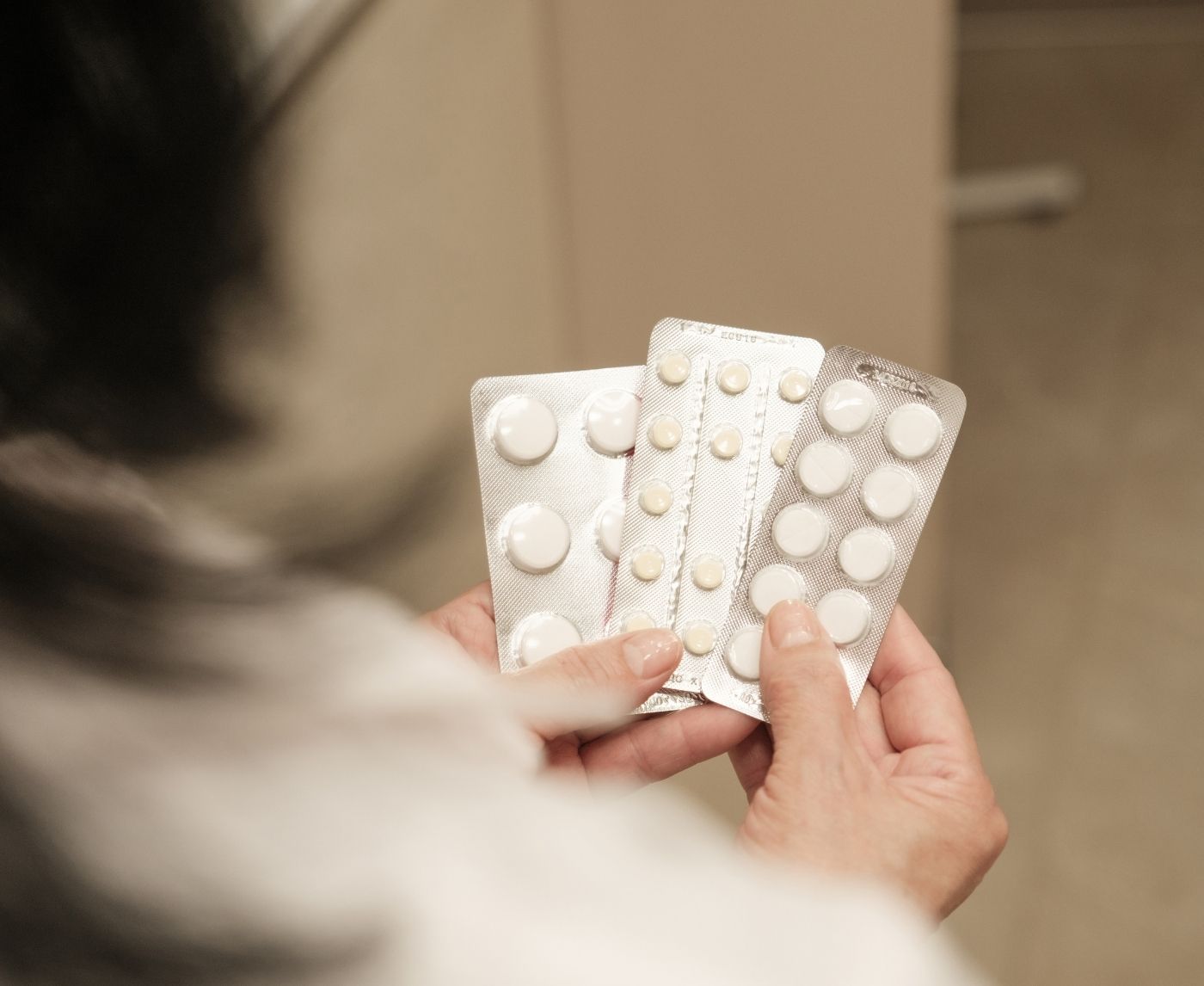
Yes. Chlamydia is a bacterial infection, so the right antibiotics eliminate it from the body. The CDC-preferred regimen is doxycycline 100mg twice daily for seven days, with high microbiologic cure rates reported in clinical trials referenced by the CDC's STI Treatment Guidelines. Most people clear the infection within 7 to 14 days. Testing positive again later almost always means reinfection from a partner, not treatment failure.
Key takeaways
- Antibiotics cure chlamydia in nearly every case when taken correctly. Doxycycline 100mg twice daily for seven days is the CDC-preferred regimen.
- Doctors recommend retesting at three months because reinfection from a partner is common, not because the original treatment usually fails.
Yes, Chlamydia Is Curable, And Here Is Why It Matters
Chlamydia is caused by a bacterium called Chlamydia trachomatis. That biological fact is the whole basis of the curability question. Bacteria are living organisms that antibiotics can disrupt and kill. Once the bacteria are eliminated from the body, the infection itself is over. There is no dormant phase, no hidden reservoir, and no reactivation pattern the way some viral infections behave.
That puts chlamydia in a different category from infections like herpes or HIV, which are caused by viruses that integrate with or persist inside human cells indefinitely. The CDC chlamydia fact sheet states the position plainly: chlamydia can be cured with the right treatment. When patients complete the prescribed antibiotics, doctors consider the infection cured.
The clinical bar for cured here is microbiologic cure, meaning the bacteria are no longer detectable in the body. Multiple randomized trials referenced in the 2021 CDC STI Treatment Guidelines report high microbiologic cure rates for the standard antibiotic regimens.
What complicates the picture is that chlamydia is also one of the most easily transmitted bacterial STIs, and infection does not produce lasting immunity. So while the original infection is gone after treatment, exposure to a new infected partner restarts the whole cycle.
Chlamydia is bacterial, which is why antibiotics can fully eliminate it. Viruses like herpes simplex or HIV integrate with or persist inside human cells, so they cannot be cleared the same way. That biological difference is why chlamydia is treated as cured once the antibiotic course is completed and the bacteria are no longer detectable.
What the Antibiotics Actually Do to Chlamydia
The CDC-preferred treatment regimen is doxycycline 100mg taken orally twice a day for seven days. This recommendation comes from the 2021 CDC STI Treatment Guidelines and reflects updated trial evidence showing that doxycycline outperforms single-dose azithromycin, particularly for rectal infections.
Doxycycline works by blocking bacterial protein synthesis. Chlamydia trachomatis needs to make new proteins to replicate inside human cells. Doxycycline binds to the bacterial ribosome and stops that process. Without the ability to multiply, the existing bacteria are eliminated by the body and no new bacteria replace them. Within several days the bacterial population collapses, and within a week the infection is typically gone.
Azithromycin, given as a single 1g oral dose, remains an alternative regimen and is still used when adherence is a concern, in pregnancy under specific clinical guidance, or when doxycycline is contraindicated. Both medications target the same biological mechanism of stopping bacterial protein production. The reason CDC moved doxycycline ahead of azithromycin in the 2021 guidelines is that head-to-head trial data showed doxycycline was more reliably curative for genital and especially rectal chlamydia.
One thing both regimens share: doctors recommend abstaining from sex during and immediately after the treatment course. The general rule is to wait seven days after a single-dose regimen, or until the full seven-day doxycycline course is finished, before resuming sex. That window protects partners from infection and prevents you from being reinfected before the medication has fully worked.
| Antibiotic | Standard regimen | Reported cure rate | Notes |
|---|---|---|---|
| Doxycycline | 100mg twice daily for 7 days | High in published clinical trials | CDC-preferred regimen since 2021. Most reliable for rectal infections. |
| Azithromycin | 1g single oral dose | High in published clinical trials for genital infection | Alternative regimen. Still used when adherence is a concern, or in pregnancy under obstetric supervision. |
| Levofloxacin | 500mg once daily for 7 days | High | Alternative for patients who cannot take the first-line options. |
How Long Until the Infection Is Actually Gone
Most people start to feel better within two to three days of starting antibiotics. Burning during urination, abnormal discharge, and mild pelvic discomfort tend to fade quickly once the bacteria stop replicating. That symptom relief is a good sign, but it is not the same thing as cure.
The bacterial population takes a few more days to fully die off. By the end of a seven-day doxycycline course, the bulk of the infection is cleared. By the time someone retests three months later, almost every patient who completed treatment shows a negative result, unless they were exposed again in the interim.
Two timing rules come from this biology. First, do not have sex during the treatment course or for seven days after. Second, do not retest immediately after finishing antibiotics, because dead bacterial fragments can sometimes cause false-positive results on highly sensitive lab tests. The standard CDC-recommended retesting window is three months after treatment, which serves two purposes: it gives the body time to clear residual bacterial DNA fragments, and it catches any new infection that came in from a partner exposure.
The at-home rapid tests referenced in this article are sold by stdrapidtestkits.com. We recommend products based on fit-for-purpose for the reader's concern, not commercial benefit.
| Time after starting antibiotics | What is happening | What you should do |
|---|---|---|
| 1 to 3 days | Symptoms begin improving as bacterial replication stops | Continue taking medication exactly as prescribed |
| 7 days | Most bacterial activity has stopped | Finish the full course; avoid sex |
| 7 to 14 days | Infection typically cleared | Wait at least 7 days post-treatment before resuming sex |
| 3 months | Standard retesting window | Retest to rule out reinfection from a partner exposure |
Why a Second Positive Test Is Almost Always Reinfection
Reinfection is the source of almost every chlamydia-keeps-coming-back story. The CDC STI Treatment Guidelines note that reinfection within months of treatment is common, particularly when partners are not simultaneously treated. That is why retesting at three months is part of standard care, not because doctors expect treatment to fail.
The most common reinfection pathway is a partner who never received treatment. One person finishes antibiotics, feels better, resumes sex with the same partner, and the infection passes right back. Medically that is a brand-new infection, but to the patient it feels like the original one returned.
The fix is partner notification and partner treatment. Most clinics will provide treatment for recent sexual partners even if those partners have not been tested or seen a clinician themselves, a practice the CDC calls expedited partner therapy. The goal is to break the back-and-forth cycle by treating everyone who could be infected at the same time, then keeping sex paused until everyone has finished medication.
A second, smaller cause of an apparent positive retest is testing too soon. Highly sensitive nucleic acid amplification tests can occasionally detect dead bacterial fragments for several weeks after successful treatment. That is why CDC recommends waiting three months before retesting unless symptoms continue or new exposure occurred.
Many U.S. clinics will write a prescription for a recent sexual partner without requiring that partner to attend a separate appointment. The CDC calls this expedited partner therapy, and it is one of the most effective ways to break the back-and-forth reinfection cycle. If you are diagnosed, ask your prescriber whether expedited partner therapy is available in your state.
What Happens If You Do Not Treat Chlamydia
Untreated chlamydia is a different story from treated chlamydia. The bacteria can persist for months or years if no antibiotics intervene, and during that time the infection can move from the cervix or urethra into deeper reproductive structures. Most of the well-documented complications of chlamydia come from late or absent treatment, not from the infection itself.
According to the CDC chlamydia overview, untreated chlamydia in people with female reproductive anatomy can cause pelvic inflammatory disease, where the infection ascends from the cervix into the uterus and fallopian tubes. PID can scar the fallopian tubes and is a leading cause of tubal infertility and ectopic pregnancy. The risk grows with how long the infection goes undetected.
In people with male reproductive anatomy, untreated chlamydia can cause epididymitis, an inflammation of the duct that carries sperm out of the testicle. Epididymitis is painful and, like PID, can affect fertility if the inflammation causes scarring.
None of these complications are inevitable. They are why doctors push so hard on early testing and prompt antibiotic treatment for what is otherwise a very manageable bacterial infection.
| Affected area | Complication | How chlamydia causes it |
|---|---|---|
| Uterus and fallopian tubes | Pelvic inflammatory disease (PID) | Bacteria ascend from the cervix and inflame the upper reproductive tract |
| Fallopian tubes | Tubal scarring and infertility | Long-term inflammation damages the tube lining |
| Fallopian tubes | Ectopic pregnancy | Scarring blocks normal egg passage |
| Epididymis | Epididymitis | Inflammation around the duct carrying sperm out of the testicle |
| Pelvic region | Chronic pelvic pain | Persistent inflammation after long-untreated infection |
Symptoms Can Linger Even After the Bacteria Are Gone
Some patients finish antibiotics and still notice mild burning during urination or unusual discharge for a few more days. That can be alarming if you assume the infection equals the symptom. In reality, symptoms and infection are not perfectly synchronized.
Inflammation of the urethra or cervix can take longer to resolve than the bacterial infection itself. The tissue irritation that the infection caused needs time to heal, and that healing process can extend for a couple of weeks past the last dose of antibiotics. If the symptoms are mild and steadily improving, that is consistent with normal post-treatment healing.
What is not normal is symptoms that persist or worsen beyond two to three weeks after finishing treatment. Several things can cause that pattern. The most common is a co-infection that the chlamydia treatment did not cover, such as gonorrhea, trichomoniasis, or in some cases mycoplasma genitalium. Another possibility is a urinary tract infection or, less commonly, a yeast infection that started during or after antibiotic use.
If symptoms continue past the typical post-treatment healing window, the right move is a follow-up clinic visit. Doctors can test for additional pathogens and confirm that the original chlamydia infection is gone.
When and Why to Retest After Treatment
Three months after completing treatment, the CDC recommends a follow-up chlamydia test for sexually active patients. This is called a test of reinfection rather than a test of cure, because in most cases doctors are not checking that the antibiotics worked. They worked. The test is checking whether a new exposure has happened since.
For patients with persistent symptoms, or for those who could not finish the full antibiotic course, an earlier test of cure makes sense. In those cases the recommended timing is three to four weeks after finishing antibiotics, which is enough time for residual bacterial DNA to clear from the testing window.
If sexual exposure happens with a new partner before the three-month mark, the right move is to test sooner, at least two to three weeks after that new exposure event. The chlamydia testing window is short relative to other STIs because the bacterial load builds quickly once exposure happens.
Beyond reinfection testing, regular STI screening is part of routine sexual health for sexually active adults. The CDC recommends annual chlamydia screening for sexually active women under 25, and for older women with risk factors such as new or multiple sex partners. Men who have sex with men are also advised to test at regular intervals.
Repeat infection with chlamydia is common. People with chlamydia should be tested again about three months after treatment, even if their sex partner(s) was treated.
At-Home Rapid Tests Versus Lab NAAT
Two different testing technologies dominate chlamydia screening, and they are not interchangeable.
Lab-based nucleic acid amplification testing, or NAAT, is the analytical gold standard. NAAT amplifies bacterial DNA and is highly sensitive even at low bacterial loads, which makes it the test of choice for confirming clearance after treatment or for screening asymptomatic patients. NAAT requires a urine sample or a clinician-collected swab and is processed in a laboratory.
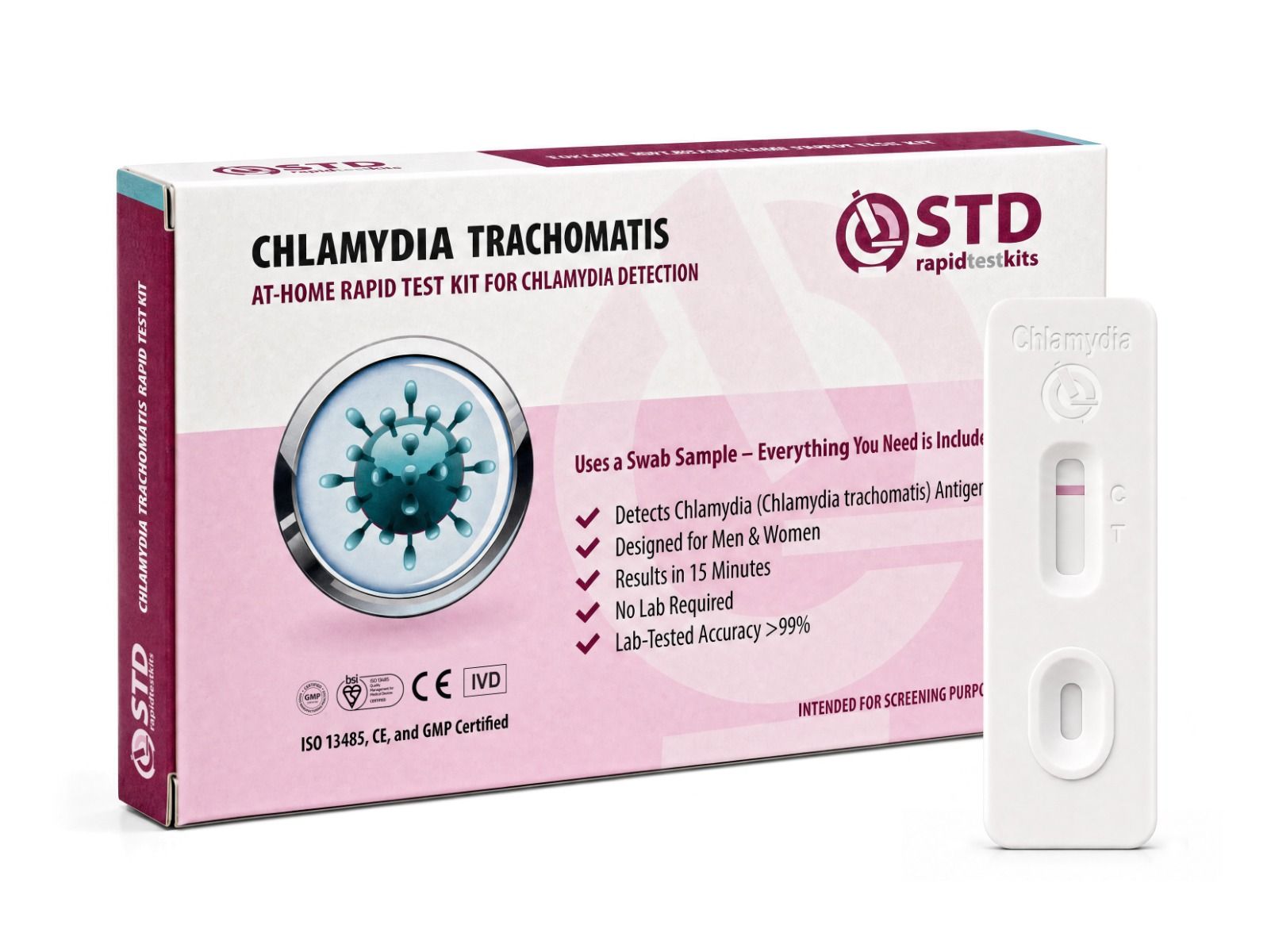
At-home rapid lateral-flow tests use a different chemistry. The reader's self-collected swab interacts with antibodies on a paper strip, similar in principle to a home pregnancy test, and a colored line indicates the presence of chlamydia antigens. Lateral-flow rapid tests trade some analytical sensitivity for speed, privacy, and convenience. They give a result in about 15 minutes and let people screen at home without booking an appointment.
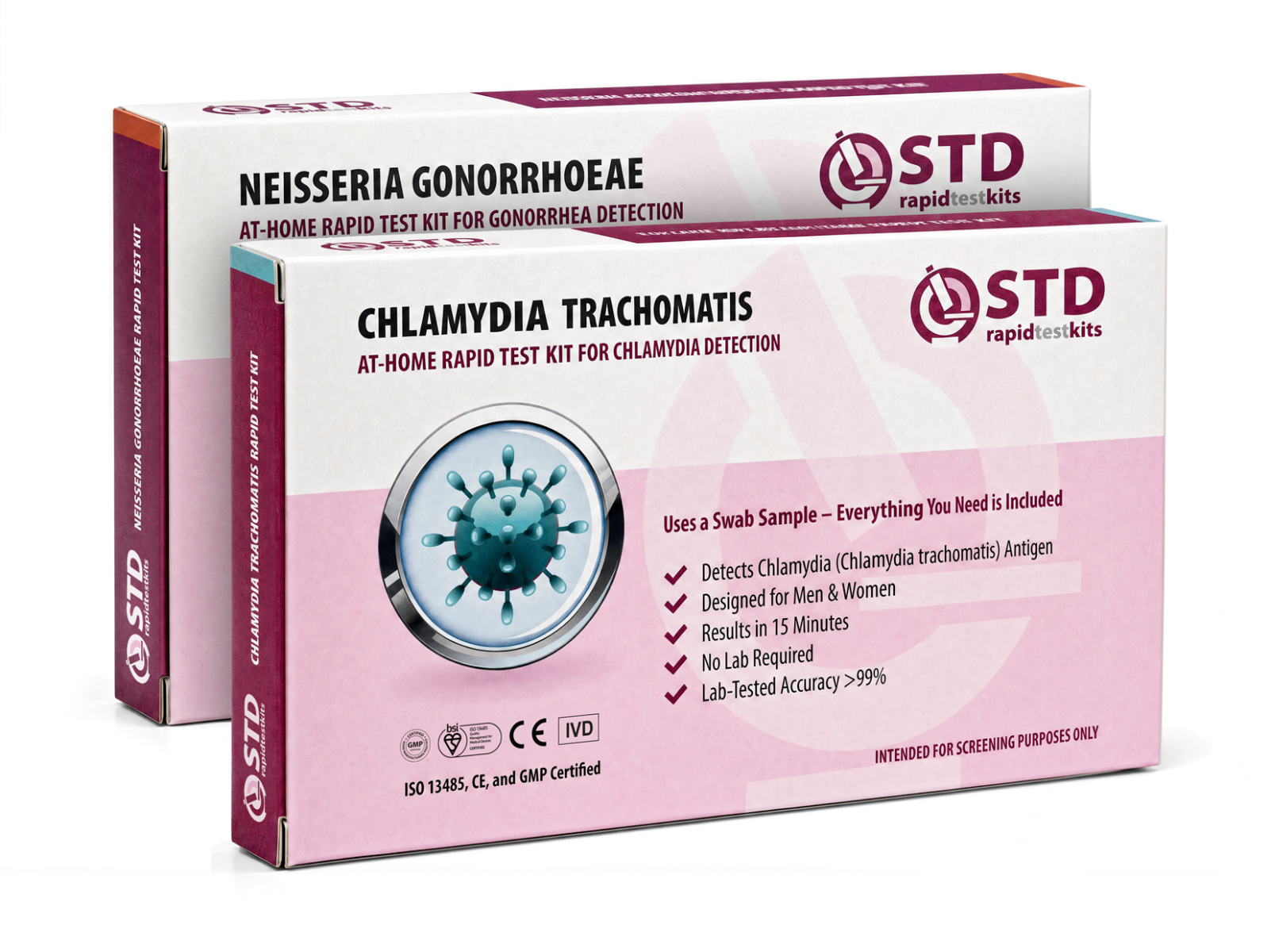
Both technologies have a place. A lateral-flow rapid test is genuinely useful for screening, for after-exposure check-ins, and for people who delay clinic visits because of cost, time, or privacy concerns. When a rapid test comes back positive, the next step is to start treatment with a clinician, who may also confirm with a lab NAAT. When a rapid test is negative and there is ongoing concern, a follow-up lab NAAT through a clinician is reasonable for confirmation.
Rapid tests and lab NAAT serve complementary roles. Rapid tests get more people screening more often. Lab NAAT remains the highest-sensitivity confirmatory option.
| Feature | At-home lateral-flow rapid test | Lab-based NAAT |
|---|---|---|
| Sample type | Self-collected swab | Urine sample or clinician-collected swab |
| Sensitivity | Lower analytical sensitivity than lab NAAT | Highest analytical sensitivity (gold standard) |
| Time to result | About 15 minutes at home | Several days, processed by a laboratory |
| Access and cost | Order online, no appointment needed | Requires clinic visit and lab processing |
| Best use case | Screening, after-exposure check-ins, 3-month retest | Confirming a positive rapid test, or screening when sensitivity matters most |
When to See a Clinician Instead of Testing at Home
Self-testing has a place, but a few situations warrant a clinic visit rather than an at-home rapid test. If you have lower abdominal or pelvic pain, fever, pain during sex, or unusual bleeding between periods, those are signs that infection may have moved into the upper reproductive tract. Pelvic inflammatory disease needs prompt clinical evaluation and antibiotics, often with longer or different regimens than uncomplicated chlamydia.
Pregnancy is another reason to test through a clinic. Doxycycline is not used in pregnancy. Azithromycin or amoxicillin regimens are given under obstetric guidance, and the NHS chlamydia overview notes that pregnant patients are offered retesting four weeks after treatment to confirm the infection has cleared.
People with a recent positive test who suspect treatment failure also benefit from a clinic visit. Genuine treatment failure is rare, but when it does happen, the clinician can take a culture, check for antibiotic resistance, or rule out alternative diagnoses. That is not something an at-home rapid test can do.
For everyone else, the path is straightforward. Take the antibiotics exactly as prescribed. Make sure recent partners are treated at the same time. Pause sex for the full week after the last dose. Then retest at three months for peace of mind.
Reasons to see a clinician instead of testing at home
- Lower abdominal or pelvic pain, fever, pain during sex, or bleeding between periods.
- Pregnancy, where doxycycline is not used and obstetric supervision is needed.
- Symptoms that persist or worsen beyond two to three weeks after finishing antibiotics.
- A recent positive test where you suspect treatment may have failed.
Frequently asked questions about chlamydia and treatment
- Are antibiotics actually 100% effective against chlamydia?
- In nearly every case, yes. Finishing the full 7-day doxycycline course eliminates the bacteria, and there is no dormant phase for them to reactivate from. A positive test months later points to a new exposure, not the original infection persisting.
- How long after antibiotics is the chlamydia infection actually gone?
- Symptoms usually start improving within 1 to 3 days of starting antibiotics. The bacterial population takes about a week to fully clear. Most clinicians say wait at least 7 days after finishing treatment before resuming sex, then retest at the 3-month mark to confirm no reinfection happened from a partner.
- Why do people sometimes test positive again months after treatment?
- Almost always reinfection from an untreated partner, not the original infection persisting. CDC data show that reinfection within months of treatment is common, particularly when partners are not simultaneously treated. The fix is partner treatment plus a 7-day no-sex window after both partners finish medication.
- Can chlamydia stay dormant in the body for years?
- No. Unlike herpes or HIV, Chlamydia trachomatis does not establish a dormant or latent phase. If someone tests positive years after treatment, it almost always reflects a new exposure rather than the original infection reactivating. Untreated chlamydia can persist for a long time, but treated chlamydia does not.
- Does chlamydia ever go away without treatment?
- Sometimes the immune system suppresses or clears the infection, but counting on that is risky. Studies show many untreated infections persist for months or years. During that time the bacteria can ascend the reproductive tract and cause complications like pelvic inflammatory disease, infertility, or chronic pelvic pain. Antibiotics are far safer than waiting.
- Do both partners really need to take antibiotics?
- Yes, simultaneously, with a 7-day no-sex window after the last person finishes treatment. If only one partner is treated, the infection can pass right back during sex. Many clinics offer expedited partner therapy, where they provide a prescription for the partner without requiring a separate visit.
- When should I retest after chlamydia treatment?
- The standard CDC recommendation is 3 months after finishing antibiotics. That window catches reinfection from a partner exposure. If symptoms persist, or you could not complete the full antibiotic course, an earlier test of cure at 3 to 4 weeks post-treatment is reasonable.
- Can I use an at-home rapid test to confirm I am cured?
- An at-home lateral-flow rapid test can be useful for screening at the 3-month retest point, especially if a clinic visit is hard to arrange. Just remember rapid tests have lower analytical sensitivity than lab NAAT. If symptoms continue or there is strong concern about treatment failure, a lab NAAT through a clinician is the higher-sensitivity option.
- U.S. Centers for Disease Control and Prevention. About Chlamydia: causes, symptoms, transmission, complications, and treatment overview.
- U.S. Centers for Disease Control and Prevention. STI Treatment Guidelines for Chlamydia: doxycycline-preferred regimen, alternative regimens, partner treatment, and 3-month retesting recommendation.
- UK National Health Service. Chlamydia overview: symptoms, treatment, retesting four weeks after treatment in pregnancy, and general post-treatment guidance.
- World Health Organization. Sexually Transmitted Infections fact sheet: global incidence and treatment context for bacterial STIs including chlamydia.
- U.S. National Library of Medicine, MedlinePlus. Chlamydia infections: plain-language consumer reference covering testing and treatment basics.
