Published: July 2025 | Last updated: May 2026 | Editorial review and quality control: Martina N.
Three viruses keep appearing in cancer research: HPV, HIV, and herpes simplex type 2 (HSV-2). All three spread sexually, all three can stay in the body for years, and all three change cancer risk in ways most bacterial STIs do not. The mechanism differs for each one. This guide walks through what the current evidence says, which cancers are actually linked, and what you can practically do without either ignoring the risk or panicking about it.
Do HPV, HIV, and herpes really cause cancer?
HPV directly causes cancer. High-risk strains like HPV-16 and HPV-18 are responsible for nearly all cervical cancers and the majority of anal and oropharyngeal cancers. HIV does not cause cancer directly. Instead, it weakens immune surveillance, which raises the risk for several cancers, including Kaposi sarcoma, certain lymphomas, and HPV-related cancers. HSV-2 plays a smaller cofactor role; some evidence suggests it modestly amplifies cervical cancer risk when combined with high-risk HPV, mainly through chronic inflammation. The strongest single prevention move on this list is the HPV vaccine.
Key Takeaways
- HPV causes nearly all cervical cancers and the majority of anal and oropharyngeal cancers; vaccination prevents up to 90% of HPV-attributable cancers when given at the recommended ages.
- HIV does not directly cause cancer, yet people living with HIV have substantially higher rates of HPV-related cancers, Kaposi sarcoma, and several lymphomas because of reduced immune surveillance.
Why these three viruses behave differently from bacterial STIs
Bacterial STIs (chlamydia, gonorrhea, syphilis) are usually curable with the right antibiotics. Viral STIs are different. The body sometimes clears them, but often does not, and the long-term cancer risk comes from what the virus does inside cells over time, not from short-term symptoms.
Each of the three viruses works on cancer risk through a different pathway:
- HPV integrates into the DNA of infected cells. High-risk strains produce two viral proteins (E6 and E7) that disable the body’s main tumor-suppressor genes. This is direct, mechanistic carcinogenesis.
- HIV depletes CD4 T-cells over time. The immune system loses some of its ability to spot and destroy cells that are turning cancerous, so cancers (often driven by other viruses such as HPV or Epstein-Barr) get a chance to grow.
- HSV-2 causes recurrent inflammation at the site of infection. Chronic inflammation creates an environment where DNA damage accumulates and where other infections (like HPV) can persist longer than they otherwise would.
Most HPV infections clear within two years on their own. Most do not become cancer. The risk comes from the small fraction of infections that persist for years or decades. HIV is lifelong; modern antiretroviral therapy (ART) controls it but does not cure it. HSV-2 is also lifelong, with periodic outbreaks separated by long quiet stretches.
- HPV: integrates into cellular DNA; the E6 and E7 proteins disable tumor-suppressor genes. Direct carcinogen.
- HIV: depletes CD4 T-cells; immune surveillance drops; other oncogenic infections gain a foothold. Indirect amplifier.
- HSV-2: drives chronic inflammation in the genital tract; classified as a possible cofactor for cervical cancer when HPV is also present.
HPV: the direct carcinogen
HPV is the strongest, clearest cancer link in this group. The U.S. National Cancer Institute attributes approximately 37,800 cancer cases per year in the United States to HPV. Most of those would not happen if everyone eligible received the HPV vaccine.
HPV is a family of more than 200 related viruses. About a dozen are classified as high-risk because they can cause cancer. Two strains do most of the damage:
- HPV-16 is responsible for the largest share of cervical, anal, oropharyngeal, and penile cancers.
- HPV-18 accounts for another large fraction of cervical cancers.
Together, HPV-16 and HPV-18 cause approximately 76% of cervical cancers worldwide, per the World Health Organization. The remaining cases come from a longer tail of other high-risk strains (31, 33, 45, 52, 58, and others).
The cancers HPV is responsible for break down roughly like this in the U.S.:
- Cervical cancer: nearly 100% caused by HPV. About 11,500 new cases per year, with roughly 4,000 deaths.
- Oropharyngeal cancer (back of throat, base of tongue, tonsils): about 70% HPV-attributable. Now the most common HPV-related cancer in men, with rates rising for decades.
- Anal cancer: more than 90% HPV-attributable.
- Vulvar, vaginal, and penile cancer: smaller absolute numbers, but most cases that do occur are HPV-driven.
Two practical points stand out. First, HPV-related cancers do not announce themselves early. They develop silently from precancerous cell changes over years, sometimes decades. Second, the same vaccine prevents cancers across all of those sites.
HIV: cancer through immune compromise
HIV does not directly turn cells cancerous. It does something more indirect: it depletes the immune system’s CD4 T-cells, which are the cells that normally patrol for and destroy abnormal or virally infected cells. Without that surveillance, cancers driven by other infections (HPV, Epstein-Barr virus, human herpesvirus-8) get an easier path.
The cancers most strongly elevated in people living with HIV fall into two groups:
- AIDS-defining cancers: Kaposi sarcoma, non-Hodgkin lymphoma (especially diffuse large B-cell and primary central nervous system lymphomas), and invasive cervical cancer. These three are part of the diagnostic criteria for AIDS itself.
- Non-AIDS-defining cancers: anal cancer, Hodgkin lymphoma, liver cancer, and several others. Rates of these rise meaningfully above the general population, even when HIV is well-controlled.
The numbers are striking for some cancers. CDC data and large U.S. cohort studies show anal cancer rates in HIV-positive men who have sex with men can run 25 to 30 times the rate seen in HIV-negative men. Kaposi sarcoma, almost unheard of in the general U.S. population, was a common AIDS-era cancer because the human herpesvirus-8 that causes it can usually only get a foothold in a deeply immunocompromised host.
Antiretroviral therapy changed this picture substantially. Sustained viral suppression brings CD4 counts back up, restores meaningful immune surveillance, and cuts cancer risk for many of the AIDS-defining cancers dramatically. ART does not erase elevated risk, especially for HPV-related cancers and some lymphomas, but it shifts the trajectory from “high near-term risk” to “modestly elevated lifetime risk that can be managed with screening.”
HIV is not a guarantee of cancer. Modern HIV care now includes cancer screening as a standard component, and knowing your HIV status (then starting treatment promptly if positive) is one of the most consequential cancer-risk decisions someone in this position can make.
HSV-2: the smaller cofactor role
HSV-2 is the most cautious of the three claims in this article. Unlike HPV, it does not have a clear mechanism that directly turns cells cancerous. Unlike HIV, it does not produce broad immune suppression. What HSV-2 does is cause repeated, often subclinical, inflammation in the genital tract, and that inflammation appears to act as a modest amplifier for HPV-driven cervical cancer risk.
The International Agency for Research on Cancer (IARC), the WHO body responsible for classifying carcinogens, classifies HSV-2 as a possible cofactor for cervical cancer, not a direct carcinogen. That distinction matters. HSV-2 alone, without HPV, is not associated with the same elevated cervical cancer risk. The cofactor effect appears to require an underlying HPV infection. Pooled epidemiological data reviewed by IARC has shown women with both HSV-2 and high-risk HPV have an elevated risk of progressing from HPV infection to cervical pre-cancer or cancer (most studies converge on roughly a twofold increase) compared with women with HPV alone.
Why might HSV-2 amplify HPV’s effects? Plausible mechanisms include:
- Chronic inflammation that disrupts the cervical mucosal barrier, which can make HPV harder for the immune system to clear.
- Local immune dysregulation during HSV-2 reactivations, allowing high-risk HPV to persist longer.
- Direct DNA damage in cells exposed to repeated bouts of inflammation.
For someone living with HSV-2 the practical impact is straightforward: herpes itself does not give you cancer, but consistent cervical screening matters even more if you also test positive for high-risk HPV, and overall sexual-health monitoring (including HIV testing) helps catch other viral risks early.
When the viruses overlap, the math changes
Co-infection is where this topic gets the most clinically interesting, and where the news is genuinely worth knowing. The table below summarises the three pairwise patterns and what each one means for the reader.
| Co-infection | Risk pattern | Practical takeaway |
|---|---|---|
| HIV + HPV | Anal cancer rates among HIV-positive men who have sex with men can run 25 to 30 times the general population. Cervical cancer risk is several times higher than in HIV-negative women, and HPV progression is faster. | More frequent cervical screening; ask about anal cancer screening if in a higher-risk group; ART is the foundation. |
| HSV-2 + HPV | Roughly twofold increase in progression from HPV infection to cervical pre-cancer or cancer compared with HPV-only, per IARC pooled data. | Standard cervical screening on schedule is the right answer; HSV-2 itself does not require cancer-specific monitoring. |
| HIV + HSV-2 | HSV-2 roughly doubles the per-act risk of acquiring HIV during sexual exposure because HSV-2 lesions create a portal of entry. | If HSV-2 positive, prioritise routine HIV testing; the two viruses are commonly addressed together in public-health programs. |
What testing actually tells you (and the limits)
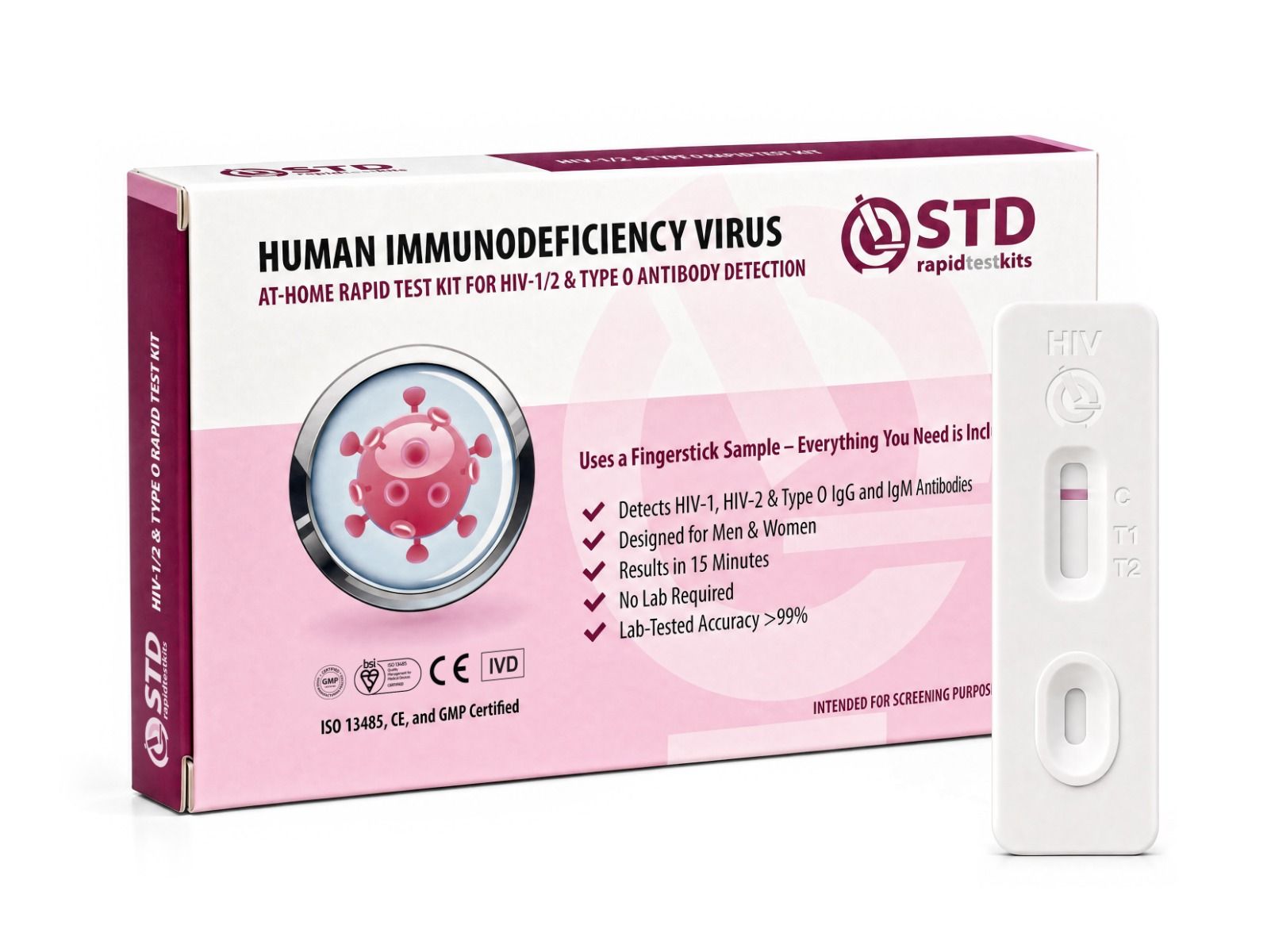
Three testing categories matter for this conversation: HIV testing, HSV-2 testing, and HPV testing. Each one answers a different question, and each has real limits worth understanding before you order a kit.
HIV testing. Modern home rapid antibody tests (including ours) detect HIV antibodies typically 23 to 90 days after exposure, with the great majority of seroconversions detectable by 12 weeks. Lab-based fourth-generation antigen-antibody tests can detect HIV earlier, often by 18 to 45 days post-exposure. A negative home rapid test more than 12 weeks after a possible exposure is generally reliable; closer to the exposure date, the result is informative but not yet conclusive.
HSV-2 testing. Home rapid HSV-2 tests are blood antibody tests. They measure whether your immune system has produced HSV-2 IgG antibodies, which typically takes 12 to 16 weeks after first infection. They do not detect active outbreaks or determine whether a current sore is herpes; that requires a clinic-administered swab or PCR test on a fresh lesion. Antibody testing answers “have I ever been exposed to HSV-2?”, not “is what I’m seeing right now an outbreak?”.
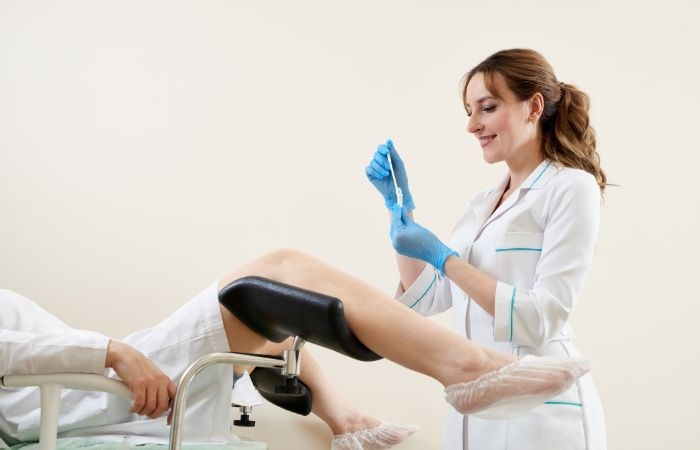
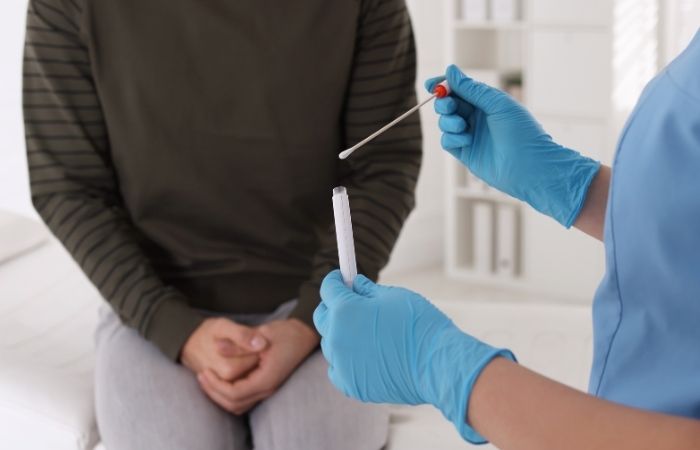
HPV testing. The standard HPV test is a sample taken from the cervix, often paired with or replacing the conventional Pap smear. It is performed for women, generally beginning around age 25 to 30, and detects high-risk HPV strains. There is no FDA-cleared, routinely-performed HPV test for men in the United States; most men’s HPV-related cancer screening currently relies on visual exams (oral, anal in high-risk groups) rather than molecular testing.
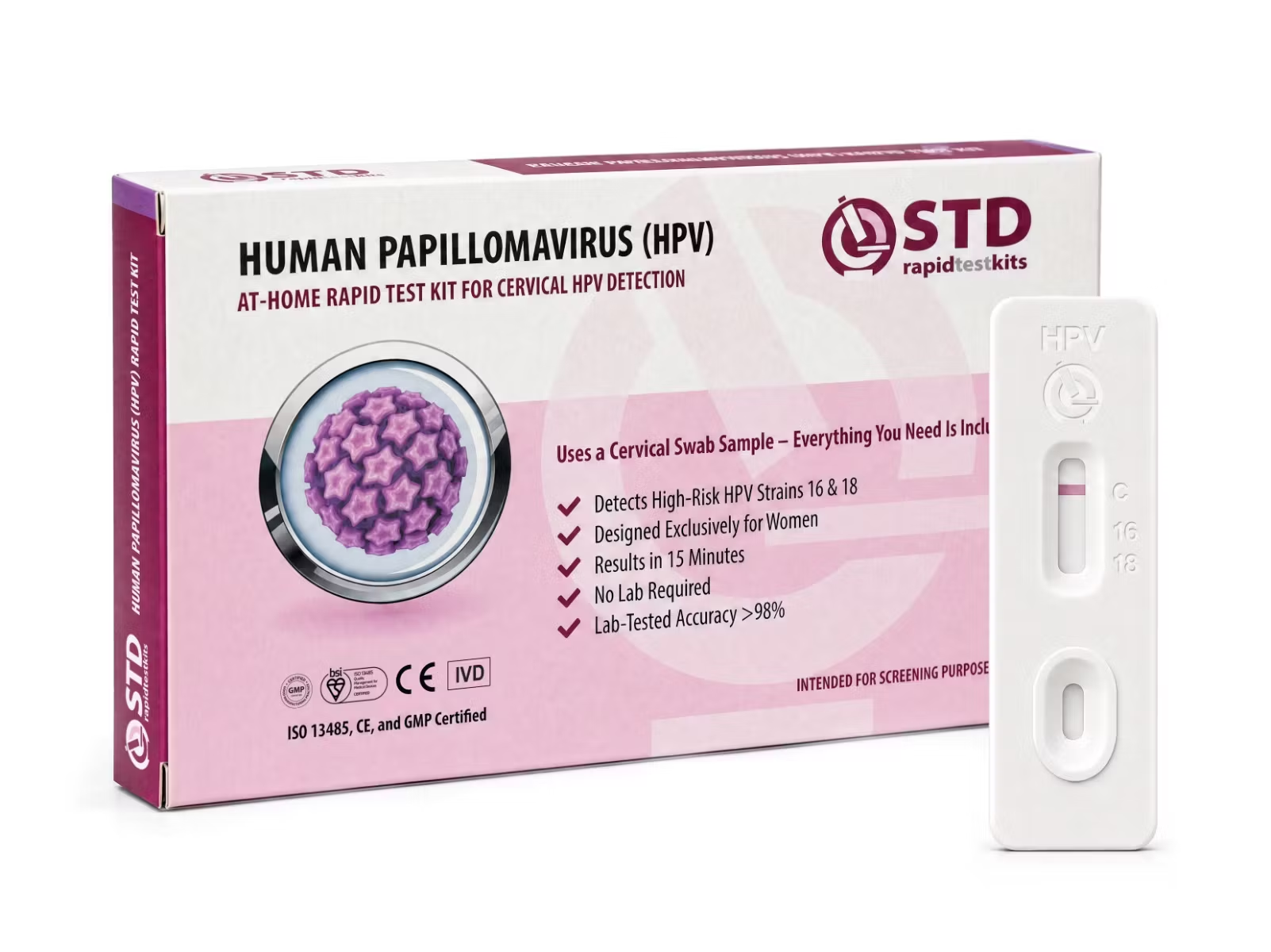
Our at-home HPV self-swab kit is validated for vaginal self-collection, which means it is for women only. Men needing assessment for HPV exposure should talk to a clinician about visual screening, and people in higher-risk groups (HIV-positive, history of receptive anal sex) should ask specifically about anal Pap testing.
This article is published by stdrapidtestkits.com, which sells at-home rapid testing kits. We recommend products based on fit-for-purpose for the reader’s concern, not commercial benefit.
HPV vaccination: still the strongest single move
The HPV vaccine is, by a clear margin, the most consequential preventive step on this list. Per National Cancer Institute guidance, HPV vaccination prevents up to 90% of HPV-attributable cancers when administered at the recommended ages.
The current ACIP recommendations:
- Routine vaccination: ages 9 through 26. Most effective when given before any sexual exposure to HPV, which is why the recommended starting age is around 11 to 12.
- Shared clinical decision-making: ages 27 through 45. Vaccination is FDA-approved through age 45 and is recommended on a case-by-case basis depending on individual risk and prior exposure history.
Common questions about adult vaccination:
- “I’ve already had HPV. Is the vaccine still useful?” Possibly yes. The vaccine covers nine high-risk strains, and most people with HPV have not been exposed to all of them. Talk to a clinician about whether the cost-benefit makes sense for your history.
- “I’m in a long-term monogamous relationship. Do I need it?” Maybe. Future relationships, future exposures, or undetected long-standing infection are all reasons people in their 30s and 40s sometimes still benefit.
- “Will it treat an existing HPV infection?” No. The vaccine prevents new infections from the strains it covers; it does not clear infections you already have.
The vaccine is a 2-dose or 3-dose series depending on the age you start. It is widely available through primary care, sexual-health clinics, and pharmacies.
HPV vaccination prevents up to 90% of cancers caused by HPV when given at the recommended ages.
Cancer screenings that matter
Vaccination prevents most HPV-attributable cancers. Screening catches the rest, plus the cases vaccination missed. Different cancers have different screening tools, and they apply to different populations.
Cervical cancer. The combination of Pap smear and HPV testing has, over decades, made cervical cancer one of the most preventable major cancers. Current ACOG and USPSTF guidance generally recommends:
- Ages 21 to 29: Pap test every 3 years.
- Ages 30 to 65: Pap test every 3 years, OR HPV test every 5 years, OR Pap and HPV co-test every 5 years.
- Higher-risk individuals (HIV-positive, immunocompromised, history of high-grade cervical disease): more frequent screening.
Anal cancer. Anal Pap testing (anal cytology) is recommended for higher-risk groups: HIV-positive men who have sex with men, women with a history of high-grade cervical or vulvar HPV disease, and people with persistent anal HPV infection. It is not yet a routine population-level screen, but if you are in one of the high-risk groups, it should be on your clinician’s checklist.
Oropharyngeal cancer. There is no validated routine screening test. The current standard is visual examination during dental and primary-care visits. Newer blood-based screening tests (looking for circulating tumor DNA from HPV-driven oropharyngeal cancers) are emerging but not yet routine. Persistent throat symptoms (a one-sided sore throat, a neck lump, hoarseness) lasting more than two weeks should be evaluated.
For people living with HIV. Cancer screening is a built-in part of high-quality HIV care. That includes more frequent cervical screening for women with HIV, anal cancer screening protocols in many HIV clinics, and attentive monitoring for Kaposi sarcoma and the lymphomas that can develop. If you are HIV-positive and your clinician has not discussed cancer screening with you, raise the question directly.
Practical next steps
Pulling all of the above together, the actions that move the needle on viral STI cancer risk look like this:
- If you are under 45 and unvaccinated against HPV: book a vaccine conversation with your clinician. ACIP supports vaccination through age 45 with shared decision-making.
- If you have a cervix: keep up with cervical screening on the schedule your clinician sets. Vaccinated and unvaccinated alike still need screening, because the vaccine does not cover every high-risk strain.
- If you do not know your HIV status: testing is the single most consequential first step. Home rapid antibody tests are accurate from roughly 23 to 90 days post-exposure; results closer to exposure should be repeated.
- If you are HIV-positive: stay on ART, attend cancer screening visits as recommended, and discuss anal cancer screening if you fall into a high-risk group.
- If you have HSV-2: cervical screening (for women) is even more important if HPV co-infection is also present. HSV-2 itself does not require cancer-specific monitoring beyond standard sexual-health follow-up.
- For asymptomatic adults without recent test history: a baseline panel covering HIV, syphilis, hepatitis B, and hepatitis C is a reasonable starting point, with HPV screening added separately for women through their clinician or an at-home self-swab.
None of these actions require a crisis. They are part of routine sexual-health maintenance, the way blood pressure and cholesterol are part of routine cardiovascular maintenance.
Frequently asked questions
- Can HPV really cause cancer?
- Yes. Unlike HIV or HSV-2, HPV causes cancer through a direct molecular mechanism: the viral E6 and E7 proteins disable the body’s tumor-suppressor genes. High-risk strains HPV-16 and HPV-18 alone account for approximately 76% of cervical cancers worldwide, per WHO data, and HPV is responsible for the majority of anal and oropharyngeal cancers as well.
- Does herpes (HSV-2) cause cancer?
- Not directly. The IARC classifies HSV-2 as a possible cofactor for cervical cancer, mainly through chronic inflammation that may amplify HPV-driven progression. HSV-2 alone, without HPV, is not a recognized cancer cause.
- Is HIV directly cancer-causing?
- No. HIV causes immune suppression by depleting CD4 T-cells, which removes some of the body’s normal surveillance against cancerous cells. The cancers that follow are usually driven by other infections (HPV, Epstein-Barr virus, human herpesvirus-8). Antiretroviral therapy reduces but does not eliminate this elevated risk.
- Can I test for HPV, HIV, and herpes at home?
- HIV and HSV-2 antibody tests are available at home as rapid blood tests. Our at-home HPV test is a vaginal self-swab and is validated for women only. Men who want HPV-related screening should ask a clinician about visual exams or, in higher-risk groups, anal cancer screening.
- What cancers are most linked to viral STIs?
- Cervical, anal, and oropharyngeal cancers (HPV-driven). Kaposi sarcoma, certain non-Hodgkin lymphomas, and HPV-associated cancers (HIV-related, through immune suppression). Some evidence links HSV-2 plus HPV co-infection to faster progression of cervical pre-cancer.
- Is the HPV vaccine still useful for adults?
- Yes, often. The vaccine is FDA-approved through age 45, and ACIP recommends shared clinical decision-making for ages 27 to 45. Even adults with prior HPV exposure can benefit because the vaccine covers nine strains, and most people have not been exposed to all of them.
- What if I already have HSV-2 or HIV?
- Stay engaged with care. People living with HIV need ART and a cancer-screening plan tailored to their risk profile. People with HSV-2 do not need cancer-specific monitoring beyond what is already recommended for cervical screening if they have a cervix and could have HPV co-infection.
- Are combination home test kits worth it?
- For getting a baseline picture in one go, yes. A combo kit covering HIV, syphilis, hepatitis B, and hepatitis C is a reasonable starting point for someone without recent testing. HPV screening is separate (in clinic for everyone, or at-home self-swab for women).
- U.S. National Cancer Institute. HPV and Cancer fact sheet. Source for HPV-attributable U.S. cancer count (~37,800 cases per year), the up-to-90% vaccine efficacy figure for cancers when given at recommended ages, and the breakdown of HPV-driven cancer types.
- U.S. Centers for Disease Control and Prevention. HPV information hub: vaccination guidance, ACIP age recommendations, and screening overview.
- U.S. Centers for Disease Control and Prevention. HIV basics, testing windows, ART guidance, and resources on HIV-related cancer risk including anal cancer rates among HIV-positive men who have sex with men.
- U.S. Centers for Disease Control and Prevention. STI / STD information including genital herpes (HSV-2) overview and HSV-2 / HIV co-infection considerations.
- World Health Organization. Cervical cancer fact sheet. Source for HPV-16 and HPV-18 attribution figure (~76% of cervical cancers worldwide) and the global cervical cancer prevention strategy.
- International Agency for Research on Cancer (IARC), the WHO body responsible for classifying carcinogens. Source for the HSV-2 cofactor classification for cervical cancer and pooled-data evidence on HSV-2 + HPV co-infection risk amplification.
