Can You Get an STD from a Massage?
Most people Googling this question after a spa visit or a physiotherapy session are going to feel a lot better by the end of this article. STDs need specific conditions to spread, and a professional massage with trained hygiene protocols meets almost none of them. A small number of skin-transmitted infections are worth knowing about. We cover all of it here so you can stop spiraling and get back to your day.
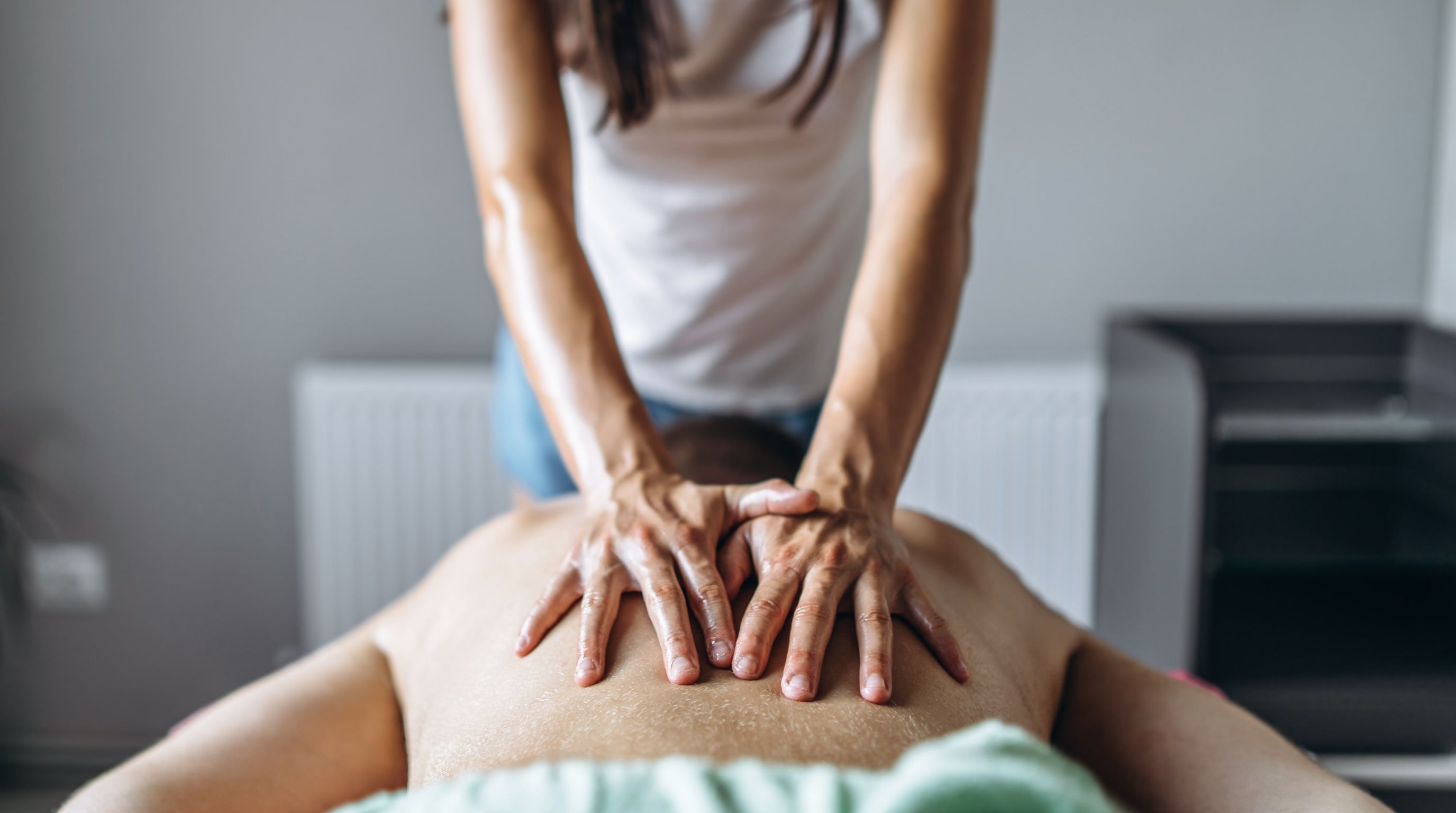



- Standard professional massage carries effectively zero STD transmission risk: the fluid exchange, mucous-membrane contact, and active-lesion contact STDs require do not happen during a draped, non-genital session.
- The narrow exceptions (herpetic whitlow, molluscum contagiosum, scabies) involve visible, active lesions that a responsible practitioner would already disclose or take leave for; testing after a routine massage is not medically indicated.
Published: November 2025 | Last updated: May 2026 | Editorial review and quality control: Martina N.
The short answer is no. A standard professional massage does not meaningfully transmit sexually transmitted infections. STDs require specific conditions to spread: the right type of contact, an exchange of bodily fluids, direct contact between mucous membranes, or broken skin meeting an active infection. A draped massage performed by a licensed therapist following routine hygiene protocols simply does not create those conditions.
The anxiety after a massage is common, especially if it was a new studio, a new therapist, or a session that felt more physical than expected. The biology of how STDs actually travel from one body to another is reassuringly narrow. This article walks through the science of transmission, where massage sits on the risk picture, the rare skin-contact infections worth flagging, and when testing genuinely makes sense versus when it would only feed the anxiety.
Key Takeaways
- Standard professional massage carries effectively zero STD transmission risk: the fluid exchange, mucous-membrane contact, and active-lesion contact STDs require do not happen during a draped, non-genital session.
- The narrow exceptions (herpetic whitlow, molluscum contagiosum, scabies) involve visible, active lesions that a responsible practitioner would already disclose or take leave for; testing after a routine massage is not medically indicated.
How STDs Actually Spread, and Why Massage Doesn't Fit the Picture
Understanding why a professional massage is low-risk starts with understanding how STDs actually travel between people. Most sexually transmitted infections require one of three things: an exchange of bodily fluids (semen, vaginal secretions, blood), direct contact between mucous membranes (mouth, genitals, rectum), or skin-to-skin contact with an active lesion or infected area. The keyword in all three routes is direct.
Infections like chlamydia, gonorrhea, and HIV are transmitted through fluid exchange. Chlamydia and gonorrhea live in mucous membranes and genital secretions; they do not survive well on intact external skin, and they do not transfer through touch. According to the CDC's HIV transmission guidance, HIV is not spread through casual contact, intact skin, or external touch; it requires specific fluid-exposure routes. A licensed massage therapist pressing on your lower back creates none of these conditions.
Even the skin-contact infections, herpes (HSV) and HPV, require more than a passing touch on a clothed or professionally draped body. Herpes spreads through direct contact with an active outbreak or, less commonly, through asymptomatic viral shedding from a mucosal area. HPV spreads through intimate skin-to-skin contact with infected genital tissue. The non-genital areas being worked during a standard massage (back, shoulders, calves, neck) are not the sites where these viruses typically live or shed. For a wider rundown of which common STD beliefs are grounded in science and which are not, our STD Myths and Facts guide covers the most widespread misconceptions in detail.
| STD | Primary Transmission Route | Transmitted by Standard Massage? |
|---|---|---|
| Chlamydia | Genital fluids, mucous membranes | No; requires fluid or mucous contact |
| Gonorrhea | Genital fluids, mucous membranes | No; requires fluid or mucous contact |
| Syphilis | Direct contact with sore or lesion | Extremely unlikely; requires active sore contact |
| HIV | Blood, semen, vaginal fluids, breast milk | No; intact skin is an effective barrier |
| Herpes (HSV-1 / HSV-2) | Skin-to-skin with active lesion or mucosal shedding | Very unlikely in a professional setting |
| HPV | Intimate genital skin-to-skin contact | No; requires intimate genital contact |
| Hepatitis B | Blood, sexual fluids | No; requires fluid exchange |
| Trichomoniasis | Genital-to-genital contact, shared fluids | No; requires genital fluid contact |
Can STDs Pass Through Unbroken Skin?
Healthy, intact skin is genuinely remarkable at blocking pathogens. It is not just a passive covering; it is an active barrier. The outer layer of skin (the stratum corneum) is dense, dry, and chemically hostile to most microorganisms. Viruses that spread sexually evolved to exploit mucous membranes, fluid exchange, and broken skin, because intact skin on your back, arms, or legs is simply too good a barrier for them to breach.
This is why public-health guidance consistently distinguishes between casual contact and transmission-risk contact. Handshakes, hugs, and shared rooms simply do not create the contact conditions that HIV, herpes, or gonorrhea need to transmit. The specific biological conditions required for transmission are the whole point, and a licensed massage therapist working within professional boundaries does not create them. The NHS's sex activities and risk page goes through the same logic in plain terms: it is the type of contact and the tissue involved that drives risk, not physical contact in general.
The scenario where skin-barrier protection matters most involves broken skin, cuts, abrasions, open sores, or active rashes. If either the therapist or the client has open wounds in the areas being worked on, that does theoretically change the calculation for certain pathogens. Professional standards kick in here: a trained therapist will avoid working over broken skin, active lesions, or any visible infection, both to protect the client and to protect themselves.
The Herpes Question: What People Are Actually Worried About
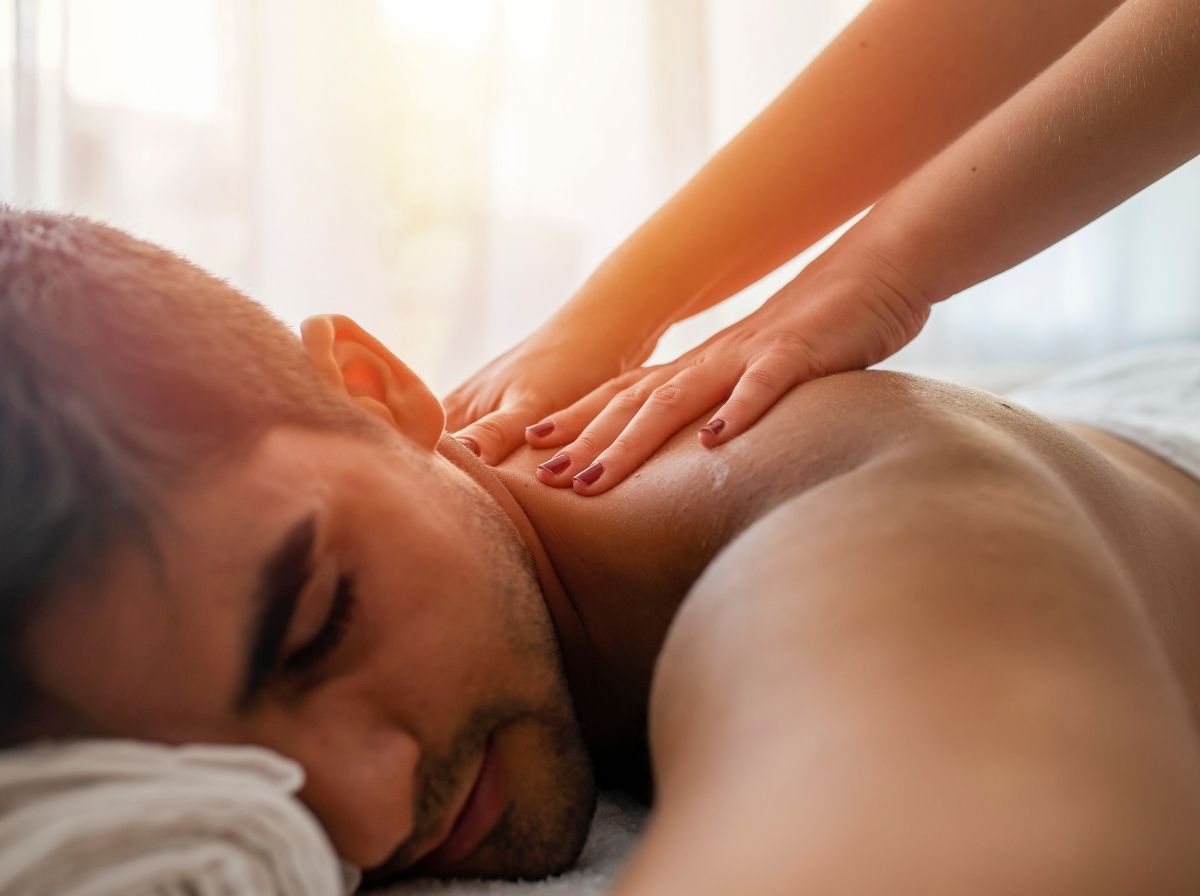
Herpes comes up more than any other infection in massage-related anxiety, and it is worth being direct about why. Unlike most STDs, herpes (HSV-1 and HSV-2) spreads through skin-to-skin contact rather than requiring fluid exchange. That makes people assume it could spread from almost any physical contact. The reality is more specific.
HSV-2 (genital herpes) lives and sheds primarily in the genital region and surrounding mucosal tissue. HSV-1 (oral herpes) sheds primarily around the mouth and lips. Viral shedding, the process by which the virus can be passed on, happens at these specific anatomical sites, not from the forearm or the shoulder blade. A massage therapist working on your trapezoids or your hamstrings is not contacting a region where the herpes virus is present or shedding, even if that therapist carries HSV-2. The body does not shed the virus from random skin surfaces.
The one theoretical exception worth knowing about is a rare condition called herpetic whitlow, an HSV infection of the fingers or hands. If a massage therapist had active herpetic whitlow and pressed bare fingers against your mucous membranes, there could in principle be a transmission risk. In practice, herpetic whitlow is extremely painful, causes obvious blisters on the hand, and is virtually impossible to massage through. It is also rare in non-clinical populations and is mostly seen in healthcare workers (dental staff, respiratory therapists) with repeated direct mucosal exposure on the job.
A disclosure on this article: stdrapidtestkits.com sells the rapid at-home tests linked below. We recommend kits based on fit for the question the reader came in with, not commercial benefit.
What About Massage Oil, Towels, and Linens?
Another layer of concern people bring to this topic is shared surfaces. The table, the towels, the oil bottle, the face cradle: can they carry infection between clients? It is a fair question, and the answer is almost entirely no, with a small footnote for general infection control.
Most STD-causing pathogens are fragile outside the human body. HIV denatures rapidly upon air exposure and does not survive on surfaces long enough to pose a realistic transmission risk through linens or equipment. Chlamydia and gonorrhea are similarly unstable outside warm, moist mucous membranes; they cannot survive the time between one client leaving and another arriving, even without active disinfection. Herpes is somewhat more resilient: under specific conditions, HSV can survive on surfaces for a matter of hours, though direct skin-to-skin contact remains the overwhelmingly dominant transmission route.
Professional massage studios are required to follow hygiene protocols that address all of this anyway. Fresh linens for each client, disinfected equipment, and hand hygiene between sessions are standard practice, not optional extras. These procedures are not specifically designed to prevent STD transmission (they exist for general infection control), but they accomplish that goal incidentally. The sheet someone else was lying on an hour ago has been replaced, and the oil applicator has been cleaned.
| Pathogen | Surface Survival | Risk via Massage Linens or Equipment |
|---|---|---|
| HIV | Minutes; degrades rapidly outside the body | Negligible |
| Chlamydia / Gonorrhea | Hours under ideal conditions, rarely outside mucous membranes | Negligible |
| HSV (Herpes) | Up to several hours on some surfaces | Extremely low with standard linen changes |
| HPV | Hours on dry surfaces | Very low; requires direct genital skin contact |
| Hepatitis B | Days on dry surfaces | Low; requires blood or fluid contact with broken skin |
| Syphilis (Treponema pallidum) | Very brief; dies rapidly outside the body | Negligible |
When to Test After a Massage, and When You Probably Don't Need To
If your massage was a standard professional session (draped table, licensed therapist, no genital contact, no fluid exchange, no broken skin on either side), the likelihood of STD transmission is so low that testing purely for massage-related anxiety is not medically indicated. You are fine, and a test will not give you new information about your massage.
There are circumstances where testing does make sense, and being clear about them is more useful than a blanket reassurance. If the massage included any kind of genital contact, intended or not, or if there was any exchange of bodily fluids, or if you have any doubt about whether the session was strictly professional, those circumstances warrant a different conversation. Testing after sexual contact, not massage contact, is the relevant calculation in that case.
If you already test regularly as part of routine sexual-health maintenance, which is good practice, a massage is not a reason to change your schedule. If you have never tested and this question has you thinking about your sexual health more broadly, that is actually a useful nudge. Knowing your status is always the right call, regardless of what prompted the thought. For anyone who does decide to test, accurate testing windows for the most common STDs are below, because timing matters more than most people realize.
| Infection | Test From | At-Home Kit |
|---|---|---|
| Chlamydia | About 14 days after exposure | Chlamydia Rapid Test |
| Gonorrhea | About 3 weeks after exposure | Gonorrhea Rapid Test |
| Syphilis | About 6 weeks after exposure | Syphilis Rapid Test |
| HIV | From about 6 weeks; retest at 12 weeks for certainty | HIV Rapid Test |
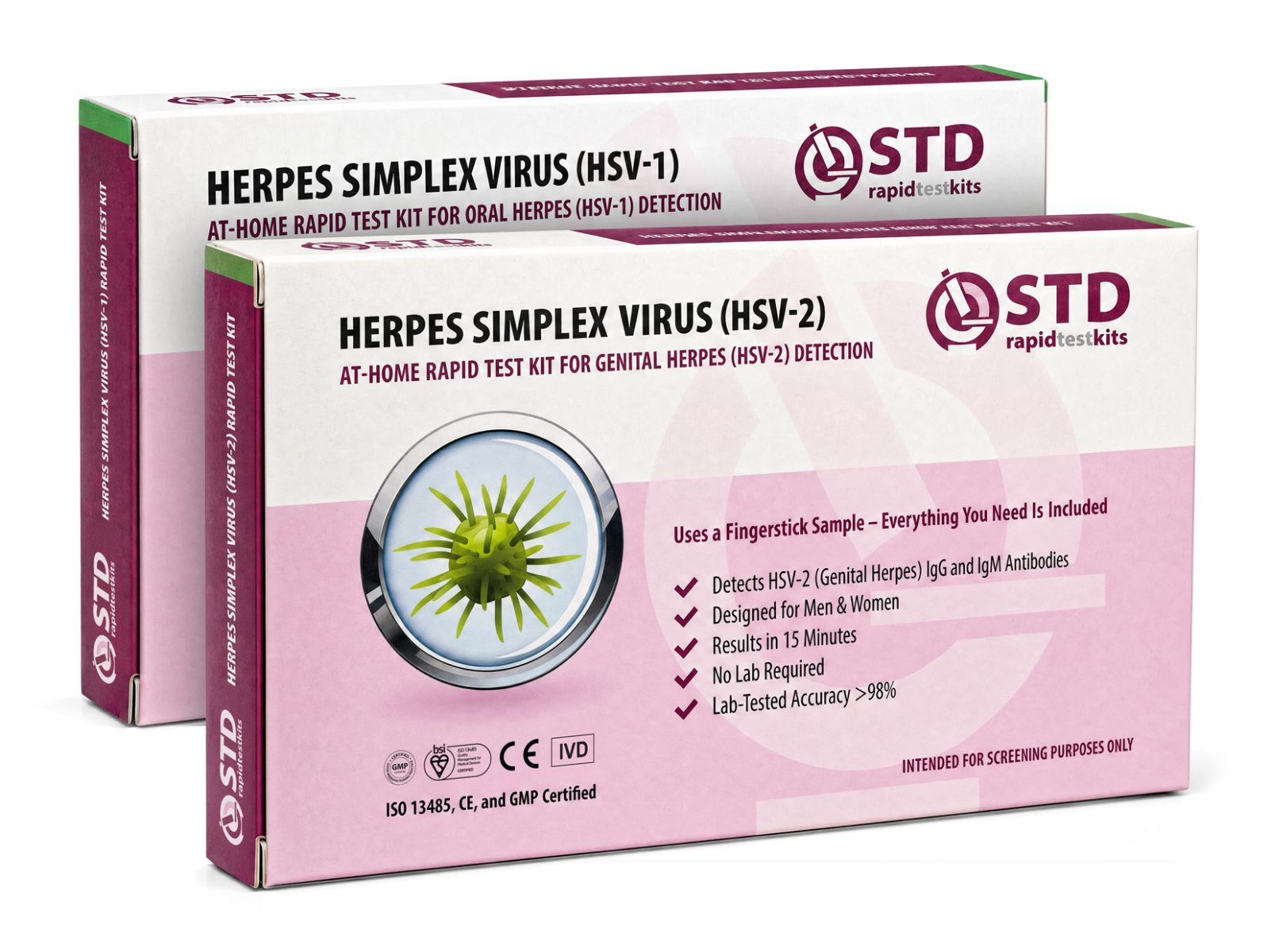
| Herpes (HSV-1, HSV-2) | From about 12 weeks for reliable antibody detection | Herpes 2-in-1 Rapid Test |
| Hepatitis B | About 6 weeks after exposure | Hepatitis B Rapid Test |
| Hepatitis C | About 8 to 11 weeks after exposure | Hepatitis C Rapid Test |
The Rare Skin Infections That Do Spread Through Close Contact
An important distinction is worth making here: some infections that are sometimes categorized as STIs can spread through skin-to-skin contact in non-sexual contexts. Massage is technically a setting where this is worth acknowledging. These are not classic STDs in the sense of chlamydia or gonorrhea, but they are infections that can spread through extended skin contact.
Molluscum contagiosum is a viral skin infection caused by a poxvirus that spreads through direct skin contact with an infected area. It is listed as an STI when transmitted sexually, but it also spreads among wrestlers, children sharing towels, and others in close physical contact. If a therapist had active molluscum lesions on their hands and worked directly on a client's skin, there is a theoretical transmission possibility. Active lesions are visible bumps that responsible practitioners would recognize as a reason to postpone sessions.
Scabies, caused by the mite Sarcoptes scabiei, is another skin condition that can technically spread through extended skin-to-skin contact. It is not an STD in the traditional sense, but it is classified as an STI by some public-health organizations because of how it often spreads. Scabies typically requires prolonged direct skin contact to transfer (commonly more than 10 minutes of sustained contact). A brief massage with standard draping is not the typical transmission scenario; an extended session with prolonged undraped contact in affected areas could theoretically be relevant. Active scabies causes an obvious, intensely itchy rash, so a responsible practitioner with that condition would not be seeing clients.
If you develop an unusual rash, bumps, or skin irritation in the days after any massage session, it is worth getting checked. Skin infections of various kinds can move in close-contact settings, even when STD transmission was never a realistic risk. Most of the time the explanation will be something entirely ordinary like oil sensitivity, friction, or heat.
- It lasts longer than 48 hours.
- It spreads beyond the area that was treated.
- It becomes blistered, crusted, or visibly inflamed.
- It comes with fever, swollen lymph nodes, or other systemic symptoms.
How to Choose a Massage Setting That Minimizes Any Concern
For anyone who wants to move from theoretically reassured to actively confident, the practical factors that make any massage session genuinely low-risk are worth knowing. They are not complex, and most licensed establishments already follow them.
Licensed massage therapists are trained in infection control. They wash their hands between clients, use fresh linens for each session, and follow professional standards covering contraindications, including not working over broken skin, active rashes, or visible infections. These standards exist to protect both the client and the therapist, and they are the reason a professional massage context is fundamentally different from a setting without those safeguards.
The surface you are lying on matters less than the linen covering it, and linens should be visibly fresh. Equipment like bolsters, face cradles, and oil dispensers should be wiped between clients. If anything in a studio looks unsanitary or feels off, that is a legitimate reason to raise it. General cleanliness standards are the bar here, regardless of STD risk.
Massage therapists themselves undergo training specifically about contraindications, conditions that make massage inadvisable or require modification. Skin infections, open wounds, and active outbreaks are covered in standard massage-therapy education. A well-trained therapist is not just following hygiene protocols out of habit; they understand why those protocols exist and how to identify situations where extra precaution is needed. The CDC's STI transmission guidance establishes the specific routes that matter: fluid exchange, mucous-membrane contact, and skin-to-skin contact with an active infection. A professional massage does not create any of those conditions.
Does the Type of Massage Change the STD Risk?
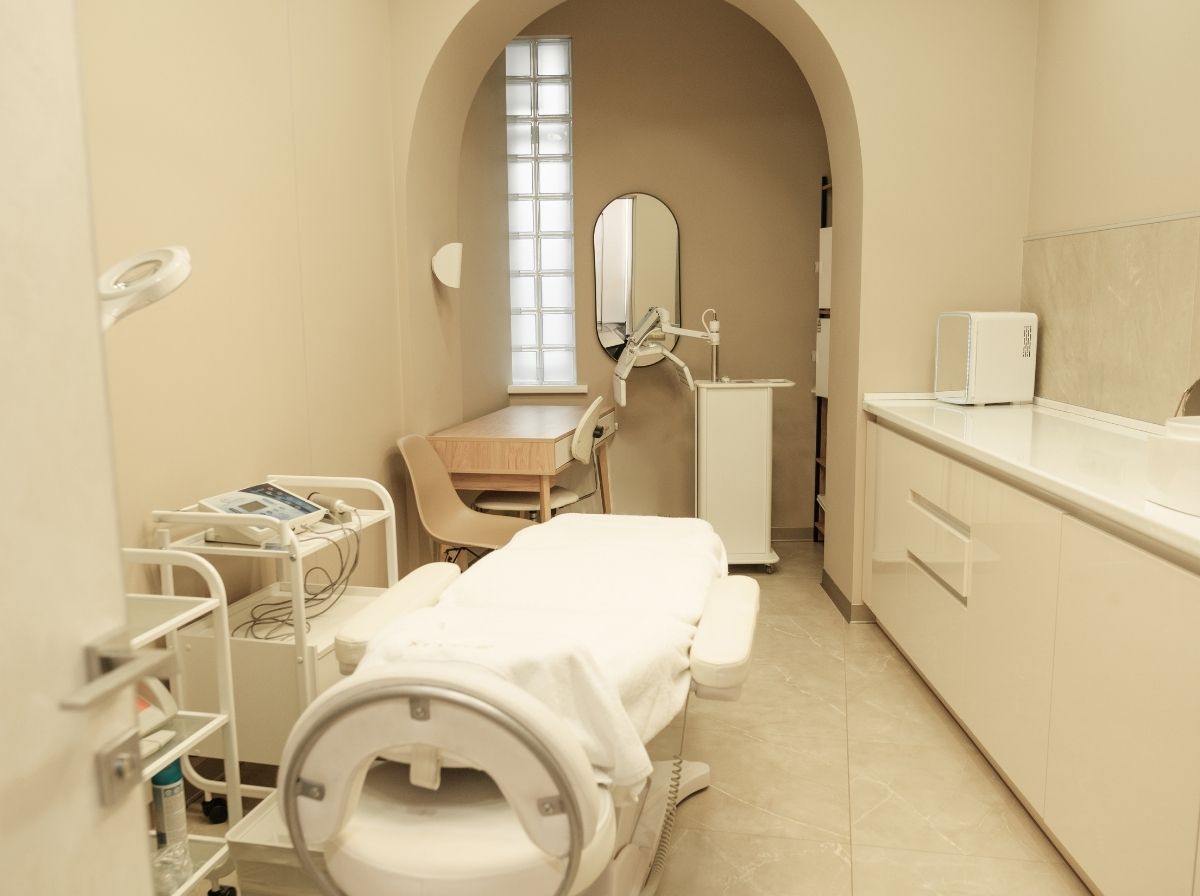
Not all massages are the same, and it is worth being specific. The format and the amount of skin contact involved does shift the risk picture, even if the conclusion stays largely the same in professional settings. Someone who had a fully clothed chair massage at an airport kiosk has a different set of contact conditions than someone who had a Thai massage with extended skin-to-skin body contact. Understanding where each type sits cuts through the generalized anxiety.
Swedish massage, the most common spa format, involves the client draped under sheets with only the area being worked on exposed. Contact is between the therapist's hands and the client's back, legs, or shoulders. There is no genital contact, no fluid exchange, and no contact with mucous membranes. STD transmission risk: effectively zero for every infection on the list.
Deep tissue and sports massage use more pressure but the same contact conditions as Swedish. More pressure does not create new transmission routes. The relevant factors (fluid exchange, genital contact, broken skin meeting active lesions) are still absent. Intensity is irrelevant to infection risk.
Thai massage involves more body contact and assisted stretching, sometimes without oil, and occasionally with the therapist using their body weight or limbs to apply pressure. More skin contact than a drape-heavy Swedish session, but still non-genital and non-sexual in a licensed professional context. Risk remains very low for all fluid-transmitted STDs; the skin-contact infections (herpes, HPV) still require genital-site involvement to be relevant.
Body-to-body massage, sometimes called a Nuru or sensual massage, involves significantly more skin contact and may be performed without full draping. This format sits on a spectrum from therapeutic to explicitly sexual, and the risk profile changes accordingly. A professional body-to-body massage without genital contact still presents very low risk. Any format that includes genital contact, fluid exchange, or sexual activity moves the situation out of the massage-risk category entirely and into the standard sexual-exposure framework, where testing timelines and infection risks are well established. Our STD Testing Window Periods guide covers each infection's testing math in detail.
| Massage Type | Typical Skin Contact | STD Transmission Risk |
|---|---|---|
| Swedish / Spa massage | Hands to draped body, non-genital | Effectively zero |
| Deep tissue / Sports massage | Hands to non-genital areas, firmer pressure | Effectively zero |
| Thai massage | Extended skin and limb contact, non-genital | Very low |
| Hot stone / Aromatherapy | Similar to Swedish; tools and hands, draped | Effectively zero |
| Body-to-body massage (non-sexual) | Full body contact without draping, no genital contact | Low; rises if broken skin is present |
| Any massage with sexual contact | Genital contact, possible fluid exchange | Standard sexual exposure; test accordingly |
HIV is not spread through air or water, or by casual contact such as shaking hands, hugging, sharing toilets, sharing dishes, or closed-mouth kissing.
FAQs
- Can you get chlamydia from a massage?
- No. Chlamydia requires direct contact with infected genital secretions or mucous membranes to spread. A professional massage does not involve either of those, making transmission effectively impossible in that context.
- Can you get herpes from a massage table or sheets?
- It is extremely unlikely. Herpes does not survive well on surfaces, and professional studios change linens between every client. The overwhelming majority of herpes transmission happens through direct skin-to-skin contact with an active site, not through shared surfaces.
- What if the massage therapist had cold sores? Could I get HSV-1?
- Only if their active oral sore made direct contact with your mouth or another mucous membrane, which does not happen in a standard massage. A cold sore on a therapist's lip does not transmit the virus to your back or your calves.
- Is there any STD you can actually get from a professional massage?
- Under standard professional conditions, no. The only theoretical edge cases involve active lesions making direct contact with broken skin, circumstances that would already be visible, painful, and a clear reason for the practitioner to reschedule.
- Can massage oil carry STDs between clients?
- No. STD-causing pathogens do not survive in oil at room temperature in a way that would allow transmission between clients. Even the more resilient viruses like herpes need specific warm, moist conditions to maintain viability, which a shared oil bottle does not provide.
- If I am anxious after a massage, when should I test?
- If nothing sexual happened, testing is not medically necessary. If you have not tested recently and this prompted you to check in with your sexual health overall, that is a perfectly good reason to test. The window periods matter: chlamydia from about 14 days, gonorrhea from about 3 weeks, HIV and syphilis from about 6 weeks after any relevant sexual exposure.
- Can scabies spread at a massage studio?
- Scabies needs prolonged direct skin contact to transfer, typically more than 10 minutes of sustained contact with an infected area. Professional draping minimizes even this small risk. Active scabies causes an obvious, intensely itchy rash that any responsible practitioner would recognize as a reason to postpone seeing clients.
- What if I noticed a rash after my massage?
- Do not immediately assume it is an STD. Skin reactions after massage are far more commonly linked to product allergies, mechanical friction, or heat from the table. If a rash persists or spreads, see a clinician, but the explanation is almost certainly not a sexually transmitted infection from the session.
Test When It Matters, Know Your Status Year-Round
If this question crossed your mind after a massage, the good news is that you can move on without worry. Recent CDC surveillance data show that over 2.2 million STI cases were reported in the U.S. in 2024 alone, and the majority of people carrying common infections have no symptoms at all. People who take their sexual health seriously test regularly as a habit, not in response to a scare. If you are unsure whether your specific situation warrants testing, our STD Risk Checker guide walks through the questions worth asking yourself before deciding.
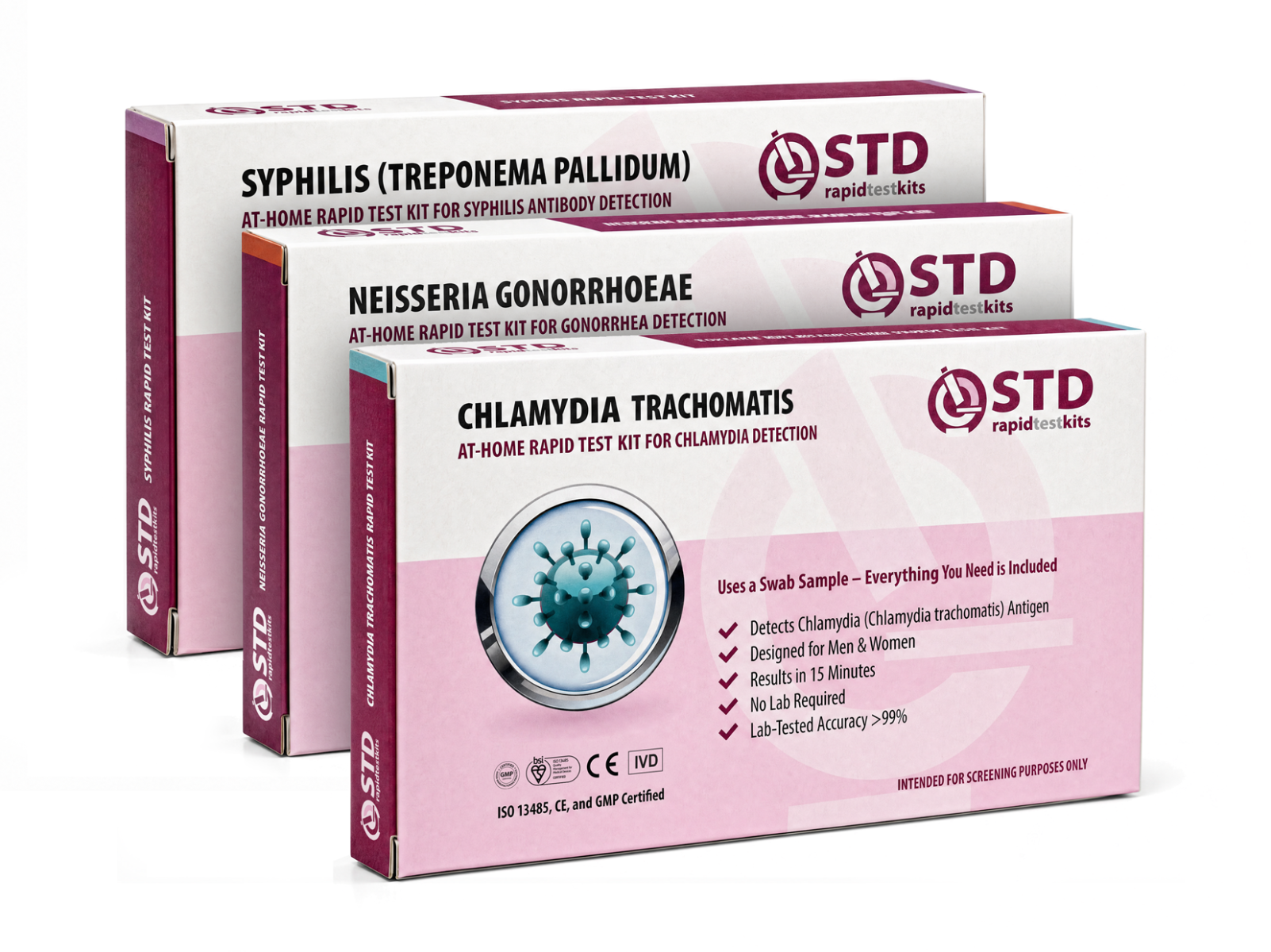
For comprehensive at-home testing, the Complete 7-in-1 At-Home Rapid Test Kit covers HSV-1, HSV-2, chlamydia, gonorrhea, syphilis, HIV, hepatitis B, and hepatitis C, with results in minutes. If you want a broader women's panel, the Women's 10-in-1 Kit adds trichomoniasis and HPV (validated for vaginal self-swab, women-only) on top of that list. For a focused check on the bacterial infections most likely to go unnoticed, the 3-in-1 below is a fast, discreet starting point.
Our article was constructed based on current advice from the most prominent public-health and medical organizations, and then molded into plain language based on the situations people actually experience: a massage that felt new or unfamiliar, the after-session anxiety spiral, the question of whether testing is genuinely indicated. Our background research pool included broader public-health, infection-control, and clinical references; the sources below are the most pertinent for readers who want to verify our claims directly.
- U.S. Centers for Disease Control and Prevention. About sexually transmitted infections, transmission routes, and prevention guidance.
- U.S. Centers for Disease Control and Prevention. How HIV is and is not transmitted, including casual contact and intact-skin guidance.
- U.S. Centers for Disease Control and Prevention. Sexually transmitted infections surveillance, 2024 (provisional), annual case counts and trends.
- NCBI StatPearls. Herpes simplex type 2: epidemiology, transmission routes, and clinical presentation.
- NCBI StatPearls. Sexually transmitted infections overview, pathogen survival, and clinical context.
- U.K. National Health Service. Sex activities and risk: per-act and per-route risk framing for casual versus sexual contact.